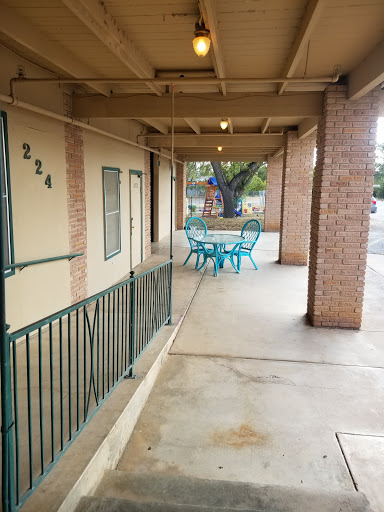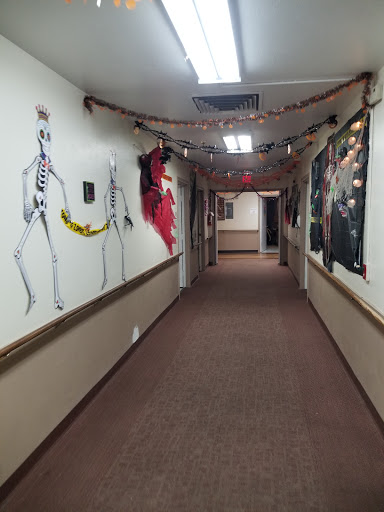
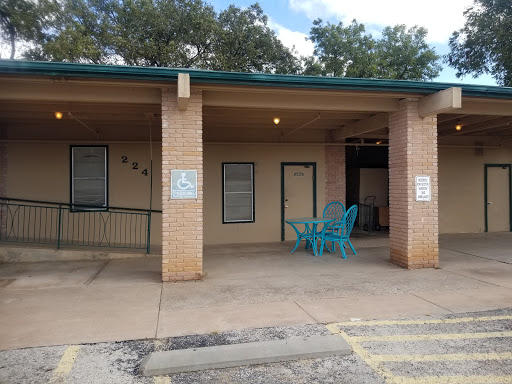
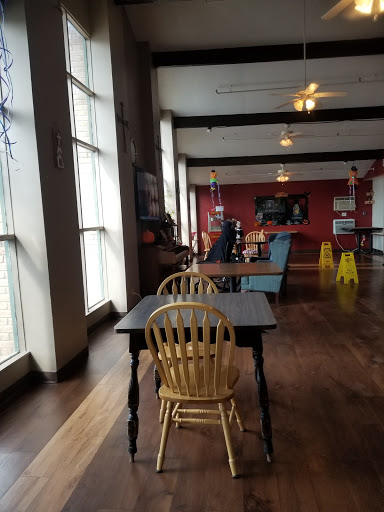

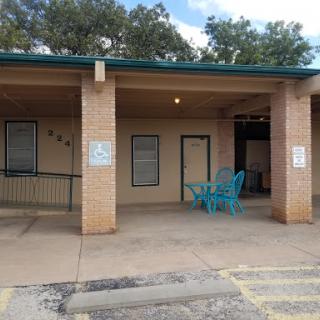
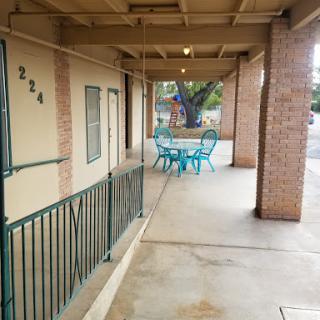
224 East 6Th Street, Baird, TX 79504
For more information about senior living options: (866) 208-4318
Overall Review of Homestead Nursing And Rehabilitation Of Baird
Pros
 The staff were compassionate, understanding and kind, making it a very positive experience for the resident.
- Homestead Nursing and Rehabilitation feels like a home, with professional but friendly and accessible staff.
- The staff are incredibly professional, yet friendly and accessible to the residents.
- This home seems like a safe, comfy place for families to find the care they need.
- Amazing place with a great atmosphere and caring staff; it is loved by families and residents alike.
- The loving staff took care of the great grandmother and great great grandmother; the family could not have asked for better nurses and faculty.
- The mom has been there for a year and loves it, with compassion and care on the inside making up for any exterior concerns.
- The staff is wonderful and has taken very good care of the residents.
Cons
 The facility was the catalyst for the reviewer’s mother’s death and should be closed down.
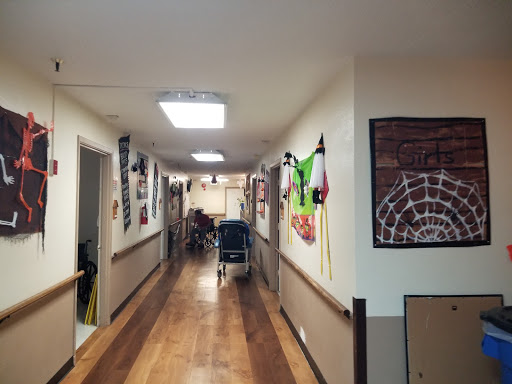
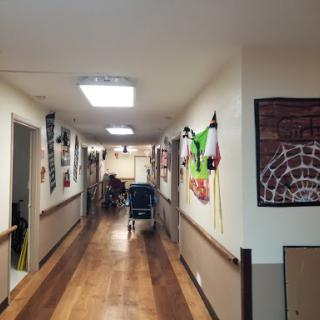
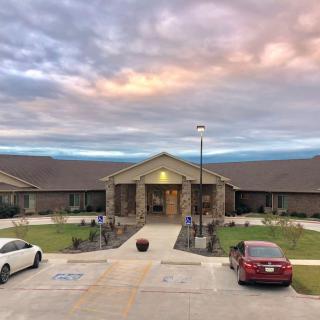
- The building appeared old, and the nursing staff were more concerned with smoking breaks than with patient care.
- The meals in the rooms were usually cold, the facility was old, and the staff were consistently understaffed, especially at night.
- The Baird Nursing Home should not be considered, as readers would regret choosing it.
- The facility had a poor working environment, management needed significant work, residents were seen as dollar signs, and it felt depressing and lacked a home-like atmosphere.
- The staff were rude if residents did not "drink the Kool-Aid," and the bathrooms were too small for a wheelchair, making it hard to access.
Review
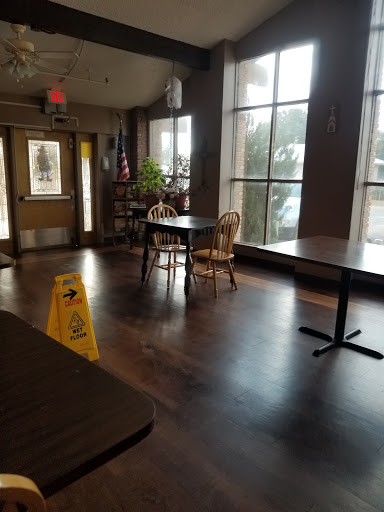
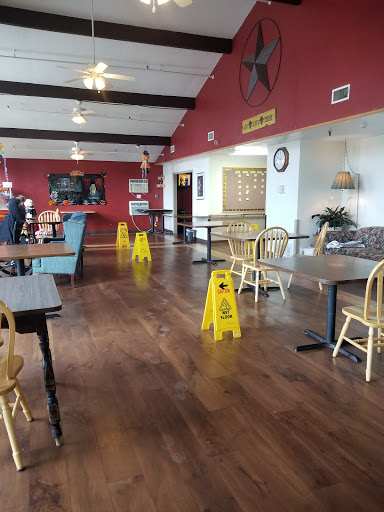
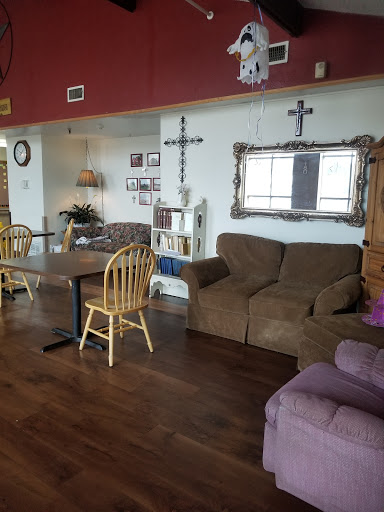
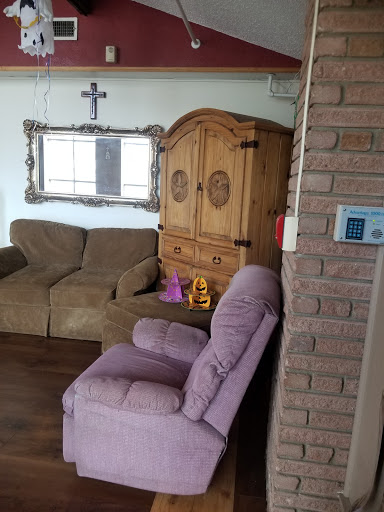
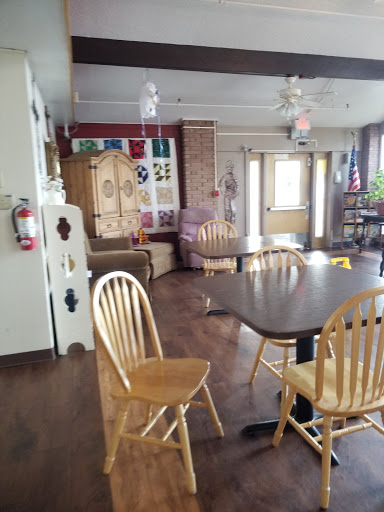
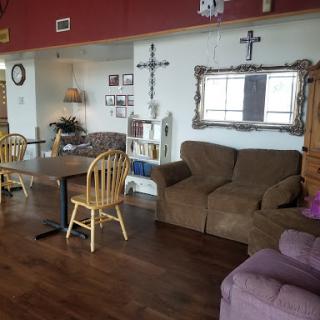
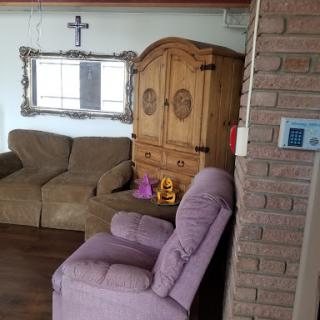
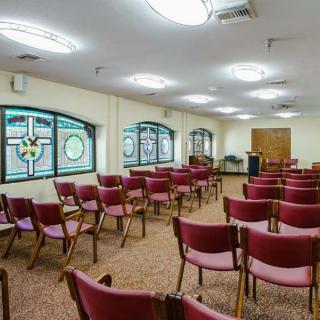
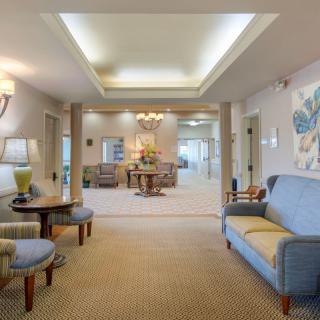
This community is best suited for families that prioritize a warm, home-like atmosphere and consistently compassionate, approachable staff over pristine facilities or surgical efficiency. The strongest selling points are the human connections: staff who are described as caring, accessible, and genuinely devoted to residents, and a setting that many call calm and “homey.” When visits go well, families walk away convinced their loved one will be treated with kindness and given opportunities for meaningful activities, like outings and social events, that reinforce a sense of belonging, not simply a medical routine. For many, these relational qualities outweigh the facility’s aging appearance and dated décor.
That said, alternatives should be on the radar for anyone who places a premium on modern infrastructure, flawless upkeep, and consistently robust staffing levels around the clock. The building’s age is repeatedly noted, with concerns about cramped spaces, especially in bathrooms, and a design that can feel more like a lockdown unit than a welcoming home. Several reviews flag night-shift understaffing and questions about administrative responsiveness, which can translate into slower response times and fewer opportunities for one-on-one attention. For families that demand bright, updated common areas, pristine sanitation, and a visibly proactive maintenance plan, shopping other options is prudent.
The key positives, compassionate care, a respectful and friendly culture, and opportunities for real engagement, often offset many drawbacks for families who value personal attention. Multiple residents and families praise caregivers who listen, explain care plans, and treat loved ones with dignity. The atmosphere that feels less clinical and more like a familiar home is repeatedly cited as a major comfort, especially for long-term residents who thrive on routine and social interaction. When staff turnover is low and the activities director fosters connection, residents respond with improved mood and a sense of safety. These elements can translate into meaningful quality of life, even in an older facility.
However, the downsides cannot be ignored. A particularly harsh outlier review accuses the operation of grave legal and ethical lapses, underscoring that for some families, the stakes are too high to overlook. Additional concerns surface around sanitation and maintenance, with mentions of small bathrooms that are difficult to navigate in a wheelchair and a perception that the environment feels depressing or overly utilitarian. Reports of inconsistent dining experience, food sometimes not served hot when eaten in rooms, highlight how a few operational gaps can erode overall satisfaction. Taken together, these factors push families toward a careful, on-site evaluation rather than a quick decision.
On balance, Homestead Nursing and Rehabilitation of Baird presents a credible option for those who want a caregiver-first culture in a facility that may show its age but still delivers heartfelt care. The strongest cases come from families who see staff as the lifeblood of daily life and who can tolerate imperfect surroundings in exchange for genuine warmth and resident-focused attention. For residents with mobility challenges or those who require a flawless, modern environment, this is not the first choice. The prudent path is a structured visit: meet the administrator, observe staffing patterns during different shifts, tour the rooms and bathrooms, and speak with current residents and families about real daily experiences.
In practical terms, the decision hinges on prioritizing relationships and sense of home versus the expectations for a newer, more polished campus. Prospective residents should demand transparency about staffing levels, especially at night, and request current references from families with similar needs. Ask about care planning processes, how concerns are escalated, and what concrete steps have been taken to address past criticisms about cleanliness and environment. If comfort, continuity, and a tangible sense of community trump immaculate aesthetics and perfect logistics, Homestead Nursing and Rehabilitation of Baird offers a compelling fit. If not, there are viable alternatives that may better align with those higher expectations.
 74 resident community capacity
 Skilled Nursing Facility
 Air-conditioning
 Beauty salon
 Cable or satellite TV
 Computer center
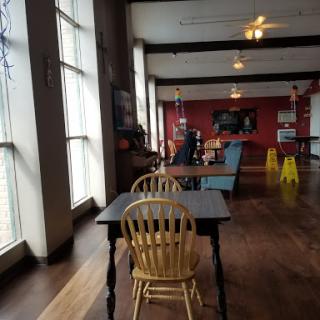
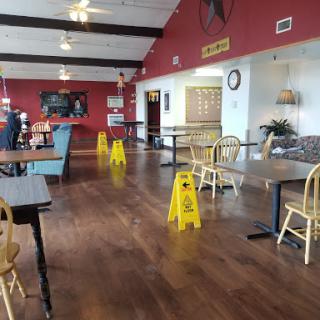
 Dining room
 Fitness room
 Fully furnished
 Gaming room
 Garden
 Housekeeping services
 Kitchenette
 Move-in coordination
 Outdoor space
 Private bathrooms
 Restaurant-style dining
 Small library
 Telephone
 Wellness center
 Wi-Fi/high-speed internet available
 Abilene Regional (17 miles away)
 Community operated transportation
 12-16 hour nursing
 24-hour call system
 Activities of daily living assistance
 Assistance with bathing
 Assistance with dressing
 Assistance with transfers
 Diabetes diet
 Medication management
 Mental wellness program
 Special dietary restrictions
 Concierge services
 Planned day trips




 Exploring Palliative Care in the Home: A Comprehensive Overview
 Comprehensive Insights into Palliative Home Care: What It Is and What to Expect
 Skilled Nursing Facilities vs. Nursing Homes: Making Sense of the Differences