For more information about senior living options: (866) 208-4318
4.3 from 45 reviews
5 stars
29
4 stars
6
3 stars
8
2 stars
0
1 stars
2
The Heritage at Hunters Chase Costs & Pricing
At The Heritage at Hunters Chase, residents benefit from competitive pricing that reflects both local and state averages, making it a compelling choice for those seeking senior living options. For a studio apartment, the monthly cost is $3,150, significantly lower than the Williamson County average of $3,979 and the Texas state average of $3,758. Similarly, the one-bedroom option is priced at $3,450, which is slightly below the county's average of $3,654 and competitively close to the state rate of $3,761. These pricing strategies not only highlight The Heritage at Hunters Chase's commitment to providing affordable senior living solutions but also demonstrate its dedication to ensuring residents receive value without compromising on quality or care.
Floor plans
The Heritage at Hunters Chase
Williamson County
Texas
Studio
$3,150
$3,979
$3,758
1 Bedroom
$3,450
$3,654
$3,761
Memory care communities with a similar price nearby
About the same
University Village
4.8 from 53 reviews
$3,200 to $5,300 / month
11.1 miles away
from -$236 / mo
Maravilla at the Domain
4.8 from 108 reviews
$2,914 / month
4.3 miles away
from +$262 / mo
The Delaney at Georgetown Village
4.7 from 204 reviews
$3,412 to $5,200 / month
18.1 miles away
from -$150 / mo
The Crossing at Oak Hill Assisted Living and Memory Care
Memory care residents and families describe care that feels individualized and well managed.
Several residents’ families describe strong memory care support, including exceptional care for a parent in memory care and day-to-day attention from memory care leadership. One review highlights frequent engagement on the memory care floor and a hands-on approach to calming a combative resident after a stroke. These accounts also mention ongoing coordination and communication with family during difficult periods.
common27 reviews mention this
Friendly staff is a consistent theme
Residents and families repeatedly describe staff who are welcoming, kind, and responsive.
Across many reviews, people describe the staff as friendly and welcoming, with an atmosphere that helps residents and visitors feel at ease. Families also mention staff being patient and compassionate, including nurses and directors providing care oversight and helpful follow-through. Even in reviews with negative experiences, staff conduct and communication are part of the complaint, which reinforces how important day-to-day staff interactions are to residents’ experience.
common9 reviews mention this
Food quality stands out
Dining draws praise for taste and service, with several residents calling it a highlight.
A number of reviews mention that meals were consistently good, made from scratch, or part of what residents looked forward to. Others specifically note dietary accommodation concerns (including diabetic needs) and describe staff being able to work with special dietary restrictions. A smaller set of reviews are negative about dining quality, including meals arriving cold or not matching expectations, so food quality is not universally consistent.
common8 reviews mention this
Activities keep residents engaged
Many reviews describe frequent activities and a social environment for residents.
Several families say there are always activities happening and that residents benefit from social time and events. Reviews also mention upbeat moments like sing-alongs and on-site participation, plus outdoor areas that make it easier to spend time with family. One tour-focused review raises a concern about having designated common rooms for activities, which suggests the activity setup may vary depending on what you’re looking for.
caveat7 reviews mention this
Care staffing and communication concerns
Some residents and families report staffing gaps and communication breakdowns.
A few reviews describe understaffing or limited caregiver availability, including concerns that care may not be delivered at the level promised. Multiple negative accounts also mention problems with communication, including not being able to reach a loved one or needing families to insist on the care they need. Other complaints point to issues like medication mix-ups and care disruptions, while a separate set of reviews counterbalance this by describing adequate care and follow-up.
caveat4 reviews mention this
Pricing earns mixed reactions
Pricing is sometimes described as high, but others say it offers better value locally.
Some families say the price felt a little too high compared with what they expected, and one review connects the monthly cost to the question of whether care matches what’s paid. Others describe the community as offering better value than nearby options or as moderately priced. A tour review also contrasts affordability with community condition concerns, suggesting the “value” takeaway depends on what you prioritize.
How we summarize
Counts show how many written reviews mention each theme; a review can touch several themes, and only frequently mentioned themes are displayed.
Features
Housing
135 resident community capacity
Types of Care
Assisted Living
Memory Care
Respite Care
Pets
Cats allowed
Dogs allowed
Amenities
Activities off-site
Activities on-site
Air-conditioning
Beautician on-site
Beauty salon
Cable or satellite TV
Computer center
Devotional services off-site
Devotional services on-site
Dining room
Fitness room
Fully furnished
Gaming room
Garden
Ground floor units
Handicap accessible
Housekeeping services
Indoor common areas
Kitchenette
Move-in coordination
Outdoor common areas
Outdoor space
Private bathrooms
Respite or short term stays offered
Restaurant-style dining
Small library
Telephone
Wellness center
Wheelchair accessible showers
Wi-Fi/high-speed internet available
Transportation
Austin-Bergstrom International (18 miles away)
Community operated transportation
Transportation arrangement
Transportation arrangement (non-medical)
Transportation to doctors appointments
Care Services
12-16 hour nursing
24-hour call system
24-hour supervision
Activities of daily living assistance
Ambulatory care
Assistance with bathing
Assistance with dressing
Assistance with transfers
Diabetes diet
Diabetic care
Incontinence care
Meal preparation and service
Medication management
Mental wellness program
Mild cognitive impairment
Special dietary restrictions
Specialized memory care programming
Dining
Diabetes diet
Gluten-free
Guest meals
International cuisine
Low / no sodium
Meals provided
No Sugar
Organic
Professional chef
Restaurant style dining
Room service
Special dietary restrictions
Special dining programs
Vegan
Activities
Art classes
Catholic services
Community-sponsored activities
Concierge services
Cooking classes
Day trips and outings
Devotional activities offsite
Devotional activities on-site
Educational speakers / life long learning
Fitness programs
Live well programs
Other religious services
Planned day trips
Protestant services
Resident-run activities
Scheduled daily activities
Visiting chaplain or priest
Nearby Places of Interest
This area of Austin, Texas is a convenient and vibrant neighborhood with a variety of amenities within close proximity. With multiple pharmacies nearby, as well as restaurants offering diverse dining options, seniors can easily access essential services and enjoy meals out. The presence of reputable physicians and healthcare facilities like McCormick Vision Source and Seton Northwest Hospital ensure that residents have access to quality medical care. Additionally, the neighborhood offers opportunities for leisure and recreation with parks like Arboretum Park and Rattan Creek Park nearby. Transportation options such as the MetroRail Lakeline Station provide easy access to other parts of the city, while entertainment venues like Alamo Drafthouse Lakeline cater to those seeking cultural experiences. Overall, this area provides a desirable balance of convenience, healthcare resources, recreational opportunities, and community amenities for seniors considering it for living in Austin.
At The Heritage at Hunters Chase, residents benefit from competitive pricing that reflects both local and state averages, making it a compelling choice for those seeking senior living options. For a studio apartment, the monthly cost is $3,150, significantly lower than the Williamson County average of $3,979 and the Texas state average of $3,758. Similarly, the one-bedroom option is priced at $3,450, which is slightly below the county's average of $3,654 and competitively close to the state rate of $3,761. These pricing strategies not only highlight The Heritage at Hunters Chase's commitment to providing affordable senior living solutions but also demonstrate its dedication to ensuring residents receive value without compromising on quality or care.
The Heritage at Hunters Chase offers comprehensive support tailored to meet the unique needs of residents with dementia or Alzheimer's disease, ensuring their safety and enhancing their quality of life. With 24-hour supervision, caregivers provide a constant presence that fosters security and helps manage challenging behaviors associated with memory loss. Assistance with activities of daily living, such as bathing, dressing, and transfers, promotes independence while supporting dignity. Incontinence care is handled with sensitivity, minimizing discomfort for residents. Nutritious meal preparation and service ensure that dietary needs are met, while medication management helps prevent critical errors that could jeopardize health. The mental wellness program addresses emotional and cognitive well-being through engaging activities designed for those with mild cognitive impairment. Additionally, specialized memory care programming focuses on strategies to stimulate cognitive function and enhance social interaction, providing a holistic approach to memory care that prioritizes individual needs and preferences.
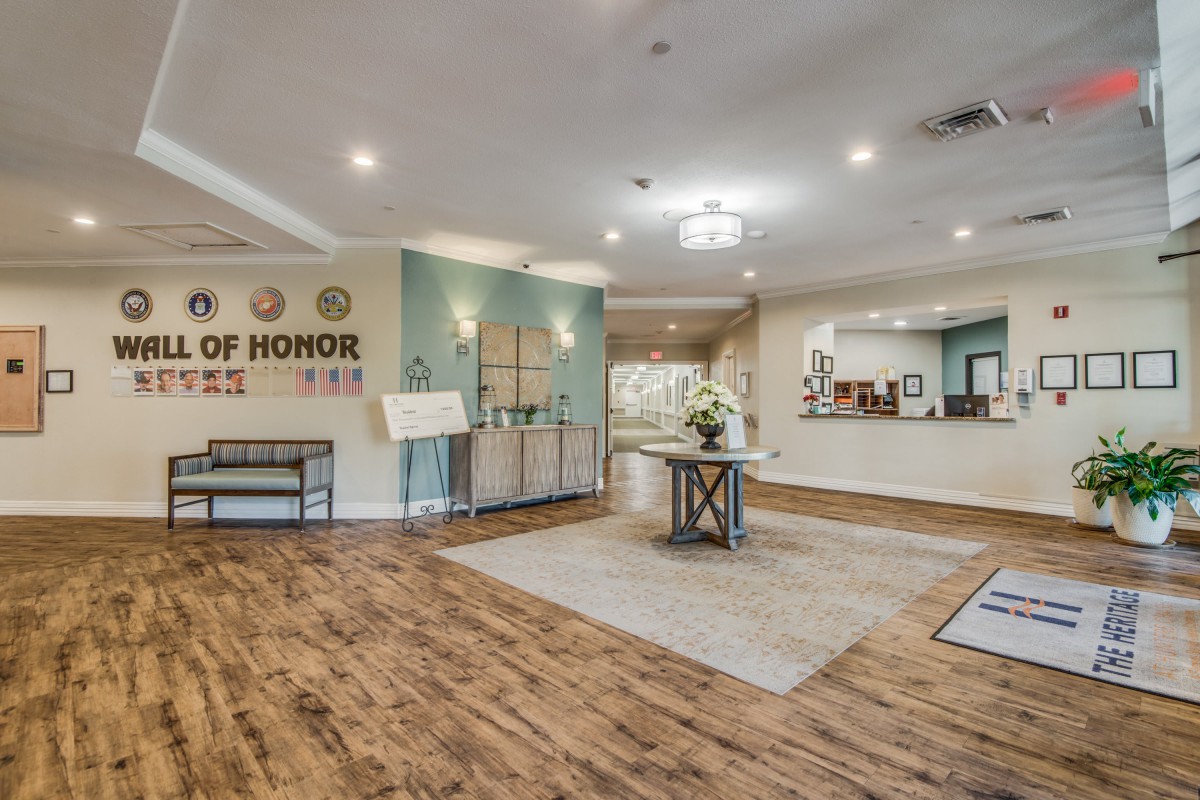
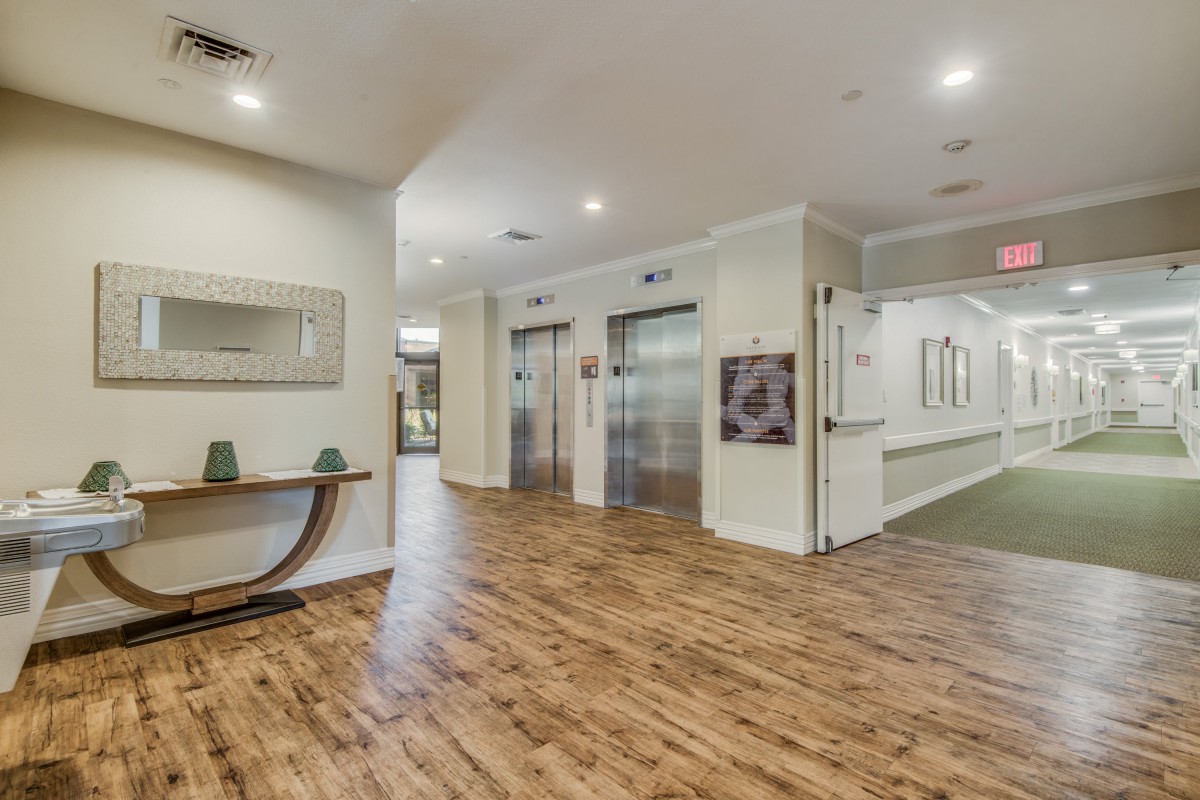
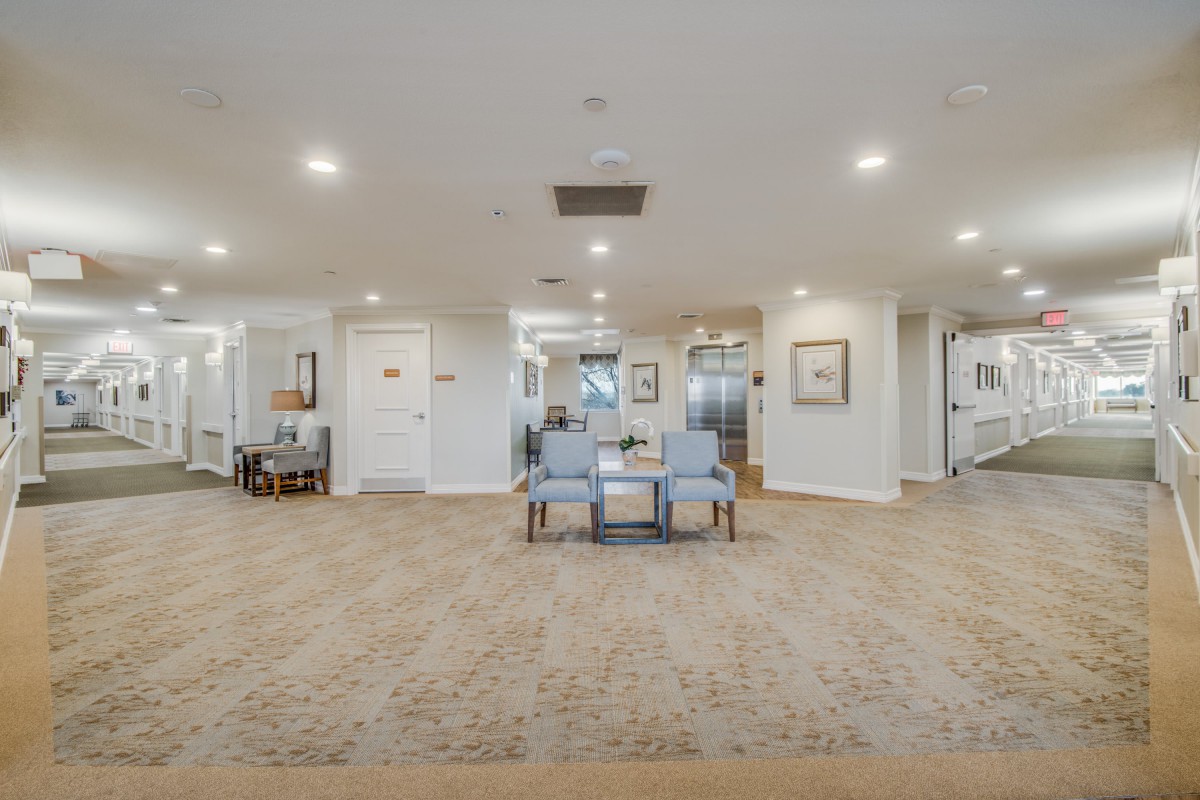
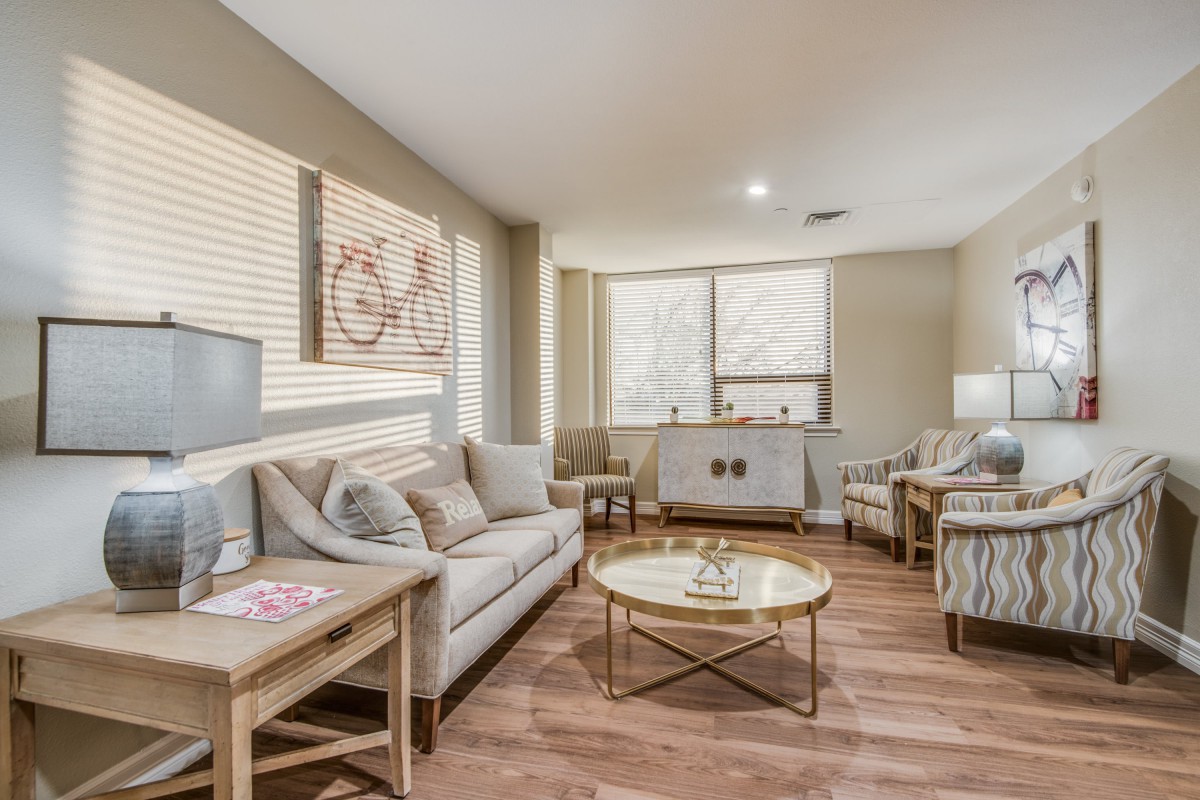
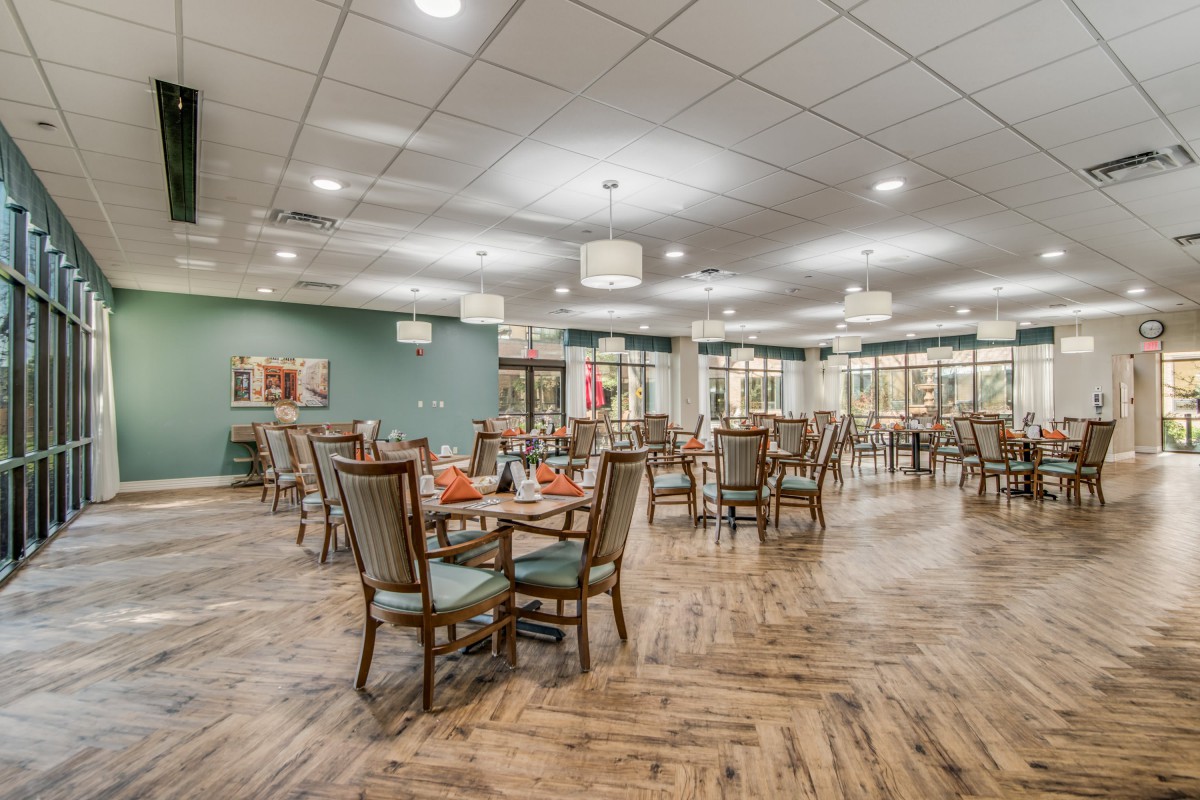
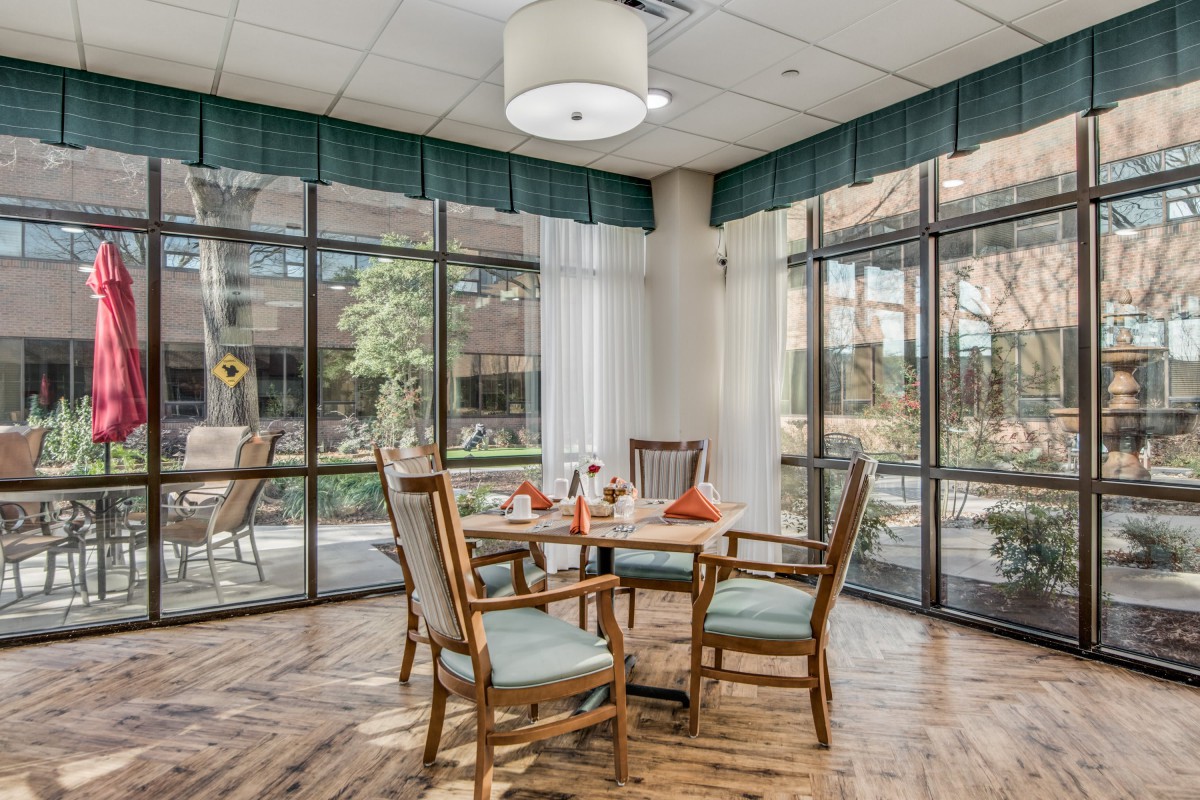
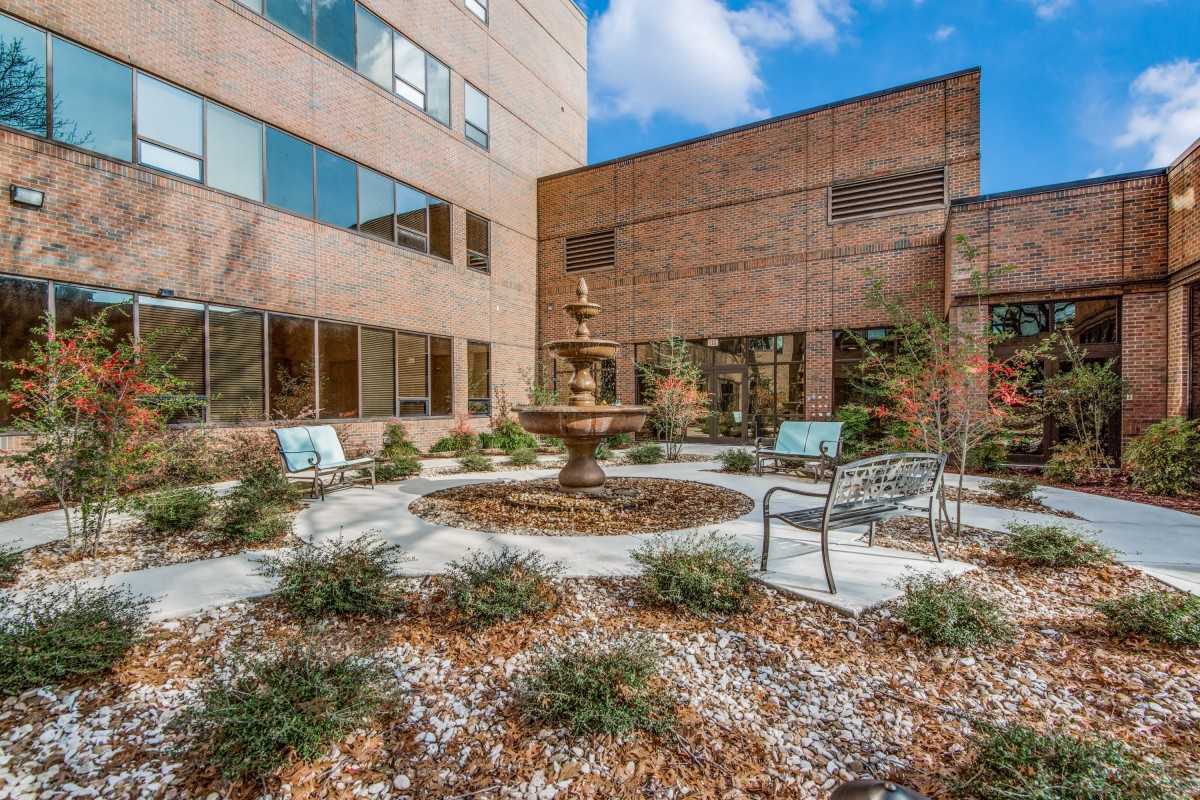
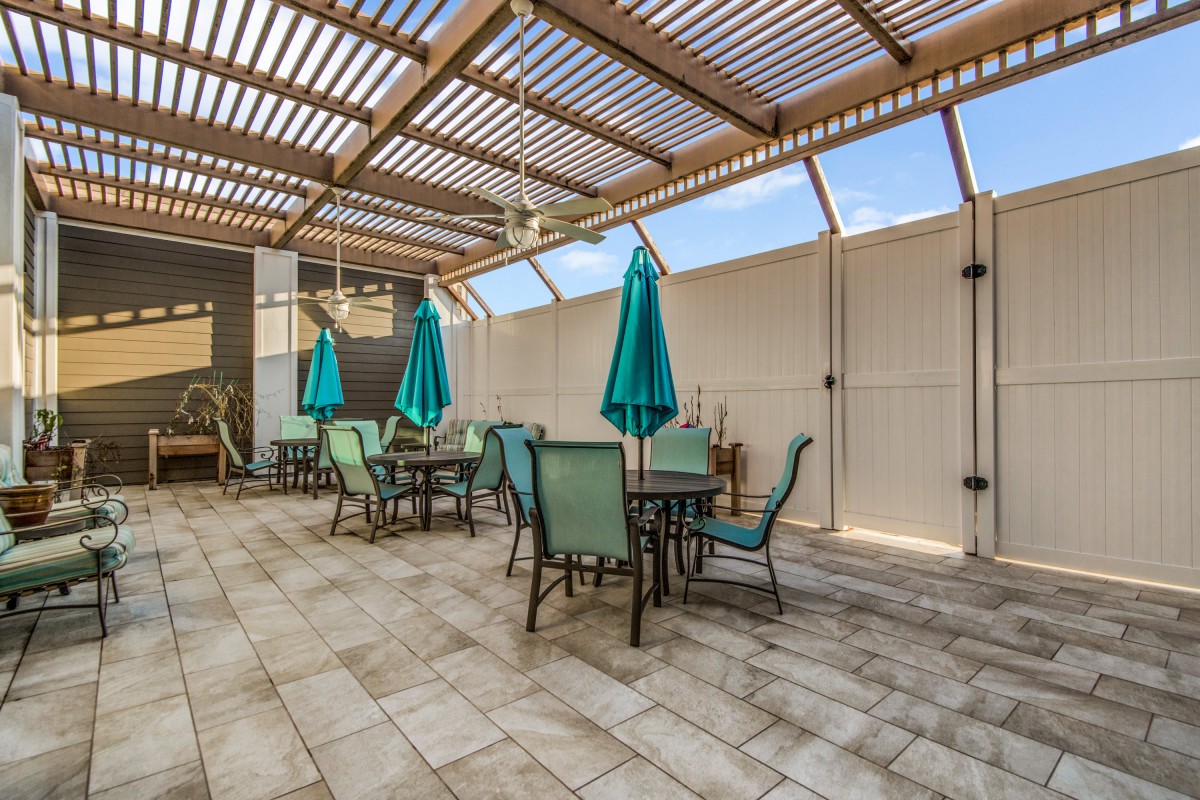
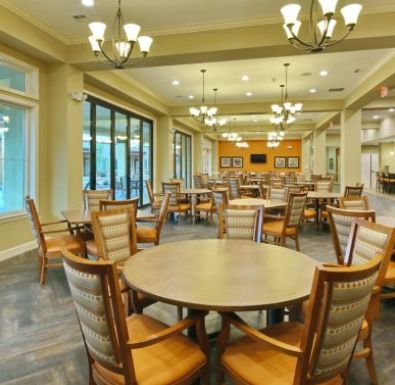
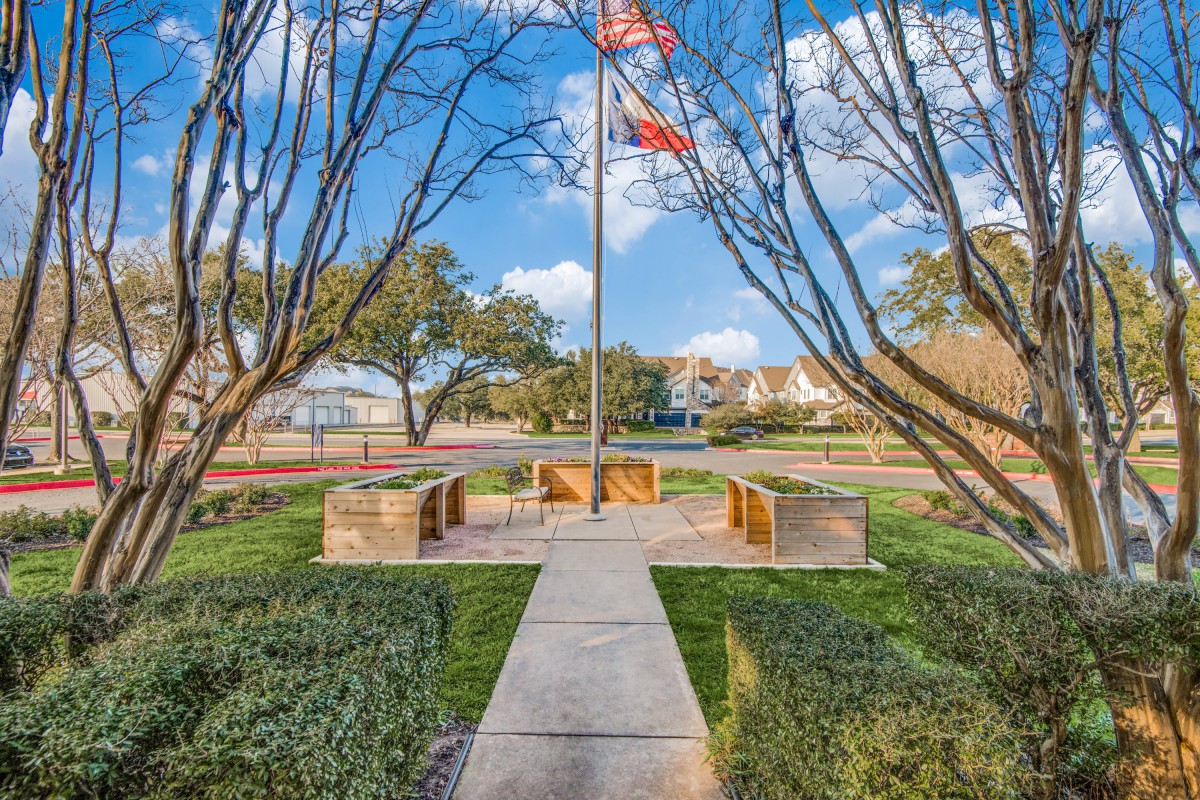
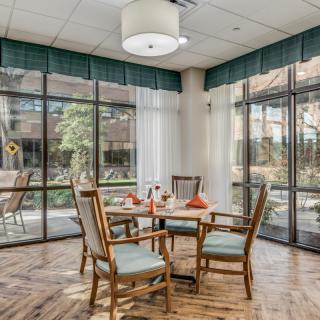
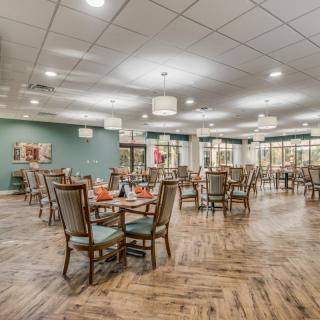
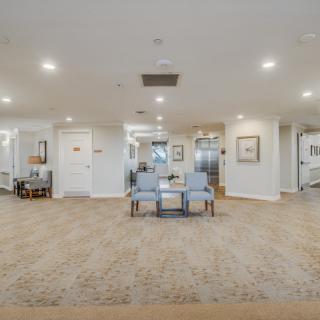
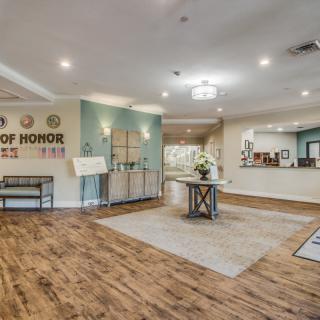
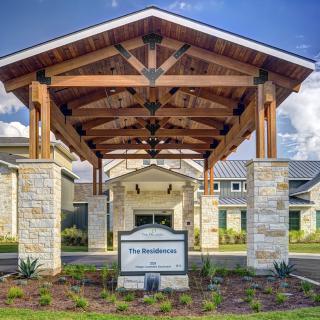
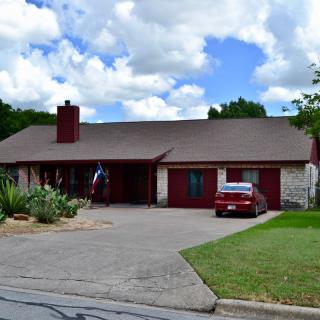
The Heritage at Hunters Chase on seniors.fyi includes 15 photos including images showing interior, dining, trees, landscaping, decor, windows, lobby, outdoor, and more.
Nearby Communities
Arden Courts Of Austin
Austin, TX
4.7 from 115 reviews
$5,000 to $7,180 / month
Caring, long-tenured staff with engaging activities.
Heavenly Caregivers
Austin, TX
4.9 from 89 reviews
Excellent proximity to amenities and healthcare services.
Stellar Senior Care
Austin, TX
3.9 from 22 reviews
Heartland Health Care Center - Austin
Austin, TX
3.6 from 109 reviews
Comprehensive care options (including memory care) with 24/7 staff and on-site amenities.
Austin Wellness & Rehab
Austin, TX
3.4 from 100 reviews
$4,898 to $5,052 / month
Skilled therapy staff and a clean, well-maintained environment.
The Clairmont Retirement Community
Austin, TX
4.6 from 150 reviews
$2,095 to $2,695 / month
Friendly, attentive staff; strong sense of community; and affordable pricing.
Brookdale North Austin
Austin, TX
4.4 from 113 reviews
$3,700 to $5,060 / month
Warm, caring staff; home-like atmosphere with good dining.
The Enclave at Cedar Park Senior Living
Cedar Park, TX
4.2 from 76 reviews
$2,155 to $3,960 / month
Friendly staff and residents; engaging activities; clean, inviting spaces.
Atria At The Arboretum
Austin, TX
4.6 from 193 reviews
$3,495 to $5,295 / month
Warm, attentive staff with engaging activities and strong dining.
The guide outlines the complexities of Medicaid coverage for assisted living, highlighting significant state-to-state variations, limited coverage often restricted to personal care services, and the existence of specialized waivers for certain needs like memory care. It advises families to consult local Medicaid offices for options while emphasizing the importance of understanding state-specific regulations and facility policies.
Medicaid coverage for assisted living varies by state and is primarily available to low-income individuals, with eligibility dependent on strict income and asset limits. Some states offer HCBS waivers for specific services in assisted living, but families must generally cover room and board costs, and should verify facility acceptance of Medicaid while considering potential waiting lists.
Medicaid waivers for assisted living services provide vital support for seniors and individuals with disabilities in need of long-term care, with varying state-specific eligibility criteria and benefits. These waivers cover personal care and case management but often do not fully cover room and board, leading to waiting lists for many applicants.
Get PricingAsk A QuestionSchedule A TourContact Senior Advisor
By clicking submit, you agree to our Partner's Terms of Use. You
also consent to receive calls and texts, which may be autodialed, from our Partner. Your consent is not a condition to
using our Partner's service. Please visit our Partner's Privacy Policy for information about their privacy practices.















 135 resident community capacity
 Assisted Living
 Memory Care
 Respite Care
 Cats allowed
 Dogs allowed
 Activities off-site
 Air-conditioning
 Beautician on-site
 Cable or satellite TV
 Computer center
 Devotional services off-site
 Dining room
 Fitness room
 Fully furnished
 Gaming room
 Garden
 Ground floor units
 Handicap accessible
 Housekeeping services
 Indoor common areas
 Kitchenette
 Move-in coordination
 Outdoor common areas
 Private bathrooms
 Restaurant-style dining
 Small library
 Telephone
 Wellness center
 Wheelchair accessible showers
 Wi-Fi/high-speed internet available
 Austin-Bergstrom International (18 miles away)
 Community operated transportation
 12-16 hour nursing
 24-hour call system
 Ambulatory care
 Assistance with bathing
 Assistance with dressing
 Assistance with transfers
 Diabetes diet
 Diabetic care
 Incontinence care
 Medication management
 Mental wellness program
 Special dietary restrictions
 Art classes
 Catholic services
 Concierge services
 Cooking classes
 Day trips and outings
 Educational speakers / life long learning
 Caring, long-tenured staff with engaging activities.





 Understanding Medicaid Coverage for Assisted Living: A Comprehensive Guide
 How and When Medicaid May Cover Assisted Living Costs
 A Detailed Exploration of Assisted Living Medicaid Waivers Across the United States