For more information about senior living options: (866) 208-4318
3.4 from 100 reviews
5 stars
51
4 stars
5
3 stars
3
2 stars
11
1 stars
30
Austin Wellness & Rehab Costs & Pricing
At Austin Wellness & Rehab, the monthly costs for care reflect a commitment to high-quality services tailored to individual needs. For a semi-private room, residents can expect to pay $4,898, which is notably higher than the average cost in Williamson County at $4,006 and significantly above the statewide average of $3,680. Similarly, the cost of a private room at Austin is $5,052, which again exceeds both Williamson County's rate of $4,482 and Texas' average of $4,096. These figures underscore the premium associated with the specialized care and amenities offered at Austin Wellness & Rehab, positioning it as a premier choice for those seeking comprehensive rehabilitation services in a supportive environment.
Floor plans
Austin Wellness & Rehab
Williamson County
Texas
Semi-Private
$4,898
$4,006
$3,680
Private
$5,052
$4,482
$4,096
Skilled Nursing Facilities with a similar price nearby
Residents and families describe long waits for help and unanswered call lights.
Several reviews say call buttons or requests for assistance weren’t met quickly, including reports that staff did not come back after saying they would. Others describe medication delays and extended waits after pressing for help. While some residents reported prompt responses at times, the recurring complaint is that responsiveness can break down, especially when families are worried about care needs.
common2 reviews mention this
Caring moments stand out
Some residents and families specifically highlight professionalism, compassion, and attentiveness.
A few reviewers call out individual staff members for being professional and compassionate when contacting or communicating with residents. Others describe nurses as attentive and focused on comfort and dignity, especially during end of life care. These positive observations show up alongside broader concerns about responsiveness, but they are still clearly stated in the reviews.
common3 reviews mention this
Activities get attention from families
Residents are described as having structured activities and community events.
One review describes an active schedule, including themed events and regular calendars managed by an activity director. Another reviewer says the facility did not have much in the way of activities when they toured, suggesting expectations can vary by visit and stage of care. A third review notes they didn’t see activity during the early part of a stay, reinforcing that activities may not be consistent day to day.
caveat2 reviews mention this
Food quality is inconsistent
Reviews describe meals that are sometimes disappointing or poorly prepared.
Some families report issues with meals being served cold or not meeting patients’ needs, including complaints about the meal quality and a lack of appropriate follow-through. Another review also calls out problems with the food and catering. At the same time, other residents say food can be good, so the overall experience appears uneven across reviews.
caveat2 reviews mention this
Cleanliness is a recurring issue
Reviews mention both cleanliness improvements and noticeable odors.
One reviewer describes the facility as clean and orderly, including a positive update after admission. Others, however, report strong odors such as urine and describe rooms and linens as not being maintained to their expectations. Together, the reviews point to cleanliness being variable rather than consistently described the same way.
How we summarize
Counts show how many written reviews mention each theme; a review can touch several themes, and only frequently mentioned themes are displayed.
Features
Types of Care
Skilled Nursing Facility
Amenities
Activities on-site
Devotional services off-site
Indoor common areas
Private
Transportation
Austin-Bergstrom International (18 miles away)
Care Services
Ambulatory care
Diabetic care
Dining
Meals provided
Activities
Activities on-site
Devotional activities offsite
Nearby Places of Interest
This area of Austin, Texas is a diverse and convenient location with a variety of amenities within close proximity. There are several pharmacies nearby, making it easy to access medication and healthcare services. Additionally, there are reputable physicians and specialists located within a short distance for any medical needs. For dining options, there are popular restaurants offering a range of cuisines to enjoy. The presence of cafes allows for socializing and relaxation in a welcoming environment. The area boasts several parks for outdoor recreation and leisure activities. In terms of medical care, Seton Northwest Hospital is conveniently located for any emergencies or routine appointments. For entertainment, there are theaters nearby for movie buffs. Transportation options such as the MetroRail station make it easy to travel around the city. Lastly, there is a place of worship nearby for those seeking spiritual fulfillment in the community. Overall, this area provides a well-rounded and vibrant setting for senior living with ample opportunities for social engagement and access to essential services.
At Austin Wellness & Rehab, the monthly costs for care reflect a commitment to high-quality services tailored to individual needs. For a semi-private room, residents can expect to pay $4,898, which is notably higher than the average cost in Williamson County at $4,006 and significantly above the statewide average of $3,680. Similarly, the cost of a private room at Austin is $5,052, which again exceeds both Williamson County's rate of $4,482 and Texas' average of $4,096. These figures underscore the premium associated with the specialized care and amenities offered at Austin Wellness & Rehab, positioning it as a premier choice for those seeking comprehensive rehabilitation services in a supportive environment.
Home health nursing is an expanding field where licensed professionals provide specialized medical care in patients' homes, addressing the needs of an aging population through personalized services like assessments and medication management. Effective collaboration with healthcare teams, cultural sensitivity, and quality assurance measures are essential for fostering trust and ensuring positive patient outcomes.
Medicare covers in-home health care services, which are medical and provided by licensed professionals under a physician's supervision, whereas non-medical personal assistance is generally not covered unless part of a broader skilled care plan. Eligibility for benefits depends on being homebound and needing intermittent skilled services from a Medicare-certified agency, with specific coverage limitations and additional resources available for navigating options.
In-home care is increasingly sought after by older adults for maintaining independence, with average private home care rates in 2025 varying by state and service type, reflecting geographical and local labor market influences. As demand rises, families are considering funding options like Medicaid waivers and long-term care insurance to manage costs effectively while ensuring quality care.
Get PricingAsk A QuestionSchedule A TourContact Senior Advisor
By clicking submit, you agree to our Partner's Terms of Use. You
also consent to receive calls and texts, which may be autodialed, from our Partner. Your consent is not a condition to
using our Partner's service. Please visit our Partner's Privacy Policy for information about their privacy practices.




 Skilled Nursing Facility
 Activities on-site
 Devotional services off-site
 Indoor common areas
 Private
 Austin-Bergstrom International (18 miles away)
 Ambulatory care
 Diabetic care
 Meals provided
 Comprehensive care options (including memory care) with 24/7 staff and on-site amenities.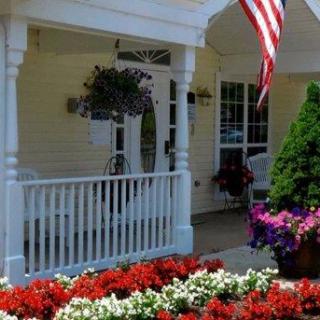

 Exploring the World of Home Health Nurses: Qualifications, Roles, and Hiring Tips
 Navigating Medicare Coverage for In-Home Care Services
 In-Home Care Costs in 2025: A Detailed State-by-State Exploration