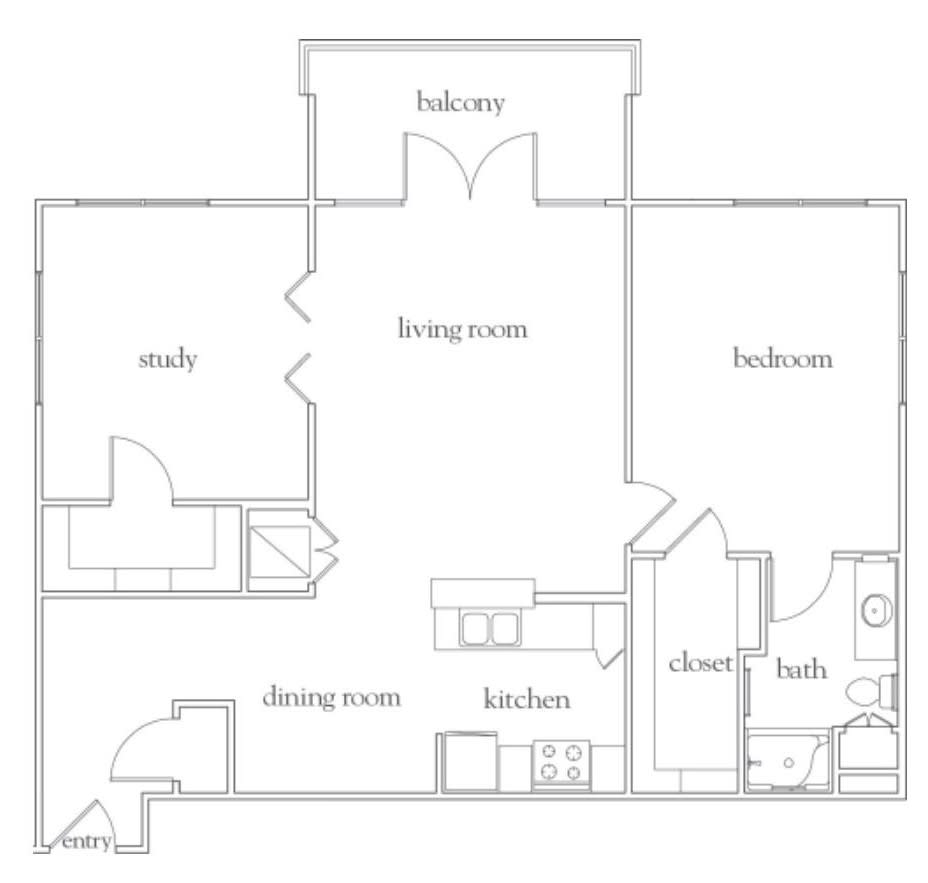
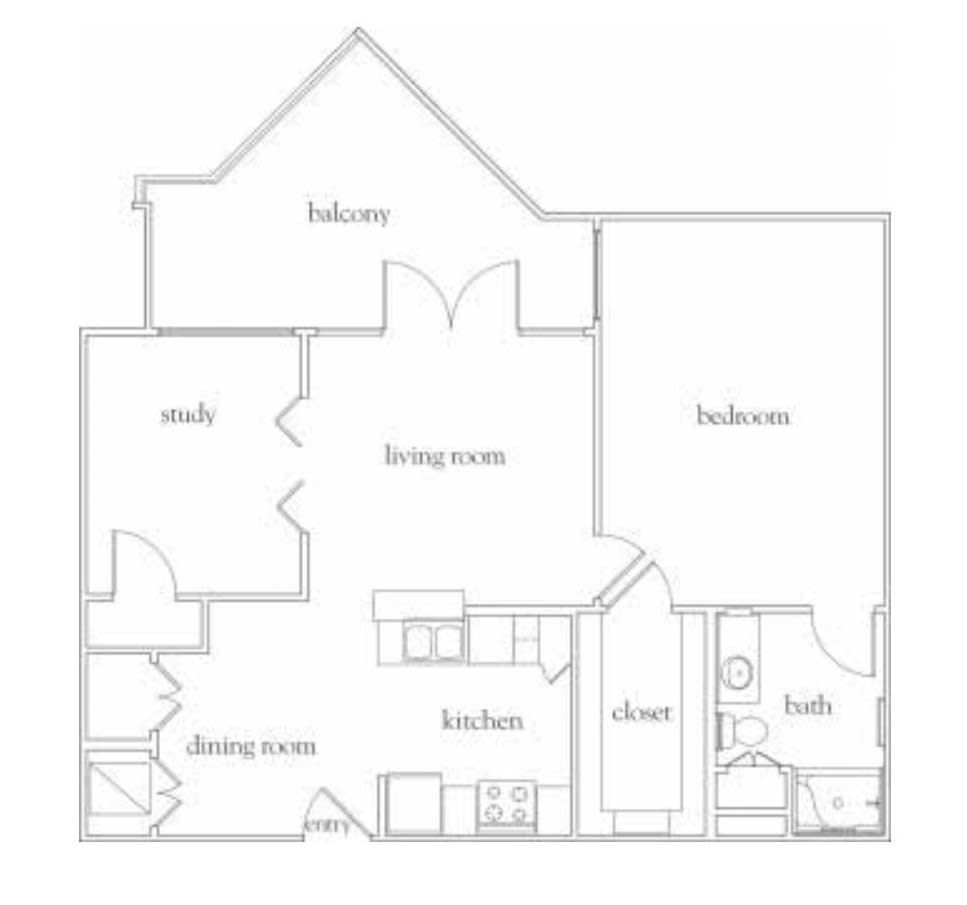
Atria At The Arboretum offers competitive monthly costs for its living accommodations compared to the broader market in Williamson County and the state of Texas. For a one-bedroom unit, residents can expect to pay $3,495, which is slightly lower than the county average of $3,654 and more favorable compared to the state average of $3,761. When it comes to two-bedroom options, Atria's pricing at $5,295 stands out as significantly higher than both the county rate of $3,772 and the state average of $4,215. This discrepancy indicates that while Atria may provide premium amenities or services justifying the cost difference in larger units, it remains an attractive option for individuals seeking one-bedroom living arrangements within a well-regarded community.
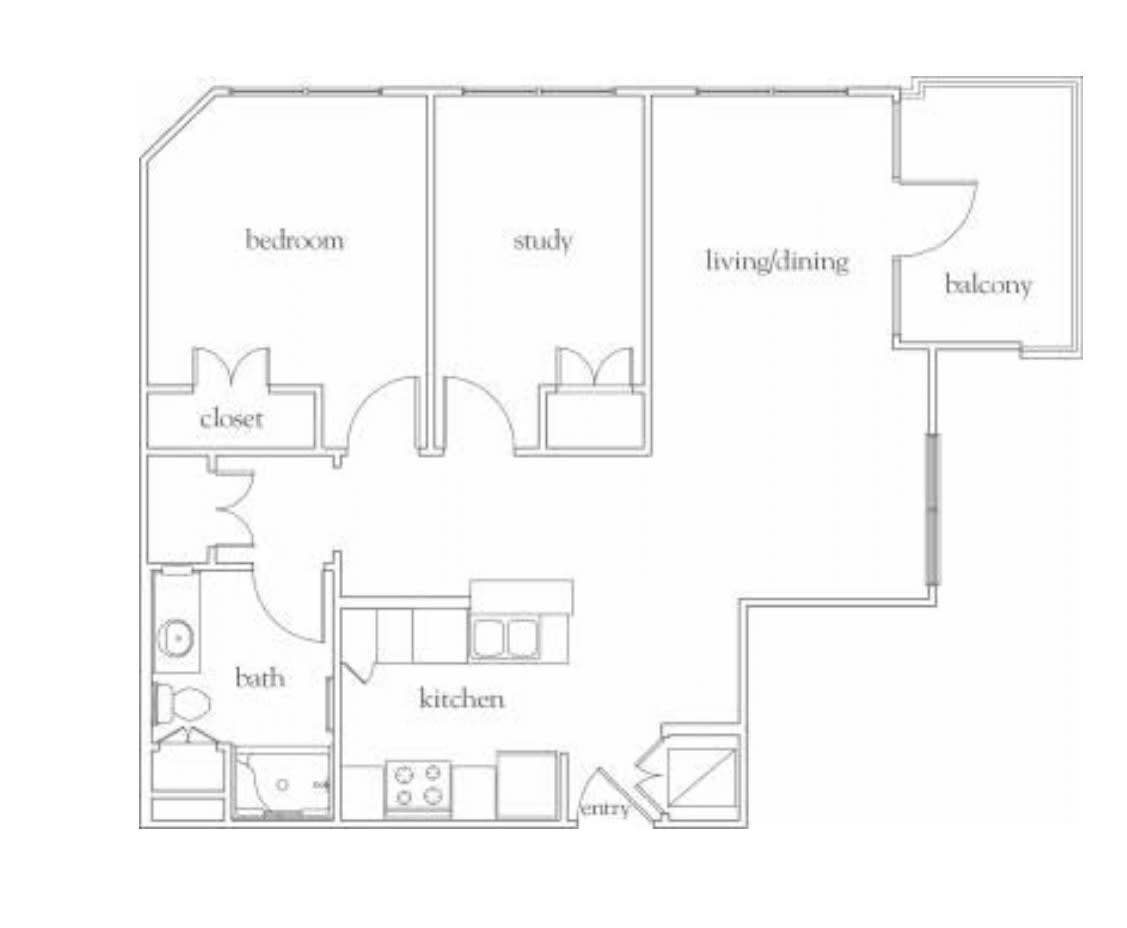
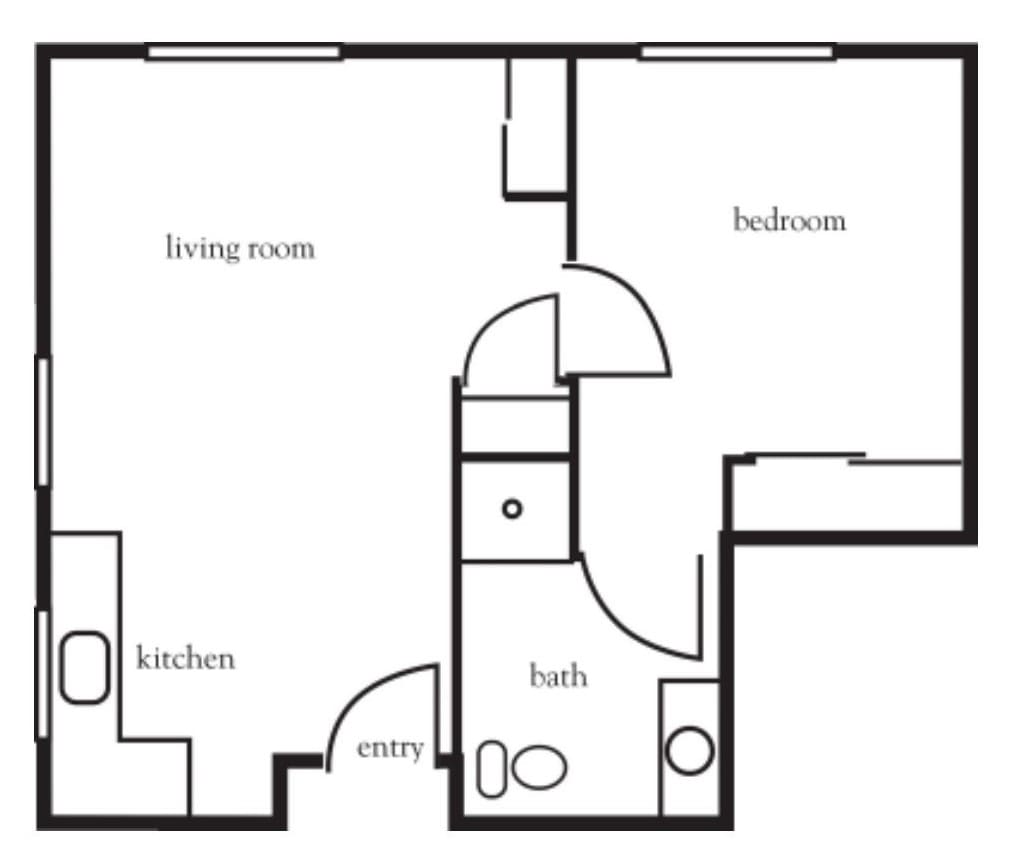
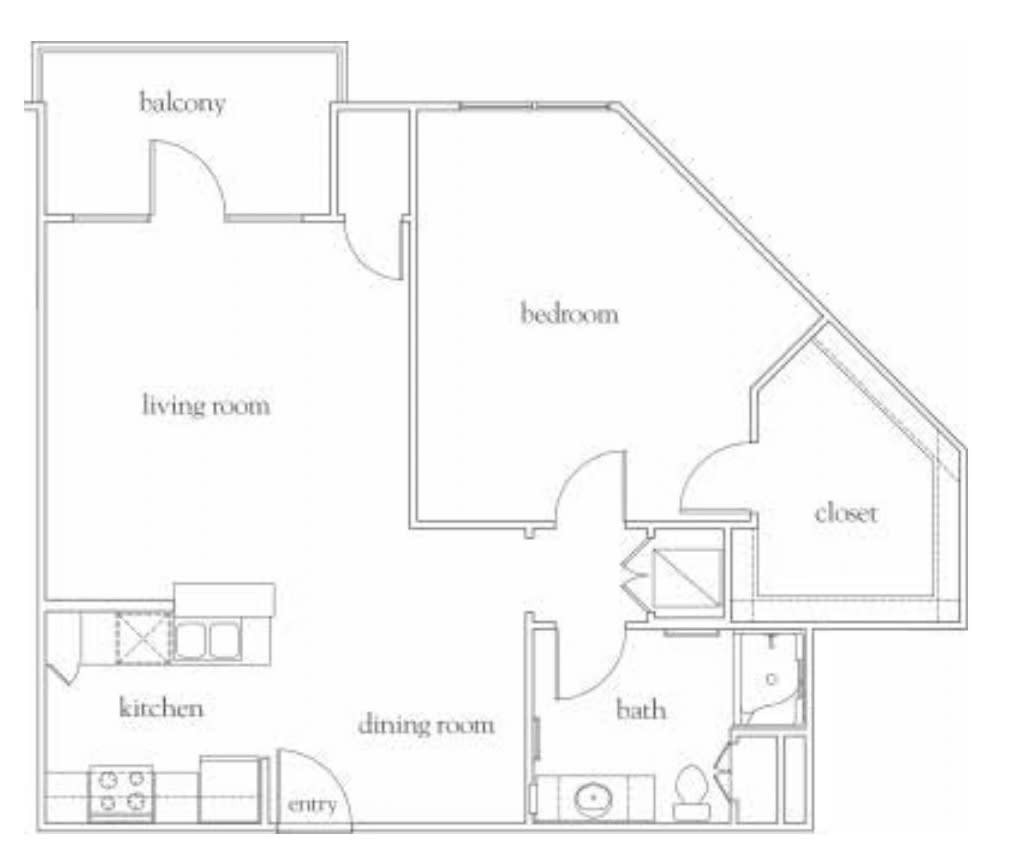
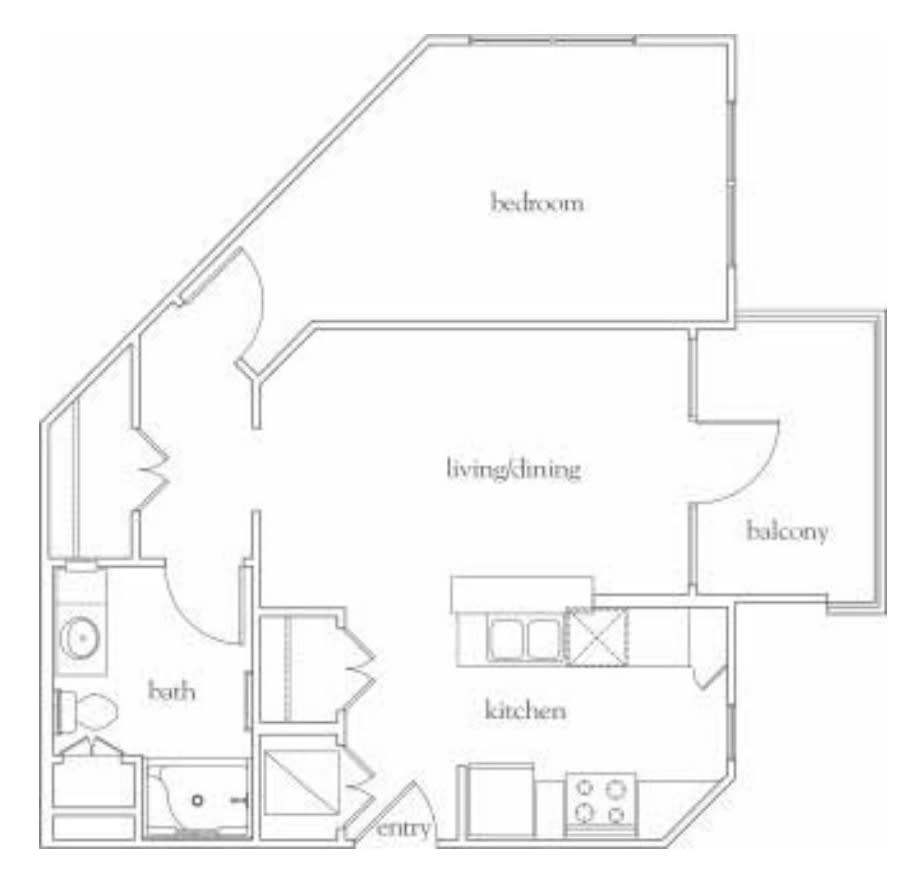
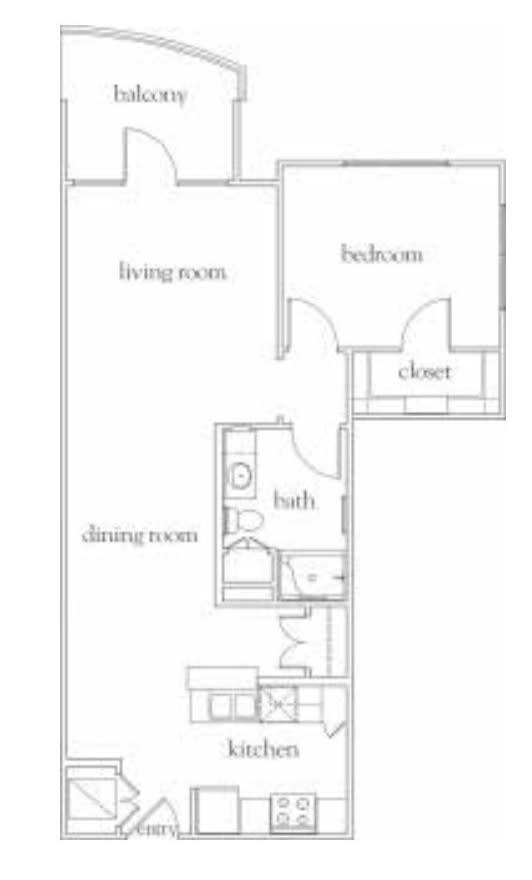
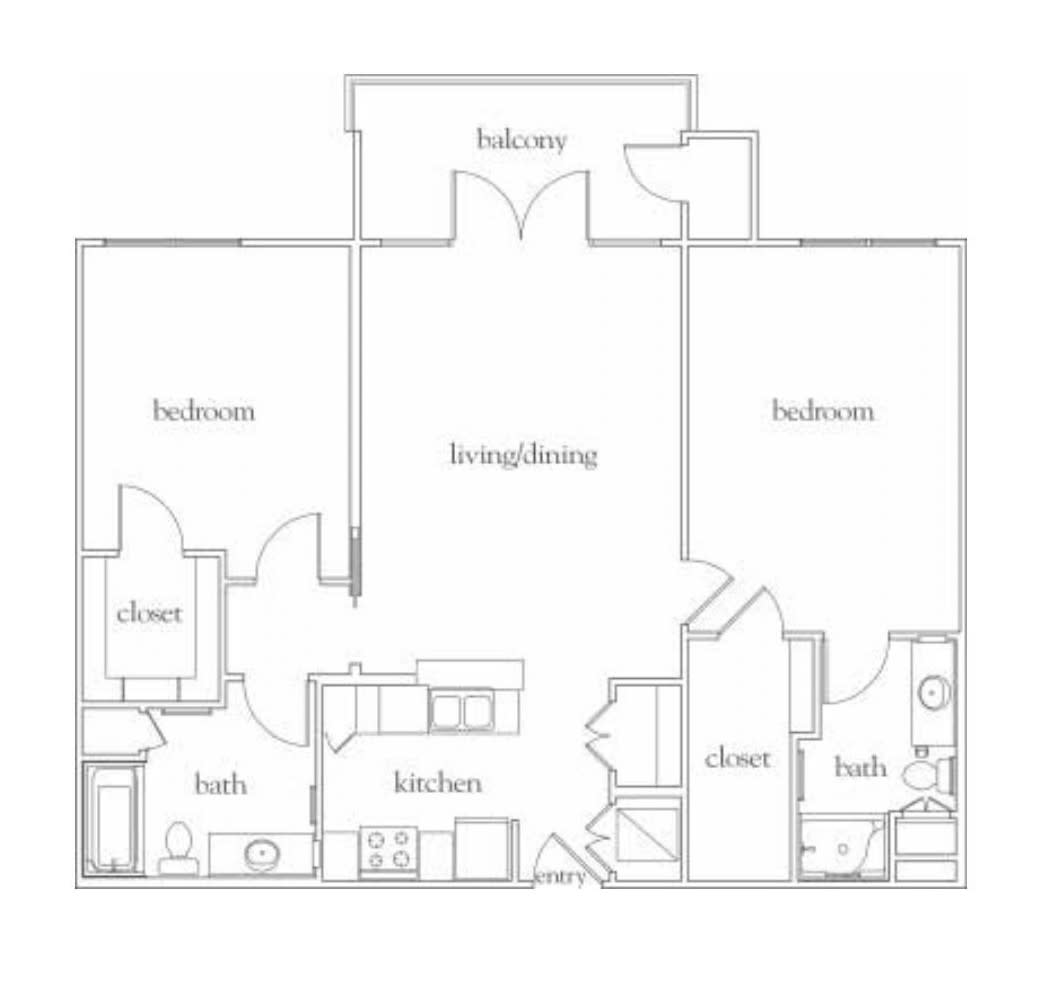
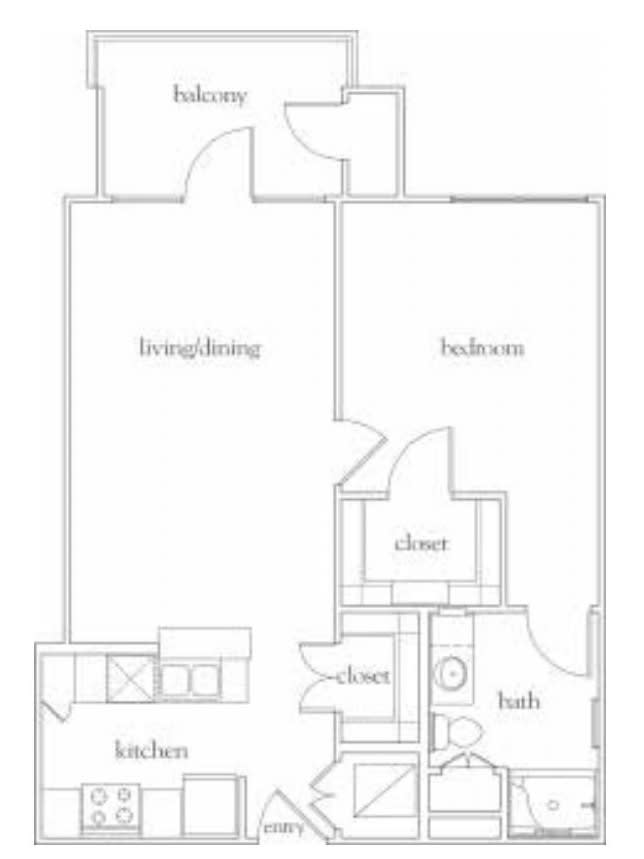
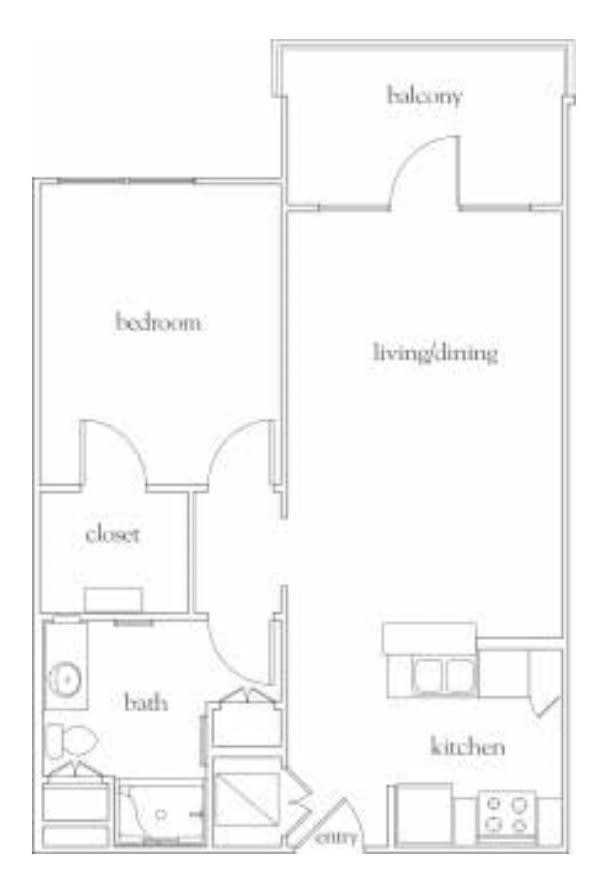
Floor plans
Atria At The Arboretum
Williamson County
Texas
1 Bedroom
$3,495
$3,654
$3,761
2 Bedrooms
$5,295
$3,772
$4,215
Independent Living communities with a similar price nearby
Residents and families consistently describe staff as kind, attentive, and responsive.
Across the reviews, people repeatedly point to staff members as welcoming and genuinely caring. Families describe being treated with respect during difficult transitions, and residents mention that employees learn names and individual preferences. Several reviewers also highlight quick follow-through on requests and supportive help with moving or day-to-day needs.
common21 reviews mention this
Restaurant-style dining gets strong praise
Dining stands out, with residents describing consistently strong meals and service.
Multiple reviews mention that meals are plentiful, tasty, and better than what people expected. Residents describe being able to enjoy dining out with a restaurant-style experience, and visitors notice attentive waitstaff and a dining space that feels welcoming. The community also lists a range of meal and diet options, which matches the attention some reviewers give to what gets served.
common22 reviews mention this
Activities keep residents engaged
A steady calendar of activities helps residents stay socially and mentally engaged.
Reviews frequently mention that there is always something going on, from group classes to events and outings. Residents describe enjoying fitness programs, arts and crafts, educational speakers, and opportunities to socialize with friends. For some families, the variety and frequency of activities is part of why the transition felt easier after moving.
caveat6 reviews mention this
Independent living only may be limiting
Independent living-only design is a drawback if you expect assisted living later.
Several reviewers flag that the community is independent living only, and they note it can be a concern for families who want an option to stay as needs increase. A few people say this was one reason they did not choose the community or compared it against communities offering a broader care pathway. At the same time, other residents mention feeling supported and engaged within the independent living setting.
caveat7 reviews mention this
Cost concerns come up repeatedly
Pricing is a recurring concern, with some residents describing significant increases.
While many reviews are positive overall, multiple people mention that cost is high and sometimes becomes a deal-breaker. Some reviewers describe rent increases over time and say the change affected affordability or value for money. Others acknowledge the community experience but still point to price as the main limiting factor.
caveat3 reviews mention this
Some residents cite maintenance and safety worries
A few reviews raise concerns about upkeep, maintenance, or emergency-related reliability.
A small number of residents describe problems that affected comfort or safety, including ongoing maintenance issues and frequent fire-alarm activations without a confirmed fire. Others mention maintenance lag, like water damage or delayed updates to shared areas. These concerns appear less frequently than the positive cleanliness and service feedback, but they do show up in the reviews.
How we summarize
Counts show how many written reviews mention each theme; a review can touch several themes, and only frequently mentioned themes are displayed.
Features
Housing
52 resident community capacity
1-bedroom apartments
2-bedroom apartments
Types of Care
Independent Living
Pets
Cats allowed
Dogs allowed
Amenities
Activities off-site
Activities on-site
Air-conditioning
Bath tubs
Beautician on-site
Beauty salon
Cable or satellite TV
Computer center
Devotional services off-site
Devotional services on-site
Dining room
Fitness room
Full kitchen
Fully furnished
Gaming room
Garden
Housekeeping services
Indoor common areas
Kitchenette
Move-in coordination
Outdoor common areas
Outdoor space
Private bathrooms
Resident parking
Respite or short term stays offered
Restaurant-style dining
Small library
Swimming pool
Swimming pool / hot tub
Telephone
Wellness center
Wi-Fi/high-speed internet available
Transportation
Austin-Bergstrom International (15 miles away)
Community operated transportation
Transportation & parking
Transportation arrangement
Transportation arrangement (non-medical)
Care Services
12-16 hour nursing
24-hour call system
24-hour supervision
Activities of daily living assistance
Assistance with bathing
Assistance with dressing
Assistance with transfers
Coordination with health care providers
Dementia waiver
Hospice waiver
Meal preparation and service
Medication management
Mental wellness program
Specialized memory care programming
Transportation arrangement (medical)
Transportation to doctors appointments
Dining
Diabetes diet
Gluten-free
Guest meals
Low / no sodium
Meals provided
No Sugar
Professional chef
Restaurant style dining
Room service
Special dietary restrictions
Vegan
Vegetarian
Activities
Art classes
Arts and crafts
Catholic services
Community-sponsored activities
Concierge services
Cooking classes
Day trips and outings
Devotional activities offsite
Devotional activities on-site
Educational speakers / life long learning
Fitness programs
Jewish services
Live well programs
Planned day trips
Protestant services
Religious services
Resident-run activities
Scheduled daily activities
Visiting Rabbi
Visiting chaplain or priest
Nearby Places of Interest
This part of Austin, Texas offers a convenient and diverse range of amenities for senior living. There are multiple cafes within a few miles, providing opportunities for socializing and relaxation. Nearby restaurants including Chick-Fil-A and Pappadeaux Seafood Kitchen offer a variety of dining options. The presence of pharmacies like Walgreens and CVS Pharmacy ensures easy access to healthcare needs. Additionally, there are reputable physicians and hospitals in close proximity, such as Texas Orthopedics and Seton Northwest Hospital. Parks like Domain Central Park and Arboretum Park provide opportunities for outdoor activities, while theaters like Alamo Drafthouse Village offer entertainment options. Places of worship such as Saint Louis King of France Catholic Church & School cater to spiritual needs. The Highland Metrorail Station also provides transportation options for easy travel around the area.
Atria At The Arboretum offers competitive monthly costs for its living accommodations compared to the broader market in Williamson County and the state of Texas. For a one-bedroom unit, residents can expect to pay $3,495, which is slightly lower than the county average of $3,654 and more favorable compared to the state average of $3,761. When it comes to two-bedroom options, Atria's pricing at $5,295 stands out as significantly higher than both the county rate of $3,772 and the state average of $4,215. This discrepancy indicates that while Atria may provide premium amenities or services justifying the cost difference in larger units, it remains an attractive option for individuals seeking one-bedroom living arrangements within a well-regarded community.
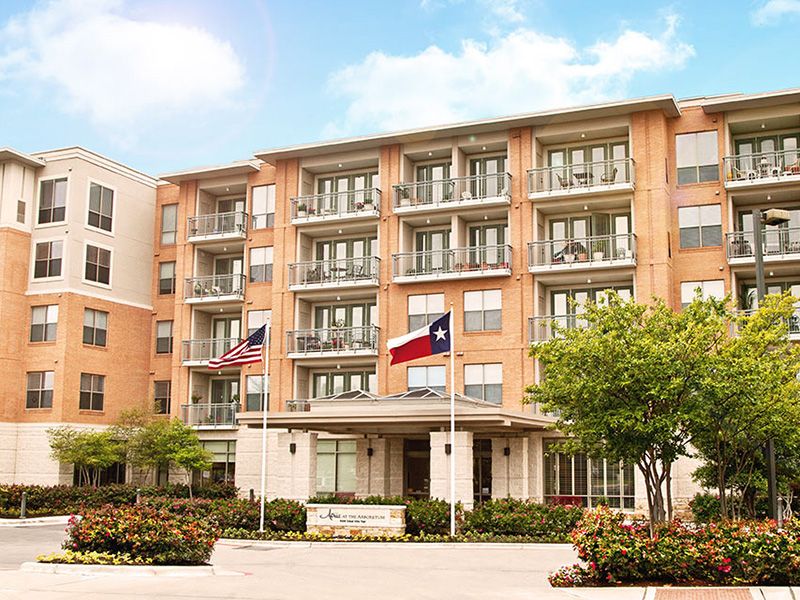
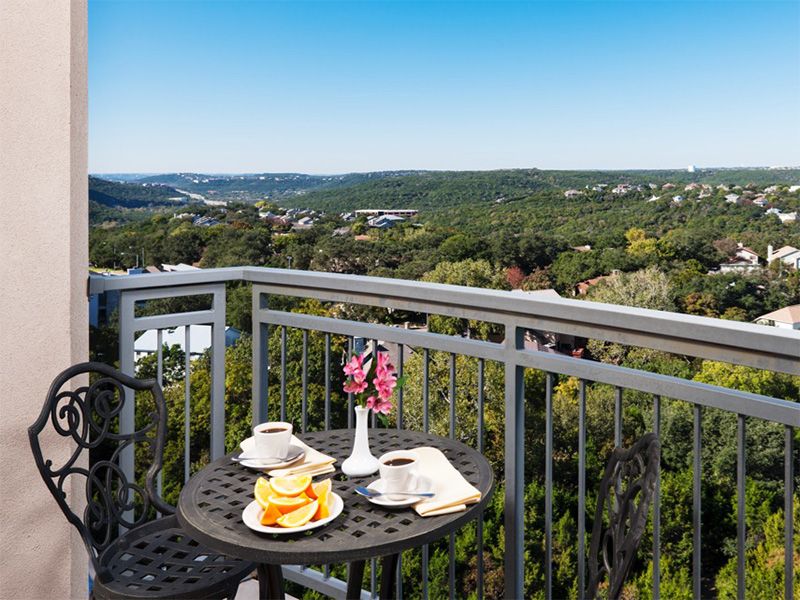
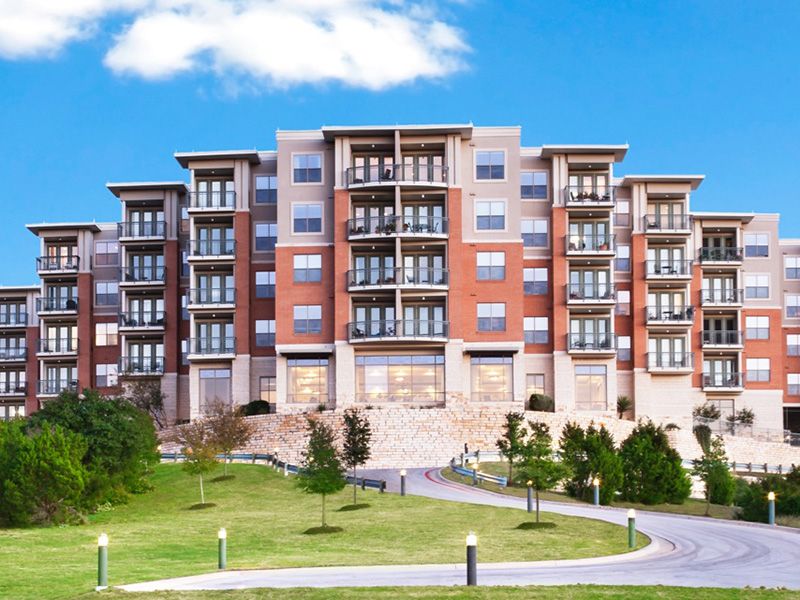
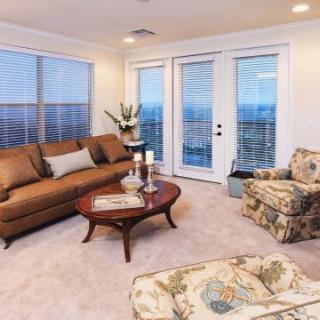
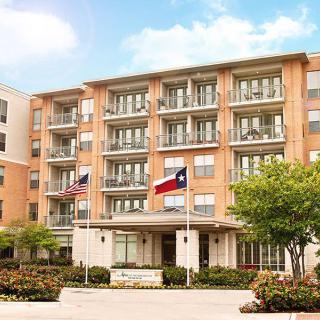
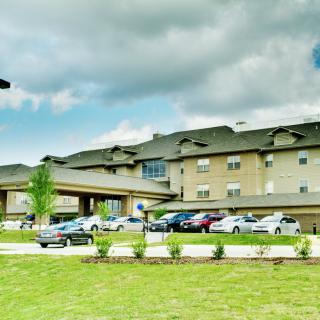
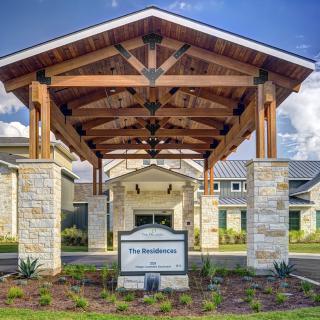
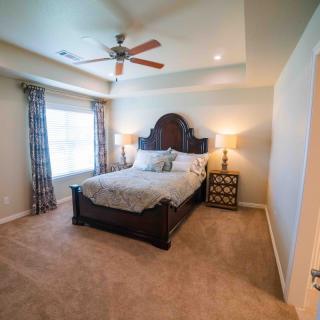
Atria At The Arboretum on seniors.fyi includes 39 photos including images showing floor plan, interior, architecture, living room, decor, bedroom, landscaping, windows, and more.
Nearby Communities
Lonestar Medical Transportation
Austin, TX
4.2 from 102 reviews
Comprehensive care with 24/7 supervision, medication management, and on-site amenities.
Homewatch CareGivers of Central Austin
Austin, TX
5 from 34 reviews
Convenient access to nearby healthcare, pharmacies, and local amenities.
Silverleaf Eldercare Wildridge
Austin, TX
4.7 from 31 reviews
Small, intimate setting with personalized care and comprehensive services.
Silverleaf Eldercare
Austin, TX
4.8 from 31 reviews
Welcoming staff with attentive, compassionate care in a clean, home-like setting.
Overture Arboretum
Austin, TX
4.7 from 44 reviews
Vibrant 60+ community with modern, spacious 1- and 2-bedroom apartments and extensive on-site amenities.
Hycrest House
Austin, TX
$3,800 / month
Competitive private-room pricing ($3,800/mo) with comprehensive care and on-site activities.
Juniper Village at Spicewood Summit
Austin, TX
4.4 from 152 reviews
$3,630 / month
Caring staff in a warm, home-like setting with engaging activities and a beautiful garden.
Maravilla at the Domain
Austin, TX
4.8 from 108 reviews
$2,914 / month
Friendly staff in a modern, amenity-rich community.
Brookdale North Austin
Austin, TX
4.4 from 113 reviews
$3,700 to $5,060 / month
Warm, caring staff; home-like atmosphere with good dining.
The guide details ten essential responsibilities of senior caregivers, including personal care, mobility assistance, medication management, and emotional support, while emphasizing the importance of safety, nutrition, and maintaining a safe living environment to enhance seniors' quality of life and independence.
The article highlights nine memory-boosting activities for seniors that enhance cognitive health and social interaction, including puzzles, trivia quizzes, and storytelling, while emphasizing the importance of adapting these activities to individual preferences to maximize enjoyment and engagement. Consistent mental engagement is linked to improved cognitive function and emotional well-being in older adults.
Medicare provides limited coverage for skilled nursing home care, covering full benefits for the first 20 days and partial benefits up to 100 days under certain conditions, after which families must explore alternative funding options like Medicaid or long-term care insurance to manage potentially high costs. Proactive planning is essential to navigate the complexities of financing ongoing care once Medicare coverage ends.
Exercise Equipment, Gym, Treadmill, Workout Room, and Excercise Equipment
Outdoor Seating
Salon
Appliances, Cabinets, Refrigerator, and Oven
Natural Light
Nature
Courtyard
Swimming Pool, Indoor Pool, and Water
Clouds and Apartment Complex
Balcony
Fountain
Umbrellas
Urban
Architectural Drawing
Recreation and Fitness Center
Get PricingAsk A QuestionSchedule A TourContact Senior Advisor
By clicking submit, you agree to our Partner's Terms of Use. You
also consent to receive calls and texts, which may be autodialed, from our Partner. Your consent is not a condition to
using our Partner's service. Please visit our Partner's Privacy Policy for information about their privacy practices.

























 52 resident community capacity
 1-bedroom apartments
 Independent Living
 Cats allowed
 Dogs allowed
 Activities off-site
 Air-conditioning
 Bath tubs
 Beautician on-site
 Cable or satellite TV
 Computer center
 Devotional services off-site
 Dining room
 Fitness room
 Full kitchen
 Fully furnished
 Gaming room
 Garden
 Housekeeping services
 Indoor common areas
 Move-in coordination
 Outdoor common areas
 Private bathrooms
 Resident parking
 Respite or short term stays offered
 Restaurant-style dining
 Small library
 Swimming pool
 Telephone
 Wellness center
 Wi-Fi/high-speed internet available
 Austin-Bergstrom International (15 miles away)
 Community operated transportation
 12-16 hour nursing
 24-hour call system
 Assistance with bathing
 Assistance with dressing
 Assistance with transfers
 Dementia waiver
 Hospice waiver
 Medication management
 Mental wellness program
 Transportation arrangement (medical)
 Diabetes diet
 Special dietary restrictions
 Art classes
 Catholic services
 Concierge services
 Cooking classes
 Day trips and outings
 Educational speakers / life long learning
 Jewish services
 Comprehensive care with 24/7 supervision, medication management, and on-site amenities.




 Ten Vital Duties of a Senior Caregiver: A Comprehensive Guide
 9 Stimulating Memory Activities for Seniors: Puzzles, Cards, and Much More
 Managing Nursing Home Expenses After Medicare Coverage Ends