For more information about senior living options: (866) 208-4318
3.3 from 119 reviews
5 stars
67
4 stars
2
3 stars
0
2 stars
3
1 stars
47
Overall Review of The Helper Bees
common45 reviews mention this
Care team is often praised
Residents and families frequently describe the care team as patient, knowledgeable, and kind.
Many reviewers highlight specific representatives who patiently explained benefits, answered questions, and helped move requests forward. Several comments describe empathy and going “above and beyond” during stressful situations like hospital discharge or finding a home care match. A few reviewers also mention being able to speak with someone who clarified next steps and made them feel at ease.
caveat26 reviews mention this
Communication and scheduling can fail
Some reviewers report long waits, missed follow-ups, and difficult phone access.
A recurring complaint is that teams can be hard to reach, with delays in callbacks and problems routing requests to the right place. Several reviewers say scheduled appointments or caregiver-related services did not show up, even when they believed the schedule was confirmed. Others describe needing to repeat information multiple times or experiencing transfers and conflicting contact details.
caveat18 reviews mention this
Coordination and provider matching vary
Residents describe inconsistent coordination with the agencies and helpers they are connected to.
Some reviewers say the process did not feel streamlined, including issues coordinating care, assessments, or the provider assigned to them. There are also multiple accounts of caregivers or aides missing visits, billing time in ways reviewers questioned, or failing to complete agreed tasks. A few comments also describe frustration when replacement help did not arrive promptly after problems.
caveat4 reviews mention this
Some say pricing feels too high
A subset of reviewers say the cost is hard to justify for the support received.
A few reviewers directly question value, saying the pricing is difficult to justify relative to the service they experienced. Other comments tie dissatisfaction to additional effort or stress that they felt came with the price point. There are also complaints about money-related issues tied to cards or benefits not working as expected, which further adds to the cost-value concerns.
caveat6 reviews mention this
Digital assessments and portals draw criticism
Several reviewers criticize digital assessments, apps, or portals as unreliable or unclear.
Some reviewers say digital assessments felt generic or did not address their situation, leaving them more confused than helped. Others complain about app or website issues like login problems, unavailable balances, or inability to use benefits through the system. A few reviews also mention difficulty scheduling assessments via the portal or problems with appointment flow.
How we summarize
Counts show how many written reviews mention each theme; a review can touch several themes, and only frequently mentioned themes are displayed.
Features
Transportation
Austin-Bergstrom International (14 miles away)
Nearby Places of Interest
This part of Austin, Texas offers a convenient and vibrant location for senior living. With several parks nearby such as Domain Central Dog Park and Balcones District Park, residents have plenty of opportunities to enjoy outdoor activities and nature. There are also numerous dining options ranging from Shake Shack to Culinary Dropout, providing a variety of culinary experiences. In terms of healthcare, there are reputable physicians and pharmacies within a short distance including Texas Orthopedics, Sports & Rehabilitation Associates and Walgreens. Additionally, Seton Northwest Hospital is located just 1.4 miles away for any medical emergencies. For entertainment, Alamo Drafthouse Village and AMC Tech Ridge 10 theaters offer movie showings for leisurely outings. Overall, this area provides a well-rounded mix of amenities and services that cater to the needs and interests of seniors looking for a comfortable and engaging living environment in Austin.
Elder law attorneys assist older adults and their families with legal matters such as estate planning, Medicaid eligibility, and guardianships, while also providing protection against elder abuse. They help navigate complex regulations to safeguard financial resources, ensure well-being, and maintain autonomy for seniors.
Caregiving for an aging parent entails emotional and financial responsibilities accompanied by significant tax implications, including potential benefits from claiming them as dependents and deductions for medical expenses and caregiving costs. Caregivers must understand eligibility requirements, maintain thorough documentation, and consider consulting a tax professional to navigate these complexities effectively.
Low-impact exercises are vital for seniors as they promote health, independence, and social interaction while reducing joint strain. These adaptable activities, guided by healthcare professionals, enhance strength, flexibility, and emotional well-being.
Get PricingAsk A QuestionSchedule A TourContact Senior Advisor
By clicking submit, you agree to our Partner's Terms of Use. You
also consent to receive calls and texts, which may be autodialed, from our Partner. Your consent is not a condition to
using our Partner's service. Please visit our Partner's Privacy Policy for information about their privacy practices.



 Austin-Bergstrom International (14 miles away)
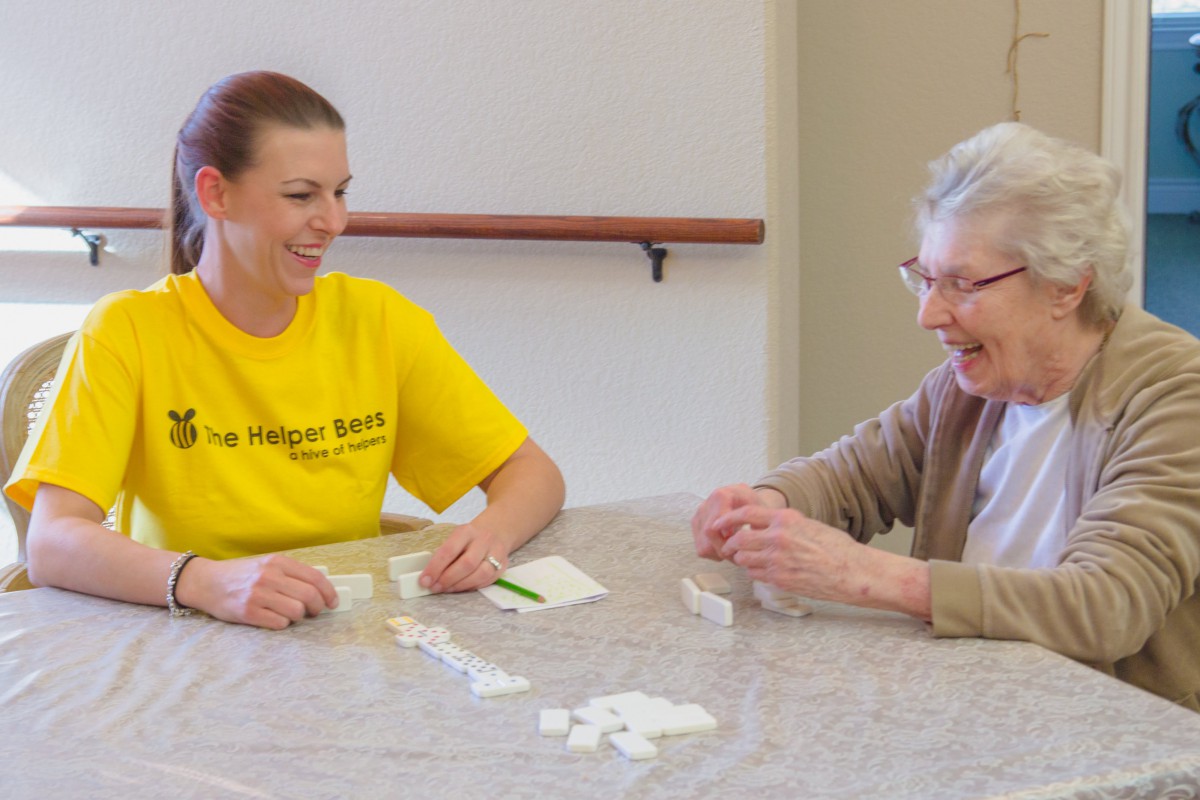
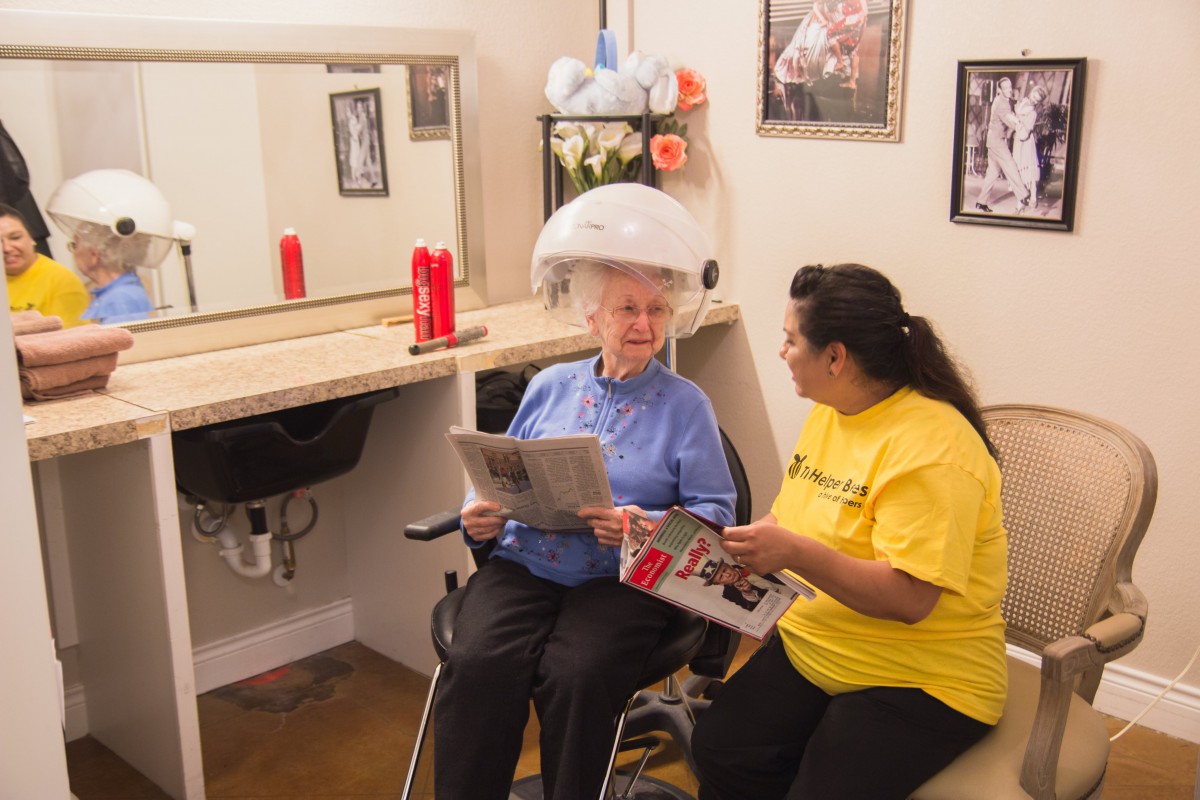
 Friendly staff in a modern, amenity-rich community.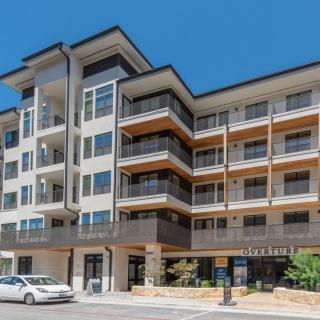






 6 Crucial Ways an Elder Law Attorney Assists Families
 Navigating the Tax Landscape of Caregiving: Credits, Deductions, and Beyond
 Highly Beneficial Low-Impact Exercises for Senior Living Residents