Anthology Of The Arboretum in Austin, TX

Save

  • Interior

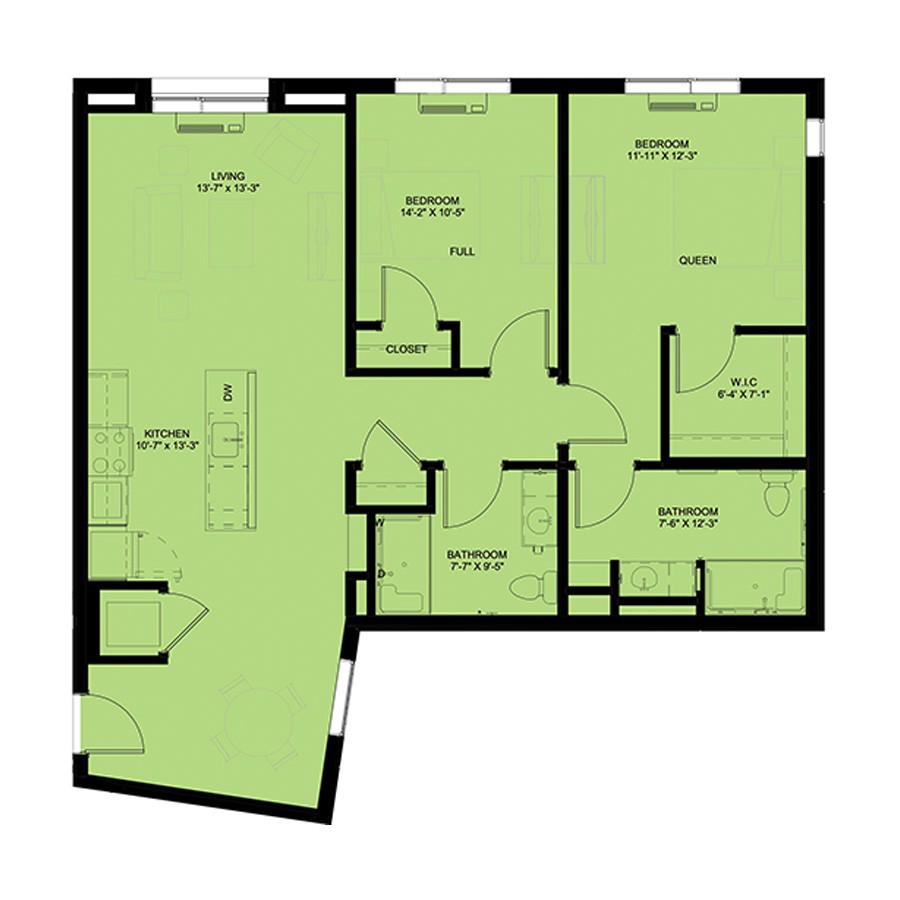
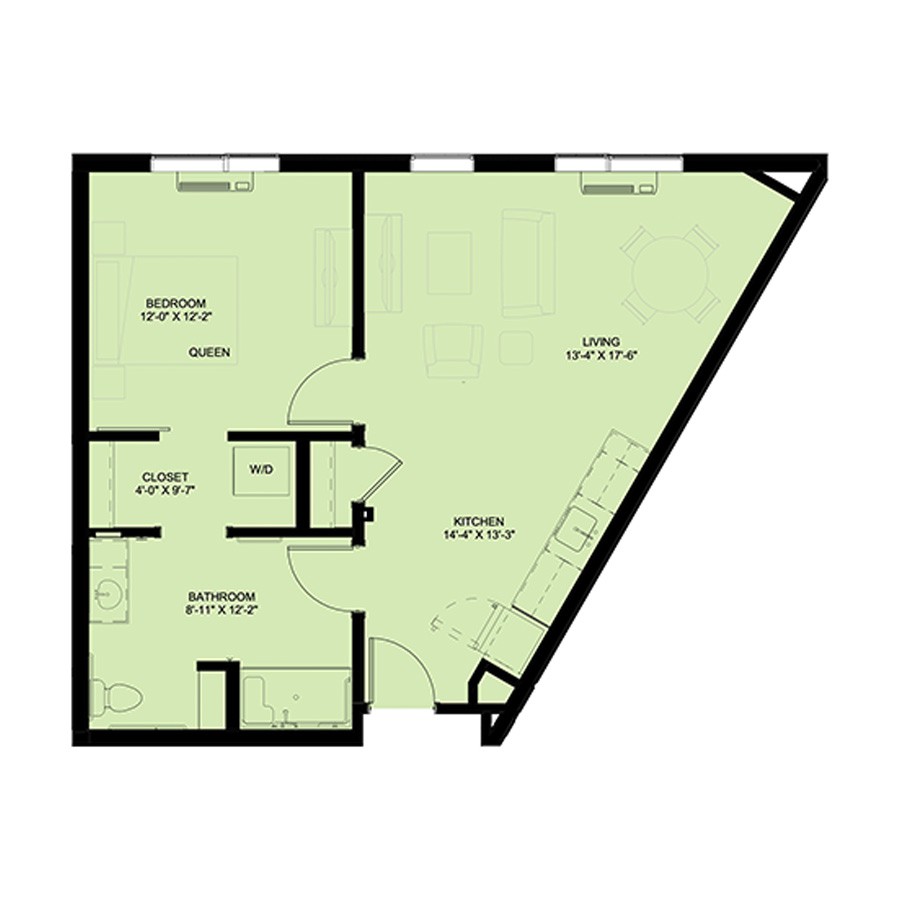
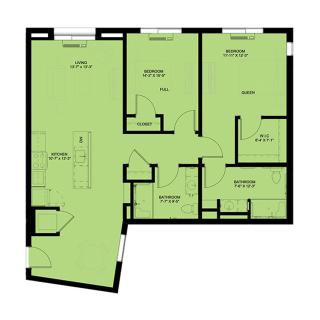
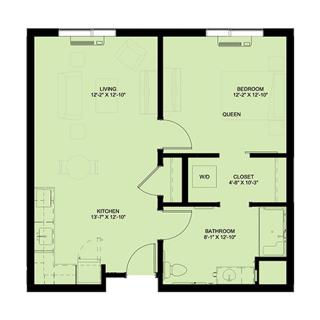
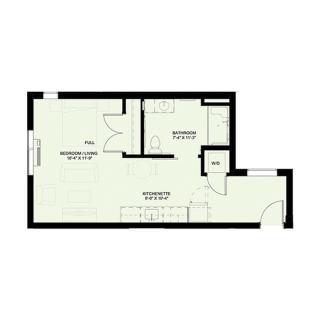
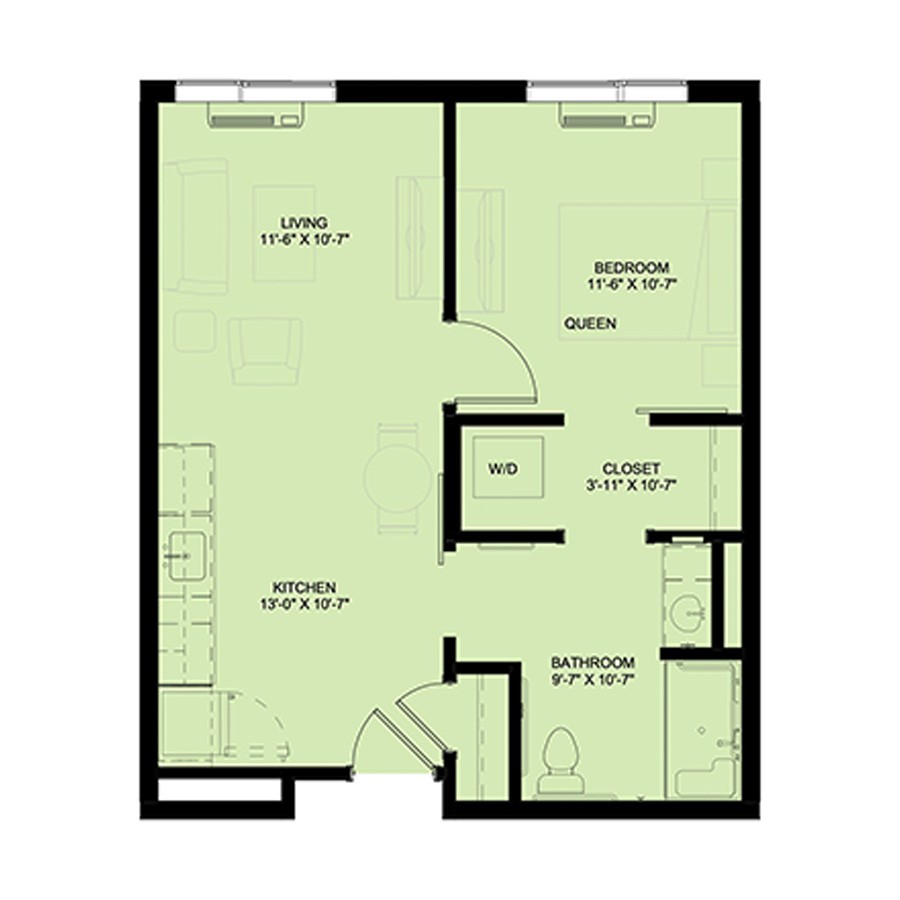
    A detailed floor plan showing the layout of multiple rooms in a residential space.
  • Living Room

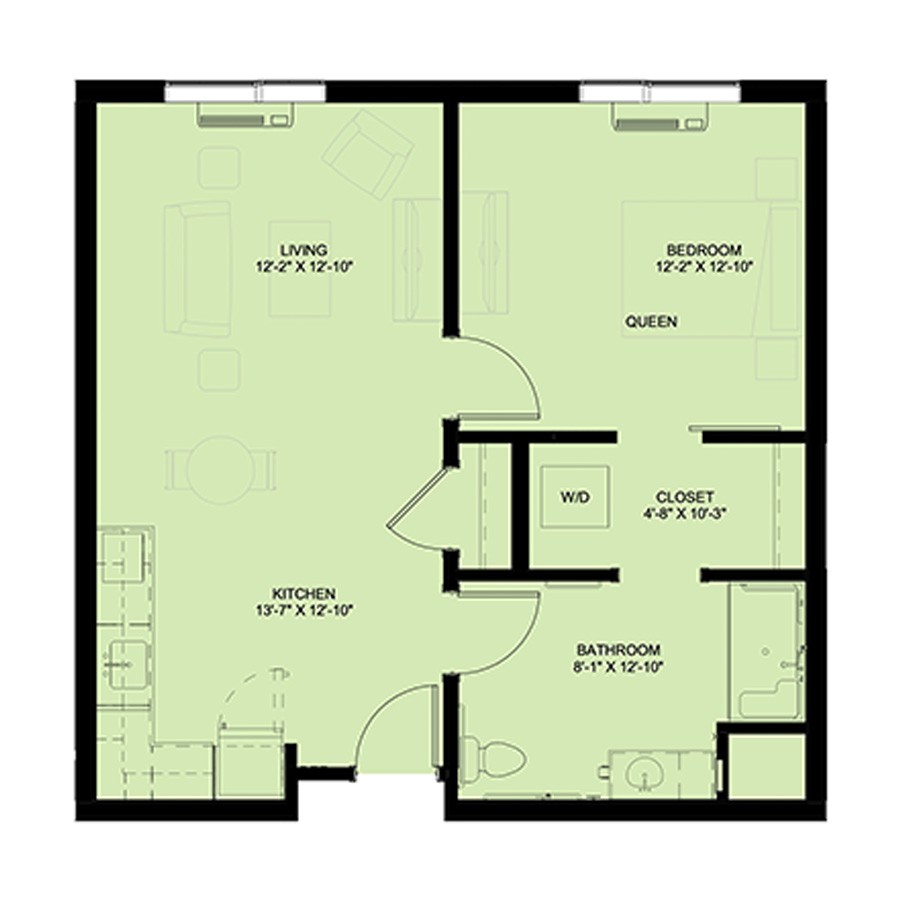
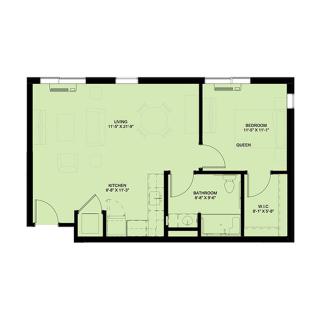
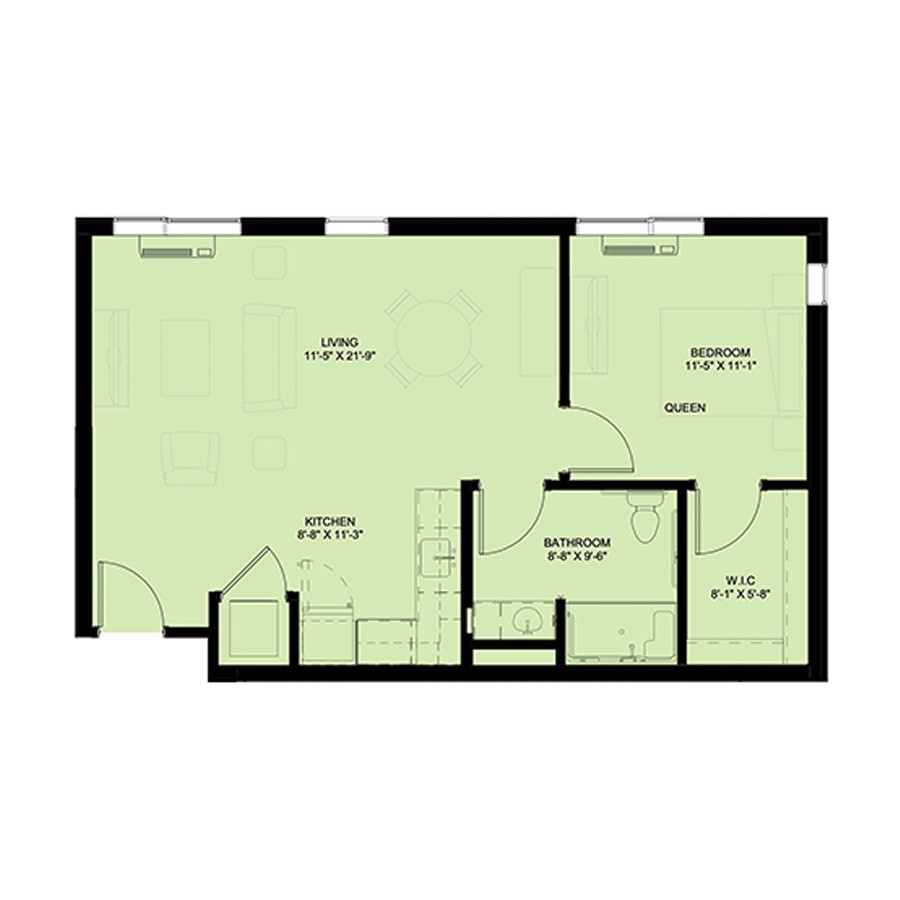
    A floor plan of a one-bedroom apartment layout featuring living room, kitchen, and bathroom.
  • Architecture

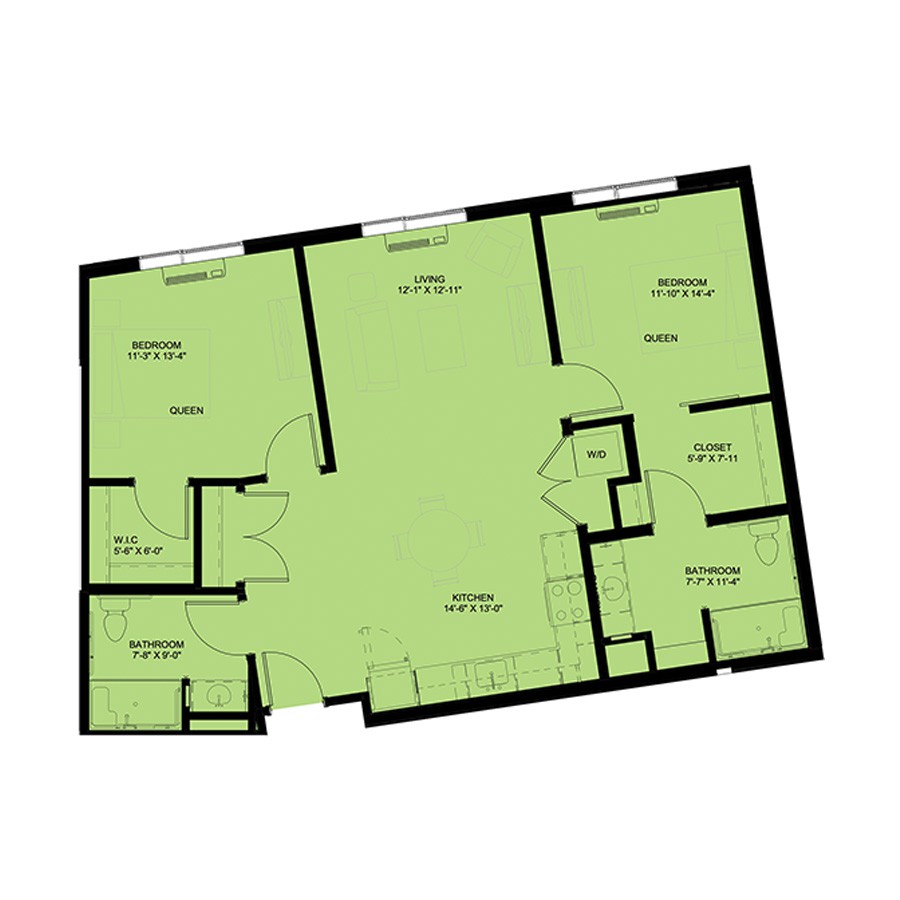
    A detailed architectural floor plan layout for a residential building.
  • Bedroom

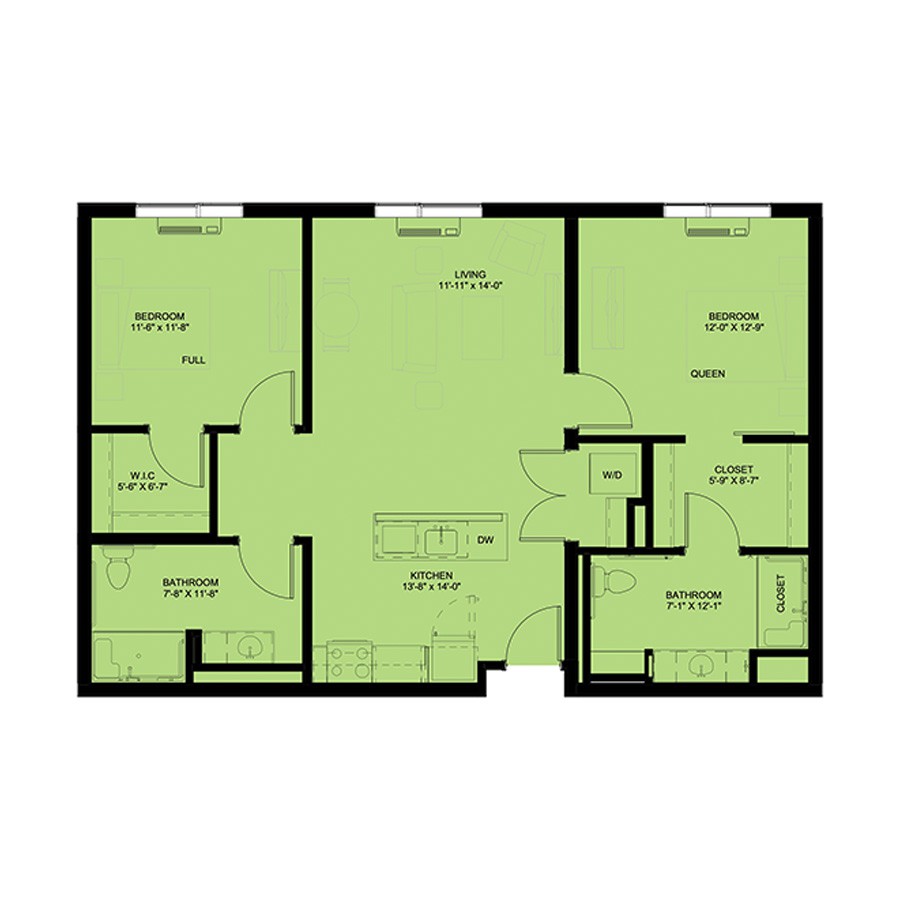
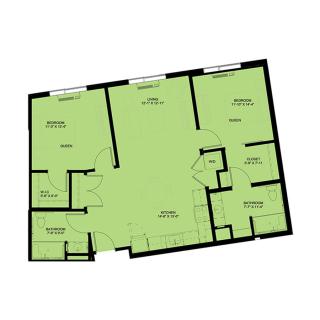
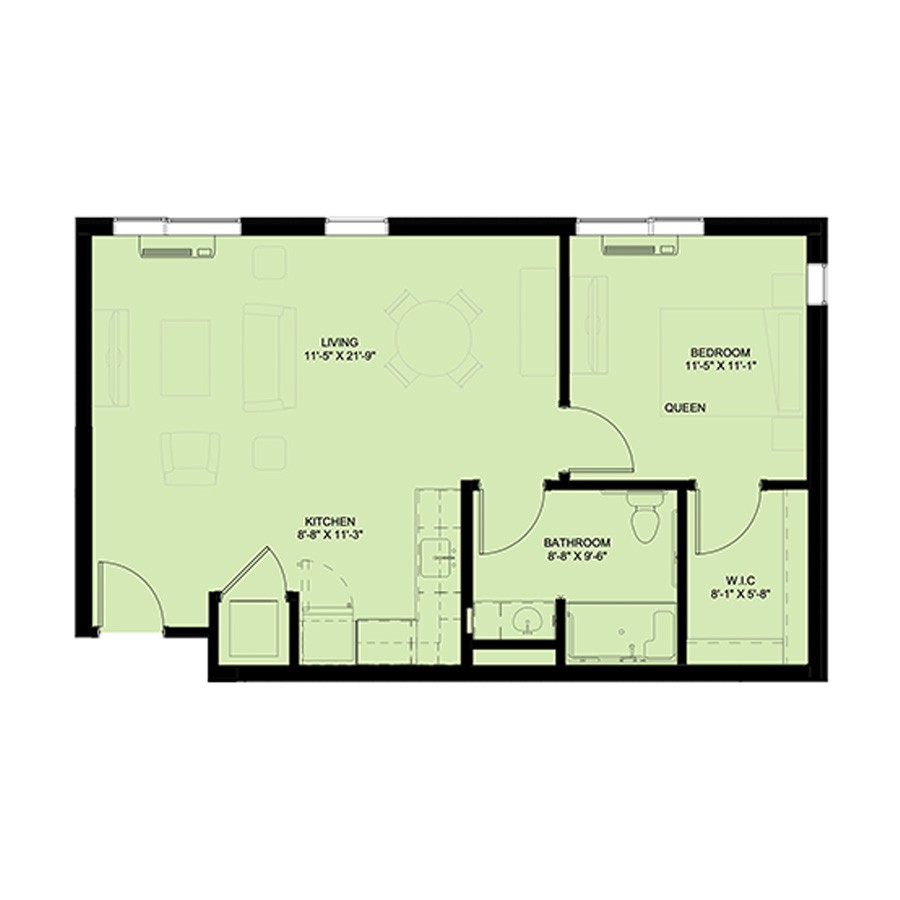
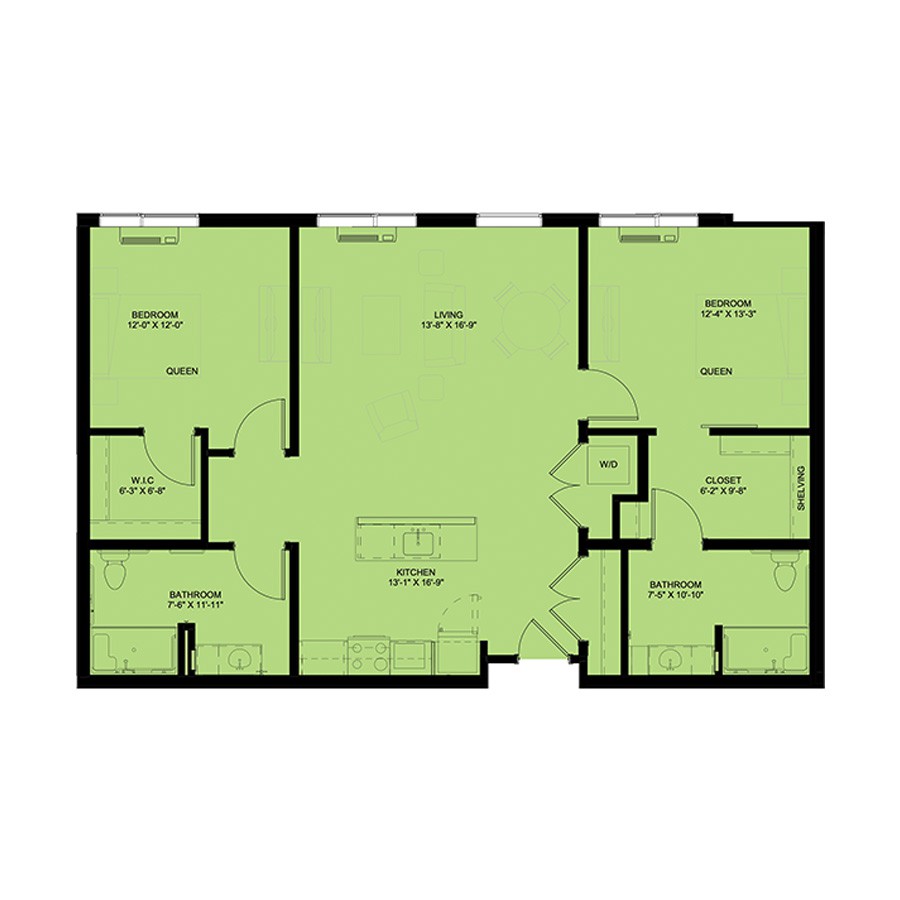
    Floor plan of a two-bedroom apartment with designated living, kitchen, and bathroom areas.
  • Floor Plan

    A detailed architectural floor plan showing the layout of rooms.
  • Studio Apartment

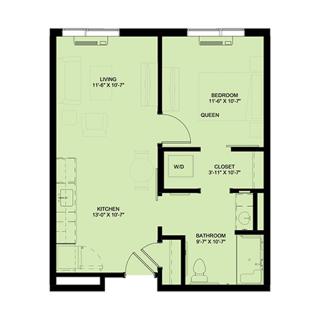
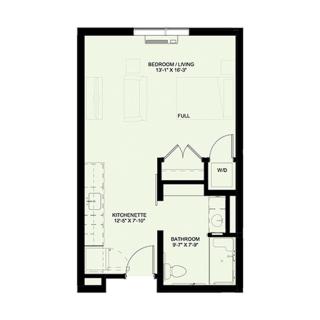
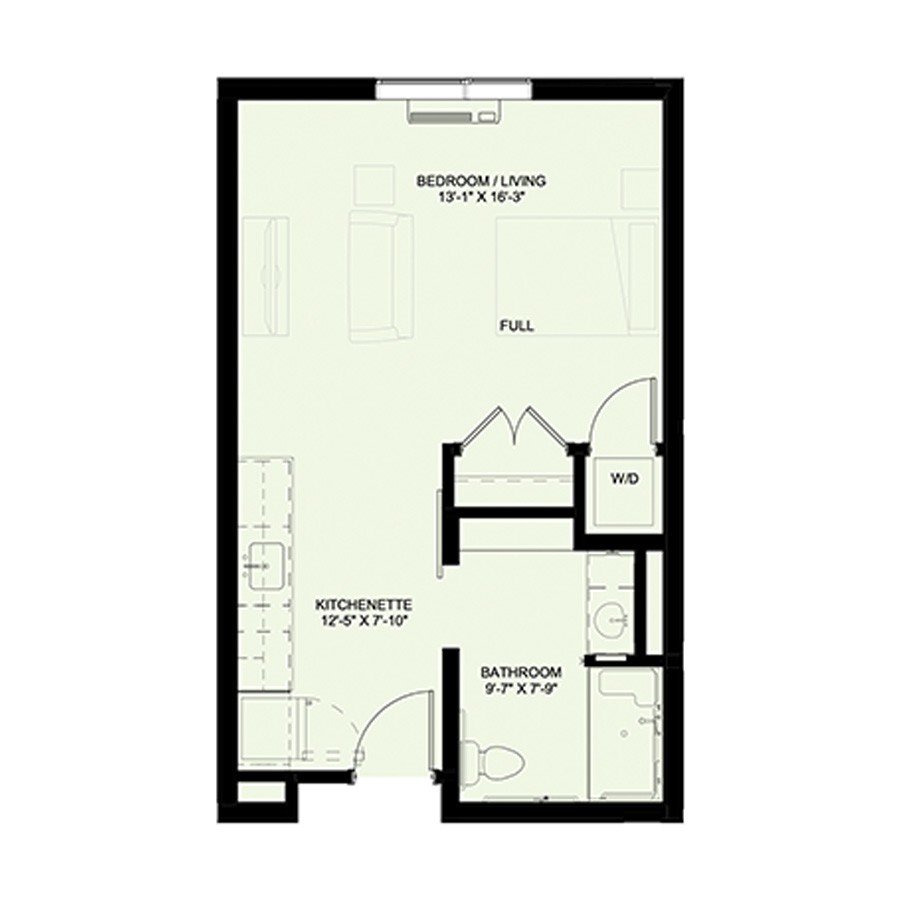
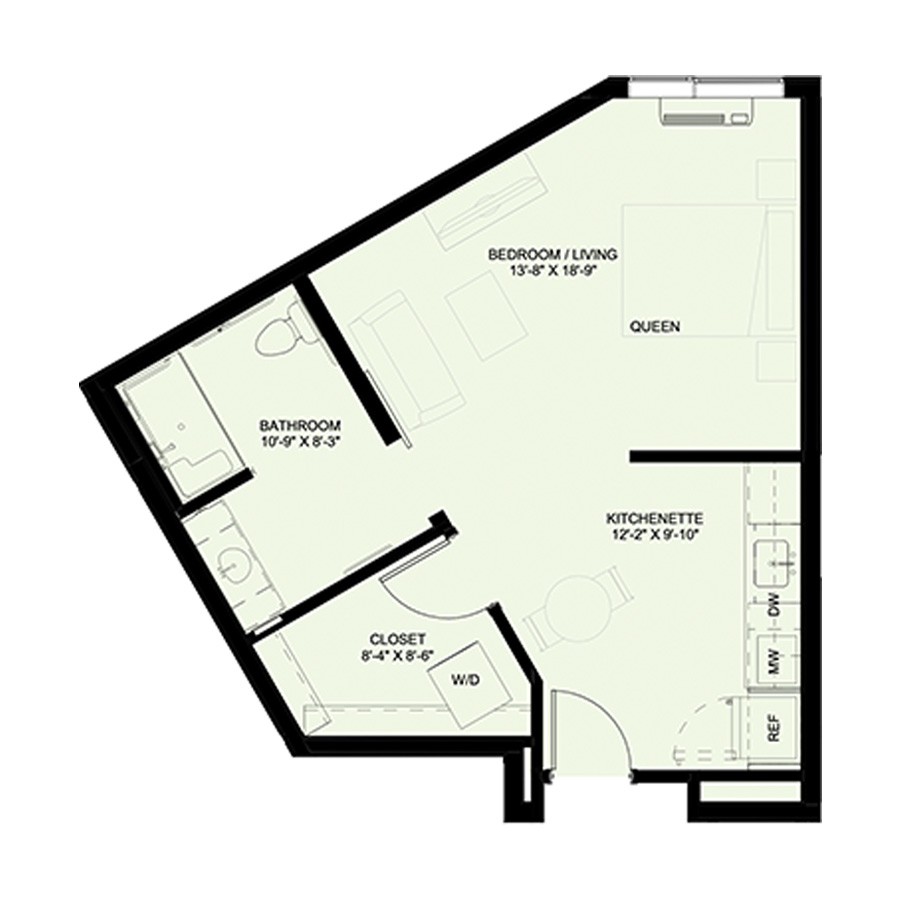
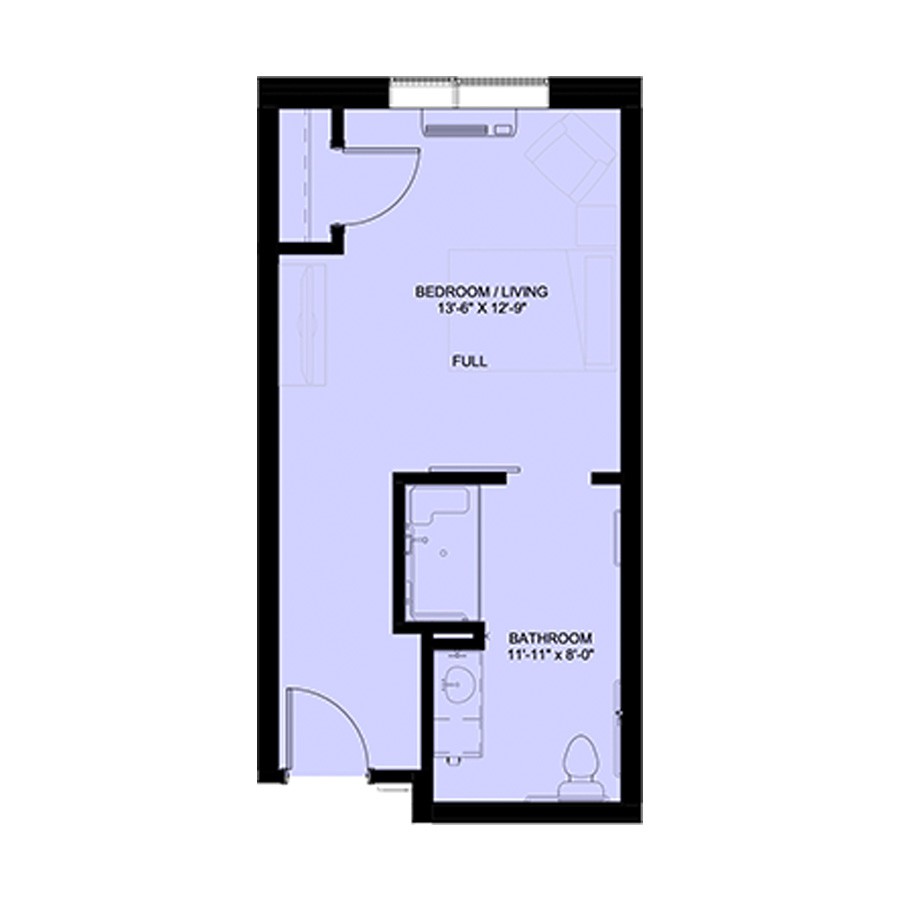
    Studio apartment floor plan with a bathroom and kitchen area.
  • Architectural Drawing

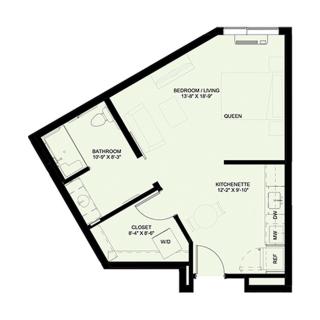
    A floor plan depicting a small apartment layout with designated areas for kitchen and bedroom.
  • Architectural Design

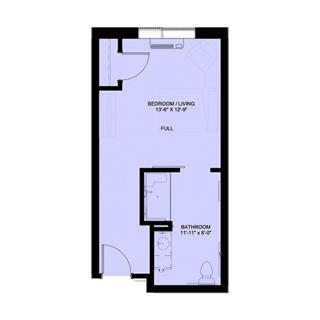
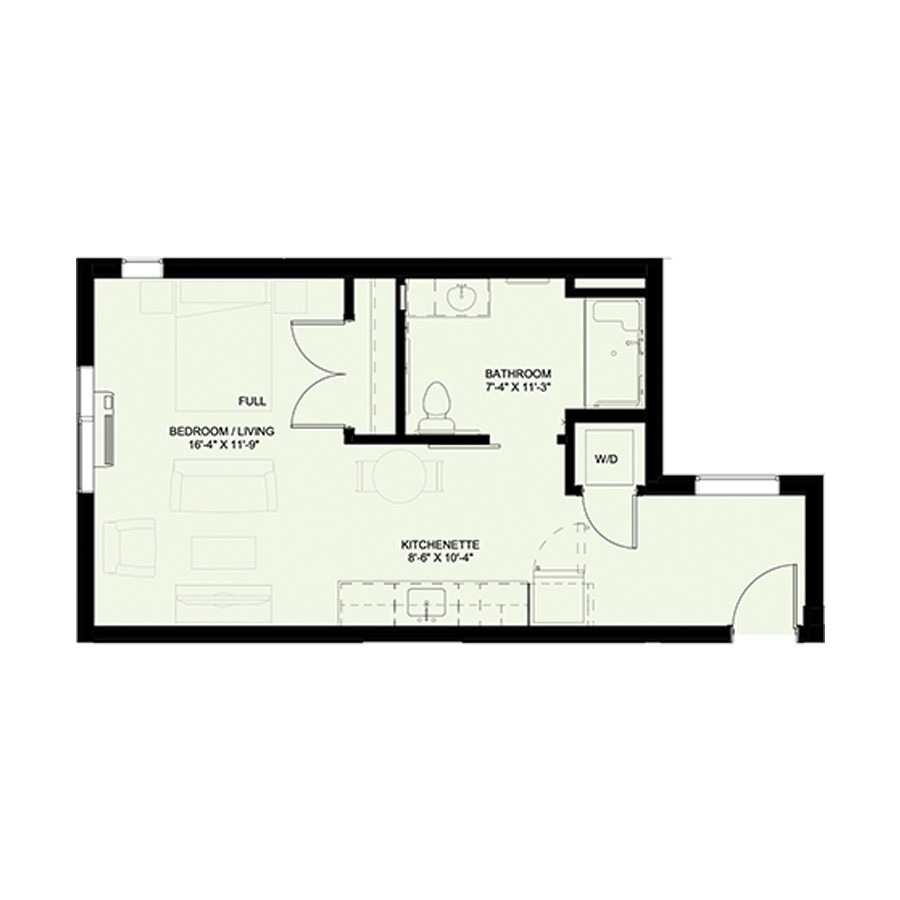
    A floor plan of a small apartment featuring a bedroom, bathroom, and open living-kitchen area.
  • Room Design

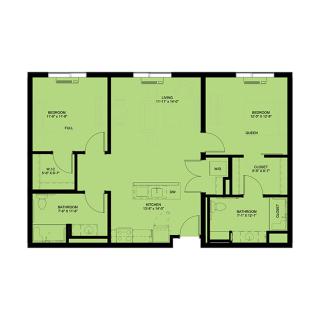
    A simple architectural floor plan layout.
  • Apartment Design

    A detailed floor plan of an apartment, showcasing the layout of rooms and spaces.

Anthology Of The Arboretum in Austin, TX

Information last verified:

10001 Stonelake Boulevard, Austin, TX 78759

For more information about senior living options: (844) 490-3973

4.7 from 23 reviews
5 stars
21
4 stars
0
3 stars
0
2 stars
0
1 stars
2

Overall Review of Anthology Of The Arboretum

Pros

  • pro Tricia Lohbeck helps families through stressful transitions with clarity and transparency.
  • pro She enables families to make well-informed decisions and ensures their loved ones are well cared for.
  • pro She communicates quickly and consistently and is there for families every step of the way.
  • pro Residents are happy with their apartments, level of care, and meals.
  • pro Tricia makes the process easy, is delightful to work with, and is a consummate professional who goes out of her way to make things perfect.
  • pro She connects families with the trades they need and follows up diligently.
  • pro Clearwater Arboretum is a beautiful, welcoming environment where seniors can thrive.
  • pro The staff handle medications with care and compassion, and the chef goes above and beyond to make meals feel like home.
  • pro Tricia Lohbeck is a gem who genuinely cares about residents and families and goes above and beyond to help everyone.
  • pro Anthology is a phenomenal community with top-tier care, beautiful surroundings, and a dedicated team led by caring staff.

Cons

  • pro The reviewer had a really frustrating experience with Anthology while trying to find assisted living for their dad.
  • pro Anthology denied him for assisted living and pushed for memory care, ignoring medical professionals who were treating him.
  • pro The reviewer believes Anthology doesn’t understand aphasia or doesn’t want to take residents with it.
  • pro Based on their experience, the reviewer concluded that Anthology doesn’t seem to know how to assess people with communication challenges properly.
  • pro A reviewer would definitely not use H.E. Downs, citing that older clients were seen outside the building alone during mental breakdowns with no staff present, and that office staff sounded uninterested.

Review

Anthology of the Arboretum is best suited for families seeking a modern, upscale senior living environment in north-central Austin where aging in place is a real, supported option and a standout sales-and-move-in experience sets the tone. The community combines a fresh building, abundant amenities, and a continuum-of-care license that promises residents can transition through levels without relocating. For families who prize a turnkey process, clear guidance, and a place that feels like a hospitality-forward campus, this is a strong fit. The Arboretum location near Mopac, 183, and 360 also translates into convenient access for relatives visiting from multiple directions, which matters when coordinating care and social involvement.

Those weighing alternatives should be mindful of two realities. First, Anthology’s intake and assessment process has drawn scrutiny from a minority of families who encountered a problematic misread of a resident’s medical condition, specifically an aphasia case that led to a push toward memory care despite outside medical recommendations. This signals a need for rigorous, collaborative medical review during admissions, rather than reliance on a single clinician or a hurried decision. Second, as with any newer campus, there are voices expressing concern about staffing visibility at moments of stress, and about whether onsite staff will consistently meet urgent needs. Prospective residents should weigh the beauty and programming against the risk of a less stable short-term staffing impression.

The positive, highly tangible advantages here are compelling. The facility is new, visually striking, and meticulously maintained, with a robust slate of amenities, including a restaurant-on-site, gym, hair salon, library, movie room, outdoor patio, arts-and-crafts space, and regular outings that feel integrated into daily life. The care program is described as knowledgeable and compassionate, with residents reported to benefit from skilled medication handling and attentive dining experiences that feel like home. Rooms tend to be larger than what is found in many comparable communities, and the option to age in place with multiple care levels reduces the disruption of future transitions. For families, the clarity of the move-in process and the breadth of services available at the outset are big confidence boosters.

At the heart of Anthology’s appeal is the leadership and human touch offered by the sales team, especially Tricia Lohbeck, the Senior Sales Director. Across multiple accounts, Tricia’s warmth, thoroughness, and persistence in easing the transition emerge as a defining advantage: she provides transparent communication, tailors tours to the family’s questions, coordinates ancillary vendors, and remains accessible beyond traditional office hours. This is not a generic sales experience; it is a thoughtful, hands-on partnership that helps families feel heard, supported, and prepared. Even when a family’s needs are nuanced or challenging, Tricia’s follow-through and practical recommendations consistently mitigate worry and build trust.

Still, prudent buyers will foreground the concerns that have surfaced in a minority of experiences. The aphasia-related intake misstep is not a trivial flaw; it underscores the necessity for careful, multi-disciplinary assessment during admission and ongoing medical collaboration. While the overall care quality is praised, isolated reports about staffing responsiveness, especially in high-stress moments, should prompt prospective residents to verify staffing levels, especially during off-peak hours, and to insist on explicit care planning that includes primary medical partners. In short, this community can deliver outstanding results, but it requires vigilant oversight to ensure medical suitability and consistent operational reliability.

In weighing the decision, the strongest case rests on a compelling combination: a premium, modern campus with enviable amenities and a proven, service-oriented leadership team that makes families feel seen; a continuum-of-care model that offers aging in place; and the persuasive climate of high-quality dining and programming that supports daily fulfillment. The caveats are nontrivial, yet manageable for families who demand meticulous admission processes and sustained staffing reliability. For those who prioritize a pristine environment, a responsive and empathetic sales and transition team, and a wish to minimize future moves, Anthology of the Arboretum stands tall. If language-focused care or a more conservative, long-standing campus history is paramount, alternatives deserve serious consideration, with careful vetting of intake procedures and medical collaboration.

Features

Types of Care

  • Assisted Living Assisted LivingAssisted living facilities provide crucial support and care for seniors who may need help with daily tasks such as medication management, bathing, and meal preparation. These communities offer a safe and comfortable environment where seniors can maintain their independence while receiving the assistance they need to thrive in their golden years.
  • Memory Care Memory CareMemory care is crucial for seniors as it provides specialized support and services for individuals with dementia or Alzheimer's disease. These programs offer a safe and secure environment where residents receive personalized care, cognitive stimulation, and help with daily activities. Memory care helps seniors maintain their independence, quality of life, and dignity while also providing peace of mind for their families.

Amenities

  • Air-conditioning Air-conditioningAir conditioning is important for seniors as they are more vulnerable to heat-related illnesses and may have underlying health conditions that make it difficult for them to regulate their body temperature. It helps to keep them comfortable, safe, and healthy in hot weather.
  • Beauty salon Beauty salonBeauty salons are important for seniors because they provide a space for them to feel pampered, socialize, and maintain their personal grooming and hygiene. Regular visits to a beauty salon can help boost seniors' self-esteem and overall well-being.
  • Cable or satellite TV Cable or satellite TVCable or satellite TV is important for seniors because it provides entertainment, news, and companionship, helping to combat loneliness and boredom. It also offers a wide range of programming options tailored to different interests and preferences.
  • Computer center Computer centerA computer center is essential for seniors as it provides access to technology, communication tools, and resources that can enhance their daily lives. It allows them to stay connected with loved ones, engage in online activities, and learn new skills, ultimately promoting socialization and mental stimulation.
  • Dining room Dining roomDining rooms are important for seniors as they provide a space for socialization, connection, and nutritious meals. They offer opportunities for residents to bond over shared meals, foster a sense of community, and promote healthy eating habits. Dining rooms also ensure that seniors have access to well-balanced meals tailored to their dietary needs and preferences.
  • Fitness room Fitness roomHaving a fitness room in a senior living community is essential for seniors to stay active, maintain their physical health, and improve their overall well-being. Regular exercise can help prevent falls, reduce the risk of chronic diseases, and promote mental sharpness. It also provides social opportunities for residents to connect with others and enjoy a sense of community.
  • Fully furnished Fully furnishedFully furnished senior living communities are important for seniors because they provide convenience, comfort, and a hassle-free moving experience. Seniors can easily settle into their new living space without the stress of having to buy and move furniture. This allows them to focus on enjoying their new home and community.
  • Gaming room Gaming roomGaming rooms are important for seniors as they provide a fun and engaging environment for socializing, cognitive stimulation, and physical activity. Games can improve memory, problem-solving skills, and overall mental well-being while fostering friendships and reducing feelings of isolation.
  • Garden GardenGardens are important for seniors as they provide a peaceful and therapeutic environment for relaxation, physical activity, and socialization. Being in nature has been shown to reduce stress, improve mood, and promote overall well-being. Gardens also offer opportunities for seniors to engage in gardening activities, which can improve mobility, flexibility, and cognitive function. Additionally, gardens create a sense of community and connection with others who share a passion for plants and outdoor spaces.
  • Housekeeping services Housekeeping servicesHousekeeping services are important for seniors because they help maintain a clean and safe living environment, promote independence, and reduce the risk of accidents or illnesses. Additionally, having assistance with household chores can alleviate physical strain and allow seniors to focus on other aspects of their well-being.
  • Kitchenette KitchenetteKitchenettes are important for seniors living in senior living communities because they provide the convenience and independence of being able to prepare simple meals and snacks in the comfort of their own living space. This can help promote a sense of autonomy and well-being for seniors, allowing them to maintain some level of control over their dietary choices and daily routines.
  • Move-in coordination Move-in coordinationMove-in coordination is important for seniors because it helps ease the transition into their new living environment. It ensures that all logistics, such as packing, organizing movers, and setting up utilities are taken care of, allowing seniors to focus on settling in and adjusting to their new home. Having a smooth move-in process can alleviate stress and anxiety, making the transition smoother and more enjoyable for seniors.
  • Outdoor space Outdoor spaceOutdoor spaces are important for seniors as they provide opportunities for physical activity, social interaction, exposure to natural light and fresh air, and a sense of connection to nature. Having access to outdoor spaces can improve overall well-being and quality of life for older adults living in senior communities.
  • Private bathrooms Private bathroomsPrivate bathrooms are important for seniors in senior living communities because they provide independence, dignity, and comfort. Having a private bathroom allows seniors to maintain their personal hygiene routines without the need for assistance, promoting a sense of autonomy and privacy. Additionally, private bathrooms help prevent the spread of infections and provide a safe and clean environment for seniors to navigate safely.
  • Restaurant-style dining Restaurant-style diningRestaurant-style dining is important for seniors because it allows them to enjoy delicious, nutritious meals in a social and upscale setting. This enhances their dining experience, promotes healthy eating habits, and fosters socialization with fellow residents, ultimately contributing to their overall well-being and quality of life.
  • Small library Small librarySmall libraries are important for seniors as they provide access to a variety of reading materials, including books, newspapers, and magazines. This can help stimulate their minds, keep them engaged, and provide a sense of community through book clubs and other social activities. Additionally, reading has been shown to improve cognitive function and overall mental well-being in older adults.
  • Telephone TelephoneTelephones are important for seniors as they provide a lifeline for communication with loved ones, emergency services, and healthcare providers. They offer a sense of security and independence, enabling seniors to stay connected and access assistance when needed.
  • Wellness center Wellness centerWellness centers are important for seniors because they offer a variety of programs and services that promote physical, mental, and emotional well-being. These centers provide opportunities for exercise, socialization, education, and relaxation, helping seniors maintain their overall health and quality of life.
  • Wi-Fi/high-speed internet available Wi-Fi/high-speed internet availableWi-Fi/high-speed internet is important for seniors to stay connected with loved ones, access online resources, and participate in virtual activities to combat feelings of loneliness and isolation. It also allows them to easily manage healthcare needs, access entertainment, and engage in lifelong learning opportunities.

Transportation

  • Austin-Bergstrom International (14 miles away) Austin-Bergstrom International (14 miles away)
  • Community operated transportation Community operated transportationCommunity operated transportation is crucial for seniors as it provides them with the means to access essential services, social activities, and medical appointments. It allows seniors to maintain their independence and quality of life by ensuring they can participate in activities outside of their homes. Additionally, community-operated transportation services offer a safe and reliable way for seniors to travel without having to rely on family or friends for assistance.
  • Transportation arrangement Transportation arrangementTransportation arrangements are crucial for seniors as they may face challenges with driving, mobility, or access to public transportation. Having reliable transportation services ensures that seniors can easily attend appointments, social activities, and maintain their independence and quality of life.
  • Transportation arrangement (non-medical) Transportation arrangement (non-medical)Transportation arrangements are essential for seniors as they provide access to essential services, activities, and social interactions outside the home. This service helps maintain independence, mobility, and overall well-being for seniors who may have limited transportation options.

Care Services

  • 12-16 hour nursing 12-16 hour nursing12-16 hour nursing care is crucial for seniors in order to ensure around-the-clock monitoring, timely medication administration, and prompt response to any health concerns or emergencies. This level of care helps to promote the overall well-being and safety of seniors living in senior living communities.
  • 24-hour call system 24-hour call system24-hour call systems are important for seniors because they provide peace of mind and immediate assistance in case of emergencies. This technology ensures that help is always available, promoting safety and security for elderly individuals living alone or in assisted living facilities.
  • 24-hour supervision 24-hour supervision24-hour supervision is important for seniors to ensure their safety, well-being, and access to immediate assistance in case of emergencies or health issues. This constant support provides peace of mind for both seniors and their loved ones, allowing them to age in place with dignity and security.
  • Activities of daily living assistance Activities of daily living assistanceActivities of daily living assistance are important for seniors because they provide essential support with tasks such as eating, bathing, dressing, and mobility. This assistance helps seniors maintain their independence, dignity, and overall quality of life as they age.
  • Assistance with bathing Assistance with bathingAssistance with bathing is crucial for seniors as it helps maintain personal hygiene, prevents infections, and ensures their overall well-being and comfort. It also provides a sense of dignity and independence for seniors who may struggle with this task on their own.
  • Assistance with dressing Assistance with dressingAssistance with dressing is important for seniors because it helps maintain their independence, promotes personal hygiene, prevents accidents and injuries, and improves overall quality of life. This service ensures that seniors can continue to dress comfortably and confidently, despite any physical limitations they may have.
  • Assistance with transfers Assistance with transfersAssistance with transfers is crucial for seniors as it helps prevent falls and injuries, maintains their independence, and ensures they can safely navigate their living environment. It also provides peace of mind for both seniors and their loved ones.
  • Coordination with health care providers Coordination with health care providersCoordination with health care providers is crucial for seniors to ensure proper medical care, medication management, and overall well-being. This collaboration helps prevent overlapping treatments, track progress more effectively, and provide comprehensive support tailored to individual needs.
  • Dementia waiver Dementia waiverDementia waivers are essential for seniors as they provide critical protections and accommodations for those experiencing cognitive decline. These waivers ensure individuals with dementia receive appropriate care, support, and resources to maintain their quality of life and dignity as they navigate the challenges of this progressive condition.
  • Diabetes diet Diabetes dietA diabetes diet is crucial for seniors as it helps manage blood sugar levels, reduce risks of complications, and improve overall health and well-being. By following a balanced and nutritious diet tailored to their specific needs, seniors can better control their diabetes and enhance their quality of life.
  • Hospice waiver Hospice waiverHospice waivers are important for seniors because they allow individuals to receive specialized end-of-life care and support at home or in a hospice facility. This waiver ensures that seniors can access the necessary resources and services to maintain comfort and dignity during their final days.
  • Meal preparation and service Meal preparation and serviceMeal preparation and service are crucial for seniors as they may have limited mobility or energy to cook nutritious meals. Having access to healthy and convenient food options can ensure they are getting the proper nutrition needed to maintain their overall health and well-being.
  • Medication management Medication managementMedication management is crucial for seniors to ensure they are taking the right medications at the correct dosages and times. This helps prevent adverse drug interactions, reduces the risk of medication errors, and promotes overall health and well-being. Proactive management also allows for adjustments as needed based on changing health conditions or new prescriptions.
  • Mental wellness program Mental wellness programMental wellness programs are essential for seniors as they promote cognitive stimulation, emotional support, and social engagement. These programs help prevent isolation, depression, and cognitive decline, ultimately enhancing the overall quality of life for older adults.
  • Mild cognitive impairment Mild cognitive impairment"Mild cognitive impairment" is important for seniors because it is an early stage of cognitive decline that can potentially progress to more severe conditions such as dementia. Recognizing and addressing mild cognitive impairment can help seniors receive appropriate care and support to maintain their quality of life and independence for as long as possible.
  • Special dietary restrictions Special dietary restrictionsSpecial dietary restrictions are important for seniors because age-related changes in metabolism and health conditions can make it difficult for their bodies to process certain foods. By following a diet tailored to their specific needs, seniors can maintain their overall health and well-being, manage chronic conditions, and reduce the risk of complications such as malnutrition or food interactions with medications.
  • Specialized memory care programming Specialized memory care programmingSpecialized memory care programming is crucial for seniors with cognitive impairments such as dementia or Alzheimer's disease. These programs provide a safe and supportive environment tailored to the unique needs of individuals with memory loss, helping them maintain their independence, dignity, and quality of life.
  • Transportation arrangement (medical) Transportation arrangement (medical)Transportation arrangements for medical purposes are essential for seniors as they may have difficulty driving themselves to appointments or accessing public transportation. Having reliable and safe transportation options ensures that seniors can receive timely medical care and maintain their health and well-being.
  • Transportation to doctors appointments Transportation to doctors appointmentsTransportation to doctors' appointments is crucial for seniors as it ensures they have access to necessary medical care and support for their health needs. Without reliable transportation, seniors may struggle to attend important appointments, leading to potential delays in treatment and health complications. Providing transportation services helps seniors maintain their overall well-being and quality of life.

Dining

  • Diabetes diet Diabetes dietA diabetes diet is crucial for seniors as it helps manage blood sugar levels, reduce risks of complications, and improve overall health and well-being. By following a balanced and nutritious diet tailored to their specific needs, seniors can better control their diabetes and enhance their quality of life.
  • Special dietary restrictions Special dietary restrictionsSpecial dietary restrictions are important for seniors because age-related changes in metabolism and health conditions can make it difficult for their bodies to process certain foods. By following a diet tailored to their specific needs, seniors can maintain their overall health and well-being, manage chronic conditions, and reduce the risk of complications such as malnutrition or food interactions with medications.

Activities

  • Community-sponsored activities Community-sponsored activitiesCommunity-sponsored activities are important for seniors as they provide opportunities for social interaction, mental stimulation, and physical activity. These activities can help improve overall well-being, combat loneliness and isolation, and promote a sense of belonging and purpose among older adults.
  • Concierge services Concierge servicesConcierge services are essential for seniors as they provide assistance with daily tasks and errands, enhance their quality of life by offering convenience and personalized care, and promote a sense of safety and security.
  • Fitness programs Fitness programsFitness programs are crucial for seniors as they help improve strength, flexibility, balance, and overall well-being. Staying active can reduce the risk of chronic diseases, improve mental health, and enhance quality of life in older adults.
  • Planned day trips Planned day tripsPlanned day trips are important for seniors because they offer opportunities for socialization, mental stimulation, and physical activity. They provide a change of scenery and help seniors stay engaged and connected to their community, promoting overall well-being and quality of life.
  • Resident-run activities Resident-run activitiesResident-run activities are important for seniors as they encourage social interaction, creativity, and a sense of autonomy. These activities empower seniors to stay engaged and active in their community while fostering meaningful connections with their peers.
  • Scheduled daily activities Scheduled daily activitiesScheduled daily activities are important for seniors because they provide structure, socialization, mental stimulation, and physical activity. Engaging in regular activities can improve overall well-being and quality of life for seniors living in a community setting.

Description

The Anthology Of The Arboretum in Austin, TX is a top-notch assisted living community that specializes in memory care. Residents at this community can expect to receive exceptional care and support in a comfortable and secure environment.

The amenities provided at Anthology Of The Arboretum are designed to enhance the residents' quality of life. They include a beauty salon, cable or satellite TV, community-operated transportation for outings and appointments, a computer center for staying connected with loved ones, and a dining room where residents can enjoy delicious meals prepared by professional chefs. There is also a fitness room for those who want to stay active, a gaming room for entertainment, and a garden where residents can relax outdoors.

The fully furnished living spaces offer privacy and comfort, with each resident enjoying their own private bathroom. Housekeeping services are provided to ensure that the living areas remain clean and tidy. For those who like to indulge in reading, there is a small library filled with an assortment of books. Telephone access is available for easy communication with family and friends, and high-speed internet/Wi-Fi connectivity ensures that residents can stay connected online.

Care services at Anthology Of The Arboretum are exceptional and include 24-hour call system support as well as round-the-clock supervision. Assistance with activities of daily living such as bathing, dressing, and transfers is readily available. The community's dedicated staff coordinates closely with health care providers to ensure that residents' medical needs are well attended to. Medication management is provided to ensure that each resident receives the correct medications at the appropriate times.

For residents with memory-related conditions such as dementia or mild cognitive impairment, specialized memory care programming is offered to enhance their cognitive abilities and overall well-being. Mental wellness programs are also available for all residents, promoting emotional health.

Dining at Anthology Of The Arboretum caters to special dietary restrictions as required by individual residents. Meals are prepared by skilled chefs and served in a restaurant-style dining setting, providing a pleasant and social experience.

To keep residents engaged and entertained, a variety of activities are offered. These include concierge services to assist with personal needs, fitness programs to promote physical well-being, planned day trips for exploration, resident-run activities for social interaction, and scheduled daily activities to keep residents mentally stimulated.

The community is conveniently located near various amenities, including cafes, parks, pharmacies, physicians' offices, restaurants, transportation options, places of worship, theaters, and hospitals. This ensures that residents have easy access to essential services and entertainment options.

Overall, the Anthology Of The Arboretum offers exceptional assisted living care for individuals requiring memory care services. With its wide range of amenities, high-quality care services, delicious dining options, engaging activities, and convenient location near essential amenities - this community provides a welcoming and supportive environment where residents can thrive and enjoy their retirement years.

Nearby Places of Interest

Restaurants

  • McDonald's (0.7 miles)
  • Chick-Fil-A (0.8 miles)
  • Shake Shack (0.9 miles)
  • Gloria's Restaurant (1 miles)
  • Lavaca Street Bar (1.1 miles)
  • Velvet Taco (1.2 miles)
  • Culinary Dropout (1.3 miles)

Physicians

  • Texas Orthopedics, Sports & Rehabilitation Associates (0.8 miles)
  • National Instruments (1.3 miles)
  • Austin Area OBGYN (2.4 miles)
  • Austin Thyroid & Endocrinology (2.4 miles)
  • Sinus & Snoring Specialists (2.5 miles)
  • Community Care North Central (2.5 miles)
  • ADC Family Practice (2.5 miles)

Cafes

  • Starbucks (0.9 miles)
  • Turnstile Coffee, Beer and Spirits (1 miles)
  • Houndstooth Coffee (1.1 miles)
  • Starbucks (2.2 miles)
  • Epoch Coffee (2.7 miles)
  • Starbucks (3.7 miles)
  • Panera Bread (4.2 miles)

Pharmacies

  • Randalls Pharmacy (0.9 miles)
  • Walgreens (1.7 miles)
  • Walgreens (1.8 miles)
  • Walgreens (2 miles)
  • CVS Pharmacy (2.3 miles)
  • Walgreens (2.4 miles)
  • Walgreens (2.7 miles)

Hospitals

  • Seton Northwest Hospital (1 miles)

Parks

  • Domain Central Dog Park (1 miles)
  • Domain Central Park (1 miles)
  • H-E-B Plaza (1.2 miles)
  • Balcones District Park (1.9 miles)
  • Walnut Creek Metropolitan Park (3.3 miles)
  • Rattan Creek Park (4.1 miles)
  • Arboretum Park (5.1 miles)

Theaters

  • Alamo Drafthouse Village (2.2 miles)
  • AMC Tech Ridge 10 (4.2 miles)
  • Pflugerville Tinseltown Cinemark Cinema (5.9 miles)

Places of Worship

  • Saint Louis King of France Catholic Church & School (2.7 miles)
  • Holy Word Lutheran School (4.1 miles)
  • Cameron Road Church of Christ (5.6 miles)

Transportation

  • Highland Metrorail Station (4.5 miles)

Frequently Asked Questions

Where is Anthology Of The Arboretum?
Does Anthology Of The Arboretum provide care for residents with dementia or Alzheimer's disease?
What photos are available for Anthology Of The Arboretum in Austin, Texas?

Nearby Communities

  • The Helper Bees

    The Helper Bees

    Austin, TX

    3.3 from 109 reviews
     

    pro Vibrant neighborhood with easy access to cafes, parks, dining, healthcare, and transit.

  • Silverleaf Eldercare Wildridge

    Silverleaf Eldercare Wildridge

    Austin, TX

    4.7 from 29 reviews
     

    pro Small, intimate setting with personalized care and comprehensive services.

  • Silverleaf Eldercare

    Silverleaf Eldercare

    Austin, TX

    4.8 from 31 reviews
     

    pro Welcoming staff with attentive, compassionate care in a clean, home-like setting.

  • Homewatch CareGivers of Central Austin

    Homewatch CareGivers of Central Austin

    Austin, TX

    5 from 30 reviews
     

    pro Convenient access to nearby healthcare, pharmacies, and local amenities.

  • Maravilla at the Domain

    Maravilla at the Domain

    Austin, TX

    4.8 from 108 reviews
    $2,914 / month

    pro Friendly staff in a modern, amenity-rich community.

  • Hycrest House

    Hycrest House

    Austin, TX

     
    $3,800 / month

    pro Competitive private-room pricing ($3,800/mo) with comprehensive care and on-site activities.

  • Atria At The Arboretum

    Atria At The Arboretum

    Austin, TX

    4.6 from 184 reviews
    $3,495 to $5,295 / month

    pro Warm, attentive staff with engaging activities and strong dining.

  • Juniper Village at Spicewood Summit

    Juniper Village at Spicewood Summit

    Austin, TX

    4.5 from 146 reviews
    $3,630 / month

    pro Caring staff in a warm, home-like setting with engaging activities and a beautiful garden.

  • Brookdale North Austin

    Brookdale North Austin

    Austin, TX

    4.4 from 113 reviews
    $3,700 to $5,060 / month

    pro Warm, caring staff; home-like atmosphere with good dining.

Related Resources

  • dementia careA Holistic Dementia Care Guide: Effective Strategies for Memory Support

    The guide on holistic dementia care outlines the complexity of dementia and stresses the need for individualized caregiver strategies that include medical treatment, psychological support, and environmental adaptations, while emphasizing early detection, various therapeutic options, and caregiver support to enhance quality of life and maintain dignity.

  • dementia careMemory Care Pathways: A Holistic Guide to Dementia Support

    "Memory Care Pathways: A Holistic Guide to Dementia Support" outlines the complexities of dementia and its various types, emphasizing early detection, patient-centered care strategies, caregiver support, and long-term care options while addressing legal and financial considerations to enhance the quality of life for individuals with dementia and their families.

  • sundown syndromeComprehending Evening Confusion in Dementia: Causes, Manifestations, and Support
    Sundown syndrome, or sundowning, is a phenomenon in dementia patients characterized by increased confusion and agitation during late afternoon and evening, influenced by factors like disrupted circadian rhythms and fatigue. Effective caregiver strategies include establishing routines and managing environmental light while addressing caregiver stress through support services.