The Crossing at Oak Hill Assisted Living and Memory Care Costs & Pricing
The Crossing at Oak Hill Assisted Living and Memory Care offers competitive pricing for its residents, particularly when compared to the broader market in Travis County and across Texas. For a studio apartment, the monthly cost is $3,000, which is significantly lower than the county average of $3,999 and well below the state average of $3,758. The semi-private rooms are priced at $3,860, which remains relatively favorable compared to Travis County's average of $4,300 and slightly above the state's average of $3,680. For those seeking a one-bedroom unit, the cost stands at $4,495; while this exceeds both the Travis County average of $3,919 and the state average of $3,761, it reflects the premium amenities and personalized care that The Crossing at Oak Hill provides. Overall, these rates position The Crossing as an appealing option for families considering assisted living and memory care services in a vibrant community setting.
Floor plans
The Crossing at Oak Hill Assisted Living and Memory Care
Travis County
Texas
Studio
$3,000
$3,999
$3,758
Semi-Private
$3,860
$4,300
$3,680
1 Bedroom
$4,495
$3,919
$3,761
Skilled Nursing Facilities with a similar price nearby
Overall Review of The Crossing at Oak Hill Assisted Living and Memory Care
differentiator2 reviews mention this
Staff care and support stand out
Residents describe staff who make the experience feel smooth and supported.
In reviews that mention The Crossing at Oak Hill, families note that staff are accommodating and take care of loved ones with a personal, supportive approach. One reviewer credits the facilities and staff with making the move process smooth, while another says the staff seemed nice during a tour and that the community felt well maintained.
caveat2 reviews mention this
Memory care feels separate
Memory care is described as more isolated than fully integrated.
A reviewer specifically says the memory care was isolated from the functional level, describing the memory care setup as limited compared with expectations. Another review that mentions The Crossing at Oak Hill describes a move into the memory care center as part of a longer general-care-to-memory-care path, reinforcing that memory care is a distinct step within the community.
How we summarize
Counts show how many written reviews mention each theme; a review can touch several themes, and only frequently mentioned themes are displayed.
Features
Housing
51 resident community capacity
1-bedroom apartments
Studio apartments
Types of Care
Assisted Living
Memory Care
Skilled Nursing Facility
Amenities
Activities off-site
Activities on-site
Air-conditioning
Beautician on-site
Beauty salon
Cable or satellite TV
Cafe
Computer center
Devotional services off-site
Devotional services on-site
Dining room
Financial aid
Financing advice
Fitness room
Fully furnished
Gaming room
Garden
Ground floor units
Guasts at mealtime
Guest parking
Handicap accessible
Housekeeping services
Indoor common areas
Kitchenette
Laundry
Move-in coordination
Outdoor common areas
Outdoor patio
Outdoor space
Overnight guests
Party space
Private bathrooms
Private cleaning services
Resident parking
Respite or short term stays offered
Restaurant-style dining
Small library
TV room
Telephone
VA Benefits Consultation
Wellness center
Wheelchair accessible showers
Wi-Fi/high-speed internet available
Transportation
Austin-Bergstrom International (13 miles away)
Community operated transportation
Transportation & parking
Transportation arrangement
Transportation arrangement (non-medical)
Care Services
12-16 hour nursing
24-hour call system
24-hour supervision
Activities of daily living assistance
Ambulatory care
Assistance with bathing
Assistance with dressing
Assistance with transfers
Coordination with health care providers
Dementia waiver
Diabetes diet
High acuity care
Hospice waiver
Incontinence care
Meal preparation and service
Medication management
Mental wellness program
Mild cognitive impairment
Special dietary restrictions
Specialized memory care programming
Transportation arrangement (medical)
Transportation to doctors appointments
Dining
Anytime dining
Diabetes diet
Gluten-free
Guest meals
International cuisine
Low / no sodium
Low fat
Meals provided
No Sugar
Professional chef
Restaurant style dining
Room service
Special dietary restrictions
Vegetarian
Activities
Activities off-site
Art classes
Arts and crafts
Book club
Community-sponsored activities
Concierge services
Cooking classes
Cooking club
Day trips and outings
Devotional activities offsite
Devotional activities on-site
Educational speakers / life long learning
Fitness programs
Games
Gardening club
Happy hour
Karaoke
Live dance or theater performances
Live musical performances
Planned day trips
Religious services
Resident-run activities
Scheduled daily activities
Stories
Tai Chi
Visiting chaplain or priest
Wii bowling
Wine tasting
Yoga / chair yoga
Languages Spoken
English
Virtual Tour
Videos
Nearby Places of Interest
This part of Austin, Texas offers a convenient and diverse range of amenities for seniors looking to settle in a vibrant community. With several restaurants, cafes, pharmacies, and physicians within close proximity, residents have easy access to essential services. The presence of parks such as Windmill Run Park provides opportunities for outdoor recreation and relaxation. Additionally, the variety of theaters nearby allows for entertainment options. For healthcare needs, there are reputable hospitals and clinics in the area. Places of worship like Faith United Methodist Church cater to spiritual needs as well. Overall, this part of Austin combines convenience with opportunities for social engagement and leisure activities, making it a desirable location for seniors looking for a comfortable and fulfilling lifestyle.
Restaurants
Jim's Restaurant (0.4 miles)
McDonald's (0.5 miles)
Jack Allen's Kitchen (1 miles)
Flores Mexican Restaurant (2.3 miles)
Kerbey Lane Cafe (2.4 miles)
Chuy's (2.5 miles)
P. Terry's Burger Stand (2.6 miles)
Cafes
Starbucks (0.4 miles)
Black Rock Coffee Bar (2 miles)
Summer Moon Coffee (2.1 miles)
Starbucks (2.7 miles)
Starbucks (3.7 miles)
Nordstrom Ebar Artisan Coffee (4.8 miles)
Starbucks (5.3 miles)
Physicians
Southwest Pediatric Associates (0.7 miles)
Schram McDonnell (0.7 miles)
Howerton Eye Clinic (1.7 miles)
Balcones Pain Consultants (1.8 miles)
Plastic Surgery Austin (1.8 miles)
Westlake Dermatology & Cosmetic Surgery - Southwest Parkway (2 miles)
The Crossing at Oak Hill Assisted Living and Memory Care offers competitive pricing for its residents, particularly when compared to the broader market in Travis County and across Texas. For a studio apartment, the monthly cost is $3,000, which is significantly lower than the county average of $3,999 and well below the state average of $3,758. The semi-private rooms are priced at $3,860, which remains relatively favorable compared to Travis County's average of $4,300 and slightly above the state's average of $3,680. For those seeking a one-bedroom unit, the cost stands at $4,495; while this exceeds both the Travis County average of $3,919 and the state average of $3,761, it reflects the premium amenities and personalized care that The Crossing at Oak Hill provides. Overall, these rates position The Crossing as an appealing option for families considering assisted living and memory care services in a vibrant community setting.
The Crossing at Oak Hill Assisted Living and Memory Care is designed to support residents living with dementia or Alzheimer's disease through a comprehensive suite of features that prioritize safety, comfort, and individual needs. The 24-hour supervision ensures continuous monitoring, offering peace of mind for both residents and their families. Assistance with activities of daily living--such as bathing, dressing, and transfers--enables residents to maintain dignity while receiving essential support tailored to their abilities. Coordination with healthcare providers ensures that medical needs are effectively managed, supplemented by medication management services that promote adherence to prescribed regimens. The inclusion of specialized programming focused on memory care fosters cognitive engagement, while a mental wellness program addresses emotional health through structured activities and social interaction. With incontinence care and meal preparation tailored to nutritional requirements, the facility creates a nurturing environment where residents can thrive. Transportation arrangements for medical appointments further enhance accessibility to essential healthcare services, ensuring a holistic approach to managing mild cognitive impairment and advanced dementia stages.
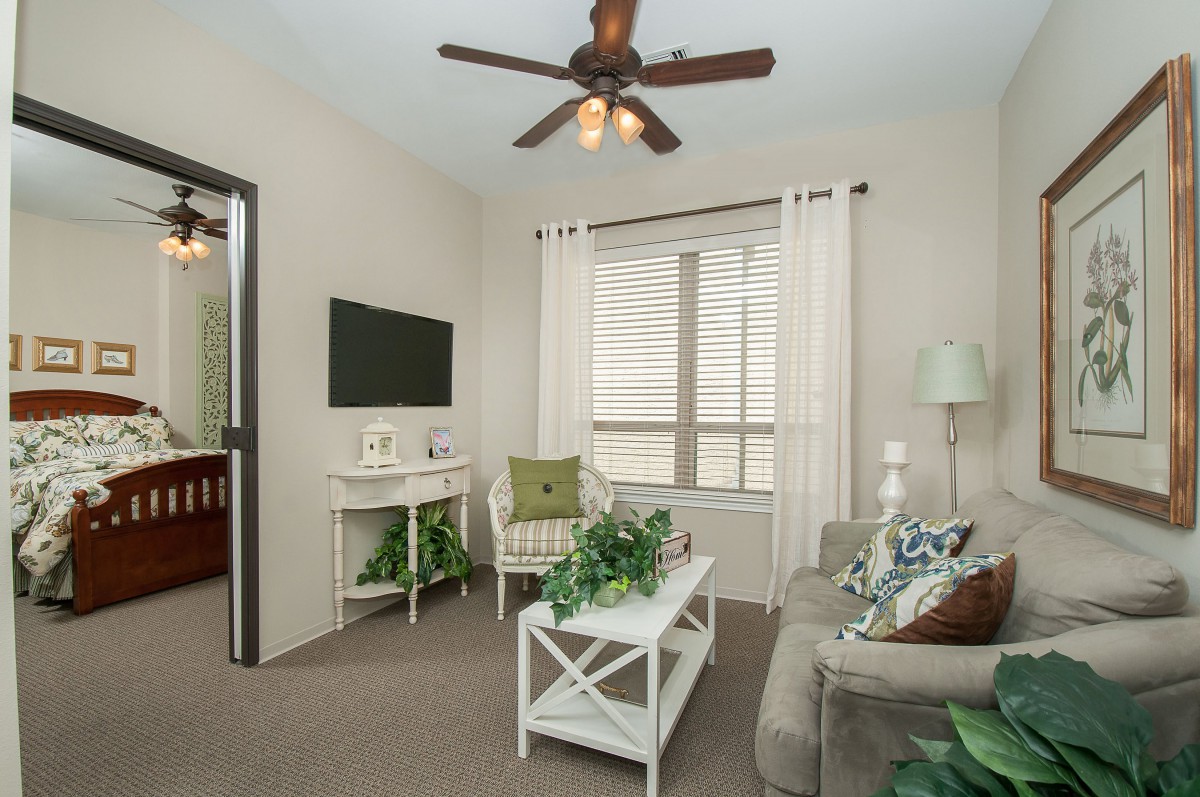
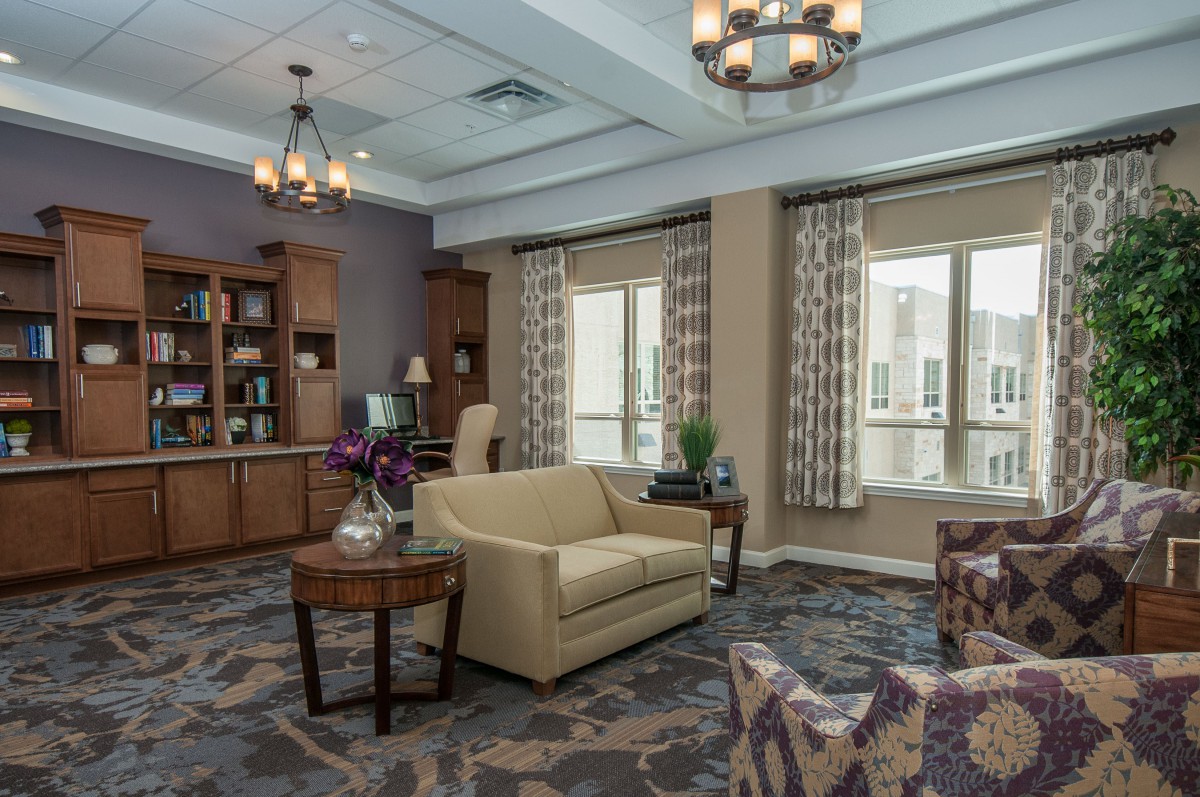
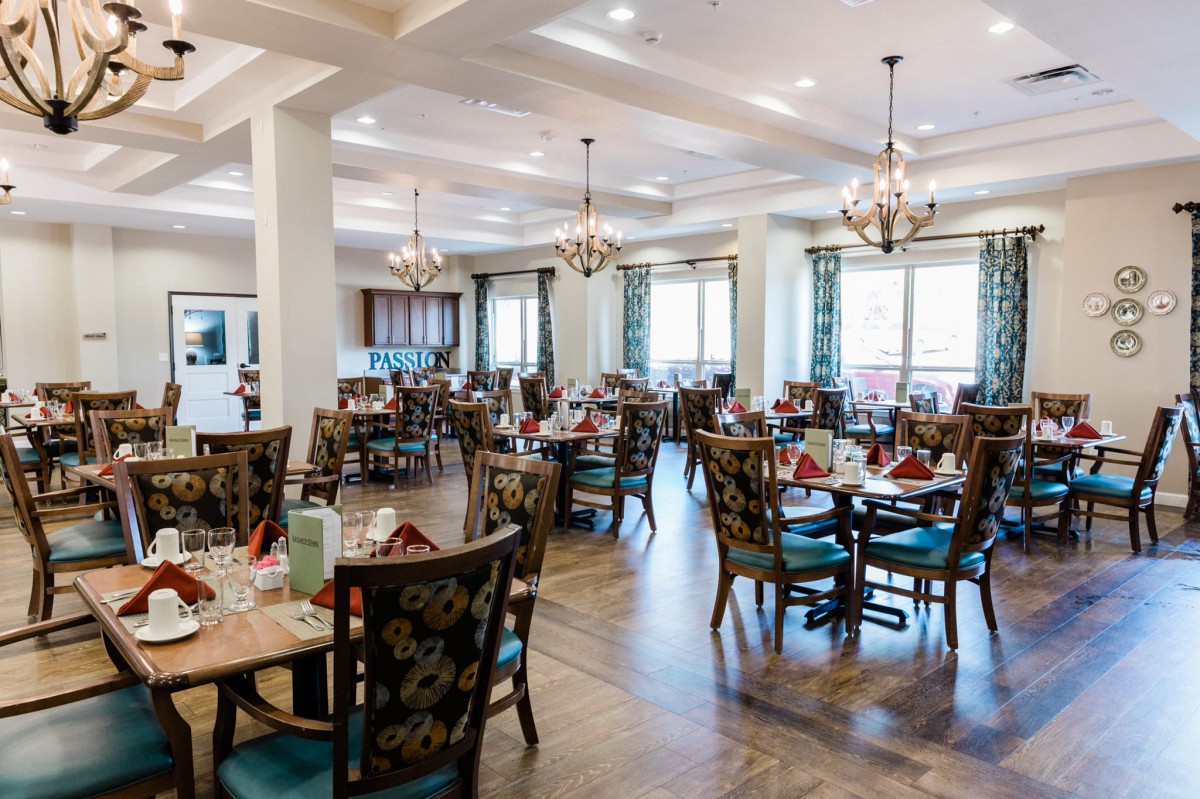
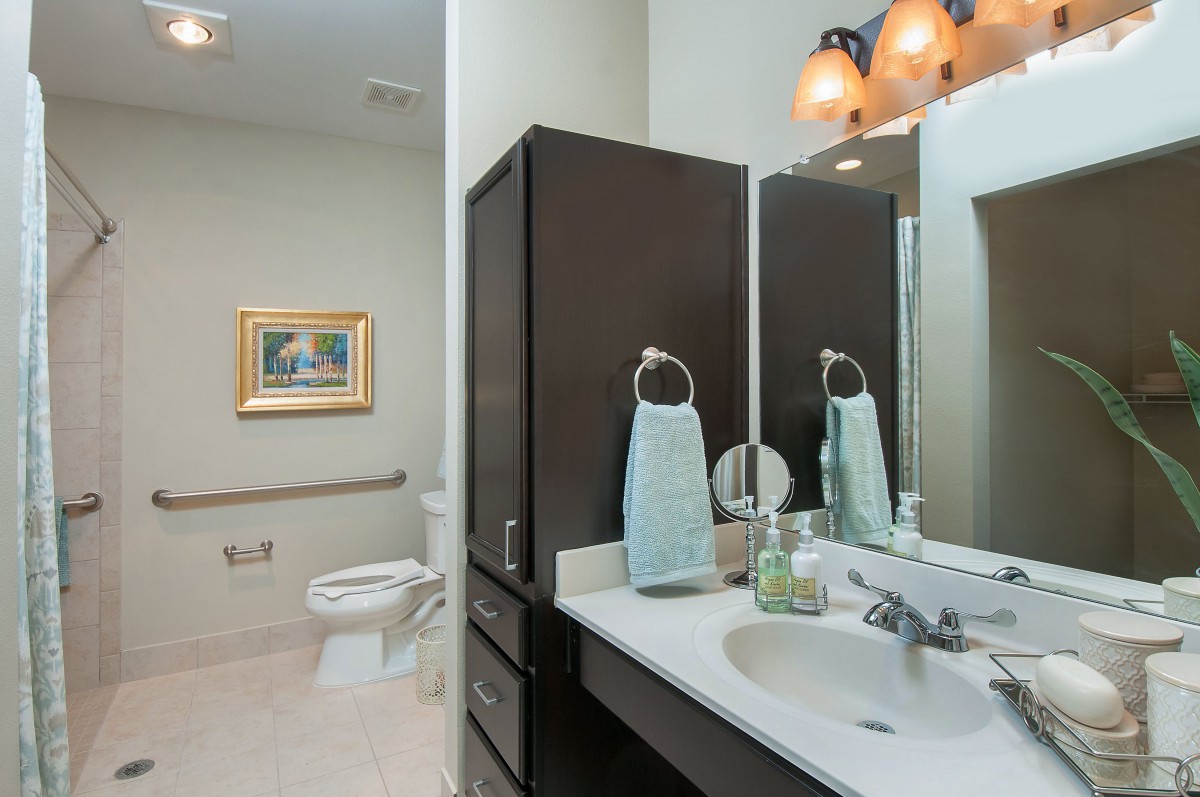
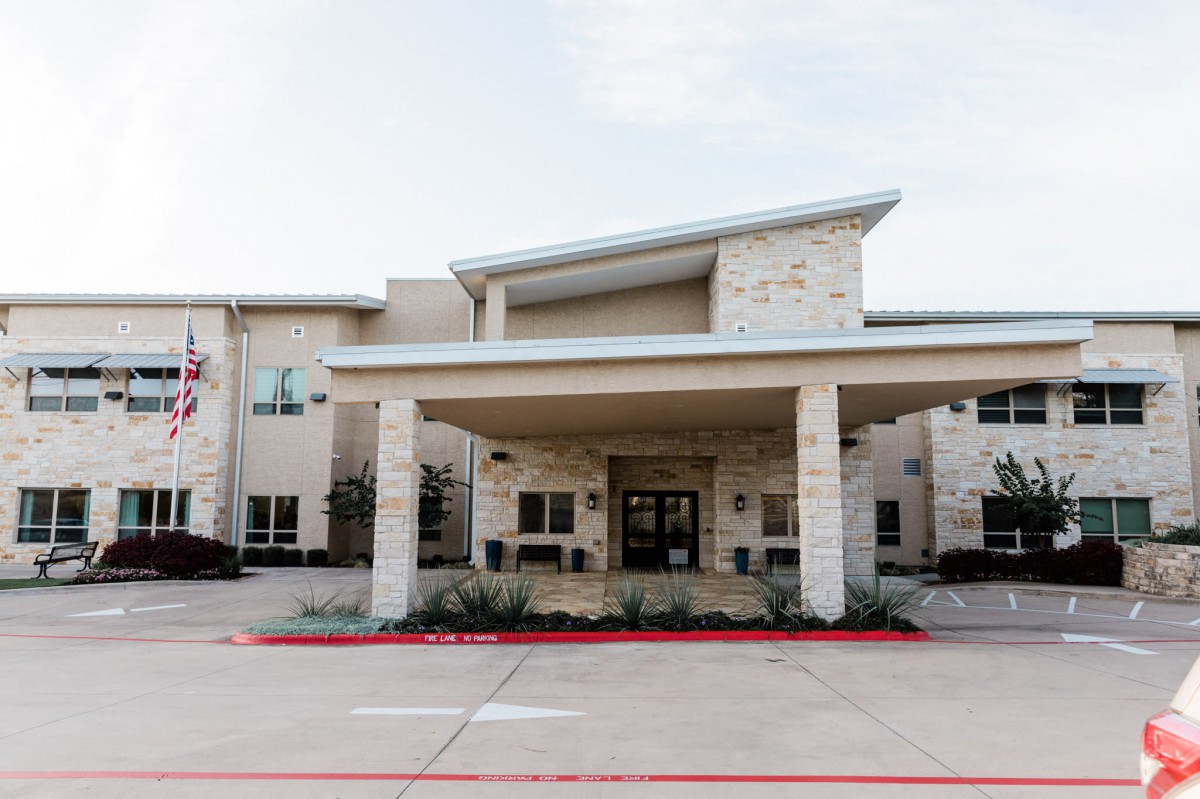
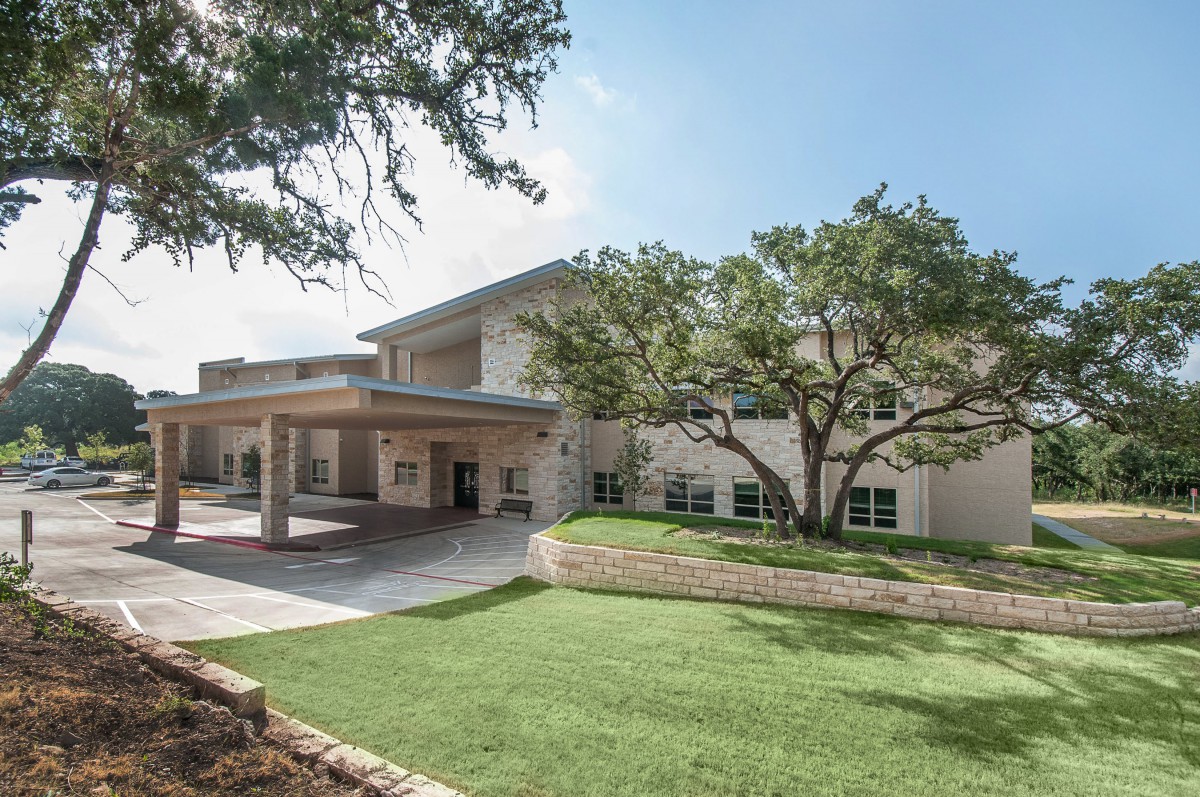
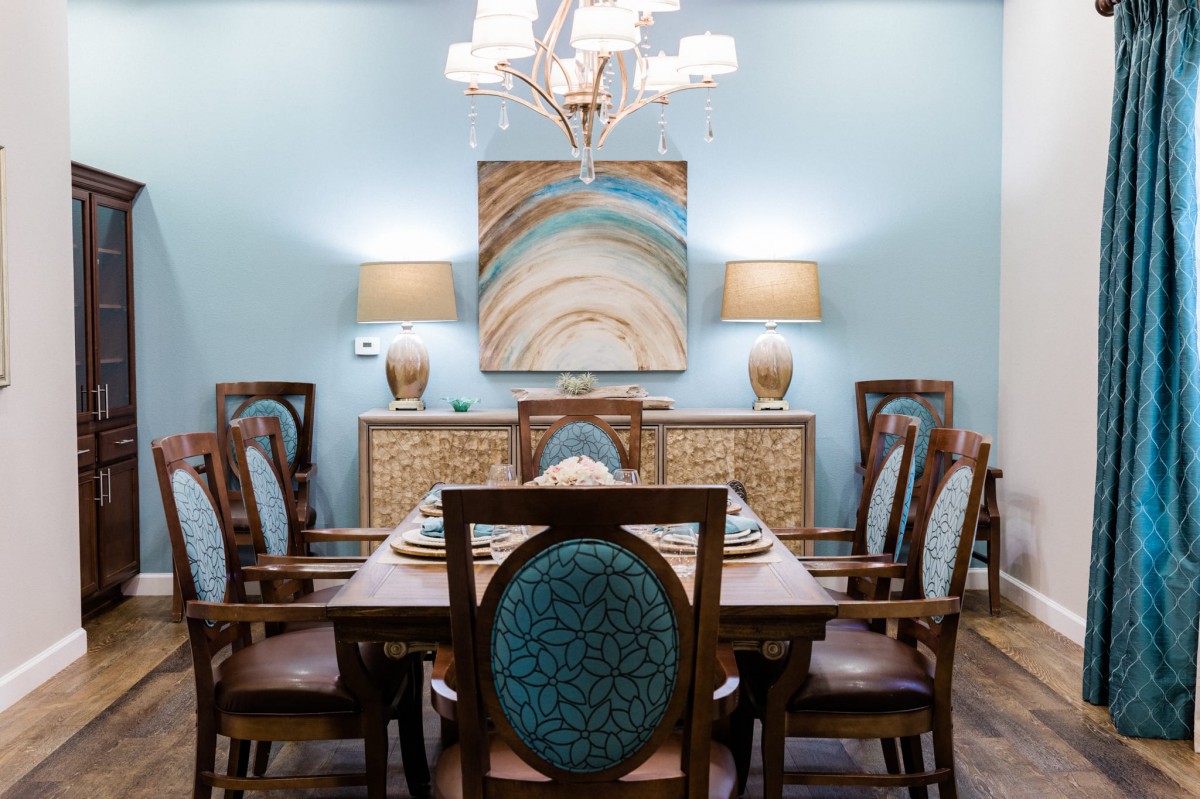
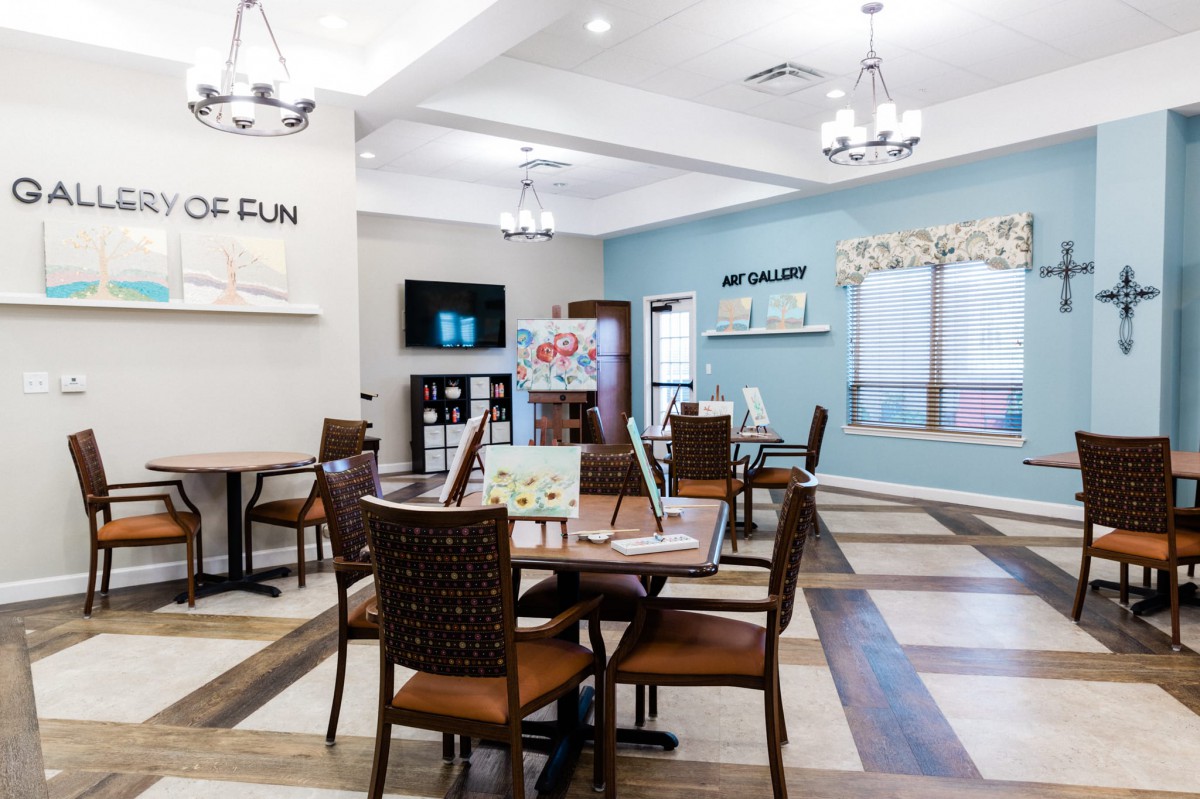
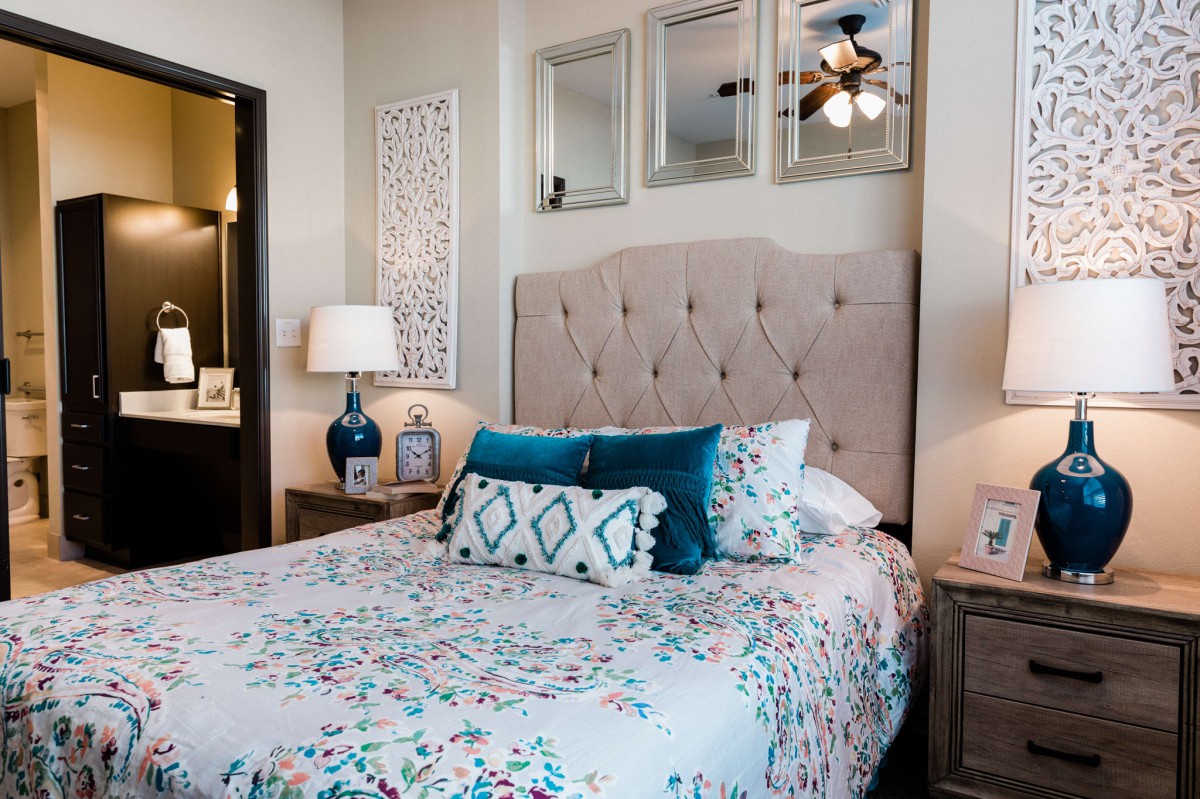
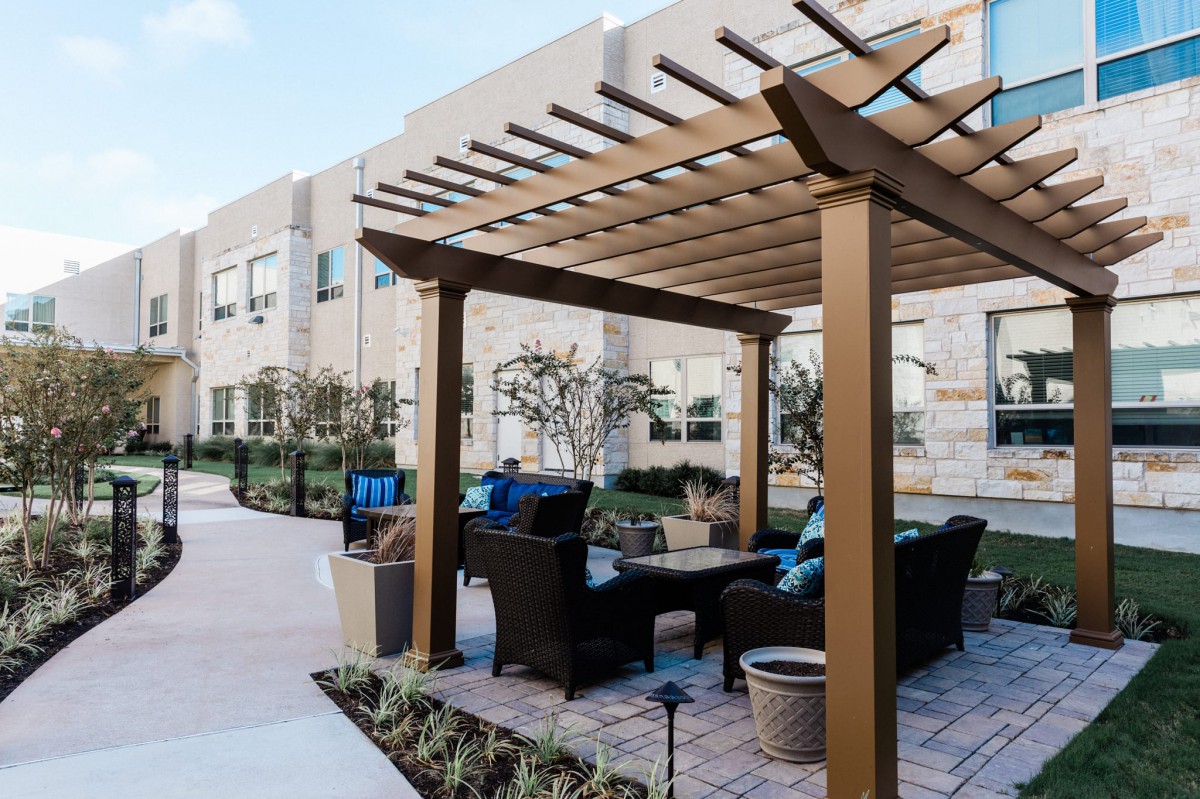
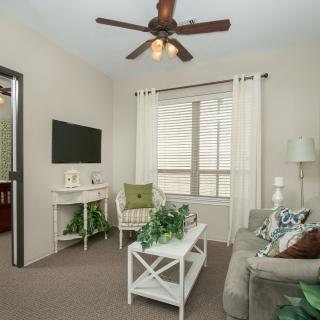
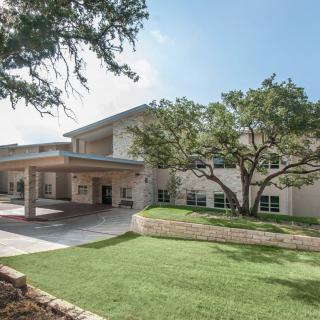
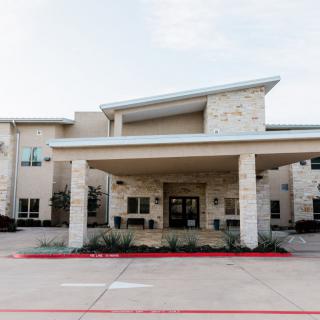
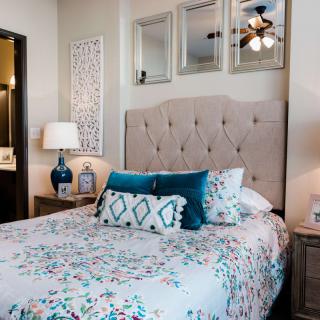
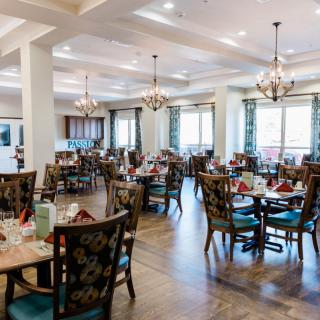
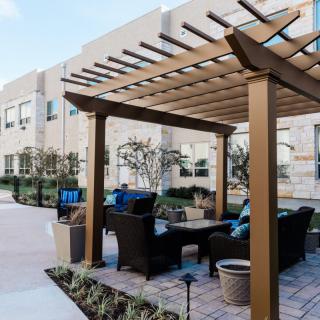
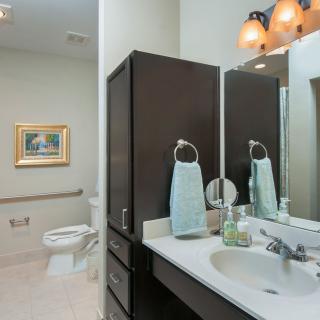
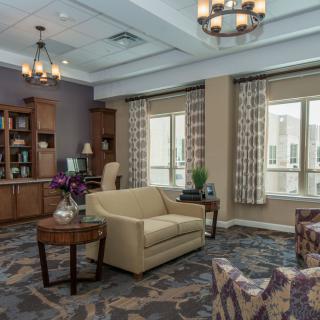
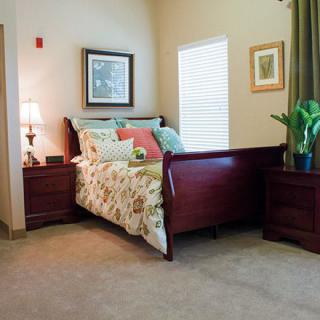
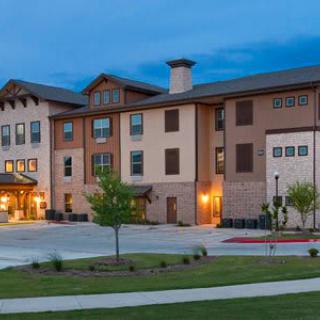
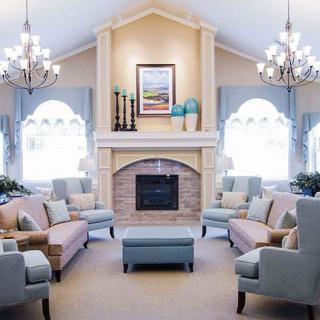
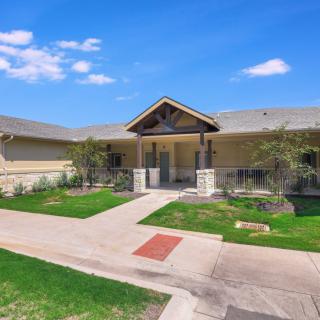
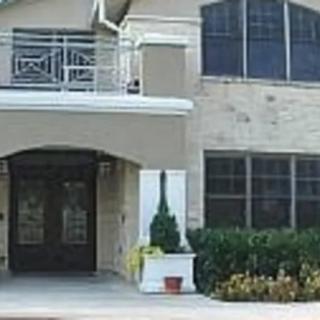
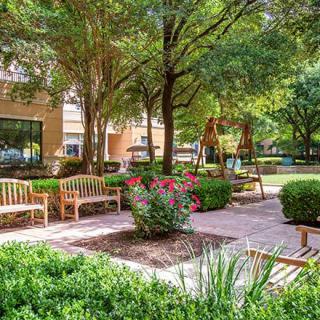
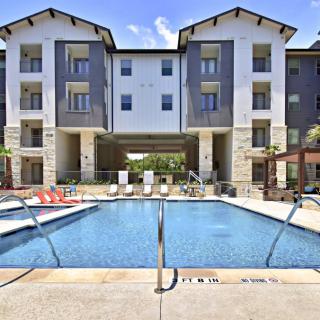
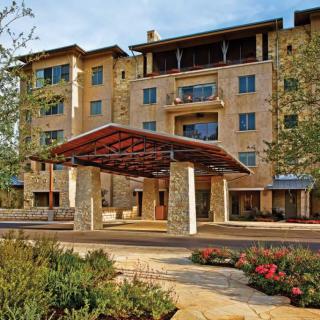
The Crossing at Oak Hill Assisted Living and Memory Care on seniors.fyi includes 11 photos including images showing interior, decor, dining, chandelier, building, living room, landscaping, bathroom, and more.
Nearby Communities
Rena's Elder Care Svc
Austin, TX
4.7 from 106 reviews
Impeccable cleanliness, compassionate staff, and engaging activities.
Brookdale Beckett Meadows
Austin, TX
4.1 from 110 reviews
$3,850 to $6,095 / month
Friendly, caring staff in a clean, well-maintained community with engaging activities and good dining.
Silverado Barton Springs
Austin, TX
4.9 from 89 reviews
Comprehensive memory care with 24/7 supervision and tailored programming, plus restaurant-style dining.
Autumn Leaves of South Austin
Austin, TX
4.8 from 81 reviews
$5,630 to $6,438 / month
Beautiful, welcoming environment with engaging activities and attentive front-line staff.
Ledgestone Senior Living
Austin, TX
4.4 from 160 reviews
$2,595 to $3,605 / month
Caring staff with a strong sense of community and extensive on-site amenities.
Brush Country Nursing And Rehabilitation
Austin, TX
4.1 from 79 reviews
$4,451 to $5,786 / month
Extensive amenities and comprehensive care.
Brookdale Gaines Ranch
Austin, TX
4.5 from 108 reviews
$2,940 to $5,750 / month
Friendly, responsive staff and engaging activities in a clean, upscale setting.
Arborview Circle C Ranch
Austin, TX
4.9 from 50 reviews
$1,575 to $2,250 / month
Affordable pricing for the area; spacious 1-bedroom apartments and a vibrant, activity-rich community.
Querencia at Barton Creek
Austin, TX
4.6 from 31 reviews
$4,790 to $6,670 / month
Offers a full continuum of care (Independent Living, Assisted Living, Memory Care, Skilled Nursing) in a luxury, amenity-rich setting.
Dementia, influenced by aging and certain medications, may be exacerbated by drug classes such as anticholinergics, benzodiazepines, and antipsychotics, which are associated with cognitive impairment. Regular medication reviews by healthcare professionals are crucial for older adults to manage risks and optimize cognitive health.
Dementia often results in disrupted sleep patterns, leading to excessive daytime sleeping due to factors like brain damage affecting circadian rhythms, medication side effects, and lack of structure in daily activities. Caregivers must monitor these changes closely, as oversleeping can increase risks such as malnutrition or dehydration, and provide necessary support and routines to enhance patient engagement and well-being.
The transition from assisted living to skilled nursing care is often prompted by complex medical needs that assisted living cannot meet, with key indicators including frequent health declines, increased falls, severe memory issues, and caregiver burnout. Families should recognize these signs early to discuss options with healthcare providers and prepare for the emotional and logistical aspects of moving to a facility that offers comprehensive medical support.
The Crossing at Oak Hill Assisted Living and Memory Care photos
×
Interior
Decor
Living Room
Building
Architecture
Bedroom
Dining
Landscaping
Bathroom
Bookshelves
Interior
Decor
Bedroom and Mirrors
Dining and Chandelier
Living Room
Landscaping
Windows
Building and Architecture
Bathroom and Lights
Trees and Grass
Artwork
Entrance and Parking
Patio, Outdoor Seating, and Pergola
Bookshelves
Get PricingAsk A QuestionSchedule A TourContact Senior Advisor
By clicking submit, you agree to our Partner's Terms of Use. You
also consent to receive calls and texts, which may be autodialed, from our Partner. Your consent is not a condition to
using our Partner's service. Please visit our Partner's Privacy Policy for information about their privacy practices.





 51 resident community capacity
 1-bedroom apartments
 Assisted Living
 Memory Care
 Skilled Nursing Facility
 Activities off-site
 Air-conditioning
 Beautician on-site
 Cable or satellite TV
 Cafe
Cafe Computer center
 Devotional services off-site
 Dining room
 Financial aid
 Fitness room
 Fully furnished
 Gaming room
 Garden
 Ground floor units
 Guest parking
 Handicap accessible
 Housekeeping services
 Indoor common areas
 Kitchenette
 Laundry
 Move-in coordination
 Outdoor common areas
 Outdoor patio
 Overnight guests
 Party space
 Private bathrooms
 Respite or short term stays offered
 Restaurant-style dining
 Small library
 Telephone
 Wellness center
 Wheelchair accessible showers
 Wi-Fi/high-speed internet available
 Austin-Bergstrom International (13 miles away)
 Community operated transportation
 12-16 hour nursing
 24-hour call system
 Ambulatory care
 Assistance with bathing
 Assistance with dressing
 Assistance with transfers
 Diabetes diet
 High acuity care
 Hospice waiver
 Incontinence care
 Medication management
 Mental wellness program
 Special dietary restrictions
 Transportation arrangement (medical)
 Art classes
 Book club
 Concierge services
 Cooking classes
 Day trips and outings
 Educational speakers / life long learning
 Games
Games Happy hour
 Karaoke
 Live dance or theater performances
 Live musical performances
 Visiting chaplain or priest
 Wii bowling
 Wine tasting
 English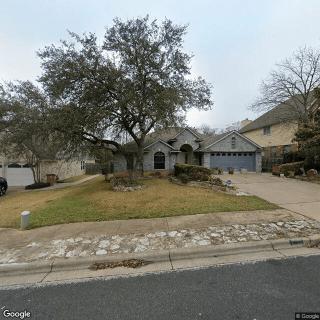
 Impeccable cleanliness, compassionate staff, and engaging activities.
 A Thorough Discussion of Medications Potentially Linked to Dementia Risk
 Why Do Dementia Patients Sleep So Much? Understanding Oversleeping, Stages, and Care Approaches
 8 Key Indicators That Suggest It May Be Time to Transition from Assisted Living to Skilled Nursing Care