


Provident Memory Care Center in Austin, TX

Save

  • Interior

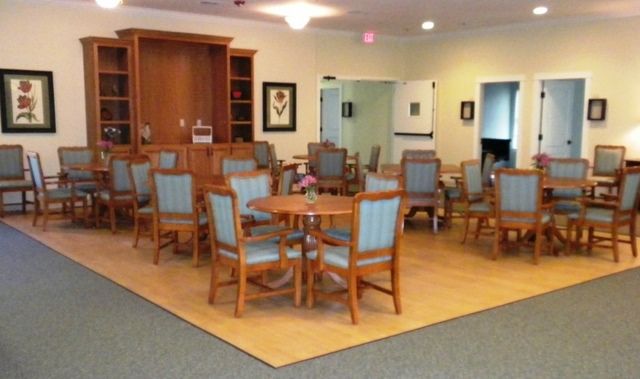
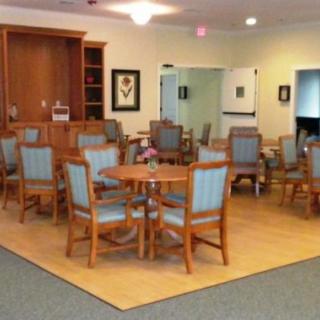
    A spacious seating area with multiple tables and chairs, featuring a well-lit and cozy interior design.
  • Outdoors

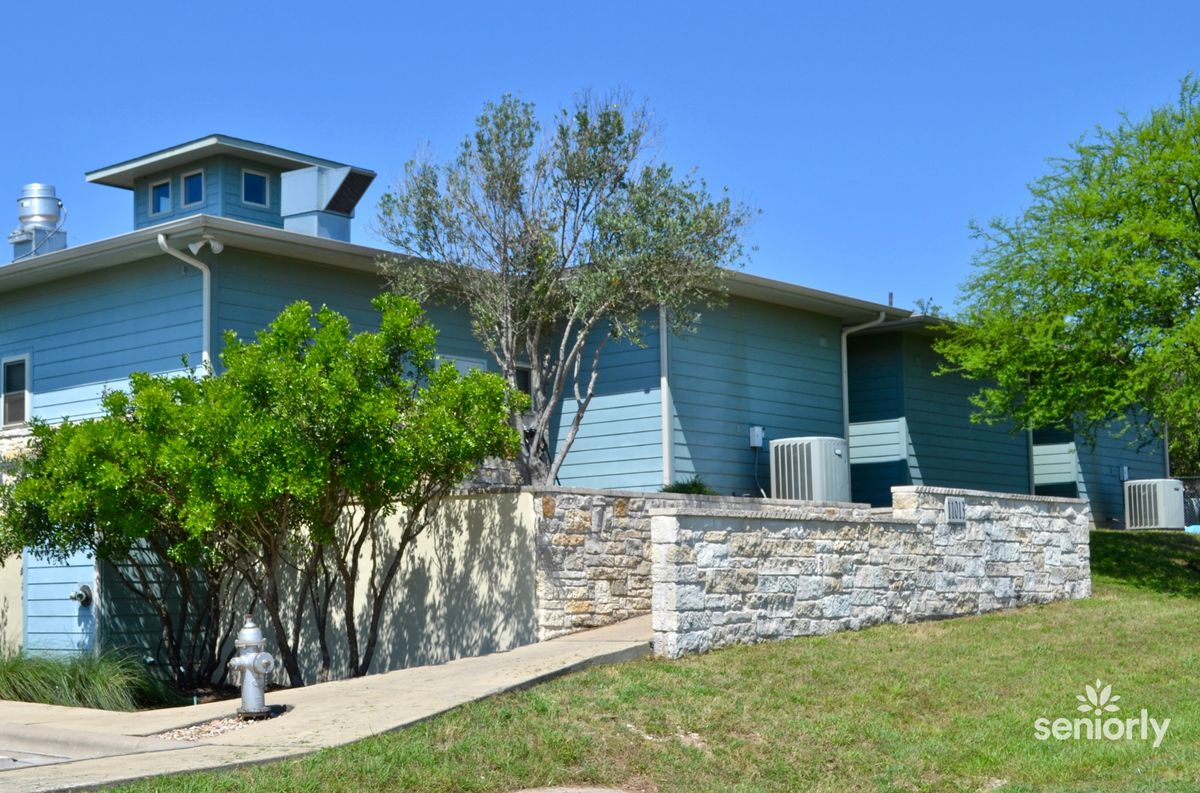
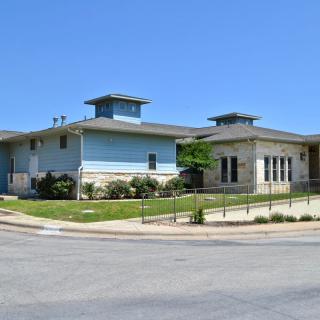
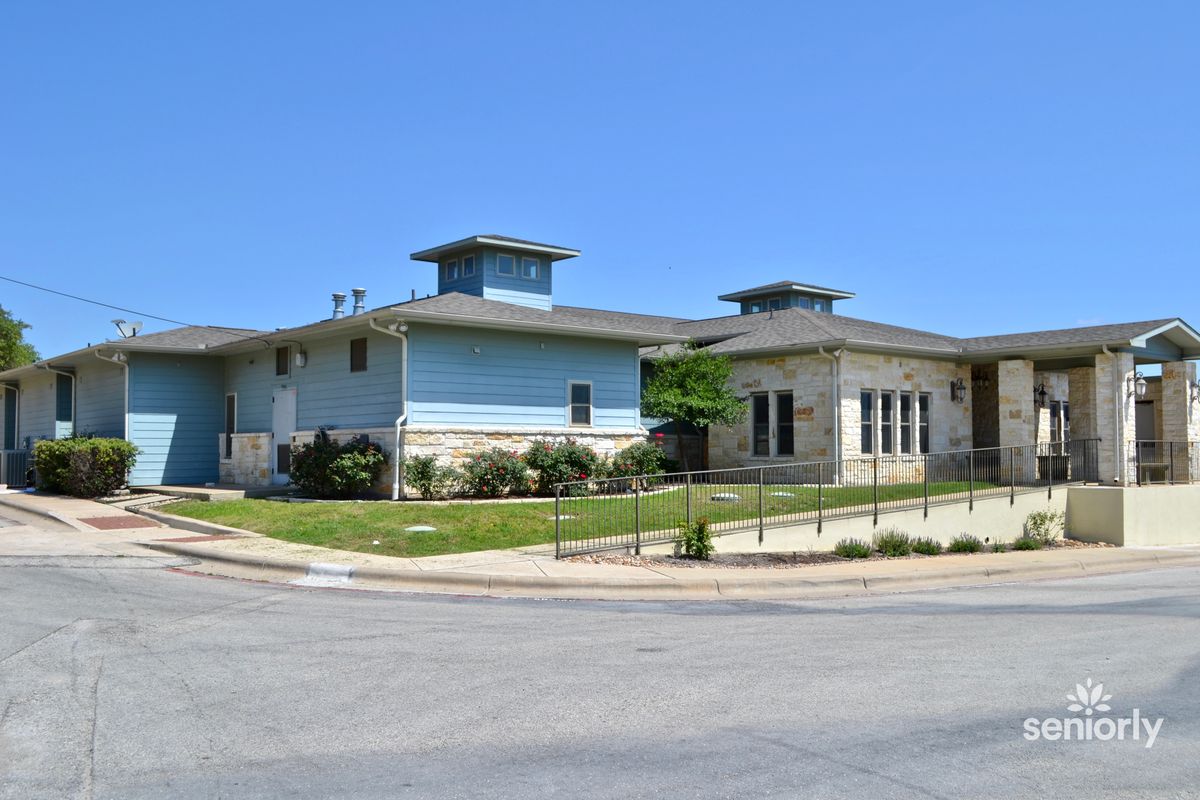
    A residential house with blue siding and a stone wall, surrounded by trees on a sunny day.
  • Decor

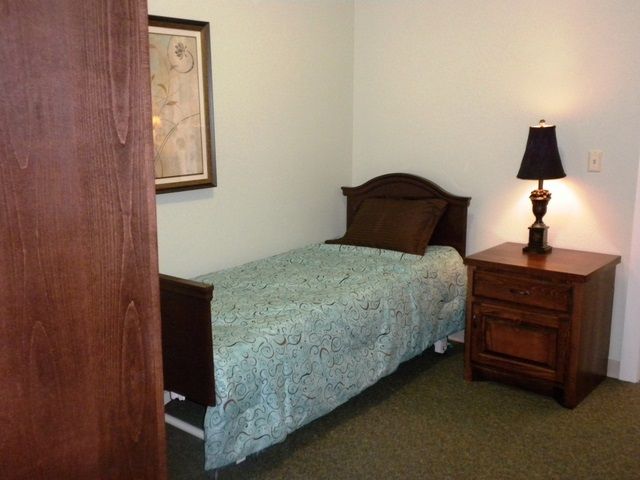
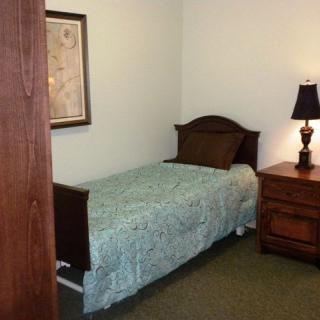
    A cozy bedroom with a single bed, nightstand, and lamp.
  • Building

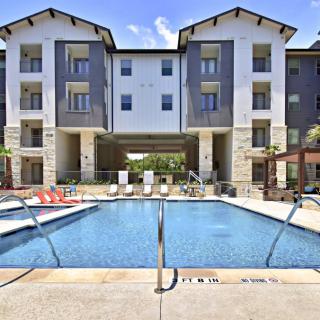
    A modern residential building situated in a suburban area on a sunny day.
  • Architecture

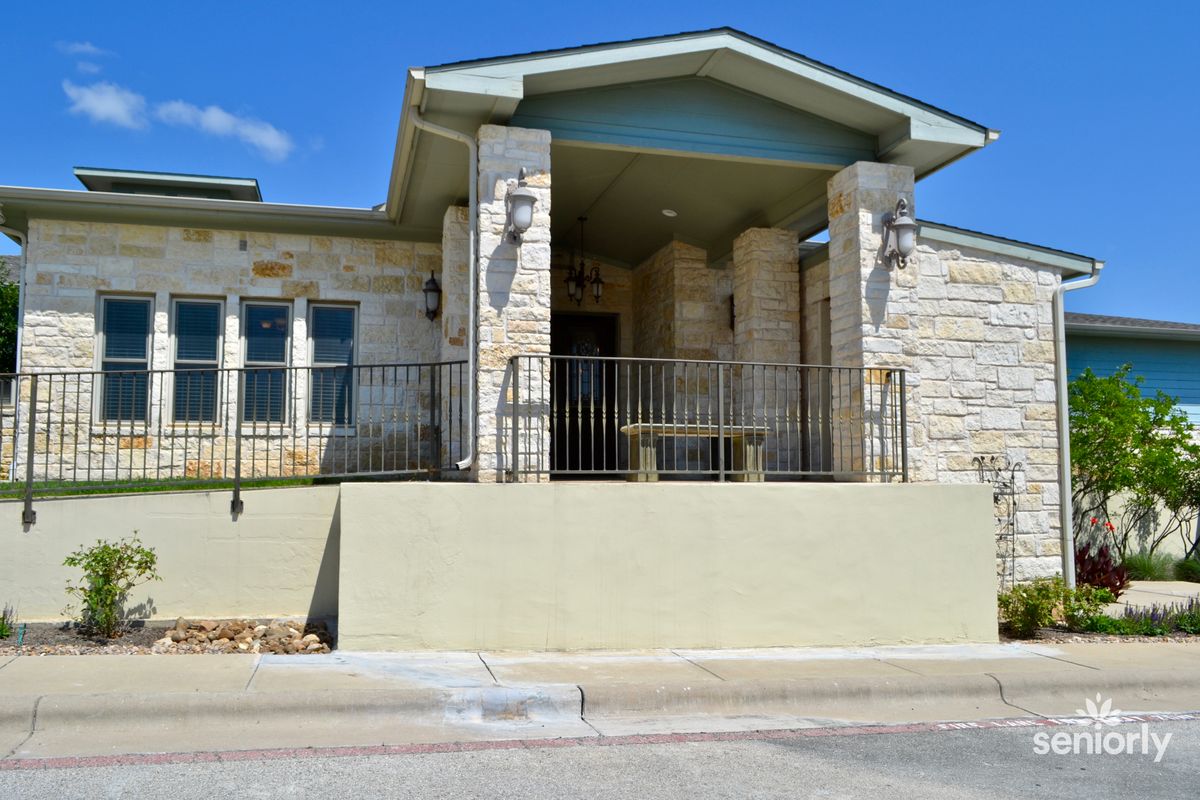
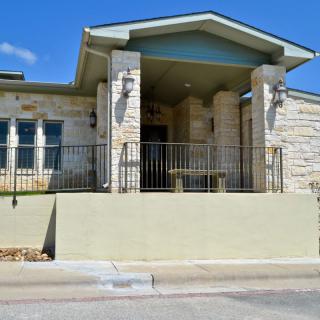
    A stone house with a porch and railing in a residential area under a clear blue sky.
  • Landscaping

    A roadside sign for a memory care and assisted living facility surrounded by landscaping.

Provident Memory Care Center in Austin, TX

11013 Signal Hill Drive, Austin, TX 78737

For more information about senior living options: (844) 490-3973

5 from 2 reviews
Assisted Living Memory Care Respite Care

What level of care are you interested in?

Assisted Living

Memory Care

Independent Living

Skilled Nursing Facility

Continuing Care Retirement Community (CCRC)CCRC

Other


Request a tour at Provident Memory Care Center

    Overall Review of Provident Memory Care Center

    Pros

    • pro The Executive Director and the staff left a very positive impression.
    • pro The facility was clean, and the staff were friendly and engaged with residents.
    • pro Lunch smelled delicious, and the residents were clean.
    • pro Deanna gave a helpful tour and introduced the staff at a great community.
    • pro The Sodalis team member was straightforward and honest, and the staff were great.
    • pro The kitchen cooked meals from scratch, and the place was plain but functional and easy for residents to navigate.

    Cons

    • pro The place was small and not fancy.
    • pro It was very plain.

    Review

    Provident Memory Care Center in Austin is best for families seeking a well-led, clean, and resident-focused memory care home where staff engagement and administrative oversight deliver dependable daily life. The community shines when leadership is visible and responsive, and when caregivers form warm, ongoing relationships with residents. For memory-impaired seniors who prefer a straightforward, home-like atmosphere over a high-gloss, resort-style setting, Provident offers predictable routines, clean surroundings, and meals that arrive with a convincing sense of home cooking. Families valuing open communication, a calm pace, and staff who know residents by name will find that the balance of structure and personal attention translates into peace of mind as care needs intensify.

    Alternatives are worth considering for families chasing a more social calendar, a broader range of activities, or a more upscale aesthetic. The reviews suggest a contrasting option nearby that leans smaller and plainer in appearance but emphasizes safety, straightforward navigation, and practical care. The smaller footprint can be easier for memory-impaired residents to manage, with features such as bed alarms and structured, accessible layouts. If a resident thrives on constant stimulation, punchy programming, or boutique-style d?cor, the Provident setting may feel too utilitarian. In these cases, exploring other memory care communities with more robust engagement options could yield a better fit.

    Key strengths at Provident are evident in the staff's warmth and the executive leadership's hands-on involvement. The most compelling pro is the combination of clean facilities, friendly, engaged caregivers, and a kitchen that delivers appealing meals. A leadership team that can be seen walking the halls, greeting residents, and staying abreast of care plans translates into fewer gaps in supervision and more timely responses to needs. Cleanliness and a well-maintained environment reinforce safety and dignity for residents living with memory challenges. In practice, these positives help offset concerns about a less glamorous ambiance or the absence of excessive social programming, because residents receive reliable, compassionate care in a predictable framework.

    From a decision-making standpoint, several indicators should be explored on a visit. Observe interactions between staff and residents to gauge genuine engagement rather than scripted politeness. Inquire about care planning, medication management, and how changes in memory status are communicated to families. Ask about meal quality, dietary accommodations, and the availability of consistent staffing, especially on weekends. Safety features, such as bed alarms and clear emergency protocols, matter greatly in memory care and should be demonstrated during tours. Finally, verify the reporting cadence: how regularly families receive updates, and how concerns are escalated. A facility that blends visible leadership with responsive front-line care generally delivers steadier outcomes for residents over time.

    For families evaluating alternatives, the key trade-off centers on atmosphere versus activity. A nearby option presented as small and utilitarian can offer essential safety and straightforward routines without the polish, but with strong office staff and from-scratch meals described in some reviews. For residents who require more robust social stimulation or specialized programming beyond essential safety features, it becomes critical to weigh whether the extra polish and program variety justify the potential trade-offs in consistency of staff and comfort with familiar routines. In short, Provident rewards those prioritizing steady care and a calm, comprehensible environment; others may prefer more dynamic environments with richer activity calendars.

    Bottom line: Provident Memory Care Center is a practical choice for memory care residents who value leadership oversight, a clean, predictable setting, and approachable, caring staff. It performs best for families craving reliability over flair and for residents who thrive on routine and familiar faces. Alternatives exist for those chasing more social activity, upscale d?cor, or broader programming - these should be explored with clear questions about staffing consistency, safety, and engagement. A suggested next step is to schedule in-person tours, meet the Executive Director, and observe how staff interact with residents in real time to confirm that the care philosophy aligns with the resident's needs and family expectations.

    Features

    Housing

    • 22 resident community capacity 22 resident community capacity

    Types of Care

    • Assisted Living Assisted LivingAssisted living facilities provide crucial support and care for seniors who may need help with daily tasks such as medication management, bathing, and meal preparation. These communities offer a safe and comfortable environment where seniors can maintain their independence while receiving the assistance they need to thrive in their golden years.
    • Memory Care Memory CareMemory care is crucial for seniors as it provides specialized support and services for individuals with dementia or Alzheimer's disease. These programs offer a safe and secure environment where residents receive personalized care, cognitive stimulation, and help with daily activities. Memory care helps seniors maintain their independence, quality of life, and dignity while also providing peace of mind for their families.
    • Respite Care Respite CareRespite care provides temporary relief for caregivers, allowing them to recharge and attend to their own needs. It also gives seniors the opportunity to socialize, receive professional care, and experience a change of scenery, promoting overall well-being and reducing feelings of isolation.

    Amenities

    • Beauty salon Beauty salonBeauty salons are important for seniors because they provide a space for them to feel pampered, socialize, and maintain their personal grooming and hygiene. Regular visits to a beauty salon can help boost seniors' self-esteem and overall well-being.
    • Cable or satellite TV Cable or satellite TVCable or satellite TV is important for seniors because it provides entertainment, news, and companionship, helping to combat loneliness and boredom. It also offers a wide range of programming options tailored to different interests and preferences.
    • Dining room Dining roomDining rooms are important for seniors as they provide a space for socialization, connection, and nutritious meals. They offer opportunities for residents to bond over shared meals, foster a sense of community, and promote healthy eating habits. Dining rooms also ensure that seniors have access to well-balanced meals tailored to their dietary needs and preferences.
    • Fully furnished Fully furnishedFully furnished senior living communities are important for seniors because they provide convenience, comfort, and a hassle-free moving experience. Seniors can easily settle into their new living space without the stress of having to buy and move furniture. This allows them to focus on enjoying their new home and community.
    • Garden GardenGardens are important for seniors as they provide a peaceful and therapeutic environment for relaxation, physical activity, and socialization. Being in nature has been shown to reduce stress, improve mood, and promote overall well-being. Gardens also offer opportunities for seniors to engage in gardening activities, which can improve mobility, flexibility, and cognitive function. Additionally, gardens create a sense of community and connection with others who share a passion for plants and outdoor spaces.
    • Housekeeping services Housekeeping servicesHousekeeping services are important for seniors because they help maintain a clean and safe living environment, promote independence, and reduce the risk of accidents or illnesses. Additionally, having assistance with household chores can alleviate physical strain and allow seniors to focus on other aspects of their well-being.
    • Kitchenette KitchenetteKitchenettes are important for seniors living in senior living communities because they provide the convenience and independence of being able to prepare simple meals and snacks in the comfort of their own living space. This can help promote a sense of autonomy and well-being for seniors, allowing them to maintain some level of control over their dietary choices and daily routines.
    • Move-in coordination Move-in coordinationMove-in coordination is important for seniors because it helps ease the transition into their new living environment. It ensures that all logistics, such as packing, organizing movers, and setting up utilities are taken care of, allowing seniors to focus on settling in and adjusting to their new home. Having a smooth move-in process can alleviate stress and anxiety, making the transition smoother and more enjoyable for seniors.
    • Outdoor space Outdoor spaceOutdoor spaces are important for seniors as they provide opportunities for physical activity, social interaction, exposure to natural light and fresh air, and a sense of connection to nature. Having access to outdoor spaces can improve overall well-being and quality of life for older adults living in senior communities.
    • Restaurant-style dining Restaurant-style diningRestaurant-style dining is important for seniors because it allows them to enjoy delicious, nutritious meals in a social and upscale setting. This enhances their dining experience, promotes healthy eating habits, and fosters socialization with fellow residents, ultimately contributing to their overall well-being and quality of life.
    • Small library Small librarySmall libraries are important for seniors as they provide access to a variety of reading materials, including books, newspapers, and magazines. This can help stimulate their minds, keep them engaged, and provide a sense of community through book clubs and other social activities. Additionally, reading has been shown to improve cognitive function and overall mental well-being in older adults.
    • Telephone TelephoneTelephones are important for seniors as they provide a lifeline for communication with loved ones, emergency services, and healthcare providers. They offer a sense of security and independence, enabling seniors to stay connected and access assistance when needed.
    • Wi-Fi/high-speed internet available Wi-Fi/high-speed internet availableWi-Fi/high-speed internet is important for seniors to stay connected with loved ones, access online resources, and participate in virtual activities to combat feelings of loneliness and isolation. It also allows them to easily manage healthcare needs, access entertainment, and engage in lifelong learning opportunities.

    Transportation

    • Austin-Bergstrom International (18 miles away) Austin-Bergstrom International (18 miles away)

    Care Services

    • 24-hour call system 24-hour call system24-hour call systems are important for seniors because they provide peace of mind and immediate assistance in case of emergencies. This technology ensures that help is always available, promoting safety and security for elderly individuals living alone or in assisted living facilities.
    • 24-hour supervision 24-hour supervision24-hour supervision is important for seniors to ensure their safety, well-being, and access to immediate assistance in case of emergencies or health issues. This constant support provides peace of mind for both seniors and their loved ones, allowing them to age in place with dignity and security.
    • Activities of daily living assistance Activities of daily living assistanceActivities of daily living assistance are important for seniors because they provide essential support with tasks such as eating, bathing, dressing, and mobility. This assistance helps seniors maintain their independence, dignity, and overall quality of life as they age.
    • Assistance with bathing Assistance with bathingAssistance with bathing is crucial for seniors as it helps maintain personal hygiene, prevents infections, and ensures their overall well-being and comfort. It also provides a sense of dignity and independence for seniors who may struggle with this task on their own.
    • Assistance with dressing Assistance with dressingAssistance with dressing is important for seniors because it helps maintain their independence, promotes personal hygiene, prevents accidents and injuries, and improves overall quality of life. This service ensures that seniors can continue to dress comfortably and confidently, despite any physical limitations they may have.
    • Assistance with transfers Assistance with transfersAssistance with transfers is crucial for seniors as it helps prevent falls and injuries, maintains their independence, and ensures they can safely navigate their living environment. It also provides peace of mind for both seniors and their loved ones.
    • Diabetes diet Diabetes dietA diabetes diet is crucial for seniors as it helps manage blood sugar levels, reduce risks of complications, and improve overall health and well-being. By following a balanced and nutritious diet tailored to their specific needs, seniors can better control their diabetes and enhance their quality of life.
    • Meal preparation and service Meal preparation and serviceMeal preparation and service are crucial for seniors as they may have limited mobility or energy to cook nutritious meals. Having access to healthy and convenient food options can ensure they are getting the proper nutrition needed to maintain their overall health and well-being.
    • Medication management Medication managementMedication management is crucial for seniors to ensure they are taking the right medications at the correct dosages and times. This helps prevent adverse drug interactions, reduces the risk of medication errors, and promotes overall health and well-being. Proactive management also allows for adjustments as needed based on changing health conditions or new prescriptions.
    • Mental wellness program Mental wellness programMental wellness programs are essential for seniors as they promote cognitive stimulation, emotional support, and social engagement. These programs help prevent isolation, depression, and cognitive decline, ultimately enhancing the overall quality of life for older adults.
    • Mild cognitive impairment Mild cognitive impairment"Mild cognitive impairment" is important for seniors because it is an early stage of cognitive decline that can potentially progress to more severe conditions such as dementia. Recognizing and addressing mild cognitive impairment can help seniors receive appropriate care and support to maintain their quality of life and independence for as long as possible.
    • Special dietary restrictions Special dietary restrictionsSpecial dietary restrictions are important for seniors because age-related changes in metabolism and health conditions can make it difficult for their bodies to process certain foods. By following a diet tailored to their specific needs, seniors can maintain their overall health and well-being, manage chronic conditions, and reduce the risk of complications such as malnutrition or food interactions with medications.
    • Specialized memory care programming Specialized memory care programmingSpecialized memory care programming is crucial for seniors with cognitive impairments such as dementia or Alzheimer's disease. These programs provide a safe and supportive environment tailored to the unique needs of individuals with memory loss, helping them maintain their independence, dignity, and quality of life.

    Dining

    • Diabetes diet Diabetes dietA diabetes diet is crucial for seniors as it helps manage blood sugar levels, reduce risks of complications, and improve overall health and well-being. By following a balanced and nutritious diet tailored to their specific needs, seniors can better control their diabetes and enhance their quality of life.
    • Special dietary restrictions Special dietary restrictionsSpecial dietary restrictions are important for seniors because age-related changes in metabolism and health conditions can make it difficult for their bodies to process certain foods. By following a diet tailored to their specific needs, seniors can maintain their overall health and well-being, manage chronic conditions, and reduce the risk of complications such as malnutrition or food interactions with medications.

    Activities

    • Community-sponsored activities Community-sponsored activitiesCommunity-sponsored activities are important for seniors as they provide opportunities for social interaction, mental stimulation, and physical activity. These activities can help improve overall well-being, combat loneliness and isolation, and promote a sense of belonging and purpose among older adults.
    • Resident-run activities Resident-run activitiesResident-run activities are important for seniors as they encourage social interaction, creativity, and a sense of autonomy. These activities empower seniors to stay engaged and active in their community while fostering meaningful connections with their peers.
    • Scheduled daily activities Scheduled daily activitiesScheduled daily activities are important for seniors because they provide structure, socialization, mental stimulation, and physical activity. Engaging in regular activities can improve overall well-being and quality of life for seniors living in a community setting.

    Languages Spoken

    • English EnglishEnglish is important for seniors as it allows them to communicate effectively with healthcare providers, understand important information related to their health and medications, stay connected with loved ones, and engage in social activities within their communities. It also opens up opportunities for lifelong learning and intellectual stimulation.

    Description

    The Provident Memory Care Center located in Austin, TX, is an assisted living community that specializes in providing top-quality care for individuals with memory impairments. Our dedicated team of caregivers offers 24-hour supervision and assistance with activities of daily living such as bathing, dressing, and transfers. We also provide medication management services to ensure the well-being of our residents.

    At Provident Memory Care Center, we understand the importance of mental wellness for individuals with memory impairments. That's why we offer a specialized memory care programming that includes engaging activities and programs tailored to meet the unique needs and abilities of each resident. Our resident-run activities and scheduled daily activities promote socialization, cognitive stimulation, and overall well-being.

    Our community boasts a range of amenities designed to enhance the quality of life for our residents. Each private room is fully furnished and equipped with cable or satellite TV, telephone services, and Wi-Fi/high-speed internet access. Our dining room offers restaurant-style dining with delicious meals prepared by our professional chefs who cater to special dietary restrictions. In addition to our dining area, we have a small library where residents can relax and enjoy some quiet time.

    Provident Memory Care Center is located in a beautiful setting with outdoor spaces and gardens that allow residents to enjoy nature and fresh air. Housekeeping services ensure a clean and comfortable environment for all our residents. We also provide move-in coordination services to make the transition into our community as smooth as possible.

    Conveniently located near parks, pharmacies, physicians' offices, restaurants, places of worship, and theaters; Provident Memory Care Center provides easy access to various amenities outside the community.

    If you are seeking an assisted living facility that specializes in memory care and respite care services for your loved one in Austin, TX - look no further than Provident Memory Care Center. Our compassionate caregivers are dedicated to providing personalized care while encouraging independence and preserving the dignity of each individual under our care.

    Nearby Places of Interest

    Restaurants

    • Summermoon Coffee Bar (0.2 miles)
    • IHOP (0.6 miles)
    • Torchy’S Tacos (0.7 miles)
    • Chick-Fil-A (0.7 miles)
    • The League Kitchen & Tavern (0.9 miles)
    • Simply Pho House (1.1 miles)
    • Pieous (1.2 miles)

    Theaters

    • Sky Cinemas (0.7 miles)
    • Alamo Drafthouse Cinema (5.9 miles)

    Pharmacies

    • CVS Pharmacy (2.1 miles)
    • CVS Pharmacy (2.8 miles)
    • Walgreens (6.1 miles)
    • Walgreens (6.2 miles)
    • CVS Pharmacy (6.9 miles)
    • Walgreens (7 miles)
    • CVS Pharmacy (7.2 miles)

    Places of Worship

    • Bannockburn Baptist Church (4.1 miles)
    • St Martin De Porres Church (7.5 miles)

    Physicians

    • Southwest Pediatric Associates (4.5 miles)
    • Schram McDonnell (4.5 miles)
    • ADC Pediatrics (5.7 miles)
    • Plastic Surgery Austin (6.1 miles)
    • Balcones Pain Consultants (6.2 miles)
    • Westlake Dermatology & Cosmetic Surgery - Southwest Parkway (6.6 miles)
    • Howerton Eye Clinic (6.9 miles)

    Parks

    • Windmill Run Park (4.8 miles)
    • Charro Ranch Park (7.3 miles)

    Cafes

    • Starbucks (5.7 miles)
    • Summer Moon Coffee (5.8 miles)
    • Black Rock Coffee Bar (6.5 miles)
    • Starbucks (7.3 miles)
    • Starbucks (7.3 miles)
    • Mazama Coffee (7.5 miles)
    • Starbucks (7.7 miles)

    Frequently Asked Questions

    Where is Provident Memory Care Center?
    Does Provident Memory Care Center provide care for residents with dementia or Alzheimer's disease?
    What photos are available for Provident Memory Care Center in Austin, Texas?

    Nearby Communities

    • Sodalis - Austin/Dripping Springs

      Sodalis - Austin/Dripping Springs

      Austin, TX

      4.6 from 18 reviews
      $4,900 / month

      pro Small, intimate memory care with attentive staff and strong family communication.

    • Ledgestone Senior Living

      Ledgestone Senior Living

      Austin, TX

      4.2 from 136 reviews
      $2,650 to $4,915 / month

      pro Caring, friendly staff in a clean, home-like environment with engaging activities and strong dining/amenities.

    • Ledgestone Independent Living

      Ledgestone Independent Living

      Austin, TX

      4.2 from 98 reviews
       

      pro Fully furnished units with on-site dining and 24/7 supervision.

    • Homewatch CareGivers of Southwest Austin

      Homewatch CareGivers of Southwest Austin

      Austin, TX


      pro Convenient access to nearby amenities (cafes, parks, pharmacies, physicians, restaurants, theaters).

    • Stonebridge Health Ctr

      Stonebridge Health Ctr

      Austin, TX

      4.1 from 59 reviews
       

      pro Friendly, attentive staff and caring nurses.

    • Stonebridge Sn Health Center

      Stonebridge Sn Health Center

      Austin, TX

      4.3 from 36 reviews
       

      pro Luxurious amenities with round-the-clock care.

    • Arborview Circle C Ranch

      Arborview Circle C Ranch

      Austin, TX

      4.9 from 41 reviews
      $1,575 to $2,250 / month

      pro Affordable pricing for the area; spacious 1-bedroom apartments and a vibrant, activity-rich community.

    • Brookdale Beckett Meadows

      Brookdale Beckett Meadows

      Austin, TX

      4.1 from 109 reviews
      $3,850 to $6,095 / month

      pro Friendly, caring staff in a clean, well-maintained community with engaging activities and good dining.

    • The Auberge At Bee Cave

      The Auberge At Bee Cave

      Bee Cave, TX

      4.5 from 73 reviews
       

      pro Compassionate, attentive staff and engaging programs.

    Related Resources

    • assisted living waiver programA Detailed Exploration of Assisted Living Medicaid Waivers Across the United States

      Medicaid waivers for assisted living services provide vital support for seniors and individuals with disabilities in need of long-term care, with varying state-specific eligibility criteria and benefits. These waivers cover personal care and case management but often do not fully cover room and board, leading to waiting lists for many applicants.

    • assisted living vs skilled nursingExploring the Contrasts Between Assisted Living and Skilled Nursing

      The article compares assisted living and skilled nursing facilities, detailing their differing levels of assistance, medical support, cost structures, and day-to-day experiences. It emphasizes that assisted living is for those needing help with daily activities while maintaining independence, whereas skilled nursing facilities provide intensive medical care with 24-hour staff supervision.

    • active senior livingVibrant Senior Living: A Comprehensive Guide for Active Older Adults
      Vibrant Senior Living emphasizes active senior living communities that promote independence and engagement through diverse amenities and activities, fostering wellness and social interaction among older adults. These communities range from independent to assisted living, with a focus on personal growth, family involvement, financial planning, and leveraging technology to enhance residents' experiences.


    Get Pricing Ask A Question Schedule A Tour Contact Senior Advisor