For more information about senior living options: (866) 208-4318
4.1 from 95 reviews
5 stars
52
4 stars
19
3 stars
10
2 stars
7
1 stars
7
Holiday Renaissance Austin Costs & Pricing
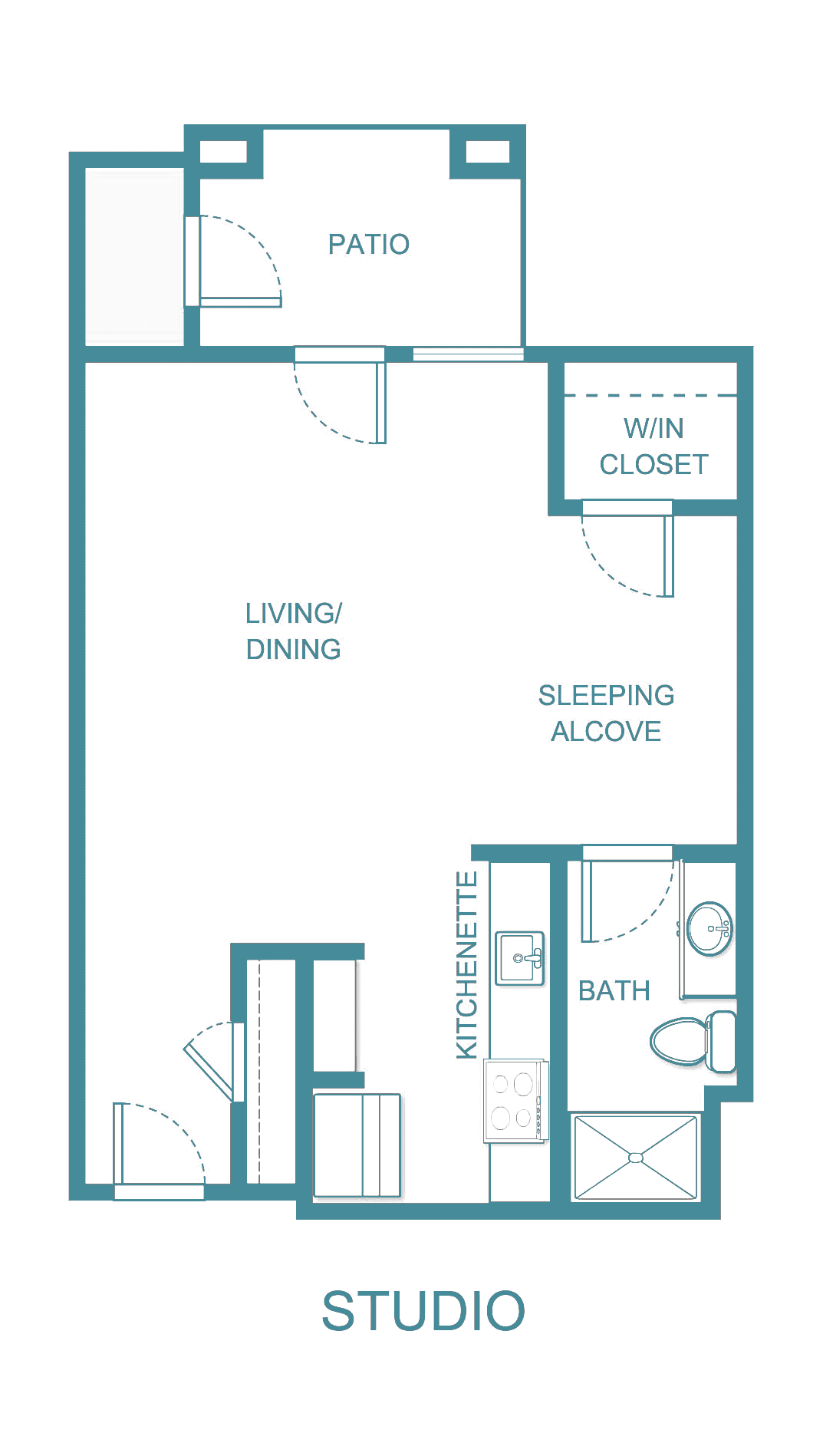
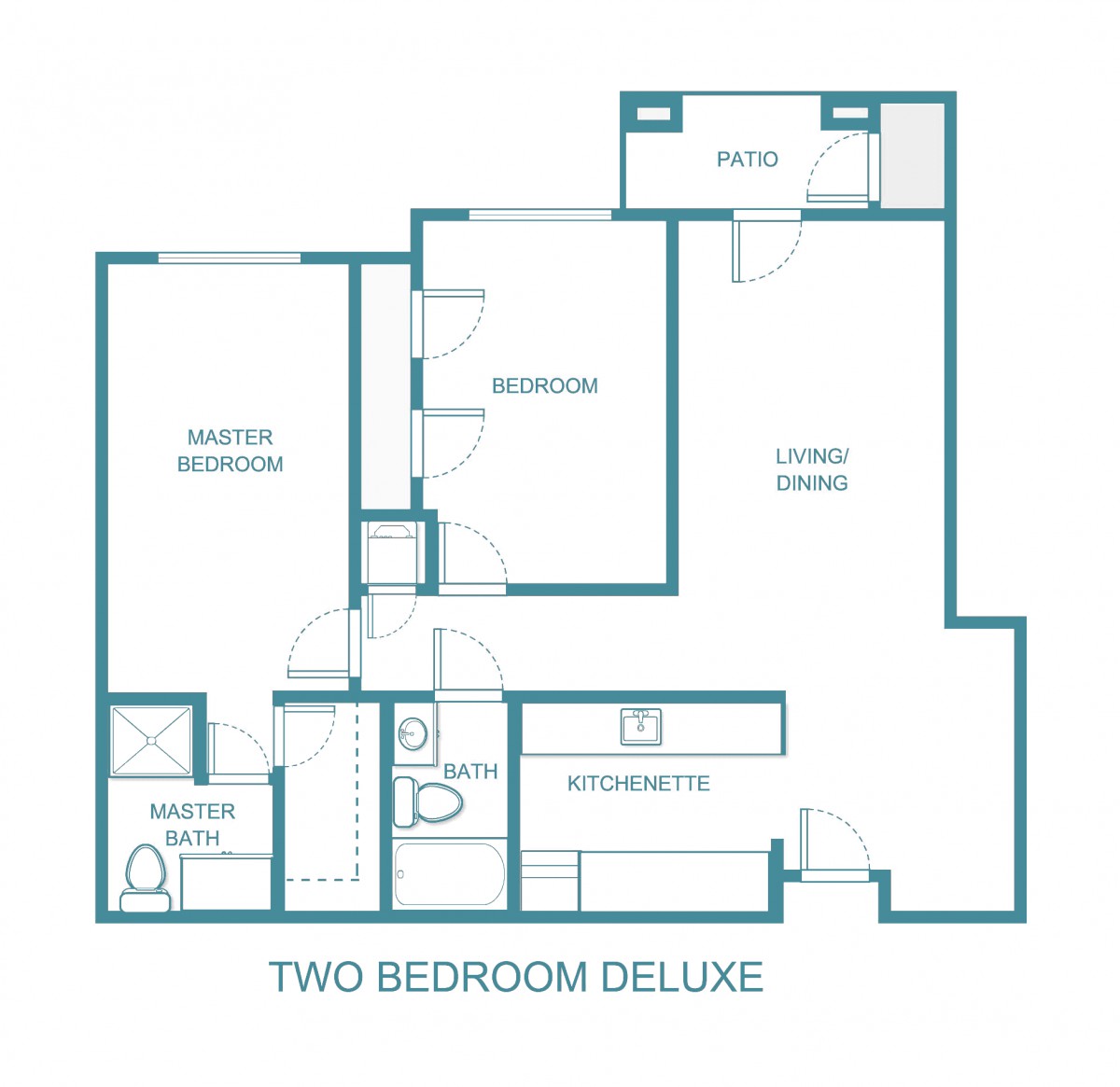
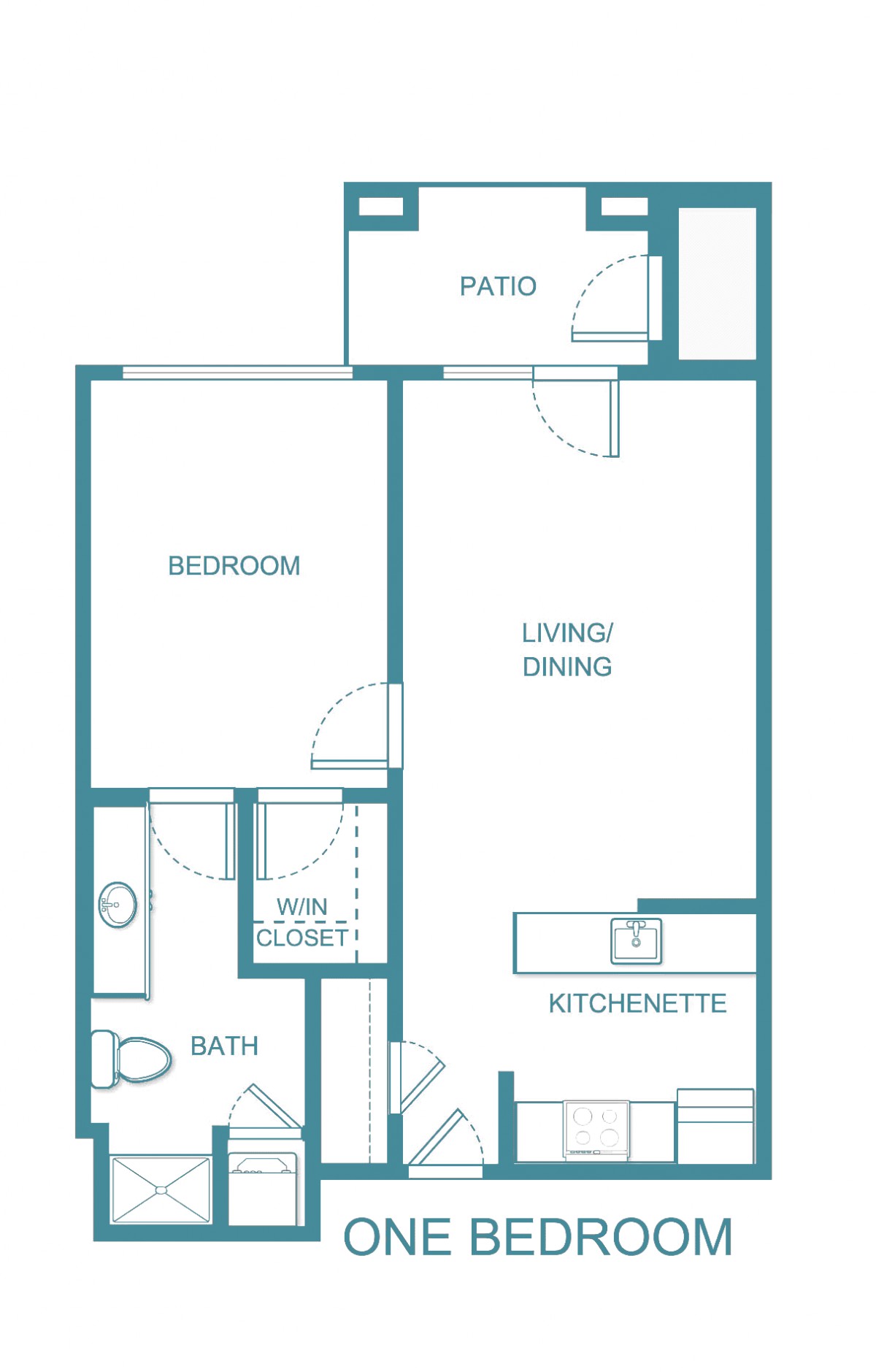
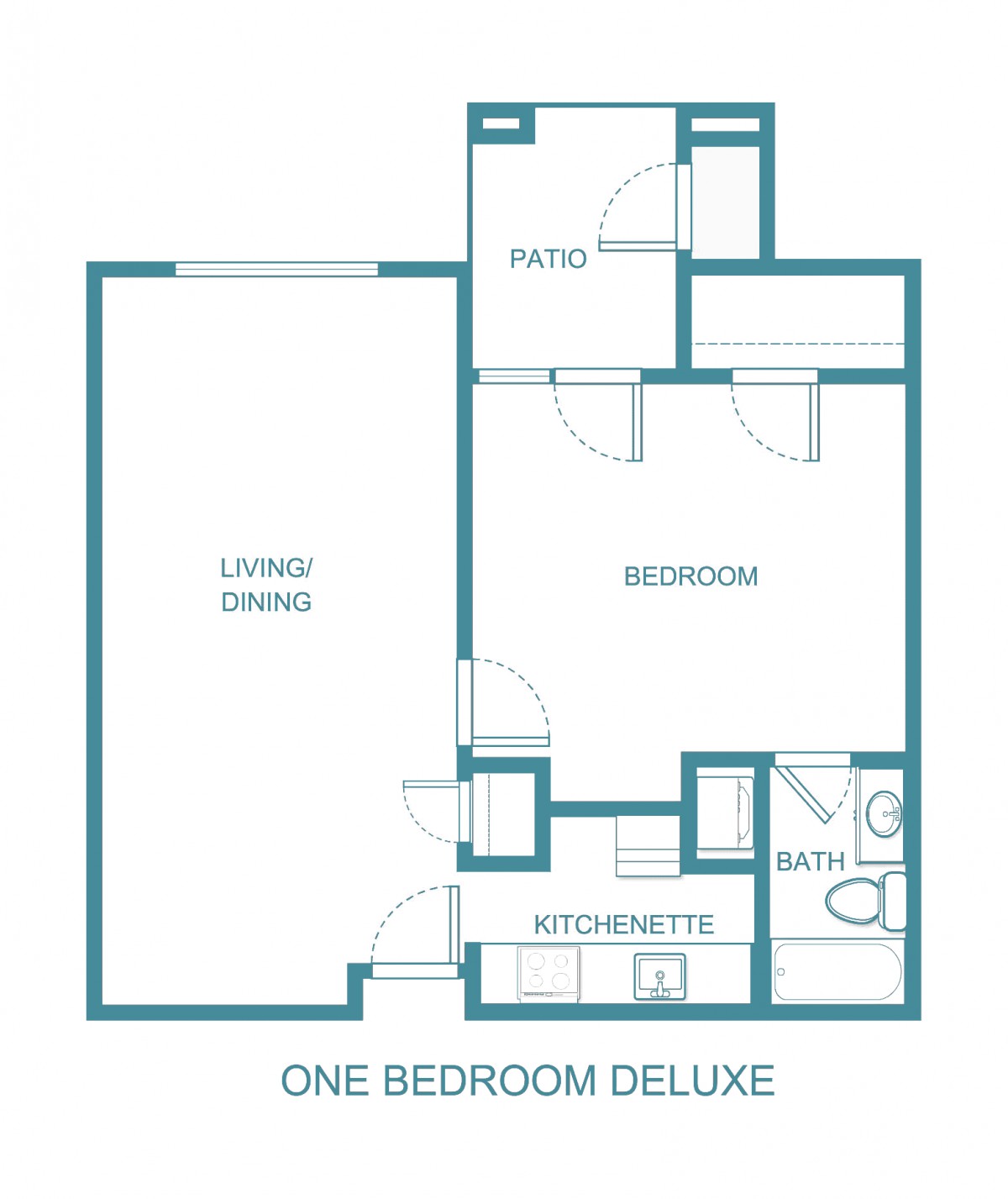
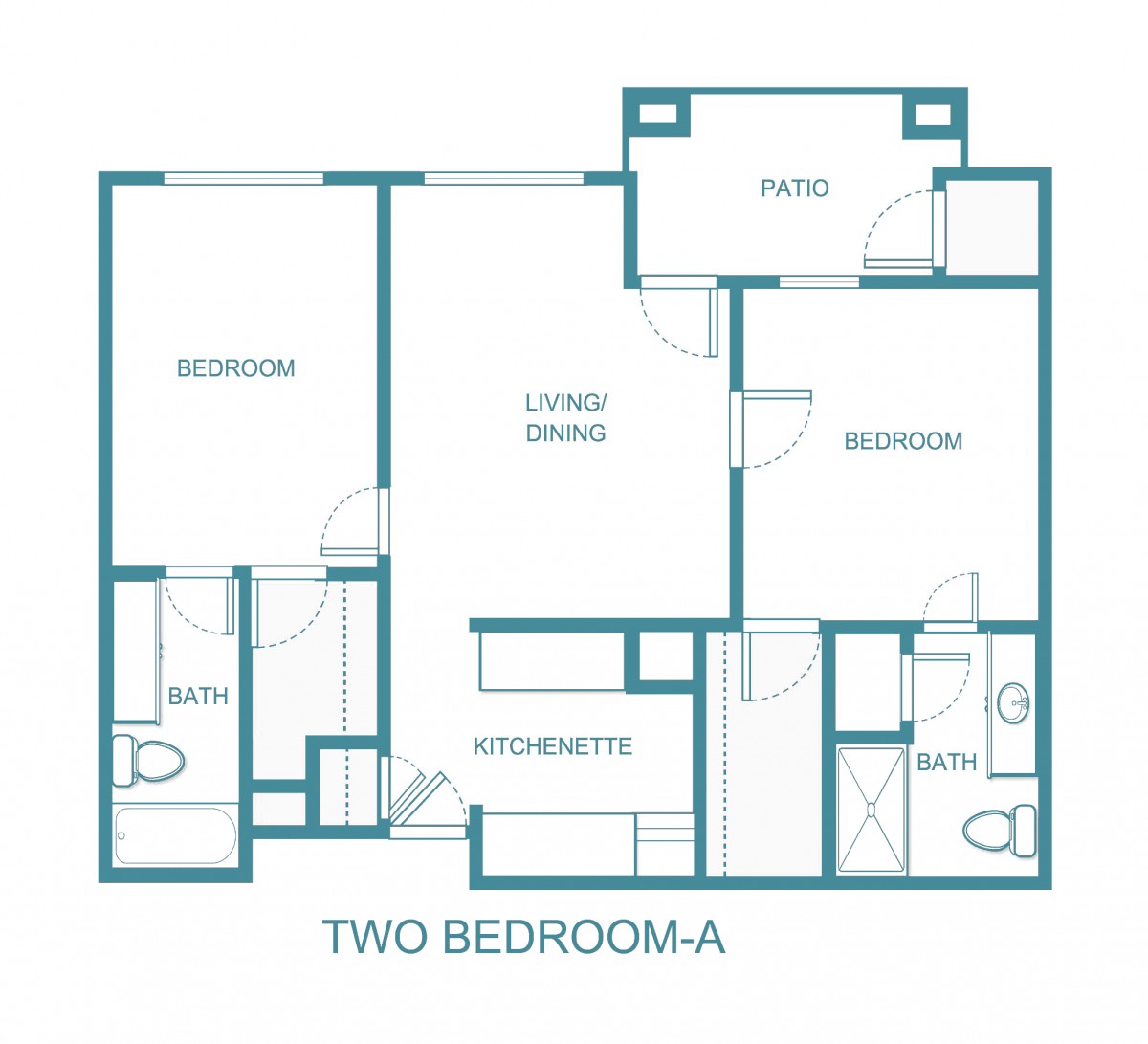
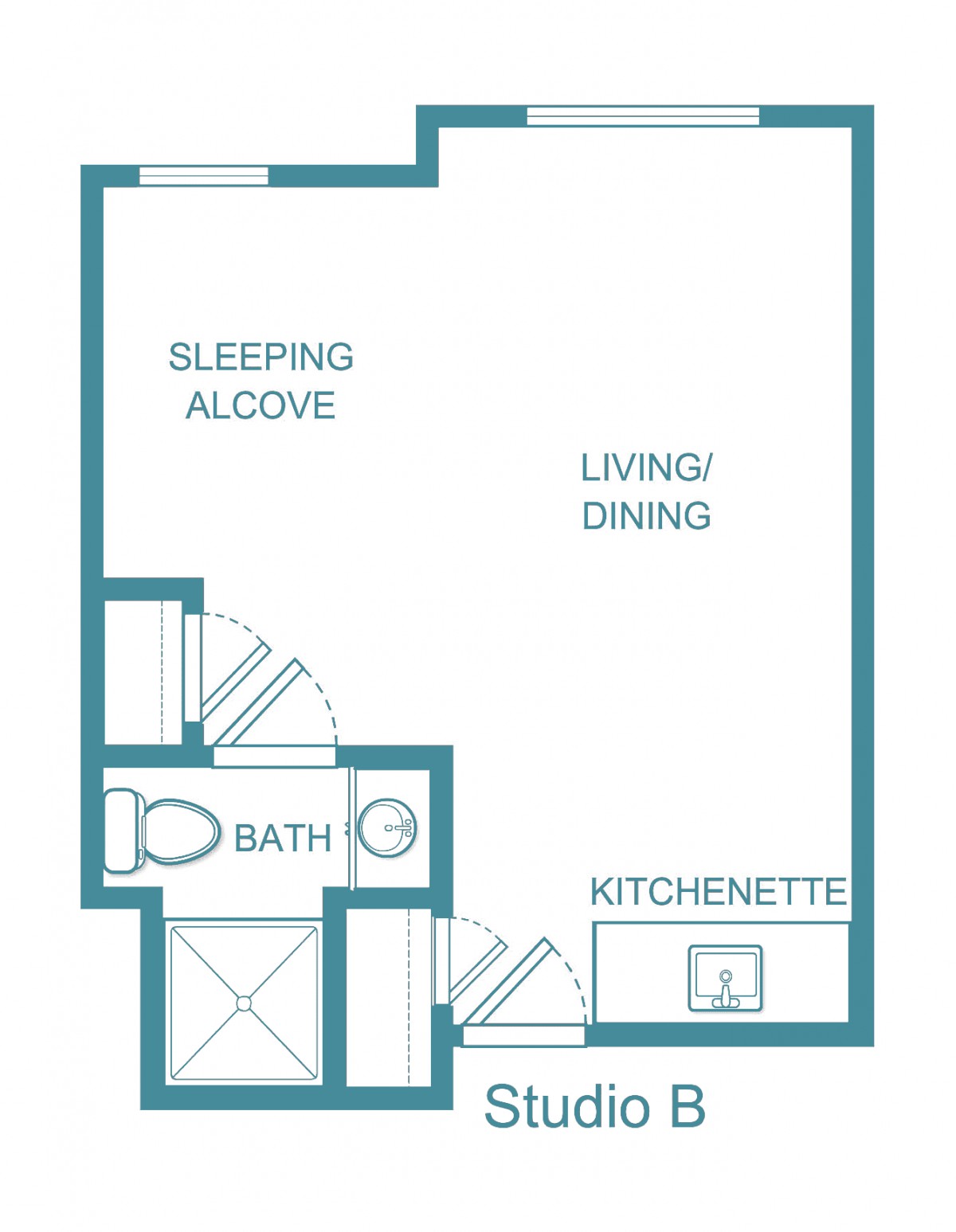
Holiday Renaissance Austin offers competitive pricing for its accommodation options compared to both Williamson County and the broader Texas market. For instance, the semi-private rooms at Holiday Renaissance are priced at $2,295, significantly lower than the county average of $4,006 and the state average of $3,680. Studio apartments also reflect this trend, costing $2,879, while the county's rate is $3,979 and the state's is $3,758. One-bedroom units are available for $3,069 at Holiday Renaissance, again undercutting both local and state averages. Even in two-bedroom accommodations - priced at $3,609 - Holiday Renaissance remains more affordable than Williamson County's typical cost of $3,772 and Texas' average of $4,215. This advantageous pricing not only highlights Holiday Renaissance Austin's commitment to providing value but also positions it as a favorable option for individuals seeking quality living arrangements without straining their finances.
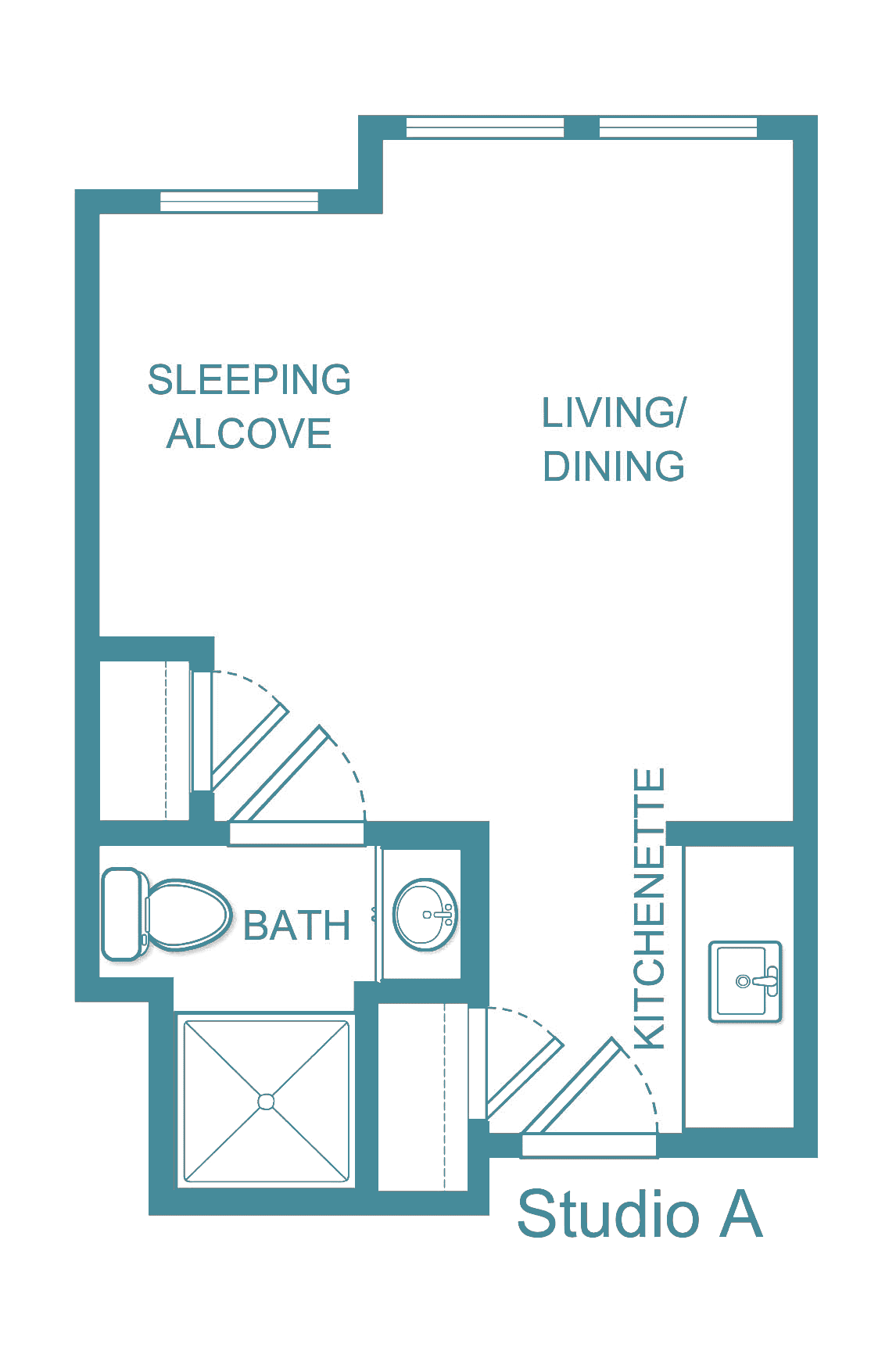
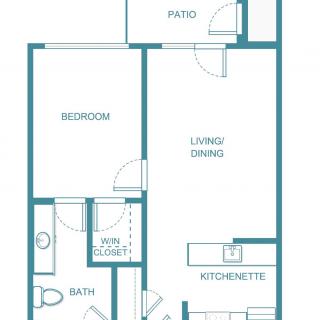
Floor plans
Holiday Renaissance Austin
Williamson County
Texas
Semi-Private
$2,295
$4,006
$3,680
Studio
$2,879
$3,979
$3,758
1 Bedroom
$3,069
$3,654
$3,761
2 Bedrooms
$3,609
$3,772
$4,215
Assisted Living communities with a similar price nearby
Residents frequently describe the staff as attentive, friendly, and genuinely caring.
Across many reviews, families and visitors praise staff for keeping them updated and showing patience with residents. Several accounts highlight individual caregivers and resident services who feel responsive in day-to-day concerns, including help with medication-related needs and follow-through on worries. Reviews also mention a professional, caring approach that makes transitions easier and provides reassurance when families can’t be there full time.
common10 reviews mention this
Dining feels better than expected
Dining draws strong praise, with residents saying meals are flavorful and well presented.
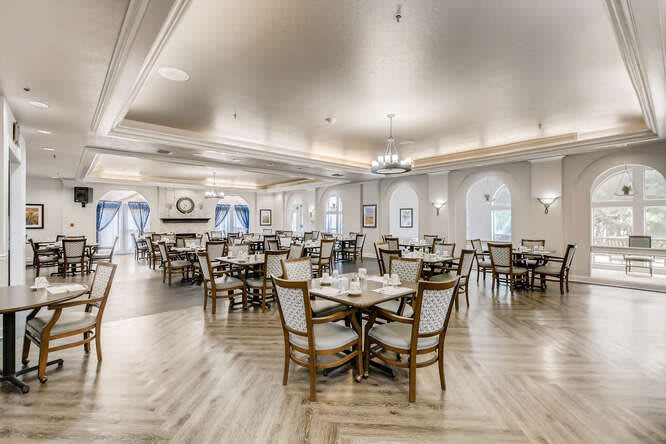
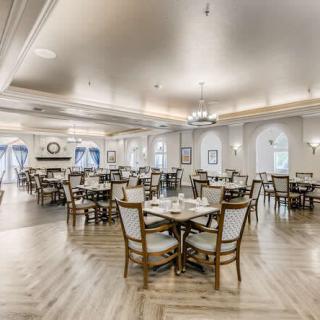
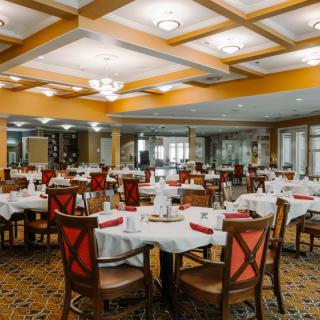
Many reviewers point to the dining room and table service, describing the food as genuinely good and sometimes better than expected for senior living. Several also mention special dinners, guest meals, or a chef-led approach, which adds variety beyond regular meals. A smaller set of reviews raises concerns about meal quality or salt level, including one complaint about meals and another saying the food can feel plain.
common9 reviews mention this
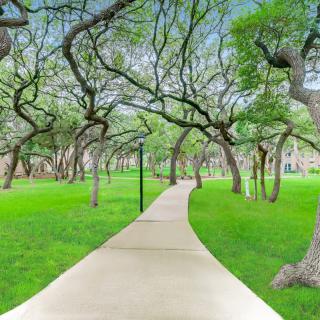
Grounds are quiet and courtyard-focused
The campus layout and outdoor spaces are repeatedly described as peaceful and scenic.
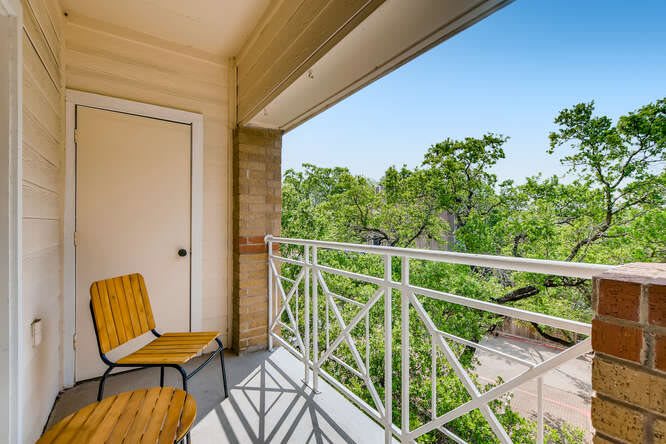
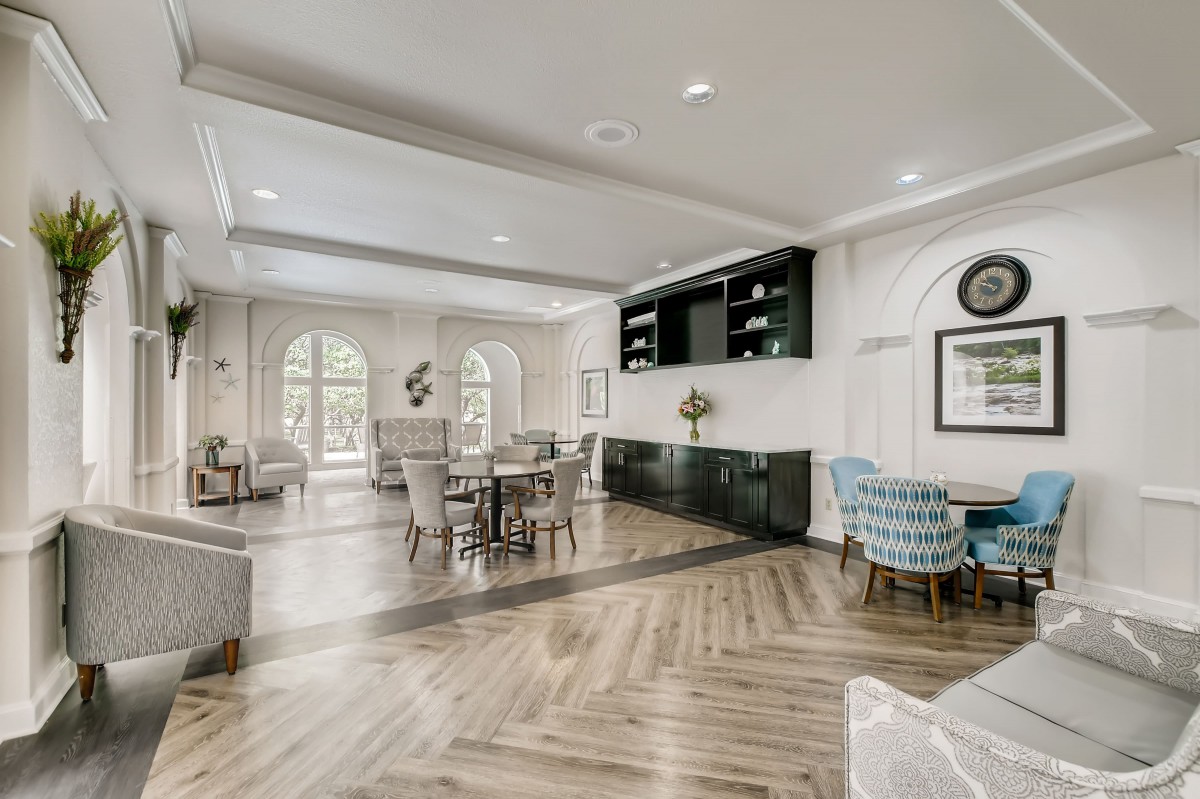
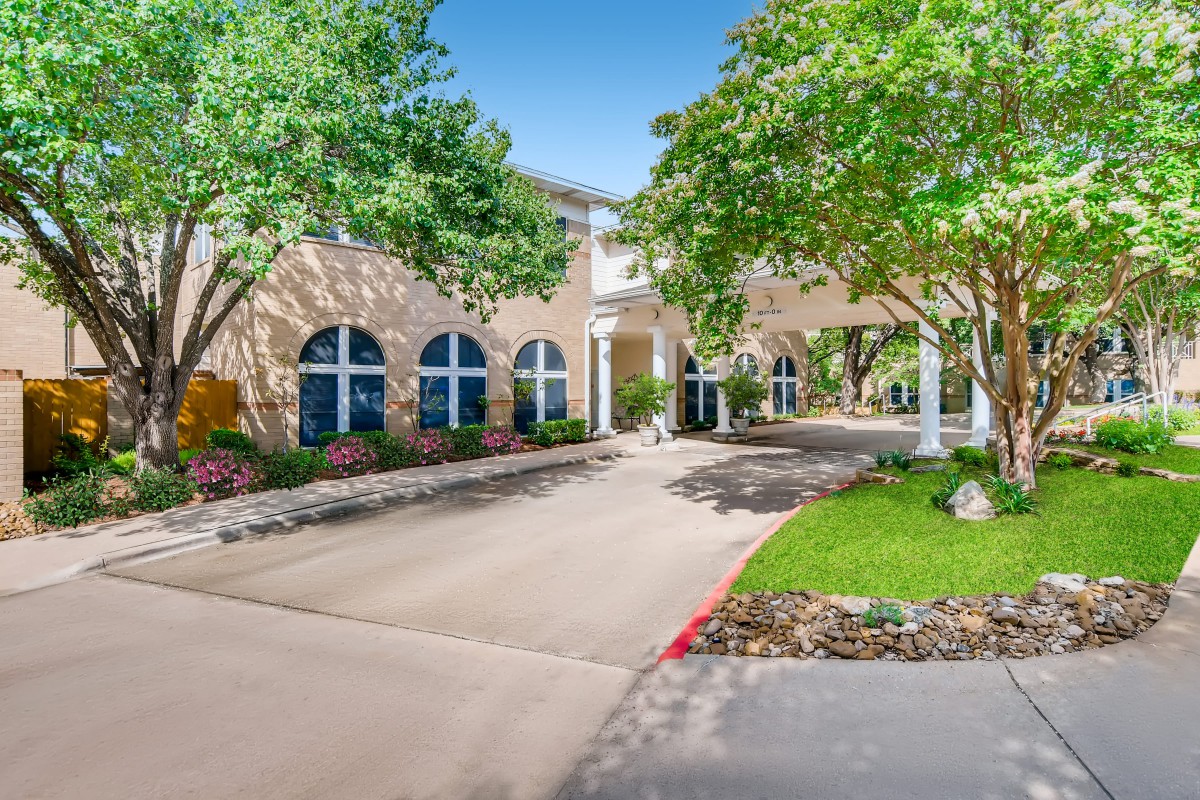
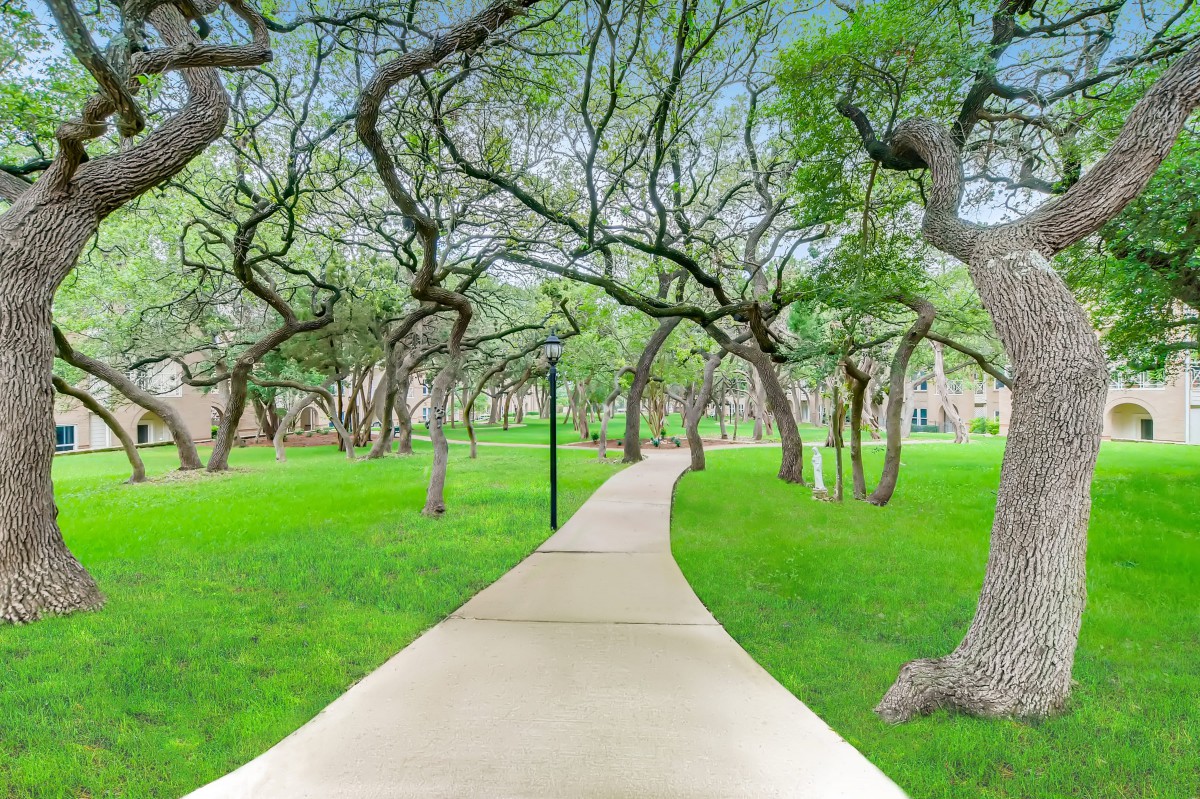
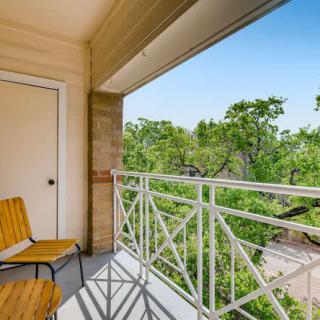
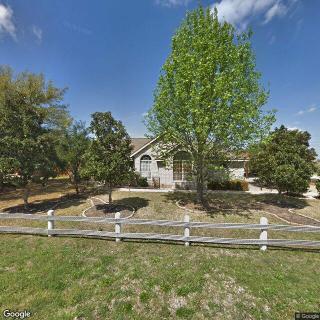
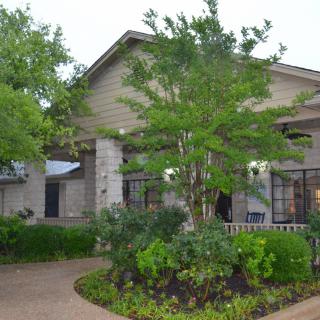
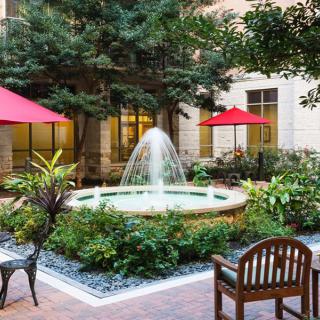
Multiple reviews mention a large interior courtyard with trees and a shaded walking trail, describing the setting as quiet and pleasant. Families also call out the overall environment—like balconies, porches, and attractive common areas—as part of what makes the community feel like home. Even when reviewers are mixed, they often still mention the grounds as a positive, while critiques focus more on facilities or day-to-day service.
caveat7 reviews mention this
Cleaning and odor issues come up
Several reviews describe cleanliness and odor problems that affected comfort.
A recurring concern is unpleasant smells, including one review describing a strong sewage odor in a wing near the dining area. Other comments describe the community as dirty or in need of updates, and some mention areas not kept up well or concerns about housekeeping and room service. The complaints vary in severity, but the shared thread is that appearance and odor weren’t consistently meeting expectations.
differentiator6 reviews mention this
Care planning and mobility access
Residents and families mention support that can include assisted-living progression and care coordination.
Reviewers describe the community as offering both independent and assisted living options, with some families highlighting the ability to progress to assisted care as needs change. Several accounts also mention care coordination and check-ins after someone moved into assisted living, including attention to physical and emotional needs. At the same time, at least one review flags mobility concerns due to the number of levels, ramps, and stairs, suggesting accessibility may require careful consideration for some residents.
How we summarize
Counts show how many written reviews mention each theme; a review can touch several themes, and only frequently mentioned themes are displayed.
Features
Housing
161 resident community capacity
Types of Care
Assisted Living
Independent Living
Amenities
Activities off-site
Activities on-site
Air-conditioning
Beautician on-site
Beauty salon
Cable or satellite TV
Computer center
Devotional services off-site
Devotional services on-site
Dining room
Fitness room
Full kitchen
Fully furnished
Gaming room
Garden
Ground floor units
Housekeeping services
Indoor common areas
Kitchenette
Move-in coordination
Outdoor common areas
Outdoor patio
Outdoor space
Pet friendly
Private bathrooms
Restaurant-style dining
Small library
Telephone
Wellness center
Wheelchair accessible showers
Wi-Fi/high-speed internet available
Transportation
Austin-Bergstrom International (16 miles away)
Community operated transportation
Transportation arrangement
Care Services
24-hour call system
24-hour supervision
Activities of daily living assistance
Ambulatory care
Assistance with bathing
Assistance with dressing
Assistance with transfers
Coordination with health care providers
Diabetes diet
Hospice waiver
Incontinence care
Meal preparation and service
Medication management
Mental wellness program
Special dietary restrictions
Transportation arrangement (medical)
Transportation to doctors appointments
Dining
Diabetes diet
Guest meals
Meals provided
Professional chef
Restaurant style dining
Room service
Special dietary restrictions
Activities
Art classes
Catholic services
Community-sponsored activities
Concierge services
Day trips and outings
Devotional activities offsite
Devotional activities on-site
Educational speakers / life long learning
Fitness programs
Happy hour
Karaoke
Live dance or theater performances
Live musical performances
Planned day trips
Protestant services
Resident-run activities
Scheduled daily activities
Nearby Places of Interest
This part of Austin, Texas offers a variety of amenities and services that cater to senior living. With multiple pharmacies nearby, accessing medications and healthcare is convenient. There are also several hospitals and healthcare facilities within close proximity, ensuring easy access to medical care when needed. In terms of dining options, the area boasts a mix of casual and upscale restaurants, providing a range of choices for dining out. Additionally, there are cafes where seniors can socialize over a cup of coffee. The presence of parks in the area offers opportunities for outdoor recreation and relaxation. Lastly, public transportation is easily accessible with the MetroRail station just a short distance away, making it convenient for seniors to get around the city.
Holiday Renaissance Austin offers competitive pricing for its accommodation options compared to both Williamson County and the broader Texas market. For instance, the semi-private rooms at Holiday Renaissance are priced at $2,295, significantly lower than the county average of $4,006 and the state average of $3,680. Studio apartments also reflect this trend, costing $2,879, while the county's rate is $3,979 and the state's is $3,758. One-bedroom units are available for $3,069 at Holiday Renaissance, again undercutting both local and state averages. Even in two-bedroom accommodations - priced at $3,609 - Holiday Renaissance remains more affordable than Williamson County's typical cost of $3,772 and Texas' average of $4,215. This advantageous pricing not only highlights Holiday Renaissance Austin's commitment to providing value but also positions it as a favorable option for individuals seeking quality living arrangements without straining their finances.
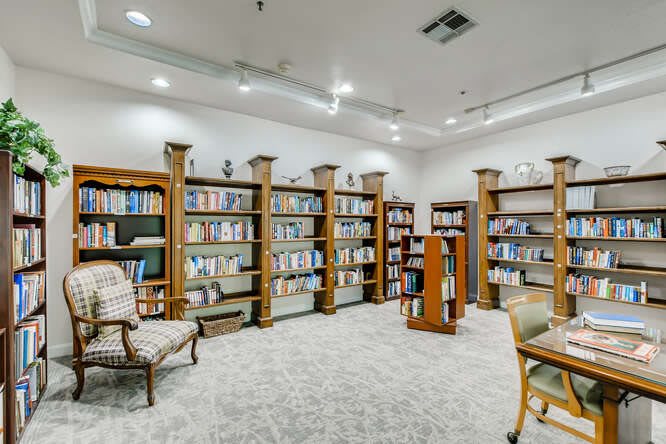
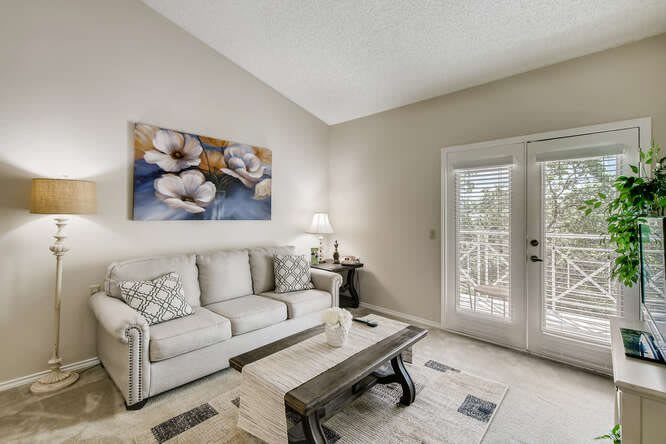
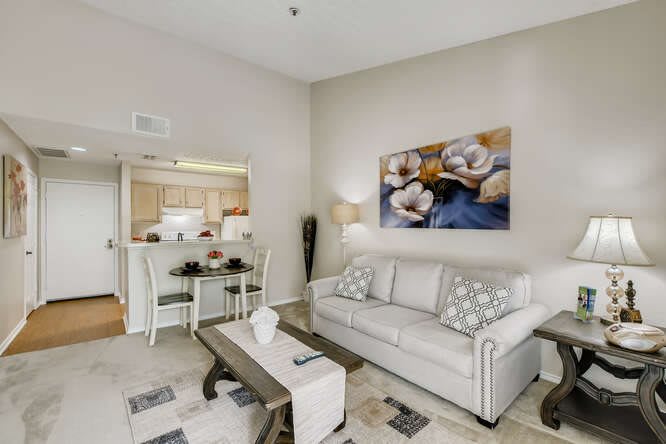
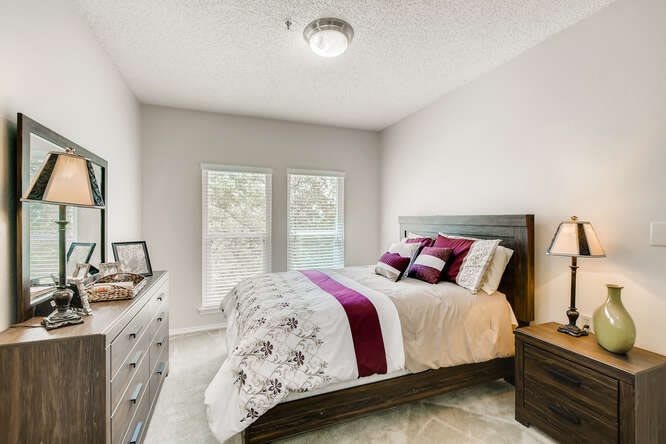
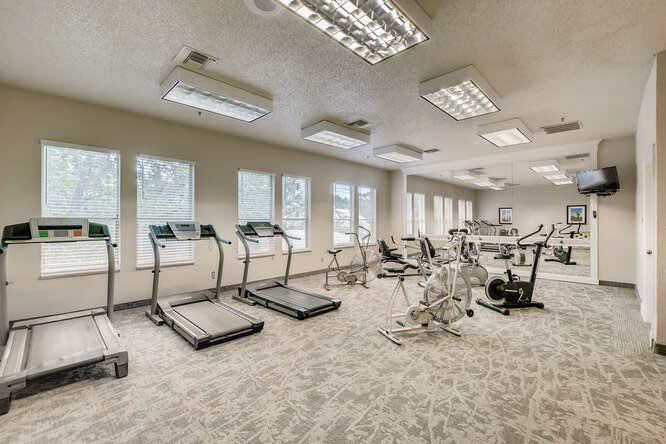
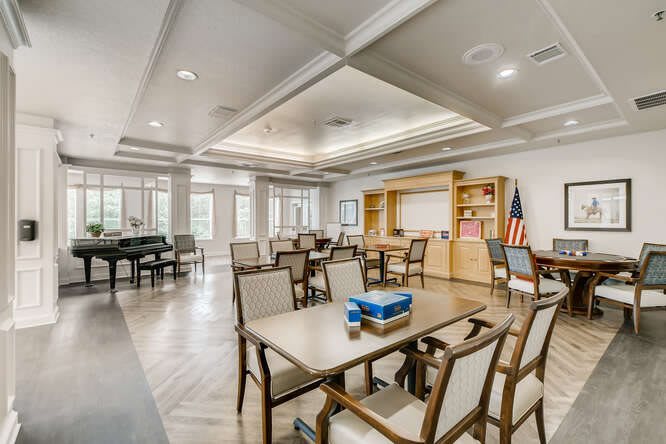
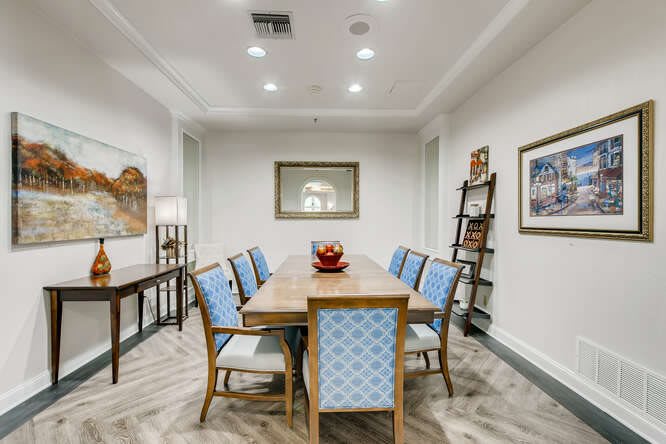
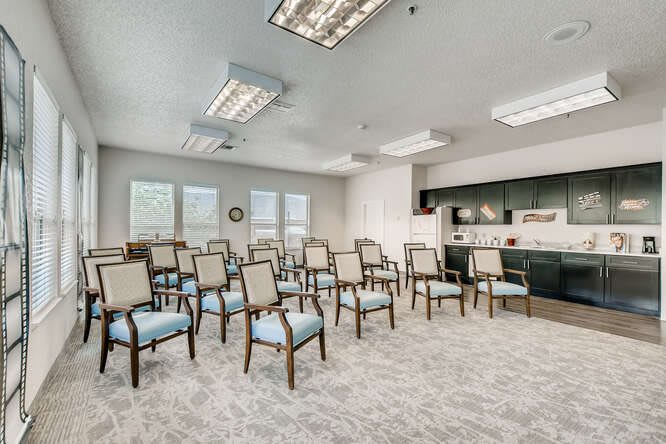
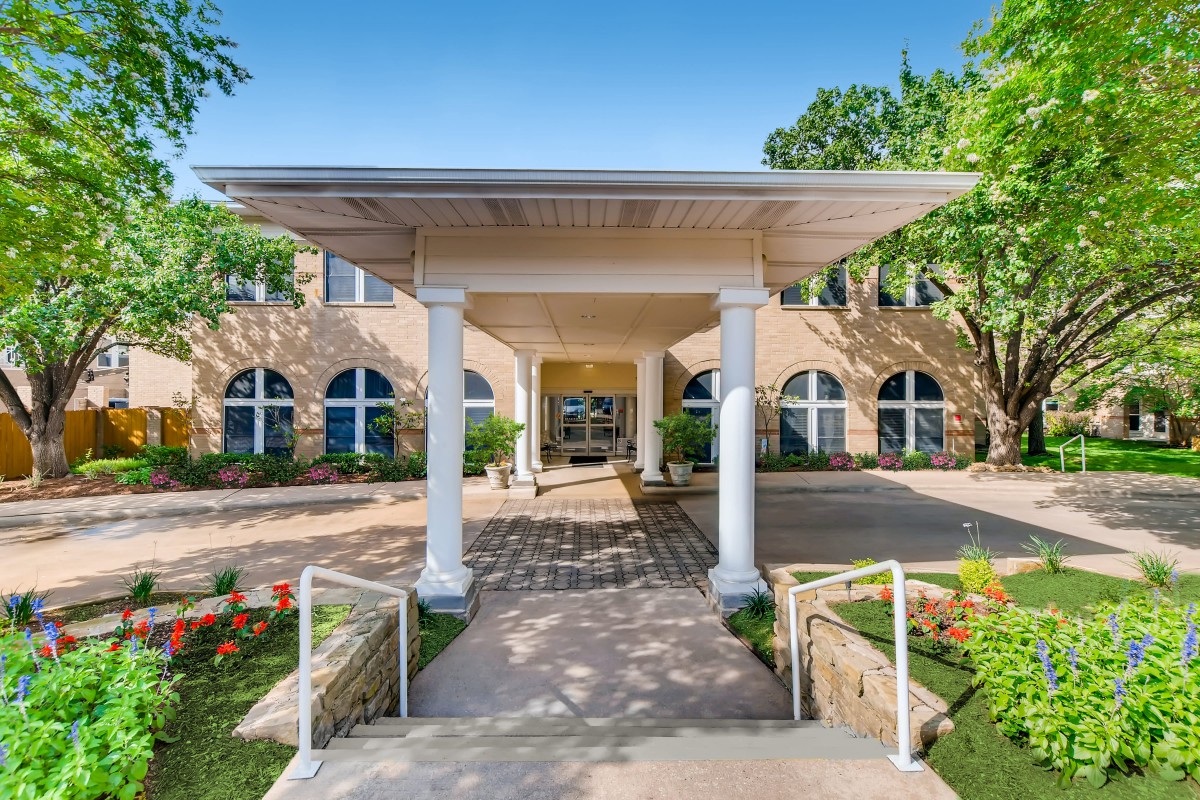
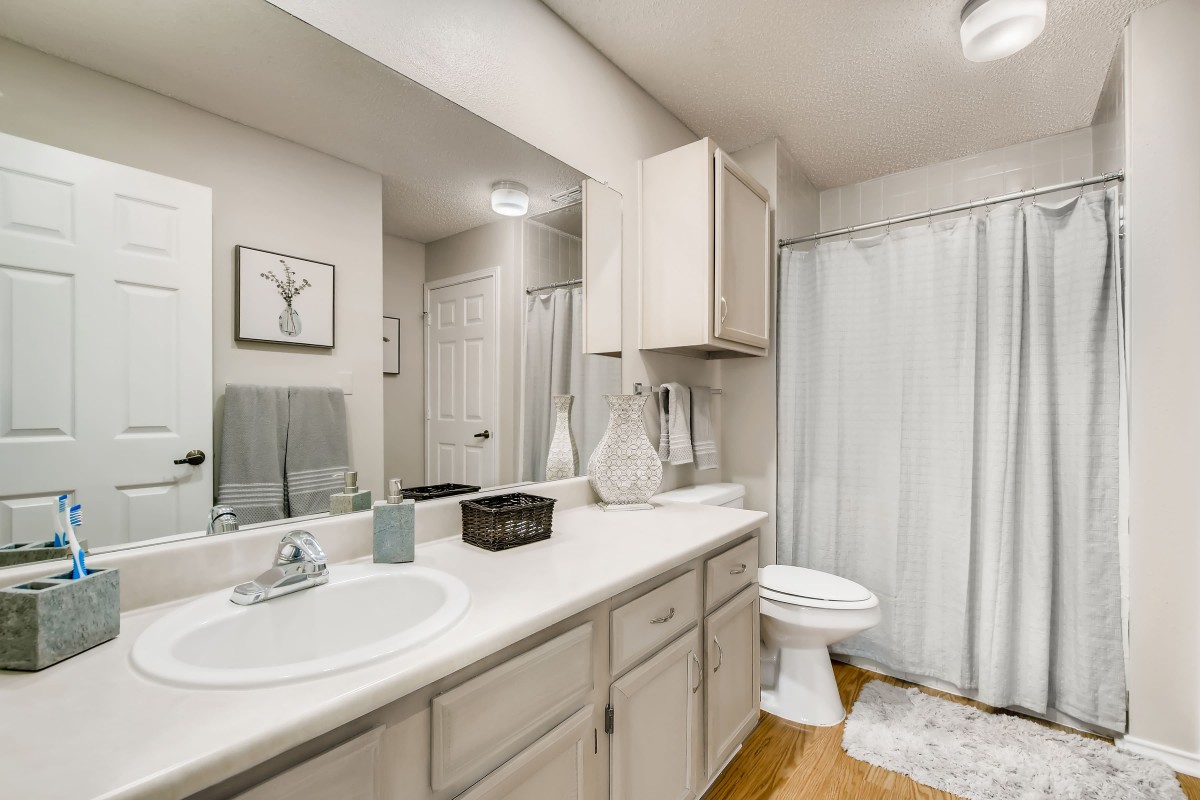
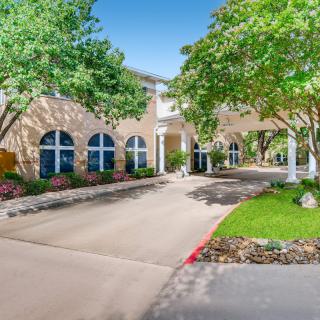
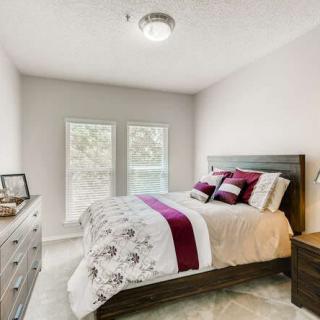
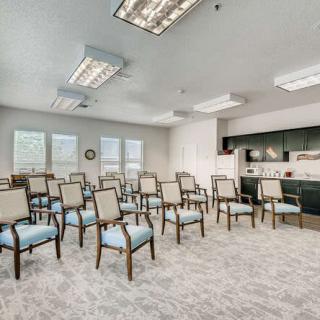
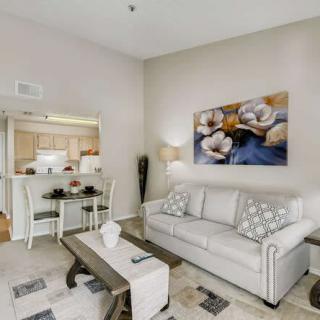
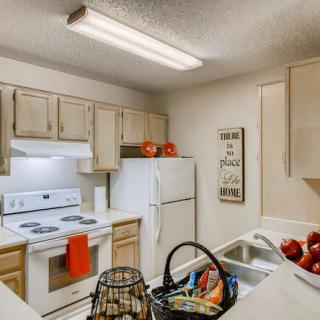
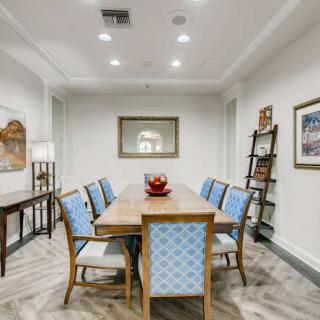
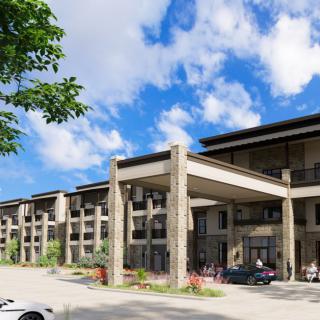
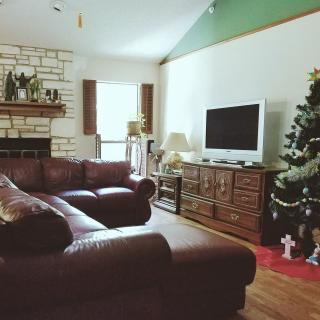
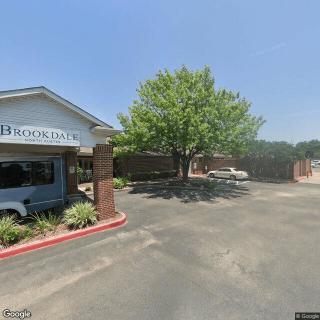
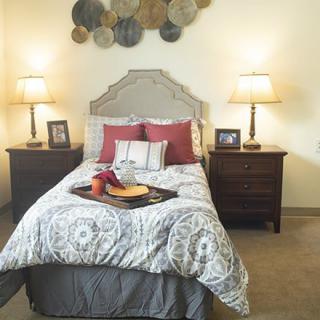
Holiday Renaissance Austin on seniors.fyi includes 23 photos including images showing floor plan, interior, bedroom, dining, architecture, bathroom, decor, landscaping, and more.
Nearby Communities
FirstLight HomeCare of Austin
Austin, TX
5 from 13 reviews
Strong access to nearby amenities and healthcare.
HERITAGE DUVAL GARDENS
Austin, TX
2.9 from 16 reviews
Comfortable living with specialized care and convenient amenities.
Windsor Nursing And Rehabilitation Center Of Duval
Austin, TX
3.5 from 73 reviews
Extensive on-site amenities and comprehensive care (dining, wellness, transportation).
Marriott's Duval Oaks Guest Home
Austin, TX
4.1 from 33 reviews
$1,200 to $2,495 / month
Affordability relative to local averages, plus diabetic care and social activities.
Brookdale North Austin
Austin, TX
4.4 from 113 reviews
$3,700 to $5,060 / month
Warm, caring staff; home-like atmosphere with good dining.
The Pavilion At Great Hills
Austin, TX
4.5 from 173 reviews
Compassionate staff with engaging activities and open family communication.
Atria At The Arboretum
Austin, TX
4.6 from 193 reviews
$3,495 to $5,295 / month
Warm, attentive staff with engaging activities and strong dining.
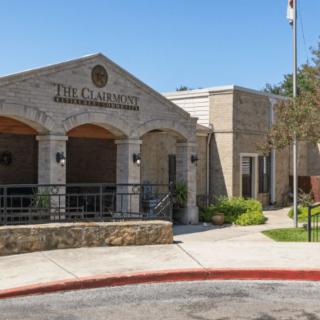
The Clairmont Retirement Community
Austin, TX
4.6 from 150 reviews
$2,095 to $2,695 / month
Friendly, attentive staff; strong sense of community; and affordable pricing.
Maravilla at the Domain
Austin, TX
4.8 from 108 reviews
$2,914 / month
Friendly staff in a modern, amenity-rich community.
Medicare does not cover assisted living costs, as it focuses on acute medical needs and short-term care, with exceptions for certain medically necessary services like physical therapy. Individuals must explore other options such as Medicaid, veterans' benefits, or long-term care insurance to manage these expenses effectively.
Choosing between assisted living and nursing homes involves evaluating emotional and financial factors, with assisted living offering independence and support for daily activities at a lower cost, while nursing homes provide intensive medical care for individuals with significant health needs. The decision is influenced by personal preferences, health status, cognitive function, and varying Medicaid coverage across states.
Assisted living in 2025 offers a crucial balance of independence and support for seniors, with costs varying from $2,500 to over $7,000 per month based on factors such as location and care level. Understanding pricing complexities, including regional differences and potential hidden fees, is essential for families to plan financially while ensuring quality care for their loved ones.
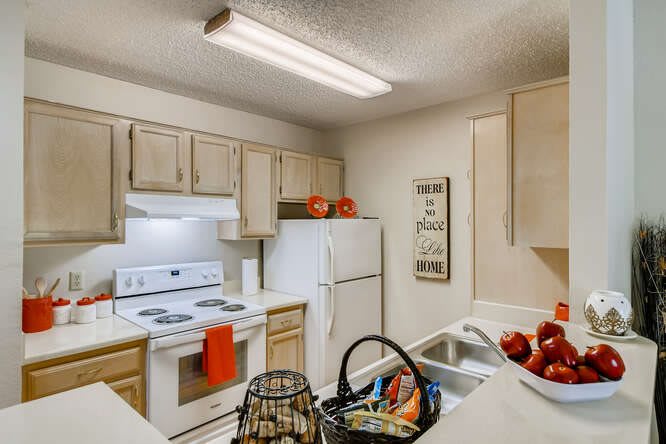
Kitchen, Appliances, Cabinets, Refrigerator, Stove, and Home Interior
Artwork
Chandelier
Outdoor and Balcony
Entrance
Patio
Outdoors, Nature, and Park
Exercise Equipment, Gym, Fitness, Treadmills, and Workout Room
Pathway
Bookshelves and Library
Flag
Studio Apartment
Kitchenette
Conference Room
Open Space
Meeting Room
Reading Area
Living Space
Design
Interior Decor
Get PricingAsk A QuestionSchedule A TourContact Senior Advisor
By clicking submit, you agree to our Partner's Terms of Use. You
also consent to receive calls and texts, which may be autodialed, from our Partner. Your consent is not a condition to
using our Partner's service. Please visit our Partner's Privacy Policy for information about their privacy practices.

 161 resident community capacity
 Assisted Living
 Independent Living
 Activities off-site
 Air-conditioning
 Beautician on-site
 Cable or satellite TV
 Computer center
 Devotional services off-site
 Dining room
 Fitness room
 Full kitchen
 Fully furnished
 Gaming room
 Garden
 Ground floor units
 Housekeeping services
 Indoor common areas
 Move-in coordination
 Outdoor common areas
 Outdoor patio
 Pet friendly
 Private bathrooms
 Restaurant-style dining
 Small library
 Telephone
 Wellness center
 Wheelchair accessible showers
 Wi-Fi/high-speed internet available
 Austin-Bergstrom International (16 miles away)
 Community operated transportation
 24-hour call system
 Ambulatory care
 Assistance with bathing
 Assistance with dressing
 Assistance with transfers
 Diabetes diet
 Hospice waiver
 Incontinence care
 Medication management
 Mental wellness program
 Special dietary restrictions
 Transportation arrangement (medical)
 Art classes
 Catholic services
 Concierge services
 Day trips and outings
 Educational speakers / life long learning
 Happy hour
 Karaoke
 Live dance or theater performances
 Live musical performances
 Strong access to nearby amenities and healthcare.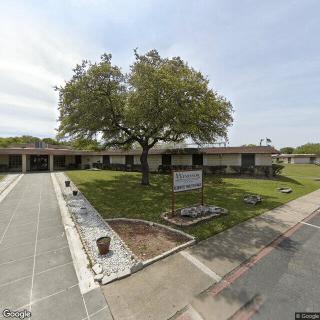

 Medicare Coverage for Assisted Living: An In-Depth Exploration
 Choosing the Right Senior Care: A Detailed Exploration of Assisted Living and Nursing Homes
 Understanding the True Cost of Assisted Living in 2025: A Comprehensive Guide