
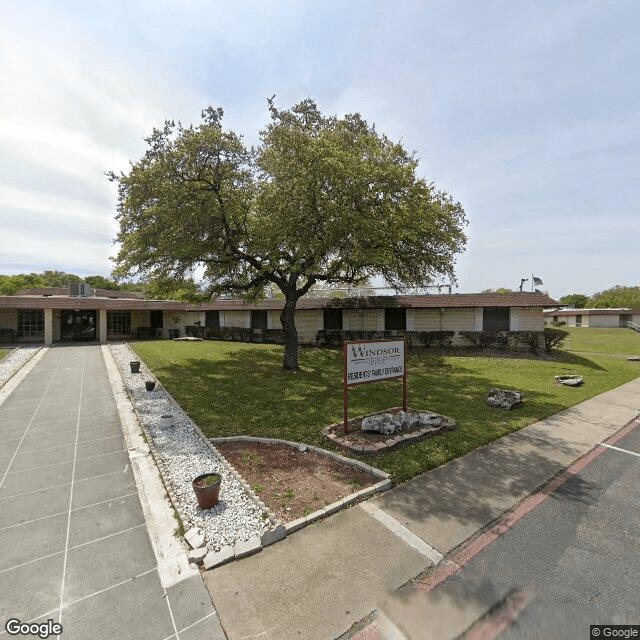
5301 Duval Rd, Austin, TX 78727
To contact a resident: (512) 345-1805
For more information about senior living options: (866) 208-4318
Overall Review of HERITAGE DUVAL GARDENS
Pros
 The staff at Windsor is very caring.
- The atmosphere at the facility feels like a family, with strong bonds between residents and staff.
- The care team is described as sincere, loving, knowledgeable, and attentive.
- The facility offers excellent transitional care with active programs and supportive staff.
- Residents enjoy activities and social events that are well-supported by the staff.
- Medications are administered on time and with clear explanations about what is being given and why.
Cons
 There is a lot of racism.
- The partner was treated very badly.
- The facility is not recommendable.
- The service is very bad.
- Racism is present.
- Patients are not well cared for.
- The place smells.
- The staff show no interest and do not watch the patients.
- Communication with the staff is poor; calls are not returned.
- The facility was horrible and neglect led to emergency room visits.
Review
Heritage Duval Gardens in Austin is best suited for families seeking transitional or short-term rehab experiences where a hands-on, caregiver-oriented approach can shine. The strongest case for this community rests on the human touch: residents who respond to attentive staff, meaningful daily activities, and a sense of family within the unit. When care teams are consistently engaged, some families report genuine improvements in mood, participation in therapy, and a smoother transition back home. This is not a pristine, gleaming facility, but for caretakers who prioritize personal attention and visible warmth from frontline caregivers, the environment can feel reassuring during a difficult change in living arrangements.
That clarity, however, comes with clear caveats. Prospective families should explicitly consider alternatives if safety, reliability, and consistent clinical oversight are nonnegotiable. A pattern of negative experiences, delays in basic care, neglect allegations, and reports of unsafe conditions, appears in multiple accounts. Potential residents who require steady monitoring, prompt medication administration, or rigorous safety protocols may be better served elsewhere. The facility is not uniformly deficient, but the variability in staffing, communication gaps, and management responsiveness makes it a high-stakes choice for long-term residence.
The positives are real where staff engagement shows through. Several reviewers praise compassionate aides, attentive admissions personnel, and therapists who deliver practical rehab. A recurring thread is that when the care team commits, residents receive timely meds, meaningful activities, and a sense of community, elements that can dramatically improve quality of life for a time. Families recount moments of genuine connection, weekday rituals, and a feeling that the facility can function like a small, supportive community. In such moments, the environment feels livable and even comforting for residents who crave personal attention and regular engagement.
Yet those bright spots are counterbalanced by grave concerns. Accounts of neglect, hours-long delays for pain management, and critical oversights around respiratory or medical needs cannot be dismissed. There are reports of odors, cleanliness lapses, and frequent staff turnover that disrupt continuity of care. Communication gaps, calls not returned, inconsistent handoffs, and language barriers, compound the risk of miscommunication about medications and treatments. Assertions about unsafe behaviors on site, including smoking and privacy issues, further underscore a troubling inconsistency in safeguarding residents. Taken together, these risk factors undermine the more hopeful, human-centric narrative that some families experience.
For families weighing options, several practical steps can translate into a sharper decision. Schedule multiple visits at different times, including weekends, and speak with frontline caregivers as well as the administrator. Request to review the most recent state inspection reports and any corrective action plans, focusing on staffing ratios, medication management, and safety citations. Ask about communication protocols, how often families get updates, who answers calls, and how quickly urgent concerns are escalated. Inquire about staff training, language access, and measures to prevent the kind of odor and cleanliness issues that have appeared in reviews. Gather multiple perspectives from residents and families to gauge consistency.
In the end, Heritage Duval Gardens presents a mixed proposition. The firm takeaway is that the community can deliver genuine warmth, personal attention, and meaningful rehab experiences when the right staff are on duty. However, persistent concerns about neglect, delayed medical responses, safety lapses, and inconsistent communication cannot be ignored. For families where safety, timely medical care, and a predictable, well-staffed environment are nonnegotiable, strong alternatives should be pursued. For those who can actively monitor care, advocate effectively, and value a socially engaged atmosphere, the facility can still offer a workable option, provided there is a clear plan to secure staffing stability, rigorous oversight, and transparent communication.
 Skilled Nursing Facility
 Activities off-site
 Devotional services off-site
 Indoor common areas
 Outdoor common areas
 Respite or short term stays offered
 Wheelchair accessible showers
 Austin-Bergstrom International (16 miles away)
 Ambulatory care
 Diabetic care
 High acuity care
 Incontinence care
 Meals provided







 In-Home Care Costs in 2025: A Detailed State-by-State Exploration
 Understanding Home Health Care: A Comprehensive Guide
 Home Health Care Demystified: A Comprehensive Guide for Families and Caregivers