
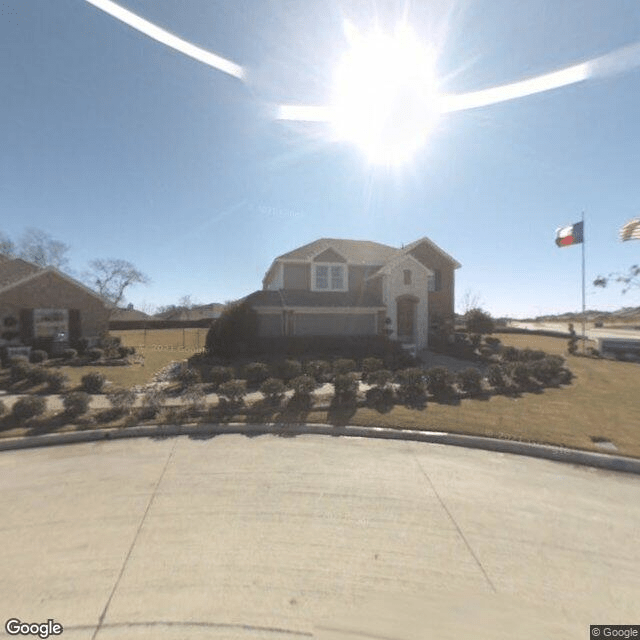
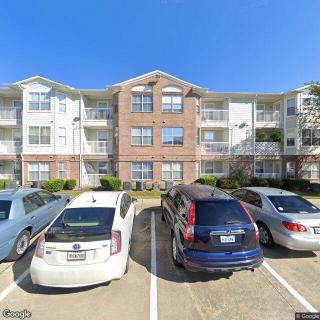
209 Rochdale Drive, Anna, TX 75409
To contact a resident: (972) 924-3806
For more information about senior living options: (866) 208-4318
Kindred Kare Costs & Pricing
Kindred Kare offers competitive pricing for its services compared to the broader market in Collin County and across Texas. For those seeking semi-private accommodations, residents will find Kindred Kare's rate of $2,500 notably lower than the county average of $3,950 and the state average of $3,680. This provides substantial financial relief for families exploring care options. Additionally, private room rates at Kindred Kare stand at $4,000, which aligns closely with both the county's average of $4,324 and the state's average of $4,096. Overall, Kindred Kare presents an appealing choice for individuals seeking quality care without straining their budget.
| Floor plans | Kindred Kare | Collin County | Texas |
|---|---|---|---|
| Semi-Private | $2,500 | $3,950 | $3,680 |
| Private | $4,000 | $4,324 | $4,096 |
Senior living communities with a similar price nearby
-
About the same
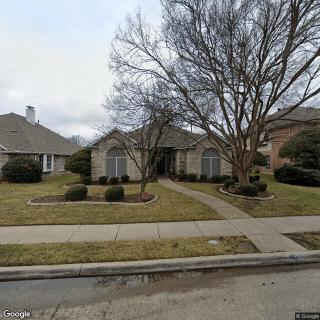
Gracious Care Home - Fountain Gate
$2,500 to $3,600 / month17.7 miles away -
About the same
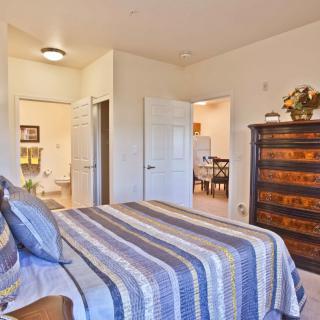
Pioneer Ridge Gracious Retirement Living
$2,515 to $4,325 / month13.4 miles away -
from +$199 / mo

Watermere at Frisco
$2,699 to $3,699 / month21.5 miles away -
from +$145 / mo
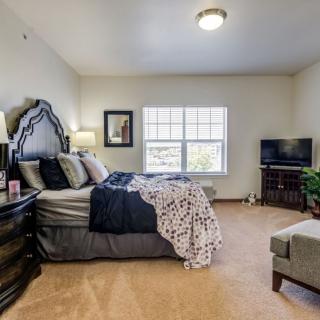
Alexis Estates Gracious Retirement Living
$2,645 to $4,595 / month18.2 miles away -
from +$400 / mo
Mission Ridge Residential Care
$2,900 to $4,200 / month24.1 miles away
Overall Review of Kindred Kare
Pros
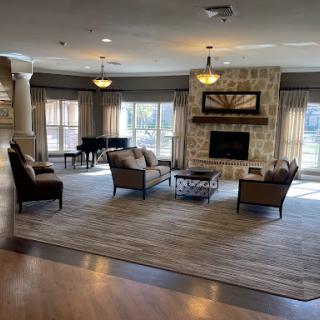
 The facility is very nice and offers a home-like environment.
- The staff are extremely helpful and kind.
- It is clean, beautifully furnished, and quaint and cozy.
- The staff are wonderful people.
- The reviewers look forward to seeing the new facility once built.
Review
Kindred Kare in Anna, Texas is best suited for seniors who want a genuinely home-like, intimate living environment. The consistently strong feedback depicts a setting that feels warm, quiet, and remarkably personal: clean, beautifully furnished, quaint, and cozy. The staff emerge as the standout asset, described as extremely helpful and kind, with a palpable commitment to residents’ comfort and daily happiness. For families prioritizing a small-community feel over corporate polish, this is where daily life looks and feels customized rather than scripted.
Those who need robust medical acuity on-site, an expansive activity calendar, or highly specialized memory-care programming may want to widen the search. Prospective movers should also recognize that the cited reviews highlight a facility in growth, the new building is referenced as something to look forward to, which can imply potential disruption or uncertainty about exact completion timelines. If the priority is a fully built, turnkey campus with immediate access to a broad range of services, this community may not be the first choice.
On balance, the strongest pros flow directly from the home atmosphere and the people who staff the place. A home-like environment reduces anxiety for new residents and families, enabling easier adjustment and fewer behavioral challenges. Cleanliness and thoughtful furnishings contribute to a sense of dignity and daily comfort, while the quaint, cozy vibe supports a steady, predictable routine, an oft-overlooked safety factor in senior living. The staff’s warmth and responsiveness amplify those advantages, converting pleasant surroundings into reliable, day-to-day care. The plan for a newer facility signals ongoing investment and the potential for expanded services, even if those gains are not yet realized.
There is no explicit list of drawbacks in the small sample, but prudence demands acknowledging what the limited data do not reveal. The feedback reflects a narrow snapshot, leaving questions about care-level flexibility, response times for medical needs, and the breadth of social and recreational programs. The reference to a future facility also introduces a degree of uncertainty: what will be completed when, what disruptions might occur during construction, and how current residents will transition if/when the move occurs. In short, facility breadth and depth may lag behind larger campuses.
Yet the favorable realities, home-like ambience, consistently warm staff, and a clean, comfortable setting, tend to offset the uncertainties. When the daily rhythm centers on personal attention and easy access to staff, residents experience less stress and more meaningful interactions, which in turn can reduce the need for frequent, higher-acuity interventions. The small-scale environment can foster closer relationships and quicker problem-solving. The coming upgrade of the campus holds promise for broader services and amenities, potentially turning current advantages into long-term resilience rather than a temporary appeal.
For families prioritizing warmth, personal connection, and a genuinely home-like daily life in a small-town setting, Kindred Kare is a compelling option worth pursuing. Those requiring robust, on-site medical programming, expansive activity calendars, or immediate turnkey facilities should compare alternatives with stronger, established capacity. A direct visit is essential: observe resident interactions with staff, assess the pace and responsiveness of the team, tour the living spaces, and request a sample day’s schedule and current care offerings. Inquire explicitly about the construction timeline, how residents will be affected, and what the final footprint will include. With clear expectations set, Kindred Kare can be a smart, confident choice for families who value comfort, continuity, and a genuinely welcoming environment.
 Board and Care Home
 Cats allowed
 Dogs allowed
 Activities off-site
 Beautician on-site
 Devotional services off-site
 Indoor common areas
 Outdoor common areas
 Private
 Private bathrooms
 Wheelchair accessible showers
 Ambulatory care
 Diabetic care
 Incontinence care
 Kosher
 Home Health Care Demystified: A Comprehensive Guide for Families and Caregivers
 Seniors and Modern Transportation: Exploring Uber, Lyft, and Other Ride-Hailing Options
 Comprehensive Guide to Qualifying for Home Health Care Services