Brinlee Creek Ranch Hilltop House

3410 Pate Way, Anna, TX 75409

For more information about senior living options: (844) 490-3973

4 from 50 reviews
5 stars
34
4 stars
3
3 stars
1
2 stars
1
1 stars
11

Assisted Living Board and Care Home

What level of care are you interested in?

Assisted Living

Memory Care

Independent Living

Skilled Nursing Facility

Continuing Care Retirement Community (CCRC)CCRC

Other


Request a tour at Brinlee Creek Ranch Hilltop House

    Overall Review of Brinlee Creek Ranch Hilltop House

    Pros

    • pro The therapy portion of the process here is wonderful.
    • pro The onsite doctors affiliated with UTSW, Dr. Adair and Dr. Nguyen, were awesome.
    • pro If a family needs rehabilitation from a TBI, Pate Rehabilitation in Anna is definitely the place to send them.
    • pro The staff is the most compassionate and caring staff.
    • pro Paula was a wonderful counselor.
    • pro Monica Brown, the program manager, goes out of her way to make accommodations for patients and families.
    • pro They have been nothing but wonderful to their family member.
    • pro Therapy is the best and the staff is very encouraging.
    • pro Pate Rehabilitation in Anna Texas is fantastic.
    • pro Pate has truly been a wonderful experience.
    • pro They engage patients to keep them motivated to meet their goals.

    Cons

    • pro The facility reportedly relies on PTAs and OTAs with little experience, allegedly at the patients' expense.
    • pro Care is subpar and staff are accused of not caring about patients' comfort or well-being.
    • pro The facility is described as being owned by a private equity company that prioritizes profits over patients.
    • pro Families are not allowed to observe therapy sessions, described as secretive and uncooperative.
    • pro Communication is portrayed as poor or deceptive.
    • pro Living conditions are described as filthy, with sticky tables, dirty linens, foul odors, and adult diapers in hallways.
    • pro Beds and equipment are broken or neglected; a bed reportedly remained broken for months and call buttons barely work.
    • pro The food is described as deplorable, high in sodium and fats, unsuitable for diabetics.
    • pro Engagement and activities are nonexistent; patients are left in bed with nothing to do.
    • pro Staff are alleged to hand out wrong medications and bathrooms are not cleaned; some staff may need retraining or termination.
    • pro Higher management is said to promise corrections but fail to make changes.
    • pro The online presentation is described as a facade that does not reflect the reality.

    Review

    Experiences at Pate Rehabilitation in Anna, Texas appear to diverge dramatically depending on who you ask and when you ask. For some families, the facility is described as a place where the therapeutic work can be life-changing, with skilled therapists and meaningful progress. For others, however, the overall environment feels chaotic, poorly managed, and disrespectful to patients' comfort and safety. Several reviewers tie these split impressions to the facility's ownership and corporate structure, arguing that profits have taken precedence over patient care since a private equity acquisition.

    On the therapy side, there is a consistent thread of praise from many patients and their families. Several accounts highlight the competence, encouragement, and hands-on coaching from therapists and student clinicians. One patient mentions a student therapist named Kaleigh delivering basketball-focused drills that helped them regain form and confidence, while another highlights Erika's persistence and motivation. A common refrain is that the therapists, especially in the therapy services, are "wonderful" and deeply invested in progress. In some cases, patients attribute notable recoveries to the care received from the onsite therapists and doctors connected with the university system, including references to Dr. Adair and Dr. Nguyen in association with UTSW. Yet, a contrasting note runs through the same themes: some families describe therapy as opaque or unobservable to families, with the process feeling like a "black box" and a sense that therapists are not as collaborative with families as they would expect from other reputable centers. The contrast is sharp: excellent therapy with dedicated staff on one hand, secrecy and limited family engagement on the other.

    Living conditions and the daily environment emerge as the most contested aspect of the facility. A number of reviewers paint a troubling picture: sticky tables, dirty linens, foul odors, and even adult diapers left in hallways. Rooms are described as dirty or repainted just before discharge, and equipment is said to be neglected or broken, with the bed sometimes unusable for extended stretches. One account emphasizes that essential safety features like call buttons were unreliable, and that even when replacements existed, they were not promptly installed. The impression of "West House" and other living quarters is particularly strong in these narratives, with emphasis on cleanliness and maintenance issues that directly affect patients' comfort and dignity. On the flip side, there are also remarks from people who felt the environment had improved or who had no such concerns, suggesting that conditions can vary by unit or by time.

    Food and nutrition are another point of contention. Several reviews criticize the meals as high in sodium and unhealthy for people with real medical concerns, such as diabetes, noting that carbohydrate-heavy options like pasta were frequently offered. This critique aligns with broader concerns about how well nutrition is integrated into a patient-centered rehabilitation plan. Yet there are counterpoints as well: some patients recall enjoying meals and even complimenting staff members who prepared meals or went beyond the routine to tailor food and nutrition to individual needs. The mixed feedback suggests that dietary quality is inconsistent and may depend on who is cooking, who is supervising, and how closely nutrition is coordinated with each patient's medical history.

    Engagement, activities, and overall patient experience outside formal therapy also appear uneven. Some reviewers portray the activity program as performative, with an "activity board" that rarely translates into actual events, leaving patients sedentary and disengaged for long stretches. Others recount weekends spent in bed or with limited stimulation, which can undermine motivation and recovery. However, there are vivid exceptions: stories of staff proactively organizing activities, creating meaningful opportunities for engagement, and even enabling out-of-facility experiences or family visits. In particular, anecdotes about staff members taking initiative to plan diverse activities, or to bring a patient closer to family through visits or special events, stand out as bright spots in an otherwise mixed landscape.

    Communication with management and the treatment team also divides opinion. A recurring thread among the more critical reviews is a sense that higher-level leadership deflects responsibility and blames corporate structure when problems arise. Some reviewers describe a purported culture of secrecy, where families and even patients feel left out of important decisions. At the same time, other accounts describe responsive, attentive case management at the local level - case workers who stay in touch with families, coordinate transitions, and advocate for resources and accommodations. Names like Monica Brown surface repeatedly as someone who goes above and beyond to facilitate communication and logistics, while other patients have expressed frustration with attempts to escalate concerns without visible resolution.

    Despite the polarized pictures, there is a recognizable pattern in the most enduring positives: for many who experienced the program during certain periods or with certain staff teams, rehabilitation goals were achieved, independence was reclaimed, and patients reported transformative gains. Some testimonials speak of walking again after serious events, returning to activities they love, or regaining practical autonomy such as driving. Individual staff members - therapists, counselors, and support workers - are frequently named for their compassion, creativity, and willingness to adapt to each patient's needs. The personal stories of progress, gratitude, and perseverance blend with warnings about organizational priorities and environmental shortcomings to create a complex portrait.

    In sum, Pate Rehabilitation in Anna is a place where care can be powerful and demonstrably effective when the therapy team is attentive, skilled, and well-supported, but it is also a setting where families and patients report serious concerns about cleanliness, safety, nutrition, engagement, and governance. The strongest guidance for anyone considering care there is to look beyond glossy online representations and speak directly to current patients and families about their experiences, observe therapy sessions if possible, tour living spaces, and ask pointed questions about maintenance, medications, nutrition, and how families are included in the care plan. The true picture seems to hinge on who you encounter, which unit you are in, and how recently the facility has addressed ongoing organizational and operational challenges.

    Features

    Housing

    • 16 resident community capacity 16 resident community capacity

    Types of Care

    • Assisted Living Assisted LivingAssisted living facilities provide crucial support and care for seniors who may need help with daily tasks such as medication management, bathing, and meal preparation. These communities offer a safe and comfortable environment where seniors can maintain their independence while receiving the assistance they need to thrive in their golden years.
    • Board and Care Home Board and Care HomeBoard and care homes provide a smaller, more intimate setting for seniors who require assistance with daily tasks but do not need the level of care offered by a nursing home. They offer personalized care, meals, and social activities in a homelike environment, ensuring that seniors receive individualized attention and support in their golden years.

    Amenities

    • Cable or satellite TV Cable or satellite TVCable or satellite TV is important for seniors because it provides entertainment, news, and companionship, helping to combat loneliness and boredom. It also offers a wide range of programming options tailored to different interests and preferences.
    • Dining room Dining roomDining rooms are important for seniors as they provide a space for socialization, connection, and nutritious meals. They offer opportunities for residents to bond over shared meals, foster a sense of community, and promote healthy eating habits. Dining rooms also ensure that seniors have access to well-balanced meals tailored to their dietary needs and preferences.
    • Fully furnished Fully furnishedFully furnished senior living communities are important for seniors because they provide convenience, comfort, and a hassle-free moving experience. Seniors can easily settle into their new living space without the stress of having to buy and move furniture. This allows them to focus on enjoying their new home and community.
    • Garden GardenGardens are important for seniors as they provide a peaceful and therapeutic environment for relaxation, physical activity, and socialization. Being in nature has been shown to reduce stress, improve mood, and promote overall well-being. Gardens also offer opportunities for seniors to engage in gardening activities, which can improve mobility, flexibility, and cognitive function. Additionally, gardens create a sense of community and connection with others who share a passion for plants and outdoor spaces.
    • Housekeeping services Housekeeping servicesHousekeeping services are important for seniors because they help maintain a clean and safe living environment, promote independence, and reduce the risk of accidents or illnesses. Additionally, having assistance with household chores can alleviate physical strain and allow seniors to focus on other aspects of their well-being.
    • Move-in coordination Move-in coordinationMove-in coordination is important for seniors because it helps ease the transition into their new living environment. It ensures that all logistics, such as packing, organizing movers, and setting up utilities are taken care of, allowing seniors to focus on settling in and adjusting to their new home. Having a smooth move-in process can alleviate stress and anxiety, making the transition smoother and more enjoyable for seniors.
    • Outdoor space Outdoor spaceOutdoor spaces are important for seniors as they provide opportunities for physical activity, social interaction, exposure to natural light and fresh air, and a sense of connection to nature. Having access to outdoor spaces can improve overall well-being and quality of life for older adults living in senior communities.
    • Telephone TelephoneTelephones are important for seniors as they provide a lifeline for communication with loved ones, emergency services, and healthcare providers. They offer a sense of security and independence, enabling seniors to stay connected and access assistance when needed.
    • Wi-Fi/high-speed internet available Wi-Fi/high-speed internet availableWi-Fi/high-speed internet is important for seniors to stay connected with loved ones, access online resources, and participate in virtual activities to combat feelings of loneliness and isolation. It also allows them to easily manage healthcare needs, access entertainment, and engage in lifelong learning opportunities.

    Care Services

    • 24-hour supervision 24-hour supervision24-hour supervision is important for seniors to ensure their safety, well-being, and access to immediate assistance in case of emergencies or health issues. This constant support provides peace of mind for both seniors and their loved ones, allowing them to age in place with dignity and security.
    • Activities of daily living assistance Activities of daily living assistanceActivities of daily living assistance are important for seniors because they provide essential support with tasks such as eating, bathing, dressing, and mobility. This assistance helps seniors maintain their independence, dignity, and overall quality of life as they age.
    • Assistance with bathing Assistance with bathingAssistance with bathing is crucial for seniors as it helps maintain personal hygiene, prevents infections, and ensures their overall well-being and comfort. It also provides a sense of dignity and independence for seniors who may struggle with this task on their own.
    • Assistance with dressing Assistance with dressingAssistance with dressing is important for seniors because it helps maintain their independence, promotes personal hygiene, prevents accidents and injuries, and improves overall quality of life. This service ensures that seniors can continue to dress comfortably and confidently, despite any physical limitations they may have.
    • Assistance with transfers Assistance with transfersAssistance with transfers is crucial for seniors as it helps prevent falls and injuries, maintains their independence, and ensures they can safely navigate their living environment. It also provides peace of mind for both seniors and their loved ones.
    • Coordination with health care providers Coordination with health care providersCoordination with health care providers is crucial for seniors to ensure proper medical care, medication management, and overall well-being. This collaboration helps prevent overlapping treatments, track progress more effectively, and provide comprehensive support tailored to individual needs.
    • Diabetes diet Diabetes dietA diabetes diet is crucial for seniors as it helps manage blood sugar levels, reduce risks of complications, and improve overall health and well-being. By following a balanced and nutritious diet tailored to their specific needs, seniors can better control their diabetes and enhance their quality of life.
    • Meal preparation and service Meal preparation and serviceMeal preparation and service are crucial for seniors as they may have limited mobility or energy to cook nutritious meals. Having access to healthy and convenient food options can ensure they are getting the proper nutrition needed to maintain their overall health and well-being.
    • Medication management Medication managementMedication management is crucial for seniors to ensure they are taking the right medications at the correct dosages and times. This helps prevent adverse drug interactions, reduces the risk of medication errors, and promotes overall health and well-being. Proactive management also allows for adjustments as needed based on changing health conditions or new prescriptions.
    • Special dietary restrictions Special dietary restrictionsSpecial dietary restrictions are important for seniors because age-related changes in metabolism and health conditions can make it difficult for their bodies to process certain foods. By following a diet tailored to their specific needs, seniors can maintain their overall health and well-being, manage chronic conditions, and reduce the risk of complications such as malnutrition or food interactions with medications.
    • Transportation arrangement (medical) Transportation arrangement (medical)Transportation arrangements for medical purposes are essential for seniors as they may have difficulty driving themselves to appointments or accessing public transportation. Having reliable and safe transportation options ensures that seniors can receive timely medical care and maintain their health and well-being.
    • Transportation to doctors appointments Transportation to doctors appointmentsTransportation to doctors' appointments is crucial for seniors as it ensures they have access to necessary medical care and support for their health needs. Without reliable transportation, seniors may struggle to attend important appointments, leading to potential delays in treatment and health complications. Providing transportation services helps seniors maintain their overall well-being and quality of life.

    Dining

    • Diabetes diet Diabetes dietA diabetes diet is crucial for seniors as it helps manage blood sugar levels, reduce risks of complications, and improve overall health and well-being. By following a balanced and nutritious diet tailored to their specific needs, seniors can better control their diabetes and enhance their quality of life.
    • Special dietary restrictions Special dietary restrictionsSpecial dietary restrictions are important for seniors because age-related changes in metabolism and health conditions can make it difficult for their bodies to process certain foods. By following a diet tailored to their specific needs, seniors can maintain their overall health and well-being, manage chronic conditions, and reduce the risk of complications such as malnutrition or food interactions with medications.

    Activities

    • Community-sponsored activities Community-sponsored activitiesCommunity-sponsored activities are important for seniors as they provide opportunities for social interaction, mental stimulation, and physical activity. These activities can help improve overall well-being, combat loneliness and isolation, and promote a sense of belonging and purpose among older adults.
    • Scheduled daily activities Scheduled daily activitiesScheduled daily activities are important for seniors because they provide structure, socialization, mental stimulation, and physical activity. Engaging in regular activities can improve overall well-being and quality of life for seniors living in a community setting.

    Description

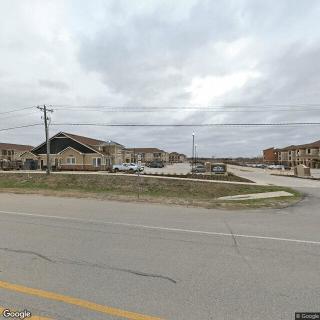
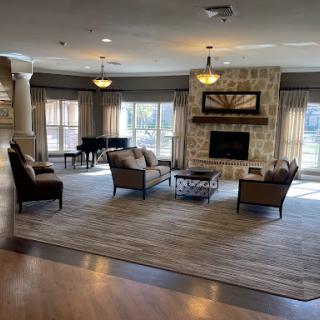
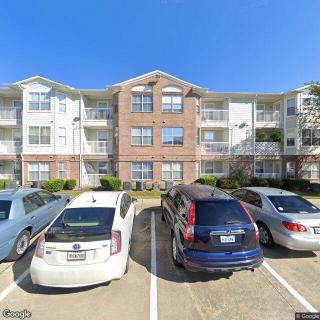
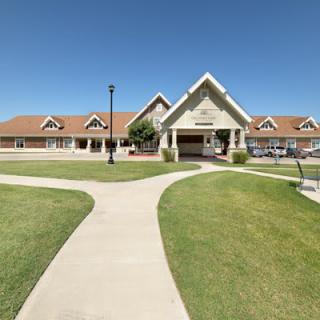
    Brinlee Creek Ranch Hilltop House is an assisted living community located in Anna, TX. We provide board and care home services for seniors who require assistance with daily activities. Our fully furnished house offers a comfortable and homely environment for our residents.

    We understand the importance of maintaining a healthy and active lifestyle, which is why we offer various amenities to cater to our residents' needs. Our dining room provides nutritious meals that can accommodate special dietary restrictions. Additionally, our housekeeping services ensure that all living spaces are clean and well-maintained.

    At Brinlee Creek Ranch Hilltop House, we prioritize the well-being of our residents. Our dedicated staff is available to assist with activities of daily living, such as bathing, dressing, and transfers. We also coordinate with healthcare providers to ensure that our residents receive the necessary medical care they need. Medication management is provided to ensure that medications are taken safely and on time.

    Transportation arrangements are available for medical appointments, allowing our residents easy access to healthcare services. Wi-Fi/high-speed internet is provided throughout the community to keep residents connected with their families and loved ones.

    We believe in promoting an active social life among our residents, which is why we offer scheduled daily activities. These activities not only provide entertainment but also encourage social interaction and engagement within the community.

    Convenience is key at Brinlee Creek Ranch Hilltop House as there are two pharmacies and one physician's office nearby. Additionally, there are six restaurants in close proximity for residents to enjoy dining options outside of our community.

    Choose Brinlee Creek Ranch Hilltop House for a caring and supportive assisted living community where your loved ones can thrive and enjoy a high quality of life.

    Nearby Places of Interest

    Restaurants

    • Sonic Drive-In (4 miles)
    • Spurlock's Malt Shop (4.3 miles)
    • Braum’s (4.5 miles)
    • Burger King (4.5 miles)
    • McDonald's (4.7 miles)
    • Sonic Drive-In (5 miles)
    • Maria's Mexican Restaurant (5 miles)

    Pharmacies

    • CVS Pharmacy (4.4 miles)
    • Brookshire's (4.7 miles)
    • Medpro Pharmacy and Wellness Center (5.1 miles)
    • CVS Pharmacy (5.7 miles)
    • City Drug (8.9 miles)
    • Walmart Pharmacy (9.5 miles)
    • Princeton Pharmacy (9.7 miles)

    Physicians

    • Questcare Medical Clinic at Melissa (4.7 miles)
    • Van Alstyne Family Practice (9.5 miles)
    • Outpatient Surgery Center (10.4 miles)
    • Complete Harmony Family Health (10.6 miles)
    • Texoma Arthritis Clinic Pa (10.8 miles)
    • Newberry Vision Center (11.4 miles)
    • Baylor Family Medicine at McKinney (12.6 miles)

    Places of Worship

    • Southern Baptist Convention (6.3 miles)
    • Crossroads Presbyterian Church (7.4 miles)
    • Nobility Baptist Church (8.5 miles)
    • Southern Baptist Convention (8.5 miles)
    • Pike Baptist Church (10.9 miles)
    • Trenton Church Of Christ (11.9 miles)
    • Trenton Women of the Word (12.1 miles)

    Cafes

    • Starbucks (9.6 miles)
    • Dutch Bros Coffee (9.6 miles)
    • Starbucks (10.6 miles)

    Theaters

    • Electric - Cinemark (11.9 miles)

    Hospitals

    • Medical Center of McKinney (13.5 miles)

    Frequently Asked Questions

    Where is Brinlee Creek Ranch Hilltop House?

    Nearby Communities

    Related Resources

    • assisted living insuranceAssisted Living Expenses and Long-Term Care Insurance: A Comprehensive Exploration

      The article discusses assisted living expenses, the importance of long-term care insurance in covering these costs, and various financing options, highlighting the need for careful policy review and early planning to address potential needs. It also clarifies common misconceptions about Medicare and private health insurance limitations regarding long-term care coverage.

    • how to pay for assisted livingSecuring Financial Support for Assisted Living: A Comprehensive Overview

      Assisted living facilities offer crucial support for older adults needing help with daily activities but come with varying and significant costs, which can be financed through personal savings, government assistance programs, long-term care insurance, and home equity options. Professional guidance from experts can aid families in navigating these financial complexities to establish a sustainable budgeting approach for assisted living services.

    • assisted living for seniors on social securitySocial Security Benefits and Assisted Living: Navigating Options Across the U.S.

      Assisted living costs often exceed Social Security benefits, necessitating a combination of funding sources like state aid and Medicaid. Understanding the interaction between Social Security programs and available financial support is essential for affording such care.


    Get Pricing Ask A Question Schedule A Tour Contact Senior Advisor