Brinlee Creek Ranch

3325 Pate Way Building I, Anna, TX 75409

For more information about senior living options: (844) 490-3973

4 from 50 reviews
5 stars
34
4 stars
3
3 stars
1
2 stars
1
1 stars
11

Assisted Living Board and Care Home

What level of care are you interested in?

Assisted Living

Memory Care

Independent Living

Skilled Nursing Facility

Continuing Care Retirement Community (CCRC)CCRC

Other


Request a tour at Brinlee Creek Ranch

    Overall Review of Brinlee Creek Ranch

    Pros

    • pro Therapy is described as the best, with therapists engaging patients to stay motivated to meet their goals.
    • pro The therapists are wonderful and actively motivate patients to achieve their rehabilitation goals.
    • pro Pate Rehabilitation is described as a wonderful experience with compassionate, caring staff.
    • pro The onsite doctors affiliated with UTSW, Dr. Adair and Dr. Nguyen, are described as awesome.
    • pro Chris Briscoe is praised as a hero who helped a patient walk again.
    • pro Monica Brown, the program manager, goes out of her way to make accommodations for patients.
    • pro Brandi Reeves is praised for attentive care and for cooking well.
    • pro The staff are described as among the most compassionate and caring by patients.

    Cons

    • pro The facility uses student therapists with little to no experience at the patients' expense.
    • pro The care is subpar and they don't care about patients' comfort or well-being.
    • pro Pate Rehabilitation is owned by a private equity company and puts profits over patients.
    • pro What is presented online is a fa?ade; the reality is far more troubling.
    • pro Therapy is a black box; staff are secretive and unwilling to let families observe sessions.
    • pro Communication is poor at best and deceptive at worst.
    • pro Living conditions are filthy, with sticky tables, dirty linens, and foul odors.
    • pro Staff ignore cleanliness and basic hygiene; equipment is broken and neglected.
    • pro Beds have been broken for months; call buttons barely work and are sometimes taped together instead of replaced.
    • pro The food is deplorable, not fit for hospital or even a school cafeteria, and high in sodium and fats.
    • pro Meals are inappropriate for diabetics; repeated high-carb options like pasta are common.
    • pro Engagement and activities are nonexistent; patients are left alone and bored.
    • pro There is a lack of leadership; management blames corporate and promises to fix things that never happen.

    Review

    Pate Rehabilitation in Anna, Texas evokes a striking divide in the experiences of those who have either found help there or felt let down by the facility. Across a wide range of accounts, the therapy program itself is frequently praised for its effectiveness and the dedication of certain therapists, while the day-to-day living environment, administrative practices, and overall patient care sometimes draw harsh criticism. The result is a picture of a place where outcomes can be excellent for some, but where other aspects of care and operations leave families and patients worried.

    On the therapy side, many reviewers speak glowingly of the actual rehabilitation work. They describe therapists as engaged, motivating, and capable, with particular praise directed at individual clinicians. Comments repeatedly highlight how dedicated therapists push patients to meet ambitious goals, and several testimonials recount successful functional gains. Names that surface in these positive notes include therapists who helped patients regain walking, participate in sports-related drills, and resume independent activities. One patient even credits a specific therapist with teaching essential walking techniques and another with providing not only rehabilitation guidance but also practical support that extended into life after discharge. In several instances, patients emphasize that the therapeutic portion of their stay was a standout, with staff providing personalized attention and clear focus on recovery milestones.

    By contrast, there are persistent critiques about the transparency, oversight, and consistency surrounding therapy. Some reviewers describe therapy as a "black box" and allege a lack of visibility for families into what sessions entail. Observing therapy sessions is depicted as being difficult or restricted, which fuels concerns about the accuracy of initial evaluations and the extent to which goals align with actual patient capabilities. One repeated concern is that discharge planning and evaluation may be inconsistent or misaligned with how much a patient can or cannot do, sparking frustration when families feel the stated outcomes do not match what they witnessed in sessions. A few accounts even allege mismatches between private evaluations conducted after discharge and the rehab program's own assessments, suggesting potential miscommunication or gaps in how progress is documented and shared with caregivers.

    The living conditions and day-to-day environment are another flashpoint for reviewers. Several accounts paint a troubling picture of cleanliness and maintenance. Complaints include dirty rooms, sticky tables, foul odors, and disrupted sanitation routines. Some patients describe adult diapers left in hallways, broken beds, and call buttons that were repeatedly improvised rather than replaced. There is also mention of renovations that occurred only after questions were raised, with some reviewers feeling the living spaces did not match the professional image presented online. In a few statements, the atmosphere in specific houses is described as subpar or not aligned with what families expect from a facility that emphasizes safety and comfort.

    Food and nutrition figures into the mixed reviews as well. A portion of the commentary complains about high-sodium, high-fat meals that seem unsuitable for stroke survivors or diabetics, raising concerns about dietary management during rehab and the implications for medical conditions. Yet not all food-related remarks are negative. Several patients praise staff members who prepare meals and even shout out to particular caregivers for cooking well and making meals more tolerable or enjoyable. The contrast here mirrors the broader pattern: some experiences underscore care and support that extend beyond therapy, while others highlight a disconnect between nutritional offerings and medical needs.

    Engagement and daily activity levels also draw divided responses. Some reviewers describe an "engagement" gap, noting that activity boards appear to be more theater than actual programming, with weekends leaving patients largely in bed and without structured stimulation. In other reviews, the opposite is true: patients recount meaningful programs, group activities, and events that help pass the time and contribute to a sense of normalcy during rehab. The discrepancy suggests variability across units or shifts and seems to hinge on staffing, leadership, and perhaps the stage of a patient's recovery.

    Amid the mixed feedback, several positive testimonials focus on individual staff members and the personal impact they had on patients and families. Names like Brandi, Monica (the caseworker), Paula (the counselor), and a wide crew of nurses, therapists, and support staff appear repeatedly in praise for their compassion, responsiveness, and willingness to go the extra mile. Some patients describe dramatic personal recoveries and foundational support that extended beyond medical care - whether it was helping them rejoin a family or assisting with practical life adjustments such as driving again. A few testimonials also celebrate the teamwork and the sense that, for certain patients, dedicated staff made a real difference in recovery trajectories.

    Taken together, the reviews present a nuanced and sometimes contradictory portrait of Pate Rehabilitation in Anna. For some patients, the program delivers strong therapeutic results, supportive staff, and a path back to independence and everyday life. For others, the experience includes serious concerns about cleanliness, safety, communication, and the consistency of care, with particular frustration directed at transparency around therapy, the management of medications and routines, and the alignment between online representations and on-site realities. The spectrum suggests that outcomes may be highly contingent on individual circumstances, including staff assignments, the specific unit a patient is placed in, and the degree to which families are able to participate in or observe the rehabilitation process.

    For anyone considering Pate Rehabilitation, these accounts underscore the importance of asking pointed questions before admission: who will supervise therapy and what are the credentials of the staff involved; how are evaluations conducted and how is progress communicated to families; what measures are in place to ensure cleanliness, safety, and consistent care; and how can families observe sessions or review treatment plans to confirm they align with the patient's needs and goals. It seems clear that therapy itself can be a strong component of recovery at Pate, but families should also weigh concerns about living conditions, nutrition, and administrative practices, ensuring a comprehensive view that reflects both the potential benefits and the areas that have drawn legitimate criticism.

    Features

    Housing

    • 16 resident community capacity 16 resident community capacity

    Types of Care

    • Assisted Living Assisted LivingAssisted living facilities provide crucial support and care for seniors who may need help with daily tasks such as medication management, bathing, and meal preparation. These communities offer a safe and comfortable environment where seniors can maintain their independence while receiving the assistance they need to thrive in their golden years.
    • Board and Care Home Board and Care HomeBoard and care homes provide a smaller, more intimate setting for seniors who require assistance with daily tasks but do not need the level of care offered by a nursing home. They offer personalized care, meals, and social activities in a homelike environment, ensuring that seniors receive individualized attention and support in their golden years.

    Amenities

    • Cable or satellite TV Cable or satellite TVCable or satellite TV is important for seniors because it provides entertainment, news, and companionship, helping to combat loneliness and boredom. It also offers a wide range of programming options tailored to different interests and preferences.
    • Dining room Dining roomDining rooms are important for seniors as they provide a space for socialization, connection, and nutritious meals. They offer opportunities for residents to bond over shared meals, foster a sense of community, and promote healthy eating habits. Dining rooms also ensure that seniors have access to well-balanced meals tailored to their dietary needs and preferences.
    • Fully furnished Fully furnishedFully furnished senior living communities are important for seniors because they provide convenience, comfort, and a hassle-free moving experience. Seniors can easily settle into their new living space without the stress of having to buy and move furniture. This allows them to focus on enjoying their new home and community.
    • Garden GardenGardens are important for seniors as they provide a peaceful and therapeutic environment for relaxation, physical activity, and socialization. Being in nature has been shown to reduce stress, improve mood, and promote overall well-being. Gardens also offer opportunities for seniors to engage in gardening activities, which can improve mobility, flexibility, and cognitive function. Additionally, gardens create a sense of community and connection with others who share a passion for plants and outdoor spaces.
    • Housekeeping services Housekeeping servicesHousekeeping services are important for seniors because they help maintain a clean and safe living environment, promote independence, and reduce the risk of accidents or illnesses. Additionally, having assistance with household chores can alleviate physical strain and allow seniors to focus on other aspects of their well-being.
    • Move-in coordination Move-in coordinationMove-in coordination is important for seniors because it helps ease the transition into their new living environment. It ensures that all logistics, such as packing, organizing movers, and setting up utilities are taken care of, allowing seniors to focus on settling in and adjusting to their new home. Having a smooth move-in process can alleviate stress and anxiety, making the transition smoother and more enjoyable for seniors.
    • Outdoor space Outdoor spaceOutdoor spaces are important for seniors as they provide opportunities for physical activity, social interaction, exposure to natural light and fresh air, and a sense of connection to nature. Having access to outdoor spaces can improve overall well-being and quality of life for older adults living in senior communities.
    • Telephone TelephoneTelephones are important for seniors as they provide a lifeline for communication with loved ones, emergency services, and healthcare providers. They offer a sense of security and independence, enabling seniors to stay connected and access assistance when needed.
    • Wi-Fi/high-speed internet available Wi-Fi/high-speed internet availableWi-Fi/high-speed internet is important for seniors to stay connected with loved ones, access online resources, and participate in virtual activities to combat feelings of loneliness and isolation. It also allows them to easily manage healthcare needs, access entertainment, and engage in lifelong learning opportunities.

    Care Services

    • 24-hour supervision 24-hour supervision24-hour supervision is important for seniors to ensure their safety, well-being, and access to immediate assistance in case of emergencies or health issues. This constant support provides peace of mind for both seniors and their loved ones, allowing them to age in place with dignity and security.
    • Activities of daily living assistance Activities of daily living assistanceActivities of daily living assistance are important for seniors because they provide essential support with tasks such as eating, bathing, dressing, and mobility. This assistance helps seniors maintain their independence, dignity, and overall quality of life as they age.
    • Assistance with bathing Assistance with bathingAssistance with bathing is crucial for seniors as it helps maintain personal hygiene, prevents infections, and ensures their overall well-being and comfort. It also provides a sense of dignity and independence for seniors who may struggle with this task on their own.
    • Assistance with dressing Assistance with dressingAssistance with dressing is important for seniors because it helps maintain their independence, promotes personal hygiene, prevents accidents and injuries, and improves overall quality of life. This service ensures that seniors can continue to dress comfortably and confidently, despite any physical limitations they may have.
    • Assistance with transfers Assistance with transfersAssistance with transfers is crucial for seniors as it helps prevent falls and injuries, maintains their independence, and ensures they can safely navigate their living environment. It also provides peace of mind for both seniors and their loved ones.
    • Coordination with health care providers Coordination with health care providersCoordination with health care providers is crucial for seniors to ensure proper medical care, medication management, and overall well-being. This collaboration helps prevent overlapping treatments, track progress more effectively, and provide comprehensive support tailored to individual needs.
    • Diabetes diet Diabetes dietA diabetes diet is crucial for seniors as it helps manage blood sugar levels, reduce risks of complications, and improve overall health and well-being. By following a balanced and nutritious diet tailored to their specific needs, seniors can better control their diabetes and enhance their quality of life.
    • Meal preparation and service Meal preparation and serviceMeal preparation and service are crucial for seniors as they may have limited mobility or energy to cook nutritious meals. Having access to healthy and convenient food options can ensure they are getting the proper nutrition needed to maintain their overall health and well-being.
    • Medication management Medication managementMedication management is crucial for seniors to ensure they are taking the right medications at the correct dosages and times. This helps prevent adverse drug interactions, reduces the risk of medication errors, and promotes overall health and well-being. Proactive management also allows for adjustments as needed based on changing health conditions or new prescriptions.
    • Special dietary restrictions Special dietary restrictionsSpecial dietary restrictions are important for seniors because age-related changes in metabolism and health conditions can make it difficult for their bodies to process certain foods. By following a diet tailored to their specific needs, seniors can maintain their overall health and well-being, manage chronic conditions, and reduce the risk of complications such as malnutrition or food interactions with medications.
    • Transportation arrangement (medical) Transportation arrangement (medical)Transportation arrangements for medical purposes are essential for seniors as they may have difficulty driving themselves to appointments or accessing public transportation. Having reliable and safe transportation options ensures that seniors can receive timely medical care and maintain their health and well-being.
    • Transportation to doctors appointments Transportation to doctors appointmentsTransportation to doctors' appointments is crucial for seniors as it ensures they have access to necessary medical care and support for their health needs. Without reliable transportation, seniors may struggle to attend important appointments, leading to potential delays in treatment and health complications. Providing transportation services helps seniors maintain their overall well-being and quality of life.

    Dining

    • Diabetes diet Diabetes dietA diabetes diet is crucial for seniors as it helps manage blood sugar levels, reduce risks of complications, and improve overall health and well-being. By following a balanced and nutritious diet tailored to their specific needs, seniors can better control their diabetes and enhance their quality of life.
    • Special dietary restrictions Special dietary restrictionsSpecial dietary restrictions are important for seniors because age-related changes in metabolism and health conditions can make it difficult for their bodies to process certain foods. By following a diet tailored to their specific needs, seniors can maintain their overall health and well-being, manage chronic conditions, and reduce the risk of complications such as malnutrition or food interactions with medications.

    Activities

    • Community-sponsored activities Community-sponsored activitiesCommunity-sponsored activities are important for seniors as they provide opportunities for social interaction, mental stimulation, and physical activity. These activities can help improve overall well-being, combat loneliness and isolation, and promote a sense of belonging and purpose among older adults.
    • Scheduled daily activities Scheduled daily activitiesScheduled daily activities are important for seniors because they provide structure, socialization, mental stimulation, and physical activity. Engaging in regular activities can improve overall well-being and quality of life for seniors living in a community setting.

    Description

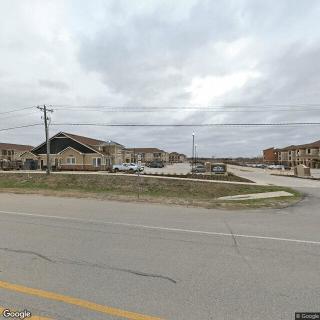
    Brinlee Creek Ranch in Anna, TX is a warm and inviting board and care home that provides exceptional assisted living services for seniors. Located in a peaceful residential area, this community offers a comfortable and secure environment for residents to thrive.

    At Brinlee Creek Ranch, residents enjoy the convenience of fully furnished accommodations that create a homelike atmosphere. The dining room provides delicious meals prepared by experienced staff who can accommodate special dietary restrictions. Housekeeping services ensure that common areas and individual living spaces are always clean and well-maintained.

    Residents have access to outdoor spaces where they can relax, socialize with friends, or simply enjoy the fresh air. Wi-Fi and high-speed internet are also available to keep residents connected with loved ones and stay up to date on current events.

    This community places a strong emphasis on providing assistance with activities of daily living. Staff members are available to provide support with bathing, dressing, transfers, and medication management. They also work closely with health care providers to ensure that residents receive the appropriate level of care.

    Brinlee Creek Ranch offers scheduled daily activities to encourage an active and engaging lifestyle for its residents. Whether it's participating in group exercises or enjoying leisurely walks through the garden, there are plenty of opportunities for socialization and personal growth.

    The community is conveniently located near two pharmacies, allowing for easy access to medication needs. Additionally, it is situated close to local physicians' offices, making it convenient for residents to receive medical care when needed. For dining options outside of the community, there are five restaurants nearby that offer a variety of cuisines.

    Overall, Brinlee Creek Ranch provides a compassionate and supportive environment where seniors can receive personalized care tailored to their individual needs. This assisted living community strives to promote independence while ensuring the safety and well-being of its residents.

    Nearby Places of Interest

    Restaurants

    • Sonic Drive-In (4.1 miles)
    • Spurlock's Malt Shop (4.4 miles)
    • Braum’s (4.7 miles)
    • Burger King (4.8 miles)
    • McDonald's (4.8 miles)
    • Sonic Drive-In (5.2 miles)
    • Maria's Mexican Restaurant (5.3 miles)

    Pharmacies

    • CVS Pharmacy (4.7 miles)
    • Brookshire's (4.8 miles)
    • Medpro Pharmacy and Wellness Center (5.4 miles)
    • CVS Pharmacy (5.8 miles)
    • City Drug (8.9 miles)
    • Walmart Pharmacy (9.7 miles)
    • Princeton Pharmacy (9.8 miles)

    Physicians

    • Questcare Medical Clinic at Melissa (4.9 miles)
    • Van Alstyne Family Practice (9.5 miles)
    • Outpatient Surgery Center (10.6 miles)
    • Complete Harmony Family Health (10.8 miles)
    • Texoma Arthritis Clinic Pa (11.1 miles)
    • Newberry Vision Center (11.6 miles)
    • Baylor Family Medicine at McKinney (12.9 miles)

    Places of Worship

    • Southern Baptist Convention (6.1 miles)
    • Crossroads Presbyterian Church (7.2 miles)
    • Nobility Baptist Church (8.2 miles)
    • Southern Baptist Convention (8.3 miles)
    • Pike Baptist Church (10.7 miles)
    • Trenton Church Of Christ (11.7 miles)
    • Trenton Women of the Word (11.9 miles)

    Cafes

    • Starbucks (9.7 miles)
    • Dutch Bros Coffee (9.8 miles)
    • Starbucks (10.8 miles)

    Theaters

    • Electric - Cinemark (12.2 miles)

    Hospitals

    • Medical Center of McKinney (13.7 miles)

    Frequently Asked Questions

    Where is Brinlee Creek Ranch?

    Nearby Communities

    Related Resources

    • assisted living waiver programA Detailed Exploration of Assisted Living Medicaid Waivers Across the United States

      Medicaid waivers for assisted living services provide vital support for seniors and individuals with disabilities in need of long-term care, with varying state-specific eligibility criteria and benefits. These waivers cover personal care and case management but often do not fully cover room and board, leading to waiting lists for many applicants.

    • assisted living for disabled adultsComprehensive Residential Support and Assisted Living Solutions for Individuals with Disabilities

      The article examines the complexities of assisted living for individuals with disabilities, emphasizing the need for tailored care solutions that enhance quality of life and social inclusion, while addressing financial challenges and advocating for community integration. It discusses various housing options, the importance of financial assistance through public benefits, and highlights trends towards integrated and technology-driven solutions in disability-focused housing.

    • assisted living for disabled adultsComprehensive Supportive Living Arrangements for Adults with Disabilities

      Assisted living for adults with disabilities has transformed to provide personalized care and support services aimed at improving residents' quality of life while balancing independence and assistance. However, low-income individuals often face challenges in affording these services, requiring navigation of various financial resources and advocacy for better policies and solutions.


    Get Pricing Ask A Question Schedule A Tour Contact Senior Advisor