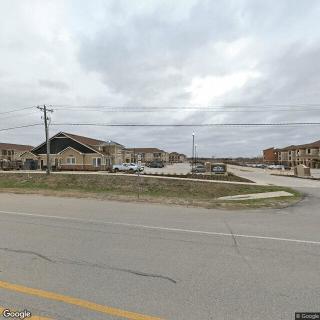
4817 Miracle Lane, Anna, TX 75409
For more information about senior living options: (844) 490-3973
What level of care are you interested in?

Assisted Living

Memory Care

Independent Living

Skilled Nursing Facility

Continuing Care Retirement Community (CCRC)CCRC

Other
Across a spectrum of experiences at Pate Rehabilitation in Anna, Texas, readers encounter a facility that inspires both admiration and deep concern. On one end, several former patients and families describe life-changing rehabilitation moments, with therapists who motivate, instruct, and celebrate small victories. On the other, a chorus of voices recounts troubling living conditions, questionable practices, and gaps in safety and daily care. Taken together, the feedback paints a complex portrait of a center that can be a beacon of recovery for some and a source of distress for others, depending on who is sharing the story and when it happened.
A central thread running through many reviews is the difference between therapy quality and the broader environment in which care takes place. Several reviewers praise the actual rehabilitation work: skilled therapy sessions, capable clinicians, and programs that push patients toward regained mobility. In particular, some patients point to dedicated therapists who design purposeful drills, engage patients with goal-directed activities, and help them regain independence. In one memorable account, a patient who could barely walk arrived with a cane and left able to run a quarter mile, crediting therapists for a substantial portion of that progress, and naming individual therapists who made a meaningful impact. The praise often centers on the hands-on therapy itself and the personal endurance and encouragement of the clinicians who deliver it.
However, many other reviews raise serious concerns about how therapy is delivered and who is delivering it. A recurring accusation is that not all people delivering therapy are licensed therapists; some are physical therapy assistants or occupational therapy assistants, and there are perceptions of heavy reliance on students with limited experience. Several reviewers imply that the volume of trainees can affect consistency and oversight, and at times call out a lack of transparency about who is providing care. The sense of a "black box" around therapy sessions - where families feel shut out or unable to observe sessions - appears to clash with what many families expect from reputable rehabilitation programs, and it fuels frustration when communication surrounding progress or pace of rehab feels opaque or evasive.
Living conditions emerge as another major point of contention. Critics allege cleanliness issues, with descriptions of sticky tables, dirty linens, and foul odors. There are specific complaints about broken or poorly maintained equipment, including beds and call buttons that do not function reliably, and about the maintenance of patient rooms. Some reviewers reference specific areas - such as a unit nicknamed the West House - to illustrate a consistently subpar standard of living conditions and hygiene. The discrepancy between polished online marketing images and the lived reality inside the facility is a common thread, with at least one account explicitly contrasting the on-site reality with what the facility's public-facing materials depict.
Nutrition and dietary management are also highlighted as problematic for some residents, particularly those with medical needs like diabetes. Several reviewers describe meals that are high in carbohydrates, sodium, and fats, which can be concerning for people recovering from strokes or managing chronic conditions. The perception that nutrition is treated as an afterthought rather than as a core component of medical recovery colors these accounts and contributes to a broader sense that patient well-being is not being holistically prioritized.
Engagement, activity, and meaningful daily structure appear to be uneven across experiences. Some reviews describe boards and scheduled activities as deceptive theater - lists of activities that never materialize and patients left with long periods of inactivity or isolation. In several instances, reviewers emphasize that weekends can be quiet or unstructured, with patients stuck in bed and without access to reliable amenities like remotes for televisions. Yet other accounts offer a more positive note, describing evenings and activities organized by attentive staff that help uplift mood and foster social connections. The variability suggests inconsistencies in program delivery rather than a uniform neglect of patient engagement.
Communication with families and between staff and management is another focal point. A number of reviewers characterize communication as poor or deceptive, with families feeling excluded from progress updates and, in some cases, encountering pushback when seeking information. Some accounts allege that higher management or corporate leadership defer responsibility by pointing to corporate practices, budgets, or policy changes as explanations for what families perceive as ongoing neglect of patient needs. In contrast, other reviews recount responsive case management and attentive family liaisons who work to accommodate needs and provide reassurance, indicating that experiences can vary not just by unit but by shifts, leadership, and individual team dynamics.
The most striking pattern in these narratives is the strong presence of both praise and critique within the same facility, often centered on the same names. Several reviewers testify to exceptionally caring individuals - specific therapists, nurses, and coordinators - whose warmth, patience, and practical skills drive remarkable recoveries. Names like Brandi, Monica, and a cadre of other staff members appear repeatedly as pillars of support and sources of genuine gratitude. Some patients credit particular staff with personal acts of care - cooking meals, organizing specialized activities, or coordinating transportation to families - transforming the rehabilitation experience into something deeply personal and meaningful. Conversely, other reviewers acknowledge that these same staff members exist alongside broader patterns of management struggles, equipment issues, and gaps in daily life quality that can undermine a patient's overall experience.
Ownership and corporate philosophy surface as a provocative backdrop to the day-to-day realities described by reviewers. Several critiques tie the reported problems to ownership changes and a perceived prioritization of profits over patient welfare. The narrative implicates private equity stewardship in shifting emphasis away from patient-centered care toward efficiency and cost containment, a claim that some readers interpret as explaining staffing patterns, turnover, and the uneven quality observed across the facility. While some testimonials celebrate the facility's long-standing reputation and the excellence of clinical care, others insist that corporate decisions have eroded standards and undermined trust. The tension between individualized compassionate care and the pressures of an ownership model is a recurring theme in these discussions.
In sum, the collection of reviews presents a facility that can be life-changing for some and deeply troubling for others. The therapy itself is lauded by many for its effectiveness and the dedication of certain clinicians, while concerns about staffing, transparency, cleanliness, nutrition, and daily engagement repeatedly surface. Families considering Pate Rehabilitation in Anna, TX may encounter a patchwork of experiences - some intensely positive, some disconcerting - depending on the particular team, unit, and moment in time. What remains clear across accounts is a call for more consistent oversight, clearer communication, and a stronger alignment between the high standards some patients experience in therapy and the everyday realities of living and healing within the facility.
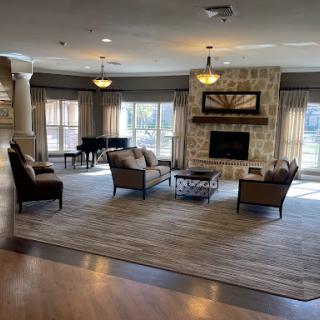
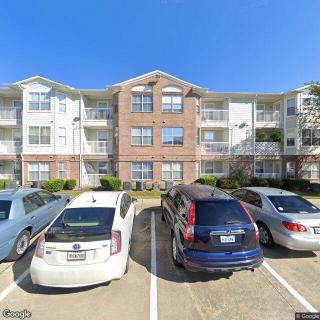
Brinlee Creek Ranch is a peaceful and comfortable assisted living community located in the charming town of Anna, TX. Our community offers personalized board and care home services, ensuring that each resident receives the support they need while enjoying a homely environment.
At Brinlee Creek Ranch, we prioritize the well-being of our residents by providing a range of amenities designed to enhance their quality of life. Our dining room offers delicious meals prepared with special dietary restrictions in mind, ensuring that each resident's nutritional needs are met. The fully furnished accommodations provide a cozy and welcoming atmosphere for our residents to relax and feel at home. Additionally, our beautiful garden and outdoor spaces allow residents to enjoy nature and engage in outdoor activities.
We understand the importance of maintaining a clean and organized living space, which is why our dedicated housekeeping services ensure that each resident's living area remains comfortable and tidy at all times. Furthermore, our move-in coordination service alleviates any stress or hassle associated with transitioning into our community.
At Brinlee Creek Ranch, we prioritize the health and safety of our residents. Our caring staff provides assistance with daily activities such as bathing, dressing, and transfers, ensuring that each resident can maintain their independence while receiving the necessary support. We also offer medication management services to help residents stay on top of their medical needs. Our team coordinates with healthcare providers to ensure seamless communication and continuity of care.
Residents at Brinlee Creek Ranch can look forward to an engaging lifestyle through scheduled daily activities tailored to their individual interests and preferences. Whether it's participating in group exercises or enjoying social events within the community, there are ample opportunities for residents to stay active and connected.
Convenience is another key feature of Brinlee Creek Ranch. With two pharmacies nearby, medication refills are easily accessible for our residents. Additionally, having physicians in close proximity ensures that medical care is readily available when needed. For dining options or leisurely outings, there are five restaurants in the vicinity, providing diverse culinary experiences for residents to enjoy.
Brinlee Creek Ranch is a warm and inviting assisted living community that emphasizes personalized care, comfort, and an active lifestyle. With our comprehensive services, amenities, and nearby facilities, we strive to provide our residents with a fulfilling and enriching living experience.
Brinlee Creek Ranch is located at 4817 Miracle Lane, Anna, TX 75409 in Collin County, Texas
Belterra Health & Rehab
Mckinney, TX
Private rooms with engaging activities and a friendly, welcoming staff.
Belterra Health & Rehab costs
Belterra Health & Rehab reviews
Belterra Health & Rehab images
The Ivy of McKinney
McKinney, TX
Friendly staff and a vibrant community with spacious apartments.
The Ivy of McKinney costs
The Ivy of McKinney reviews
The Ivy of McKinney images
An Extensive Exploration of the VA Aid and Attendance Benefit

The VA Aid and Attendance benefit provides financial support to veterans needing assistance with daily living due to medical conditions or disabilities, augmenting standard VA pensions for services like in-home care. Eligibility is based on service duration, wartime status, income, and medical needs, with a detailed application process required to access funds for caregiving and home modifications.
Senior Transition Services: Understanding Their Role, Cost, and Importance

Senior move management services assist older adults in the relocation process by providing emotional support and organizational help, addressing unique challenges like downsizing and moving from long-term homes. These specialists collaborate with real estate agents and manage logistics, making the transition smoother for seniors and their families.
Exploring the Path to Senior Living: A Comprehensive Look at Independent Living and Assisted Living
The article examines senior housing options, detailing the distinctions between independent living and assisted living, along with the emerging "independent assisted living" model that blends both approaches. It highlights the importance of assessing individual needs, preferences, and financial factors in making informed decisions about suitable living arrangements for seniors.