
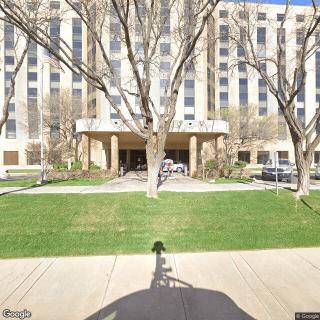
3115 Tee Anchor Blvd, Amarillo, TX 79104
To contact a resident: (806) 373-7671
For more information about senior living options: (866) 208-4318
Overall Review of Elizabeth Jane Bivins Home
Pros
 They were really friendly and went out of their way to accommodate guests.
- It was nice.
- The site is a great piece of Amarillo history, and the locals work hard to attract visitors to the community.
- The town home is an elegant 1905 residence with classical brick-and-stone styling.
- Lee Bivins is portrayed as a philanthropist and community leader who contributed to the area's development.
- Mary Elizabeth Gilbert Bivins is noted for generously bequeathing the residence to the city.
Review
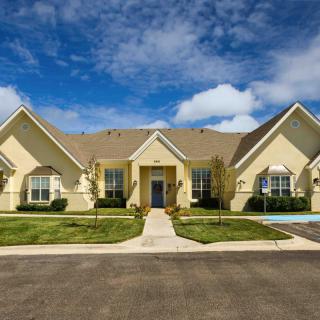
Elizabeth Jane Bivins Home in Amarillo is best suited for seniors who want a private, homelike setting with a strong sense of community and personal care. The atmosphere is intimate, oriented around a single private residence rather than a large campus, which translates into direct, visible attention from staff and a relaxing, low‑stress routine. The reviews convey a welcoming, neighborly vibe, where people are friendly and accommodation comes naturally. Residents benefit from a space that feels less institutional and more like a trusted, small‑town home, anchored by the building’s historic charm and a sense that the staff truly cares about keeping residents comfortable and valued.
This setting may not be right for those who require constant clinical oversight or highly structured, specialized programming. Families with residents who need 24/7 medical management, intensive memory care, or a wide array of on‑site therapies may find the private home model limiting. In Amarillo, larger facilities with dedicated medical teams and formal care plans typically offer more robust, around‑the‑clock care and a broader calendar of specialized activities. For individuals with complex health needs, or for families prioritizing predictable clinical support, alternatives in the area deserve serious consideration.
The strongest positives here are the people and the environment. Staff are described as friendly and genuinely invested in accommodating visitors and residents alike, which translates into responsive care and smoother transitions. The homey, nonclinical vibe reduces the intimidation often associated with elder care, making social interaction, daily routines, and personal preferences easier to honor. The setting is also a striking cultural asset, a piece of Amarillo history reflected in the 1905 architecture and the sense that residents live among a local landmark. This combination of warmth and historic context can be especially comforting to families seeking meaningful connection.
On the downside, the private‑home format inevitably means tradeoffs in available care tracts. There may be fewer on‑site professionals dedicated to high‑acuity needs, fewer formal programs, and a more limited roster of specialized activities compared with larger facilities. Residents may have fewer opportunities for expansive wellness scheduling, memory‑care design, or highly structured social events. For some families, these gaps could be a meaningful factor, especially when a consistent, comprehensive care plan, or rapid escalation of medical needs, becomes a necessity rather than a preference.
The pros here offset potential drawbacks in several practical ways. The intimate setting promotes individualized attention, quicker responsiveness, and more flexible daily rhythms that can be tailored to personal routines. The staff’s evident dedication translates into dependable day‑to‑day support, while the historical ambiance contributes to a sense of belonging and identity, an important consideration for seniors who value continuity and place attachment. For families seeking a calm, community‑centered experience with approachable staff, this home often delivers a high‑quality, emotionally resonant option that larger campuses may struggle to replicate.
For decision‑makers, the key question is alignment with care needs and family priorities. If warmth, ease of access to staff, and a strong sense of home and history trump the absence of extensive programming, Elizabeth Jane Bivins Home rises to the top as a practical, compassionate choice. If medical complexity, rigorous care coordination, or wide‑ranging activities are non‑negotiable, alternatives with larger clinical teams and more formalized programming should be explored. A thoughtful visit will reveal how the staff’s hospitality translates into daily care and whether the private‑home model fits the resident’s health trajectory and lifestyle goals. Schedule a tour, ask about daily schedules, safety features, respite options, and care escalation protocols to determine how well this environment matches the resident’s needs.
 Board and Care Home
 Amarillo International (6 miles away)





 9 Stimulating Memory Activities for Seniors: Puzzles, Cards, and Much More
 Managing Nursing Home Expenses After Medicare Coverage Ends
 Is a Geriatric Care Manager the Right Choice for Your Family?