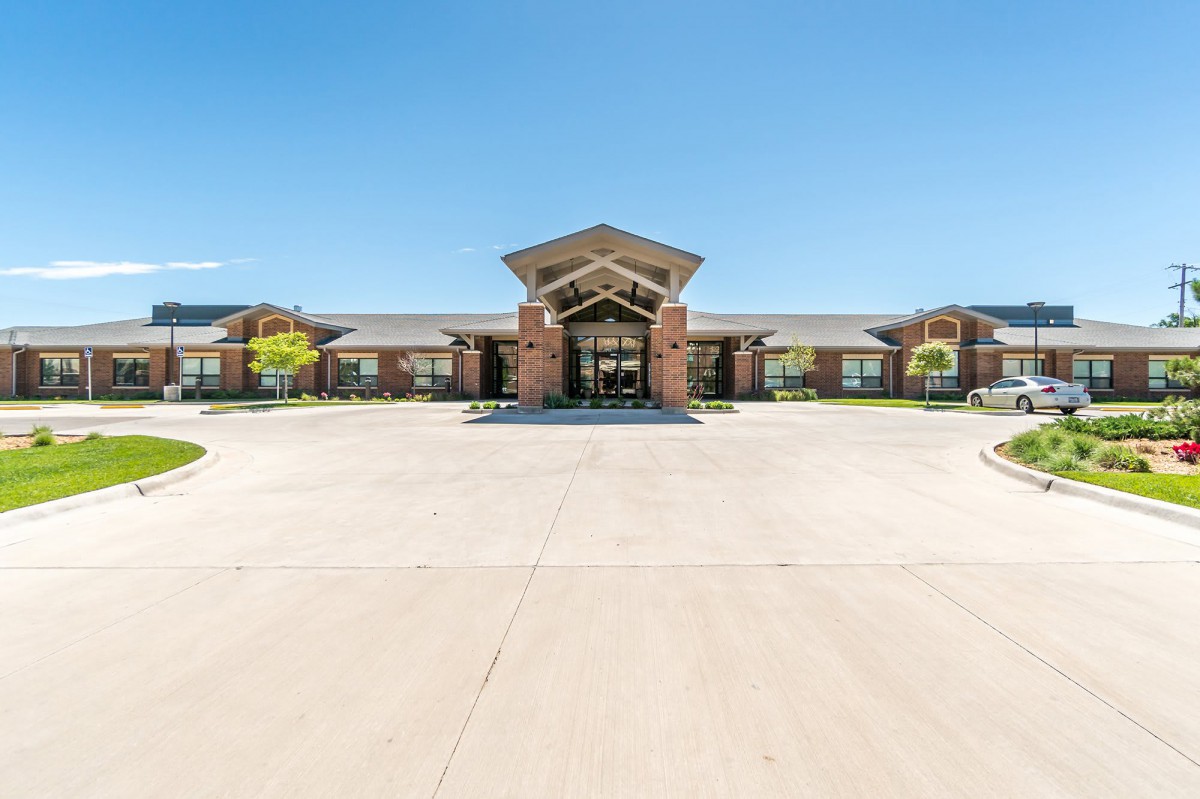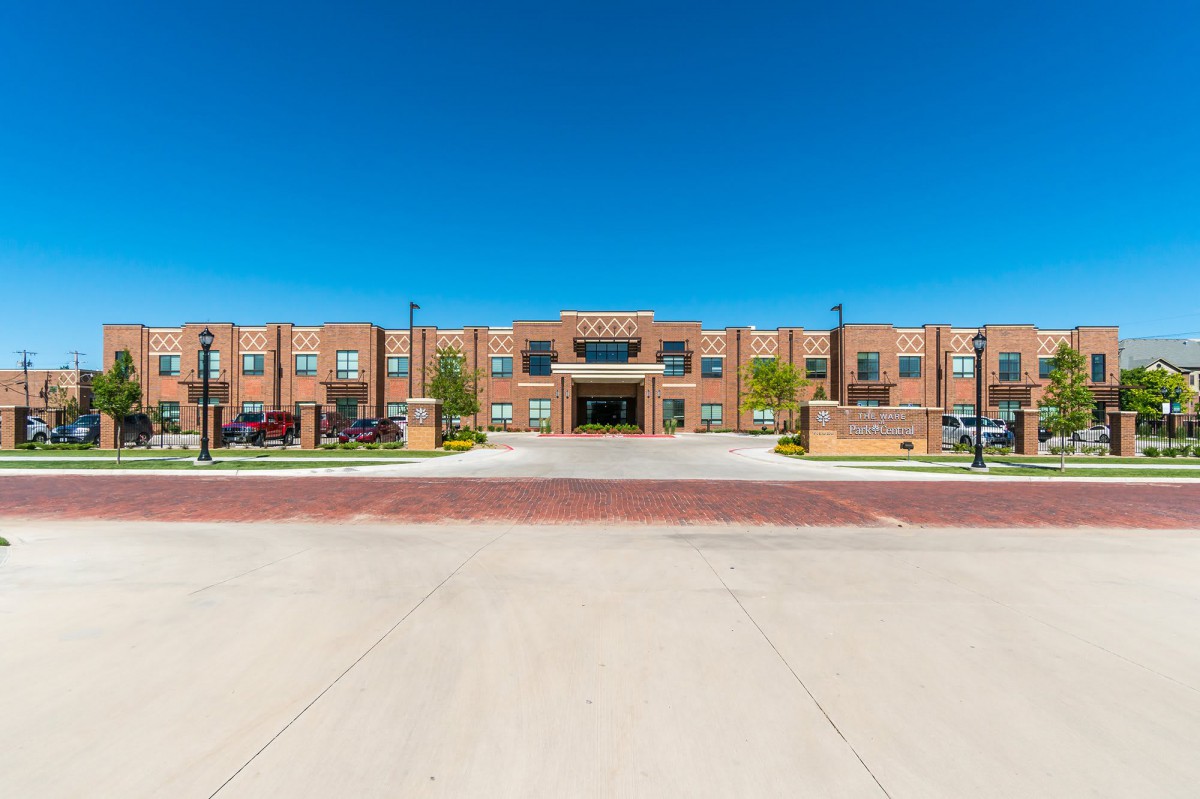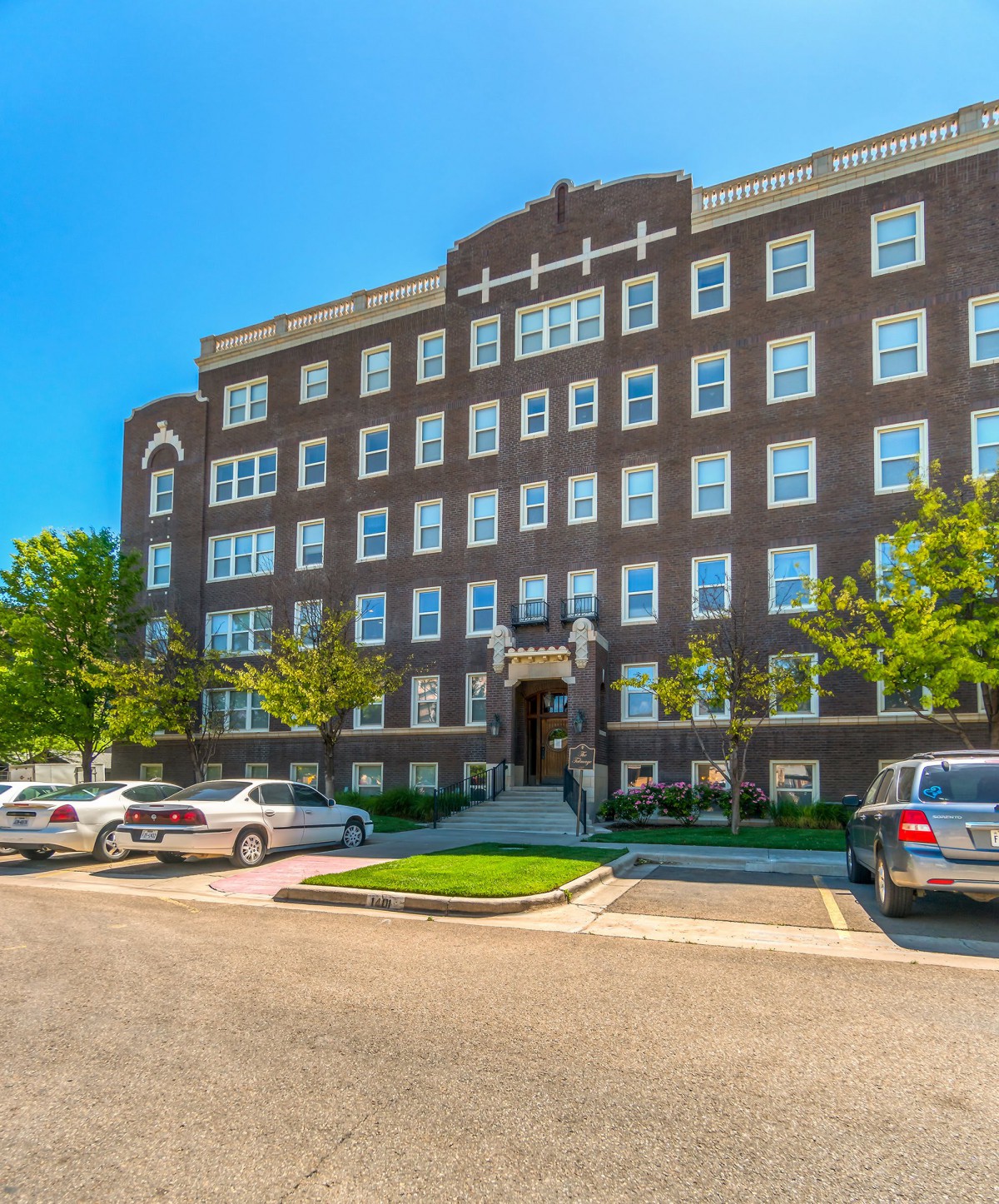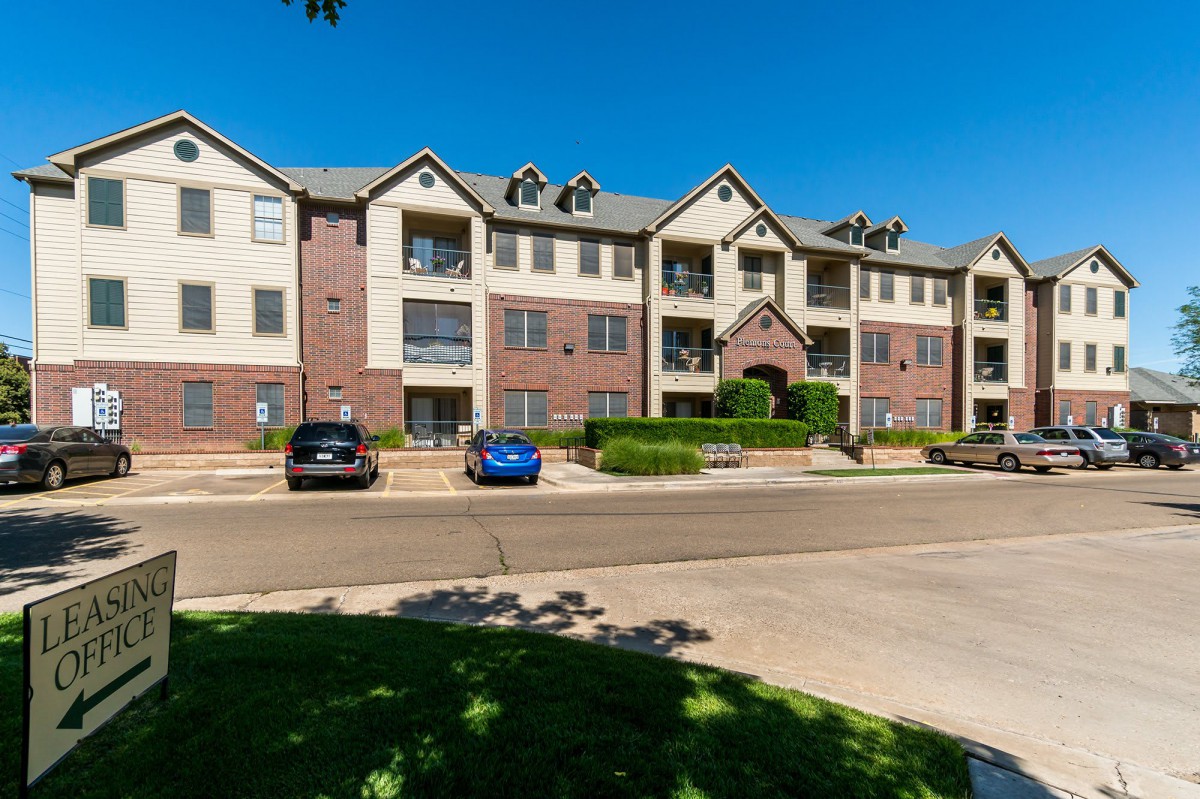
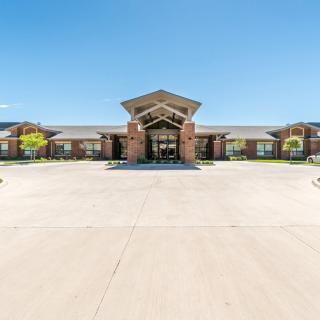
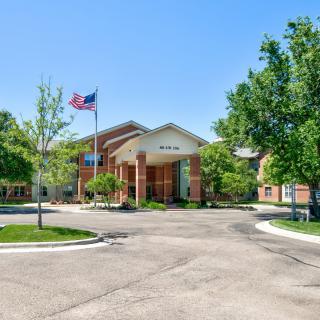
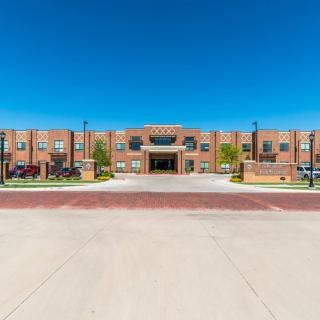
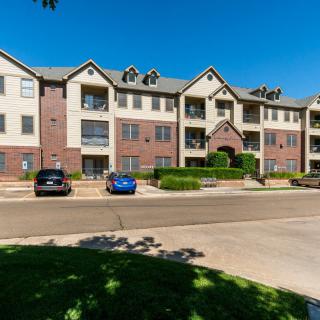
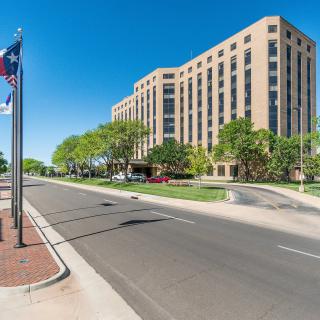
1300 S Harrison St, Amarillo, TX 79101
To contact a resident: (806) 337-5700
For more information about senior living options: (866) 208-4318
Park Central Retirement Community Costs & Pricing
Park Central Retirement Community offers competitive pricing for its residents, with monthly rates that are notably aligned with local and state averages. For a studio, the cost is $1,711, which matches the rate in Potter County but is significantly lower than the Texas average of $3,758. Similarly, the 1-bedroom accommodations are priced at $2,094 - again, consistent with Potter County prices while remaining well below the state's average of $3,761. Residents seeking more space will find that the 2-bedroom units at Park Central are available for $3,086, which compares favorably to both Potter County's rate and Texas's higher average of $4,215. This pricing structure highlights Park Central as an attractive option for those looking for quality retirement living without straining their budget.
| Floor plans | Park Central Retirement Community | Potter County | Texas |
|---|---|---|---|
| Studio | $1,711 | $1,711 | $3,758 |
| 1 Bedroom | $2,094 | $2,094 | $3,761 |
| 2 Bedrooms | $3,086 | $3,086 | $4,215 |
Independent Living communities with a similar price nearby
-
from -$216 / mo
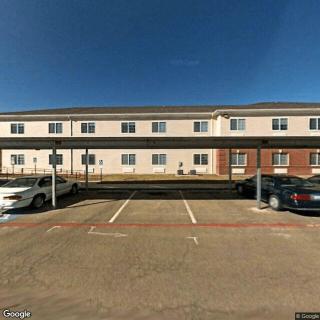
Canyonview Estates
$1,495 to $2,795 / month4.7 miles away -
from +$278 / mo
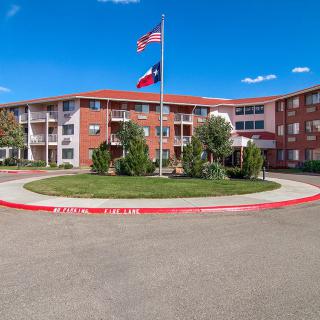
The Clairmont
$1,989 to $3,059 / month4.4 miles away
Overall Review of Park Central Retirement Community
Pros
 The facility is beautiful and well-suited for independent seniors.
- The dining room is wonderful, and the meals are consistently good.
- The staff are helpful and kind.
- It is a wonderful place for an independent senior.
- The community has very nice people who show visitors around.
- It is the perfect place for a secure and safe living environment for a senior.
- The community offers activities to stay busy and active, including Bible study, game night, pizza night, and concerts.
- The on-site staff are great and promptly connect residents with someone who can answer questions.
Cons
 The location wasn't what they were looking for.
- It wasn't for them, so they kept looking.
- Park Central did not accommodate or accept smokers.
- They said their loved one needed more care than they were able to offer.
- The situation was confusing.
- They did not feel the community would fit their loved one's needs.
Review
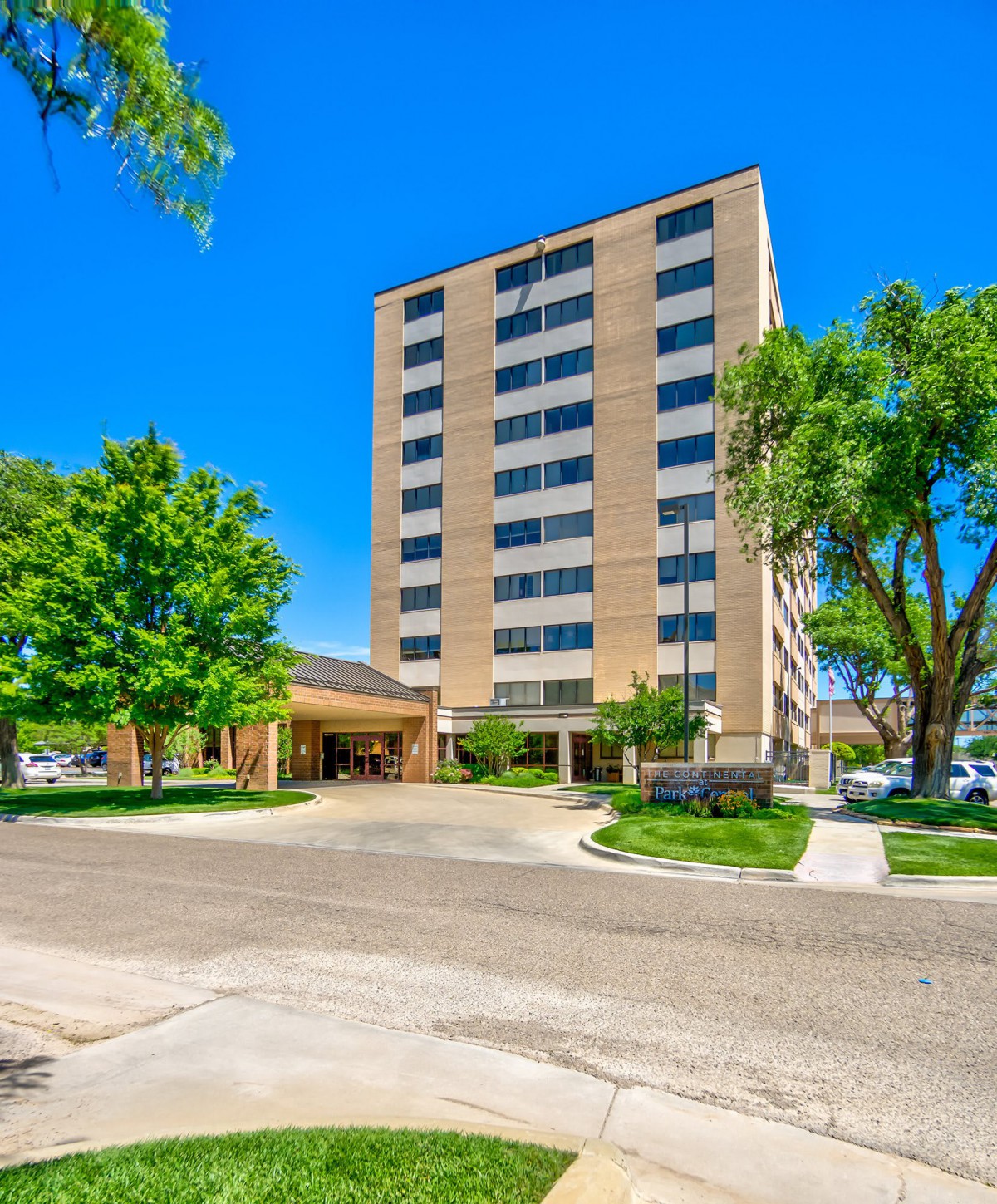
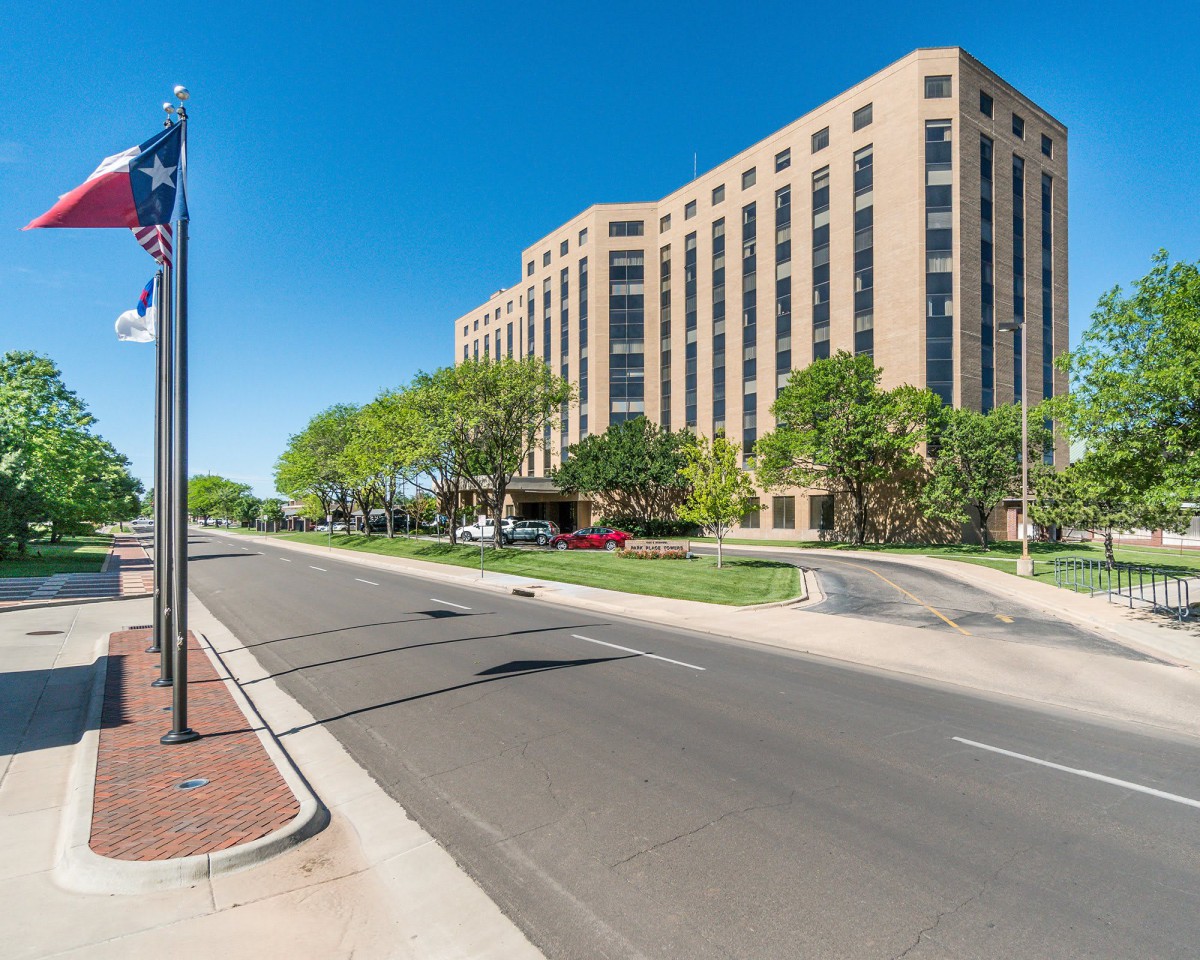
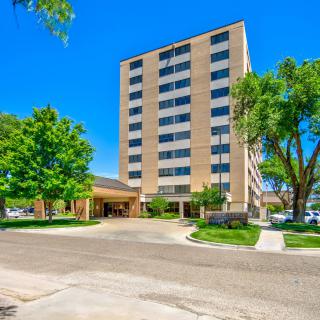
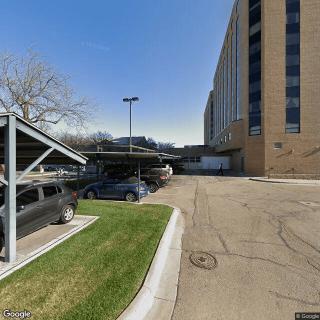
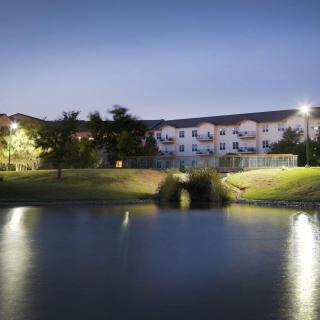
Park Central Retirement Community in Amarillo is best suited for independent seniors who want an urban, secure, activity-rich lifestyle and are comfortable with high-rise, downtown living. The community delivers clean rooms, a pleasant dining experience, and a staff that feels friendly and helpful, making city living welcoming rather than daunting. It is not the right fit for those seeking quiet, rural ambiance or a single-story, pastoral setting. The apartments are well laid out and comfortable, and the dining room stands out as a reliable daily touchpoint. In short, Park Central shines for residents who want social engagement, routine, and convenient access to downtown amenities, without requiring a higher level of care.
Alternatives are worth considering for smokers, those who want a less urban setting, or residents whose needs may escalate to assisted living or more intensive care. Park Central explicitly does not accommodate smokers, which excludes a sizable subset of potential residents. For families worried about future care needs, the community’s capacity to provide only certain levels of medical support means planning for escalation elsewhere if care needs rise. The downtown, high-rise footprint may feel confining to some, and the location may not align with those seeking quieter neighborhoods or more suburban surroundings. Those preferences point toward communities with smoking-friendly policies, different architectural options, or stronger on-site care capabilities.
On the upside, the pros align with what active seniors expect: a beautiful, well-maintained building with a warm, professional staff. Residents repeatedly note pleasant apartments, a bright dining room, and consistently good meals, with staff who are helpful and kind. The social calendar is robust, Bible study, game nights, concerts, sewing groups, pizza nights, and residents engage three to four times weekly, translating into meaningful daily quality of life. For independent seniors, security and on-site responsiveness are meaningful anchors, when questions arise, staff bring in colleagues who can answer promptly. Taken together, these factors create a sense of belonging and routine that can stabilize daily living for people who value social immersion and dependable support in a downtown setting.
Yet several drawbacks temper the appeal. The downtown setting and tower layout may feel less homey for those who prefer a more traditional residential footprint or easier street-level access. The smoking policy is a nonstarter for smokers, effectively limiting applicant pool. Perhaps most consequential, one review notes a mismatch between promised care levels and actual capability, a resident needed more care than Park Central could offer, despite assurances, and another mentions confusion around medical scenarios. This signals a potential risk for families whose loved ones approach the boundary between independent living and needing assisted care. These issues don’t erase the positives, but they tilt the balance toward caution when projected needs are uncertain.
From a planning perspective, the activity emphasis is a strong counterweight to some limitations. The programs create opportunities for meaningful daily engagement, which is a critical determinant of satisfaction for retirees. The dining experience reinforces a sense of normalcy and comfort, while clean, tidy rooms reduce immediate maintenance worries. The staff’s on-site availability and willingness to locate answers quickly adds reassurance in moments of uncertainty. For families prioritizing safety, routine, and social fulfillment, Park Central offers a credible pathway to settled retirement with less daily burden on caregivers, provided care needs remain aligned with what the community can deliver.
In practical terms, Park Central Retirement Community serves as a solid option for independent seniors who prioritize city life, robust social programming, reliable meals, and responsive staff, with a clear caveat: smoking is not allowed and escalating care needs must be planned for elsewhere. For families weighing alternatives, consider a contrast with suburban or single-story communities, or facilities that explicitly accommodate higher levels of care on-site. A candid decision should include confirming the exact level of medical support available, assessing whether the high-rise urban setting matches the loved one’s comfort, and ensuring alignment between present needs and future trajectory before committing.
 Independent Living
 Activities on-site
 Devotional services off-site
 Indoor common areas
 Amarillo International (8 miles away)
 Ambulatory care
 Diabetic care
 Meals provided
 Art classes
 Stretching classes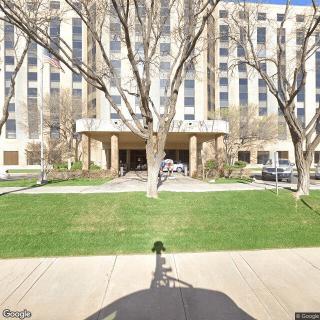

 Navigating Medicare Coverage for In-Home Care Services
 In-Home Care Costs in 2025: A Detailed State-by-State Exploration
 Understanding Home Health Care: A Comprehensive Guide