825 Fisher Avenue, Smithville, TN 37166
For more information about senior living options: (866) 208-4318
Overall Review of NHC Healthcare - Smithville
Pros
 The staff at this facility are wonderfully kind.
- The nursing care is excellent and clearly evident in words, body language, and actions.
- The staff maintain a positive attitude and treat residents very well.
- The CNA training program here is welcoming and supportive, including for individuals with vision impairment.
- The staff’s teaching and assistance help residents achieve their goals.
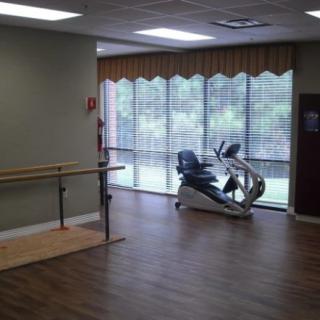
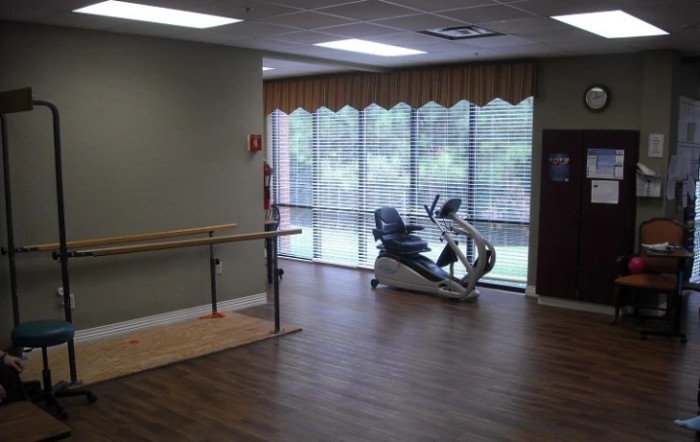
- The facility provides care that supports residents’ recovery and mobility after surgeries or health events.
- The facility demonstrates appreciation for the community and honors local heroes.
Cons
 The facility has a weak administrator, and the residents' needs are unmet.
- There is not enough staff to provide proper care.
- The administrator receives more pay than the lower-level staff.
- While there are a few good nurses, most spend their time in the office talking and are often unhelpful and unfriendly.
- The reviewer strongly advised against sending loved ones to this facility.
- There were no call lights to get help when needed, leaving residents laying in their own urine.
- The stepmother has been there for four days without physical therapy, and staff reportedly did not address toileting needs, leading to a diaper and signs of bed sores.
Review
NHC Healthcare - Smithville is best suited for families seeking a community where frontline caregivers deliver real warmth, personal attention, and opportunities for local training and involvement. It can work well for seniors recovering from surgery or stroke, or for long-term residents whose families value hands-on care and active staff engagement over a glossy centralized management image. The environment rewards interaction with caregivers and presents a path for residents to form meaningful relationships with the team. However, families who require consistently strong administration, steady nurse-to-resident ratios, and predictable governance may want to consider alternatives.
The strongest positives across the feedback center on genuine kindness and hands-on care from the caregiving team. Residents and families repeatedly note caring, approachable staff, and nursing attention that manifests in daily behavior and visible progress. Rehab remains a highlight when it has focus, with multiple accounts of mobility gains and positive momentum after surgeries or strokes. The facility’s culture also supports staff development, as evidenced by the CNA training program and favorable impressions of the training staff. In short, when staff are present and engaged, the care experience feels responsive and personable, and community members rally around the residents with warmth and encouragement.
Yet the most serious caveats emerge around governance and staffing reliability. Critics describe a weak administrator and uneven attention to resident needs, with concerns that staff are spread thin and some personnel appear inattentive or unavailable. Reports of insufficient call-light access, delays in assistance, and periods where basic comfort and hygiene seem compromised (laying in soiled conditions or delays in therapy) cannot be ignored. The repeated references to staffing gaps and administrative disconnect create a pattern that undermines the otherwise strong caregiving potential and raises legitimate questions about consistency and oversight.
Those positives and the negatives are not binary but interdependent. When the leadership is responsive, and when shifts are adequately staffed, the strong nursing care and the compassionate demeanor of front-line workers can offset some concerns, producing tangible patient gains and a genuinely supportive environment. The CNA program and the notable acts of staff kindness show what the facility can achieve with adequate resources and direction. Conversely, persistent administrative gaps and staffing shortages tend to magnify weaknesses in daily operations, eroding trust and raising the risk of care lapses that families must vigilantly monitor.
For families weighing this community, practical steps matter more than abstract assurances. Request a current staffing plan and a tour focused on day-to-day operations, including how call lights are handled, how quickly assistance is provided, and how therapy services are scheduled and delivered. Speak with front-line nurses and CNAs about workload and turnover, and ask for recent state inspection summaries to gauge governance and compliance. Seek candid feedback from current residents and families about consistency of care across shifts and whether personal needs are consistently anticipated and met. This is where the facility’s true capacity to deliver its promise becomes clear.
Bottom line: NHC Healthcare - Smithville can be a solid match for families who prize warmth, genuine caregiving, and rehab progress, provided there is comfort with potential governance variability and staffing fluctuations. It is a place where compassionate care and training opportunities can translate into meaningful resident outcomes. If oversight, reliable call-response, and steady administrative leadership are non-negotiable, however, it is wise to compare with other communities that demonstrate stronger and more consistent governance and staffing stability. Families should go in with a clear plan to observe, verify, and hold the team accountable from day one.
 6 resident community capacity
 Assisted Living
 Board and Care Home
 Skilled Nursing Facility
 Cable or satellite TV
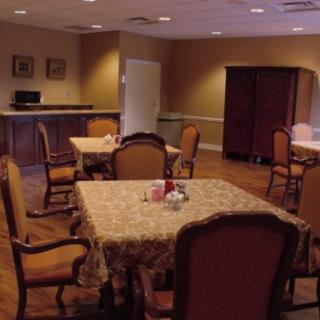
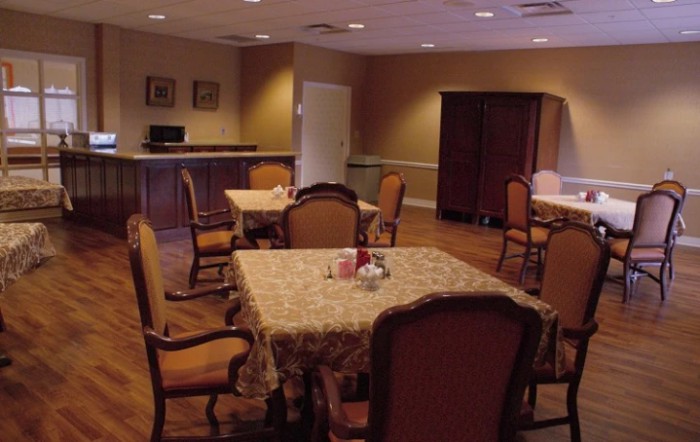
 Dining room
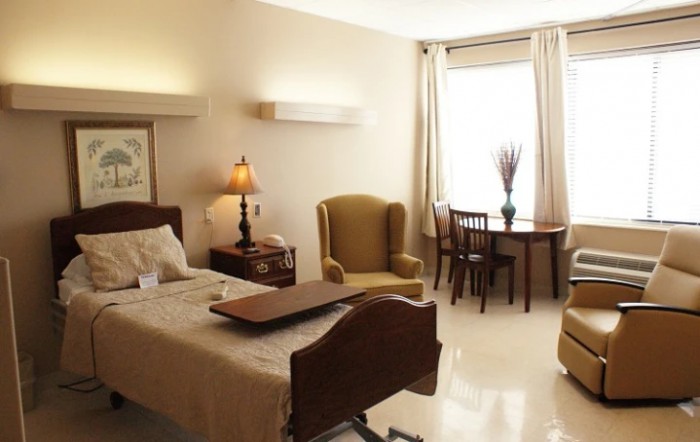
 Fully furnished
 Garden
 Housekeeping services
 Move-in coordination
 Outdoor space
 Telephone
 Wi-Fi/high-speed internet available
 24-hour supervision
 Activities of daily living assistance
 Assistance with bathing
 Assistance with dressing
 Assistance with transfers
 Diabetes diet
 Meal preparation and service
 Medication management
 Special dietary restrictions
 Transportation arrangement (medical)
 Transportation to doctors appointments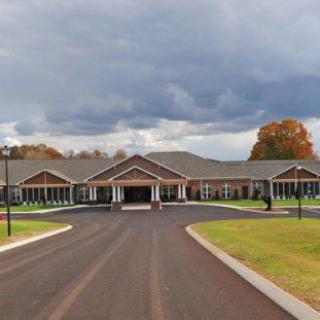




 Assisted Living Expenses and Long-Term Care Insurance: A Comprehensive Exploration
 Securing Financial Support for Assisted Living: A Comprehensive Overview
 Social Security Benefits and Assisted Living: Navigating Options Across the U.S.