
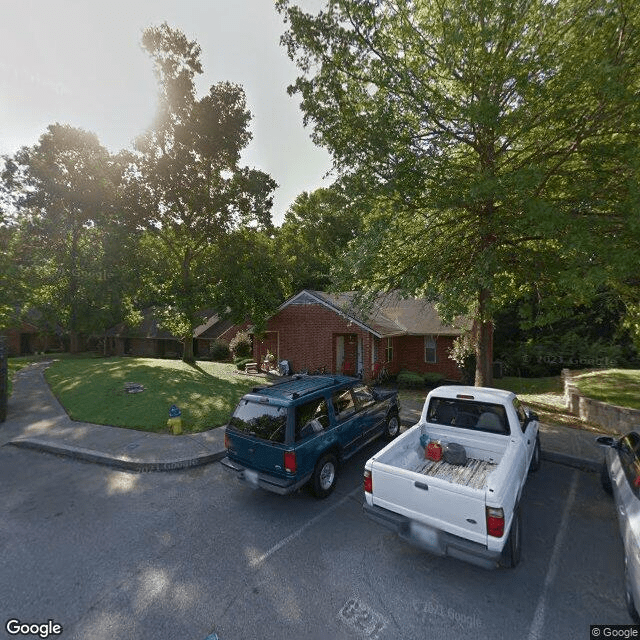
500 Leo Sharp Road, Sevierville, TN 37862
To contact a resident: (865) 453-8500
For more information about senior living options: (866) 208-4318
Overall Review of Robert Howard Village
Pros
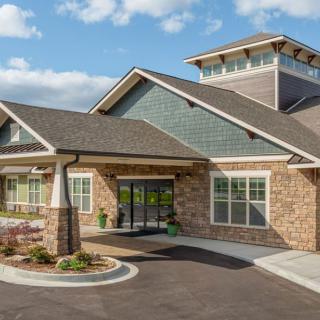
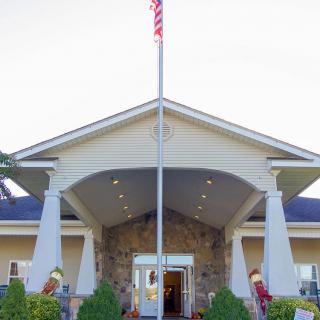
 The best place to live, with friendly front office staff and grounds that keep the apartments in great shape.
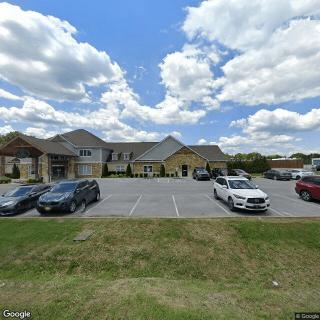
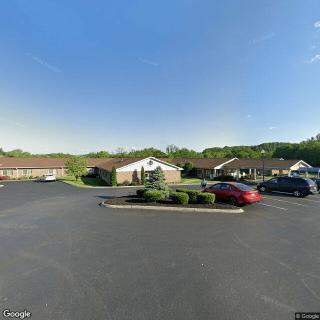
- The grounds and buildings are maintained with excellence, and the office and maintenance personnel are very kind and helpful.
- It is described as the most secure place the resident has lived in years.
- There are plenty of playgrounds and a ball court for the children.
- Management promptly moved a resident to a larger, refurbished apartment when needed.
- It is a nice place to live, with well-kept surroundings and cared-for apartments.
- The office staff are very nice even after many years of residency.
Cons
 They say the buildings are very old and not properly cared for.
- They report their unit was moldy.
- They claim repairs were done to save costs for the management.
- They state the staff don’t know how to take care of residents.
- They warn others not to move there.
- They note there are no outdoor activities for the elderly and disabled.
- They mention receiving the wrong phone number for Section 8.
Review
This community is best suited for long-tenured seniors and households that prize a quiet, secure environment, well-kept exterior spaces, and a diligent front-office presence. It works well for residents who value stable, predictable maintenance of grounds and buildings, and for families who want a visible, walkable property with outdoor spaces and a ball court where kids can play. The strongest case is made by those who appreciate a responsive staff and a sense of continuity, where moves to larger apartments or refurbishments can be accommodated when life circumstances change. In short, the setting favors residents who want reliability, helpful administration, and a community feel over flashy interiors or high-energy programming.
For those weighing alternatives, this community may feel limiting. Prospective residents who demand consistently modern interiors, frequent on-site activities tailored to the elderly or disabled, or a rigorously managed, mold-free living environment may want to look elsewhere. The property’s age and upkeep history show a clear variance: some units and common areas are well cared for, while others have suffered from neglect and moisture-related issues. If a resident needs cutting-edge amenities, highly proactive ongoing facility upgrades, or a rigorous maintenance responsiveness standard, the tradeoffs here can be difficult to justify.
The strongest positives center on grounds care, exterior maintenance, and a front office that many residents describe as kind and helpful. The grounds and buildings are kept in presentable condition, and the property earns favorable mentions for security and for staff who respond when needs arise. The ability to relocate from a smaller to a larger unit quickly and have it refurbished is highlighted as a meaningful advantage for families or individuals whose circumstances shift. When these elements align, the community feels like a dependable anchor, a place where routines settle in and neighbors feel known.
Yet the flip side cannot be ignored. A recurring thread among reviews paints a grimmer picture: aging interiors, inconsistent maintenance, and at least one dire report of mold in a tenant’s unit after more than a decade of residence. Several accounts describe cost-cutting repairs that resolve symptoms rather than address root problems, and a few residents express frustration with how upkeep and resident care are prioritized in practice. The overall impression is a property that works best for those who can tolerate uneven maintenance quality and who do not require continuous, high-level attention to indoor environmental conditions.
That divergence in experiences is the reason for caution. On one hand, there are voices praising the office team, the safety of living there, and the visible attention given to common areas and exterior spaces. On the other hand, there are strong warnings about old infrastructure, mold, and repair practices that feel reactive rather than preventive. The disparity suggests that outcomes may hinge on the particular unit, the building wing, or the timing of maintenance staff availability. For potential residents, this means a need for careful due diligence: inspect current unit conditions, ask for a maintenance history, and seek candid updates about any ongoing remediation plans before signing.
The practical takeaway is clear: this community delivers stability, security, and a cordial staff presence that can make daily life smoother for the right resident. Those who prioritize a strong sense of community, accessible outdoor spaces, and predictable administrative support will likely derive meaningful comfort here. However, if the priority is consistently pristine interiors, vibrant, resident-centered programming, and a flawless maintenance track record, other options will better meet those expectations. A well-structured tour, direct conversations with current residents, and a review of recent work orders will illuminate whether the lived reality aligns with personal expectations. For families evaluating long-term housing for aging loved ones, this community warrants serious consideration, but with eyes open to the potential for uneven upkeep and environmental concerns that may require active monitoring and ongoing dialogue.
 Active Adult Communities (55+)
 McGhee-Tyson (25 miles away)

 Understanding the Sandwich Generation: Stress and Responsibilities for Multigenerational Caregivers
 8 Essential Assistive Devices for Older Adults
 Navigating the Financial Road to Nursing Home Care: In-Depth Guidance and Resources