

9461 Memory Lane, Collegedale, TN 37363
To contact a resident: (423) 296-2614
For more information about senior living options: (866) 208-4318
Abby's Home for the Elderly Costs & Pricing
Abby's Home for the Elderly offers competitive pricing for its services, particularly when compared to broader regional costs. For a semi-private room, residents pay $2,000 per month, which is notably lower than the average of $2,083 in Hamilton County and significantly more affordable than the state average of $3,162. Similarly, the private room rate at Abby's is set at $3,000 per month, which is more economical than the county's average of $3,869 and aligns closely with Tennessee's state figure of $3,696. This positioning not only reflects Abby's commitment to providing quality care at accessible prices but also highlights its value within the local market for elderly care services.
| Floor plans | Abby's Home for the Elderly | Hamilton County | Tennessee |
|---|---|---|---|
| Semi-Private | $2,000 | $2,083 | $3,162 |
| Private | $3,000 | $3,869 | $3,696 |
Senior living communities with a similar price nearby
-
About the same

Memory Lane at Forest Plaza
$2,000 to $3,000 / month17.1 miles away -
from +$235 / mo
The Garden Plaza at Cleveland
$2,235 to $3,725 / month15.8 miles away -
from +$195 / mo

Mary and Martha’s Personal Care
$2,195 to $2,695 / month13.8 miles away -
About the same
Holiday Creekside At Shallowford
$2,039 to $3,549 / month3.7 miles away -
from +$250 / mo
Dalton Place
$2,250 to $3,770 / month18.9 miles away
Overall Review of Abby's Home for the Elderly
Pros
 The Lantern at Collegedale offers good accommodations, good food, and great staff.
- The staff members are very kind to residents and understand the challenges they face with Alzheimer's disease.
- The Lantern staff keeps families informed when residents need something.
- The Lantern staff informs families when a resident's condition changes.
- The Lantern staff informs families when doctors want to change medications.
- The Lantern provides high-quality, thoughtful, and loving support for residents.
- The Lantern provides top-notch food and dining experiences.
- The staff have been professional, courteous, and caring throughout the process.
- Every staff member is helpful and compassionate.
- The Lantern staff treat residents with respect and love, showing above-and-beyond care.
- The team goes above and beyond to make residents feel valued and safe.
- The living spaces are clean, safe, and comfortable.
Cons
 One reviewer called it a horrible place to work and claimed that the resident assistants sometimes don’t feed residents their breakfast until 10:30, even though breakfast is ready at 8.
Review
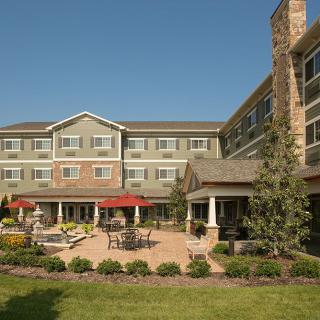
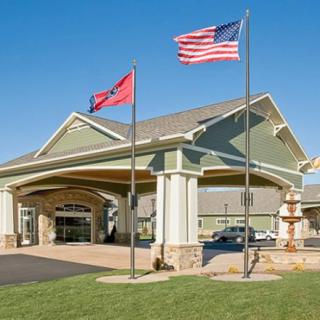
This Collegedale community is best suited for families seeking a memory-care–focused assisted living option where care teams are genuinely present, highly communicative, and deeply invested in everyday dignity and safety. It shines for residents with Alzheimer's or dementia who benefit from a small, homelike setting, where staff build personal relationships, know each resident’s routine, and proactively flag changes in health or behavior to families. For seniors who require substantial hospital-level medical oversight, frequent acute interventions, or a more independent lifestyle, this is not the right fit, and alternatives with broader clinical staffing and larger campuses should be explored.
Across the board, the strongest asset reflected in the reviews is the staff’s heart and competence. Families repeatedly note kindness, professionalism, and a genuine devotion to residents. The ability of caregivers to foresee needs, communicate promptly about changes in condition, and coordinate with physicians and families stands out as a core strength. This is not simply “good care”, it is care that feels relational, with staff who treat residents as individuals and who take the time to explain and justify care decisions. That level of engagement transforms daily routines into a trusted, dependable experience for both residents and loved ones.
Another recurring theme is the quality of daily life within the walls. Families praise nutritious, well-prepared meals and a varied activities program that infuses normalcy, celebration, and meaningful engagement into each week. The sense of community is consistently described as strong, residents appear connected to one another and to staff, and family members report feeling welcome, informed, and involved. In a setting where memory impairment can lead to anxiety or confusion, this combination of good food, purposeful activity, and consistent companionship provides stability and mood support that families prize highly.
Communication stands out as the linchpin of the model. The best reviews emphasize timely updates about health changes, medication adjustments, and daily events. Staff are described as reliable communicators who notify families promptly and respectfully. In practice, this reduces worry for out-of-town relatives and reinforces trust that the care team is aligned with the resident’s needs and family preferences. When the emphasis is on transparency and partnership, even the inevitable challenges of memory care become manageable rather than alarming.
Of course, no place is perfect, and a single negative voice in the mix serves as a cautionary reminder. The concern centers on a perception of inconsistent meal service timing attributed to staffing pressures. Even within a largely glowing consensus, this signals the importance of stable scheduling, dependable meal delivery, and proactive floor leadership to prevent routine tasks from slipping. The takeaway is not that the entire program falters, but that any community focusing on intimate, high-touch care must maintain rigorous, shift-by-shift oversight to support the day-to-day rhythm families rely on.
In weighing the highs against the occasional hurdle, the offset is clear. The Lantern–style model showcased in these reviews demonstrates what strong memory-care can look like: staff who genuinely care, clear and frequent communication, meaningful activities, and a home-like environment that respects residents’ dignity. For Abby’s Home for the Elderly to emerge as a comparable option, it should aspire to cultivate and sustain those exact dynamics, while ensuring consistent meal service, predictable staffing patterns, and visible floor-level supervision. When these components align, the resident experience becomes not just safe, but genuinely fulfilling.
Families evaluating Abby’s Home for the Elderly should enter conversations with a set of focused questions. Inquire about staff-to-resident ratios across day and night shifts, specifically within memory-care wings; request demonstration of memory-care training and ongoing education for caregivers; review care plans for dementia residents and how they adapt to evolving needs; ask how medication changes are communicated and implemented, and how families are notified of any adverse events. Probe the activity calendar to understand how engagement is personalized, how resident preferences are captured, and how celebrations or special events are integrated into routines. Finally, assess turnover rates, leadership oversight, and the process for family participation in reviews of care decisions and daily living arrangements.
The bottom line is that Abby’s Home for the Elderly should be strongly considered for families seeking intensive, compassionate memory-care in Collegedale. The community’s appeal mirrors the best of the Lantern’s reputation: attentive staff, transparent communication, and a warm, community-centered environment that respects residents’ dignity. Those who place premium importance on these attributes, and who are comfortable with a smaller, more intimate setting, will likely find a compelling fit. If, however, the requirement calls for a larger campus with broader clinical services, or for a setting oriented more toward independent living with occasional memory-care support, it would be prudent to compare with alternatives that emphasize different staffing models and scale. In the right match, Abby’s Home for the Elderly can deliver the same trusted, relational care that families repeatedly praise in Collegedale’s memory-care landscape.
 Board and Care Home
 Private
 Lovell (7 miles away)





 Nurturing Our Elders: Linda's Journey of Supporting Her Mother
 A Comprehensive Exploration of Common Misunderstandings about Powers of Attorney
 Senior Move Management: Understanding the Role, Value, and Associated Costs