For more information about senior living options: (866) 208-4318
3 from 117 reviews
5 stars
51
4 stars
5
3 stars
4
2 stars
8
1 stars
49
Health Center At Standifer Place Costs & Pricing
At Health Center At Standifer Place, the monthly costs for various room types are notably competitive when compared to both Hamilton County and the broader state of Tennessee. For semi-private rooms, residents can expect to pay between $1,674 and $2,250, significantly lower than the county's average of $2,083 and the state's average of $3,162. Studio apartments are priced at $2,325, again offering a more affordable alternative to Hamilton County's average of $2,945 and Tennessee's average of $3,485. The cost for one-bedroom units is set at $2,790 - below both local and state averages - and private rooms are available for $3,000, which remains more economical compared to Hamilton County's average of $3,869 and Tennessee's statewide average of $3,696. Overall, Health Center At Standifer Place presents a cost-effective option for those seeking quality care in a supportive environment.
Floor plans
Health Center At Standifer Place
Hamilton County
Tennessee
Semi-Private
$1,674 to $2,250
$2,083
$3,162
Studio
$2,325
$2,945
$3,485
1 Bedroom
$2,790
$3,350
$3,592
Private
$3,000
$3,869
$3,696
Overall Review of Health Center At Standifer Place
common3 reviews mention this
Families value frequent updates
Families say they receive timely updates about care and changes.
Several reviews mention that staff consistently communicated with family and provided regular check-ins. One family described weekly updates that reduced worry, while another said they were notified immediately when something was going on. A separate review also highlighted daily communication and thorough updates during a referral experience.
common3 reviews mention this
Activities keep residents engaged
Residents can stay active with organized daily activities.
Reviews point to a schedule of activities that goes beyond staying in the room. One resident/family member said the community supports attendance throughout the day and also offers an outdoor seating spot with gardens. Another review described the activity department as fun, and a separate resident mentioned regularly enjoying activities like book club, bingo, arts projects, and worship opportunities.
common3 reviews mention this
Therapy supports real progress
Many reviewers describe therapy as helpful for getting stronger.
More than one review ties improvement to the therapy program. A reviewer said the therapy department helped them make a lot of progress and hope to return home, while another described therapy as working hard to help them move toward their goals after an amputation. Another review described physical therapy and support from the team as pushing them to do more than they thought they could.
caveat6 reviews mention this
Cleanliness issues come up often
Multiple reviews report cleanliness and odor problems.
Several negative reviews mention dirty conditions, bad smells, and sanitation concerns. Examples include reports of rooms left unclean, urine or bodily fluid noted around the room, and strong odors described in the facility. A few also add that housekeeping and basic cleanliness were not being handled consistently, which worsened residents’ experiences.
How we summarize
Counts show how many written reviews mention each theme; a review can touch several themes, and only frequently mentioned themes are displayed.
Features
Housing
444 resident community capacity
Types of Care
Assisted Living
Day Program
Memory Care
Skilled Nursing Facility
Amenities
Activities on-site
Air-conditioning
Beauty salon
Cable or satellite TV
Computer center
Devotional services off-site
Dining room
Fitness room
Fully furnished
Gaming room
Garden
Housekeeping services
Indoor common areas
Kitchenette
Move-in coordination
Outdoor space
Private bathrooms
Restaurant-style dining
Small library
Telephone
Wellness center
Wi-Fi/high-speed internet available
Transportation
Lovell (4 miles away)
Community operated transportation
Transportation arrangement
Transportation arrangement (non-medical)
Transportation to doctors appointments
Care Services
12-16 hour nursing
24-hour call system
24-hour supervision
Activities of daily living assistance
Ambulatory care
Assistance with bathing
Assistance with dressing
Assistance with transfers
Diabetes diet
Meal preparation and service
Medication management
Mental wellness program
Special dietary restrictions
Dining
Diabetes diet
Meals provided
Special dietary restrictions
Activities
Activities on-site
Community-sponsored activities
Concierge services
Devotional activities offsite
Fitness programs
Planned day trips
Resident-run activities
Scheduled daily activities
Nearby Places of Interest
This part of Chattanooga, Tennessee, offers a variety of amenities and services that cater to senior living. With multiple physicians' offices nearby such as Parkridge Valley Adult & Senior Campus and Erlanger at Volkswagen Drive, residents have access to medical care within a short distance. There are also pharmacies like Walgreens and CVS Pharmacy for convenient medication needs. In terms of dining options, there are restaurants like Ruth's Chris Steak House and Zaxby's for enjoyable meals. Additionally, there are cafes like Starbucks for social outings or leisurely coffee breaks. For recreational activities, there are parks such as East Brainerd Heritage Park and Imagination Station nearby, providing opportunities for outdoor relaxation. Overall, this area offers a blend of healthcare facilities, dining options, and recreational spaces suitable for senior living in Chattanooga.
Physicians
Parkridge Valley Adult & Senior Campus (0.5 miles)
Erlanger at Volkswagen Drive (1 miles)
Chattanooga Bariatrics (1.3 miles)
Vincent A Viscomi MD (1.3 miles)
Advanced Surgical Concepts (1.3 miles)
Chattanooga Primary Care (1.6 miles)
Center For Family Medicine By Physicians Care (2.1 miles)
At Health Center At Standifer Place, the monthly costs for various room types are notably competitive when compared to both Hamilton County and the broader state of Tennessee. For semi-private rooms, residents can expect to pay between $1,674 and $2,250, significantly lower than the county's average of $2,083 and the state's average of $3,162. Studio apartments are priced at $2,325, again offering a more affordable alternative to Hamilton County's average of $2,945 and Tennessee's average of $3,485. The cost for one-bedroom units is set at $2,790 - below both local and state averages - and private rooms are available for $3,000, which remains more economical compared to Hamilton County's average of $3,869 and Tennessee's statewide average of $3,696. Overall, Health Center At Standifer Place presents a cost-effective option for those seeking quality care in a supportive environment.
The 24-hour supervision at Health Center At Standifer Place ensures that residents receive constant support and safety, which is crucial for individuals with dementia or Alzheimer's disease who may be prone to wandering or confusion. Assistance with activities of daily living, such as bathing and dressing, fosters independence while promoting dignity and self-esteem, allowing residents to maintain their personal routines. The help with transfers minimizes the risk of falls and enhances mobility, which is often a concern in this population. Thoughtfully prepared meals cater to nutritional needs and preferences, encouraging regular eating habits essential for overall health. Medication management helps ensure that residents receive the correct dosages at the right times, reducing the risk of complications from missed or incorrect medications. Additionally, a mental wellness program engages residents cognitively and socially, providing stimulation that can improve their quality of life by fostering connection and purpose. Together, these features create a supportive environment tailored to the unique needs of those living with memory impairments.
Nearby Communities
Will Cummings Apartments
Chattanooga, TN
3.3 from 140 reviews
Compassionate staff and engaging activities.
Health Center at Standifer Place
Chattanooga, TN
2.9 from 101 reviews
Broad care options (AL, IL, SNF) with extensive on-site amenities.
Caring Hearts Day Care
Chattanooga, TN
Vibrant activity program with on-site/off-site devotional services and vegetarian dining.
Southern Oaks Assisted Living
Chattanooga, TN
4.5 from 117 reviews
$2,700 / month
Small, homey setting with attentive staff and engaging activities.
Martin Boyd Christian Home
Chattanooga, TN
4.6 from 55 reviews
$3,990 / month
Loving, personalized care in a clean, home-like setting with a close-knit community.
Martin-Boyd Christian Home
Chattanooga, TN
4.2 from 31 reviews
$2,831 / month
Affordable private-room pricing relative to local averages, plus extensive amenities and 24/7 care.
Morning Pointe Of Chattanooga at Shallowford
Chattanooga, TN
4.6 from 34 reviews
$3,460 to $4,650 / month
Attentive, compassionate staff in a clean, well-maintained setting.
The Lantern At Morning Pointe Chattanooga
Chattanooga, TN
4.4 from 41 reviews
$5,375 / month
Friendly, caring staff in a clean, bright, home-like setting with engaging activities.
Hickory Valley Retirement Ctr
Chattanooga, TN
4.9 from 39 reviews
$1,525 / month
Very affordable studio living relative to local market rates.
The article highlights eight indicators that a loved one with dementia may require specialized memory care, emphasizing the emotional and logistical challenges families encounter in this decision. It discusses signs such as difficulties with daily tasks, safety concerns, and caregiver burnout, suggesting that memory care facilities can provide the necessary support and structured environments for those experiencing cognitive decline.
Dementia, primarily caused by Alzheimer's disease but also linked to other conditions, leads to cognitive decline impacting memory and daily functioning, with individuals experiencing varied awareness of their impairments. Despite memory loss, emotional connections persist, enabling responses to familiar stimuli, highlighting the need for caregivers to provide compassionate support that recognizes both limitations and retained emotional depth.
The article presents five subtle indicators of dementia, such as memory lapses and mood swings, to help families assess cognitive decline in loved ones. It emphasizes early detection, open communication, and seeking professional help while providing practical support steps.
Get PricingAsk A QuestionSchedule A TourContact Senior Advisor
By clicking submit, you agree to our Partner's Terms of Use. You
also consent to receive calls and texts, which may be autodialed, from our Partner. Your consent is not a condition to
using our Partner's service. Please visit our Partner's Privacy Policy for information about their privacy practices.


 444 resident community capacity
 Assisted Living
 Day Program
 Memory Care
 Skilled Nursing Facility
 Air-conditioning
 Beauty salon
 Cable or satellite TV
 Computer center
 Devotional services off-site
 Dining room
 Fitness room
 Fully furnished
 Gaming room
 Garden
 Housekeeping services
 Indoor common areas
 Kitchenette
 Move-in coordination
 Outdoor space
 Private bathrooms
 Restaurant-style dining
 Small library
 Telephone
 Wellness center
 Wi-Fi/high-speed internet available
 Lovell (4 miles away)
 Community operated transportation
 12-16 hour nursing
 24-hour call system
 Ambulatory care
 Assistance with bathing
 Assistance with dressing
 Assistance with transfers
 Diabetes diet
 Medication management
 Mental wellness program
 Special dietary restrictions
 Concierge services
 Planned day trips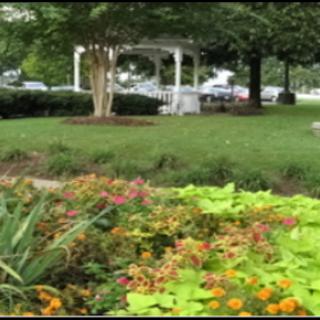
 Compassionate staff and engaging activities.

 8 Important Indicators That Memory Care May Be Necessary
 Delving into the Inner World of Dementia: Insights into Thoughts and Awareness
 Five Subtle Dementia Indicators to Observe: An In-Depth Guide to Understanding “Does My Mom Have Dementia?”