For more information about senior living options: (866) 208-4318
4.2 from 31 reviews
5 stars
23
4 stars
2
3 stars
0
2 stars
2
1 stars
4
Martin-Boyd Christian Home Costs & Pricing
At Martin-Boyd Christian Home, the monthly cost for a private room is $2,831, which significantly undercuts both Hamilton County and the broader state of Tennessee. In comparison, the average cost in Hamilton County stands at $3,869, while statewide expenses are around $3,696. This notable difference highlights Martin-Boyd Christian Home's commitment to providing affordable accommodations without sacrificing quality care. Families seeking supportive living options will find this facility presents an attractive financial alternative within the local landscape.
Floor plans
Martin-Boyd Christian Home
Hamilton County
Tennessee
Private
$2,831
$3,869
$3,696
Assisted Living communities with a similar price nearby
Residents and families consistently describe staff as kind, attentive, and easy to work with.
Many reviewers say the staff provides supportive, compassionate care and makes it feel easier for families to visit and ask questions. Several mention attentive help with day-to-day needs and responsiveness to concerns, including proactive check-ins and support with supplies. A few reviewers also describe feeling that residents are treated with dignity and that daily interactions stay consistent.
common5 reviews mention this
Activities keep residents engaged
Daily activities and planned outings are a frequent reason families mention staying involved.
Reviews often highlight structured day-to-day activities, including opportunities to exercise and participate in enrichment events. Multiple residents are described as enjoying music programs, group gatherings, and scenic drives, along with weekly outings. Others also connect the on-campus schedule to being able to keep familiar routines over time.
common7 reviews mention this
Meals are a noticeable point
Dining stands out because families talk about regularly served, well-liked meals.
Several reviewers describe the food as delicious or very good, sometimes comparing it favorably to other experiences. Others mention the community’s approach to having meals handled by staff, including references to a full-time chef and routine meal service. One reviewer adds a more mixed note that the food was not great, but still not bad, and points out that residents can keep personal food in their rooms.
caveat3 reviews mention this
Some serious care concerns
A small number of reviews raise concerns about safety, communication, and follow-through.
A few low ratings describe serious problems involving medical care and resident supervision, including allegations around delayed escalation and inadequate response to visible issues. One reviewer also questions whether incident reporting was handled appropriately, while another describes a medication-related situation and interruptions during communication. These accounts stand out compared with the many positive reports of attentive care.
How we summarize
Counts show how many written reviews mention each theme; a review can touch several themes, and only frequently mentioned themes are displayed.
Features
Housing
124 resident community capacity
Types of Care
Assisted Living
Amenities
Air-conditioning
Beauty salon
Cable or satellite TV
Computer center
Dining room
Fitness room
Fully furnished
Gaming room
Garden
Housekeeping services
Kitchenette
Move-in coordination
Outdoor space
Private bathrooms
Restaurant-style dining
Small library
Telephone
Wellness center
Wi-Fi/high-speed internet available
Transportation
Lovell (3 miles away)
Community operated transportation
Transportation arrangement
Care Services
24-hour call system
24-hour supervision
Activities of daily living assistance
Assistance with bathing
Assistance with dressing
Assistance with transfers
Diabetes diet
Meal preparation and service
Medication management
Special dietary restrictions
Dining
Diabetes diet
Special dietary restrictions
Activities
Community-sponsored activities
Concierge services
Fitness programs
Planned day trips
Resident-run activities
Scheduled daily activities
Nearby Places of Interest
Physicians
Parkridge Valley Adult & Senior Campus (0.8 miles)
At Martin-Boyd Christian Home, the monthly cost for a private room is $2,831, which significantly undercuts both Hamilton County and the broader state of Tennessee. In comparison, the average cost in Hamilton County stands at $3,869, while statewide expenses are around $3,696. This notable difference highlights Martin-Boyd Christian Home's commitment to providing affordable accommodations without sacrificing quality care. Families seeking supportive living options will find this facility presents an attractive financial alternative within the local landscape.
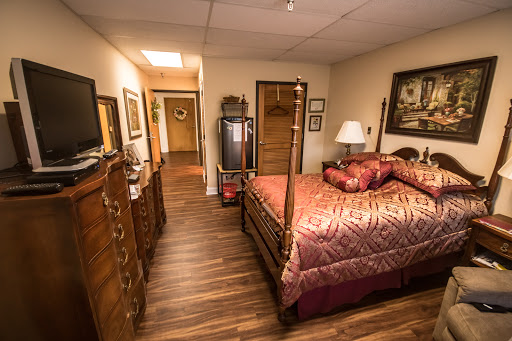
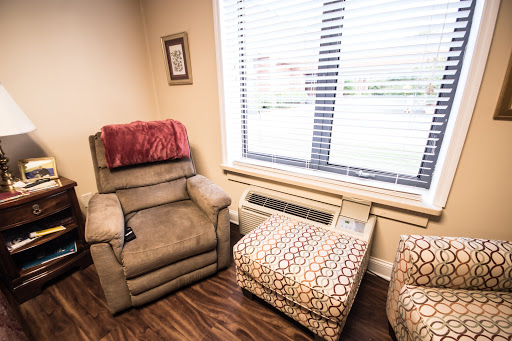
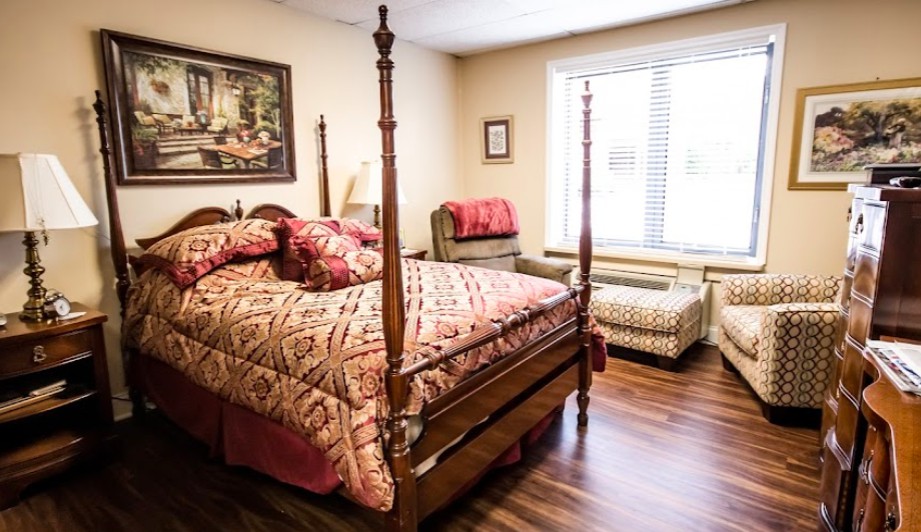
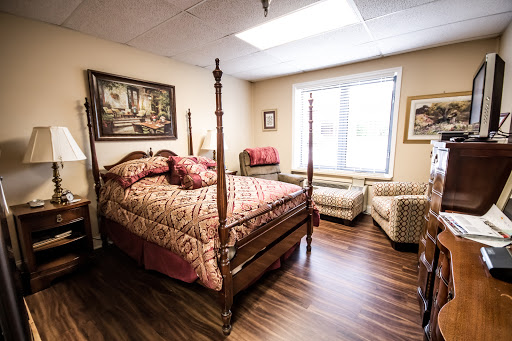
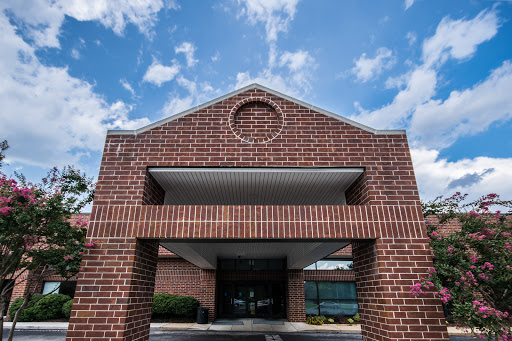
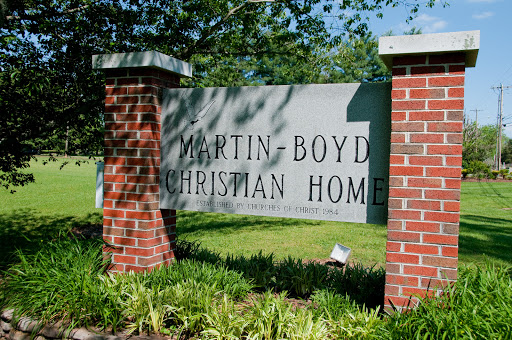
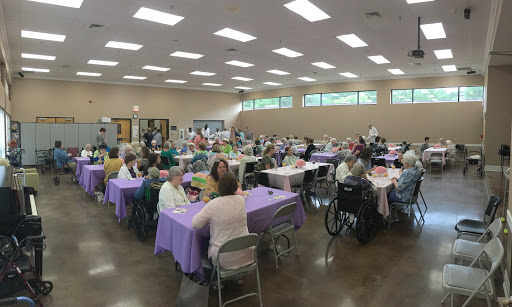
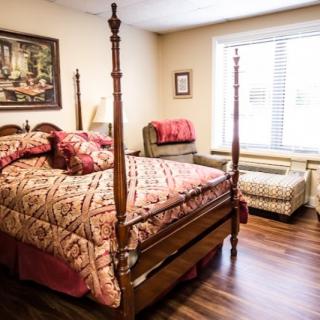
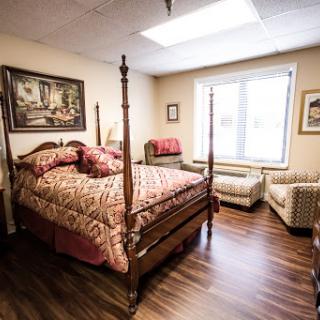
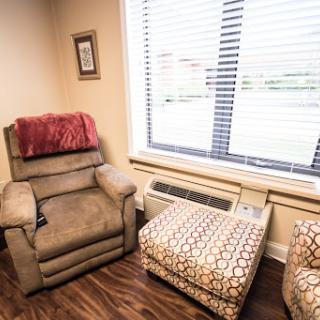
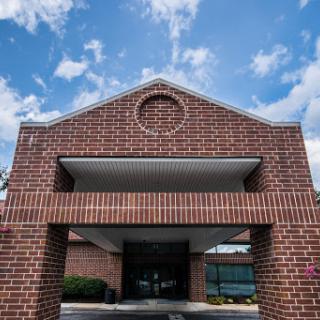
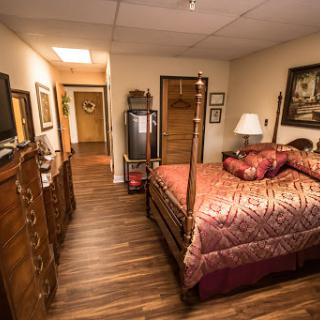
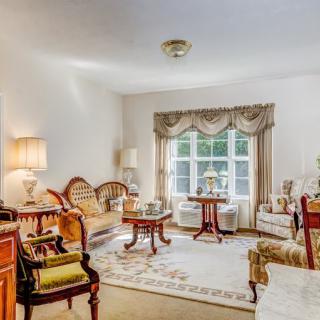
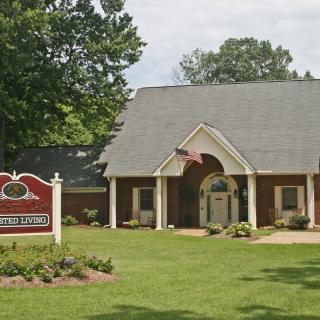
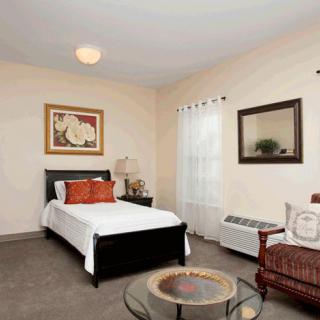
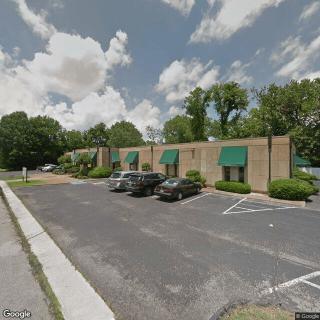
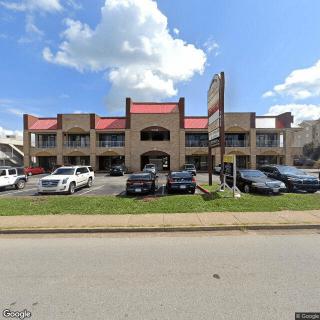
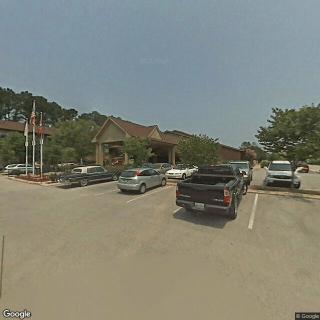
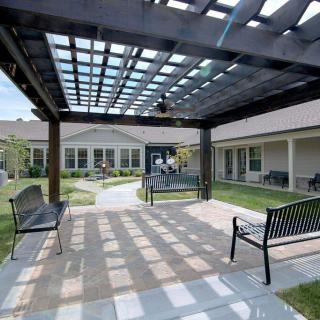
Martin-Boyd Christian Home on seniors.fyi includes 9 photos including images showing bedroom, interior, windows, decor, building, outdoors, lighting, architecture, and more.
Nearby Communities
Martin Boyd Christian Home
Chattanooga, TN
4.6 from 55 reviews
$3,990 / month
Loving, personalized care in a clean, home-like setting with a close-knit community.
Southern Oaks Assisted Living
Chattanooga, TN
4.5 from 117 reviews
$2,700 / month
Small, homey setting with attentive staff and engaging activities.
American House Shallowford
Chattanooga, TN
4.3 from 73 reviews
$2,492 to $4,489 / month
Caring, attentive staff with a clean, activity-friendly environment.
Caring Hearts Day Care
Chattanooga, TN
Vibrant activity program with on-site/off-site devotional services and vegetarian dining.
ComForcare Senior Services
Chattanooga, TN
4.8 from 37 reviews
Pet-friendly assisted living with convenient access to healthcare, dining, and parks nearby.
Caring Senior Services
Chattanooga, TN
5 from 19 reviews
Highly personalized care with professional, responsive staff and 24/7 support during crises.
Health Center At Standifer Place
Chattanooga, TN
3 from 117 reviews
$1,674 to $3,000 / month
Dedicated staff with on-site medical oversight.
Hickory Valley Retirement Ctr
Chattanooga, TN
4.9 from 39 reviews
$1,525 / month
Very affordable studio living relative to local market rates.
The Lantern At Morning Pointe Chattanooga
Chattanooga, TN
4.4 from 41 reviews
$5,375 / month
Friendly, caring staff in a clean, bright, home-like setting with engaging activities.
Assisted living communities offer diverse activities beyond traditional games to enhance seniors' physical health, cognitive well-being, emotional enrichment, and social connections, including fitness classes, creative expression, and intergenerational interactions. These enriching programs foster community bonds and support residents' independence and happiness.
The article differentiates between assisted living and memory care, explaining that assisted living supports seniors with daily activities while promoting independence, whereas memory care provides specialized services for individuals with dementia, focusing on secure environments and cognitive support. It also addresses staff training, safety considerations, costs, family involvement, and transition strategies for families navigating these care options.
Family caregivers face emotional, legal, and practical challenges when elderly parents refuse assisted living, often due to fears of losing autonomy. Open conversations and professional assessments can help address these concerns while exploring alternatives and ensuring safety, potentially leading to legal guardianship if necessary.
Get PricingAsk A QuestionSchedule A TourContact Senior Advisor
By clicking submit, you agree to our Partner's Terms of Use. You
also consent to receive calls and texts, which may be autodialed, from our Partner. Your consent is not a condition to
using our Partner's service. Please visit our Partner's Privacy Policy for information about their privacy practices.




 124 resident community capacity
 Assisted Living
 Air-conditioning
 Beauty salon
 Cable or satellite TV
 Computer center
 Dining room
 Fitness room
 Fully furnished
 Gaming room
 Garden
 Housekeeping services
 Kitchenette
 Move-in coordination
 Outdoor space
 Private bathrooms
 Restaurant-style dining
 Small library
 Telephone
 Wellness center
 Wi-Fi/high-speed internet available
 Lovell (3 miles away)
 Community operated transportation
 24-hour call system
 Activities of daily living assistance
 Assistance with bathing
 Assistance with dressing
 Assistance with transfers
 Diabetes diet
 Medication management
 Special dietary restrictions
 Concierge services
 Planned day trips
 Loving, personalized care in a clean, home-like setting with a close-knit community.
 Beyond the Bingo Hall: 50+ Enriching Activities for Seniors in Assisted Living
 Understanding the Distinctions: Assisted Living and Memory Care Explained
 Guiding Elderly Parents Who Refuse Assisted Living: 6 Practical Steps