Barton House offers competitive monthly rates for its accommodations, particularly when compared to both Williamson County and the broader state of Tennessee. For a studio unit, Barton House charges $4,750, which is notably higher than the county's average of $3,740 and the state's rate of $3,485. Similarly, the one-bedroom option at Barton House is priced at $5,600 - again exceeding Williamson County's average of $4,261 and Tennessee's overall figure of $3,592. While these costs reflect Barton's premium offerings and perhaps enhanced amenities or services, prospective residents may want to weigh these against local and state averages before making their decision.
Floor plans
Barton House
Williamson County
Tennessee
Studio
$4,750
$3,740
$3,485
1 Bedroom
$5,600
$4,261
$3,592
Memory care communities with a similar price nearby
Several residents’ families describe Barton House as a dementia-focused care setting.
Multiple reviews connect the move to Alzheimer’s or dementia, describing a community designed around memory-care needs. Families also describe staff familiarity with dementia-related routines and strategies, with some mentioning regular training and dementia-specific support for families. Residents are portrayed as staying engaged and safe while being given room to move and participate in day-to-day life.
common28 reviews mention this
Caring, attentive staff stands out
Reviews consistently highlight compassionate, attentive staff members and caregivers.
Across many reviews, families describe staff as kind, compassionate, and responsive to day-to-day needs. Several note that the staff feels respectful toward both residents and families, and that communication helps make coordination easier. A small number of reviews take a sharply negative view of management and care, but even those contrast against the care experience some other families report.
common10 reviews mention this
Activities keep residents engaged
Residents and families describe frequent activities that keep people involved.
Many reviews point to strong activity programming, including residents staying active throughout the day rather than only sitting in rooms. Families mention scheduled activities, participation that includes residents and sometimes families, and frequent music or live entertainment. Several also describe how staff helps residents get out and join activities, contributing to upbeat moods.
common9 reviews mention this
Clean, home-like environment
Reviews frequently mention a clean, well-kept, home-like setting.
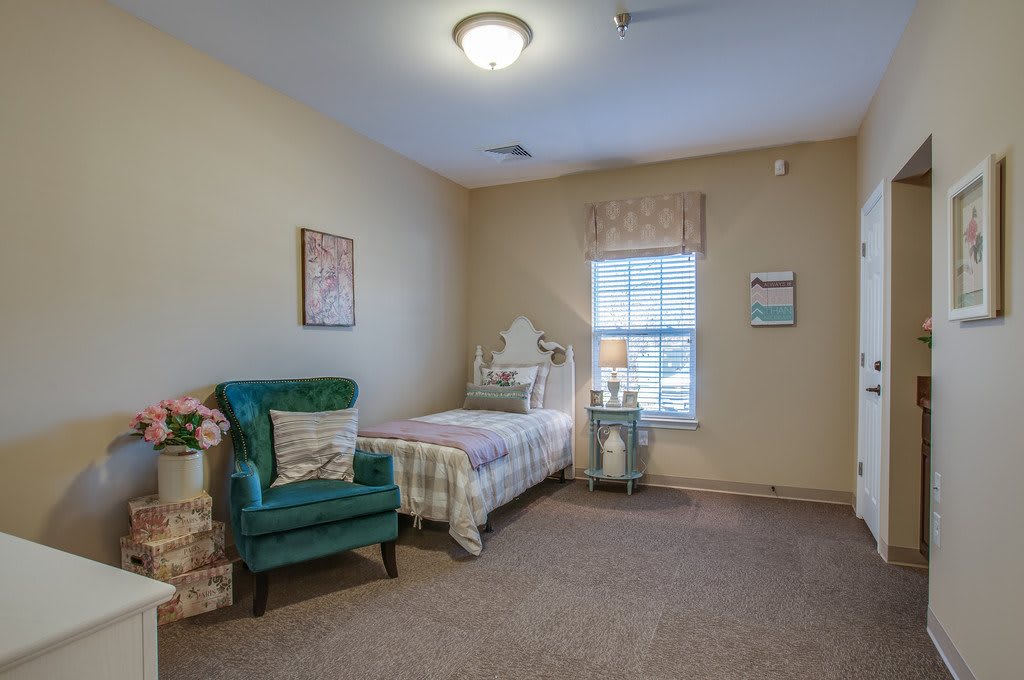
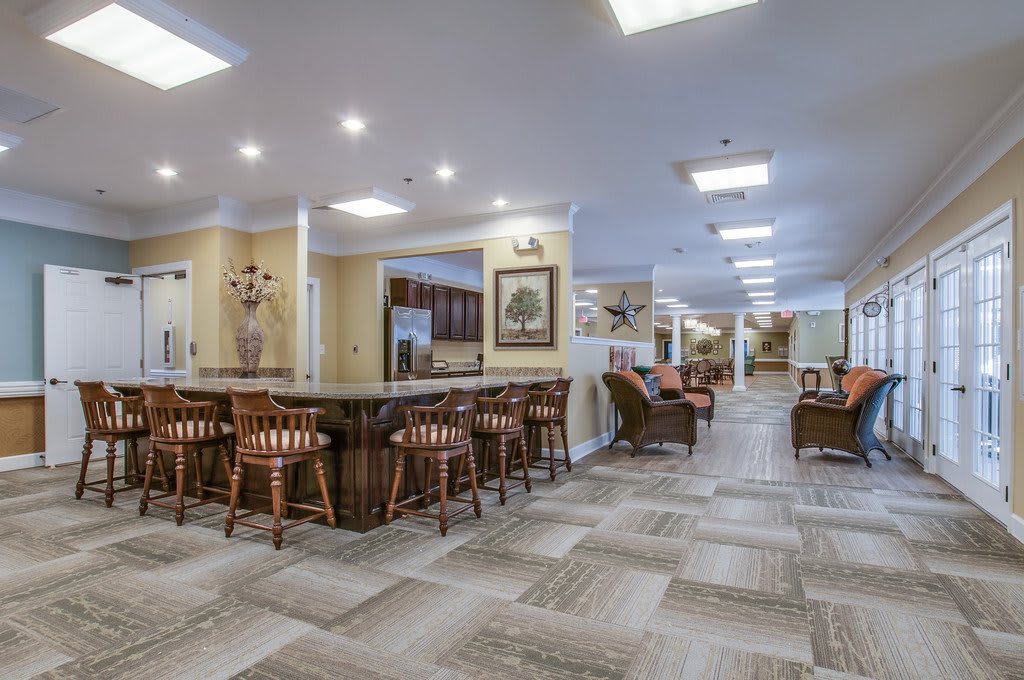
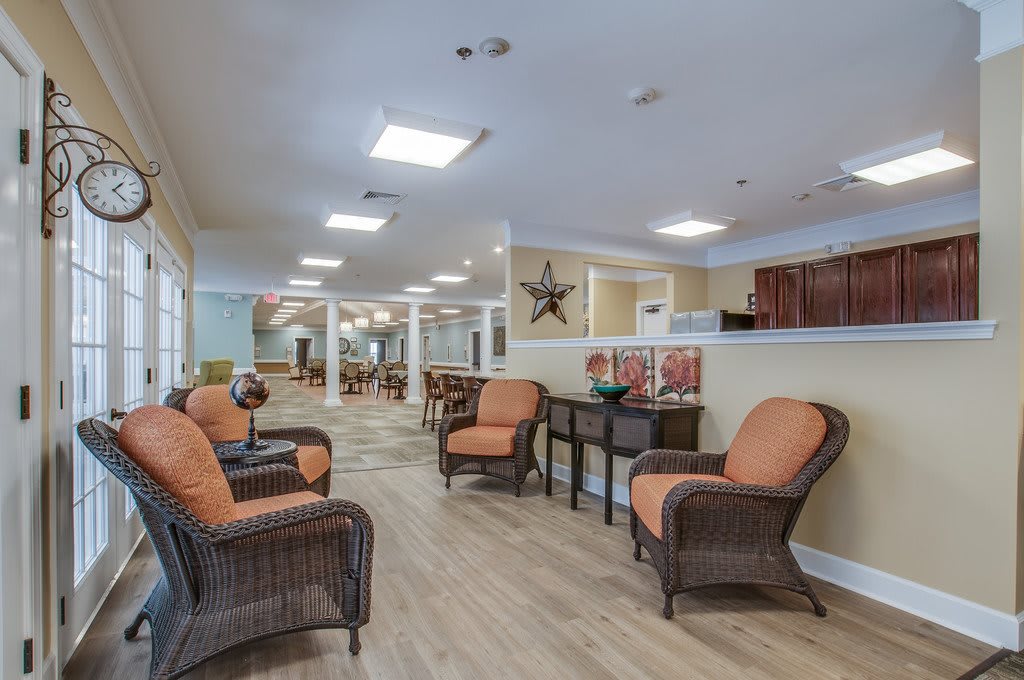
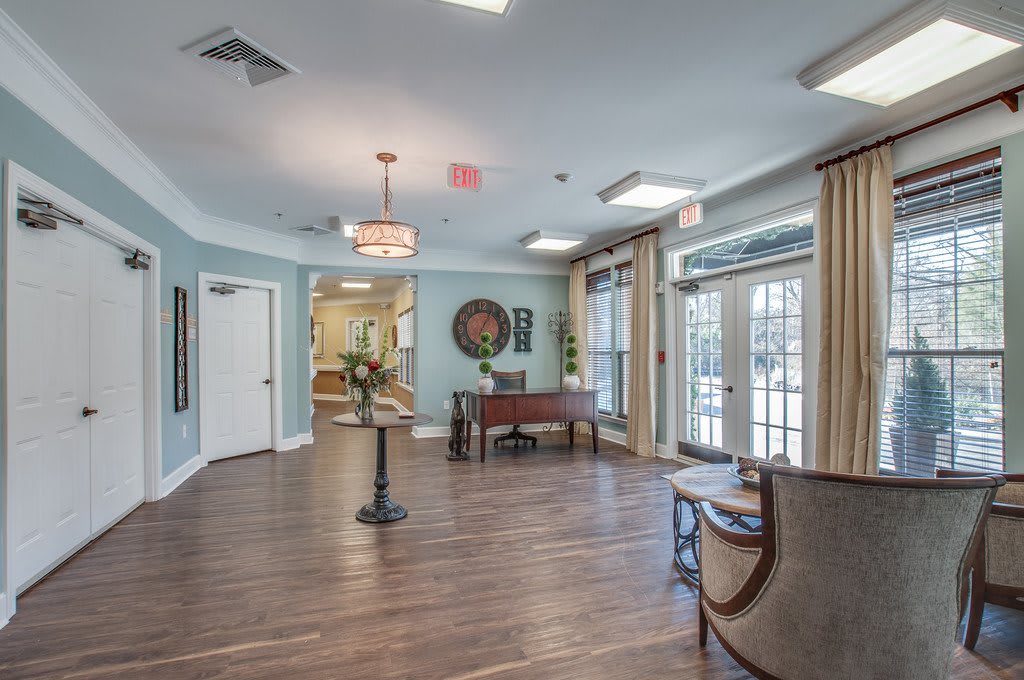
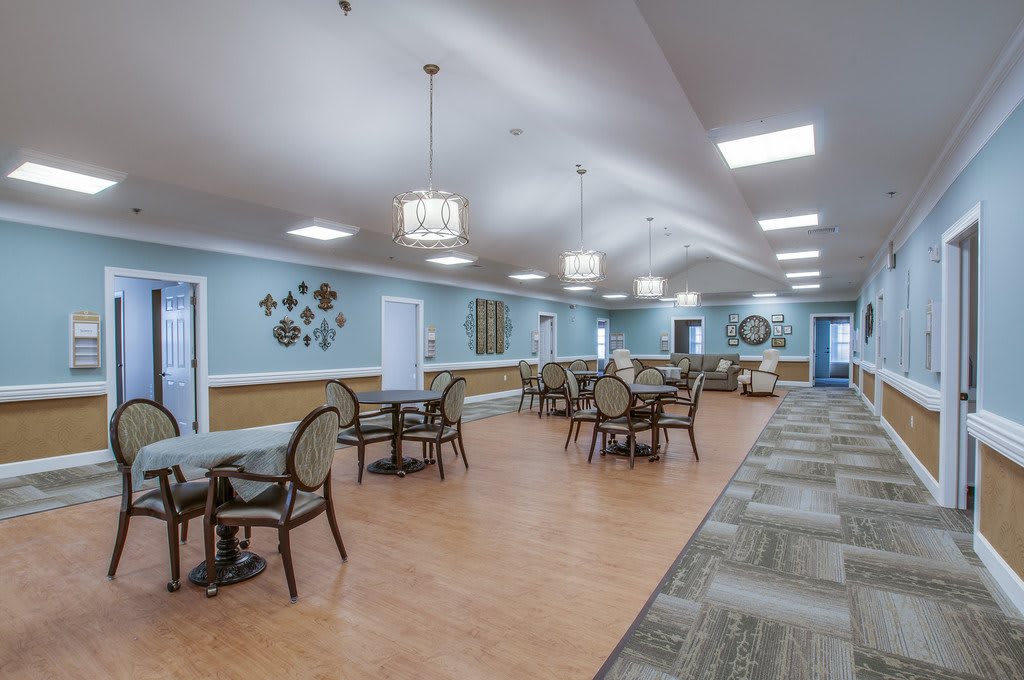
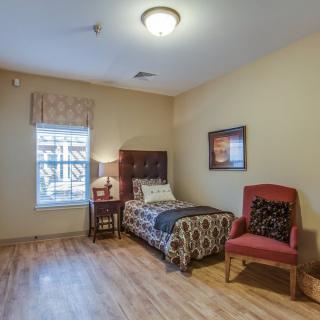
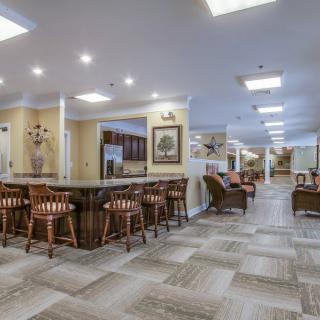
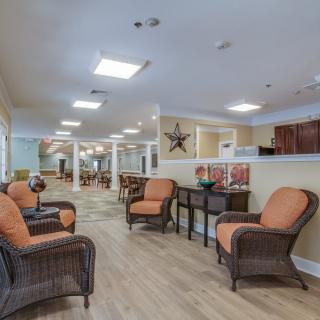
Reviews describe the facility as clean and maintained, with some families emphasizing that rooms and common areas feel well cared for. Several also mention an environment that feels more home-like than institutional, including an open layout they associate with ease and comfort. One review raises a safety-and-privacy concern about door locks, but it stands apart from the broader theme of cleanliness and thoughtful management.
How we summarize
Counts show how many written reviews mention each theme; a review can touch several themes, and only frequently mentioned themes are displayed.
Features
Housing
44 resident community capacity
Types of Care
Assisted Living
Memory Care
Amenities
Activities on-site
Beautician on-site
Beauty salon
Cable or satellite TV
Devotional services on-site
Dining room
Fully furnished
Garden
Housekeeping services
Indoor common areas
Kitchenette
Move-in coordination
Outdoor common areas
Outdoor space
Respite or short term stays offered
Telephone
Wheelchair accessible showers
Wi-Fi/high-speed internet available
Transportation
Nashville International (15 miles away)
Care Services
24-hour call system
24-hour supervision
Activities of daily living assistance
Ambulatory care
Assistance with bathing
Assistance with dressing
Assistance with transfers
Coordination with health care providers
Diabetes diet
Diabetic care
Incontinence care
Meal preparation and service
Medication management
Mental wellness program
Special dietary restrictions
Transportation arrangement (medical)
Transportation to doctors appointments
Dining
Diabetes diet
Meals provided
Special dietary restrictions
Activities
Activities on-site
Community-sponsored activities
Devotional activities on-site
Resident-run activities
Scheduled daily activities
Nearby Places of Interest
This area of Nashville, Tennessee offers a convenient and accessible location with a variety of amenities within close proximity. There are several pharmacies nearby, making it easy to access medication and healthcare services. A selection of popular restaurants and cafes cater to different dining preferences, while theaters offer entertainment options. Places of worship provide spiritual support, and there are numerous physicians and hospitals in the vicinity for medical needs. Parks provide opportunities for outdoor recreation and relaxation. Transportation options are available at the nearby airport for travel convenience. Overall, this area offers a well-rounded community with resources that cater to the needs of seniors looking for a comfortable living environment.
Pharmacies
Walgreens (0.1 miles)
CVS Pharmacy (1.5 miles)
Walgreens (2.2 miles)
Icompound (2.3 miles)
Walgreens (4.7 miles)
Walgreens (6.8 miles)
Walgreens (7.1 miles)
Restaurants
Taco Bell (0.2 miles)
Waffle House (0.4 miles)
Burger King (1.5 miles)
Hardee's (1.5 miles)
McDonald's (1.5 miles)
Wayback Burgers (4.3 miles)
Bojangles' Famous Chicken 'n Biscuits (4.4 miles)
Cafes
The Well Coffeehouse (0.2 miles)
Starbucks (1.7 miles)
Starbucks (2.3 miles)
Starbucks (4.9 miles)
Frothy Monkey (8.1 miles)
Starbucks (8.7 miles)
Starbucks (9.4 miles)
Theaters
AMC Bellevue 12 (0.3 miles)
Regal Green Hills (7.7 miles)
Belcourt Theatre (9.2 miles)
Places of Worship
Bellevue Presbyterian Church (0.8 miles)
Calvary United Methodist Church (8 miles)
Brentwood United Methodist Church (9.3 miles)
Fellowship Bible Church - Brentwood Campus (9.7 miles)
Physicians
Jessup Eye Care (1.4 miles)
Audiology Associates and Hearing Aids Today (6.3 miles)
Barton House offers competitive monthly rates for its accommodations, particularly when compared to both Williamson County and the broader state of Tennessee. For a studio unit, Barton House charges $4,750, which is notably higher than the county's average of $3,740 and the state's rate of $3,485. Similarly, the one-bedroom option at Barton House is priced at $5,600 - again exceeding Williamson County's average of $4,261 and Tennessee's overall figure of $3,592. While these costs reflect Barton's premium offerings and perhaps enhanced amenities or services, prospective residents may want to weigh these against local and state averages before making their decision.
Barton House's range of features is designed to create a supportive environment tailored to the needs of residents living with dementia or Alzheimer's disease. Assistance with dressing and bathing helps maintain personal hygiene and dignity, while medication management ensures that residents adhere to their prescribed regimens, minimizing confusion and potential health risks. Meal preparation and service cater to individual dietary requirements, promoting both nutrition and enjoyment during mealtimes. Transportation arrangement for medical appointments not only ensures that residents receive necessary healthcare but also reduces anxiety related to travel logistics. Coordination with healthcare providers facilitates comprehensive care planning and monitoring, enhancing overall wellbeing. Activities of daily living assistance empowers residents to engage in meaningful tasks while maintaining independence as much as possible. The 24-hour supervision offers reassurance for both residents and their families, ensuring safety at all times. Additionally, the mental wellness program provides cognitive stimulation through engaging activities, which can help improve quality of life and emotional health. Incontinence care addresses a sensitive aspect of personal care with compassion, allowing residents to feel comfortable and dignified in their environment. Each feature plays a vital role in creating a holistic approach that not only meets physiological needs but also nurtures emotional and social connections among residents.
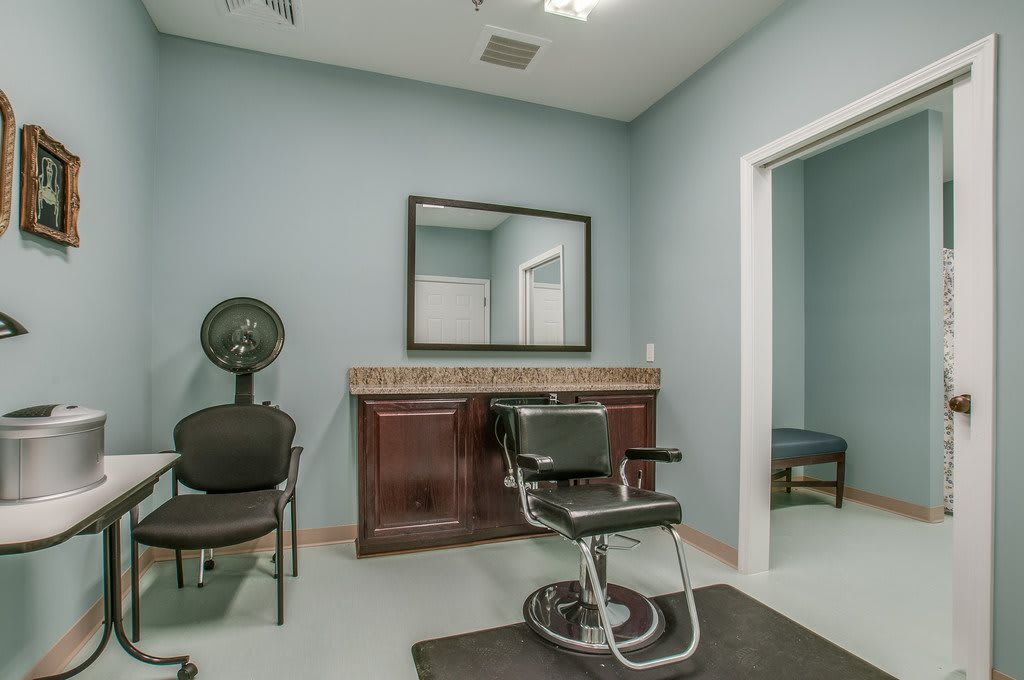
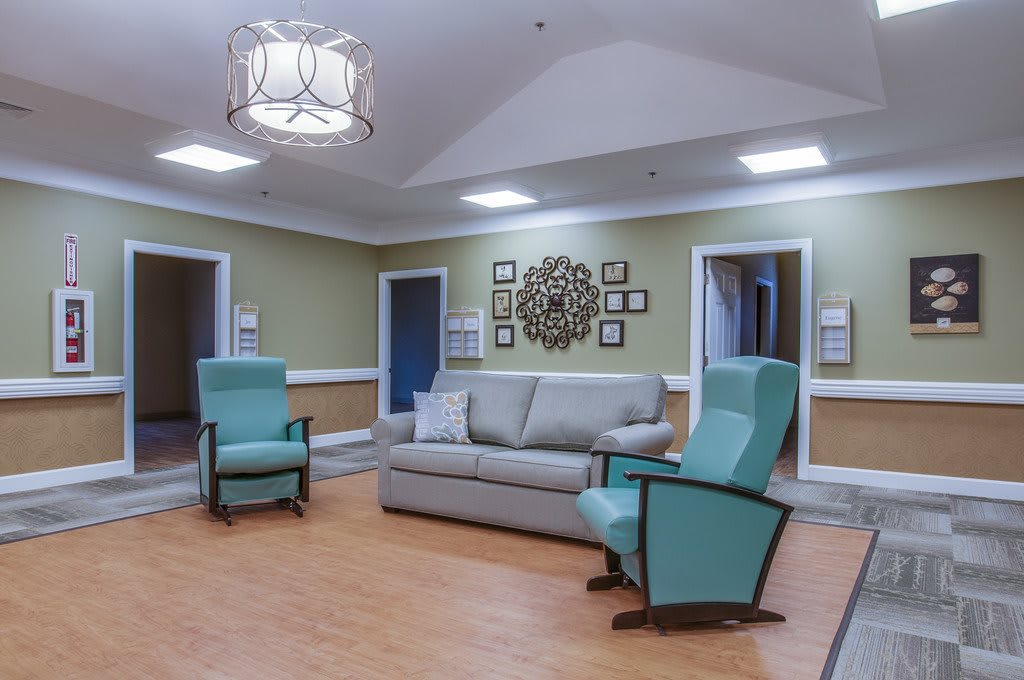
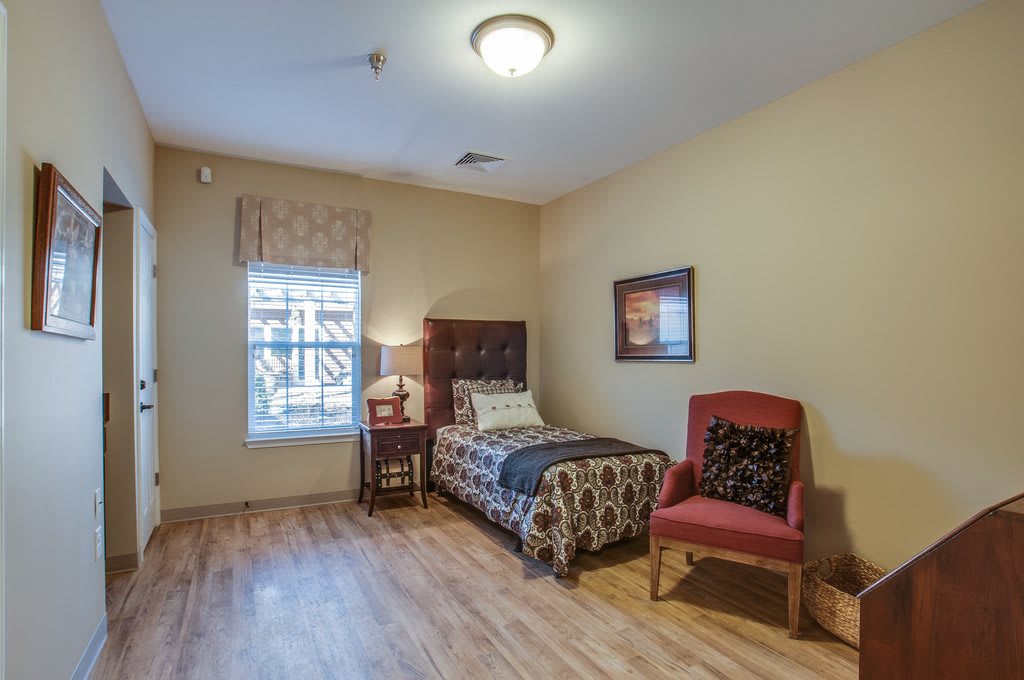
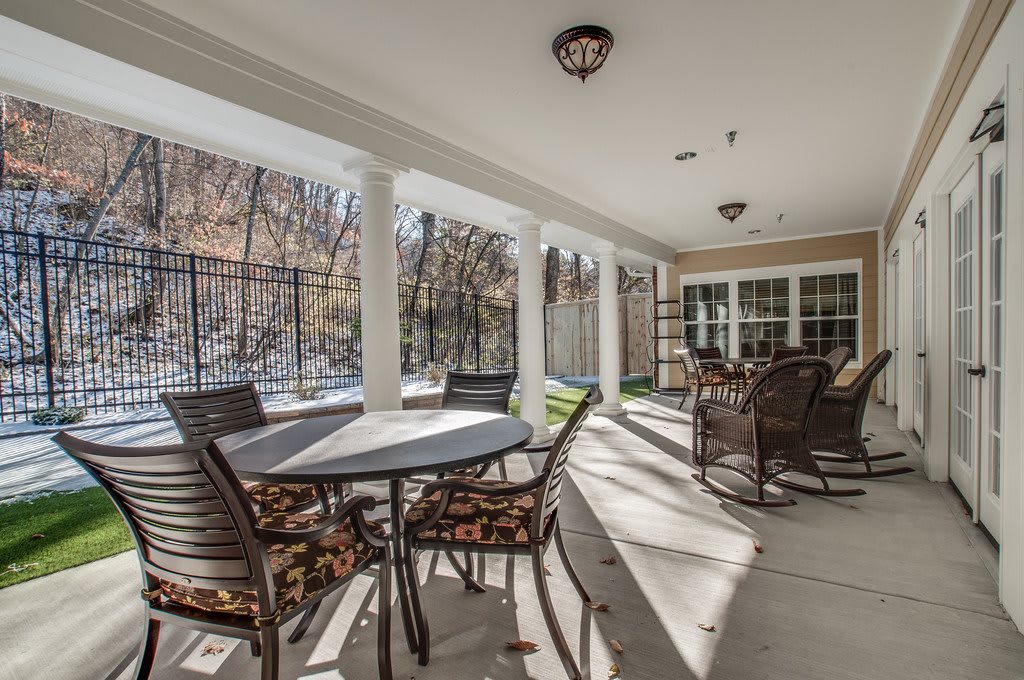
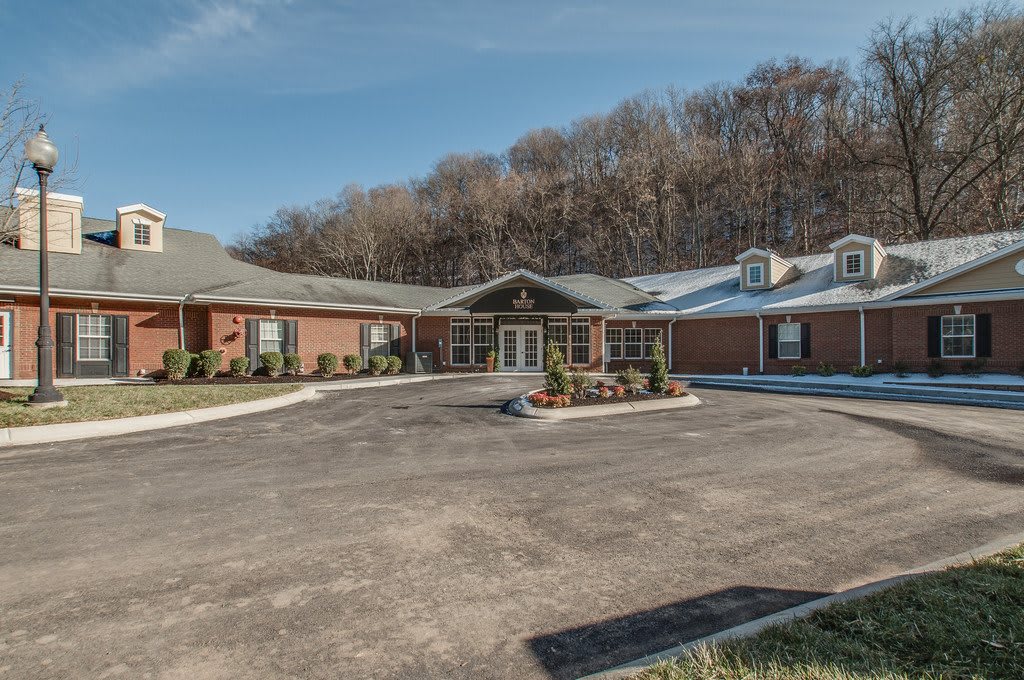
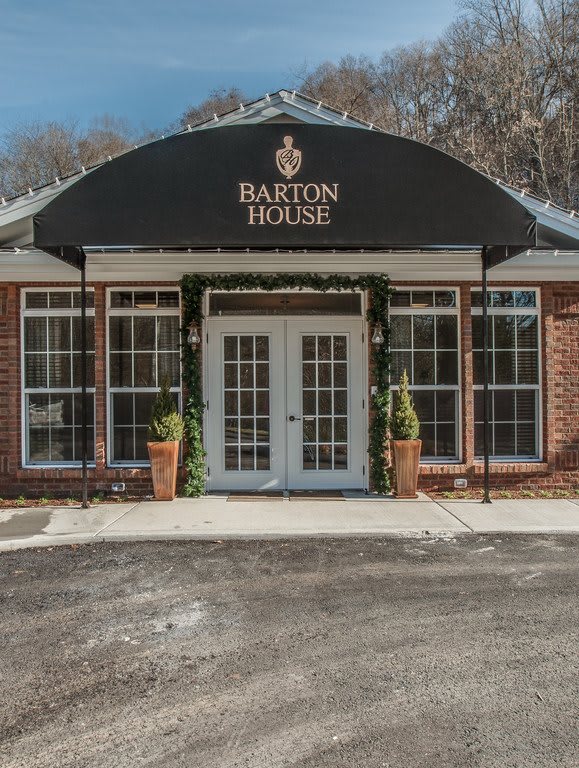
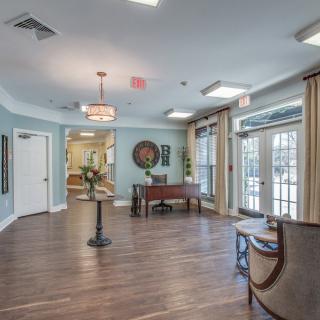
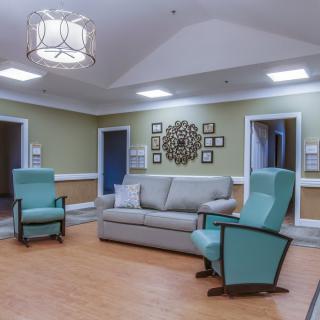
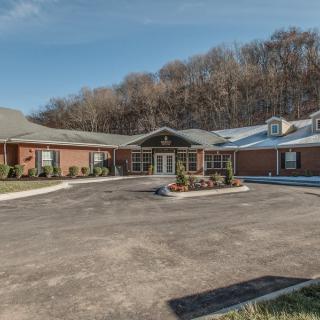
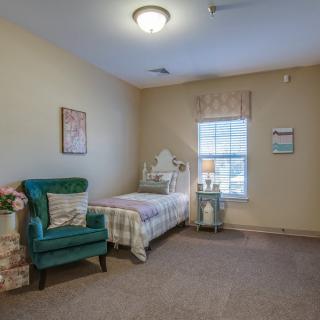
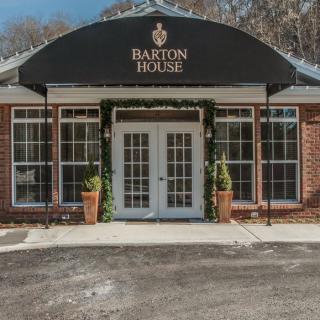
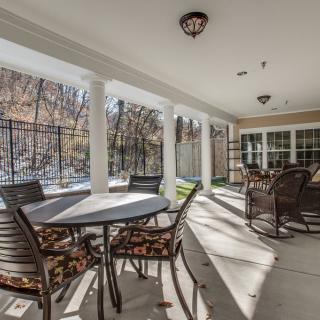
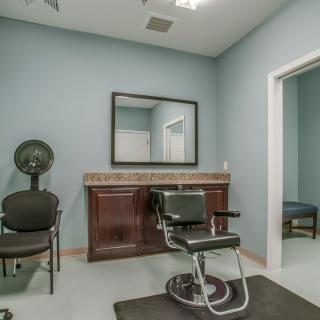
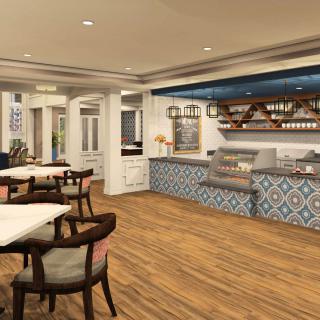
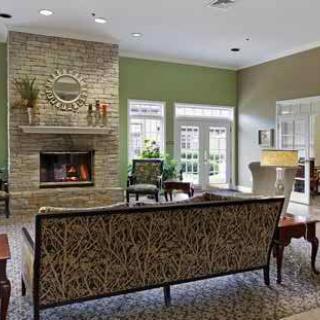
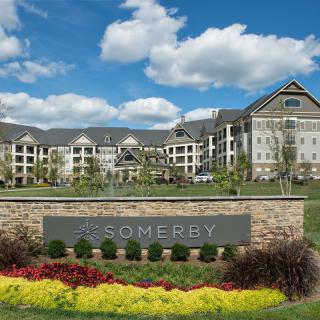
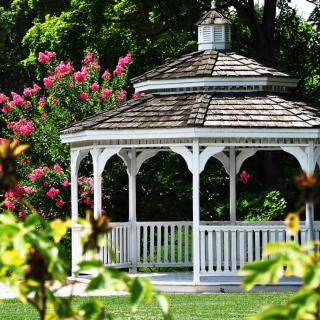
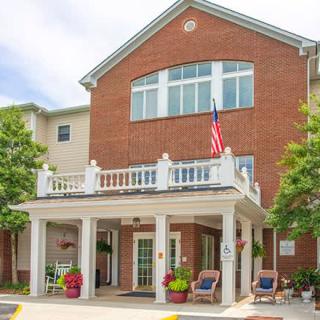
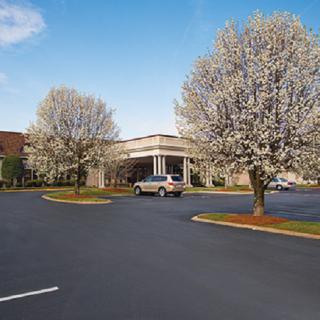
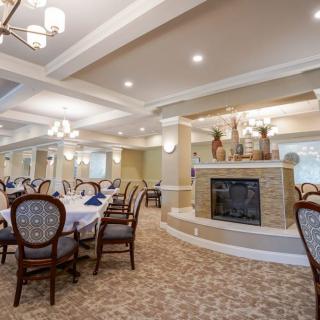
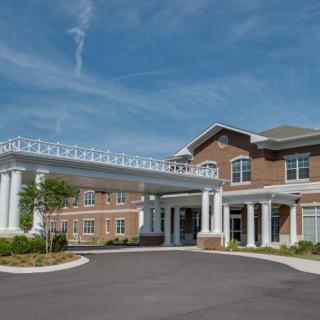
Barton House on seniors.fyi includes 15 photos including images showing interior, decor, bedroom, windows, seating area, building, salon, lobby, and more.
Nearby Communities
Clarendale At Bellevue Place
Nashville, TN
4.7 from 154 reviews
$4,000 to $5,880 / month
Warm, welcoming staff with a strong sense of community, plus good amenities and dining.
Clarendale At Bellevue Place
Nashville, TN
4.9 from 100 reviews
Comprehensive care and amenities: 24/7 staff, medication management, diabetes-friendly dining, and engaging activities.
The Village at Bellevue
Nashville, TN
4.3 from 95 reviews
$3,280 to $5,010 / month
Caring staff in a welcoming, home-like, clean environment.
The Waterford Assisted Living
Nashville, TN
4.5 from 31 reviews
Specialized memory care in a comfortable, amenity-rich setting.
Sunrise Home Care
Nashville, TN
4 from 11 reviews
$5,000 / month
Friendly, attentive staff in a clean, home-like small-group setting that enables personalized care.
The Meadows
Nashville, TN
4.2 from 14 reviews
$4,200 to $7,200 / month
Welcoming, homelike atmosphere with attentive staff and good dining.
Lakeshore Estates The Meadows
Nashville, TN
2.7 from 12 reviews
Comprehensive care options (CCRC, Independent Living, Memory Care, Skilled Nursing) with 24-hour supervision.
Harmony At Bellevue
Nashville, TN
4.3 from 76 reviews
Friendly, attentive staff; clean facilities with ample activities.
Nhc Place At The Trace
Nashville, TN
3.6 from 56 reviews
Excellent staff attention and dining; pristine facilities in a peaceful setting.
Dementia is characterized by cognitive decline, with nutrition playing a vital role in brain health; while no specific diet can prevent or reverse it, a nutrient-dense diet rich in antioxidants and healthy fats may support cognitive function. The MIND diet, which emphasizes beneficial foods and limits processed items, along with proper hydration and individualized meal strategies, can enhance the well-being of dementia patients.
Dementia affects memory and cognitive function in older adults, presenting challenges for caregivers due to behavioral changes such as confusion and mood swings. Compassionate, person-centered care that considers individual history and preferences, along with effective communication and environmental modifications, is essential for supporting both patients and their caregivers.
Dementia leads to cognitive impairment and can cause emotional and behavioral changes, including aggression that arises from frustration, confusion, or fear. Effective coping strategies for caregivers include understanding dementia's nature, recognizing triggers, using empathetic communication, and employing non-pharmacological interventions like music and art therapy.
Get PricingAsk A QuestionSchedule A TourContact Senior Advisor
By clicking submit, you agree to our Partner's Terms of Use. You
also consent to receive calls and texts, which may be autodialed, from our Partner. Your consent is not a condition to
using our Partner's service. Please visit our Partner's Privacy Policy for information about their privacy practices.


 44 resident community capacity
 Assisted Living
 Memory Care
 Activities on-site
 Beautician on-site
 Cable or satellite TV
 Devotional services on-site
 Dining room
 Fully furnished
 Garden
 Housekeeping services
 Indoor common areas
 Kitchenette
 Move-in coordination
 Outdoor common areas
 Respite or short term stays offered
 Telephone
 Wheelchair accessible showers
 Wi-Fi/high-speed internet available
 Nashville International (15 miles away)
 24-hour call system
 Ambulatory care
 Assistance with bathing
 Assistance with dressing
 Assistance with transfers
 Diabetes diet
 Diabetic care
 Incontinence care
 Meal preparation and service
 Medication management
 Mental wellness program
 Special dietary restrictions
 Transportation arrangement (medical)
 Transportation to doctors appointments
 Warm, welcoming staff with a strong sense of community, plus good amenities and dining.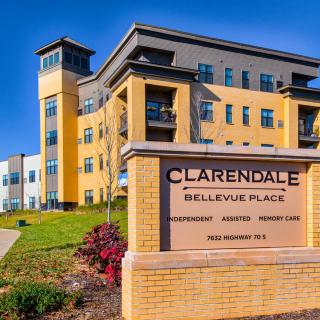

 Nourishing the Mind: Essential Dietary Approaches for Dementia
 Understanding Dementia Behaviors: Practical Insights and Strategies for Caregivers
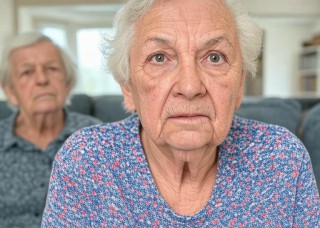 When Dementia Sparks Anger and Aggression: Understanding the Connection and Ways to Cope