

8084 Sawyer Brown Rd, Nashville, TN 37221
To contact a resident: (615) 646-9567
For more information about senior living options: (866) 208-4318
Sunrise Home Care Costs & Pricing
Sunrise Home Care offers a private room option at $5,000 per month, which reflects the personalized services and amenities available to residents. In comparison, the average cost of similar accommodations in Williamson County stands at $4,085, while the broader Tennessee state average is even lower at $3,696. While Sunrise Home Care's pricing may be higher than both local and state averages, it's important to consider the quality of care, specialized support services, and the enriching environment that contribute to its value. Residents can expect a level of individualized attention and comprehensive care that distinguishes Sunrise within the marketplace.
| Floor plans | Sunrise Home Care | Williamson County | Tennessee |
|---|---|---|---|
| Private | $5,000 | $4,085 | $3,696 |
Memory care communities with a similar price nearby
-
About the same
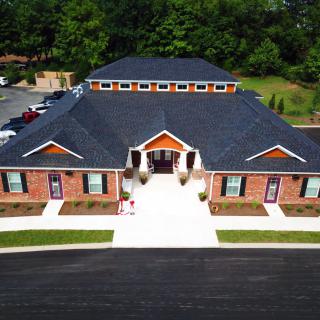
Maple Cottage Assisted Living
$4,996 / month25.0 miles away -
About the same

Somerby Franklin
$4,895 to $6,695 / month13.6 miles away -
from -$573 / mo

Maybelle Carter Senior Adult Home
$4,427 to $5,755 / month16.8 miles away -
from -$250 / mo

Barton House
$4,750 to $5,600 / month0.5 miles away -
from +$535 / mo
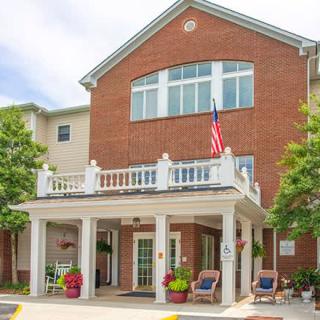
Brookdale Belle Meade
$5,535 to $7,290 / month2.6 miles away
Overall Review of Sunrise Home Care
Pros
 They have been great for us, very friendly, very helpful.
- Sunrise Home Care has all the tools in place to fit their loved ones' needs perfectly and does a wonderfully fantastic job at those care needs.
- The small resident numbers and small environment are two positive aspects of this facility.
- The caregivers are great and almost like family.
- This community is excellent; the staff is outstanding.
- Saba is like a saint, experienced at managing the ladies she has living in her group home.
- Saba cooks good healthy food for her residents and cares for them as if they were her own mother.
- There is no comparison in the care she receives.
Cons
 The loved one should have never been referred to that type of senior facility.
- They didn't know until it was too late.
- The care level was no higher than what the family could provide at home, which obviously wasn't an option.
- The facility advertised 24/7 access to a nurse/caregiver, but that wasn't the case.
- The facility's cost was higher than that of many other nicer facilities.
- Other facilities offered larger staff, 24/7 nurse/caregivers, better living quarters, and larger menus.
- They felt it was a waste of time and money to have them come.
- They did not provide the level of care that the loved one needed.
- They would not recommend the facility to anyone.
Review
Sunrise Home Care in Nashville is best suited for families seeking a genuinely small, home-like setting where an aging loved one can receive daily living support and light memory-care in a non-institutional atmosphere. It works best when residents value intimate, face-to-face interactions with caregivers, where staff know residents by name and meals feel communal rather than cafeteria style. The model prioritizes comfort, warmth, and a sense of belonging over hotel-like amenities, making it ideal for individuals who respond to a quiet pace, predictable routines, and close caregiver relationships. This is not a large-scale campus; it’s a compact option that still feels like a private home with trained helpers nearby.
Caregivers should consider alternatives if the priority is robust medical oversight, advanced rehabilitation services, or a high-energy social calendar. Those needing 24/7 medical nursing on site, active, structured dementia programming, or expansive dining and activity options may find Sunrise’s small footprint insufficient. Families dealing with complex clinical needs, or who require frequent skilled nursing, would likely benefit from a larger assisted living or dedicated memory-care community with transparent staffing ratios and a more formal care plan. For memory-rich cases demanding significant clinical supervision, other facilities may deliver more predictable coverage and resources.
Strengths center on the human touch: a small resident count can translate into highly responsive, caregiver-driven care as well as a warm, family-like environment. Several reviewers report staff who feel like kin, dishes that hit the mark, and an atmosphere free of overpowering odors with comfortable temperatures. In this setting, the positives, personal attention, social interaction around meals, and a genuine sense of safety, can compensate for the lack of scale and the absence of a hospital-level care team. If the goal is to avoid the impersonality of larger campuses and to foster connection, these advantages matter more than the absence of 24/7 nursing coverage.
Yet the criticisms cannot be ignored. The most persistent concerns revolve around care intensity and cost: families feel they pay a premium for a promise of around-the-clock care that doesn’t always materialize, with some residents’ needs outpacing what the home can safely provide. The compact model means activity programming can be limited, and for those who crave a full menu of structured enrichment, this may feel insufficient. The contrast between heartfelt daily care and the absence of robust medical oversight creates a tension: warmth is real, but clinical capacity appears limited when complex or rapidly changing needs arise. This landscape makes mixed reviews unsurprising, especially for families weighing value versus expected medical reliability.
For families evaluating Sunrise, red flags to validate on site are staffing patterns, nursing availability, and the actual care plan alignment with current needs. Ask for a documented care schedule, monitoring of weight, hydration, and medication management, and a transparent comparison of costs against comparable facilities. Confirm what “24/7 access” means in practice, and whether there is on-call nursing or an off-site nurse who rotates in. Inspect the living quarters, kitchen, and dining flow; confirm the level of activities and social opportunities, and whether residents can participate based on energy and mobility. Finally, consider how the home handles transitions to higher care if needs escalate, and ensure the plan aligns with short- and long-term stamina.
In sum, Sunrise Home Care is a practical, warmth-forward option for seniors who thrive on close relationships, simple but well-executed meals, and a quiet, intimate environment. It is especially appropriate for memory- or mild-to-moderate-care needs where the family prize is consistency and human warmth over scale and institutional polish. Those prioritizing advanced medical oversight, extensive programming, or cost-effective value from a larger operation should look elsewhere. The right family decision will hinge on aligning the resident’s care demands with the home’s strengths in contact, comfort, and daily rhythm while remaining vigilant about whether the level of clinical support matches expectations.
 Board and Care Home
 Day Program
 Memory Care
 Indoor common areas
 Outdoor common areas
 Private
 Respite or short term stays offered
 Wheelchair accessible showers
 Nashville International (15 miles away)
 Ambulatory care
 Diabetic care
 High acuity care
 Kosher






 How and When Medicaid May Cover Assisted Living Costs
 A Detailed Exploration of Assisted Living Medicaid Waivers Across the United States
 Exploring the Contrasts Between Assisted Living and Skilled Nursing