For more information about senior living options: (866) 208-4318
4.5 from 31 reviews
5 stars
27
4 stars
0
3 stars
0
2 stars
0
1 stars
4
Overall Review of The Waterford Assisted Living
common20 reviews mention this
Staff care feels close and responsive
Residents describe caregivers who stay engaged and respond quickly to concerns.
A recurring theme across the reviews is the way staff show up day to day—treating residents with kindness, answering questions, and handling requests efficiently. Several residents and family members also describe nursing involvement when there were health concerns, and they credit staff with getting problems addressed. Communication is also mentioned as routine, especially during difficult periods.
common4 reviews mention this
Cleanliness comes up repeatedly
Residents and families repeatedly highlight the community’s cleanliness.
Multiple reviews call out how clean the community feels, with one resident listing cleanliness as a top factor when choosing a new home. Families also describe the environment as clean and pleasing to be in. Even in reviews that focus more on care or comfort, cleanliness is still part of the overall first impression.
common5 reviews mention this
Plenty of activities keep days full
Reviews describe a steady schedule of social and recreational activities.
Residents describe regular engagement options like weekly shopping, card games, ice cream socials, and cookouts, plus time outdoors on a walking track and for bird watching. Other reviewers mention outings and community events as part of daily life. Together, the feedback suggests activity programming is a consistent part of the experience.
caveat3 reviews mention this
Some reviews cite staffing and leadership issues
Some reviewers report serious concerns about staffing levels and leadership quality.
While many reviews are positive, a small set of negative reviews describe being understaffed, management problems, and a dirty environment. Those same reviews also raise concerns about service quality before signing and describe turnover and communication issues. These themes are stated as ongoing problems in the negative accounts, not isolated incidents.
How we summarize
Counts show how many written reviews mention each theme; a review can touch several themes, and only frequently mentioned themes are displayed.
Features
Types of Care
Assisted Living
Memory Care
Amenities
Activities on-site
Devotional services off-site
Indoor common areas
Transportation
Nashville International (15 miles away)
Care Services
Ambulatory care
Diabetic care
Dining
Meals provided
Activities
Activities on-site
Devotional activities offsite
Nearby Places of Interest
Theaters
AMC Bellevue 12 (0.3 miles)
Regal Green Hills (7.3 miles)
Belcourt Theatre (8.8 miles)
Cafes
The Well Coffeehouse (0.3 miles)
Starbucks (1.4 miles)
Starbucks (2.6 miles)
Starbucks (4.5 miles)
Frothy Monkey (7.7 miles)
Starbucks (8.5 miles)
Starbucks (9.2 miles)
Pharmacies
Walgreens (0.3 miles)
CVS Pharmacy (1.2 miles)
Walgreens (2.6 miles)
Icompound (2.7 miles)
Walgreens (4.3 miles)
Walgreens (6.4 miles)
Walgreens (6.7 miles)
Restaurants
Taco Bell (0.5 miles)
Waffle House (0.7 miles)
Burger King (1.2 miles)
Hardee's (1.2 miles)
McDonald's (1.3 miles)
Wayback Burgers (3.9 miles)
Bojangles' Famous Chicken 'n Biscuits (4 miles)
Places of Worship
Bellevue Presbyterian Church (0.6 miles)
Calvary United Methodist Church (7.6 miles)
Brentwood United Methodist Church (9.1 miles)
Physicians
Jessup Eye Care (1.2 miles)
Audiology Associates and Hearing Aids Today (5.9 miles)
Sundown syndrome, or sundowning, is a phenomenon in dementia patients characterized by increased confusion and agitation during late afternoon and evening, influenced by factors like disrupted circadian rhythms and fatigue. Effective caregiver strategies include establishing routines and managing environmental light while addressing caregiver stress through support services.
Delirium is a rapidly onset, reversible cognitive disturbance often caused by acute medical issues, while dementia is a gradual and irreversible decline due to chronic neurodegenerative diseases. Accurate differentiation between the two is essential for appropriate treatment and management in older adults.
Dementia, including Alzheimer’s disease, is often mischaracterized in terms of lethality as it leads to complications that can be fatal rather than being a direct cause of death; it causes a progressive decline in cognitive and physical health, making patients vulnerable to infections and other health crises. Effective management of nutrition, hydration, and communication is crucial in patient care, with palliative care becoming vital in advanced stages to enhance comfort and quality of life while caregivers play a key role amidst the challenges posed by the disease.
Get PricingAsk A QuestionSchedule A TourContact Senior Advisor
By clicking submit, you agree to our Partner's Terms of Use. You
also consent to receive calls and texts, which may be autodialed, from our Partner. Your consent is not a condition to
using our Partner's service. Please visit our Partner's Privacy Policy for information about their privacy practices.

 Assisted Living
 Memory Care
 Activities on-site
 Devotional services off-site
 Indoor common areas
 Nashville International (15 miles away)
 Ambulatory care
 Diabetic care
 Meals provided
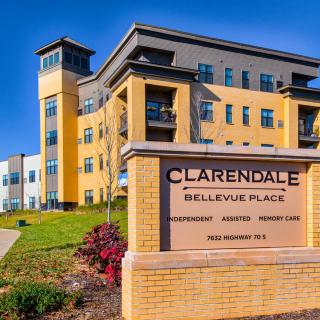
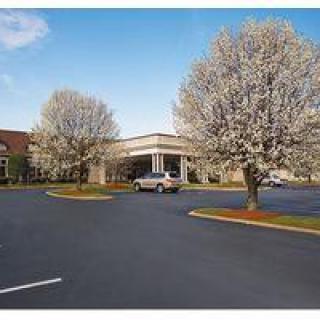
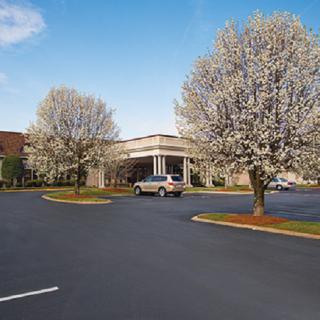
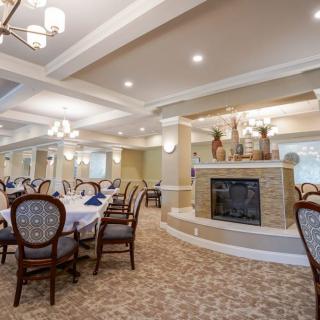
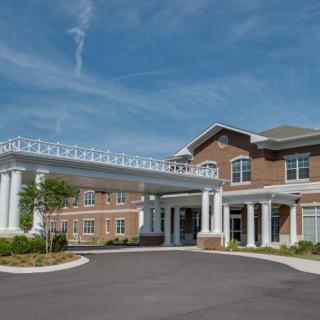
 Caring staff in a welcoming, home-like, clean environment.


 Comprehending Evening Confusion in Dementia: Causes, Manifestations, and Support
 Delirium and Dementia: Unraveling the Key Differences
 Are Dementia and Alzheimer's Disease Lethal? A Comprehensive Exploration