
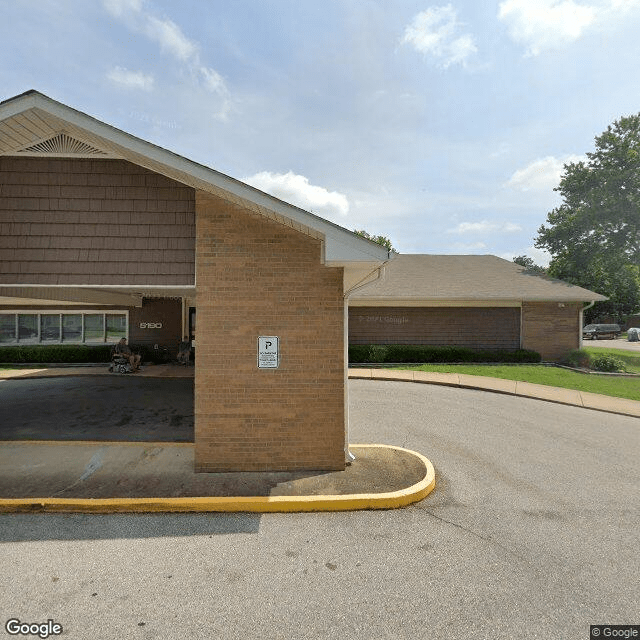
5190 Wesley Park Dr, Memphis, TN 38135
To contact a resident: (901) 372-0100
For more information about senior living options: (866) 208-4318
Overall Review of Northlake Apartments
Pros
 They show a tremendous amount of compassion for their residents, with safety and wellbeing as the top priority.
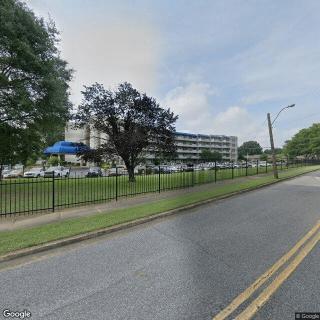
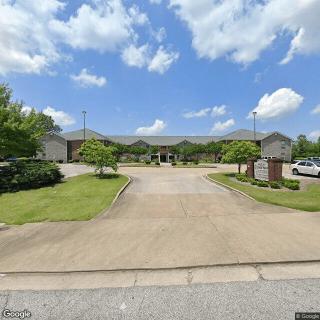
- The facility is beautifully maintained, featuring a lake, walking trail, and wildlife.
- It is a close-knit community with a great community center that includes a library and a cafeteria serving meals every day.
Cons
 The lake is drying up, there is no walking trail, trash is being thrown everywhere, and it is disgusting.
- There is new management, yet there is no manager, and it is disappointing how things have declined.
- The office is severely understaffed, with only two people for 232 apartments, causing complaints to be brushed off and a single phone line that is constantly busy.
- Grounds care is neglected; branches have been left for almost a year, and the ground crew does not pick anything up, creating dangerous conditions for residents.
- Phone lines are down and messages are never returned.
- The management and maintenance staff are racist and do not treat Black residents fairly.
- The facility is grossly understaffed, with too few washers and dryers and insufficient guidance on resources for residents.
- One reviewer notes they used to recommend the place but would not again.
Review
Northlake Apartments in Memphis is best suited for seniors who want a scenic, socially connected independent living environment and can function with minimal on-site assistance. The property has historically offered a lake setting, a walking area, a community center with a library and cafeteria, and a tight-knit resident culture that emphasizes safety and daily convenience. For residents who prize atmosphere, companionship, and routine meals in a familiar, self-directed setting, Northlake delivers a meaningful living experience. However, it is not a true assisted living campus, and prospective residents should be clear-eyed about what help is actually available and how reliably it is delivered.
Those who should consider alternatives are residents who require regular assistance, frequent care coordination, or robust on-site management. The reviews consistently flag understaffing and limited on-site personnel to handle calls, work orders, and rent activities, which translates into slower responses to maintenance and resident needs. Prospective movers who depend on prompt help with everyday tasks, or who value clear, proactive guidance to access resources, should pursue a setting designed for higher levels of support. Equally important, individuals or families sensitive to reports of discriminatory treatment should carefully weigh the climate described by several residents.
The enduring strengths, compassionate care focus, safety orientation, and a community-centered vibe, do offset some drawbacks, but not all. When staff are present, they express a genuine concern for resident well-being, and the community’s shared centers offer meaningful social touchpoints and predictable routines. The beauty of the grounds, the presence of a lake (even as reports vary about its current condition), and the early-mayor stability of a cafe-style meals program can make day-to-day life pleasant. The downside is that these positives rely on consistent, attentive management and reliable maintenance, which the reviews repeatedly call into question.
On the performance side, the main operational gaps are palpable. A lean front office, sometimes described as a two-person operation for hundreds of units, leaves the team overwhelmed and responses to calls or complaints often delayed. Grounds maintenance is inconsistent, with hazards such as overhanging branches lingering and general upkeep slipping. Even routine communications, phone lines and message backlogs, can frustrate residents and families trying to coordinate care or report issues. The misalignment between the facility’s “assisted living” label and the actual level of on-site support is a critical talking point; this is a community better suited to those who do not require regular, hands-on assistance yet need straightforward access to resources and services without a heavy reliance on management.
Families evaluating Northlake should approach with a concrete plan. Verify the exact services included and the level of availability for help with tasks, transportation, or health-related guidance. Request transparency on staffing ratios, emergency protocols, and escalation paths when concerns arise. Inspect the grounds for safety hazards and ask for a recent maintenance schedule to gauge whether lapses are intermittent or systemic. Finally, probe the cultural climate: insist on how staff are trained to treat all residents with dignity, and seek a clear commitment on addressing discrimination concerns. If these assurances cannot be consistently demonstrated, the practical conclusion is to prioritize communities with stronger staffing, clearer accessibility to care, and a proven track record of inclusive, timely service.
In sum, Northlake Apartments constitutes a pragmatic choice for independent seniors who value a warm community and a pleasant setting, provided that expectations are calibrated to a facility that is not truly equipped for heavy assistance. It can deliver meaningful daily life for those who can tolerate occasional service delays and maintenance gaps while prioritizing social engagement and safety. However, for families prioritizing reliable on-site support, responsive management, and an environment free of discriminatory concerns, alternatives should be pursued. The decision rests on whether the resident profile emphasizes community and ambiance over consistent, hands-on care and robust operational reliability.
 Active Adult Communities (55+)
 Activities on-site
 Devotional services off-site
 Indoor common areas
 Memphis International (14 miles away)
 Ambulatory care
 Diabetic care
 Meals provided






 Understanding the Sandwich Generation: Stress and Responsibilities for Multigenerational Caregivers
 8 Essential Assistive Devices for Older Adults
 Navigating the Financial Road to Nursing Home Care: In-Depth Guidance and Resources