
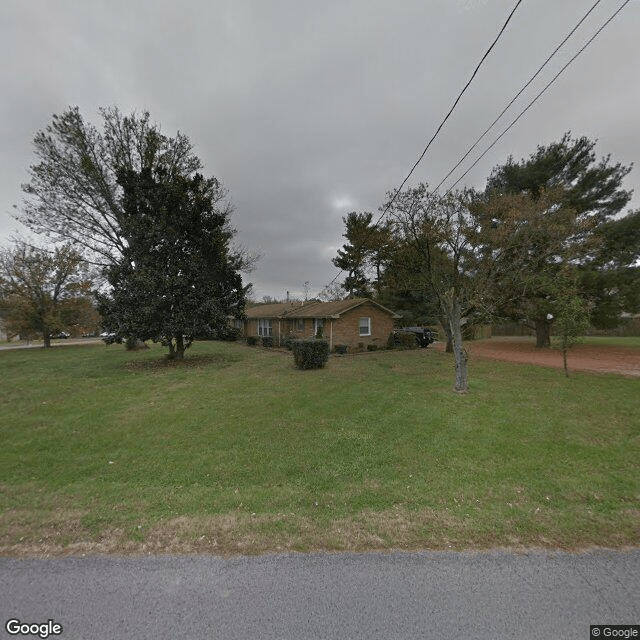
101 Dale Ave, Hendersonville, TN 37075
To contact a resident: (615) 491-8962
For more information about senior living options: (866) 208-4318
Elite Elderly Care Costs & Pricing
Elite Elderly Care offers competitive pricing for its private room accommodations, set at $2,500 per month. This rate is significantly lower than the average costs observed in Sumner County, which stands at $3,458, and even more favorable compared to the broader state average of $3,696 in Tennessee. This affordability positions Elite Elderly Care as an attractive option for families seeking quality care while being mindful of their financial resources. By choosing Elite Elderly Care, residents not only benefit from a well-structured support system but also enjoy substantial savings relative to other facilities within the region.
| Floor plans | Elite Elderly Care | Sumner County | Tennessee |
|---|---|---|---|
| Private | $2,500 | $3,458 | $3,696 |
Senior living communities with a similar price nearby
-
from -$119 / mo
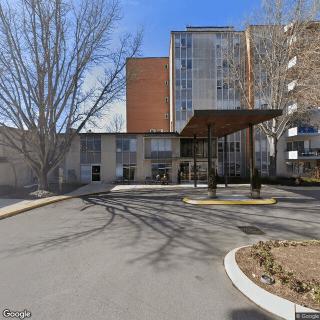
Park Manor
$2,381 to $3,950 / month19.0 miles away -
from -$300 / mo
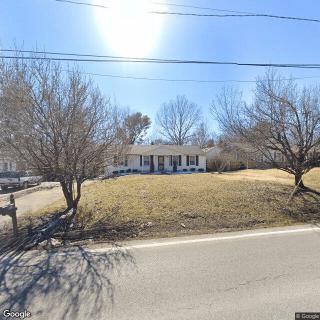
Mary's Loving Care
$2,200 to $2,400 / month17.9 miles away -
from -$148 / mo
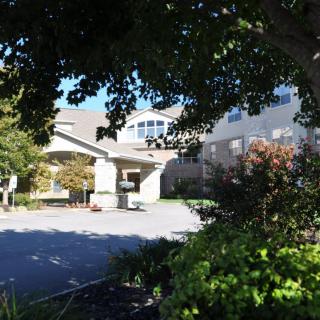
Rutland Place
$2,352 to $3,465 / month10.2 miles away -
from +$140 / mo
Morningside of Springfield
$2,640 to $3,295 / month21.7 miles away -
from -$100 / mo
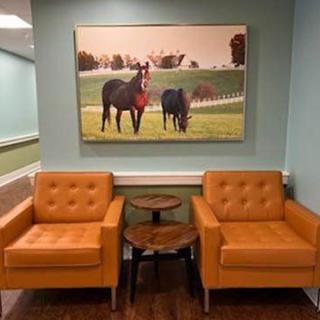
Legacy Village of Hendersonville
$2,400 to $3,195 / month1.8 miles away
Overall Review of Elite Elderly Care
Pros
 The staff at Elite Elderly Care are fantastic.
- They provided mom with ample time and attention.
- They maintained constant contact and welcomed family visits.
- They went above and beyond to ensure mom’s health and comfort.
- They truly helped not only mom but the entire family, alleviating worry about her care.
- Rebecca and her team treated the grandfather with genuine love and care.
- The grandfather’s transition was peaceful under their care.
- The care at Elite Elderly Care is excellent.
Cons
 They have no activities, ZERO.
- The meals were NOT 3 hot meals a day.
- The only activity for mom was to watch TV.
- Dinner was always a sandwich and chips or a McDonalds cheeseburger and yogurt.
- No transportation and not one time did they play games or cards or anything.
- Mom became very depressed there.
- Mice droppings were found all over the closet floor when we moved her out but the worker we told did not report it.
Review
Elite Elderly Care in Hendersonville, Tennessee, is best suited for families seeking a small, home-like residence where an elderly loved one receives highly personalized care and where family involvement is welcomed and integral. With eight residents, the setting operates more like a cared-for home than a conventional facility, producing intimate, vigilant supervision, frequent updates, and a sense of continuity for residents and their families. The care model emphasizes hands-on attention, consistent routines, and steady medical oversight that includes medication monitoring and regular visits from physicians or nurses. This environment rewards seniors who benefit from one-on-one time, clear communication, and a climate where caregivers treat residents as beloved members of a family rather than anonymous patients.
Those who require a busy activities calendar, structured social programming, reliable transportation, or intensive clinical services beyond what an eight-bed home can provide may want to explore alternatives. Several reviews highlight a strong sense of home life and personal connection, but also point to a relatively modest slate of organized activities and, in some cases, no on-site transportation. For residents with higher needs for mobility assistance, frequent community outings, or specialized memory-care programming, larger facilities with extensive activity schedules and transportation networks are likely a wiser fit. Families prioritizing a turnkey, bustling routine might find Elite Elderly Care quieter than preferred, even as they value the intimate setting and day-to-day engagement offered by a small staff.
On the plus side, the staff stands out as the defining strength. Reviews repeatedly track compassionate, attentive caregivers who can dedicate substantial time to each resident. The eight-resident model enables near-constant one-on-one attention and a level of responsiveness that is rarely matched in larger homes. Family members report being kept in the loop through regular status updates, proactive communication, and visits that feel welcomed rather than imposed. The atmosphere is clearly home-forward, normal household sounds, meals being prepared, and everyday routines, that reinforce dignity and belonging. Medical oversight is thorough, with careful medication management and arranged physician visits that reassure families that health concerns remain a priority.
Yet certain drawbacks demand candid consideration. Some reviews flag a limited activity slate and inconsistent meal variety, with occasional days featuring sandwiches or less-than-hot dinner options. The absence of reliable transportation can curb independence for residents who still want to engage with the broader community. A single report about mice droppings underscores the necessity for persistent attention to cleanliness and pest control, even if that issue does not appear universal. These negatives are not universal accelerants or deal-breakers, but they do urge prospective families to verify operational standards, meal planning, and transportation options before deciding.
Despite the caveats, the advantages redefine what care can look like in a small setting. The combination of meticulous attention, frequent family communication, and a warm, home-like environment helps offset the lack of a robust activity calendar for many residents. For families who want to participate actively in their loved one’s care, Elite Elderly Care offers a collaborative model: caregivers coordinate with families, monitor medications, and facilitate routine medical check-ins, all while nurturing a respectful, familial atmosphere. The risk lies in narrower programming and services, making clear expectations and an on-site visit essential to avoid mismatches between needs and offerings.
Bottom line: Elite Elderly Care is a strong choice for seniors who benefit from a compact, intimate, and well-supervised home setting, where consistent staffing and family involvement translate into dependable daily care. It is less well-suited for those requiring a bustling daily program, expansive transportation access, or advanced clinical services beyond what an eight-bed home can sustain. Prospective families should enter with specific questions about activity schedules, meal quality, transportation options, medication management, and pest-control practices, and should plan to supplement the resident’s life with external engagement if needed. When the match is right, this community feels less like a facility and more like a caring extended family, delivering steady reassurance for both residents and their loved ones.
 Board and Care Home
 Activities on-site
 Cable or satellite TV
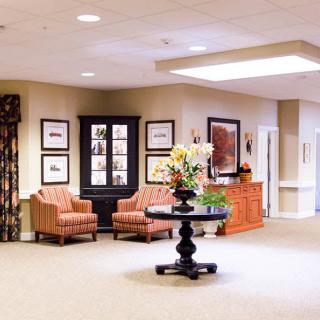
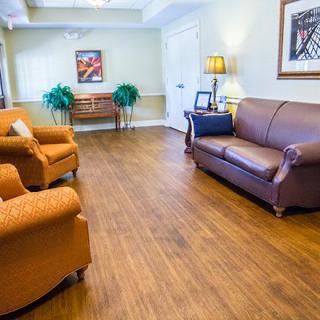
 Indoor common areas
 Outdoor common areas
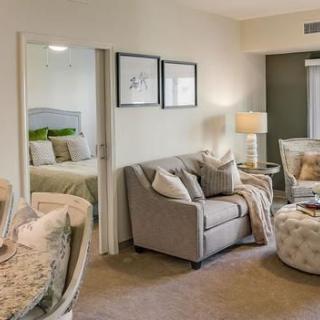
 Private
 Wheelchair accessible showers
 Wi-Fi/high-speed internet available
 Nashville International (13 miles away)
 Ambulatory care
 Diabetic care
 High acuity care
 Incontinence care
 Medication management
 Meals provided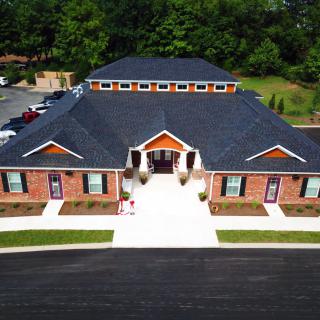

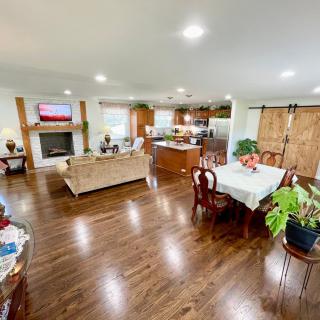


 Comprehensive Guide to Qualifying for Home Health Care Services
 Powerful Realities of Elder Abuse and the Most Effective Ways to Report It
 Ten Vital Duties of a Senior Caregiver: A Comprehensive Guide