

1869 N Pisgah Rd., Cordova, TN 38016
To contact a resident: (901) 257-9430
For more information about senior living options: (866) 208-4318
Great Southern Senior Living Costs & Pricing
Great Southern Senior Living offers a range of accommodation options that reflect its commitment to quality care and comfort for seniors. The monthly costs for a semi-private room are set at $4,000, which is notably higher than the average rate in Shelby County at $3,426 and the broader state average of $3,162. For those seeking more privacy, the private room option is priced at $4,500, again surpassing both the county's average of $3,746 and Tennessee's state average of $3,696. While Great Southern Senior Living's rates may be above regional averages, they likely reflect enhanced amenities and services designed to provide a supportive and enriching environment for residents.
| Floor plans | Great Southern Senior Living | Shelby County | Tennessee |
|---|---|---|---|
| Semi-Private | $4,000 | $3,426 | $3,162 |
| Private | $4,500 | $3,746 | $3,696 |
Senior living communities with a similar price nearby
-
from -$197 / mo
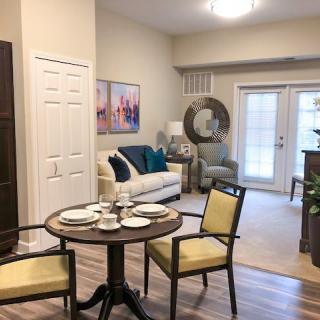
StoryPoint Collierville
$3,803 to $4,506 / month8.7 miles away -
from -$700 / mo
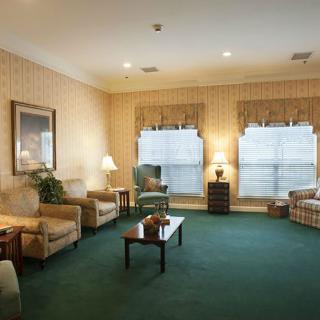
The Pinnacle of Southaven
$3,300 to $4,350 / month20.5 miles away -
About the same
Joy's Traveling Angels
$3,995 to $4,995 / month12.1 miles away -
from -$496 / mo

Senior Helpers - Germantown, TN
$3,504 to $4,204 / month8.3 miles away -
from -$500 / mo

Silvercreek Senior Living
$3,500 to $4,700 / month16.8 miles away
Overall Review of Great Southern Senior Living
Pros
 It provides a home-like environment instead of an institutional setting.
- The rooms are personal and the care is individualized.
- The staff treat residents with respect and meet their physical and mental needs.
- The staff are friendly and make the community feel like home.
- The meals are nutritious and enjoyable.
- They help residents stay engaged and entertained.
- The facility is smaller, allowing a more personal relationship between staff and residents.
- The grounds and facility are clean and well maintained.
- The administrator is on-site and readily accessible for questions and concerns.
- Living there feels like being at home—warm, inviting, and caring.
Review
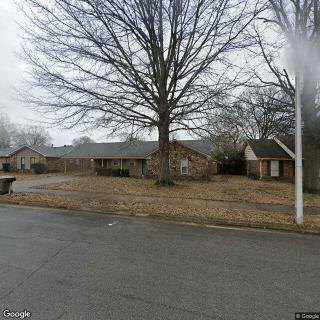
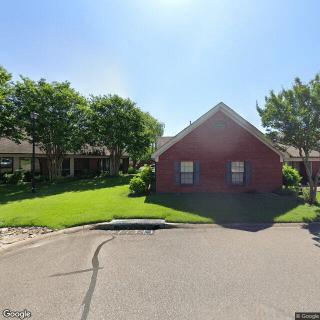
Great Southern Senior Living in Cordova, Tennessee is best suited for families seeking a true home-like rhythm for aging loved ones. This is a small, intimate setting where seven residents share a house rather than a corridor-lined campus, and where care feels personal rather than process-driven. The community earns its strongest praise from families who want one-on-one attention, consistent routines, and a staff that truly knows the residents’ preferences, quirks, and medical needs. The atmosphere is unmistakably warm: quiet common areas, clean spaces, and a grounds footprint that looks and feels more like a private residence than a traditional assisted living facility. For seniors who prize familiarity, predictable daily structures, and a sense of belonging rather than volume and anonymity, Great Southern Senior Living stands out as a compelling choice.
There are clear reasons to consider alternatives for families with different priorities. Those needing a larger community with extensive, formal programming and a wide array of on-site medical specialties may prefer a more traditional, campus-style facility. If round-the-clock nursing supervision, a broad spectrum of therapy services, or robust memory-care programming are non-negotiables, a bigger operator with greater staffing breadth might serve better. Corporate-backed communities often bring standardized policies and scalable systems that some families find reassuring. In short, if a resident’s needs demand heavy clinical resources or a bustling calendar of group activities, it is prudent to compare options that emphasize scale and breadth. Great Southern’s strength lies in intimacy, not size.
The standout advantages flow directly from the small-house model. Residents benefit from a personal touch in every interaction: staff who know histories, preferences, and dietary needs; consistent faces that build trust; and a culture that treats care as a relationship rather than a transaction. Cleanliness and a home-like aesthetic reinforce a sense of dignity and safety, while the meals, described as healthy and appetizing, support daily well-being without the institutional feel. Families consistently note that the administrator’s frequent presence and accessibility translate into quick, transparent responses to concerns. The owner involvement reinforces a palpable commitment to quality and accountability. The setting, peaceful, country-adjacent, with welcoming grounds, bolsters emotional comfort for both residents and visiting family members, turning each visit into a reassuring experience.
Yet the intimate scale does introduce trade-offs. Even with excellent one-on-one care, a seven-resident home cannot replicate the wide social circuits or the breadth of programming found in larger communities. For some residents, opportunities for spontaneous group activities, diverse social circles, or specialized clubs may be more limited. There is an implied ceiling on how many simultaneous therapies or on-site specialists can be sustained at any one time. Likewise, families seeking aggressive, around-the-clock medical oversight or a dense calendar of structured outings should acknowledge that the smaller operation may rely more on coordinated external services and on-demand arrangements rather than a full-time in-house team. These realities are the natural counterpart to the warmth and focus that Great Southern delivers.
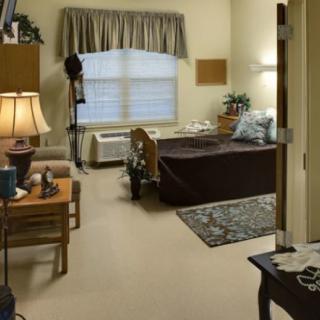
The positive trade-offs, personal attention, low turnover, and hands-on owner involvement, tend to offset the potential drawbacks very effectively. The quality of care feels highly customized; staff turnover is low enough to foster genuine relationships, reducing the stress of adjusting to new caregivers. The on-site accessibility of the administrator creates a sense of accountability that translates into reliable problem-solving and proactive communication with families. Residents enjoy a secure, odor-free environment that upholds dignity, and family visits are easy and comfortable thanks to well-designed common spaces. Even the renovations and the bright, window-filled interiors contribute to an ambiance that consistently supports a calm, home-like daily life. For families who value trust, responsiveness, and a serene setting, these benefits often outweigh the limits imposed by the smaller footprint.
For families weighing a decision, Great Southern Senior Living stands as a practical, well-considered option when the priority is a homey atmosphere, individualized care, and straightforward, compassionate operations. It is not the obvious fit for those who must have the breadth of resources that only a larger campus can guarantee, but it excels at delivering a respectful, intimate caregiving experience that honors residents as people first. Prospective movers will gain clarity by focusing on three questions during a visit: the resident-to-staff ratio in practice, the availability of on-site medical services beyond routine visits, and how the community handles individualized care plans when needs evolve. Tour with a checklist of daily routines, meals, and social opportunities to confirm that the cadence aligns with the senior’s preferences. In the end, Great Southern Senior Living earns strong confidence for families seeking a “home away from home” where care feels personal, dignified, and reliably attentive.
 Board and Care Home
 Private
 Memphis International (17 miles away)





 A Detailed Examination of Nursing Home Costs Across the U.S.
 Exploring Nonmedical Home Care: Understanding Services, Costs, and Financial Approaches
 Engaging Brain Games and Innovative Apps to Keep Senior Minds Active