
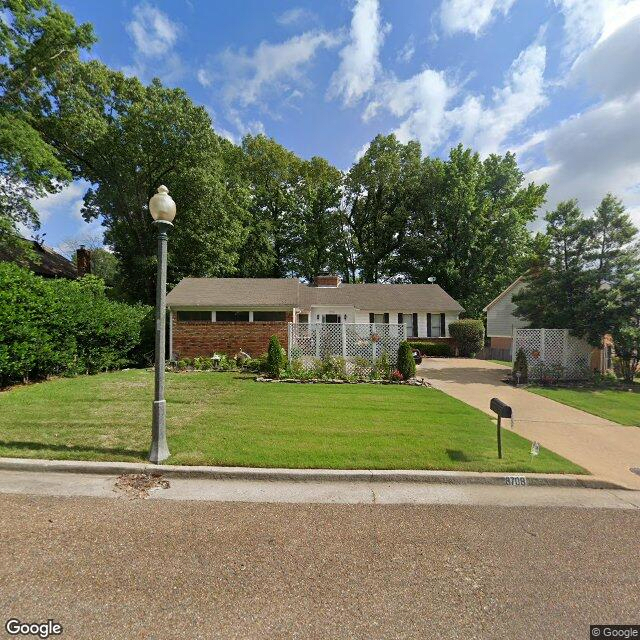
8708 Carollwood Cove North, Cordova, TN 38016
To contact a resident: (901) 382-8068
For more information about senior living options: (866) 208-4318
Judy's Care Home Costs & Pricing
Judy's Care Home offers a range of private room options, with monthly costs varying from $4,000 to $7,150. When compared to the average rates in Shelby County and throughout Tennessee - $3,746 and $3,696 respectively - it's clear that Judy's pricing is on the higher end of the spectrum. This suggests that Judy's Care Home may provide additional services or amenities that justify the increased cost. For prospective residents and their families, this pricing range underscores the importance of evaluating not just prices but also what unique benefits and quality of care they can expect at Judy's compared to other local facilities.
| Floor plans | Judy's Care Home | Shelby County | Tennessee |
|---|---|---|---|
| Private | $4,000 to $7,150 | $3,746 | $3,696 |
Senior living communities with a similar price nearby
-
About the same

Great Southern Senior Living
$4,000 to $4,500 / month2.8 miles away -
from -$197 / mo
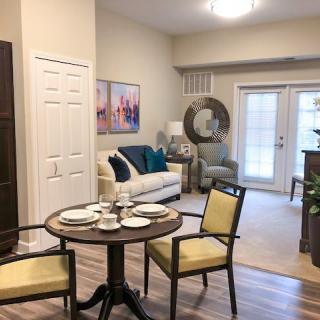
StoryPoint Collierville
$3,803 to $4,506 / month10.4 miles away -
from -$700 / mo

The Pinnacle of Southaven
$3,300 to $4,350 / month19.4 miles away -
About the same

Joy's Traveling Angels
$3,995 to $4,995 / month11.7 miles away -
from -$496 / mo

Senior Helpers - Germantown, TN
$3,504 to $4,204 / month7.3 miles away
Overall Review of Judy's Care Home
Pros
 They are very pleased with the care Mom is receiving at Mrs. Judy's home.
- Mom is well cared for at Mrs. Judy's home.
- The staff is very caring and attentive.
Review
Judy's Care Home in Cordova is best suited for families seeking a small, home-like assisted living option where daily routines are handled with steady, hands-on attention. The setting appears to prioritize regular hygiene support and intimate caregiver relationships, making it a good match for seniors who require help with bathing and daily self-care but do not yet demand intensive medical management. The atmosphere supports dignity and familiarity, which matters when peace of mind during transitions is critical. In short, this community excels at delivering consistent, person-centered care in a warm, less institutional setting that can help a loved one stay comfortable and known.
Those with higher medical needs or a preference for a robust on-site program may want to consider alternatives. A larger facility with 24/7 on-site nursing, a wider array of therapies, and more structured activity calendars can be a better fit for residents who require complex medication regimens, frequent health monitoring, or more extensive opportunities for social engagement. Families should also assess whether transportation, emergency responsiveness, and available specialists meet expectations for ongoing health issues. If memory care or secure dementia programming is essential, this smaller home may not provide the level of specialized support found elsewhere. In such cases, exploring other options would be prudent.
From the positive notes, the primary upside is practical, compassionate care. Staff are described as caring and attentive, and bath times occur regularly, underscoring dependable daily routines that preserve dignity. A small-home atmosphere often translates into greater caregiver continuity and clearer communication with family members, which reduces the risk of overlooked hygiene needs or miscommunication about changes in health. The combination of reliable bathing and trusted staff creates a stable foundation for residents who thrive on predictability and personal rapport rather than institutional routines. That reliability often offsets some limitations inherent in compact facilities.
However, the compact scale can cap certain possibilities. With fewer resources than a larger campus, activity variety, specialized therapies, and on-demand clinical oversight may be more limited. Staffing fluctuations can also impact responsiveness, particularly during peak times or weekends when someone is needed urgently. The presence of a mixed rating signals that the experience can vary with caregiving staff and time of day; families should probe during visits to confirm consistency in care quality, response times, and the true availability of caregivers for personal needs throughout a day.
Still, the pros matter more when determining fit. The most important trade-off is between intimate, hands-on care and breadth of services. For seniors who value being known by name, with bathing, dressing, and basic hygiene addressed promptly, Judy's Care Home delivers outcomes that can feel restorative after uncertain health signals. The home-like environment tends to reduce agitation and confusion in residents who fare better in familiar surroundings, and strong staff attention helps catch small changes before they escalate. If these elements align with a family’s priorities, the scale and approach become advantages rather than drawbacks.
Practical next steps point toward a targeted, informed visit. Arrange a tour at different times of day to observe bathing routines, meal service, and how caregivers interact with residents. Request a clear outline of staff-to-resident ratios, how care plans are updated, and what medical oversight exists on-site. Confirm the availability of transportation for appointments, daily activities, and any transportation limits. If the resident has complex medical or cognitive needs, ask about memory care capabilities or external partnerships. For families prioritizing personal attention in a warm, home setting, Judy's Care Home represents a compelling choice; for those needing broader clinical resources or specialized programming, it should be weighed against larger facilities with more robust medical support.
 Board and Care Home
 Indoor common areas
 Outdoor common areas
 Private
 Private bathrooms
 Memphis International (15 miles away)
 Diabetic care
 High acuity care
 Incontinence care
 Meals provided
 Christian services




 Encouraging Participation in Adult Day Care: A Guide to Supporting a Hesitant Parent
 Comprehensive Exploration of Living Wills and Other Advance Directives
 A Detailed Exploration of Living Wills and Advance Directives