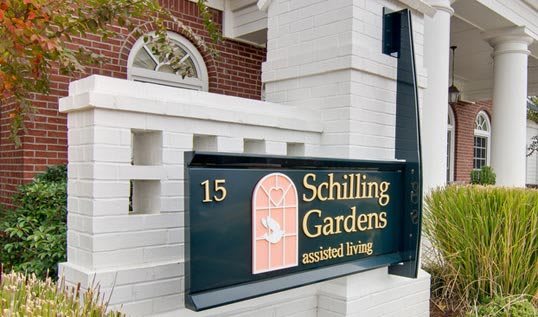
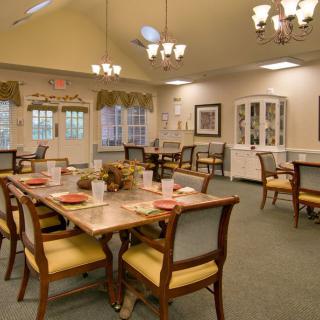
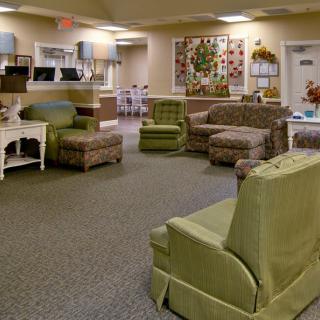
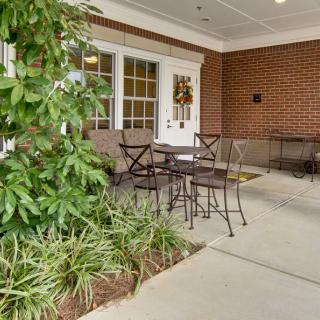
15 Schilling Bend Commons, Collierville, TN 38017
To contact a resident: (901) 850-2272
For more information about senior living options: (866) 208-4318
Schilling Gardens and The Arbors Costs & Pricing
When comparing the monthly costs of Schilling Gardens and The Arbors to those of Shelby County and the broader state of Tennessee, it's evident that both facilities offer competitive pricing. For a semi-private room, Schilling Gardens and The Arbors charge $3,250, which is slightly below the Shelby County average of $3,426 and a little higher than the state average of $3,162. Meanwhile, for studio accommodations, the cost at Schilling Gardens and The Arbors is set at $4,050 - again just under Shelby County's average of $4,078 but significantly higher than the state average of $3,485. This analysis highlights that while costs vary at different levels - county versus state - the pricing for these specific room types at Schilling Gardens and The Arbors remains attractive within the local context.
| Floor plans | Schilling Gardens and The Arbors | Shelby County | Tennessee |
|---|---|---|---|
| Semi-Private | $3,250 | $3,426 | $3,162 |
| Studio | $4,050 | $4,078 | $3,485 |
Memory care communities with a similar price nearby
-
About the same
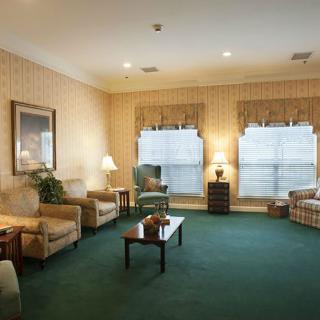
The Pinnacle of Southaven
$3,300 to $4,350 / month17.3 miles away -
from +$350 / mo
South Breeze
$3,600 to $6,300 / month5.6 miles away -
from -$223 / mo
Foxbridge Assisted Living & Memory Care
$3,027 to $4,799 / month13.4 miles away -
from +$580 / mo
Belmont Village Senior Living Memphis
$3,830 to $8,945 / month9.3 miles away -
from -$550 / mo

HarborChase of Cordova
$2,700 to $6,820 / month10.0 miles away
Overall Review of Schilling Gardens and The Arbors
Pros
 The staff and management have always provided excellent care.
- They have the patience to get through difficult times in memory care.
- Schilling Gardens is by far the best facility the family has encountered.
- The staff treated their mother like family.
- The facility is described as a shining light in elderly care.
- The staff were pleasant and engaged in providing plenty of activities for residents.
- The residents are kind and pleasant to interact with, and there are community volunteers to spend time with them.
- Visitors enjoyed their time and plan to return.
Cons
 There are things that could be improved at the facility.
- NO visitors are allowed to eat with a resident, let alone sit with them while they eat; Daddy ended up eating alone.
- At $145 a day, they could come up with more activities than just occasional Bingo.
- They felt the place was not the right community for his needs.
- The staff were not courteous, leaving visitors waiting 10 minutes with no greeting and no apology for missing the appointment.
- The community is bigger than they'd like for their mother, and she would feel overwhelmed.
- There were concerns that the facility might not be the right fit for his needs.
Review
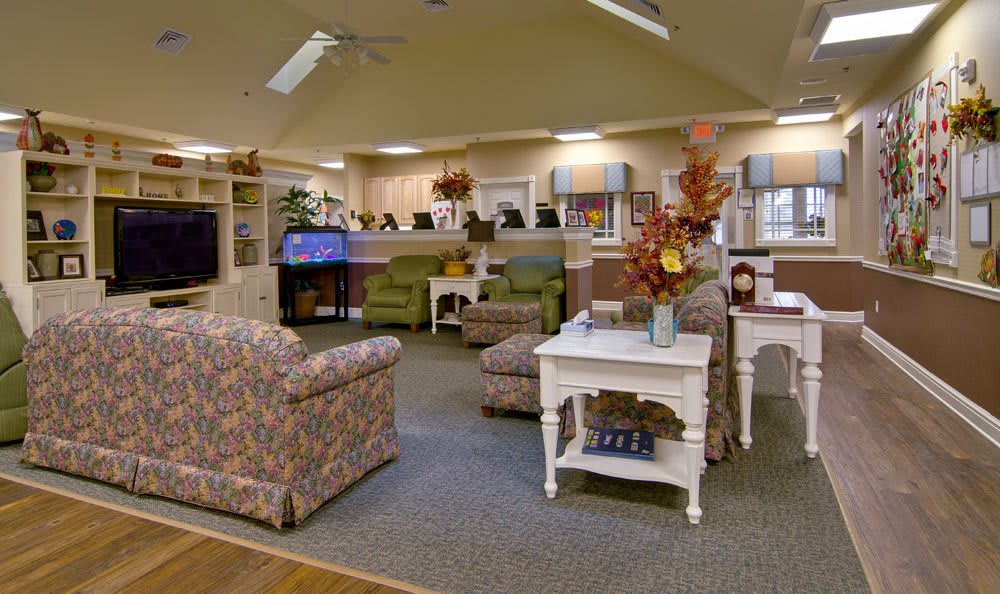
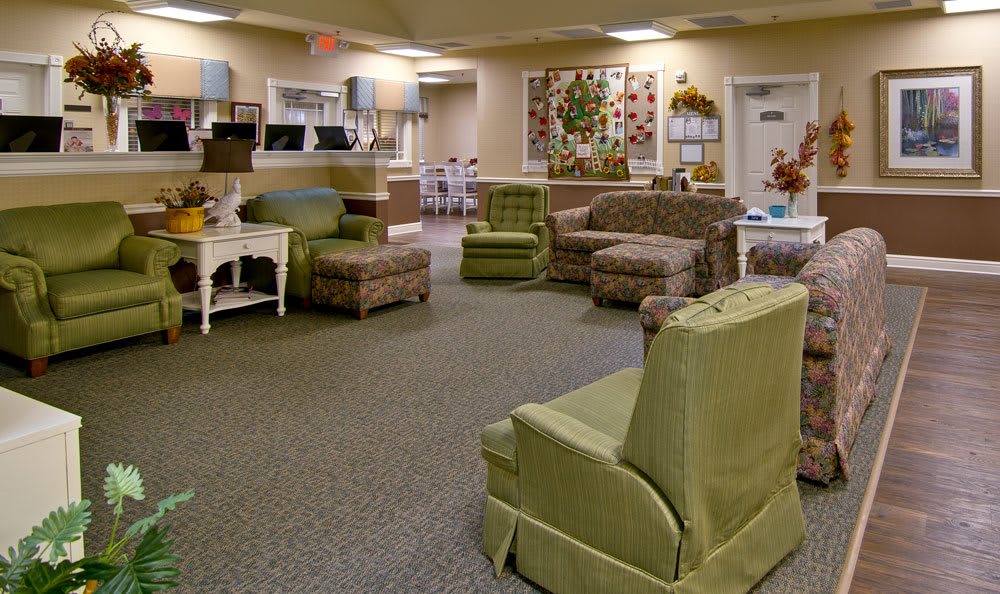
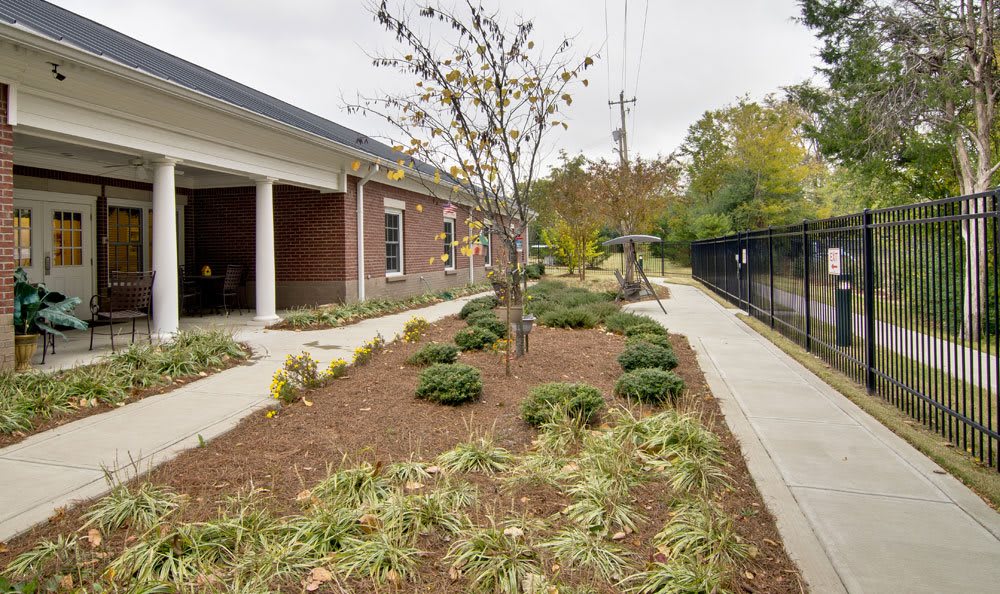
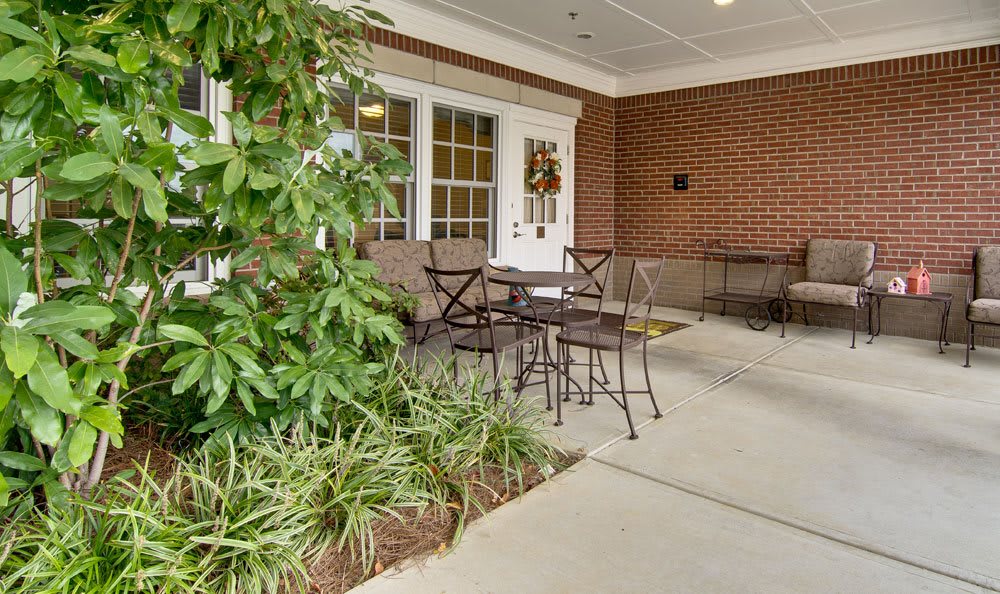
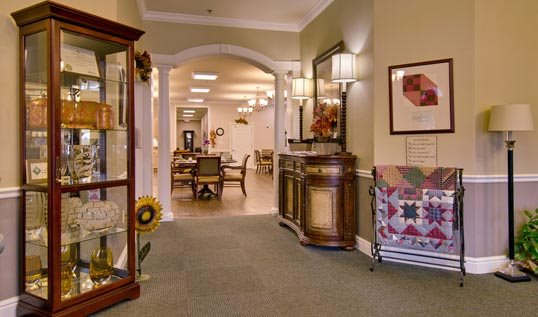
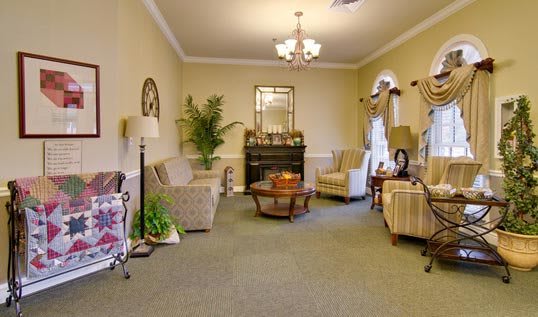
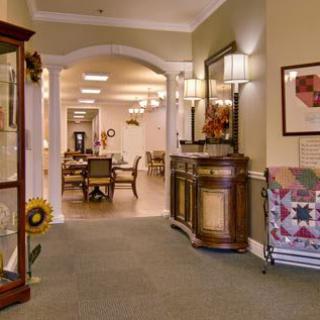
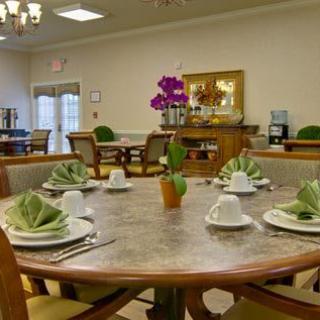
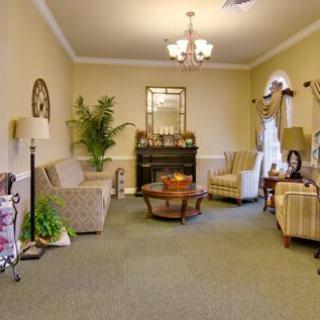
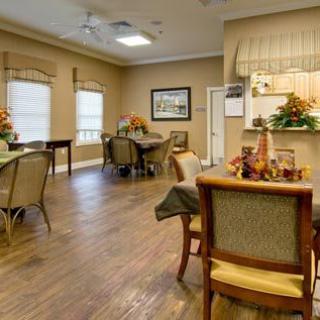
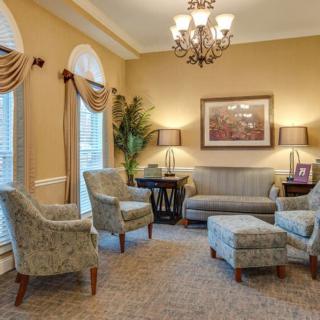
Schilling Gardens and The Arbors is best suited for families seeking a secure, memory-care focused environment where staff demonstrate durable patience and a genuinely family-like approach. The community earns its strong spots from a staff that remains calm through challenging memory-care moments, and from a leadership tone that prioritizes individualized attention and consistent caregiving. The secured access and the warm, welcoming atmosphere create a reliable home base for residents who need supervision, structure, and compassionate routine.
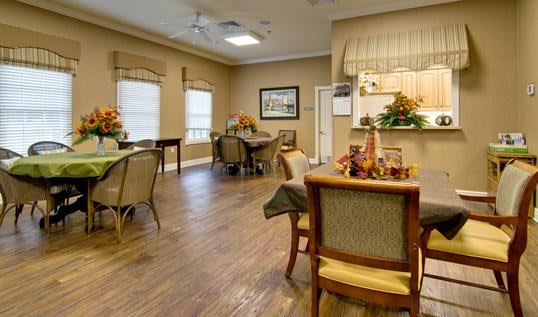
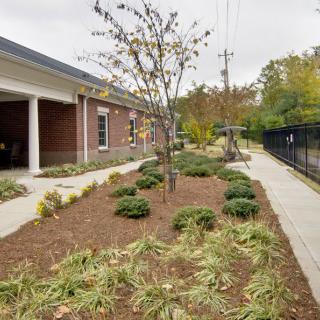
Those evaluating alternatives should consider that this option may feel less compelling for families craving richer daily programming, expansive social calendars, or frequent opportunities to dine with their loved one. Several reviews flag a limited activity slate beyond occasional Bingo and community events, which can leave some residents with fewer diversion options than expected for the price. The size of the campus also matters: for families seeking a more intimate setting, the larger footprint can feel overwhelming for a parent who prefers easier, quieter routines. Finally, there are credible concerns about front-desk responsiveness and appointment etiquette that should not be dismissed when evaluating overall experience.
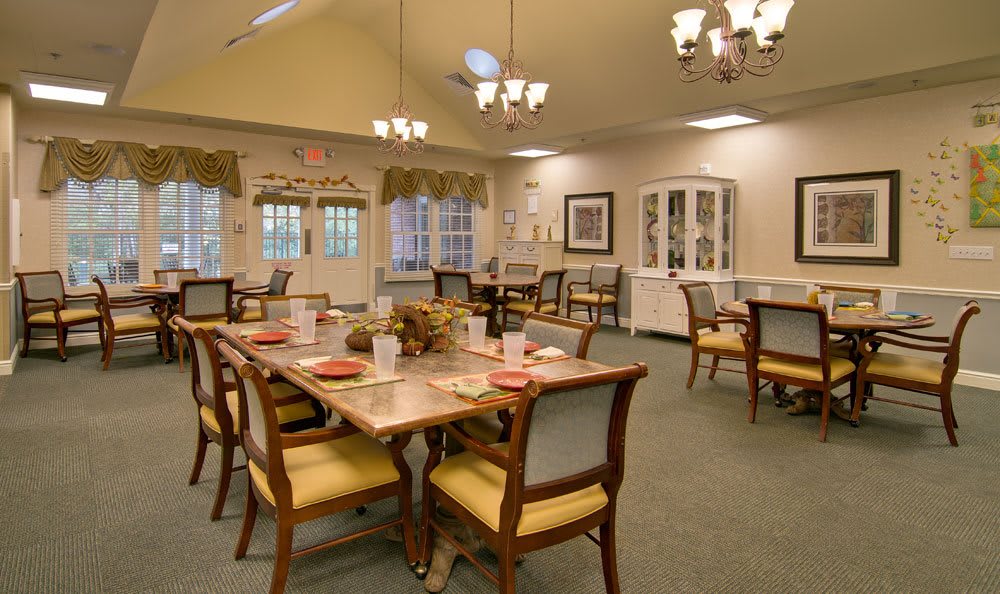
The strongest pro here is the care bandwidth: memory-care expertise, patient handling of difficult moments, and a staff that treats residents with unmistakable kindness. Families repeatedly describe staff as knowledgeable across memory-care levels, capable of de-escalating agitation, and attentive to individual needs. The environment is consistently portrayed as warm and secure, with a focus on keeping residents engaged in a calm, home‑like rhythm. When a loved one thrives on stable routines and reassuring caregivers, these positives often outweigh procedural gaps, because safety and consistency directly address the core fears families bring to memory-care placement.
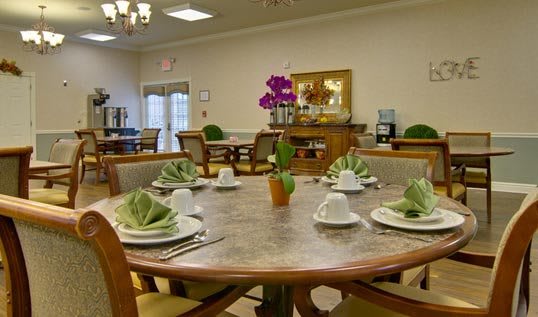
That said, the cons cannot be dismissed. Activity offerings appear sparse relative to expectations for a facility charging mid-range daily rates, leaving some families feeling there's room for more varied engagement. Meal dynamics also emerge as a point of friction: while some families report opportunities to share meals and be part of the dining moment, others encounter restrictions or inconsistent policies about dining with residents. Front-desk interactions and scheduling hiccups surface in a few reviews, signaling that customer-service responsiveness can be uneven. In decision-making terms, these gaps temper the otherwise solid caregiving foundation and should be weighed against personal priorities for social programming, family involvement, and administrative responsiveness.
From a practical standpoint, families should measure alignment with memory-care goals against the campus size and programming reality. The secure, staff-centered care model earns high marks for safety and bedside attentiveness, which can translate into fewer behavioral crises and a steadier daily routine. However, for families needing a vibrant, highly active day with a predictable, open-door dining policy, alternatives may offer more consistent engagement and transparency. Cost perception also matters: one review cites a notable daily rate alongside expectations for additional programming, suggesting a careful examination of what is included in the fee versus optional add-ons.
For those ready to move forward, a disciplined due-diligence path makes sense. Ask about current activity calendars and whether residents can participate in meals with family on a regular basis. Investigate staffing ratios on peak activity days and how care plans are tailored for memory impairment, including handling of sundowning or agitation. Request specific examples of behavior-management successes and recent resident care adjustments. Finally, contrast Schilling Gardens and The Arbors with smaller, memory-care focused communities and larger campuses with broader activity rosters to determine which setting better suits the loved one’s temperament, safety needs, and social desires. The verdict: Schilling Gardens is a sound match for families prioritizing patient, compassionate memory care within a secure, homelike setting, provided expectations are aligned with the level of daily programming and the attentiveness of front-d desk interactions.
 1-bedroom apartments
 Assisted Living
 Memory Care
 Cats allowed
 Dogs allowed
 Activities on-site
 Air-conditioning
 Beautician on-site
 Cable or satellite TV
 Devotional services off-site
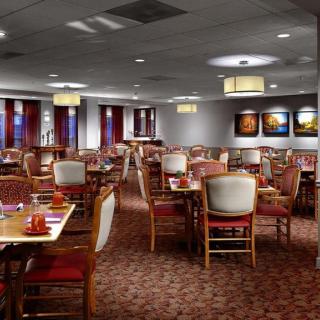
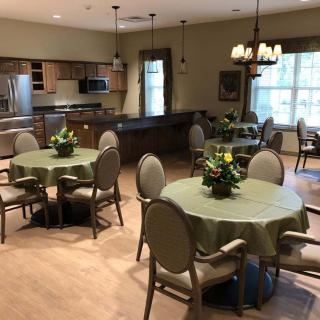
 Dining room
 Garden
 Ground floor units
 Guest parking
 Handicap accessible
 Housekeeping services
 Indoor common areas
 Kitchenette
 Laundry
 Outdoor common areas
 Overnight guests
 Party space
 Respite or short term stays offered
 Spa
Spa VA Benefits Consultation
 Wi-Fi/high-speed internet available
 Memphis International (16 miles away)
 Ambulatory care
 Diabetic care
 Hospice care
 Incontinence care
 Medication management
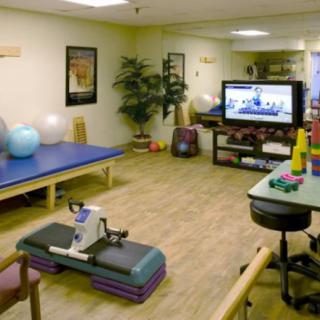
 Physical therapy
 Guest meals
 Arts and crafts
 BBQs or picnics
 Book club
 Educational speakers / life long learning
 Fitness programs
 Games
Games Live musical performances
 English

 Exploring the Power of Reminiscence Therapy for Individuals With Dementia
 An In-Depth Look at Reminiscence Therapy in Dementia Care
 Dementia-Related Hallucinations: Causes, Experiences, and Practical Approaches