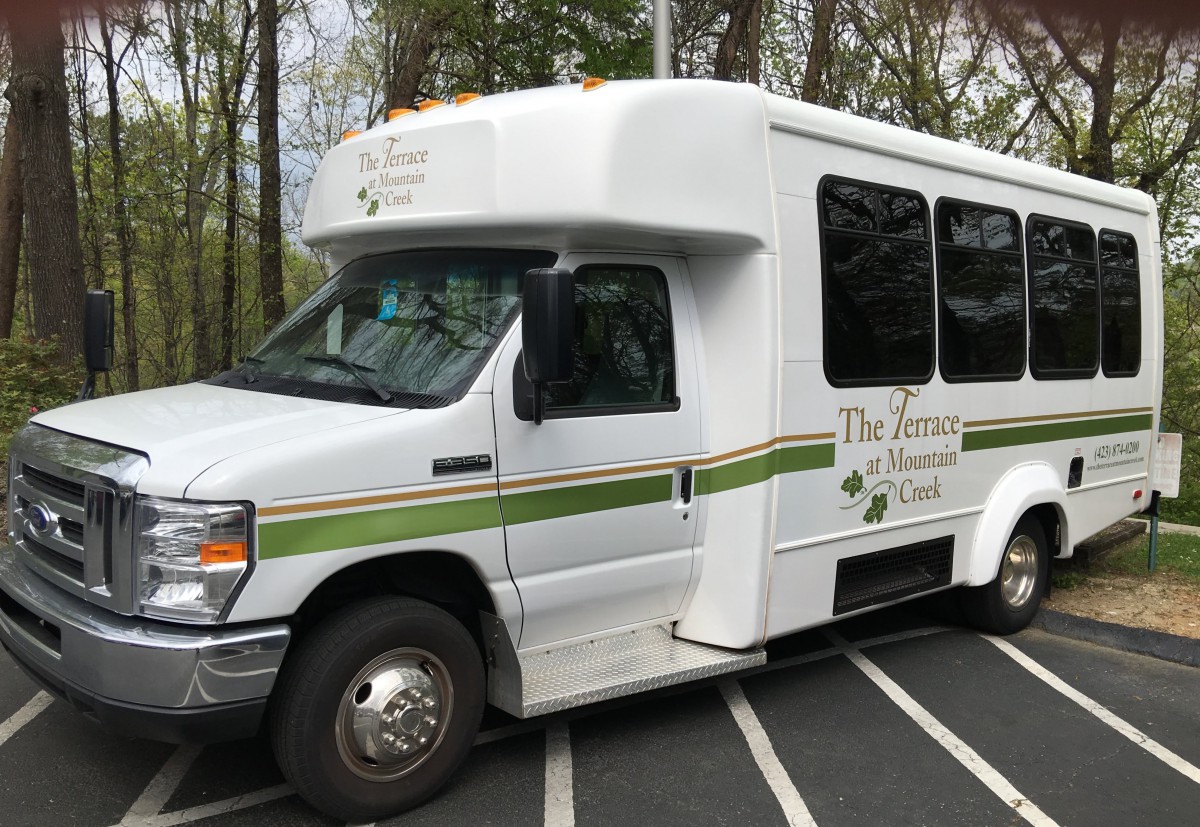
Signal Mountain Senior Living

Save

  • Interior

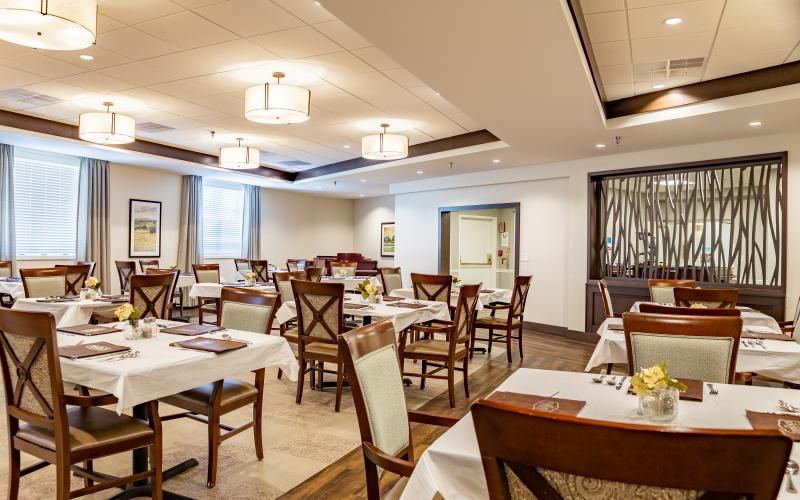
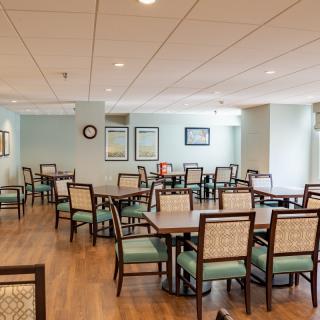
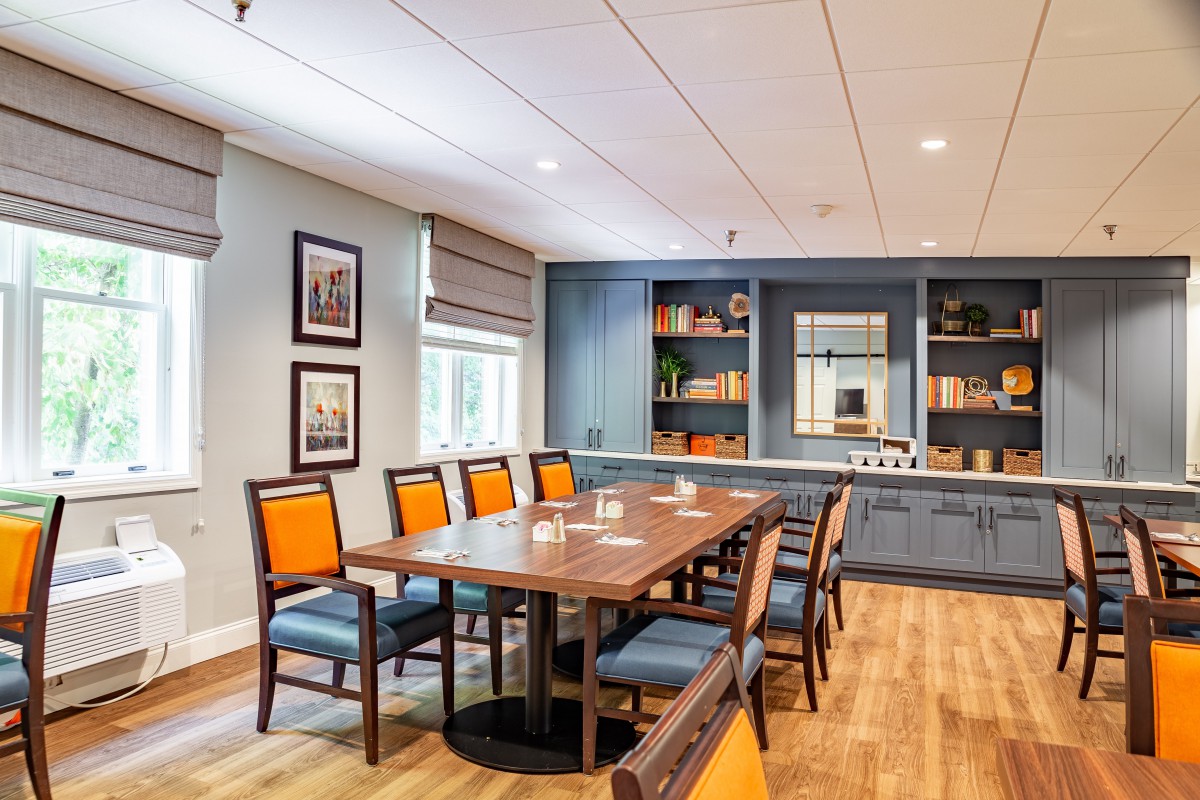
    A stylish dining area with neatly arranged tables and chairs, featuring modern lighting and decor.
  • Outdoors

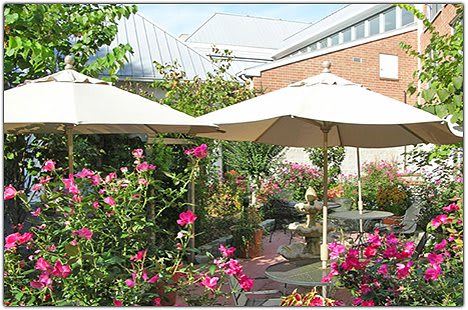
    A beautiful garden patio with colorful flowers and shaded umbrellas.
  • Decor

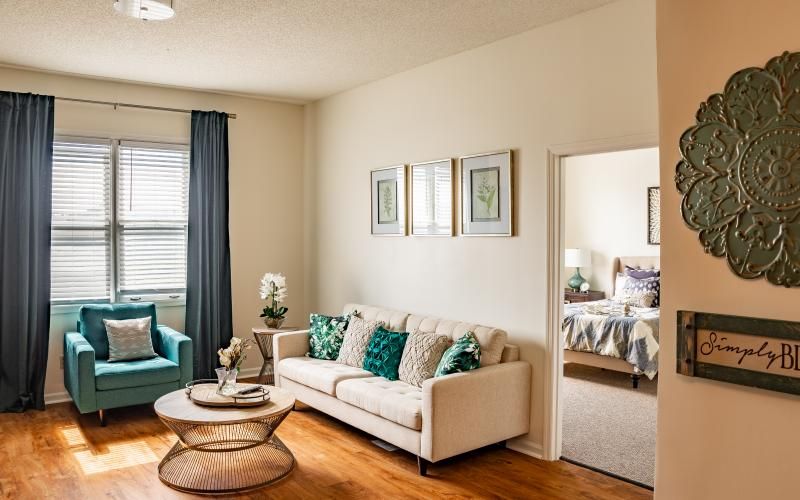
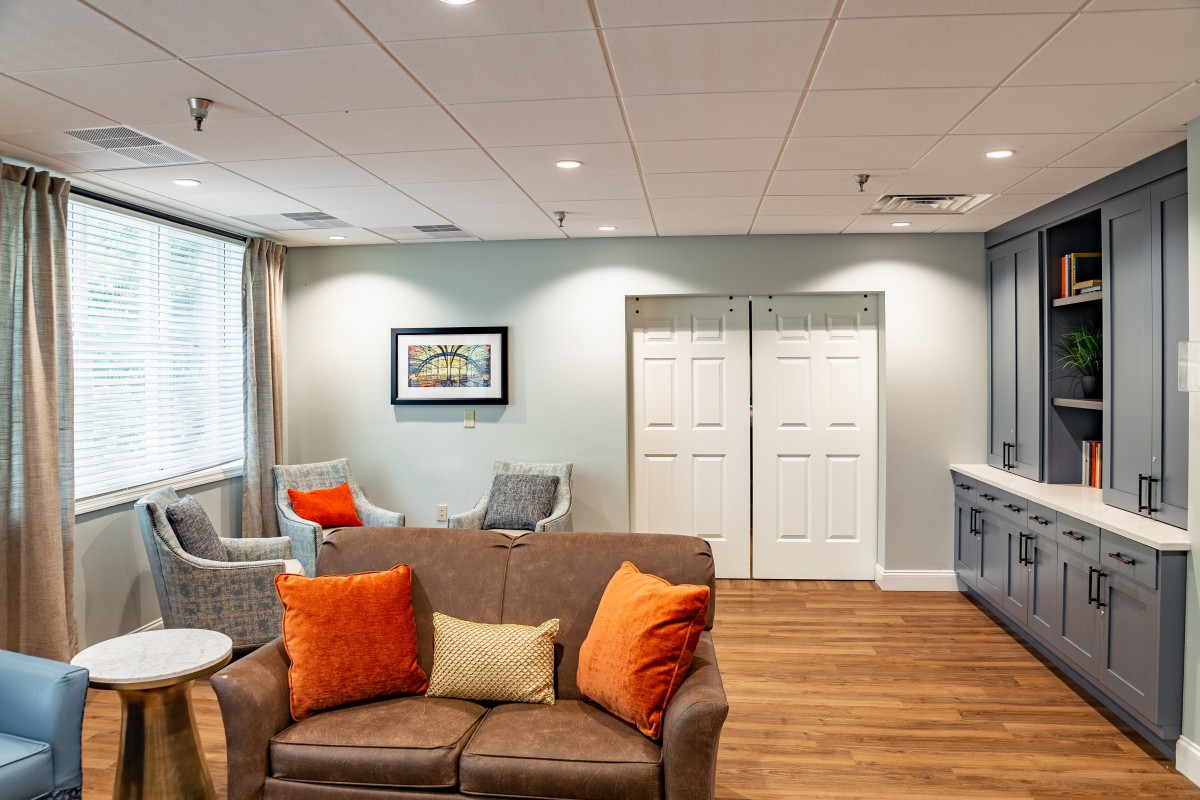
    A modern, cozy living room with a sofa, decorative pillows, and a wooden floor.
  • Living Room

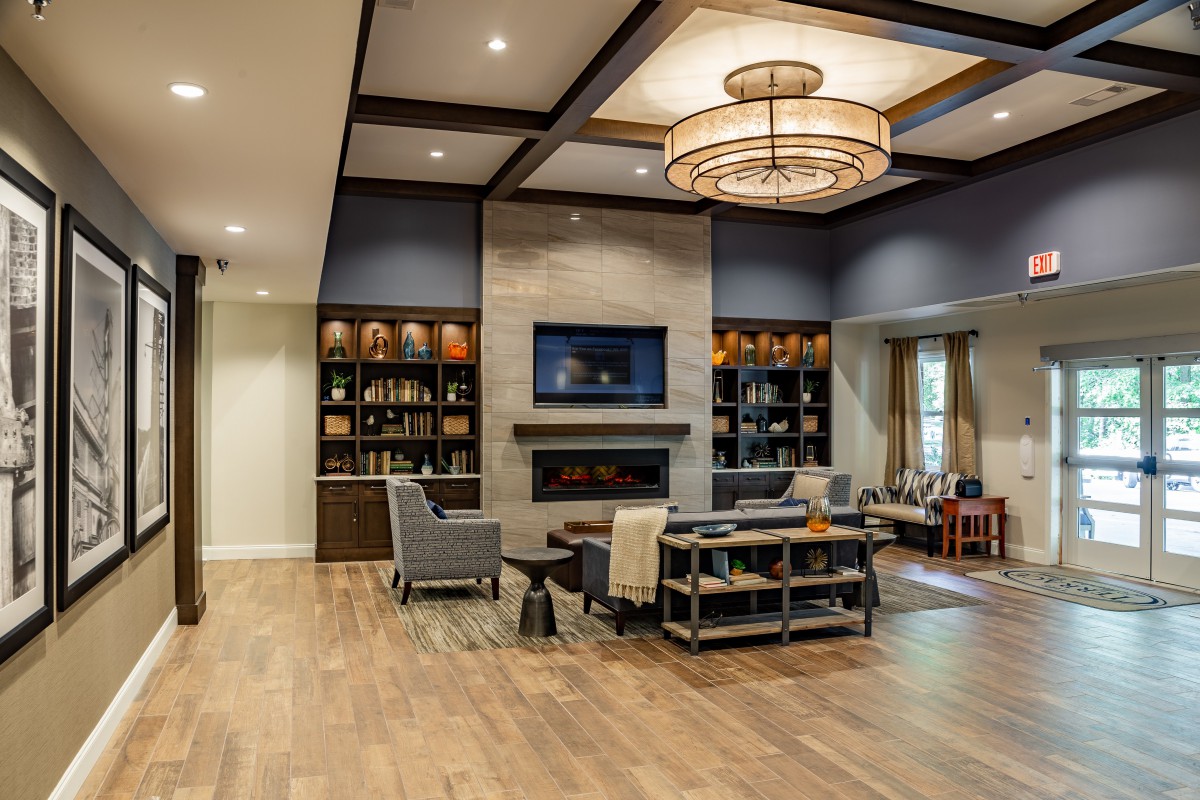
    A modern living room with a fireplace, elegant seating, and stylish decor.
  • Building

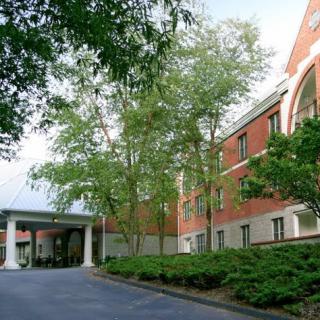
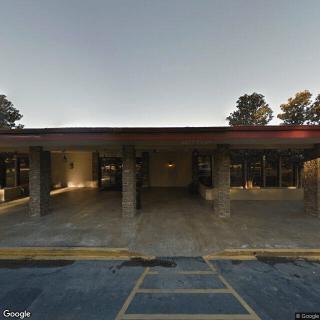
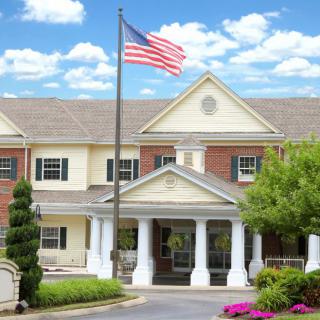
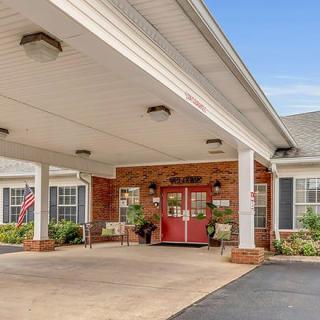
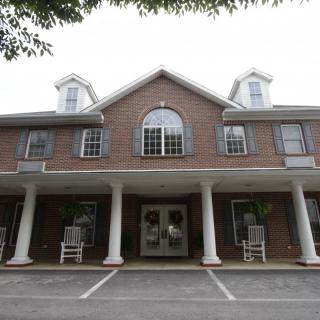
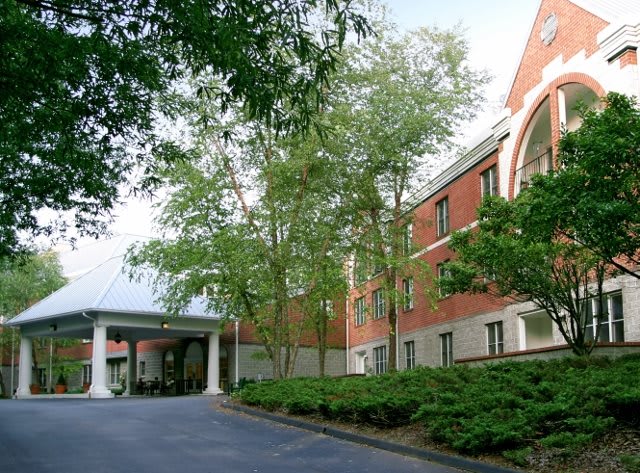
    A brick building with trees lining its entrance.
  • Bedroom

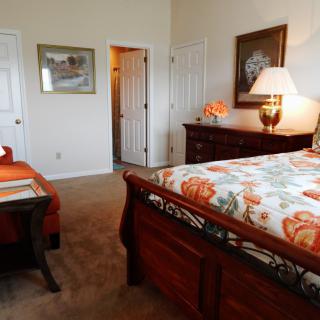
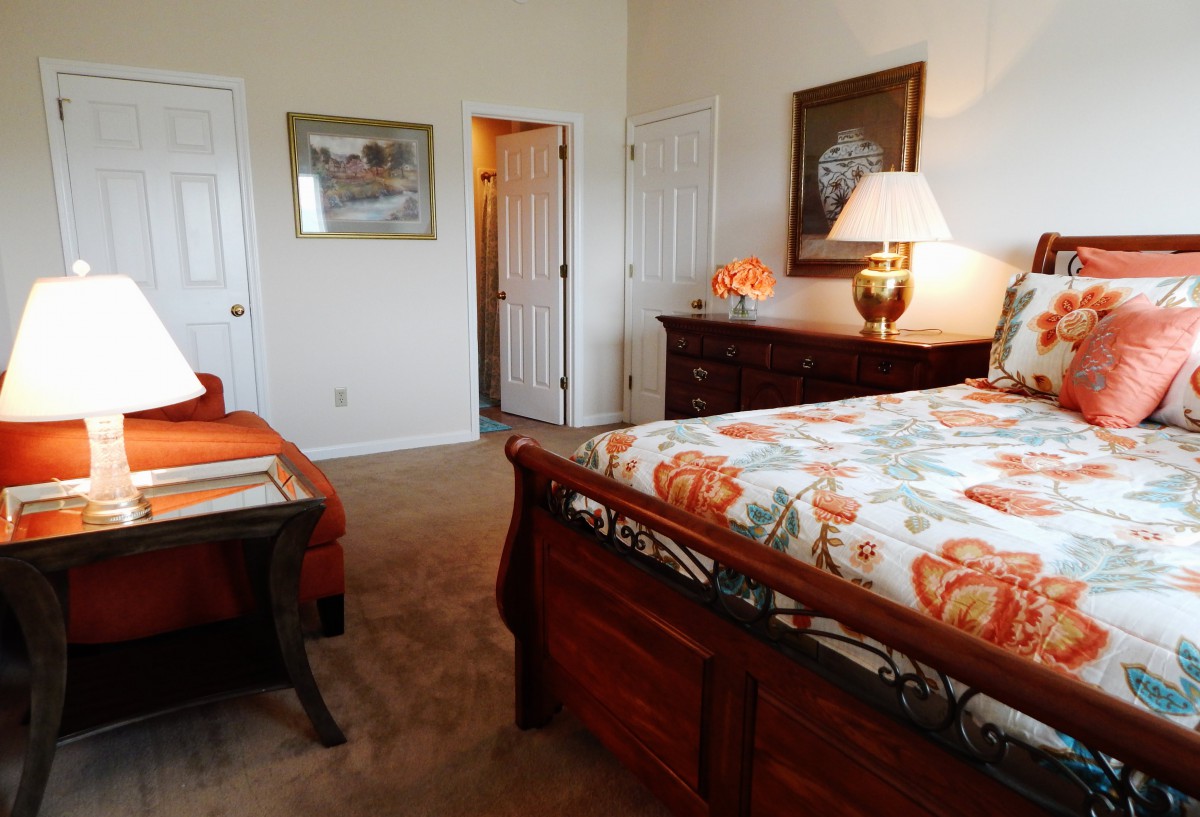
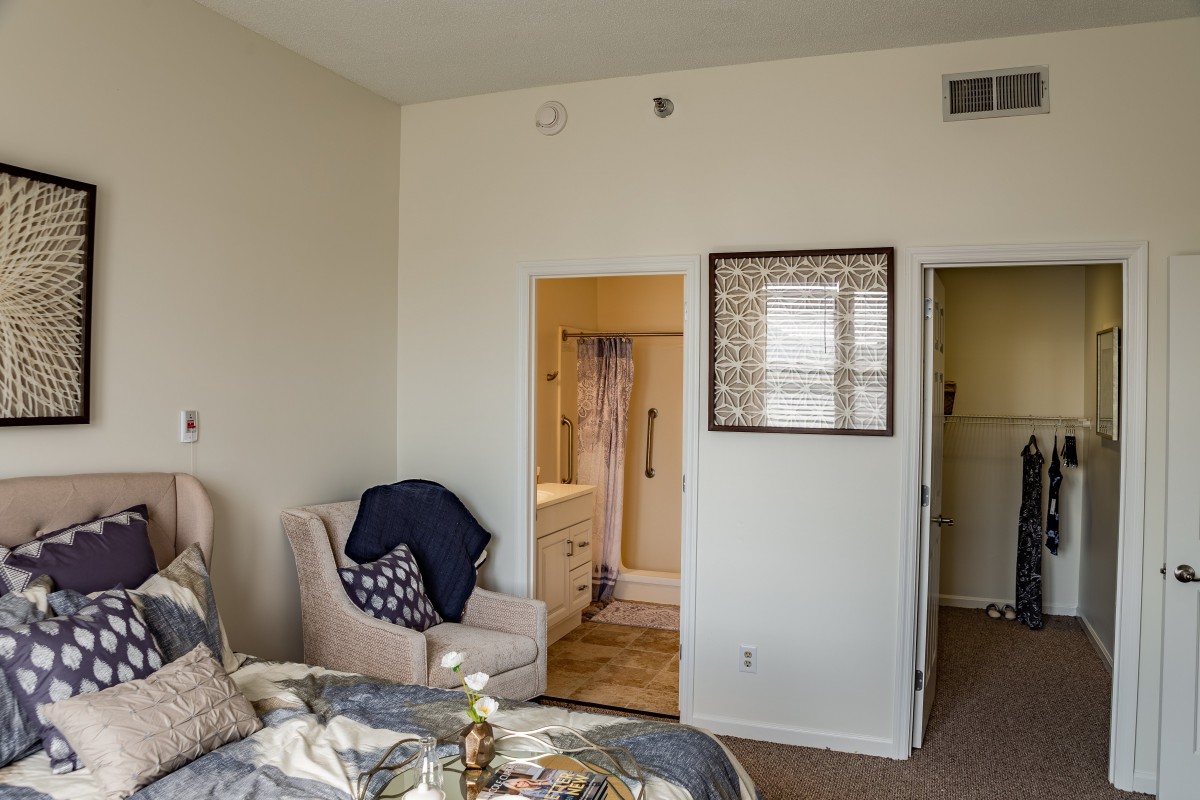
    A cozy bedroom with a decorated bed and warm lighting.
  • Windows

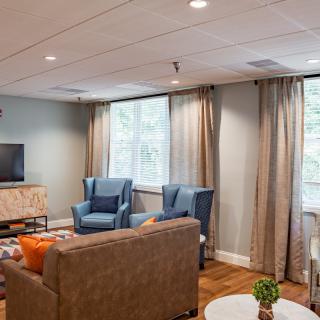
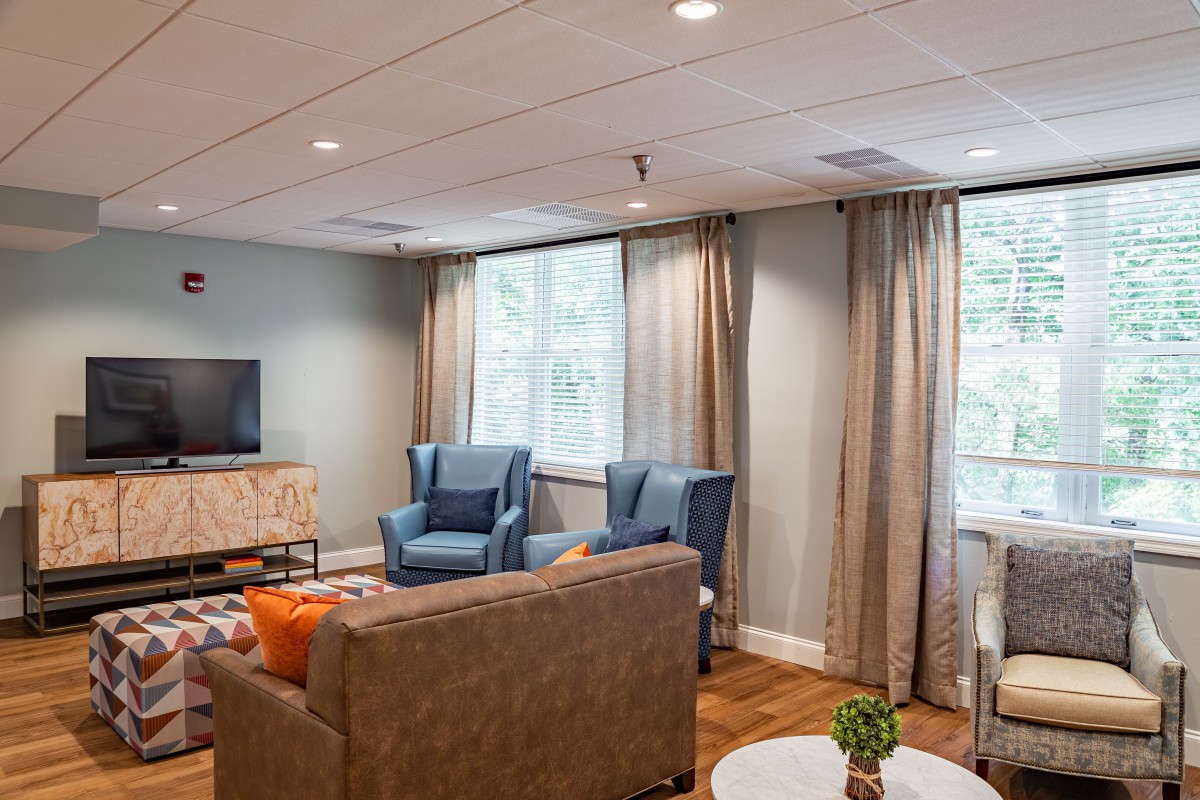
    A cozy living room with plush seating and a television, featuring large windows and elegant curtains.
  • Dining

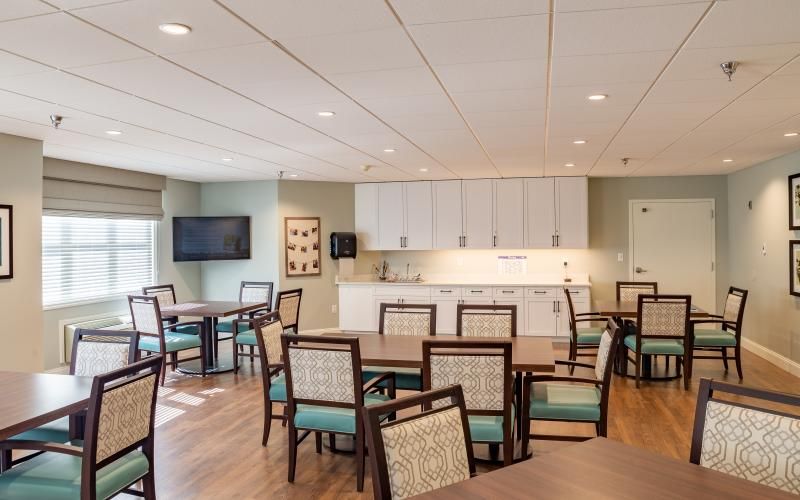
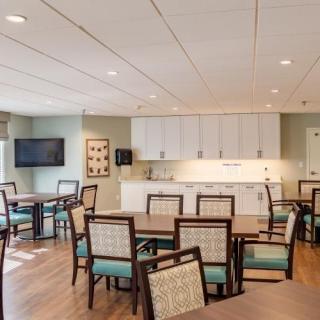
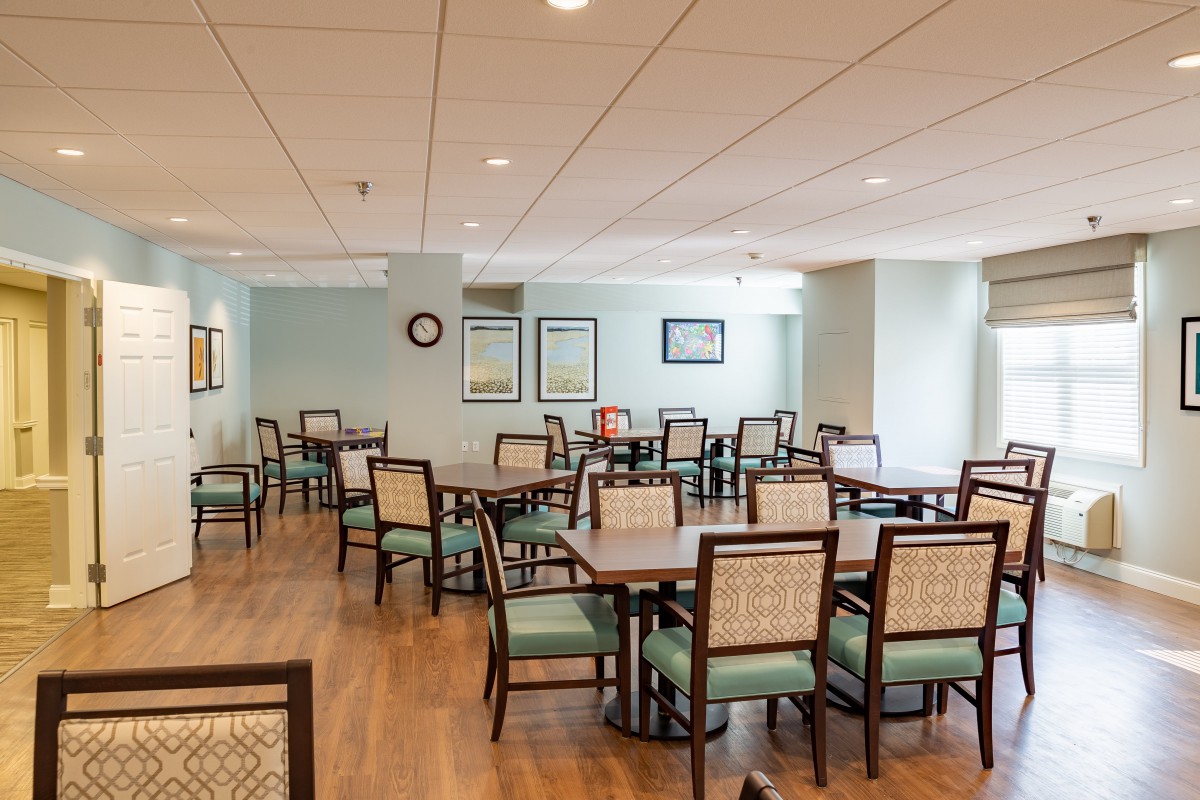
    A modern community dining room with tables, chairs, and a kitchenette.
  • Lighting

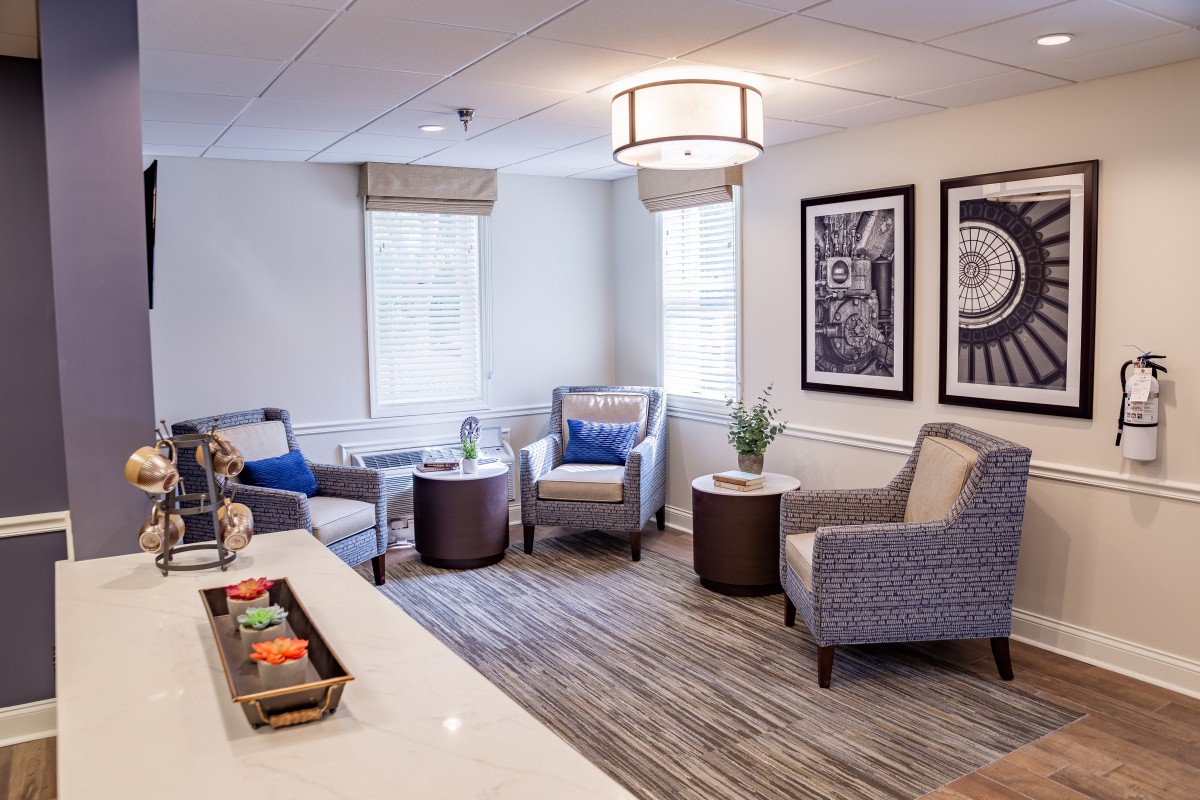
    A cozy and modern living room with comfortable seating and elegant decor.
  • Artwork

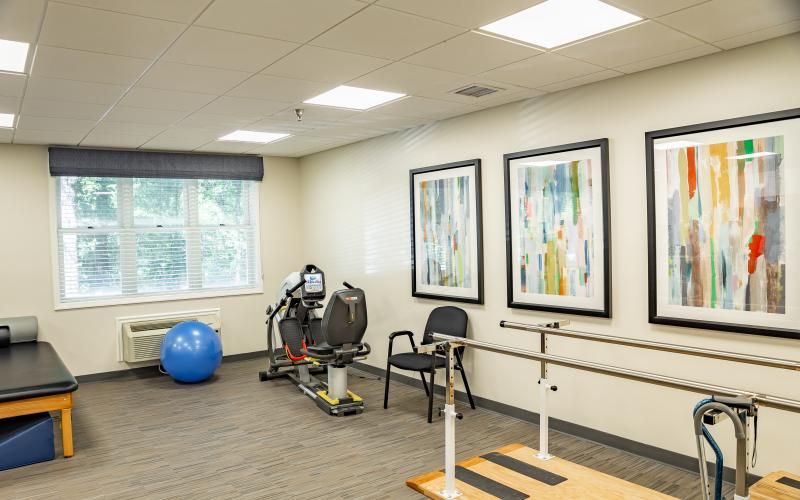
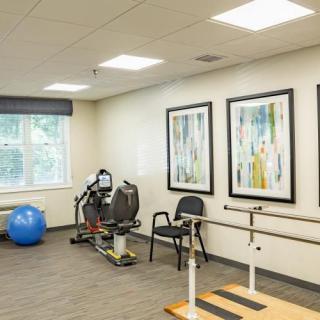
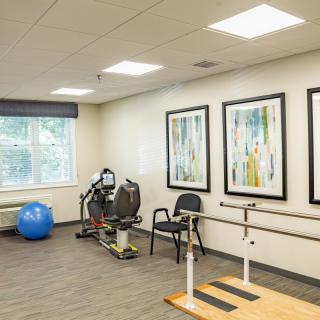
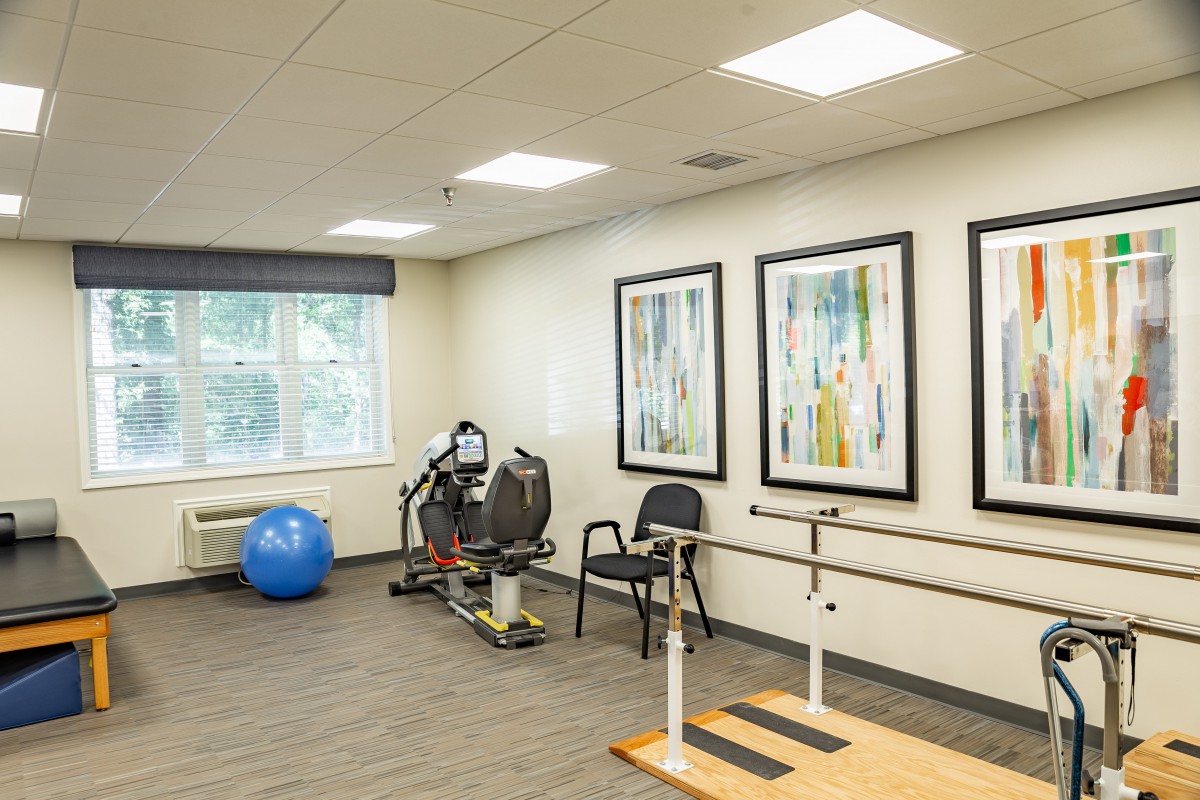
    A rehabilitation room with exercise equipment, including a stationary bike and fitness ball, adorned with artwork on the walls.
  • Seating Area

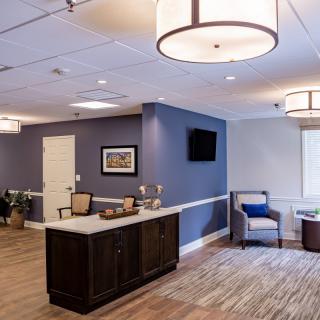
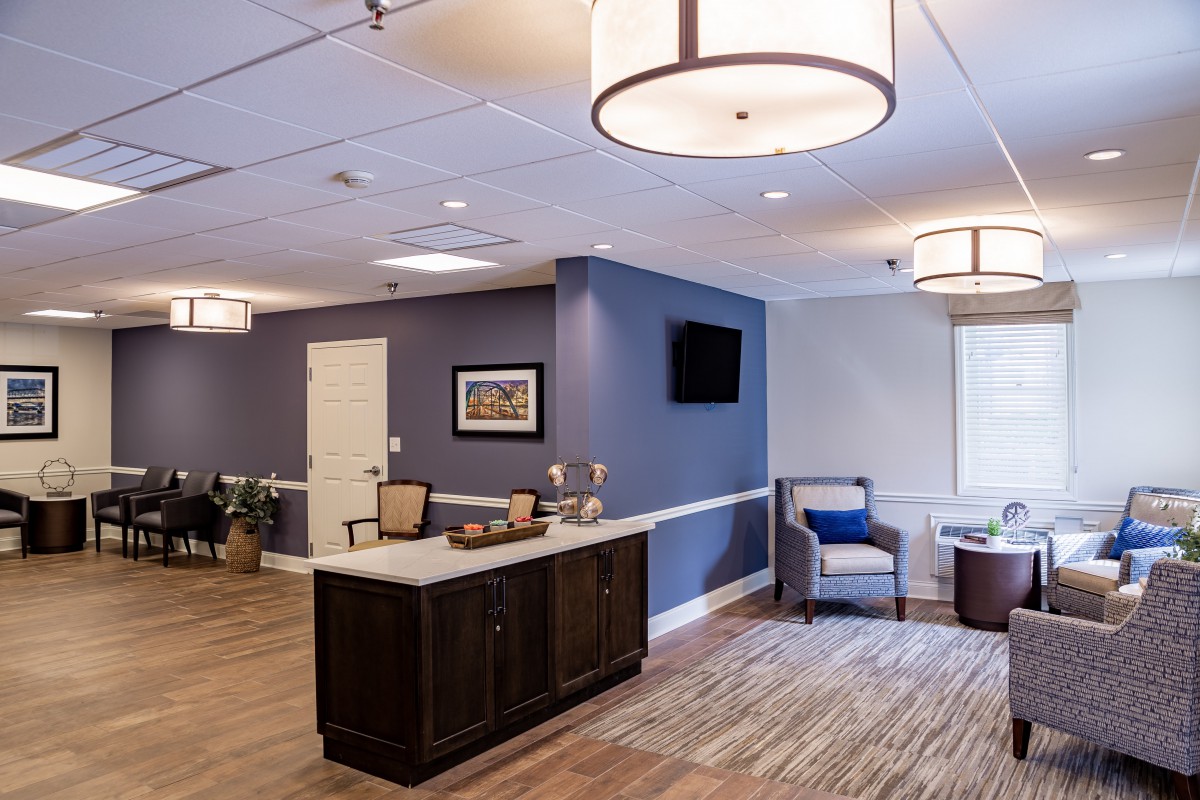
    A modern lobby with comfortable seating and elegant lighting.
  • Fireplace

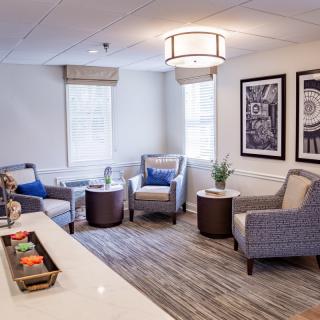
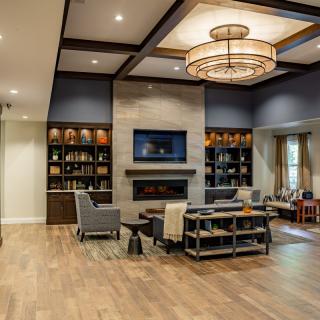
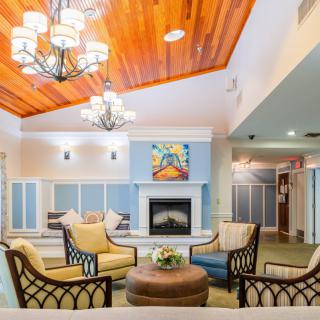
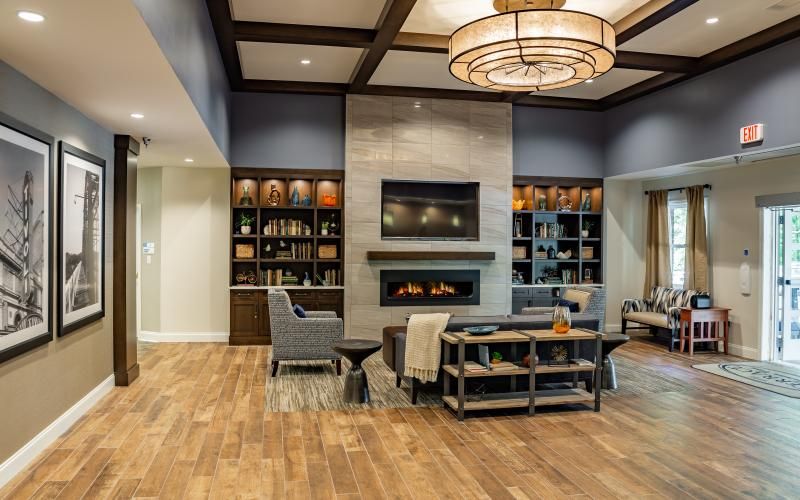
    A modern living room with a fireplace, elegant chandelier, and comfortable seating.
  • Floor Plan

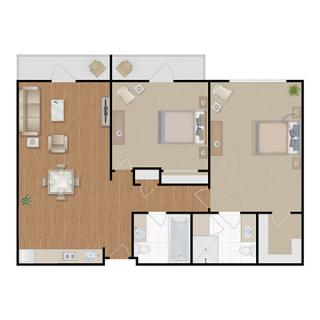
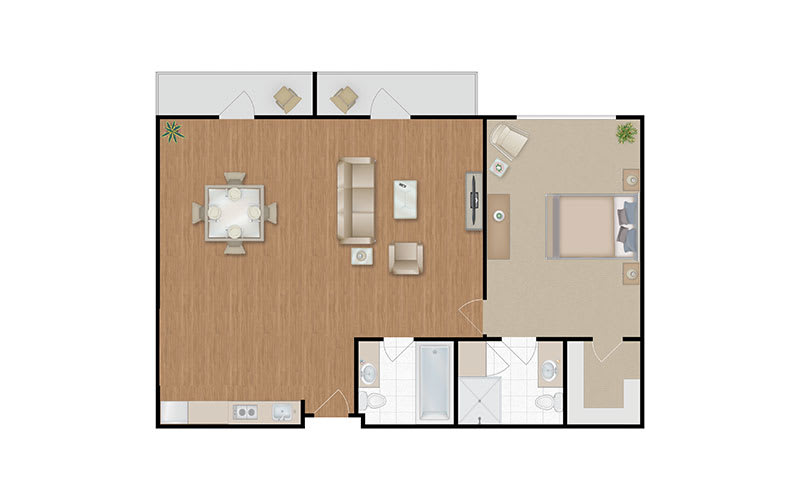
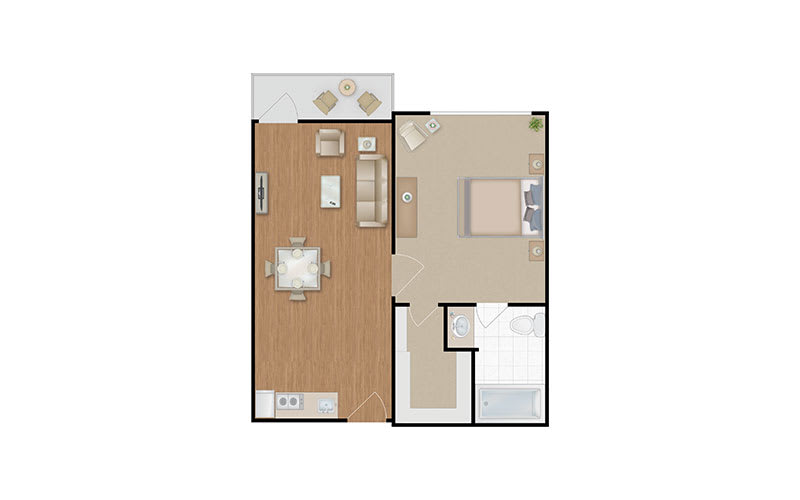
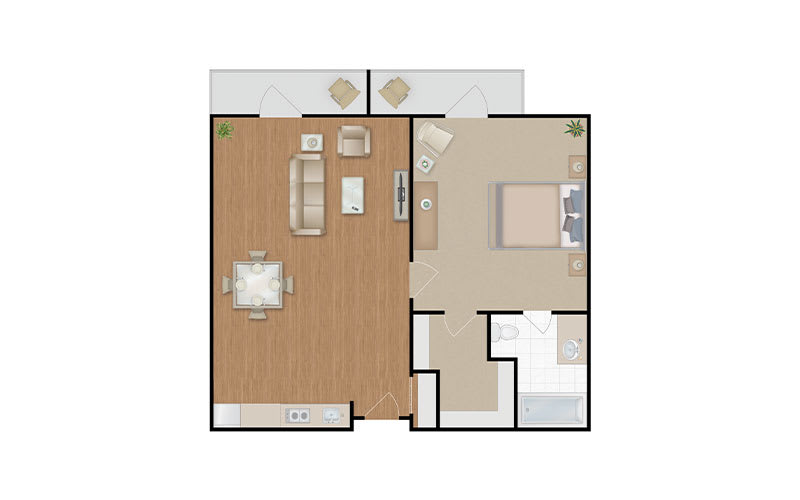
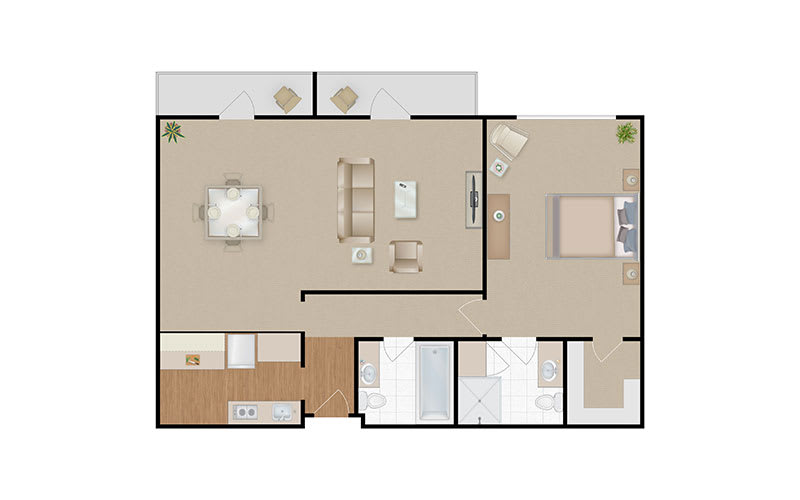
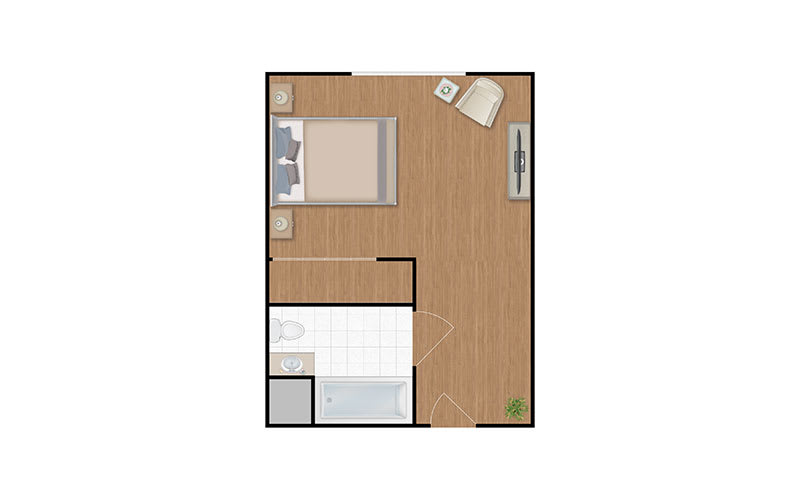
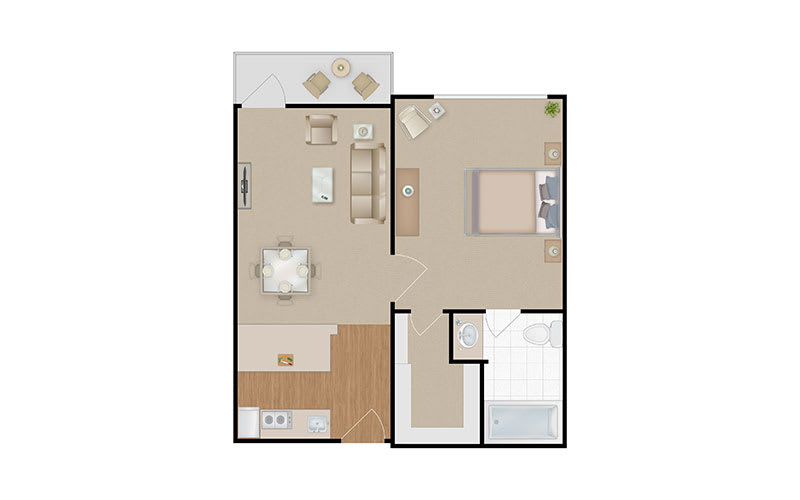
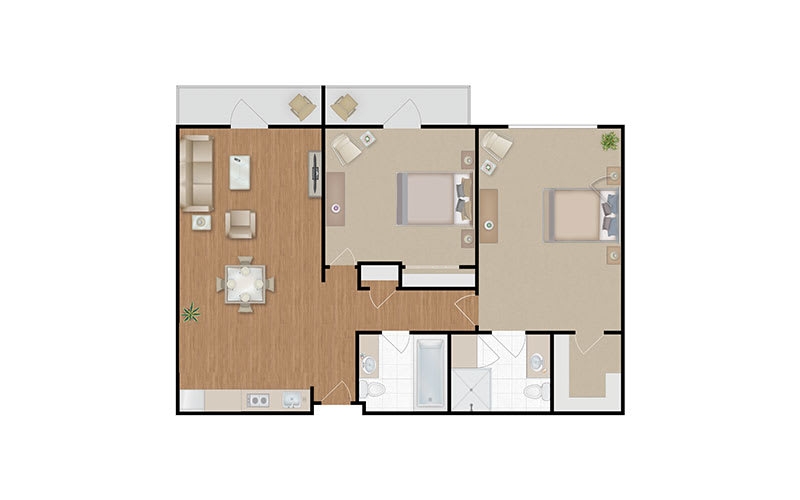
    A modern apartment floor plan with two bedrooms, a living room, kitchen, and bathroom.
  • Exercise Equipment

    A rehabilitation room equipped with exercise machines, an exercise ball, and parallel bars.

Signal Mountain Senior Living

1005 Mountain Creek Road, Chattanooga, TN 37405

For more information about senior living options: (844) 490-3973

3.8 from 121 reviews
5 stars
61
4 stars
26
3 stars
7
2 stars
8
1 stars
19

Assisted Living Independent Living Memory Care

Signal Mountain Senior Living Costs & Pricing

Signal Mountain Senior Living offers competitive pricing when compared to both Marion County and the broader state of Tennessee. For instance, their one-bedroom units are priced at $2,000, significantly lower than the county average of $4,287 and the state average of $3,592. Similarly, their studio apartments are available for $2,900, which again is a more affordable option than the county's $4,387 and slightly above the state's $3,485. The semi-private rooms at Signal Mountain are offered at $3,850; while higher than the state average of $3,162, they remain below Marion County's average of $5,153. Even in terms of two-bedroom accommodations priced at $4,075 - a figure that matches the county average - Signal Mountain provides value in a market where prices can vary widely. Overall, residents benefit from attractive options that facilitate a high quality of life without straining budgets.

Floor plansSignal Mountain Senior LivingMarion CountyTennessee
1 Bedroom$2,000$4,287$3,592
Studio$2,900$4,387$3,485
Semi-Private$3,850$5,153$3,162
2 Bedrooms$4,075$4,075$3,962

Overall Review of Signal Mountain Senior Living

Pros

  • pro They were grateful for the staff's compassion and kindness, which brought them peace.
  • pro The care attendants are excellent: skilled, respectful, and cheerful.
  • pro The meals are fantastic.
  • pro Cleanliness is great and the facility is well kept.
  • pro There are always activities throughout the day and movies every night.
  • pro The new apartments are big and beautiful, and residents' pets are welcome.
  • pro There is a piano that anyone can play.

Cons

  • pro Jennifer Jolly used a hard-sell tactic after the family stated there would be no decision that day.
  • pro She also asked whether the grandmother had dementia and was sundowning in front of her, which was extremely inappropriate.
  • pro There were not enough staff on the memory care floor, and it always smelled like urine.
  • pro The follow-up calls to the reviewer's father were disturbing.
  • pro The nursing staff had no coordination.
  • pro They consistently invoiced hundreds of dollars more than what was owed and threatened to turn balances over to collections, actions described as fraudulent.

Review

Families share a remarkably broad and honest range of experiences about the same senior living community, painting a picture that is at once comforting and concerning. On one hand, several residents and relatives describe a place that brought peace of mind during a difficult decision, with compassionate staff, welcoming activities, and a sense of community that helped people feel at home in retirement. They highlight options like a lively activities calendar, friendly neighbors, a caf?, a non-denominational church, a piano available for anyone to play, and the relief that comes from knowing their loved ones are cared for in a structure that feels calm and secure. In those accounts, the people are described as warm, considerate, and genuinely engaged with residents' wellbeing, delivering a sense of normalcy and human connection that families find invaluable.

But behind the warmth, there are equally strong notes of frustration and concern that cut across several entries. A number of reviews raise red flags about the business side of care: confusing or escalating fees, contracts that seem opaque, and billing disputes that become stressful and, in some cases, protracted. One reviewer urges readers to read the contract carefully, emphasizing "fees, fees, more fees," while others recount repeated follow-up calls that never seem to get resolved, leaving families feeling puzzled and sometimes overwhelmed by unexpected charges. In several posts, the friction around billing is not just about numbers but about trust and predictability in a setting where families need clarity.

The tour experience also stands out as a memorable point of tension. One prospective guest recounts a tour where a staff member used a hard-sell approach even after a clear decision wasn't imminent, and worse, asked intrusive questions about a grandmother's cognitive status in front of her. That kind of encounter left a lasting negative impression and was followed by persistent outreach to family members that felt aggressive to the visitor. This particular thread underscores how first impressions - a tour that feels respectful and patient - can shape perceptions long before a family steps through the doors of daily life in the community.

Once a move-in occurs, other problem areas surface for some families. A recurring theme is understaffing on the memory care floor, along with odors and residents wandering, which raises concerns about safety and supervision. There are accounts of miscommunications with doctors after hospitalizations, and of meals that aren't aligned with important medical or appointment guidelines. Several readers describe a drop in responsiveness from staff after the initial transition, contrasting sharply with earlier warmth from the front office or caregiving teams. The picture that emerges is not that care is uniformly poor, but that consistency - especially in staffing levels, follow-through, and adherence to medical orders - can be uneven.

Beyond care quality, families weigh the practicalities of daily living: noise levels in dining rooms, maintenance and sanitation issues, and the ongoing struggle to obtain basic conveniences like Wi-Fi passwords or functioning televisions. Some reviewers acknowledge the high quality of care attendants and the dedication of some team members, while signaling that executive leadership and back-office operations do not always meet the same standard. In short, the environment may be physically attractive and the people capable, but the administrative and logistical side of life there can be hit-or-miss.

Amid the mixed reviews, a cluster of voices centers on Signal Mountain Senior Living specifically, offering both praise and caution. Several visitors and residents commend three meals a day in independent living, noting that the food is generally good and that options are available even when preferences don't align with the main menu. They praise the friendliness of staff, the sense of community, and the variety of activities and outings that help residents stay engaged. Yet even these positive comments don't gloss over every concern: some point to high costs, the reality of ongoing renovations, and the perception that the overall price point can strain budgets. A few families mention communication gaps or difficulties with some amenities, but the overall tone in these entries leans toward a favorable view when contrasted with higher billing disputes and care coordination hiccups reported elsewhere.

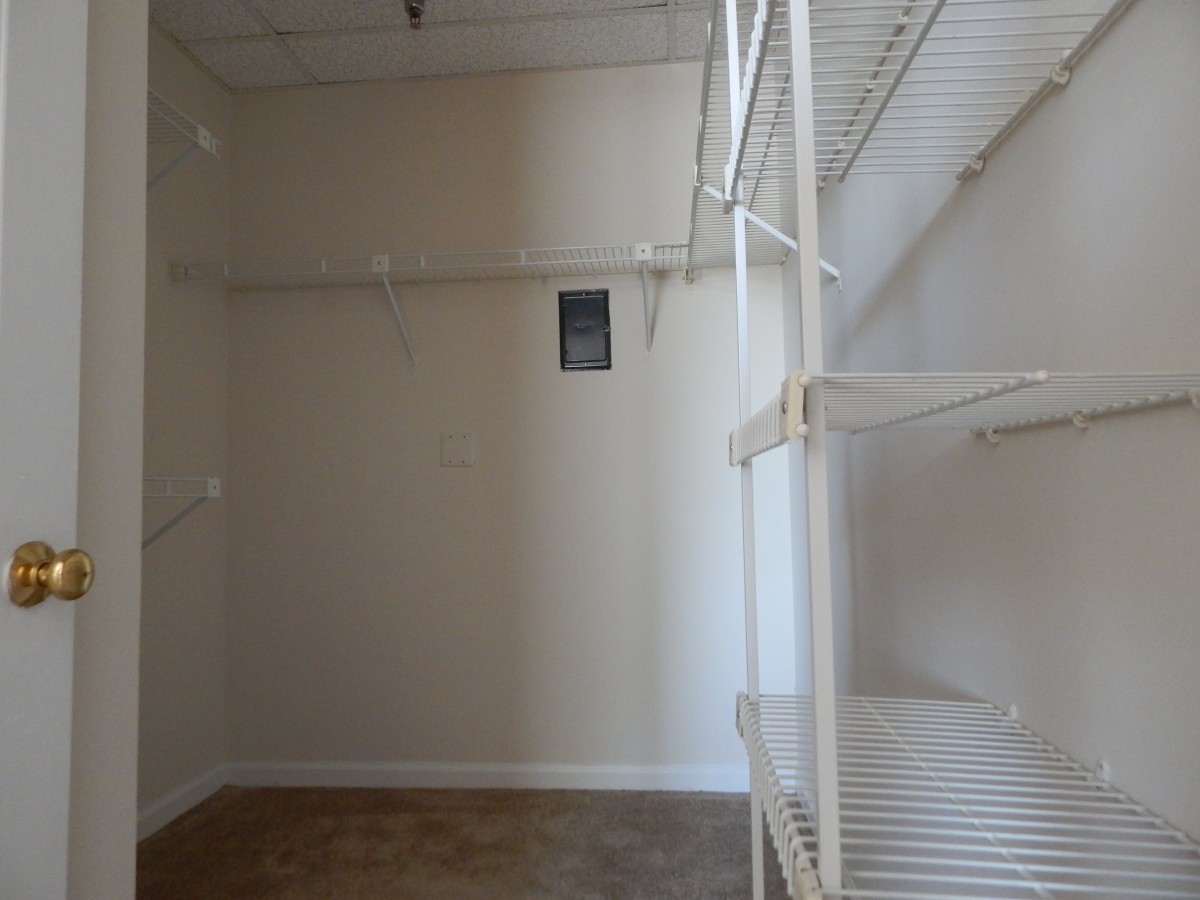
In another vein, reviewers describe Signal Mountain as a place where independent living can feel comfortable and well-suited to a more peaceful, retirement-focused lifestyle. There are comments about large living spaces, walk-in closets, and kitchens that meet residents' practical needs, along with positive remarks about the surrounding environment and the sense of safety in a well-kept, though aging, facility. The recurring thread is that this is a place where residents can thrive with the right combination of welcoming neighbors, good food, and accessible services, as long as expectations are aligned with the realities of cost, construction, and administrative responsiveness.

Overall, the collection of experiences presents a nuanced panorama: warmth, community, and attentive care on one side, and billing disputes, inconsistent responsiveness, and operational gaps on the other. Families evaluating this type of community would do well to examine not only the visible daily life - the meals, activities, and atmosphere - but also the contract details, billing history, staff-to-resident ratios, and the clarity of communication from administrators. Scheduling thorough tours, requesting direct conversations with nursing leadership, and seeking current, verifiable references can help prospective residents and their families form a more complete, informed view.

In the end, what emerges is a place that can deliver genuine comfort and companionship for its residents, paired with caveats that demand careful due diligence. For some families, the care, the community feel, and the peace of mind outweigh the challenges of administration and cost. For others, persistent concerns about billing practices, staffing gaps, and how questions are handled may push them to look elsewhere. Either way, the testimonials provide a vivid snapshot of life inside a senior living community where personal moments of connection sit alongside systemic questions that families must navigate with care and persistence.

Features

Housing

  • 120 resident community capacity 120 resident community capacity
  • 1-bedroom apartments 1-bedroom apartments1-bedroom apartments are important for seniors because they provide a sense of independence, privacy, and autonomy while still offering the necessary space for comfortable living. These apartments allow seniors to maintain their own personal space and lifestyle preferences in a supportive community setting.
  • 2-bedroom apartments 2-bedroom apartments2-bedroom apartments are important for seniors because they provide extra space for guests, hobbies, and caregivers, as well as potential for additional income through roommates or rental.
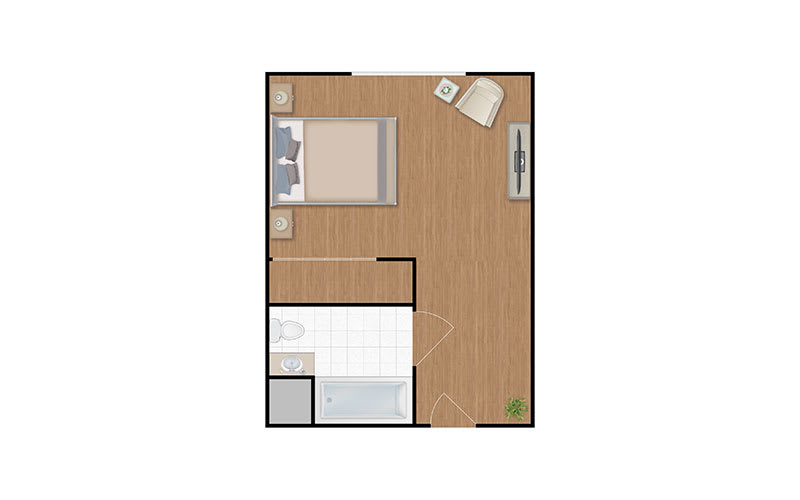
  • Studio apartments Studio apartmentsStudio apartments are important for seniors because they offer a smaller, more manageable living space that is easier to navigate and maintain as physical abilities decline. Additionally, studio apartments provide seniors with independence and privacy while still being part of a community that offers support and social opportunities.

Types of Care

  • Assisted Living Assisted LivingAssisted living facilities provide crucial support and care for seniors who may need help with daily tasks such as medication management, bathing, and meal preparation. These communities offer a safe and comfortable environment where seniors can maintain their independence while receiving the assistance they need to thrive in their golden years.
  • Independent Living Independent LivingIndependent living communities are important for seniors because they offer a safe and supportive environment where older adults can live independently while still having access to amenities and services that enhance their quality of life. These communities provide social opportunities, recreational activities, and assistance with daily tasks, promoting overall well-being and allowing seniors to maintain their independence for as long as possible.
  • Memory Care Memory CareMemory care is crucial for seniors as it provides specialized support and services for individuals with dementia or Alzheimer's disease. These programs offer a safe and secure environment where residents receive personalized care, cognitive stimulation, and help with daily activities. Memory care helps seniors maintain their independence, quality of life, and dignity while also providing peace of mind for their families.

Pets

  • Cats allowed Cats allowed"Pet friendly" senior living communities are important for seniors because pets provide companionship, reduce feelings of loneliness and depression, promote physical activity and mental stimulation, and offer a sense of purpose and responsibility. Pets can improve overall well-being and quality of life for seniors in many ways.
  • Dogs allowed Dogs allowed"Pet friendly" senior living communities are important for seniors because pets provide companionship, reduce feelings of loneliness and depression, promote physical activity and mental stimulation, and offer a sense of purpose and responsibility. Pets can improve overall well-being and quality of life for seniors in many ways.

Amenities

  • Activities off-site Activities off-siteEngaging in off-site activities is crucial for seniors to maintain social connections, stay active, and stimulate their minds. It promotes overall well-being and helps combat feelings of isolation and loneliness.
  • Activities on-site Activities on-siteActivities on-site are important for seniors because they provide opportunities for socialization, mental stimulation, physical activity, and overall well-being. Engaging in activities can help seniors stay active, maintain their independence, and improve their quality of life.
  • Air-conditioning Air-conditioningAir conditioning is important for seniors as they are more vulnerable to heat-related illnesses and may have underlying health conditions that make it difficult for them to regulate their body temperature. It helps to keep them comfortable, safe, and healthy in hot weather.
  • Bath tubs Bath tubsBath tubs are important for seniors because they provide a safe and relaxing way to bathe, helping to prevent slips and falls while promoting independence and overall well-being.
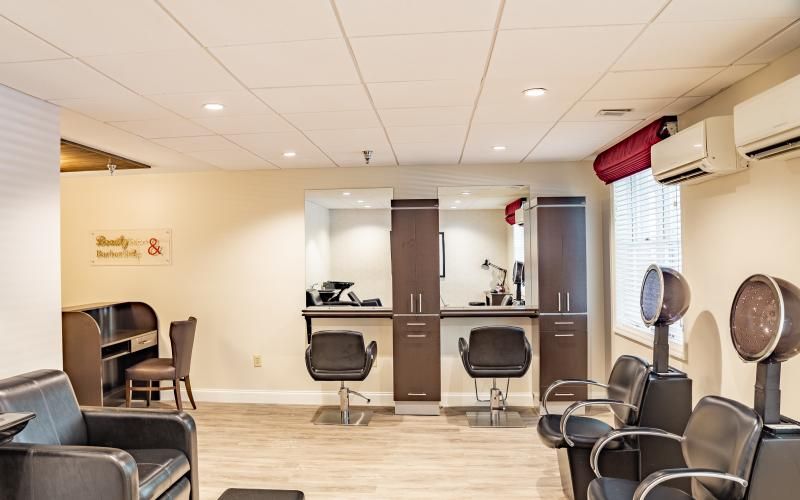
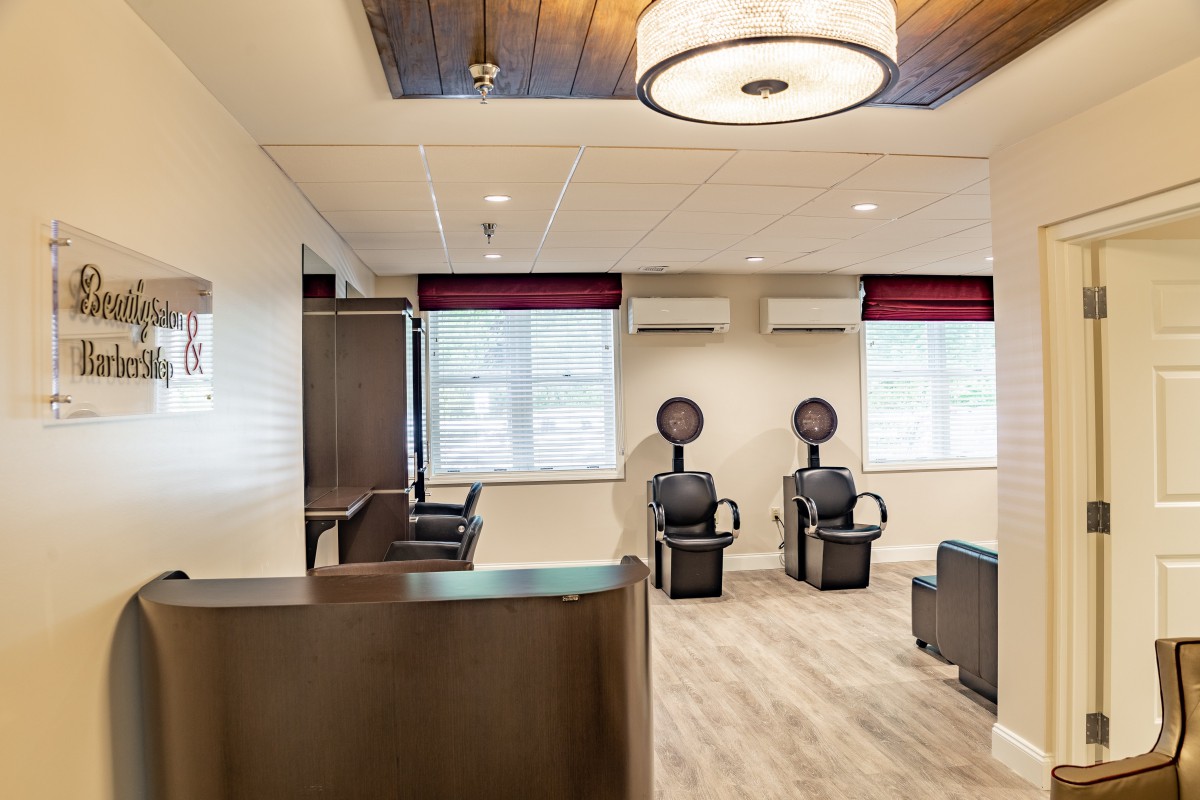
  • Beautician on-site Beautician on-siteHaving a beautician on-site at a senior living community is important for seniors as it allows them to easily access grooming and personal care services, boosting their self-esteem and overall well-being. It also provides convenience and helps seniors maintain their sense of independence and personal style.
  • Beauty salon Beauty salonBeauty salons are important for seniors because they provide a space for them to feel pampered, socialize, and maintain their personal grooming and hygiene. Regular visits to a beauty salon can help boost seniors' self-esteem and overall well-being.
  • Cable or satellite TV Cable or satellite TVCable or satellite TV is important for seniors because it provides entertainment, news, and companionship, helping to combat loneliness and boredom. It also offers a wide range of programming options tailored to different interests and preferences.
  • Computer center Computer centerA computer center is essential for seniors as it provides access to technology, communication tools, and resources that can enhance their daily lives. It allows them to stay connected with loved ones, engage in online activities, and learn new skills, ultimately promoting socialization and mental stimulation.
  • Devotional services off-site Devotional services off-siteDevotional services off-site are important for seniors as they provide spiritual nourishment, social engagement, and a sense of community outside of the senior living facility. This can enhance overall well-being and help combat feelings of isolation and loneliness often experienced by older adults.
  • Devotional services on-site Devotional services on-siteDevotional services on-site provide seniors with spiritual support and a sense of community, as well as an opportunity for reflection and guidance during their senior living experience. This can promote emotional well-being and connection to others, leading to a more fulfilling and enriching lifestyle in their later years.
  • Dining room Dining roomDining rooms are important for seniors as they provide a space for socialization, connection, and nutritious meals. They offer opportunities for residents to bond over shared meals, foster a sense of community, and promote healthy eating habits. Dining rooms also ensure that seniors have access to well-balanced meals tailored to their dietary needs and preferences.
  • Fitness room Fitness roomHaving a fitness room in a senior living community is essential for seniors to stay active, maintain their physical health, and improve their overall well-being. Regular exercise can help prevent falls, reduce the risk of chronic diseases, and promote mental sharpness. It also provides social opportunities for residents to connect with others and enjoy a sense of community.
  • Fully furnished Fully furnishedFully furnished senior living communities are important for seniors because they provide convenience, comfort, and a hassle-free moving experience. Seniors can easily settle into their new living space without the stress of having to buy and move furniture. This allows them to focus on enjoying their new home and community.
  • Gaming room Gaming roomGaming rooms are important for seniors as they provide a fun and engaging environment for socializing, cognitive stimulation, and physical activity. Games can improve memory, problem-solving skills, and overall mental well-being while fostering friendships and reducing feelings of isolation.
  • Garden GardenGardens are important for seniors as they provide a peaceful and therapeutic environment for relaxation, physical activity, and socialization. Being in nature has been shown to reduce stress, improve mood, and promote overall well-being. Gardens also offer opportunities for seniors to engage in gardening activities, which can improve mobility, flexibility, and cognitive function. Additionally, gardens create a sense of community and connection with others who share a passion for plants and outdoor spaces.
  • Ground floor units Ground floor unitsGround floor units are important for seniors because they provide easy accessibility, reduced risk of falls and injuries, and convenience for those with mobility issues. Seniors can avoid climbing stairs or using elevators, making daily tasks and activities more manageable and enjoyable.
  • Housekeeping services Housekeeping servicesHousekeeping services are important for seniors because they help maintain a clean and safe living environment, promote independence, and reduce the risk of accidents or illnesses. Additionally, having assistance with household chores can alleviate physical strain and allow seniors to focus on other aspects of their well-being.
  • Indoor common areas Indoor common areasIndoor common areas are crucial for seniors as they provide a space for socialization, recreation, and community engagement, promoting overall well-being and reducing feelings of isolation and loneliness.
  • Kitchenette KitchenetteKitchenettes are important for seniors living in senior living communities because they provide the convenience and independence of being able to prepare simple meals and snacks in the comfort of their own living space. This can help promote a sense of autonomy and well-being for seniors, allowing them to maintain some level of control over their dietary choices and daily routines.
  • Move-in coordination Move-in coordinationMove-in coordination is important for seniors because it helps ease the transition into their new living environment. It ensures that all logistics, such as packing, organizing movers, and setting up utilities are taken care of, allowing seniors to focus on settling in and adjusting to their new home. Having a smooth move-in process can alleviate stress and anxiety, making the transition smoother and more enjoyable for seniors.
  • Outdoor common areas Outdoor common areasOutdoor common areas are important for seniors as they provide a space for socialization, physical activity, and relaxation. Being outside in nature can improve mood and overall well-being, while also encouraging movement and engagement with others. These spaces can help combat feelings of isolation and promote a sense of community among residents.
  • Outdoor space Outdoor spaceOutdoor spaces are important for seniors as they provide opportunities for physical activity, social interaction, exposure to natural light and fresh air, and a sense of connection to nature. Having access to outdoor spaces can improve overall well-being and quality of life for older adults living in senior communities.
  • Private bathrooms Private bathroomsPrivate bathrooms are important for seniors in senior living communities because they provide independence, dignity, and comfort. Having a private bathroom allows seniors to maintain their personal hygiene routines without the need for assistance, promoting a sense of autonomy and privacy. Additionally, private bathrooms help prevent the spread of infections and provide a safe and clean environment for seniors to navigate safely.
  • Restaurant-style dining Restaurant-style diningRestaurant-style dining is important for seniors because it allows them to enjoy delicious, nutritious meals in a social and upscale setting. This enhances their dining experience, promotes healthy eating habits, and fosters socialization with fellow residents, ultimately contributing to their overall well-being and quality of life.
  • Small library Small librarySmall libraries are important for seniors as they provide access to a variety of reading materials, including books, newspapers, and magazines. This can help stimulate their minds, keep them engaged, and provide a sense of community through book clubs and other social activities. Additionally, reading has been shown to improve cognitive function and overall mental well-being in older adults.
  • Telephone TelephoneTelephones are important for seniors as they provide a lifeline for communication with loved ones, emergency services, and healthcare providers. They offer a sense of security and independence, enabling seniors to stay connected and access assistance when needed.
  • Wellness center Wellness centerWellness centers are important for seniors because they offer a variety of programs and services that promote physical, mental, and emotional well-being. These centers provide opportunities for exercise, socialization, education, and relaxation, helping seniors maintain their overall health and quality of life.
  • Wheelchair accessible showers Wheelchair accessible showersWheelchair accessible showers are crucial for seniors as they provide a safe and independent bathing option for those with mobility challenges. These showers help prevent falls and allow seniors to maintain their dignity and autonomy while ensuring they can bathe comfortably.
  • Wi-Fi/high-speed internet available Wi-Fi/high-speed internet availableWi-Fi/high-speed internet is important for seniors to stay connected with loved ones, access online resources, and participate in virtual activities to combat feelings of loneliness and isolation. It also allows them to easily manage healthcare needs, access entertainment, and engage in lifelong learning opportunities.

Transportation

  • Lovell (9 miles away) Lovell (9 miles away)
  • Community operated transportation Community operated transportationCommunity operated transportation is crucial for seniors as it provides them with the means to access essential services, social activities, and medical appointments. It allows seniors to maintain their independence and quality of life by ensuring they can participate in activities outside of their homes. Additionally, community-operated transportation services offer a safe and reliable way for seniors to travel without having to rely on family or friends for assistance.
  • Transportation arrangement Transportation arrangementTransportation arrangements are crucial for seniors as they may face challenges with driving, mobility, or access to public transportation. Having reliable transportation services ensures that seniors can easily attend appointments, social activities, and maintain their independence and quality of life.
  • Transportation arrangement (non-medical) Transportation arrangement (non-medical)Transportation arrangements are essential for seniors as they provide access to essential services, activities, and social interactions outside the home. This service helps maintain independence, mobility, and overall well-being for seniors who may have limited transportation options.

Care Services

  • 12-16 hour nursing 12-16 hour nursing12-16 hour nursing care is crucial for seniors in order to ensure around-the-clock monitoring, timely medication administration, and prompt response to any health concerns or emergencies. This level of care helps to promote the overall well-being and safety of seniors living in senior living communities.
  • 24-hour call system 24-hour call system24-hour call systems are important for seniors because they provide peace of mind and immediate assistance in case of emergencies. This technology ensures that help is always available, promoting safety and security for elderly individuals living alone or in assisted living facilities.
  • 24-hour supervision 24-hour supervision24-hour supervision is important for seniors to ensure their safety, well-being, and access to immediate assistance in case of emergencies or health issues. This constant support provides peace of mind for both seniors and their loved ones, allowing them to age in place with dignity and security.
  • Activities of daily living assistance Activities of daily living assistanceActivities of daily living assistance are important for seniors because they provide essential support with tasks such as eating, bathing, dressing, and mobility. This assistance helps seniors maintain their independence, dignity, and overall quality of life as they age.
  • Ambulatory care Ambulatory care"Ambulatory care services provide essential medical support and treatment to seniors without requiring hospitalization, allowing them to maintain their independence and quality of life while managing chronic conditions or receiving routine medical care."
  • Assistance with bathing Assistance with bathingAssistance with bathing is crucial for seniors as it helps maintain personal hygiene, prevents infections, and ensures their overall well-being and comfort. It also provides a sense of dignity and independence for seniors who may struggle with this task on their own.
  • Assistance with dressing Assistance with dressingAssistance with dressing is important for seniors because it helps maintain their independence, promotes personal hygiene, prevents accidents and injuries, and improves overall quality of life. This service ensures that seniors can continue to dress comfortably and confidently, despite any physical limitations they may have.
  • Assistance with transfers Assistance with transfersAssistance with transfers is crucial for seniors as it helps prevent falls and injuries, maintains their independence, and ensures they can safely navigate their living environment. It also provides peace of mind for both seniors and their loved ones.
  • Coordination with health care providers Coordination with health care providersCoordination with health care providers is crucial for seniors to ensure proper medical care, medication management, and overall well-being. This collaboration helps prevent overlapping treatments, track progress more effectively, and provide comprehensive support tailored to individual needs.
  • Diabetes diet Diabetes dietA diabetes diet is crucial for seniors as it helps manage blood sugar levels, reduce risks of complications, and improve overall health and well-being. By following a balanced and nutritious diet tailored to their specific needs, seniors can better control their diabetes and enhance their quality of life.
  • Diabetic care Diabetic careDiabetic care is crucial for seniors as they are more susceptible to developing diabetes due to aging and other health conditions. Proper management of diabetes can help prevent complications such as heart disease, vision loss, and nerve damage, improving the overall quality of life for seniors in senior living communities.
  • Incontinence care Incontinence careIncontinence care is essential for seniors to maintain their dignity, hygiene, and overall quality of life. By addressing incontinence issues promptly and effectively, seniors can enjoy a sense of independence and comfort in their daily activities.
  • Meal preparation and service Meal preparation and serviceMeal preparation and service are crucial for seniors as they may have limited mobility or energy to cook nutritious meals. Having access to healthy and convenient food options can ensure they are getting the proper nutrition needed to maintain their overall health and well-being.
  • Medication management Medication managementMedication management is crucial for seniors to ensure they are taking the right medications at the correct dosages and times. This helps prevent adverse drug interactions, reduces the risk of medication errors, and promotes overall health and well-being. Proactive management also allows for adjustments as needed based on changing health conditions or new prescriptions.
  • Mental wellness program Mental wellness programMental wellness programs are essential for seniors as they promote cognitive stimulation, emotional support, and social engagement. These programs help prevent isolation, depression, and cognitive decline, ultimately enhancing the overall quality of life for older adults.
  • Mild cognitive impairment Mild cognitive impairment"Mild cognitive impairment" is important for seniors because it is an early stage of cognitive decline that can potentially progress to more severe conditions such as dementia. Recognizing and addressing mild cognitive impairment can help seniors receive appropriate care and support to maintain their quality of life and independence for as long as possible.
  • Special dietary restrictions Special dietary restrictionsSpecial dietary restrictions are important for seniors because age-related changes in metabolism and health conditions can make it difficult for their bodies to process certain foods. By following a diet tailored to their specific needs, seniors can maintain their overall health and well-being, manage chronic conditions, and reduce the risk of complications such as malnutrition or food interactions with medications.
  • Specialized memory care programming Specialized memory care programmingSpecialized memory care programming is crucial for seniors with cognitive impairments such as dementia or Alzheimer's disease. These programs provide a safe and supportive environment tailored to the unique needs of individuals with memory loss, helping them maintain their independence, dignity, and quality of life.
  • Transportation arrangement (medical) Transportation arrangement (medical)Transportation arrangements for medical purposes are essential for seniors as they may have difficulty driving themselves to appointments or accessing public transportation. Having reliable and safe transportation options ensures that seniors can receive timely medical care and maintain their health and well-being.
  • Transportation to doctors appointments Transportation to doctors appointmentsTransportation to doctors' appointments is crucial for seniors as it ensures they have access to necessary medical care and support for their health needs. Without reliable transportation, seniors may struggle to attend important appointments, leading to potential delays in treatment and health complications. Providing transportation services helps seniors maintain their overall well-being and quality of life.

Dining

  • Anytime dining Anytime diningAnytime dining is important for seniors because it allows them the flexibility to eat when they are hungry, rather than being restricted to set meal times. This can be especially beneficial for those with medical conditions or medications that affect their appetite, as well as those who may have difficulty adhering to a strict dining schedule. Overall, anytime dining promotes independence and overall well-being for seniors in senior living communities.
  • Diabetes diet Diabetes dietA diabetes diet is crucial for seniors as it helps manage blood sugar levels, reduce risks of complications, and improve overall health and well-being. By following a balanced and nutritious diet tailored to their specific needs, seniors can better control their diabetes and enhance their quality of life.
  • Guest meals Guest mealsGuest meals are important for seniors living in senior living communities because they provide an opportunity for socialization and companionship. Sharing a meal with friends, family, or new acquaintances can help combat feelings of loneliness and isolation, promote a sense of community, and enhance overall well-being. Additionally, guest meals allow seniors to enjoy delicious food in a comfortable setting without the hassle of cooking or cleaning up, making dining a pleasurable and stress-free experience.
  • International cuisine International cuisineInternational cuisine is important for seniors because it offers a variety of flavors, ingredients, and cultural experiences that can help keep their meals interesting and enjoyable. Trying new dishes can also stimulate the senses and provide different nutrients that contribute to overall health and well-being. Additionally, exploring international cuisine can bring back fond memories of travels or childhood experiences, making mealtime more nostalgic and fulfilling for seniors.
  • Low / no sodium Low / no sodiumLow/no sodium options are important for seniors because excessive sodium intake can lead to high blood pressure, heart disease, and other health issues commonly experienced by older adults. By choosing low/no sodium foods, seniors can better manage their health and reduce their risk of developing these conditions.
  • Meals provided Meals provided"Meals provided" are crucial for seniors in assisted living communities as it ensures they have access to nutritious, balanced meals without the stress of meal planning and preparation. This can help promote overall health and well-being for seniors who may have limited mobility or cognitive abilities.
  • No Sugar No SugarNo sugar diets are important for seniors because they can help prevent or manage chronic conditions such as diabetes, heart disease, and obesity. Sugar can also contribute to cognitive decline and inflammation in the body, so reducing sugar intake can lead to overall improved health and well-being in older adults.
  • Professional chef Professional chefProfessional chefs are important for seniors living in senior living communities because they provide nutritious and delicious meals that cater to their dietary needs and preferences. A professional chef can ensure that seniors are receiving balanced, flavorful meals that support their overall health and well-being.
  • Restaurant style dining Restaurant style diningRestaurant style dining is important for seniors as it offers them a social and enjoyable dining experience, promotes healthy eating habits, and provides personalized menu options to cater to their dietary needs and preferences. This type of dining setting can enhance their overall quality of life and create a sense of community within the senior living facility.
  • Room service Room serviceRoom service is important for seniors in a senior living community because it provides convenience and allows them to have their meals delivered directly to their room. This can be especially beneficial for seniors who may have mobility issues or difficulty accessing the dining area. Room service ensures that seniors are able to receive nutritious meals without having to navigate through the facility, allowing them to maintain their independence and overall well-being.
  • Special dietary restrictions Special dietary restrictionsSpecial dietary restrictions are important for seniors because age-related changes in metabolism and health conditions can make it difficult for their bodies to process certain foods. By following a diet tailored to their specific needs, seniors can maintain their overall health and well-being, manage chronic conditions, and reduce the risk of complications such as malnutrition or food interactions with medications.

Activities

  • Art classes Art classesArt classes are important for seniors because they provide a creative outlet, improve cognitive function, reduce stress and anxiety, promote socialization, and enhance overall well-being and quality of life.
  • Community-sponsored activities Community-sponsored activitiesCommunity-sponsored activities are important for seniors as they provide opportunities for social interaction, mental stimulation, and physical activity. These activities can help improve overall well-being, combat loneliness and isolation, and promote a sense of belonging and purpose among older adults.
  • Concierge services Concierge servicesConcierge services are essential for seniors as they provide assistance with daily tasks and errands, enhance their quality of life by offering convenience and personalized care, and promote a sense of safety and security.
  • Day trips and outings Day trips and outingsDay trips and outings are important for seniors as they provide opportunities for socialization, mental stimulation, physical activity, and a break from daily routines. These experiences can enhance overall well-being and quality of life for older adults living in senior communities.
  • Devotional activities offsite Devotional activities offsiteDevotional activities offsite are important for seniors because they provide social engagement, spiritual growth, and a sense of community outside of their living environment. This can improve overall well-being, mental health, and combat feelings of isolation or loneliness.
  • Devotional activities on-site Devotional activities on-siteDevotional activities on-site provide seniors with a sense of community, spiritual fulfillment, and emotional support, promoting overall well-being and a positive sense of purpose in their lives.
  • Educational speakers / life long learning Educational speakers / life long learningEducational speakers and lifelong learning opportunities are crucial for seniors as they provide mental stimulation, promote social engagement, and contribute to overall well-being. Continuous learning helps seniors stay mentally sharp, build new skills, and maintain a sense of purpose and fulfillment in their lives. It also allows them to stay connected to the world around them and fosters a sense of community within senior living facilities.
  • Fitness programs Fitness programsFitness programs are crucial for seniors as they help improve strength, flexibility, balance, and overall well-being. Staying active can reduce the risk of chronic diseases, improve mental health, and enhance quality of life in older adults.
  • Karaoke KaraokeKaraoke provides seniors with a fun and social activity that can boost mood, confidence, and cognitive function. It encourages social interaction, physical movement, and creative expression, making it an important form of entertainment for senior living communities.
  • Live well programs Live well programs"Live well programs are essential for seniors as they provide opportunities for physical activity, social engagement, and mental stimulation, ultimately promoting overall health and well-being in later years."
  • Other religious services Other religious servicesOther religious services are important for seniors as they provide a sense of community, spiritual comfort, and opportunities for socializing. These services can help seniors feel connected to their faith and maintain a sense of purpose and belonging in their later years.
  • Planned day trips Planned day tripsPlanned day trips are important for seniors because they offer opportunities for socialization, mental stimulation, and physical activity. They provide a change of scenery and help seniors stay engaged and connected to their community, promoting overall well-being and quality of life.
  • Protestant services Protestant servicesProtestant services are important for seniors because they provide spiritual nourishment, community support, and a sense of belonging. These services can help seniors connect with others who share their faith, find comfort and guidance in times of need, and maintain a sense of purpose and fulfillment in their later years.
  • Resident-run activities Resident-run activitiesResident-run activities are important for seniors as they encourage social interaction, creativity, and a sense of autonomy. These activities empower seniors to stay engaged and active in their community while fostering meaningful connections with their peers.
  • Scheduled daily activities Scheduled daily activitiesScheduled daily activities are important for seniors because they provide structure, socialization, mental stimulation, and physical activity. Engaging in regular activities can improve overall well-being and quality of life for seniors living in a community setting.
  • Visiting chaplain or priest Visiting chaplain or priestHaving a visiting chaplain or priest at a senior living community is important for seniors because it provides spiritual support, comfort, and guidance during a time of life that can be challenging and uncertain. Their presence can help seniors feel connected to their faith, find peace of mind, and cope with the emotional and mental struggles they may face in their later years.
  • Wine tasting Wine tastingWine tasting can be a fun and social activity for seniors, allowing them to engage their senses, learn about different varieties of wine, and potentially meet new friends. It also offers health benefits such as improved cognitive function and reduced risk of heart disease when consumed in moderation.

Description

Signal Mountain Senior Living in Chattanooga, TN is a vibrant and welcoming assisted living community offering a range of housing options and care services. Our community is designed to provide a comfortable and supportive environment for seniors who value their independence but may require assistance with daily activities or have memory care needs.

Our spacious 2-bedroom apartments and studio apartments are fully furnished, ensuring that residents feel at home from the moment they move in. Each apartment features private bathrooms, air-conditioning, and wheelchair accessible showers for added convenience.

At Signal Mountain Senior Living, we believe that staying active and engaged is an essential part of overall well-being. That's why we offer an array of amenities and activities to cater to various interests. Residents can enjoy participating in on-site activities such as gaming rooms, fitness programs, small library sessions, wine tasting events, and planned day trips. For spiritual fulfillment, devotional services are available both on-site and off-site.

Our dining options are designed to meet individual dietary needs and preferences. With an experienced professional chef at our restaurant-style dining room, we provide delicious meals prepared with special dietary restrictions like diabetes diets or low/no sodium requirements. We also offer room service for those who prefer to dine in their apartments.

We understand the importance of maintaining optimal health and well-being. At Signal Mountain Senior Living, our caring staff provides assistance with activities of daily living, medication management, diabetes care, mental wellness programs, coordination with health care providers, transportation arrangements (both medical and non-medical), as well as specialized memory care programming for those with mild cognitive impairment.

Located in close proximity to cafes, parks, pharmacies, physicians' offices, restaurants, places of worship, and hospitals -- our community offers easy access to essential services and amenities outside our premises.

Join us at Signal Mountain Senior Living in Chattanooga for a fulfilling lifestyle where seniors can enjoy their independence while receiving the support they need within a warm and caring community environment.

Nearby Places of Interest

This part of Chattanooga, Tennessee offers a wide range of amenities and services that cater to seniors looking for a convenient and comfortable living experience. With several cafes, restaurants, pharmacies, places of worship, physicians' offices, parks, and hospitals within close proximity, residents have easy access to daily essentials and healthcare services. The area also boasts a variety of recreational options with nearby parks like Red Bank Dog Park and Renaissance Park, providing opportunities for outdoor activities and social engagement. Additionally, the presence of reputable medical facilities such as Erlanger Hospital and Memorial Hospital ensures quality healthcare is readily available. Overall, this neighborhood presents a desirable mix of convenience, community resources, and healthcare accessibility for seniors seeking a well-rounded living environment in Chattanooga.

Cafes

  • Starbucks (0.8 miles)
  • Rembrandt's Coffee House (4 miles)
  • Cadence Coffee Company (4.4 miles)
  • Goodman Coffee Roasters (4.7 miles)
  • Mean Mug Coffeehouse (5.2 miles)

Restaurants

  • Little Caesars Pizza (1 miles)
  • Taco Bell (1.5 miles)
  • Bojangles' Famous Chicken 'n Biscuits (1.6 miles)
  • Amigo Mexican Restaurant (1.8 miles)
  • Wendy's (1.8 miles)
  • River Drifters (2.2 miles)
  • Dub's Place (2.7 miles)

Pharmacies

  • Walmart Pharmacy (1.1 miles)
  • Walgreens (3.4 miles)
  • CVS Pharmacy (3.5 miles)
  • Access Medical Equipment (3.9 miles)
  • Access Pharmacy (3.9 miles)
  • Access Family Pharmacy (3.9 miles)
  • CVS Pharmacy (4.9 miles)

Places of Worship

  • Signal Mountain Baptist Church (1.3 miles)
  • Signal Crest United Methodist Church (1.3 miles)
  • Stuart Heights Baptist Church (2.7 miles)
  • St Jude Catholic Church (3.5 miles)
  • Signal Mountain Bible Church (4.2 miles)
  • First-Centenary United Methodist Church (4.5 miles)
  • Saints Peter & Paul Catholic Church (4.5 miles)

Physicians

  • Becker Stephan M MD - UT Erlanger Behavioral Health (1.6 miles)
  • CHI Memorial Integrative Medicine Associates - Signal Mountain (2 miles)
  • Medican Associates PC (3.1 miles)
  • U T Erlanger Health & Wellness Of Signal Mountain (3.6 miles)
  • Chattanooga Allergy Clinic (4.1 miles)
  • Paul M Holliday, DDS (4.2 miles)
  • Chattanooga Endoscopy Center (4.5 miles)

Parks

  • Red Bank Dog Park (2.1 miles)
  • Stringer's Ridge Park (2.6 miles)
  • Renaissance Park (3.4 miles)
  • Coolidge Park (3.5 miles)
  • Bluff view river walk entrance (4.1 miles)

Hospitals

  • Erlanger Hospital (2.4 miles)
  • Memorial Hospital (2.8 miles)
  • Erlanger NICU (4.7 miles)
  • Memorial Health Care System (5.1 miles)

Frequently Asked Questions

How much does it cost to live at Signal Mountain Senior Living in Chattanooga, TN?
What floor plans and room types does Signal Mountain Senior Living offer?
Where is Signal Mountain Senior Living?
Does Signal Mountain Senior Living provide care for residents with dementia or Alzheimer's disease?
Does Signal Mountain Senior Living allow residents to have pets?
What photos are available for Signal Mountain Senior Living in Chattanooga, Tennessee?

Nearby Communities

Related Resources

  • reminiscence therapyAn In-Depth Look at Reminiscence Therapy in Dementia Care

    Reminiscence therapy is a structured method for older adults, especially those with dementia, to share life stories using prompts and sensory cues, fostering emotional well-being, social engagement, and self-identity. It aims to improve quality of life by enhancing interpersonal connections and cognitive stimulation while requiring careful facilitation to avoid distressing memories.

  • dementia hallucinationsDementia-Related Hallucinations: Causes, Experiences, and Practical Approaches

    Dementia, particularly Lewy body dementia, often involves hallucinations that can significantly distress both patients and caregivers due to disruptions in sensory processing and neurotransmitter imbalances. Effective management includes compassionate communication, environmental adjustments, and a multidisciplinary approach to care while addressing the emotional needs of caregivers.

  • alzheimer's factsIlluminating Insights About Alzheimer's Disease: Ten Crucial Realities
    Alzheimer’s disease is a progressive neurological disorder that significantly impacts memory and cognitive functions, accounting for 60-80% of dementia cases, with early diagnosis being crucial yet challenging. It involves brain changes like beta-amyloid plaques and tau tangles, influenced by genetic and lifestyle factors, and while there is no cure, symptom management and support for caregivers are essential.