For more information about senior living options: (866) 208-4318
3 from 100 reviews
5 stars
42
4 stars
4
3 stars
4
2 stars
7
1 stars
43
Assisted Living at Standifer Place Costs & Pricing
At Standifer Place, the costs for assisted living are competitively positioned within both Hamilton County and the broader state of Tennessee. For a semi-private room, residents pay $1,740 per month, significantly lower than the county average of $2,083 and the state average of $3,162. In a studio setting, the monthly fee rises to $2,370 but still remains advantageous compared to Hamilton County's average of $2,945 and Tennessee's statewide average of $3,485. For those opting for a one-bedroom apartment at Standifer Place, the cost is $2,820 - again more economical than both local and state averages of $3,350 and $3,592 respectively. These pricing structures suggest that Standifer Place offers a compelling value for families seeking quality assisted living options in this region.
Floor plans
Assisted Living at Standifer Place
Hamilton County
Tennessee
Semi-Private
$1,740
$2,083
$3,162
Studio
$2,370
$2,945
$3,485
1 Bedroom
$2,820
$3,350
$3,592
Assisted Living communities with a similar price nearby
Overall Review of Assisted Living at Standifer Place
common3 reviews mention this
Activities are available daily
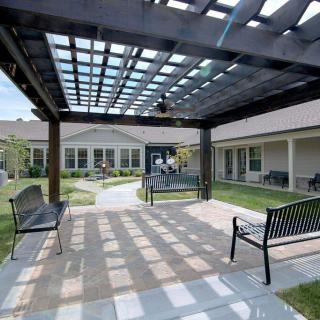
Residents describe having access to activities and outdoor seating.
Multiple residents and families mention that there are activities during the day, with opportunities to participate rather than staying in the room. One review also highlights a pleasant outdoor spot with bird feeders and raised gardens. This matches what the community offers, including on-site activities and devotional activities off-site.
caveat7 reviews mention this
Food quality draws criticism
Food gets both praise and complaints from residents and families.
Some reviewers say the food is a downside, including comments about meals not matching dietary needs and reports of “horrible” food. Others mention the food positively, describing it as good or very much enjoyed. The community provides meals, so how residents experience that meal service is clearly mixed in the reviews.
caveat6 reviews mention this
Cleanliness issues are reported
Several reviews raise concerns about cleanliness and housekeeping.
A recurring complaint is that rooms and shared areas are not kept clean, with examples including dirty rooms, unpleasant odors or stains, and housekeeping problems. Other negative reviews describe inadequate cleaning of patients and cleanliness lapses that families noticed during visits. While some residents describe a clean environment, these cleanliness concerns still show up often enough to be a clear consideration.
How we summarize
Counts show how many written reviews mention each theme; a review can touch several themes, and only frequently mentioned themes are displayed.
Features
Types of Care
Assisted Living
Amenities
Activities on-site
Devotional services off-site
Indoor common areas
Transportation
Lovell (3 miles away)
Care Services
Ambulatory care
Diabetic care
Dining
Meals provided
Activities
Activities on-site
Devotional activities offsite
Nearby Places of Interest
This area of Chattanooga, Tennessee offers a convenient and accessible location with various amenities and services nearby. There are several cafes, restaurants, pharmacies, hospitals, physicians' offices, a park, a theater, and places of worship within a short distance. The presence of multiple Starbucks locations and diverse dining options such as Chick-Fil-A and Abuelo's Mexican Restaurant provide convenience and variety for dining out. Additionally, the proximity to healthcare facilities like Atrium Imaging Center and East Brainerd Internal Medicine ensures easy access to medical care when needed. With its central location and range of services available, this neighborhood could be a suitable choice for seniors looking for a vibrant and well-connected community in Chattanooga.
At Standifer Place, the costs for assisted living are competitively positioned within both Hamilton County and the broader state of Tennessee. For a semi-private room, residents pay $1,740 per month, significantly lower than the county average of $2,083 and the state average of $3,162. In a studio setting, the monthly fee rises to $2,370 but still remains advantageous compared to Hamilton County's average of $2,945 and Tennessee's statewide average of $3,485. For those opting for a one-bedroom apartment at Standifer Place, the cost is $2,820 - again more economical than both local and state averages of $3,350 and $3,592 respectively. These pricing structures suggest that Standifer Place offers a compelling value for families seeking quality assisted living options in this region.
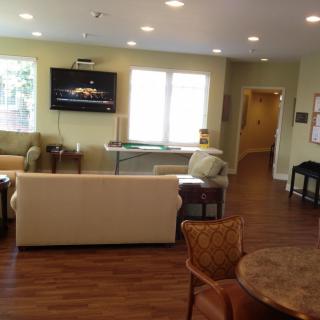
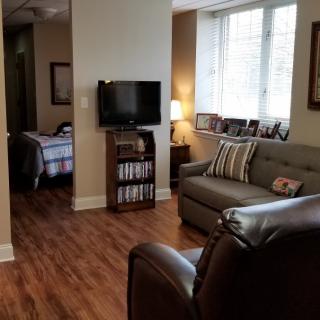
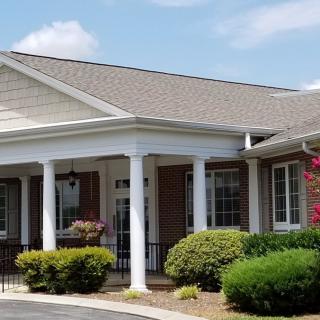
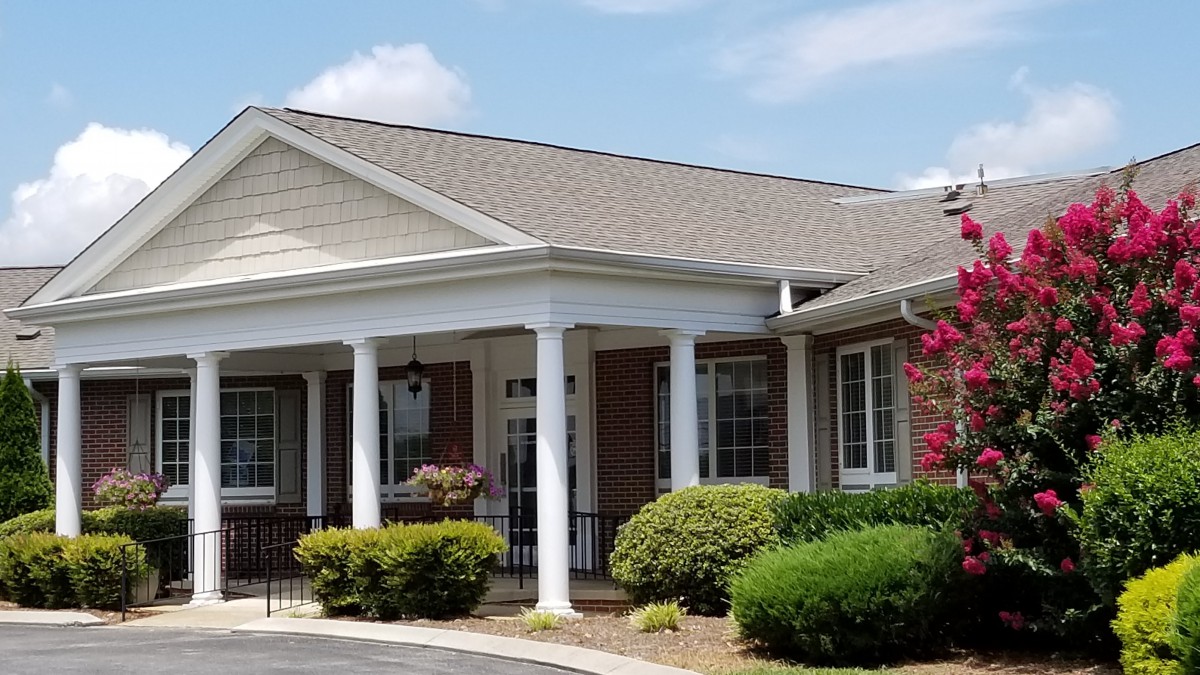
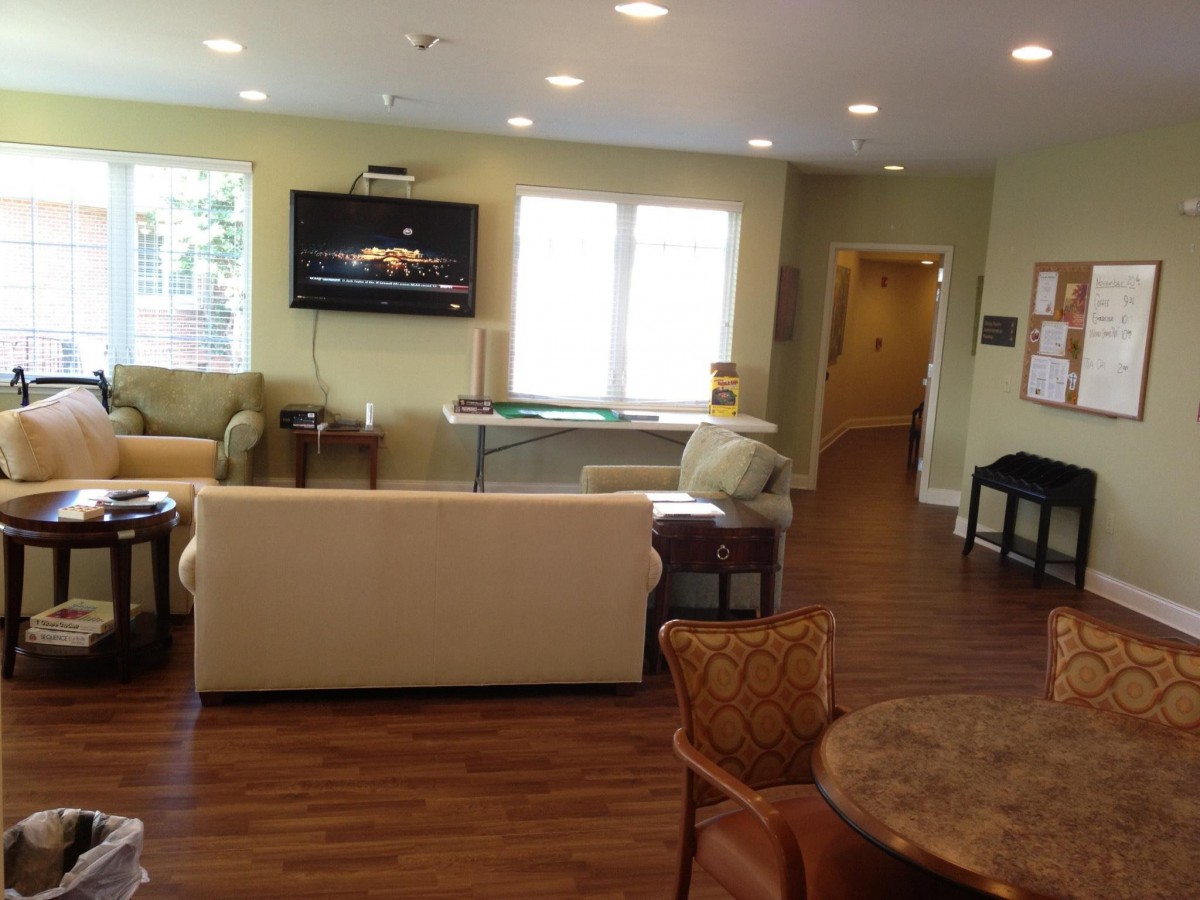
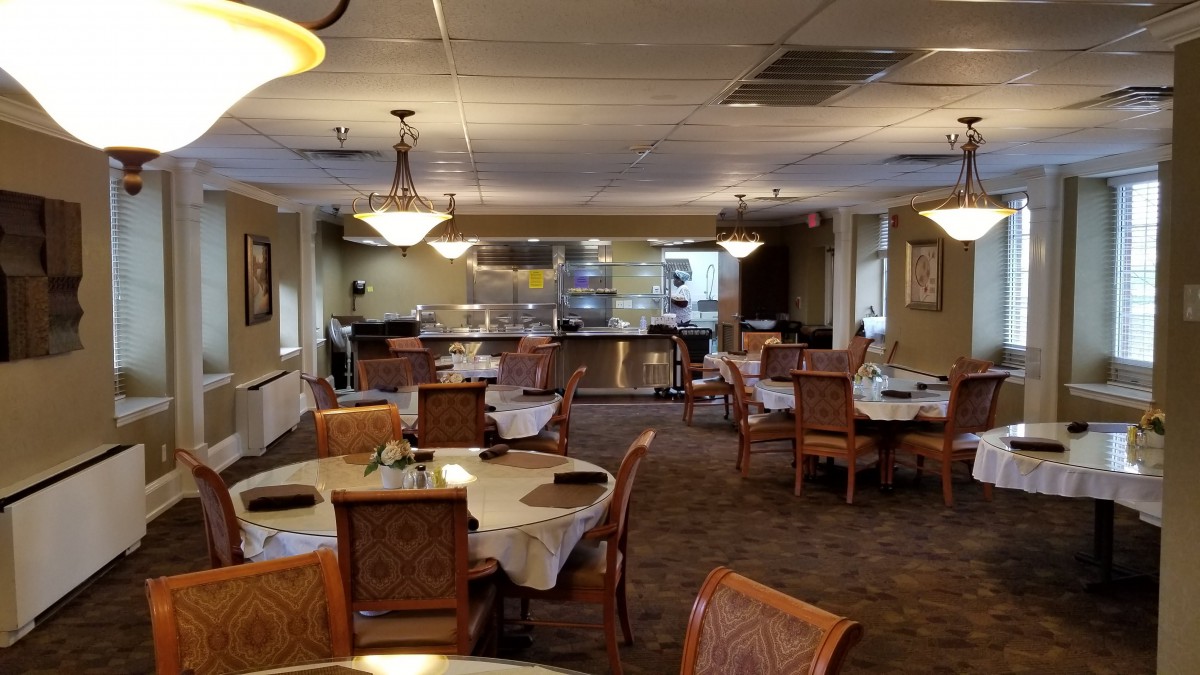
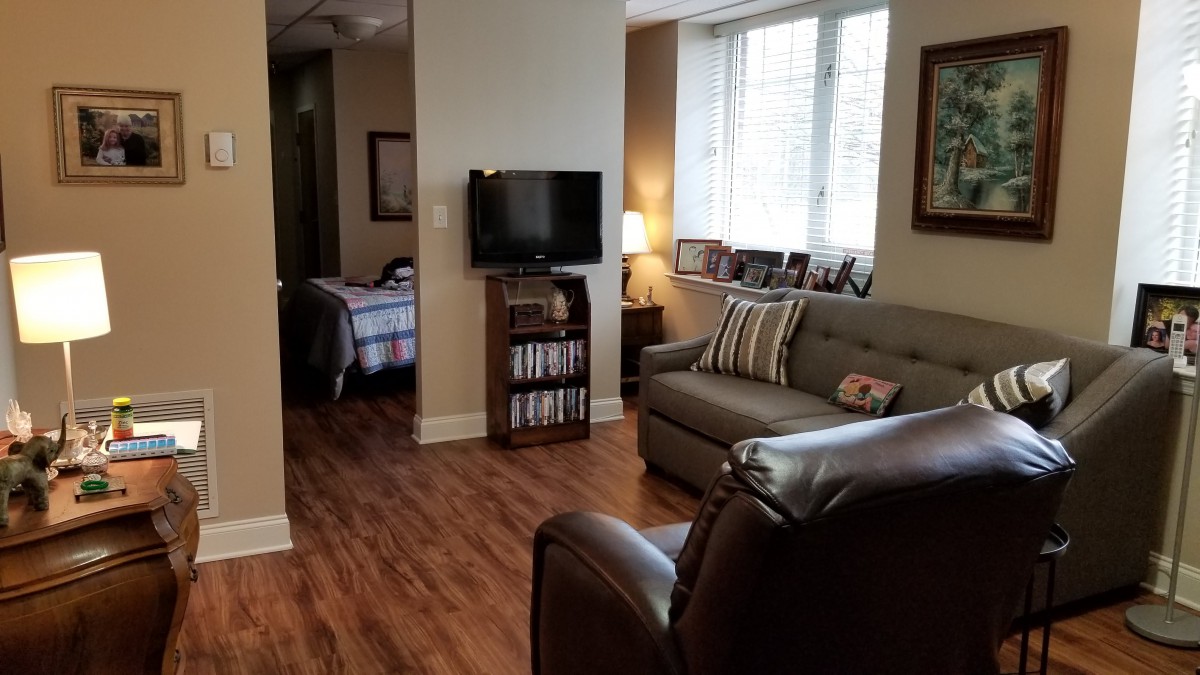
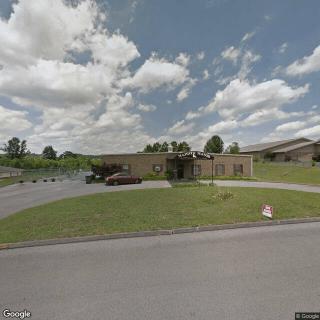
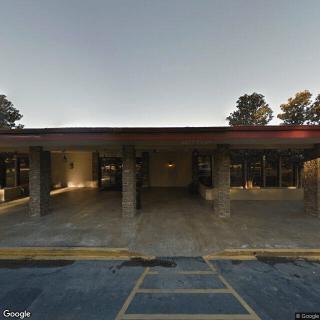
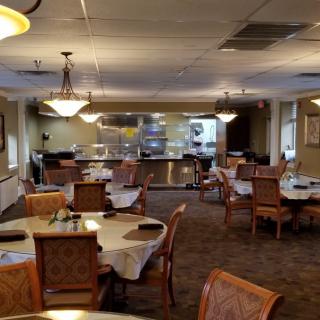
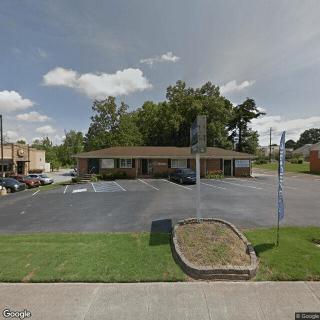
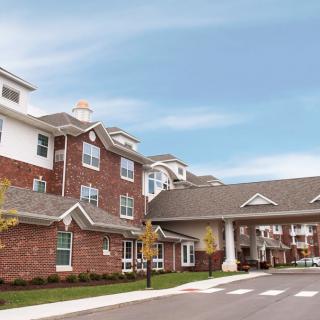
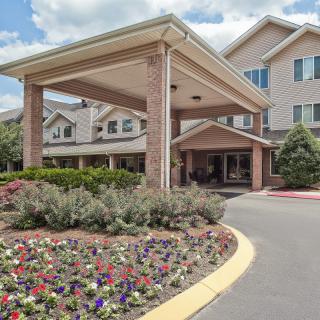
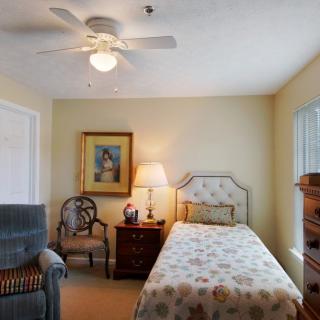
Assisted Living at Standifer Place on seniors.fyi includes 5 photos including images showing interior, living room, television, decor, windows, dining, building, architecture, and more.
Nearby Communities
Senior Helpers - Chattanooga, TN
Chattanooga, TN
4.9 from 32 reviews
Excellent access to nearby healthcare and amenities.
Silverdale Senior Apartments
Chattanooga, TN
5 from 7 reviews
$750 to $1,200 / month
Excellent staff, clean facilities, and beautiful indoor/outdoor spaces in a quiet, friendly community.
Phileo Home Care TN
Chattanooga, TN
4.6 from 46 reviews
Excellent personal care with proactive communication and hospital follow-up.
The Lantern At Morning Pointe Chattanooga
Chattanooga, TN
4.4 from 41 reviews
$5,375 / month
Friendly, caring staff in a clean, bright, home-like setting with engaging activities.
Ashwood Square Retirement Community
Chattanooga, TN
4.6 from 52 reviews
$3,500 to $4,790 / month
Vibrant, welcoming community with extensive activities and on-site amenities.
Holiday Creekside At Shallowford
Chattanooga, TN
4.4 from 94 reviews
$2,039 to $3,549 / month
Friendly, attentive staff with engaging activities in a clean, well-maintained setting.
Morning Pointe Of Chattanooga at Shallowford
Chattanooga, TN
4.6 from 34 reviews
$3,460 to $4,650 / month
Attentive, compassionate staff in a clean, well-maintained setting.
American House Hamilton Place
Chattanooga, TN
4.5 from 84 reviews
$4,400 to $6,110 / month
Caring staff with thorough memory care options, clean facilities, and active resident programming.
Rockbridge Oaks
Chattanooga, TN
4.1 from 57 reviews
$4,150 to $5,950 / month
Friendly staff and clean, apartment-like environment with flexible dining and engaging activities.
Assisted living provides moderate support for seniors seeking independence, while memory care offers specialized support for individuals with dementia or cognitive impairments through structured routines and trained staff. Key differences include care approaches, environment security measures, staff training levels, activity types, and cost considerations.
Assisted living communities offer diverse activities beyond traditional games to enhance seniors' physical health, cognitive well-being, emotional enrichment, and social connections, including fitness classes, creative expression, and intergenerational interactions. These enriching programs foster community bonds and support residents' independence and happiness.
The article differentiates between assisted living and memory care, explaining that assisted living supports seniors with daily activities while promoting independence, whereas memory care provides specialized services for individuals with dementia, focusing on secure environments and cognitive support. It also addresses staff training, safety considerations, costs, family involvement, and transition strategies for families navigating these care options.
Get PricingAsk A QuestionSchedule A TourContact Senior Advisor
By clicking submit, you agree to our Partner's Terms of Use. You
also consent to receive calls and texts, which may be autodialed, from our Partner. Your consent is not a condition to
using our Partner's service. Please visit our Partner's Privacy Policy for information about their privacy practices.




 Assisted Living
 Activities on-site
 Devotional services off-site
 Indoor common areas
 Lovell (3 miles away)
 Ambulatory care
 Diabetic care
 Meals provided
 Excellent access to nearby healthcare and amenities.


 Assisted Living and Memory Care: Understanding Their Core Differences
 Beyond the Bingo Hall: 50+ Enriching Activities for Seniors in Assisted Living
 Understanding the Distinctions: Assisted Living and Memory Care Explained