Sanford Health Vermillion Dakota Gardens

126 South Plum Street, Vermillion, SD 57069

For more information about senior living options: (844) 490-3973

1.8 from 5 reviews
5 stars
1
4 stars
0
3 stars
0
2 stars
0
1 stars
4

Assisted Living

What level of care are you interested in?

Assisted Living

Memory Care

Independent Living

Skilled Nursing Facility

Continuing Care Retirement Community (CCRC)CCRC

Other


Request a tour at Sanford Health Vermillion Dakota Gardens

    Overall Review of Sanford Health Vermillion Dakota Gardens

    Pros

    • pro The facility is beautiful.
    • pro The staff is excellent.

    Cons

    • pro They are responsible for the reviewer's grandmother's death and had her cremated before an autopsy could be requested.
    • pro The reviewer is trying to build a case against them.

    Review

    The collection of impressions offered about a funeral facility is striking in its contrast. On one hand, a deeply painful accusation casts a shadow over the entire experience, suggesting a grave failure in care and judgment at a moment when a family most needs compassion and transparency. On the other hand, another voice offers a rare, straightforward compliment, describing a setting that many would associate with dignity, order, and a competent, attentive staff. Together, these snippets reveal how a single institution can become the site of both profound trust and severe disappointment, depending on the personal experience of those who encounter it in their time of grief.

    One reviewer speaks in a voice heavy with accusation and heartbreak: "They are responsible for the death of my grandmother and had her cremated before I could request an autopsy." The language is blunt, and the implications are severe. In these words lies a claim of accountability for a loved one's death, coupled with a procedural choice - cremation before autopsy - that the reviewer believes denied them the chance to seek further examination. The claim, as presented, is not just about the fate of a body but about the integrity of decision-making during a moment of extreme vulnerability. The emotion behind it is palpable: a mix of rage, sorrow, and a sense of losing agency at a time when families most need to be heard and treated with care. The statement encapsulates a fear that what happened was both irreversible and unjust, fueling a desire for accountability and changes in the way the process is handled.

    Accompanying that devastating claim is a direct call to others who may have faced similar circumstances. The reviewer's openness - "If anything like this has happened to you and your family, please reach out to me. I am trying to build a case" - transforms personal grief into a collective appeal. It signals not only a personal quest for redress but also a broader invitation for communal support. In telling their story, the reviewer aims to connect with others who have endured comparable experiences, seeking to gather voices that might illuminate a larger pattern or pattern a legal or investigative path. The plea underscores how, in the chaos of loss, the search for truth and accountability can feel almost as consuming as the loss itself.

    Against this backdrop of grievance, another voice emerges that shifts the mood: a praise-filled note about the environment and the people who work there. "Beautiful facility with an excellent staff!" reads as a succinct, almost celebratory compliment. It acknowledges a tangible space - likely well-designed, comforting, and respectful - that stands in clear contrast to the earlier accusation. This sentiment suggests that for some families, the operations, demeanor, and professionalism of the staff translate into a sense of trust and reassurance at a moment when it matters most. It also implies that the facility can embody both a high standard of care and a compassionate atmosphere, depending on the experience of the individual family.

    The juxtaposition of these two perspectives invites reflection on how a single institution carries multiple, sometimes opposing, meanings for different people. In the realm of end-of-life care, trust is sacred. It rests on clear communication, respectful handling of remains, timely decisions, and genuine empathy for a family's grief. When any element - autopsy, cremation, or the sequence of steps in between - feels rushed, opaque, or dismissive, the emotional toll can be devastating, often overshadowing the positives that others might have experienced. The existence of both a harsh accusation and a glowing compliment within the same vicinity of care highlights the delicate balance a funeral home must maintain in serving diverse families under heavy strain.

    The emotional landscape here is complex. Grief can magnify concerns about process and consent, while sorrow can also be soothed by professionalism, a serene environment, and staff who listen. The negative claim, whether accurate or not, reveals a crucial need for transparency and due diligence in all practices related to the handling of remains. It raises questions about consent, documentation, and the availability of second opinions or autopsy requests, which are often central to families seeking clarity. The positive note, meanwhile, showcases the importance of presence, courtesy, and a facility that prioritizes dignity and comfort. Taken together, they paint a picture of a system that can protect and harm in close proximity, depending on the particulars of each family's experience.

    For those wrestling with loss and the search for accountability, this set of reviews underscores a difficult truth: great care in one family's eyes may look like failure to another when crucial protections or preferences are observed differently. The call to reach out and share experiences reflects a broader impulse to ensure that pain does not go unspoken and that potential patterns can be identified and addressed. It is a reminder that grief is not simply about what has happened to a loved one but also about what happens in the aftermath - the conversations, the choices, and the possibilities for healing, correction, or reform.

    Ultimately, these reflections reveal how a facility can be both a sanctuary and a site of contention. The contrast between an alleged grave misstep and a statement of commendable service invites readers to consider how trust is earned, maintained, and sometimes fractured. It calls for ongoing attention to how families are treated at their most vulnerable moments, and how institutions respond when confronted with accusations of harm. In the end, the thread that runs through these thoughts is a plea for accountability, empathy, and open lines of communication - principles that, if embraced, may help bridge the gap between grievance and reassurance for those who walk through the doors in times of loss.

    Features

    Housing

    • 29 resident community capacity 29 resident community capacity

    Types of Care

    • Assisted Living Assisted LivingAssisted living facilities provide crucial support and care for seniors who may need help with daily tasks such as medication management, bathing, and meal preparation. These communities offer a safe and comfortable environment where seniors can maintain their independence while receiving the assistance they need to thrive in their golden years.

    Amenities

    • Beauty salon Beauty salonBeauty salons are important for seniors because they provide a space for them to feel pampered, socialize, and maintain their personal grooming and hygiene. Regular visits to a beauty salon can help boost seniors' self-esteem and overall well-being.
    • Cable or satellite TV Cable or satellite TVCable or satellite TV is important for seniors because it provides entertainment, news, and companionship, helping to combat loneliness and boredom. It also offers a wide range of programming options tailored to different interests and preferences.
    • Dining room Dining roomDining rooms are important for seniors as they provide a space for socialization, connection, and nutritious meals. They offer opportunities for residents to bond over shared meals, foster a sense of community, and promote healthy eating habits. Dining rooms also ensure that seniors have access to well-balanced meals tailored to their dietary needs and preferences.
    • Fully furnished Fully furnishedFully furnished senior living communities are important for seniors because they provide convenience, comfort, and a hassle-free moving experience. Seniors can easily settle into their new living space without the stress of having to buy and move furniture. This allows them to focus on enjoying their new home and community.
    • Garden GardenGardens are important for seniors as they provide a peaceful and therapeutic environment for relaxation, physical activity, and socialization. Being in nature has been shown to reduce stress, improve mood, and promote overall well-being. Gardens also offer opportunities for seniors to engage in gardening activities, which can improve mobility, flexibility, and cognitive function. Additionally, gardens create a sense of community and connection with others who share a passion for plants and outdoor spaces.
    • Housekeeping services Housekeeping servicesHousekeeping services are important for seniors because they help maintain a clean and safe living environment, promote independence, and reduce the risk of accidents or illnesses. Additionally, having assistance with household chores can alleviate physical strain and allow seniors to focus on other aspects of their well-being.
    • Kitchenette KitchenetteKitchenettes are important for seniors living in senior living communities because they provide the convenience and independence of being able to prepare simple meals and snacks in the comfort of their own living space. This can help promote a sense of autonomy and well-being for seniors, allowing them to maintain some level of control over their dietary choices and daily routines.
    • Move-in coordination Move-in coordinationMove-in coordination is important for seniors because it helps ease the transition into their new living environment. It ensures that all logistics, such as packing, organizing movers, and setting up utilities are taken care of, allowing seniors to focus on settling in and adjusting to their new home. Having a smooth move-in process can alleviate stress and anxiety, making the transition smoother and more enjoyable for seniors.
    • Outdoor space Outdoor spaceOutdoor spaces are important for seniors as they provide opportunities for physical activity, social interaction, exposure to natural light and fresh air, and a sense of connection to nature. Having access to outdoor spaces can improve overall well-being and quality of life for older adults living in senior communities.
    • Telephone TelephoneTelephones are important for seniors as they provide a lifeline for communication with loved ones, emergency services, and healthcare providers. They offer a sense of security and independence, enabling seniors to stay connected and access assistance when needed.
    • Wi-Fi/high-speed internet available Wi-Fi/high-speed internet availableWi-Fi/high-speed internet is important for seniors to stay connected with loved ones, access online resources, and participate in virtual activities to combat feelings of loneliness and isolation. It also allows them to easily manage healthcare needs, access entertainment, and engage in lifelong learning opportunities.

    Care Services

    • 24-hour call system 24-hour call system24-hour call systems are important for seniors because they provide peace of mind and immediate assistance in case of emergencies. This technology ensures that help is always available, promoting safety and security for elderly individuals living alone or in assisted living facilities.
    • 24-hour supervision 24-hour supervision24-hour supervision is important for seniors to ensure their safety, well-being, and access to immediate assistance in case of emergencies or health issues. This constant support provides peace of mind for both seniors and their loved ones, allowing them to age in place with dignity and security.
    • Activities of daily living assistance Activities of daily living assistanceActivities of daily living assistance are important for seniors because they provide essential support with tasks such as eating, bathing, dressing, and mobility. This assistance helps seniors maintain their independence, dignity, and overall quality of life as they age.
    • Assistance with bathing Assistance with bathingAssistance with bathing is crucial for seniors as it helps maintain personal hygiene, prevents infections, and ensures their overall well-being and comfort. It also provides a sense of dignity and independence for seniors who may struggle with this task on their own.
    • Assistance with dressing Assistance with dressingAssistance with dressing is important for seniors because it helps maintain their independence, promotes personal hygiene, prevents accidents and injuries, and improves overall quality of life. This service ensures that seniors can continue to dress comfortably and confidently, despite any physical limitations they may have.
    • Assistance with transfers Assistance with transfersAssistance with transfers is crucial for seniors as it helps prevent falls and injuries, maintains their independence, and ensures they can safely navigate their living environment. It also provides peace of mind for both seniors and their loved ones.
    • Coordination with health care providers Coordination with health care providersCoordination with health care providers is crucial for seniors to ensure proper medical care, medication management, and overall well-being. This collaboration helps prevent overlapping treatments, track progress more effectively, and provide comprehensive support tailored to individual needs.
    • Diabetes diet Diabetes dietA diabetes diet is crucial for seniors as it helps manage blood sugar levels, reduce risks of complications, and improve overall health and well-being. By following a balanced and nutritious diet tailored to their specific needs, seniors can better control their diabetes and enhance their quality of life.
    • Meal preparation and service Meal preparation and serviceMeal preparation and service are crucial for seniors as they may have limited mobility or energy to cook nutritious meals. Having access to healthy and convenient food options can ensure they are getting the proper nutrition needed to maintain their overall health and well-being.
    • Medication management Medication managementMedication management is crucial for seniors to ensure they are taking the right medications at the correct dosages and times. This helps prevent adverse drug interactions, reduces the risk of medication errors, and promotes overall health and well-being. Proactive management also allows for adjustments as needed based on changing health conditions or new prescriptions.
    • Mental wellness program Mental wellness programMental wellness programs are essential for seniors as they promote cognitive stimulation, emotional support, and social engagement. These programs help prevent isolation, depression, and cognitive decline, ultimately enhancing the overall quality of life for older adults.
    • Special dietary restrictions Special dietary restrictionsSpecial dietary restrictions are important for seniors because age-related changes in metabolism and health conditions can make it difficult for their bodies to process certain foods. By following a diet tailored to their specific needs, seniors can maintain their overall health and well-being, manage chronic conditions, and reduce the risk of complications such as malnutrition or food interactions with medications.
    • Transportation arrangement (medical) Transportation arrangement (medical)Transportation arrangements for medical purposes are essential for seniors as they may have difficulty driving themselves to appointments or accessing public transportation. Having reliable and safe transportation options ensures that seniors can receive timely medical care and maintain their health and well-being.
    • Transportation to doctors appointments Transportation to doctors appointmentsTransportation to doctors' appointments is crucial for seniors as it ensures they have access to necessary medical care and support for their health needs. Without reliable transportation, seniors may struggle to attend important appointments, leading to potential delays in treatment and health complications. Providing transportation services helps seniors maintain their overall well-being and quality of life.

    Dining

    • Diabetes diet Diabetes dietA diabetes diet is crucial for seniors as it helps manage blood sugar levels, reduce risks of complications, and improve overall health and well-being. By following a balanced and nutritious diet tailored to their specific needs, seniors can better control their diabetes and enhance their quality of life.
    • Special dietary restrictions Special dietary restrictionsSpecial dietary restrictions are important for seniors because age-related changes in metabolism and health conditions can make it difficult for their bodies to process certain foods. By following a diet tailored to their specific needs, seniors can maintain their overall health and well-being, manage chronic conditions, and reduce the risk of complications such as malnutrition or food interactions with medications.

    Activities

    • Community-sponsored activities Community-sponsored activitiesCommunity-sponsored activities are important for seniors as they provide opportunities for social interaction, mental stimulation, and physical activity. These activities can help improve overall well-being, combat loneliness and isolation, and promote a sense of belonging and purpose among older adults.
    • Resident-run activities Resident-run activitiesResident-run activities are important for seniors as they encourage social interaction, creativity, and a sense of autonomy. These activities empower seniors to stay engaged and active in their community while fostering meaningful connections with their peers.
    • Scheduled daily activities Scheduled daily activitiesScheduled daily activities are important for seniors because they provide structure, socialization, mental stimulation, and physical activity. Engaging in regular activities can improve overall well-being and quality of life for seniors living in a community setting.

    Description

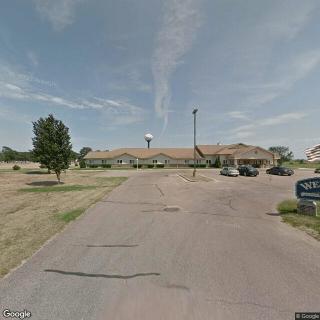
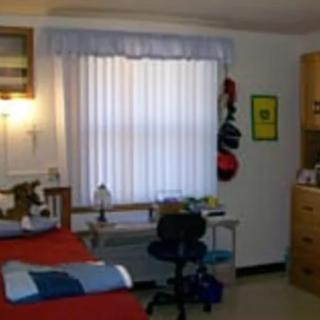
    Sanford Health Vermillion Dakota Gardens is an assisted living community located in Vermillion, SD. The community offers a range of amenities to ensure the comfort and enjoyment of its residents. Each apartment is fully furnished and equipped with cable or satellite TV, Wi-Fi/high-speed internet, a telephone, and a kitchenette. Housekeeping services are also provided to maintain a clean and organized living space.

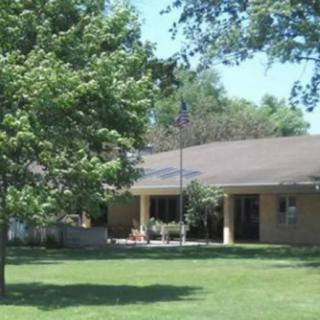
    Residents at Sanford Health Vermillion Dakota Gardens can enjoy outdoor space, including a garden, for relaxation and leisure activities. Additionally, move-in coordination is available to assist individuals in transitioning smoothly into their new home.

    Care services are provided round-the-clock by trained staff members who offer assistance with daily activities such as bathing, dressing, and transfers. Medication management ensures that residents receive their prescribed medications on time. The community's mental wellness program focuses on supporting the emotional well-being of residents.

    Dining at Sanford Health Vermillion Dakota Gardens caters to residents' dietary needs and preferences with special dietary restrictions taken into consideration. Meal preparation and service are provided for convenience.

    The community encourages an active lifestyle through resident-run activities and scheduled daily activities. Residents have the opportunity to engage in socializing, hobbies, exercise programs, and more.

    Conveniently located nearby are cafes, parks, pharmacies, physicians' offices, restaurants, places of worship, and hospitals. Transportation arrangements can be made for medical appointments.

    Overall, Sanford Health Vermillion Dakota Gardens provides a comfortable and supportive environment for individuals seeking assisted living accommodations in Vermillion.

    Nearby Places of Interest

    Physicians

    • Vermillion Medical Clinic (0.1 miles)
    • Prairie Eye Clinic (1.3 miles)
    • Sanford Vermillion Ponca Clinic (18.4 miles)
    • Akron Mercy Medical Clinic (18.7 miles)

    Hospitals

    • Sanford Hospice (0.1 miles)
    • Sanford Vermillion Medical Center (0.1 miles)
    • Sanford Vermillion Hospital (0.1 miles)
    • Sanford Medical Clinic (0.5 miles)
    • Ponca Medical Clinic (18.4 miles)
    • Akron City Convalescent Care (18.5 miles)
    • Akron Chiropractic Center (18.6 miles)

    Places of Worship

    • Rapid City Diocese (0.2 miles)
    • St Paul's Episcopal Church (0.2 miles)
    • Concordia Lutheran Church (0.3 miles)
    • Southern Baptist Convention (0.3 miles)
    • Parsonage (0.4 miles)
    • Trinity Lutheran Church Preschool (0.4 miles)
    • UCC Church (0.4 miles)

    Parks

    • Prentis Park (0.3 miles)
    • Todd Larsen Park (13.2 miles)
    • Akron City Park (18.8 miles)
    • Beresford City Park Department (22 miles)

    Restaurants

    • Cakes by Monica (0.4 miles)
    • Vermillion Welcome Table (0.5 miles)
    • Taco John's (0.6 miles)
    • Charcoal Lounge (0.6 miles)
    • Burger King (0.6 miles)
    • Hartford Steak Co. Tavern (0.7 miles)
    • Maya Janes (0.7 miles)

    Cafes

    • Latte Da (0.6 miles)
    • Caribou Coffee (6.3 miles)
    • Spink Cafe (10.2 miles)
    • Wakonda Cafe (18.6 miles)

    Pharmacies

    • Davis Pharmacy (1 miles)
    • Walmart Pharmacy (1.3 miles)
    • Pioneer Drug Co. (13.5 miles)
    • Thorson Drug (18.6 miles)
    • Good Neighbor Pharmacy (20.6 miles)

    Transportation

    • Becker Flying Service (20.5 miles)

    Frequently Asked Questions

    Where is Sanford Health Vermillion Dakota Gardens?

    Nearby Communities

    Related Resources

    • is assisted living tax deductibleIs Assisted Living Deductible on Your Taxes? Understanding the Complexities of Assisted Living Expenses and Deductions

      The deductibility of assisted living expenses on taxes hinges on factors like the individual's medical condition and service nature, typically requiring the resident to be "chronically ill" per IRS definitions. Taxpayers may deduct eligible medical expenses related to personal care services but generally not rent unless primarily for medical care, and they should maintain thorough documentation to support claims while considering itemizing versus standard deductions.

    • va benefits for assisted livingAssisted Living Support for Veterans: A Complete and Detailed Overview

      The guide highlights the importance of assisted living facilities for aging veterans needing daily support, discusses unique challenges they face, and outlines available financial assistance from the VA, including the Aid and Attendance program. It emphasizes understanding eligibility criteria and navigating the VA system to access necessary benefits effectively.

    • assisted living vs skilled nursingExploring the Contrasts Between Assisted Living and Skilled Nursing

      The article compares assisted living and skilled nursing facilities, detailing their differing levels of assistance, medical support, cost structures, and day-to-day experiences. It emphasizes that assisted living is for those needing help with daily activities while maintaining independence, whereas skilled nursing facilities provide intensive medical care with 24-hour staff supervision.


    Get Pricing Ask A Question Schedule A Tour Contact Senior Advisor