
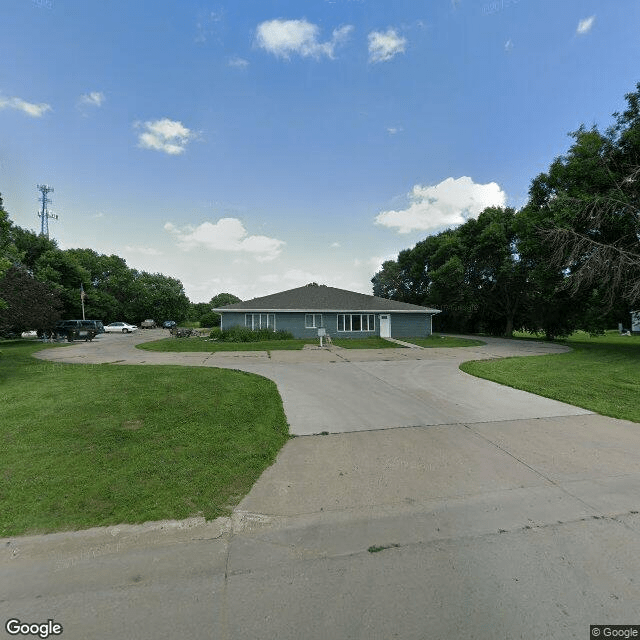
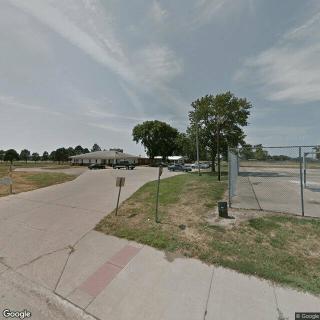
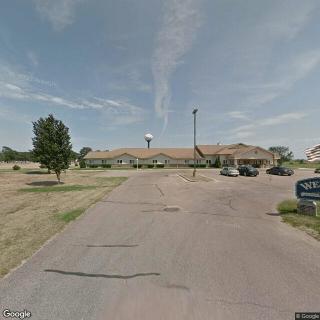
809 N Norbeck St, Vermillion, SD 57069
To contact a resident: (605) 624-6884
For more information about senior living options: (866) 208-4318
Overall Review of Northwood Assisted Living Ctr
Pros
 It is the finest facility the reviewer has ever seen.
- The staff is dedicated to the residents' happiness and care.
- They couldn't have found a better place for their mother.
Cons
 The reviewers claim this facility delivered the worst care ever and allege the staff murdered their mother.
- They say the mother was left in pain, with a head injury, and denied care or feeding.
- They report nurses were told to stay away from the room, to stop calling, and to refrain from resuscitation, contrary to the mother’s wishes.
- They assert the death was never explained and that the family believes the body was cremated to hide the truth.
- They describe belongings being discarded and the facility pressing them to hire a lawyer, calling it a horrible place.
- They criticize the emergency care as disorganized, with many staff asking the same questions and delays in treatment.
Review
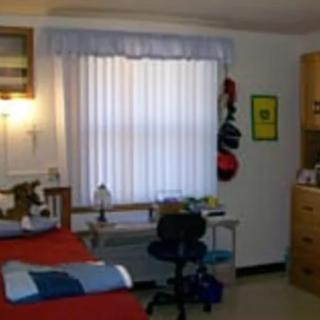
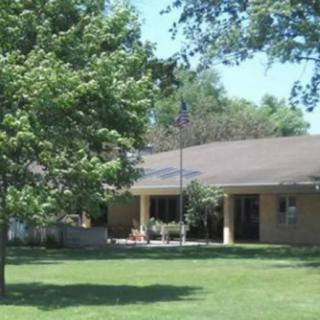
Northwood Assisted Living Center in Vermillion, SD is best suited for families seeking a well-maintained, person-centered environment where daily life and social engagement are prioritized. The standout strength, according to multiple accounts, is the facility’s quality physical setting paired with staff whose emphasis on resident happiness and daily care is palpable. For residents whose needs revolve around routine assistance with activities of daily living and who rely on steady, respectful interaction from caregivers, this campus can deliver a comfortable, reassuring routine. The community’s appeal lies less in hospital-level medical interventions and more in a sense of belonging, predictable schedules, and practical support that makes everyday living feel orderly. It functions as a home-like setting with a focus on companionship and consistent caregiving.
However, serious red flags emerge in accounts that highlight potential safety or medical oversight gaps. Families with loved ones requiring vigilant medical monitoring, prompt, decisive treatment in emergencies, or transparent, well-documented communication about care decisions may want to consider alternatives. One family portrays a dramatic outcome with allegations of neglect and harm tied to end-of-life decisions, claiming the facility did not feed or medicate and thwarted hospice or hospital transfers. Such narratives, whether fully verifiable or not, signal a level of risk regarding medical responsiveness, advocacy, and familial involvement that cannot be dismissed when evaluating suitability for higher-acuity needs.
On the positive side, the strongest leverage point is daily quality of life: attentive staff, clean surroundings, and a culture that prioritizes resident satisfaction. Those factors can lessen the sting of occasional bureaucratic friction and streamline routine care; residents who want a calm, predictable day-to-day experience may find Northwood a solid match. Yet these advantages do not guarantee safety or medical reliability. When medical issues arise, delays, repeated questioning, or perceived non-consent around invasive procedures as described by one family undermine confidence in the system. In other words, the warm, welcoming environment struggles to compensate for core concerns about how medical events are managed and communicated.
Administration and clinical decision-making emerge as focal points of concern. Reports describe friction with leadership during a move-out attempt, followed by a sequence of hospital-like medical decisions that did not align with a family’s wishes, including statements about avoiding escalation and declining resuscitation. Another claim involves a nurse discouraging family contact and a lack of transparency about the patient’s condition. While these are individual anecdotes, they collectively raise questions about governance, accountability, and the consistency of care protocols. The credibility of these stories may hinge on regulatory findings and direct inspection, but they cannot be dismissed as mere rants when intent and welfare are at stake.
For families weighing options, a concrete due-diligence checklist will separate fact from fear: request a clear care plan process, including advance directives, hospice, and resuscitation policies; review incident and complaint logs with the administrator; ask for staffing ratios on each shift; observe daily routines and talk with front-line aides; verify how pain management and emergency decisions are documented; and seek references from other families with long-term residency. It is imperative to see written policies rather than rely on assurances, and to insist on timely, transparent communication whenever medical questions arise. This step is non-negotiable for anyone with significant medical needs or strong preferences about life-sustaining care.
Ultimately, Northwood is a practical option for those prioritizing a respectful, homelike environment backed by devoted staff, but the weight of serious concerns raised by multiple accounts means risk tolerance must be high. For residents with relatively straightforward care requirements and an appreciation for social programming, the positives can outweigh the negatives. For those with high medical acuity, complex end-of-life preferences, or a need for unambiguous, proactive medical oversight, alternatives with stronger track records in clinical responsiveness and family communication are prudent. A careful comparison with other Vermillion options, focusing on medical governance, response times, and documented care decisions, will reveal where this community truly fits the best interests of the individual.
 Assisted Living
 Activities on-site
 Devotional services off-site
 Indoor common areas
 Ambulatory care
 Diabetic care
 Meals provided


 How and When Medicaid May Cover Assisted Living Costs
 A Detailed Exploration of Assisted Living Medicaid Waivers Across the United States
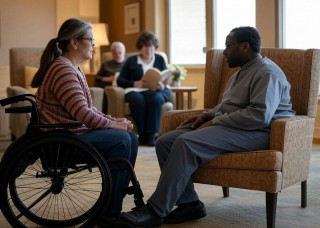 Comprehensive Residential Support and Assisted Living Solutions for Individuals with Disabilities