
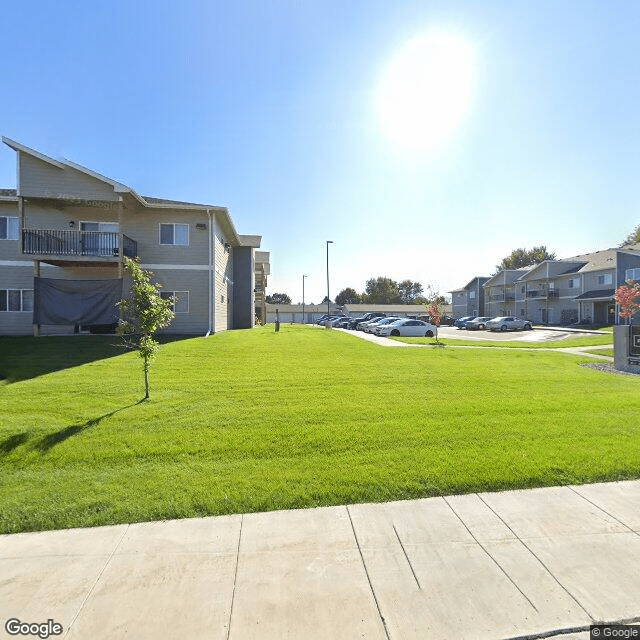
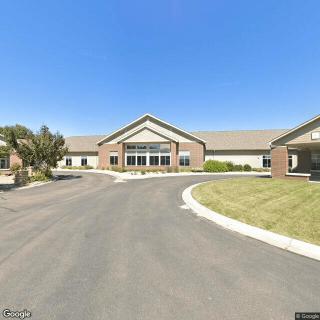
146 N Sycamore Ave, Sioux Falls, SD 57110
To contact a resident: (605) 332-5013
For more information about senior living options: (866) 208-4318
Meadows on Sycamore Inc Costs & Pricing
At Meadows on Sycamore Inc, the monthly cost for a private room is set at $4,623. This figure positions the facility competitively within the local market, as it falls below the average costs of Minnehaha County, which are approximately $4,765, but slightly exceeds the state average across South Dakota at $4,193. This pricing reflects not only the quality of care and services provided but also aims to offer value in comparison to nearby options, making Meadows a compelling choice for individuals seeking assisted living solutions in this region.
| Floor plans | Meadows on Sycamore Inc | Minnehaha County | South Dakota |
|---|---|---|---|
| Private | $4,623 | $4,765 | $4,193 |
Assisted Living communities with a similar price nearby
-
from -$468 / mo

StoneyBrook Suites
$4,155 to $7,940 / month2.3 miles away -
from -$273 / mo
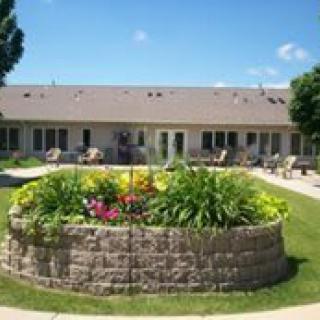
Edgewood Sioux Falls Senior Living
$4,350 to $4,975 / month6.1 miles away
Overall Review of Meadows on Sycamore Inc
Pros
 There are a few aides who genuinely care.
- Most staff are pleasant.
- The staff treat residents like family.
- It is an amazing place that cares for and treats residents like family.
- The people care.
Cons
 The nursing care is unacceptable.
- Management doesn't communicate well.
- The facility is very short-staffed.
- It is a sad place to leave a vulnerable loved one.
- There aren’t any housekeepers, and the facility is understaffed.
- The facility is filthy and has bed bugs that won’t be fixed.
- There are not enough staff to work with residents.
- The place is not a good place to live or work.
- There are med aides who make medication errors, and the staff don’t maintain professional standards to keep residents safe.
Review
Meadows on Sycamore in Sioux Falls is best suited for families who can tolerate significant care-operation gaps in exchange for a chance at personal connection and a lower-cost option. The community seems to draw residents whose families are willing to stay actively involved, advocate for care, and tolerate the fraying edges of daily operations. Where some facilities shine with seamless routines, this campus reveals the value of relationships: a few aides who truly engage with residents, and a sense that staff members know residents by name. Prospective families should come prepared to supervise, ask hard questions, and insist on clear accountability, because the most meaningful care often hinges on ongoing family involvement.
Those who require reliable nursing oversight, consistent hygiene, and meticulous medication management should consider other options. The reality described by multiple reviews points to chronic under-staffing, limited housekeeping, and environmental concerns that can undermine daily life. Bed bugs and dirty conditions are repeated warnings, not incidental issues. If clean living spaces and predictable nurse-to-resident workflows are non-negotiable, a different community with stronger staffing ratios and aggressive housekeeping programs will likely deliver more peace of mind.
On the upside, there are caregivers who demonstrate genuine warmth. Several reviewers note that a number of aides are pleasant and that residents can form real bonds with staff, even after years. One account highlights a mother who has been there eight years, with residents becoming family and staff showing care as if their own. Those elements matter deeply in long-term care, and they can make an otherwise turbulent environment feel livable for particular residents.
But the core problems are structural. Management communication is repeatedly cited as weak, and when staffing is stretched thin, medication administration becomes a frontline risk. The workload on med aides, caring for dozens of residents alongside nurses, appears to compromise professional standards. The combination of under-staffing, infrequent housekeeping, and an atmosphere described as dirty or infested creates a challenging baseline for safety, dignity, and comfort.
Do the apparent strengths offset the risks? For families that can maintain constant oversight, advocate during every shift change, and remain vigilant about care plans, the relational warmth may soften the impact of the operational gaps. For many others, however, the risk-to-benefit ratio leans away from Meadows on Sycamore. The reality of bed bug concerns and medication-imperfections, layered with communication hurdles, makes this a choice that requires careful weighing rather than hoping for a turn-around.
Bottom line: Meadows on Sycamore can work for a select subset of families, those willing to actively supervise, negotiate, and ride out suboptimal conditions in hopes of personal connection and long-run affordability. For seniors who depend on consistent nursing care, pristine cleanliness, and dependable medication management, alternatives with stronger staffing, clearer communication, and better environmental control are advisable. If this community is on the table, plan a thorough, multi-angle visit: meet the administrator, request a current care plan and staffing schedule, probe housekeeping practices and pest control history, and arrange to observe a shift or two. The decision should hinge on whether the family can sustain hand-on oversight and demand steady improvement, rather than hoping for a turn-around.
 Assisted Living
 Activities on-site
 Devotional services off-site
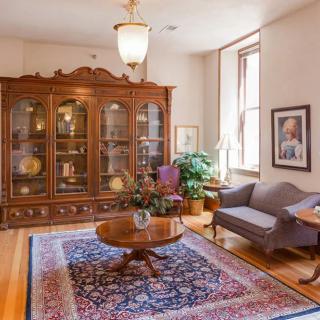
 Indoor common areas
 Joe Foss (4 miles away)
 Ambulatory care
 Diabetic care
 Meals provided


 Securing Financial Support for Assisted Living: A Comprehensive Overview
 Social Security Benefits and Assisted Living: Navigating Options Across the U.S.
 An Extensive Exploration of the VA Aid and Attendance Benefit