
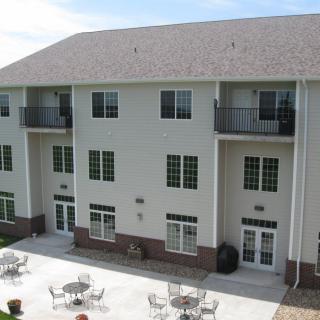
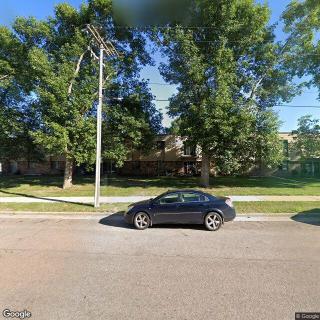
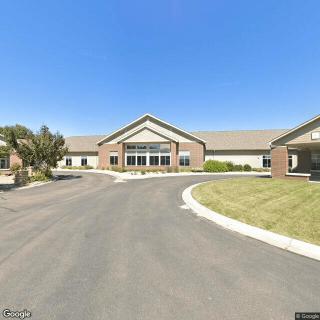
138 North Sycamore, Sioux Falls, SD 57110
For more information about senior living options: (866) 208-4318
Overall Review of Meadows On Sycamore I
Pros
 A few aides genuinely care.
- Most staff are pleasant.
- It is an amazing place that cares and treats loved ones like their own.
- Residents become like family, and staff care for them as their own.
- The people care.
- Families are thankful to relocate their loved ones from the facility.
Cons
 The nursing care is unacceptable.
- Management doesn't communicate well.
- The facility is severely short-staffed.
- It is a sad place to leave a vulnerable loved one.
- The facility is filthy and infested with bed bugs, and they won't fix it.
- There are not enough staff to properly supervise residents.
- Medication errors are common among med aides, with no professional standards to ensure safety.
Review
Meadows On Sycamore I in Sioux Falls targets a narrow niche rather than a broad, fail-safe option. The community is best suited for families that can tolerate notable operational gaps but still value pockets of genuine caregiver warmth and long-standing relationships. In practice, some aides and caregivers do form meaningful connections with residents, and a few staff members are described as genuinely caring. Those dynamics can matter deeply when a loved one needs companionship, a familiar face, and occasional personal attention. For families with limited options or very tight budgets who are prepared to be highly involved in oversight, Meadows On Sycamore I may feel workable, but only if the emotional payoff of care from a few empathetic staff members is weighed against systemic shortcomings.
Anyone who requires dependable daily nursing oversight and rigorous attention to safety should seriously consider alternatives. The reviews consistently flag understaffing and a high workload for aides, with reports of 50+ residents per medication aide and frequent medication errors. Cleanliness is repeatedly criticized, including persistent pest and housekeeping concerns that intrude on daily life. Management communication is described as inconsistent, making it difficult to get issues resolved quickly. For residents with complex medical needs, frequent turning, wound care, or tight medical schedules, the risk of gaps in care is simply too high to ignore. In short, predictable routines, rapid response, and a consistently clean environment appear unlikely here.
On the positive side, the few caregivers who genuinely connect with residents are repeatedly cited as a bright spot, and the sentiment that “the people care” surfaces in multiple accounts. The personal bonds that can form in a smaller setting, where some staff stay long enough to know a resident’s history and preferences, do provide real emotional value. Families that can lean into this relational strength may find comfort in the idea that someone on site treats their loved one with kindness and familiarity. Yet these relational advantages do not compensate for the larger operational failures. When safety, cleanliness, and consistent staffing are undermined, the everyday lived experience for residents remains fragile and uneven.
Hygiene and pest-control failures dominate the negative feedback, creating a troubling backdrop to daily living. Descriptions of filthy conditions and bed bugs illustrate chronic maintenance and oversight problems that erode dignity and confidence in care. Coupled with reports of med aides handling responsibilities that should be nurse-led, the combination elevates risk and anxiety for families observing their loved ones’ care. The contrast between a few warm interactions and these systemic flaws is stark, and the risk calculus shifts decisively toward seeking alternatives for anyone prioritizing reliable sanitation, pest-free surroundings, and sound clinical governance.
For families weighing options, adopt a decisive framework: rank care priorities such as safety, cleanliness, staff consistency, and timely responsiveness. If these priorities are non-negotiable, Meadows On Sycamore I is likely to disappoint. An in-depth on-site tour with targeted questions is essential: average nurse-to-resident ratios, the medication pass process, housekeeping frequency, pest-control history, response times to calls, and a concrete plan for eliminating bed bugs. Ask to see recent inspection or quality-assurance logs and request examples of how issues were escalated and resolved. Consider a trial period or clearly defined move-out benchmarks if problems persist, and insist on a written accountability plan.
Ultimately, Meadows On Sycamore I should be approached with clear expectations and a proactive oversight plan. It may work for families with limited options who can tolerate significant operational gaps and who can stay closely involved in day-to-day care, but it is not a reliable choice for those seeking consistently high standards of care, safety, and hygiene. For most families, testing several nearby communities that demonstrate steadier staffing, transparent communication, robust housekeeping, and proven pest control will yield a more confident, longer-term decision. The prudent path is a careful apples-to-apples comparison, with emphasis on staffing stability, medication safety, and a clean, well-maintained living environment.
 33 resident community capacity
 Assisted Living
 Beauty salon
 Cable or satellite TV
 Dining room
 Fully furnished
 Garden
 Housekeeping services
 Kitchenette
 Move-in coordination
 Outdoor space
 Telephone
 Wi-Fi/high-speed internet available
 Joe Foss (4 miles away)
 24-hour call system
 Activities of daily living assistance
 Assistance with bathing
 Assistance with dressing
 Assistance with transfers
 Diabetes diet
 Meal preparation and service
 Medication management
 Mental wellness program
 Special dietary restrictions
 Transportation arrangement (medical)
 Transportation to doctors appointments




 Exploring the Contrasts Between Assisted Living and Skilled Nursing
 8 Key Indicators That Suggest It May Be Time to Transition from Assisted Living to Skilled Nursing Care
 Vibrant Senior Living: A Comprehensive Guide for Active Older Adults