
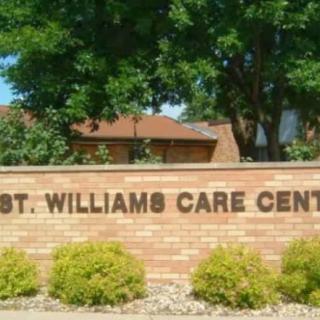
1103 South Second Street, Milbank, SD 57252
For more information about senior living options: (866) 208-4318

Overall Review of Avantara Milbank
Pros
 The staff are great.
- The staff are excellent, very caring and respectful.
- Such amazing staff.
- Relatives were given extraordinary care; great place and great service.
- Been here since 2002 and it is a great place to be.
- Ethan, the new guy in charge, has been very helpful and respectful.
Cons
 The reviewer warns that loved ones should not be placed there.
- The facility did not test or treat their great grandmother for influenza for several days.
- The family had to ask them to perform tests and provide treatment that weren’t given promptly.
- A nurse argued with the family and said she was DNR while she was still alive.
- The nurse argued with them as she was drowning from all the fluid in her lungs.
- The place is described as a dumpy place with poor care.
- After her death, belongings were thrown away or lost, including her walker being used by others.
- Some of her belongings have not been found; they urge readers to find a different nursing home.
Review
Avantara Milbank is best suited for families seeking a dependable, home-like assisted living experience where daily care and personal warmth are the strongest selling points. The community earns trust through long-standing service and a staff culture that residents and families repeatedly describe as caring and respectful. For seniors who value stable routines, approachable caregivers, and a facility with deep local roots, this is a compelling option. It may appeal especially to families who want recognizable faces, continuity of care, and a setting that prioritizes daily quality of life over high-acuity medical management. In short, Avantara Milbank excels as a practical, people-focused home for relatively stable seniors who prefer a warm, low-friction environment.
The strongest positive thread centers on the caregiving staff. Reviews consistently highlight staff as caring, patient, and genuinely respectful, with several calls that the team goes above and beyond in daily interactions. Residents and families describe an atmosphere where caregivers build meaningful relationships, creating comfort and trust in the moment-to-moment experience of living there. The longevity of operation, implied by the longstanding tenure since 2002, adds a layer of reliability and local familiarity. For families who want active, attentive daily support, these traits translate into clear, tangible benefits: predictable assistance, personal attention, and a sense that staff know the resident’s preferences and needs.
Yet the facility is not without serious warning signs. A troubling account portrays a crisis where illness escalation was not promptly tested or treated, and where communication with the family was blunt and dismissive in a time of acute distress. Allegations that a nurse insisted on a DNR stance while the patient was still alive, followed by delays in hospital transfer, raise questions about crisis management, escalation protocols, and the responsiveness of leadership. The report of lost belongings after a loved one passed further erodes confidence in the administration’s ability to safeguard valuables and maintain accountability. These episodes are not small imperfections; they strike at the core trust families place in a community when urgent medical needs arise.
How the positives balance against the negatives depends on what a family expects from risk management and crisis responsiveness. For residents with relatively stable health who prize daily warmth, thorough assistance with activities of daily living, and consistent, friendly interactions, the pros can substantially offset the cons. The day-to-day experience, the human touch, the predictable routines, and the sense of belonging, often translates into a meaningful quality of life. However, for families prioritizing rock-solid crisis protocols, transparent escalation, and precise, timely hospital transfers, the cons may loom large enough to seek alternatives. In other words, Avantara Milbank delivers great daily care, but its handling of emergencies and family communication requires careful scrutiny.
Families evaluating Avantara Milbank should demandspecific assurances and concrete, testable policies before moving forward. Key questions should probe staffing levels and nurse coverage across all shifts, the exact chain of escalation for medical emergencies, and how quickly hospital transfers are arranged when a resident’s condition worsens. It is essential to review how care plans are developed, updated, and communicated to families, and who holds accountability when things go wrong. Seek clarity on the process for safeguarding personal belongings, and request recent examples of how leadership addressed past concerns. A candid tour should include conversations with front-line caregivers as well as the administrator to gauge whether the cultural emphasis on warmth is matched by robust operational controls.
In sum, Avantara Milbank provides a welcoming, people-first environment backed by a loyal, well-regarded caregiving team. That foundation offers real advantages for residents who thrive on daily kindness, routine, and steady assistance with everyday tasks. But the weight of a serious negative incident cannot be dismissed; it foregrounds a need for rigorous crisis protocols, transparent communication, and accountable leadership. If a family cannot tolerate the possibility of delayed escalation or opaque family updates in urgent moments, exploring alternatives is prudent. A thorough, in-person assessment, focusing on crisis readiness, staff responsiveness, and the senior leadership’s willingness to address past concerns, will reveal whether this community can meet the specific, risk-tolerant profile required for a loved one’s long-term care.
 60 resident community capacity
 Assisted Living
 Skilled Nursing Facility
 Activities on-site
 Air-conditioning
 Beauty salon
 Cable or satellite TV
 Computer center
 Devotional services off-site
 Dining room
 Fitness room
 Fully furnished
 Gaming room
 Garden
 Housekeeping services
 Indoor common areas
 Kitchenette
 Move-in coordination
 Outdoor space
 Private bathrooms
 Restaurant-style dining
 Small library
 Telephone
 Wellness center
 Wi-Fi/high-speed internet available
 Community operated transportation
 12-16 hour nursing
 24-hour call system
 Ambulatory care
 Assistance with bathing
 Assistance with dressing
 Assistance with transfers
 Diabetes diet
 Diabetic care
 Medication management
 Mental wellness program
 Special dietary restrictions
 Concierge services
 Planned day trips


 Securing Financial Support for Assisted Living: A Comprehensive Overview
 Social Security Benefits and Assisted Living: Navigating Options Across the U.S.
 An Extensive Exploration of the VA Aid and Attendance Benefit