Pine Hills Retirement Community offers competitive pricing when compared to both Fall River County and the broader South Dakota market. For instance, a one-bedroom unit is priced at $1,990 per month, which aligns perfectly with the average cost in Fall River County but significantly undercuts the state average of $3,189. Similarly, two-bedroom accommodations are set at $3,100, matching local rates while still remaining below South Dakota's average of $3,667. Interestingly, the studio apartments at Pine Hills are priced higher at $5,500; this contrasts sharply with the state's average of $3,381. Overall, Pine Hills provides an attractive value proposition for prospective residents seeking a quality living experience in a supportive environment.
Floor plans
Pine Hills Retirement Community
Fall River County
South Dakota
1 Bedroom
$1,990
$1,990
$3,189
2 Bedrooms
$3,100
$3,100
$3,667
Studio
$5,500
$5,500
$3,381
Overall Review of Pine Hills Retirement Community
common23 reviews mention this
Caring staff stands out
Residents and families repeatedly describe the staff as caring, helpful, and responsive.
Across many reviews, residents, family members, and even people who worked there describe staff as kind and attentive in everyday interactions. Several mention specific team members and managers, describing them as hands-on and there when help is needed. A few reviews also highlight how staff treated residents like family and took steps to keep someone safe and comfortable.
common14 reviews mention this
Clean, well-kept facility
Reviews consistently mention a clean, attractive community.
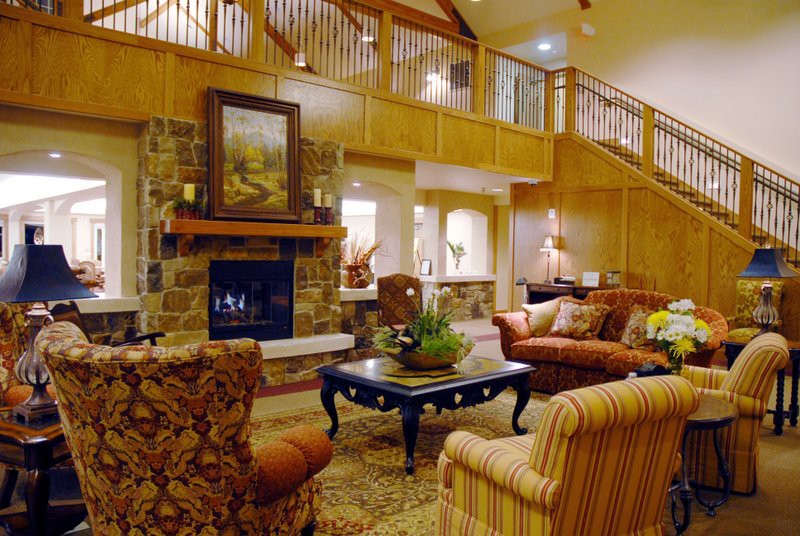
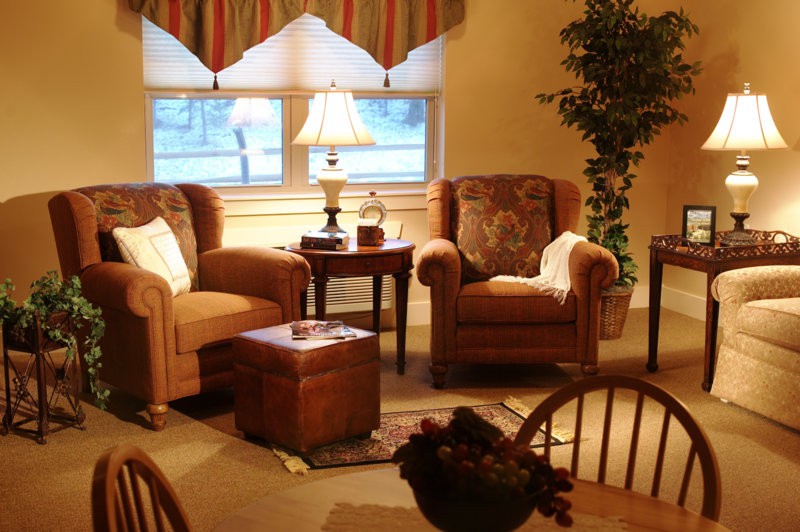
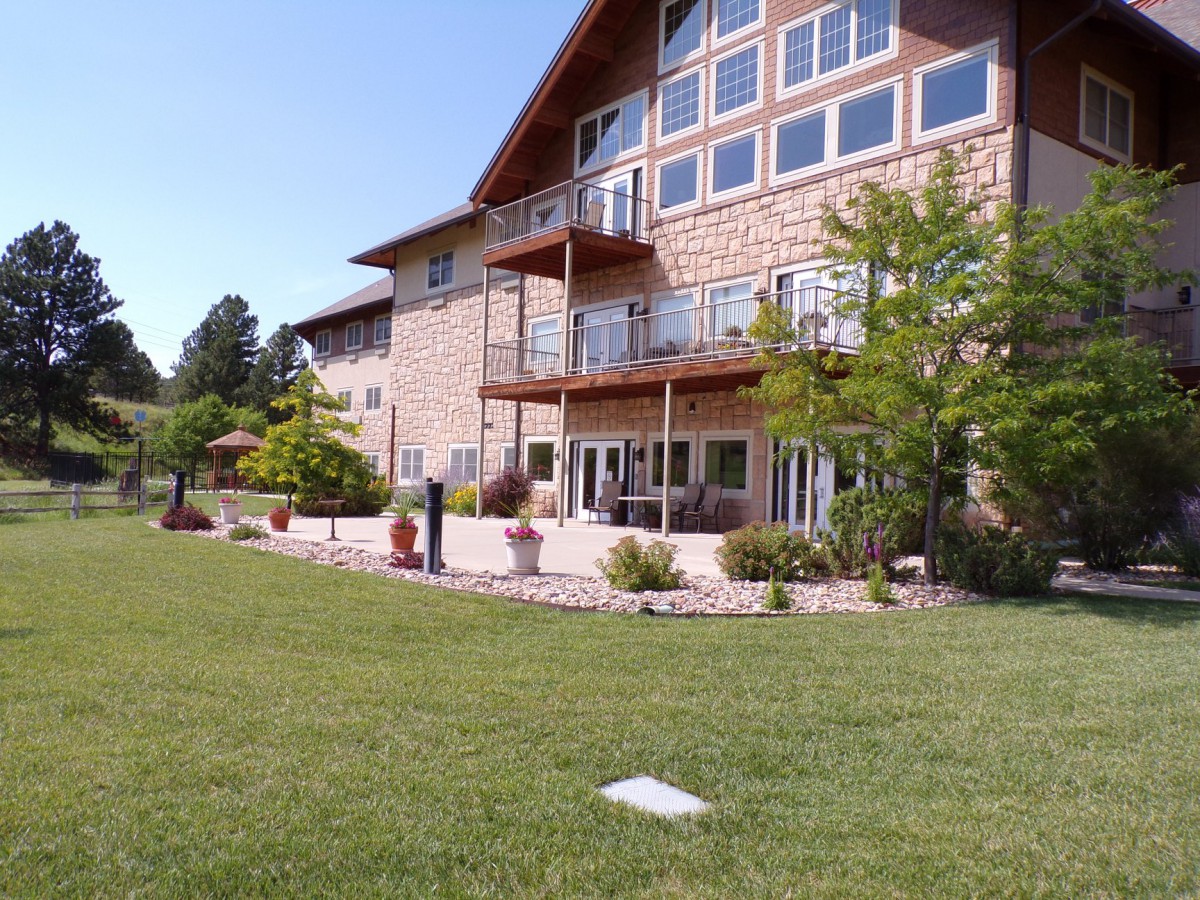
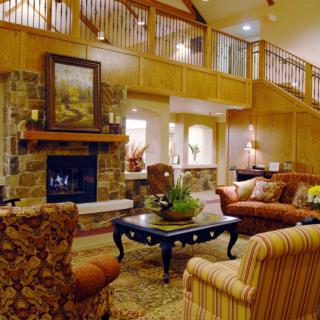
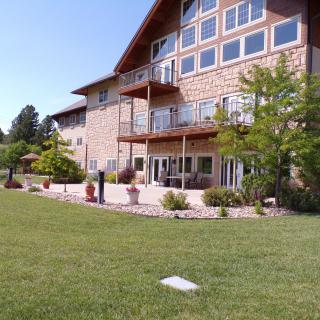
Many reviewers describe Pine Hills as beautiful and spotlessly clean, including comments about the facility being well maintained. Several also refer to comfortable rooms and overall upkeep, with some framing the setting as more like a lodge or resort than a traditional facility. Even in reviews that focus on other topics, cleanliness and the appearance of the building come up often.
caveat2 reviews mention this
Serious falls reported
A small number of reviewers report severe fall injuries.
A couple of reviews raise safety concerns, describing multiple falls with broken bones and, in one case, a neck fracture. These comments are strongly negative and include a clear warning to others. While most reviews focus on staff support and cleanliness, these reports stand out as the most serious criticism in the set.
differentiator2 reviews mention this
Memory care is available
The community offers memory care, including an Alzheimer wing residents toured.
At least two reviews specifically mention memory care. One reviewer describes a move into an Alzheimer wing and says their family member received excellent care there. Another review discusses touring the memory unit and describes it as part of the community’s overall living options.
common2 reviews mention this
Food and dining get praise
Some residents and visitors describe the food as a highlight.
A couple of reviews include positive comments about meals and food experiences. One mentions “awesome food,” while another describes help with frozen breakfast items during an early visit. These are the only dining-related praises that show up repeatedly, with broader reviews more focused on the building and staff.
How we summarize
Counts show how many written reviews mention each theme; a review can touch several themes, and only frequently mentioned themes are displayed.
Features
Housing
78 resident community capacity
Types of Care
Assisted Living
Independent Living
Memory Care
Pets
Cats allowed
Dogs allowed
Amenities
Activities off-site
Activities on-site
Air-conditioning
Bath tubs
Beautician on-site
Beauty salon
Cable or satellite TV
Computer center
Devotional services off-site
Devotional services on-site
Dining room
Fitness room
Fully furnished
Gaming room
Garden
Housekeeping services
Indoor common areas
Kitchenette
Move-in coordination
Outdoor common areas
Outdoor space
Private bathrooms
Restaurant-style dining
Small library
Swimming pool / hot tub
Telephone
Wellness center
Wheelchair accessible showers
Wi-Fi/high-speed internet available
Transportation
Community operated transportation
Transportation arrangement
Care Services
24-hour call system
24-hour supervision
Activities of daily living assistance
Ambulatory care
Assistance with bathing
Assistance with dressing
Assistance with transfers
Diabetes diet
Diabetic care
Incontinence care
Meal preparation and service
Medication management
Special dietary restrictions
Dining
Diabetes diet
Meals provided
Special dietary restrictions
Vegetarian
Activities
Activities off-site
Activities on-site
Community-sponsored activities
Concierge services
Devotional activities offsite
Devotional activities on-site
Fitness programs
Planned day trips
Resident-run activities
Scheduled daily activities
Nearby Places of Interest
Places of Worship
Wels (0.3 miles)
Grace Lutheran Church (0.4 miles)
Church of Jesus Christ of Latter Day Saints (0.4 miles)
Northwest District (0.5 miles)
Hot Springs Wesleyan Church (0.5 miles)
Jehovah's Witnesses (0.5 miles)
Narrow Path Ministries (0.5 miles)
Restaurants
Wooly's Mammoth Family Fun (0.8 miles)
Daily Bread Bakery and Cafe (1 miles)
Red Shed Smokehouse (1 miles)
Gus' Best Ice Cream (1 miles)
Sancho's Bar and Grill (1 miles)
Two Cows Creamery (1.1 miles)
Winners Circle (1.5 miles)
Cafes
Buffalo Dreamer (0.9 miles)
Springs Coffee (0.9 miles)
Mornin' Sunshine Coffee (1 miles)
Flatiron Building (1.1 miles)
Wandering Bison Coffee (1.1 miles)
Coffee Cup Fuel Stop (1.1 miles)
Hot Springs Coffee Kiosk (1.2 miles)
Physicians
Rapid City Medical Center (0.9 miles)
Hospitals
Fall River Health Services (0.9 miles)
Fall River Health Services (1.1 miles)
Va Black Hills Health Care System (1.2 miles)
Battle Mountain National Sanitarium (1.3 miles)
Monument Health Custer Urgent Care Services (24.3 miles)
Parks
Butler Park (0.9 miles)
J.H. Keith Park and Whitney Preserve at Cascade Springs (1.1 miles)
Pine Hills Retirement Community offers competitive pricing when compared to both Fall River County and the broader South Dakota market. For instance, a one-bedroom unit is priced at $1,990 per month, which aligns perfectly with the average cost in Fall River County but significantly undercuts the state average of $3,189. Similarly, two-bedroom accommodations are set at $3,100, matching local rates while still remaining below South Dakota's average of $3,667. Interestingly, the studio apartments at Pine Hills are priced higher at $5,500; this contrasts sharply with the state's average of $3,381. Overall, Pine Hills provides an attractive value proposition for prospective residents seeking a quality living experience in a supportive environment.
The comprehensive features at Pine Hills Retirement Community are designed to enhance the quality of life for residents with dementia or Alzheimer's disease by addressing their unique needs in a supportive environment. The 24-hour supervision ensures that residents are continually monitored, providing safety and immediate assistance when required. Assistance with activities of daily living, such as bathing and dressing, helps maintain personal hygiene and dignity, while support with transfers minimizes the risk of falls and enhances mobility. Incontinence care addresses a common challenge faced by many individuals in advanced stages of cognitive decline, contributing to comfort and well-being. Additionally, meal preparation and service cater to nutritional needs, ensuring that residents receive balanced meals tailored to their dietary preferences or restrictions. Medication management provides oversight for timely and appropriate medication administration, which is crucial for managing health conditions often associated with dementia. Collectively, these features create a nurturing atmosphere that fosters independence while ensuring that individuals receive the attentive care they need.
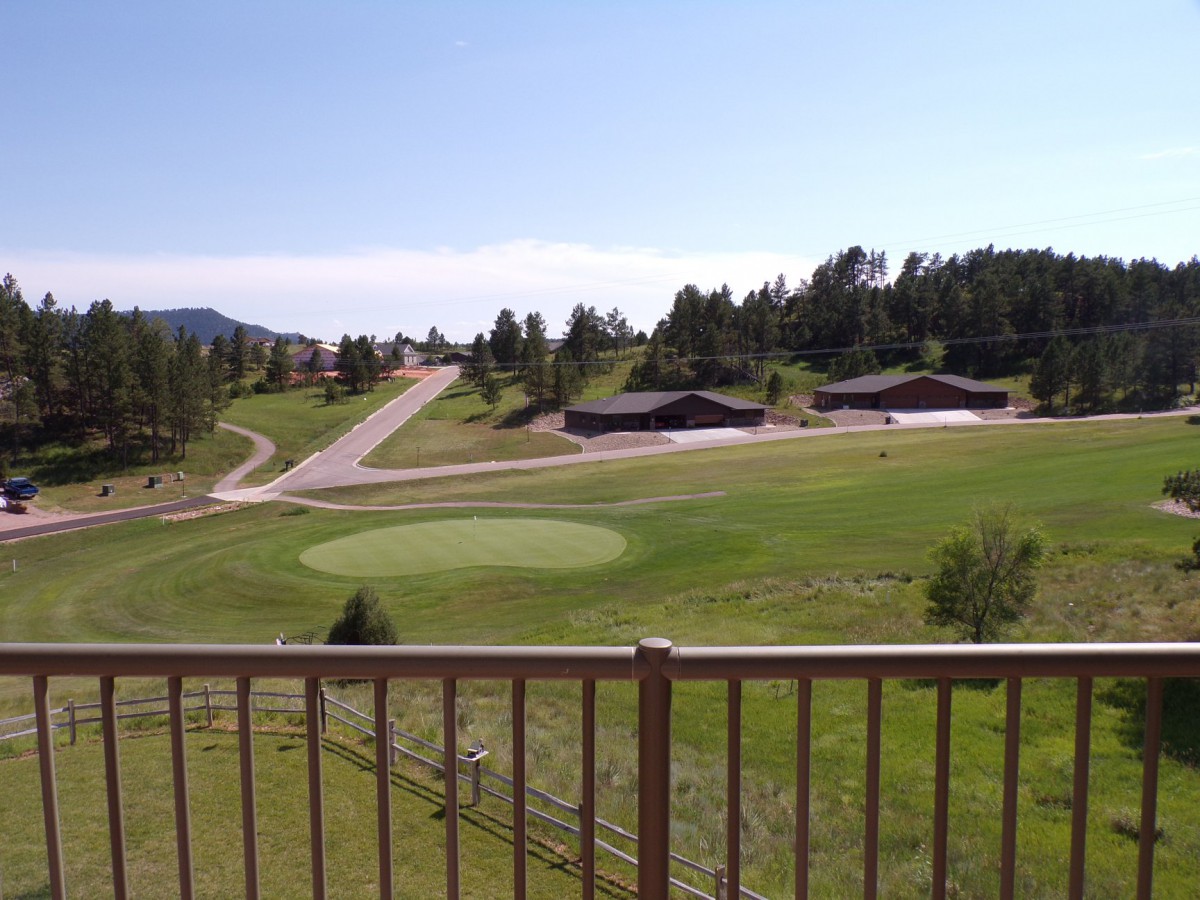
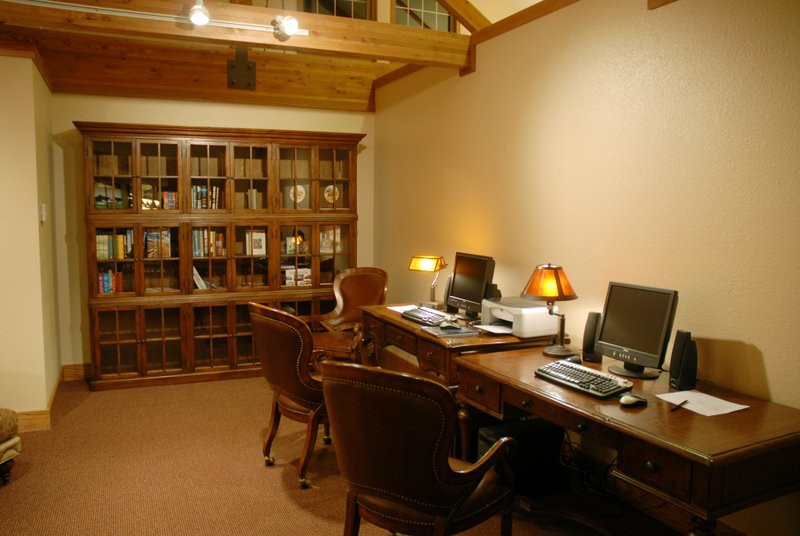
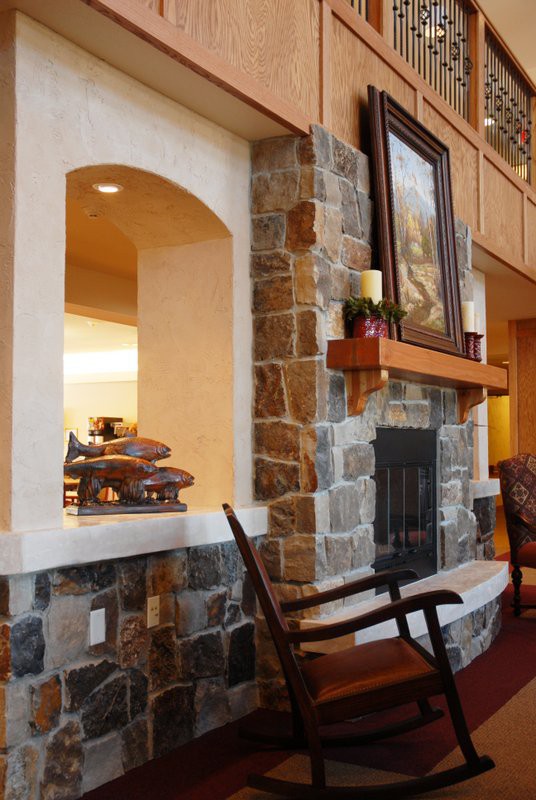
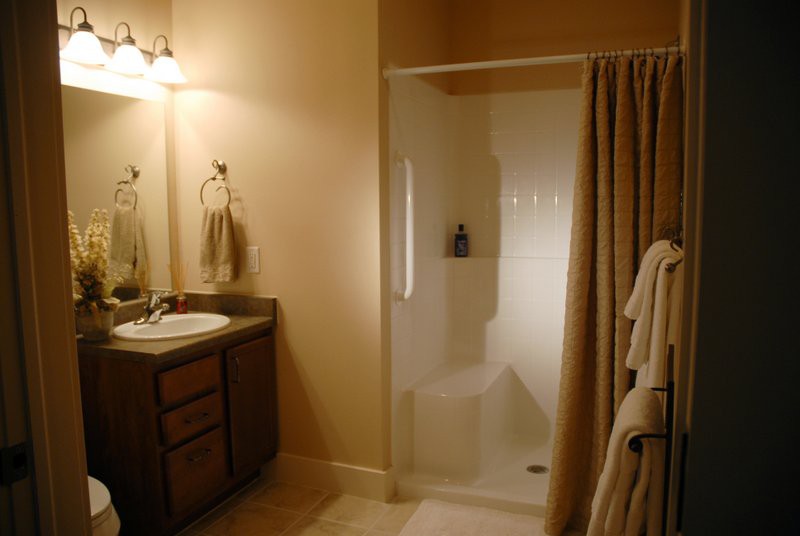
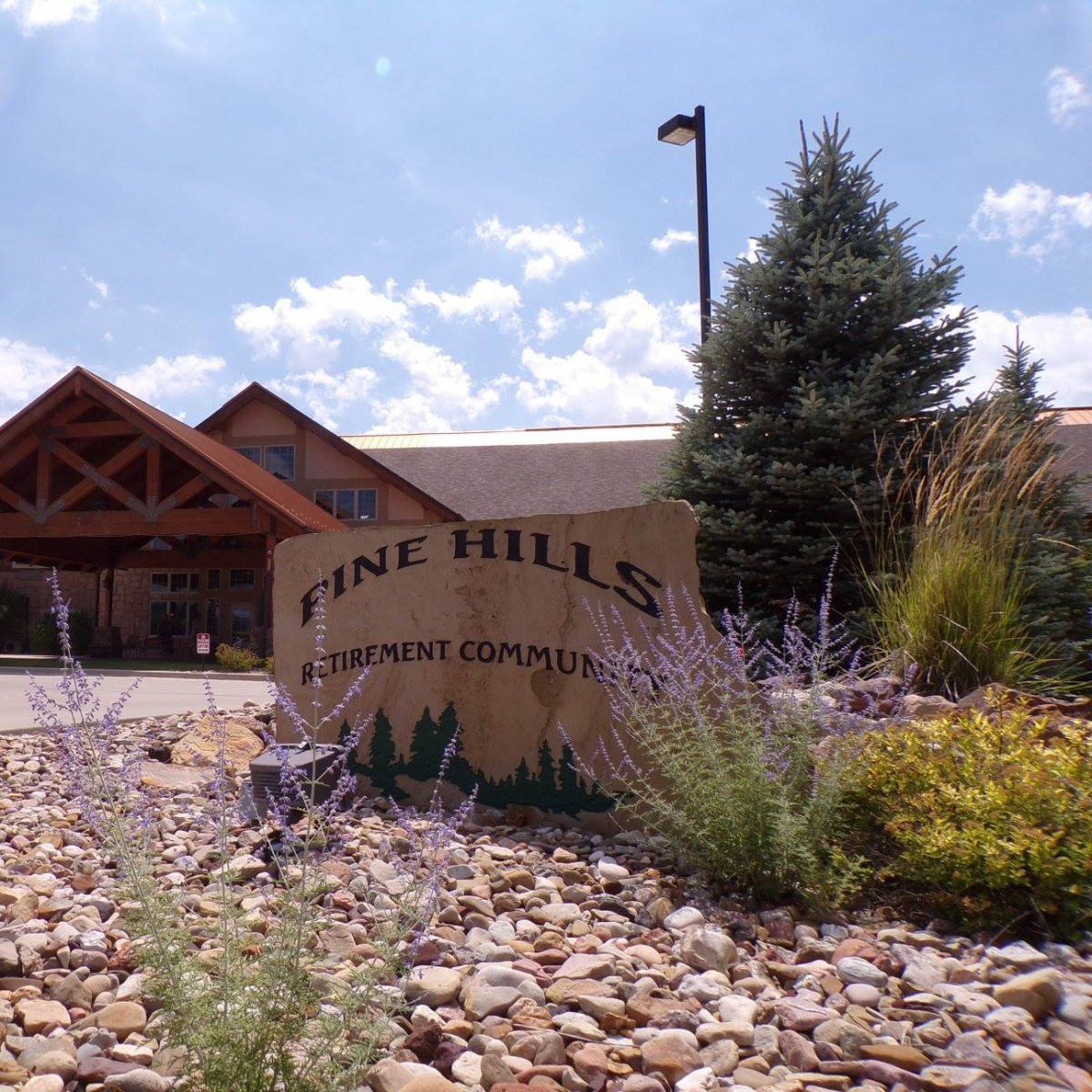
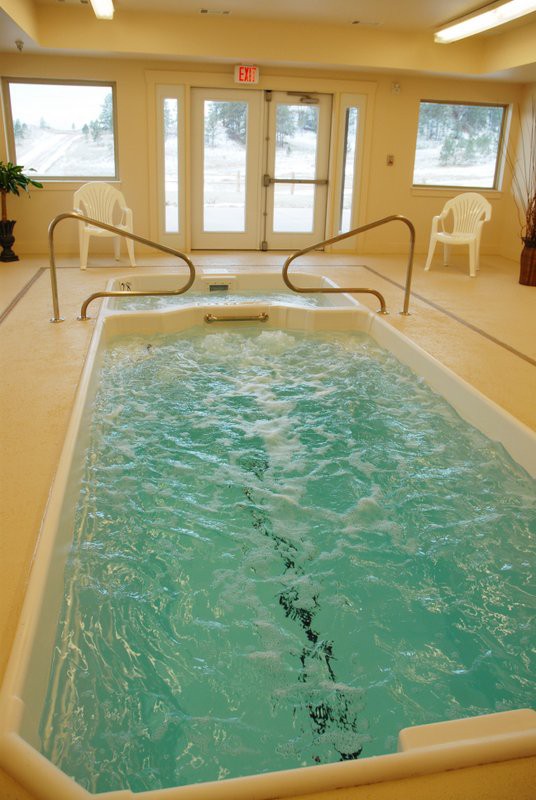
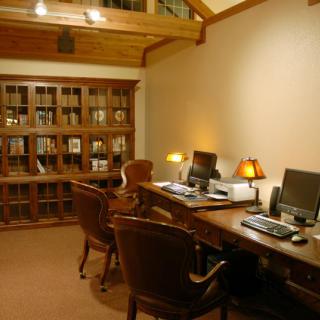
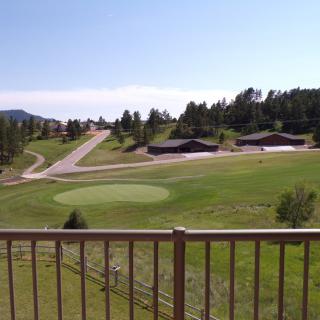
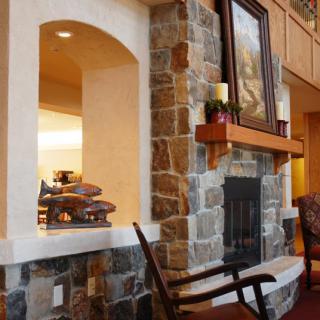
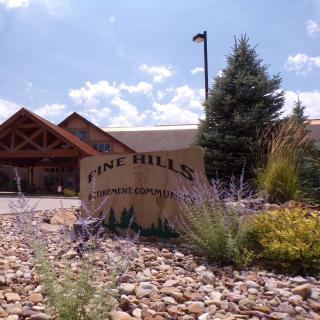
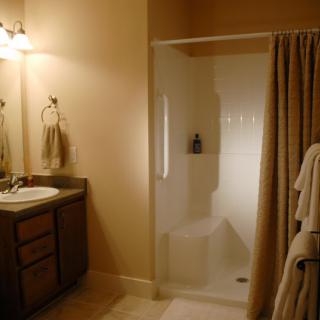
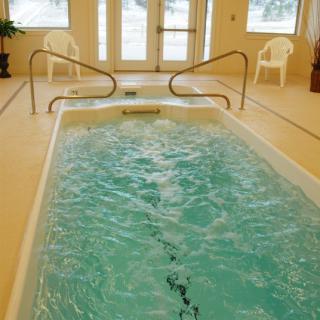
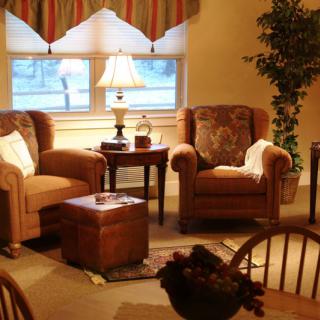
Pine Hills Retirement Community on seniors.fyi includes 9 photos including images showing landscaping, interior, living room, architecture, fireplace, decor, nature, shrubs, and more.
Nearby Communities
Michael J Fitzmaurice South Dakota Veterans Home
Hot Springs, SD
4.6 from 59 reviews
Broad on-site care and amenities, including 24/7 supervision and nursing, dining, activities, and transportation.
Seven Sisters Living Center
Hot Springs, SD
4.3 from 3 reviews
Quality care with comfortable private rooms and engaging activities in a pleasant setting.
Rose Haven Senior Living
Custer, SD
5 from 2 reviews
Small, intimate community with personalized care and robust amenities.
Daystar Ranch
Custer, SD
Specialized diabetic care and access to devotional activities support residents' well-being.
Colonial Manors of Custer
Custer, SD
2 from 2 reviews
$2,196 / month
Welcoming assisted living team with supportive memory-care referrals.
Vibrant Senior Living emphasizes active senior living communities that promote independence and engagement through diverse amenities and activities, fostering wellness and social interaction among older adults. These communities range from independent to assisted living, with a focus on personal growth, family involvement, financial planning, and leveraging technology to enhance residents' experiences.
Assisted living provides moderate support for seniors seeking independence, while memory care offers specialized support for individuals with dementia or cognitive impairments through structured routines and trained staff. Key differences include care approaches, environment security measures, staff training levels, activity types, and cost considerations.
Choosing between assisted living and nursing homes involves evaluating emotional and financial factors, with assisted living offering independence and support for daily activities at a lower cost, while nursing homes provide intensive medical care for individuals with significant health needs. The decision is influenced by personal preferences, health status, cognitive function, and varying Medicaid coverage across states.
Get PricingAsk A QuestionSchedule A TourContact Senior Advisor
By clicking submit, you agree to our Partner's Terms of Use. You
also consent to receive calls and texts, which may be autodialed, from our Partner. Your consent is not a condition to
using our Partner's service. Please visit our Partner's Privacy Policy for information about their privacy practices.

 78 resident community capacity
 Assisted Living
 Independent Living
 Memory Care
 Cats allowed
 Dogs allowed
 Activities off-site
 Air-conditioning
 Bath tubs
 Beautician on-site
 Cable or satellite TV
 Computer center
 Devotional services off-site
 Dining room
 Fitness room
 Fully furnished
 Gaming room
 Garden
 Housekeeping services
 Indoor common areas
 Kitchenette
 Move-in coordination
 Outdoor common areas
 Private bathrooms
 Restaurant-style dining
 Small library
 Swimming pool / hot tub
 Telephone
 Wellness center
 Wheelchair accessible showers
 Wi-Fi/high-speed internet available
 Community operated transportation
 24-hour call system
 Ambulatory care
 Assistance with bathing
 Assistance with dressing
 Assistance with transfers
 Diabetes diet
 Diabetic care
 Incontinence care
 Medication management
 Special dietary restrictions
 Concierge services
 Planned day trips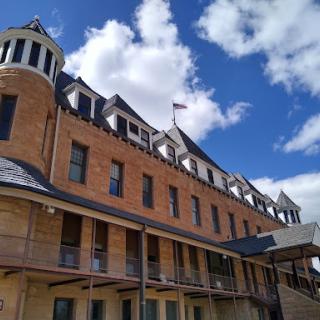
 Broad on-site care and amenities, including 24/7 supervision and nursing, dining, activities, and transportation.

 Vibrant Senior Living: A Comprehensive Guide for Active Older Adults
 Assisted Living and Memory Care: Understanding Their Core Differences
 Choosing the Right Senior Care: A Detailed Exploration of Assisted Living and Nursing Homes