Aldrich's Community Care Home

Save
Aldrich's Community Care Home

Aldrich's Community Care Home

895 Old Aiken Rd, North Augusta, SC 29841

For more information about senior living options: (844) 490-3973

3.4 from 63 reviews
5 stars
29
4 stars
9
3 stars
3
2 stars
3
1 stars
19

Assisted Living

What level of care are you interested in?

Assisted Living

Memory Care

Independent Living

Skilled Nursing Facility

Continuing Care Retirement Community (CCRC)CCRC

Other


Request a tour at Aldrich's Community Care Home

    Overall Review of Aldrich's Community Care Home

    Pros

    • pro Kristen was very nice and friendly.
    • pro Kristen, her nurse, was awesome, very personable and answered our questions.
    • pro Jimmy (LPN) and Stephanie (Speech Therapist) were commended for their jobs well done.
    • pro Jimmy, the nurse on his wing, was prompt when called and took care to ensure requests were met.
    • pro Karen R. did a fantastic job of making my dad and the entire family feel like family at the facility.
    • pro Aiken Rehab cared for my dad and the staff truly care and put patients' best interests first.
    • pro Wonderful staff and always impressed with the kindness shown to myself and residents.

    Cons

    • pro The facility is described as one of the worst rehabilitation centers, with belongings repeatedly lost.
    • pro Personal belongings labeled with residents' names reportedly go missing.
    • pro Care is inconsistent and sometimes below par, with safety lapses like patients falling due to improper support.
    • pro Staff reportedly rarely answer the phone, hindering communication with families.
    • pro Residents have been left in "timeout" at the nurse's station with oxygen turned off, which is unacceptable.
    • pro Some staff members are perceived as unprofessional and disclose personal information on the job.
    • pro The cleanliness is poor; trash on the floor and overall sanitation are lacking, making it feel more like a nursing home than a rehab facility.
    • pro Basic needs such as clean hair and proper garments are not promptly addressed, compromising patient dignity.
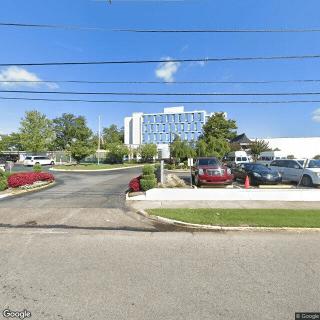
    • pro The exterior and parking areas are in disrepair and in need of upgrades.
    • pro The phone system is inadequate; there are no in-room phones, and calls often go unanswered for days.
    • pro Infection control appears lax, with signs of COVID in the building and inconsistent mask usage.
    • pro Communication with families is not transparent or responsive.

    Review

    Experiences at this rehab center run the gamut from heartfelt appreciation to deep frustration, and the stories shared by families paint a picture of a facility that can be both compassionate and chaotic in equal measure. In one corner, visitors praise staff members who go the extra mile, forming genuine connections with patients and families. In another corner, families describe missing personal belongings, inconsistent care, and a sense that safety and dignity sometimes take a backseat to volume and routine. Taken together, these reviews reveal a facility that is not consistently reliable, even as it can be a place where a few dedicated caregivers make a real positive impact.

    A persistent thread among the most upsetting accounts is the handling of personal belongings. Families report that clothing, nightgowns, and other items - each labeled with the patient's name - have vanished or been misplaced, sometimes after being promised that items would be washed or cared for. The loss of a hand-sewn "stuffy" meant to bring luck, and other small comforts, amplifies the sense that patients' dignity and individuality are overlooked in the shuffle of day-to-day routines. When insurance covers the stay, some families express relief that their loved ones are there; otherwise, the losses would sting even more. This combination of missing items and inconsistent accountability leaves families feeling powerless and frustrated.

    Care quality and safety concerns appear repeatedly and are difficult to overlook. Several accounts describe patients falling or being improperly supported, with wedges not used on both sides or patients not propped correctly in wheels. There are complaints about oxygen management and the provocative impression that while therapy and activity are a part of the program, basic safety practices aren't always in place. One extended story recounts an interaction with a nurse who claimed a patient had hit her, when the patient - who required oxygen - was said to be off his concentrator for long periods. The impression left is that some staff may at times appear to misinterpret or miscommunicate patient needs, which can undermine trust at a moment when families are most anxious about a relative's welfare.

    Notwithstanding the troubling anecdotes, there are many glowing testimonies about specific staff members who clearly care deeply about patients. Kristen is frequently described as friendly, personable, and capable of putting families at ease. A therapist, Stephanie, and a nurse named Jimmy (an LPN) receive high praise for professionalism and responsiveness, with families noting that Jimmy "took care of" requests promptly and that Stephanie's therapy sessions were meaningful. Karen R. is celebrated for making families feel welcome and involved, helping both patients and their relatives feel included in the care plan. These positive experiences show that, when individual caregivers are present and attentive, the facility can deliver compassionate, patient-centered care.

    Cleanliness and facility upkeep emerge as another area of concern. Reviewers sometimes describe the environment as not very clean and more reminiscent of a nursing home than a modern rehab facility. Exterior conditions - grounds, parking lots, and driveways - are described as being in need of repair or upgrade. Inside, the sense is that cleanliness and organization do not meet the expectations one might have for a rehabilitative hospital setting, contributing to a sense of neglect that can compound the stress families already feel about their loved ones' condition.

    Communication with families and transparency about care plans also stand out as recurring issues. Several reviewers criticize a lack of timely communication from administrators, the director of nursing, or social workers. The sentiment is that important information is not conveyed promptly, and in some cases, family members feel they must chase administrators for basic updates. The complaints extend to practical problems such as malfunctioning or outdated phone systems, with calls going unanswered and no reliable way for patients to connect with loved ones who are not physically present. The suggestion that rooms should have phones for patient-to-family contact reflects a longing for closer, more consistent contact during a vulnerable time.

    Taken together, the reviews reveal a facility that can feel like two different places depending on who is providing the care and when. Some days and some wings are described as well-managed, with staff who listen, respond, and engage warmly with patients and families. Other days, and other corners of the facility, evoke a sense of systemic gaps: lost belongings, gaps in basic safety practices, cleanliness shortfalls, and communication challenges that leave families worried and disappointed. The mixed nature of these experiences suggests that improvements in process, accountability, and communication could bring the overall experience more in line with the best moments described by patients and their loved ones.

    For families considering this rehab center, the takeaway is nuanced. There are clear strengths - dedicated staff who connect with patients, thoughtful therapists and nurses, and moments of real warmth and competence that can brighten a patient's day. Yet there are also persistent concerns about item management, patient safety practices, cleanliness, and the efficiency of communications. Weighing these experiences against the specific needs of a loved one - such as the importance of reliable oxygen management, clear and timely updates, and a clean, well-organized environment - can help families decide whether this facility is the right fit. In the end, the best path forward may involve asking pointed questions about item handling, safety protocols, and how the facility ensures consistent, transparent communication with families to ensure that every patient receives dignified, attentive care.

    Features

    Types of Care

    • Assisted Living Assisted LivingAssisted living facilities provide crucial support and care for seniors who may need help with daily tasks such as medication management, bathing, and meal preparation. These communities offer a safe and comfortable environment where seniors can maintain their independence while receiving the assistance they need to thrive in their golden years.

    Amenities

    • Activities on-site Activities on-siteActivities on-site are important for seniors because they provide opportunities for socialization, mental stimulation, physical activity, and overall well-being. Engaging in activities can help seniors stay active, maintain their independence, and improve their quality of life.
    • Devotional services off-site Devotional services off-siteDevotional services off-site are important for seniors as they provide spiritual nourishment, social engagement, and a sense of community outside of the senior living facility. This can enhance overall well-being and help combat feelings of isolation and loneliness often experienced by older adults.
    • Indoor common areas Indoor common areasIndoor common areas are crucial for seniors as they provide a space for socialization, recreation, and community engagement, promoting overall well-being and reducing feelings of isolation and loneliness.

    Transportation

    • Bush (9 miles away) Bush (9 miles away)

    Care Services

    • Ambulatory care Ambulatory care"Ambulatory care services provide essential medical support and treatment to seniors without requiring hospitalization, allowing them to maintain their independence and quality of life while managing chronic conditions or receiving routine medical care."
    • Diabetic care Diabetic careDiabetic care is crucial for seniors as they are more susceptible to developing diabetes due to aging and other health conditions. Proper management of diabetes can help prevent complications such as heart disease, vision loss, and nerve damage, improving the overall quality of life for seniors in senior living communities.

    Dining

    • Meals provided Meals provided"Meals provided" are crucial for seniors in assisted living communities as it ensures they have access to nutritious, balanced meals without the stress of meal planning and preparation. This can help promote overall health and well-being for seniors who may have limited mobility or cognitive abilities.

    Activities

    • Activities on-site Activities on-siteActivities on-site are important for seniors because they provide opportunities for socialization, mental stimulation, physical activity, and overall well-being. Engaging in activities can help seniors stay active, maintain their independence, and improve their quality of life.
    • Devotional activities offsite Devotional activities offsiteDevotional activities offsite are important for seniors because they provide social engagement, spiritual growth, and a sense of community outside of their living environment. This can improve overall well-being, mental health, and combat feelings of isolation or loneliness.

    Description

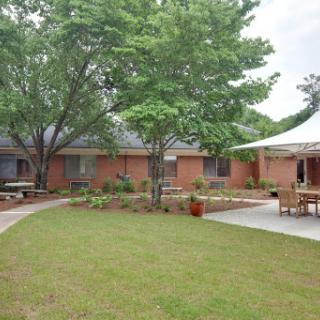
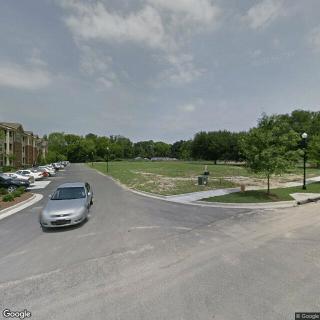
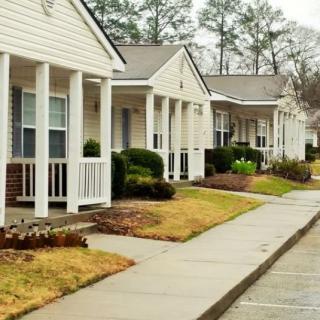
    Aldrich's Community Care Home in North Augusta, SC, offers a warm and welcoming environment designed to support residents' needs while promoting their independence. This serene assisted living community features comfortable indoor common areas where residents can socialize and engage with one another.

    Residents benefit from specialized care services, including diabetic management, ensuring that their health needs are met with compassion and professionalism. The community places a strong emphasis on spiritual well-being, providing opportunities for devotional activities off-site that cater to the diverse beliefs of its residents.

    Conveniently located near essential amenities, Aldrich’s Community Care Home is surrounded by two nearby cafes perfect for casual dining and social gatherings. Nature enthusiasts will appreciate the proximity of two parks, offering serene outdoor spaces for relaxation and leisure activities. Health care is easily accessible with nine pharmacies and seven hospitals within close reach, as well as access to 19 local physicians for any medical needs.

    For those who enjoy diverse culinary experiences, the area boasts an impressive selection of 36 restaurants just a short distance away. Aldrich's Community Care Home combines comfort, care, and community engagement to create a fulfilling living experience for its residents in North Augusta.

    Nearby Places of Interest

    This part of North Augusta, South Carolina offers convenient access to a variety of essential amenities for seniors. With multiple pharmacies such as Walmart Pharmacy, Walgreens, and CVS Pharmacy within a short driving distance, residents can easily fulfill their medication needs. There are also several dining options nearby including Monterrey Restaurante Mexicano and Chick-Fil-A for enjoyable meals out. For healthcare services, there are reputable physicians' offices like Center For Primary Care and specialized clinics like Hanger Clinic for Prosthetics & Orthotics. Additionally, the area boasts proximity to quality hospitals such as University Hospital and Children's Hospital Of Georgia for comprehensive medical care. Parks like Riverview Park Activities Center provide opportunities for leisurely outdoor activities. Overall, this neighborhood offers a well-rounded environment with accessible amenities that cater to the needs of senior residents.

    Pharmacies

    • Walmart Pharmacy (1.5 miles)
    • Walgreens (1.6 miles)
    • Kroger Pharmacy (1.7 miles)
    • Walgreens (1.9 miles)
    • CVS Pharmacy (1.9 miles)
    • CVS Pharmacy (2 miles)
    • Walgreens (3.3 miles)

    Restaurants

    • Monterrey Restaurante Mexicano (1.5 miles)
    • Chick-Fil-A (1.6 miles)
    • Diablos (1.6 miles)
    • Sonic Drive-In (1.6 miles)
    • Zaxby's (1.6 miles)
    • Burger King (1.6 miles)
    • Wingstop (1.7 miles)

    Cafes

    • Starbucks (1.6 miles)
    • Buona Caffe Artisan Roasted Coffee (4.7 miles)
    • Starbucks (5.2 miles)

    Physicians

    • Center For Primary Care (1.9 miles)
    • Center for Oral & Maxillofacial Surgery (2 miles)
    • Christ Community Center (2.5 miles)
    • Hanger Clinic: Prosthetics & Orthotics (3.3 miles)
    • Medex Associates (3.4 miles)
    • Augusta Arthritis Center (3.4 miles)
    • Augusta Developmental Specialists (3.4 miles)

    Parks

    • Riverview Park Activities Center (3.3 miles)
    • Eisenhower Park (4.4 miles)

    Hospitals

    • Univetsity Hospital POB II (3.5 miles)
    • University Hospital (3.6 miles)
    • University Hospital Heart and Vascular Institute (3.7 miles)
    • Select Specialty Hospital Augusta (3.8 miles)
    • Children's Hospital Of Georgia (3.8 miles)
    • Charlie Norwood VA Hospital Augusta (3.8 miles)
    • Georgia Cancer Center (3.8 miles)

    Theaters

    • GTC Riverwatch 12 Cinemas (5.2 miles)

    Frequently Asked Questions

    Where is Aldrich's Community Care Home?

    Nearby Communities

    Related Resources

    • assisted living waiver programA Detailed Exploration of Assisted Living Medicaid Waivers Across the United States
      Medicaid waivers for assisted living services provide vital support for seniors and individuals with disabilities in need of long-term care, with varying state-specific eligibility criteria and benefits. These waivers cover personal care and case management but often do not fully cover room and board, leading to waiting lists for many applicants.

    • assisted living for disabled adultsComprehensive Residential Support and Assisted Living Solutions for Individuals with Disabilities

      The article examines the complexities of assisted living for individuals with disabilities, emphasizing the need for tailored care solutions that enhance quality of life and social inclusion, while addressing financial challenges and advocating for community integration. It discusses various housing options, the importance of financial assistance through public benefits, and highlights trends towards integrated and technology-driven solutions in disability-focused housing.

    • assisted living for disabled adultsComprehensive Supportive Living Arrangements for Adults with Disabilities

      Assisted living for adults with disabilities has transformed to provide personalized care and support services aimed at improving residents' quality of life while balancing independence and assistance. However, low-income individuals often face challenges in affording these services, requiring navigation of various financial resources and advocacy for better policies and solutions.


    Get Pricing Ask A Question Schedule A Tour Contact Senior Advisor