Portside at Grande Dunes offers competitive pricing for its accommodations when compared to Horry County and the wider South Carolina area. For instance, a studio suite is available at $2,499 per month, significantly lower than the county's average of $3,503 and the state average of $3,649. The one-bedroom option follows suit at $3,350, again more affordable than both the county's average of $3,964 and South Carolina's $3,806. However, the costs for two-bedroom units at Portside rise to $5,300, surpassing Horry County's average of $4,421 and South Carolina's $4,337. Interestingly, their semi-private rooms are priced at $5,700, which is markedly higher than Horry County's average of $3,512 and South Carolina's broader average of $3,243. Overall, while Portside excels in affordability for studio and one-bedroom options, it does present higher rates for larger accommodations when compared to both county and state averages.
Floor plans
Portside at Grande Dunes
Horry County
South Carolina
Studio
$2,499
$3,503
$3,649
1 Bedroom
$3,350
$3,964
$3,806
2 Bedrooms
$5,300
$4,421
$4,337
Semi-Private
$5,700
$3,512
$3,243
Assisted Living communities with a similar price nearby
Residents and families consistently describe staff as kind, attentive, and supportive.
Across reviews, families describe staff members who make the move feel smoother and provide day-to-day reassurance once residents are settled. Many specifically mention responsiveness and patience—whether during the transition process or while helping residents stay comfortable. A smaller set of reviews contradicts this with concerns about care presence and communication, so it’s best to ask detailed questions about day-to-day coverage and follow-through.
common
Activities and community life
Residents frequently mention having things to do and ways to connect.
Several reviews highlight scheduled activities, social opportunities, and trips or errands that help residents stay engaged. Families also describe a welcoming atmosphere where residents can build connections. Some reviews note that the variety of activities can feel limited or repetitive, and a few mention that staffing or communication issues affected routines at times.
differentiator
Care levels within one community
The community’s built-in care levels can support a move within the same campus.
Multiple reviews describe transitioning between independent living, assisted living, and memory care as needs change. Families also reference on-site support for care planning—especially when a senior needs additional help or short-term respite. That said, a few residents’ families raise concerns about medical follow-through in memory care and request clearer communication around staffing and response when health issues come up.
common
Dining quality and dining fit
Dining draws strong opinions, from positive to mixed.
Many reviews describe the meals as good, with some mentioning restaurant-style dining and choices for special diets. Other reviews say food quality can be inconsistent—citing repetitive menus, average meals, or difficulty meeting dietary needs. When reading the reviews, it’s worth comparing what’s offered for meal service to what your loved one will actually eat, especially if they have dietary restrictions.
caveat
Cost and rent-change concerns
Pricing is a recurring concern, especially around rent increases.
Several reviews call out that the community can feel expensive compared with expectations, including concerns about rent increases over time. Some families describe being charged more than initially quoted or expecting certain inclusions that they felt weren’t consistently delivered. Because cost concerns are paired with mixed service notes in a few reviews, it’s important to clarify what’s included in monthly pricing and how increases are handled.
How we summarize
We summarize when many written reviews mention each theme; a review can touch several themes, and only frequently mentioned themes are displayed.
Features
Housing
120 resident community capacity
1-bedroom apartments
2-bedroom apartments
Condos / townhomes
Studio apartments
Types of Care
Assisted Living
Independent Living
Memory Care
Skilled Nursing Facility
Pets
Cats allowed
Dogs allowed
Amenities
Activities off-site
Activities on-site
Air-conditioning
Beautician on-site
Beauty salon
Cable or satellite TV
Cafe
Computer center
Devotional services off-site
Devotional services on-site
Dining room
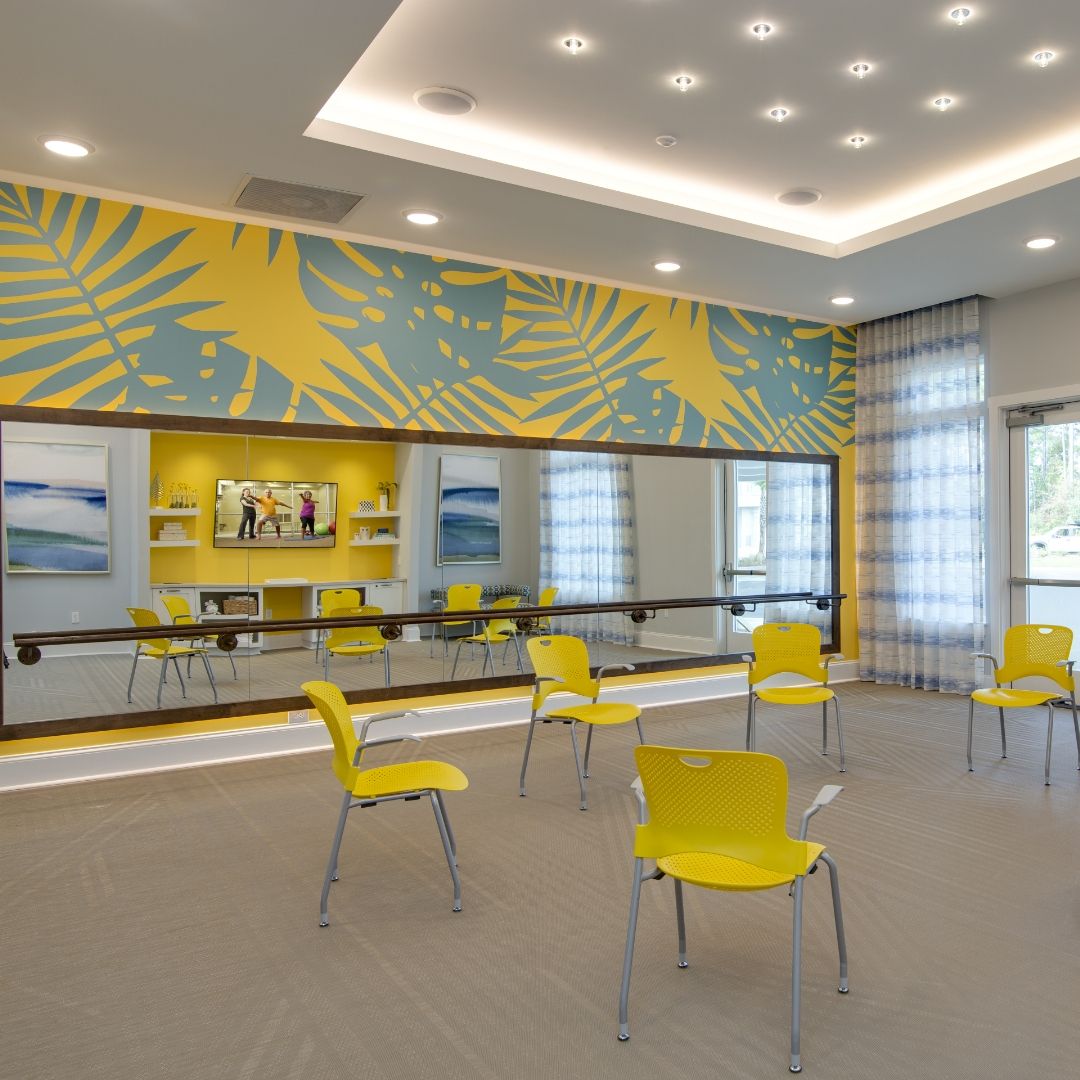
Fitness room
Fully furnished
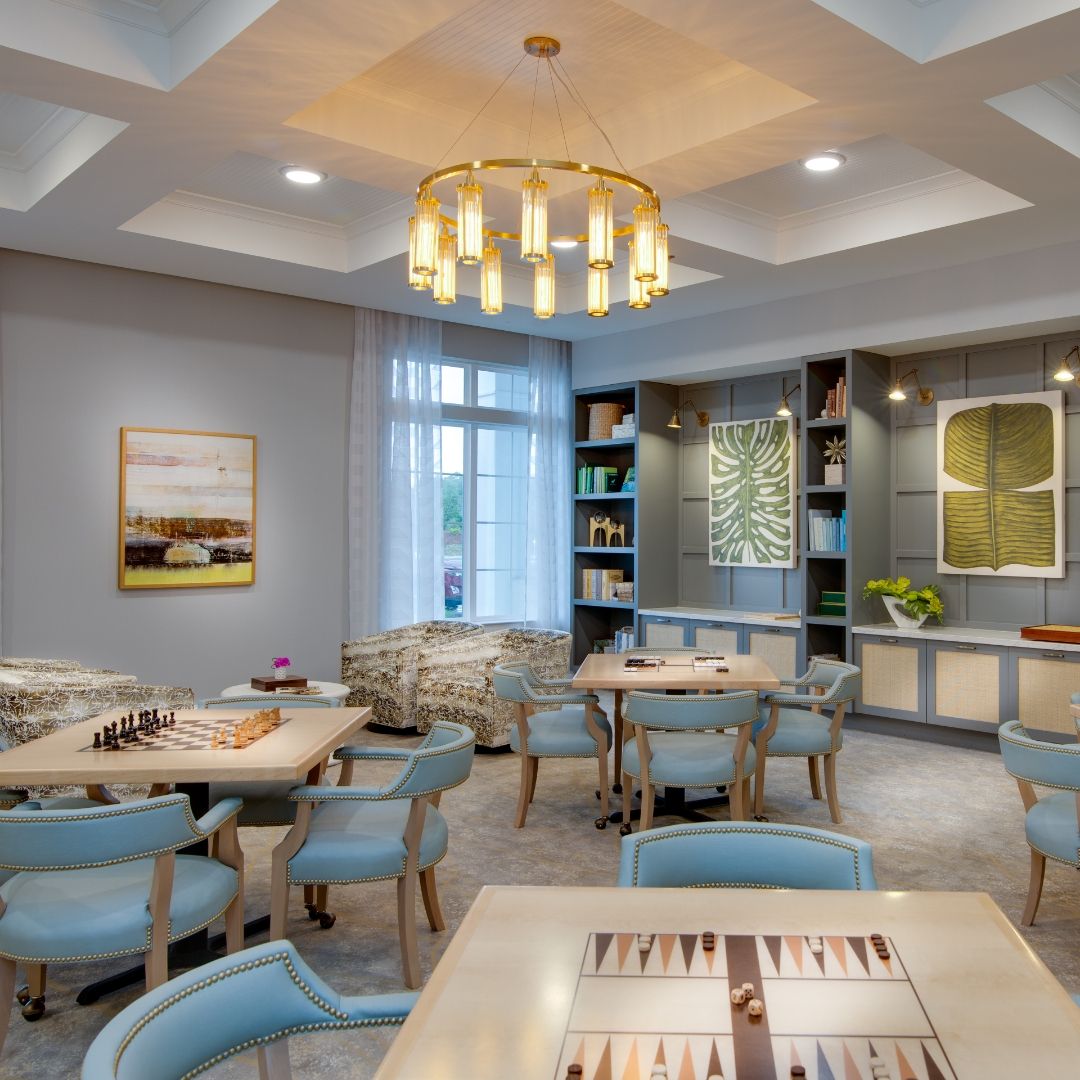
Gaming room
Garden
Ground floor units
Guasts at mealtime
Guest parking
Handicap accessible
Housekeeping services
Indoor common areas
Kitchenette
Laundry
Move-in coordination
Outdoor common areas
Outdoor space
Private bathrooms
Resident parking
Respite or short term stays offered
Restaurant-style dining
Small library
Swimming pool
TV room
Telephone
Tennis courts
Wellness center
Wheelchair accessible showers
Wi-Fi/high-speed internet available
Transportation
Myrtle Beach International (9 miles away)
Community operated transportation
Transportation & parking
Transportation arrangement
Transportation arrangement (non-medical)
Care Services
12-16 hour nursing
24-hour call system
24-hour supervision
Activities of daily living assistance
Ambulatory care
Assistance with bathing
Assistance with dressing
Assistance with transfers
Coordination with health care providers
Dementia waiver
Diabetes diet
Diabetic care
Hospice waiver
Incontinence care
Meal preparation and service
Medication management
Mental wellness program
Mild cognitive impairment
Personal care assistants
Special dietary restrictions
Specialized memory care programming
Transportation arrangement (medical)
Transportation to doctors appointments
Dining
Diabetes diet
Guest meals
Low / no sodium
Meals provided
No Sugar
Professional chef
Restaurant style dining
Room service
Special dietary restrictions
Special dining programs
Vegan
Vegetarian
Activities
Activities off-site
Art classes
Arts and crafts
Catholic services
Community-sponsored activities
Concierge services
Cooking club
Devotional activities offsite
Devotional activities on-site
Educational speakers / life long learning
Fitness programs
Games
Jewish services
Live musical performances
Mormon/LDS services
Other religious services
Planned day trips
Protestant services
Resident-run activities
Scheduled daily activities
Visiting Rabbi
Visiting chaplain or priest
Videos
Nearby Places of Interest
This part of Myrtle Beach, South Carolina offers convenient access to various healthcare facilities including surgical centers, dermatology clinics, and pharmacies within close proximity. The area is home to Myrtle Beach Hospital and Grand Strand Regional Labor & Delivery Ward for medical care needs. Additionally, there are a variety of dining options ranging from fast food chains like McDonald's to seafood restaurants such as The Original Benjamin's Calabash Seafood. There are also cafes like Starbucks for leisurely coffee breaks. For outdoor recreation, residents can visit nearby parks such as Barc Parc North and Barefoot Landing Live Oak Playground for relaxation and social activities. Overall, this area provides a mix of medical amenities, dining choices, and recreational options suitable for senior living.
Physicians
Grand Strand Surgical Care (0.2 miles)
Waccamaw Dermatology & Plastic Surgery (0.2 miles)
Strand Gastrointestinal Endoscopy Center (0.3 miles)
Parkway Surgery Center (0.3 miles)
Associated Medical Specialists PA (0.4 miles)
Venus Gynecology (0.4 miles)
Magnolia OBGYN (0.4 miles)
Pharmacies
CVS Pharmacy (0.3 miles)
Walgreens (0.7 miles)
CVS Pharmacy (1.6 miles)
CVS Pharmacy (2 miles)
CVS Pharmacy (3.9 miles)
Walgreens (3.9 miles)
CVS Pharmacy (5.4 miles)
Hospitals
Myrtle Beach Hospital (0.4 miles)
Grand Strand Regional Labor & Delivery Ward (0.4 miles)
Coastal Lice Center (3.2 miles)
DaVita Myrtle Beach Dialysis (3.7 miles)
Restaurants
McDonald's (0.5 miles)
River City Cafe (1.2 miles)
Fiesta Mexicana (1.3 miles)
Carrabba's Italian Grill (1.4 miles)
The Original Benjamin's Calabash Seafood (1.6 miles)
Portside at Grande Dunes offers competitive pricing for its accommodations when compared to Horry County and the wider South Carolina area. For instance, a studio suite is available at $2,499 per month, significantly lower than the county's average of $3,503 and the state average of $3,649. The one-bedroom option follows suit at $3,350, again more affordable than both the county's average of $3,964 and South Carolina's $3,806. However, the costs for two-bedroom units at Portside rise to $5,300, surpassing Horry County's average of $4,421 and South Carolina's $4,337. Interestingly, their semi-private rooms are priced at $5,700, which is markedly higher than Horry County's average of $3,512 and South Carolina's broader average of $3,243. Overall, while Portside excels in affordability for studio and one-bedroom options, it does present higher rates for larger accommodations when compared to both county and state averages.
Portside at Grande Dunes offers a comprehensive suite of features that directly support the needs of residents with dementia or Alzheimer's disease, fostering a secure and nurturing environment. The 24-hour supervision ensures constant safety, while assistance with activities of daily living, such as bathing and dressing, promotes dignity and comfort for residents who may struggle with these tasks. Coordinating care with health care providers enhances medical oversight, ensuring that residents receive appropriate treatment tailored to their unique conditions. The dementia waiver allows for personalized care that addresses specific cognitive challenges, while specialized memory care programming and mental wellness initiatives cater to emotional and cognitive engagement. Meal preparation and service are designed to meet nutritional needs, complemented by medication management for adherence to prescribed regimens. Incontinence care maintains hygiene and comfort, while transportation arrangements facilitate access to medical appointments, contributing to a holistic approach in addressing both physical health and well-being.
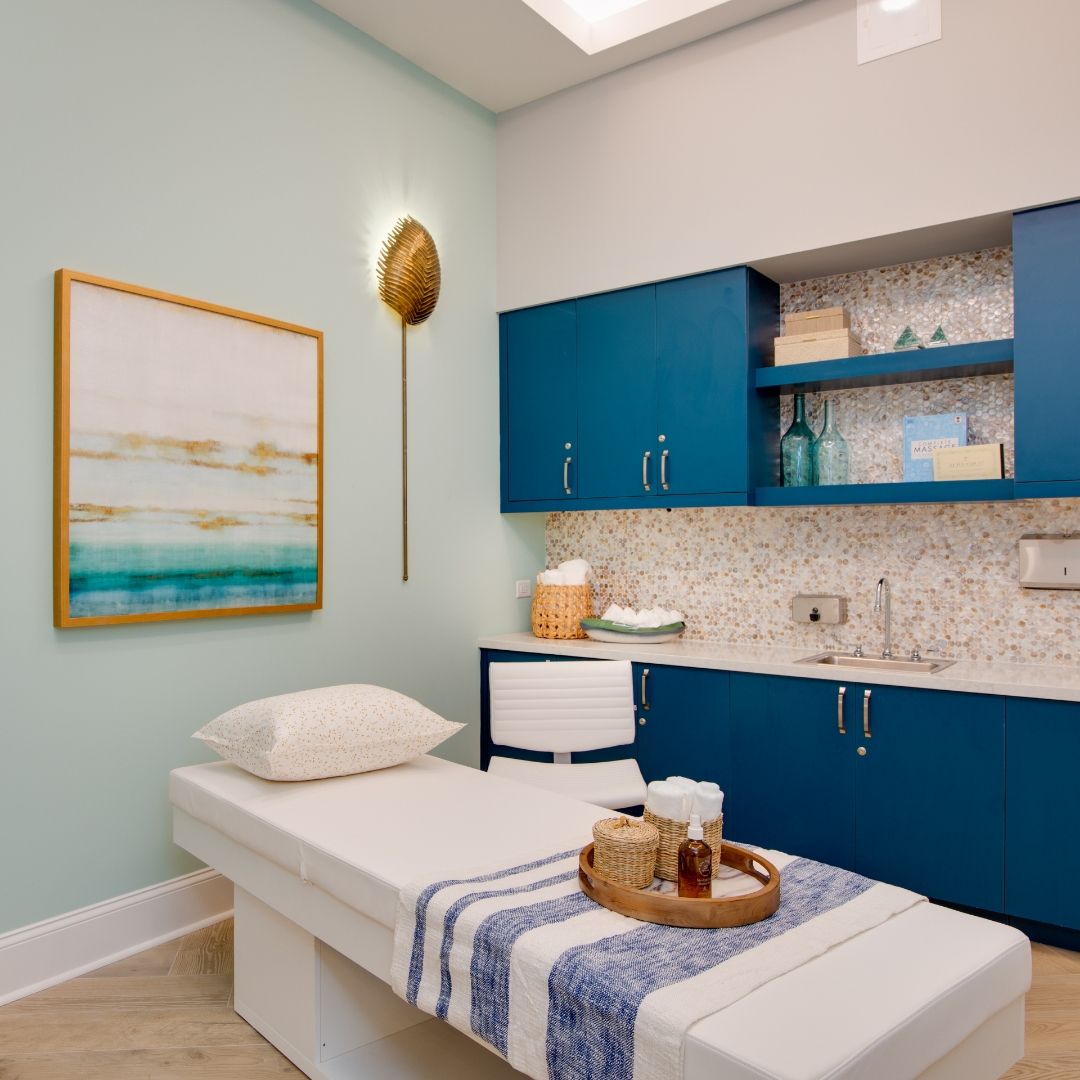
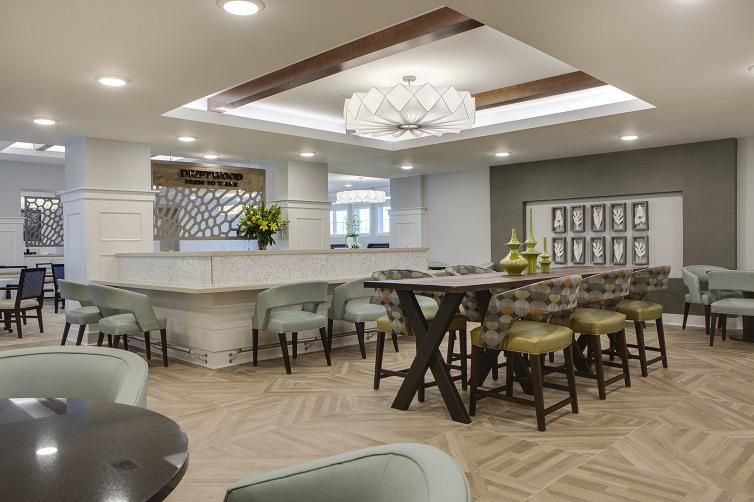
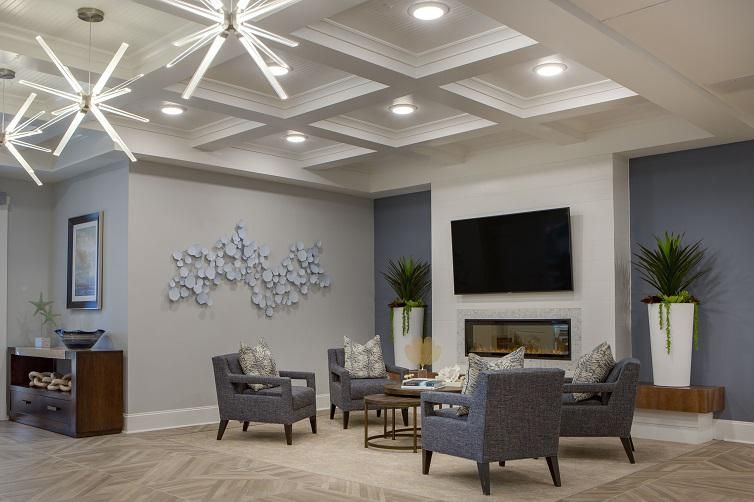
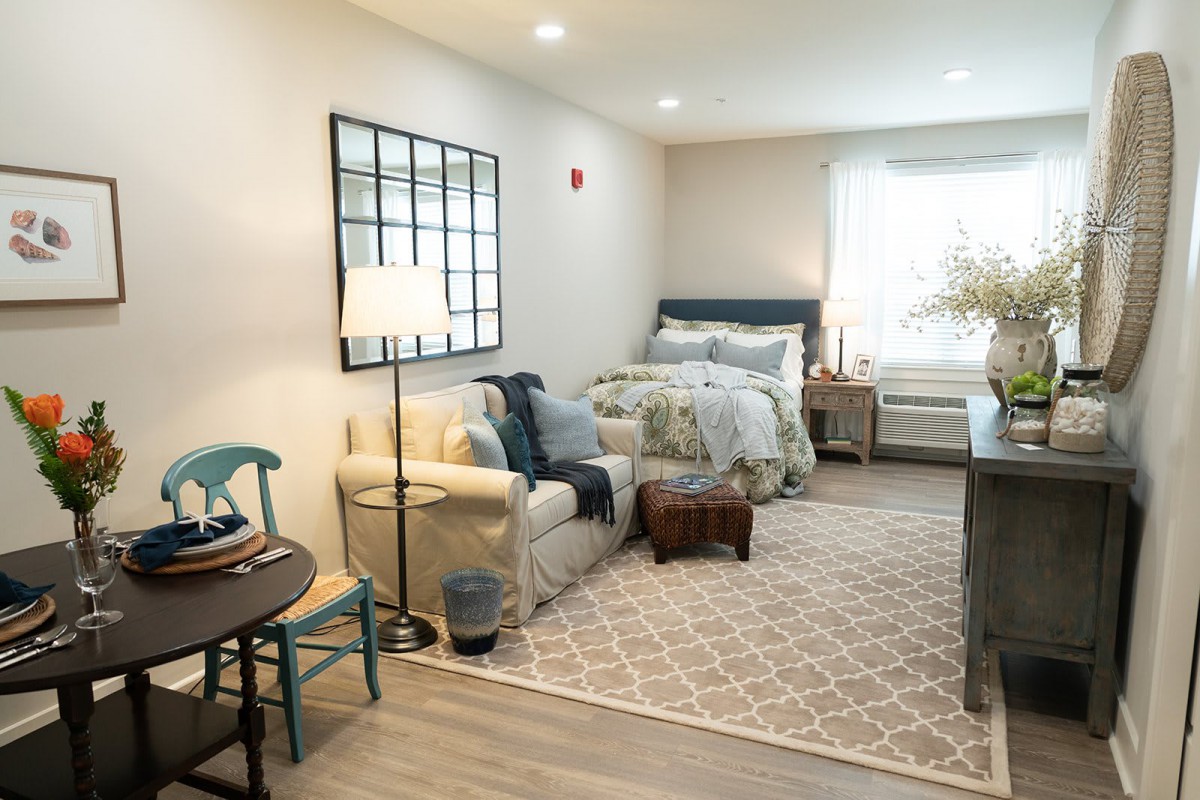
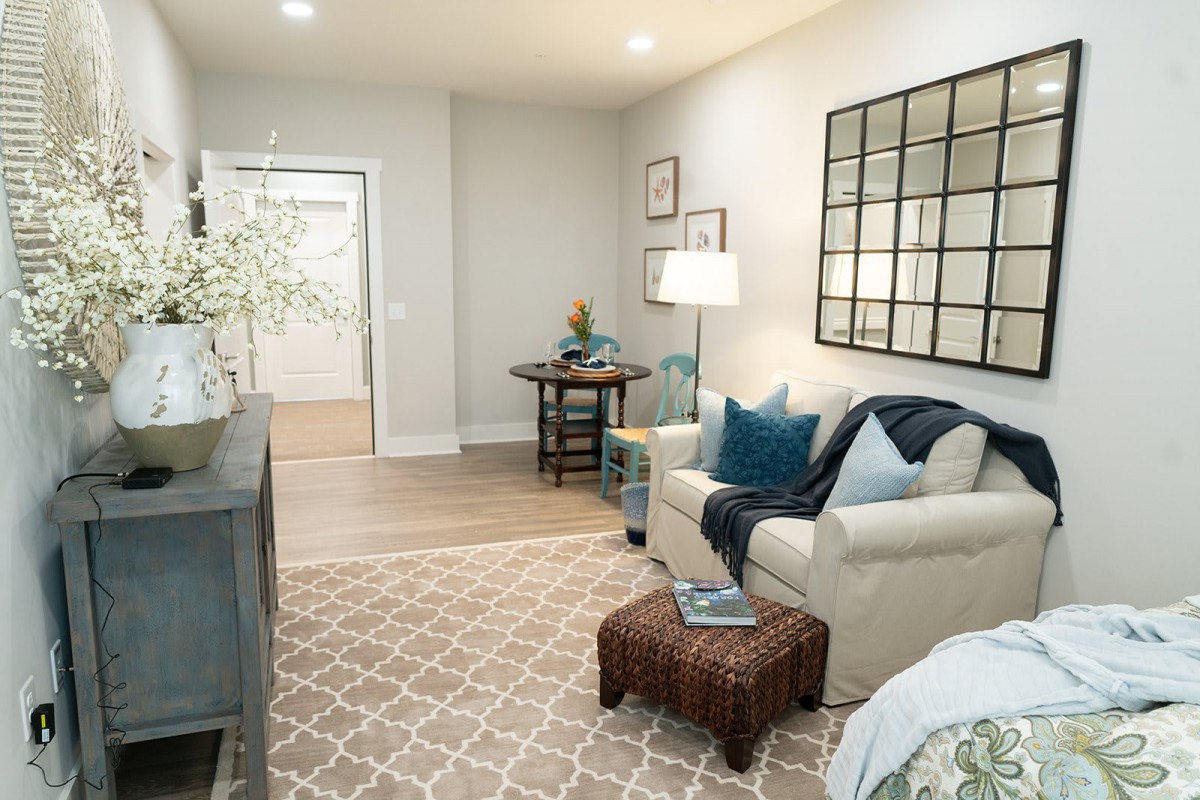
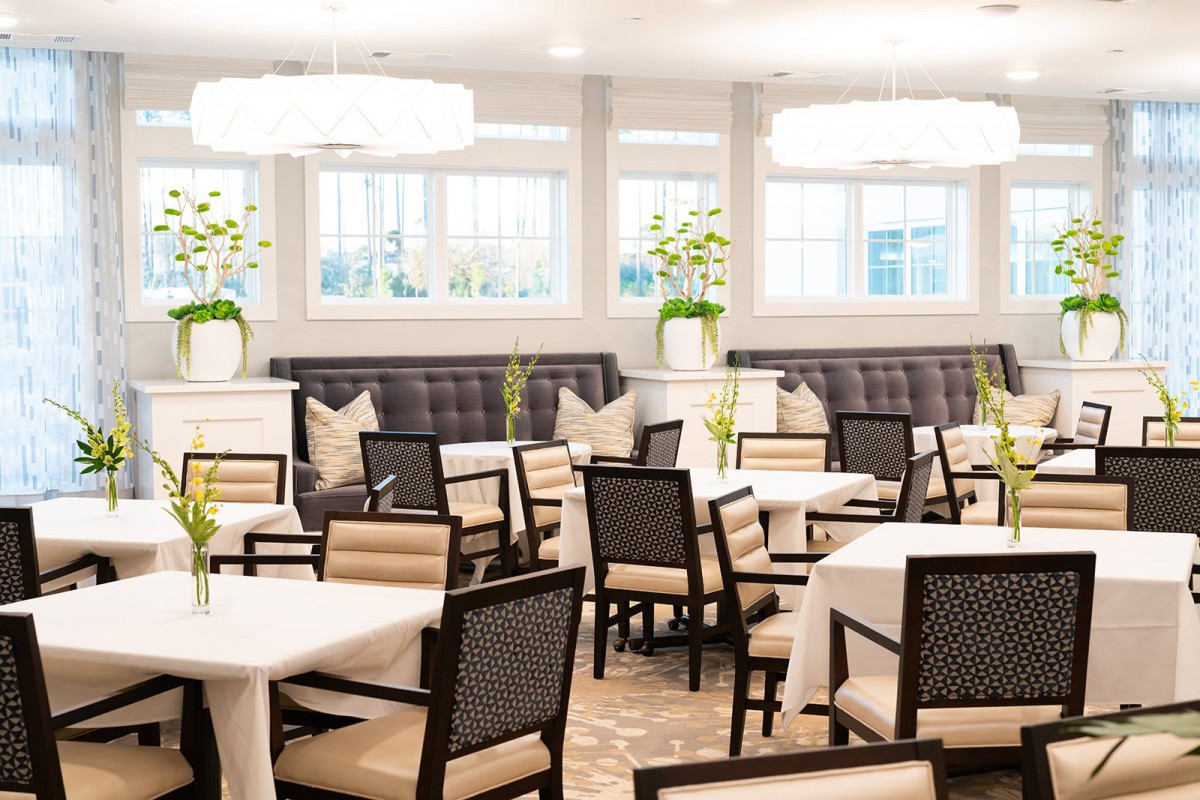
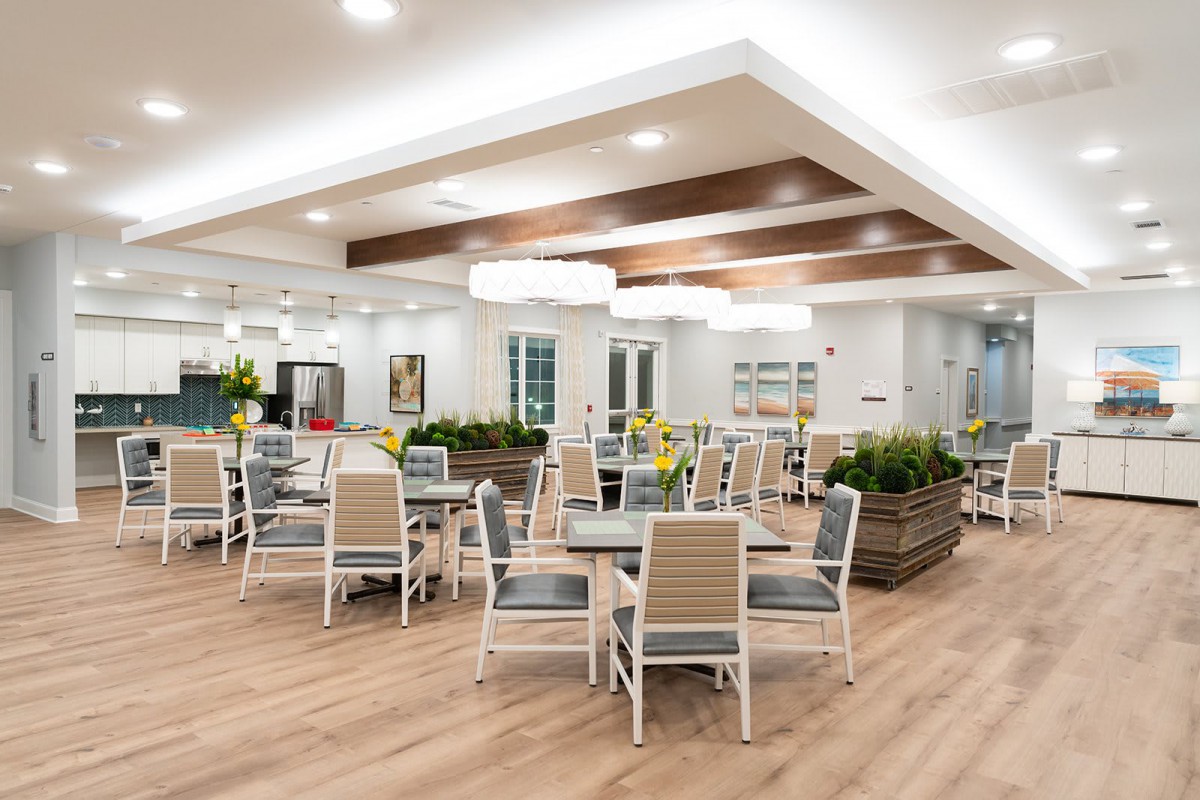
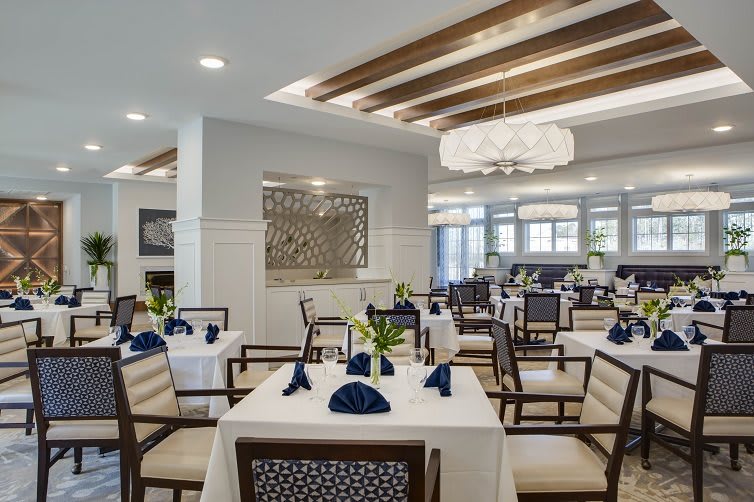
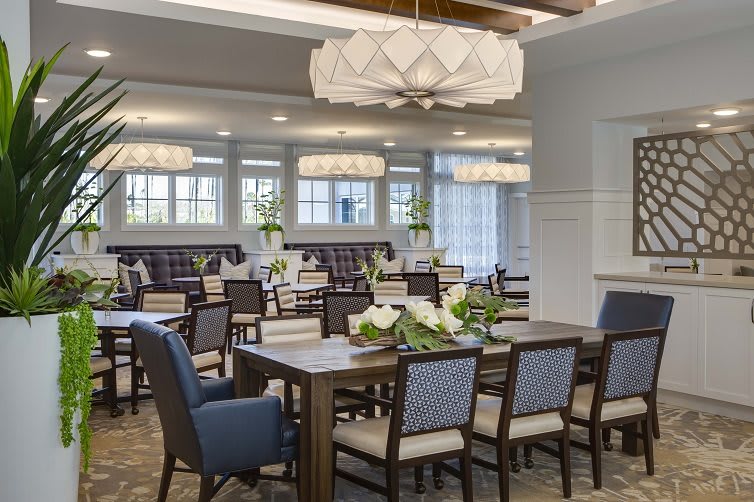
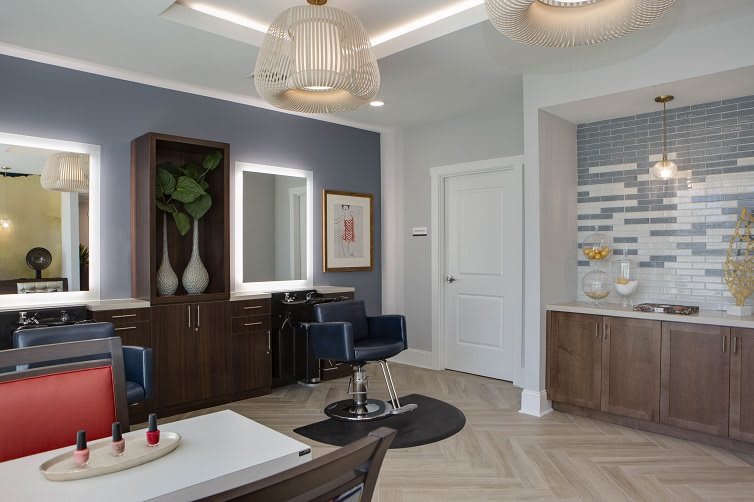
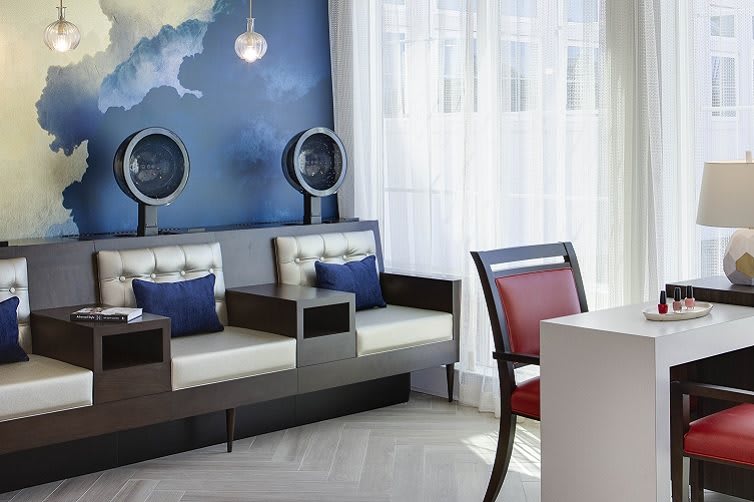
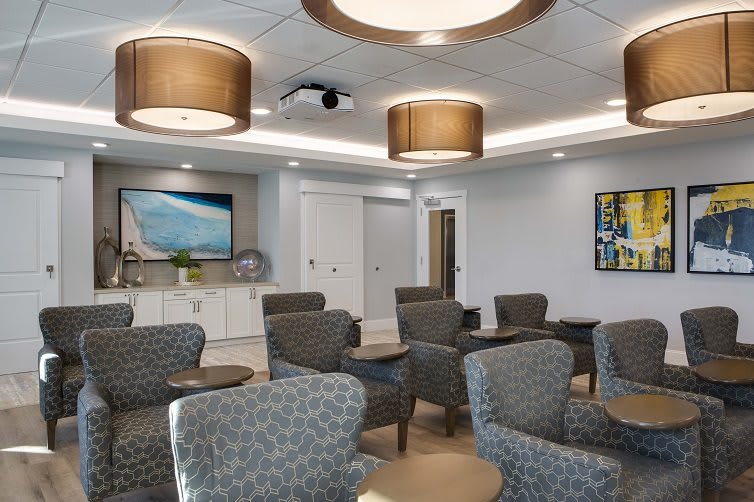
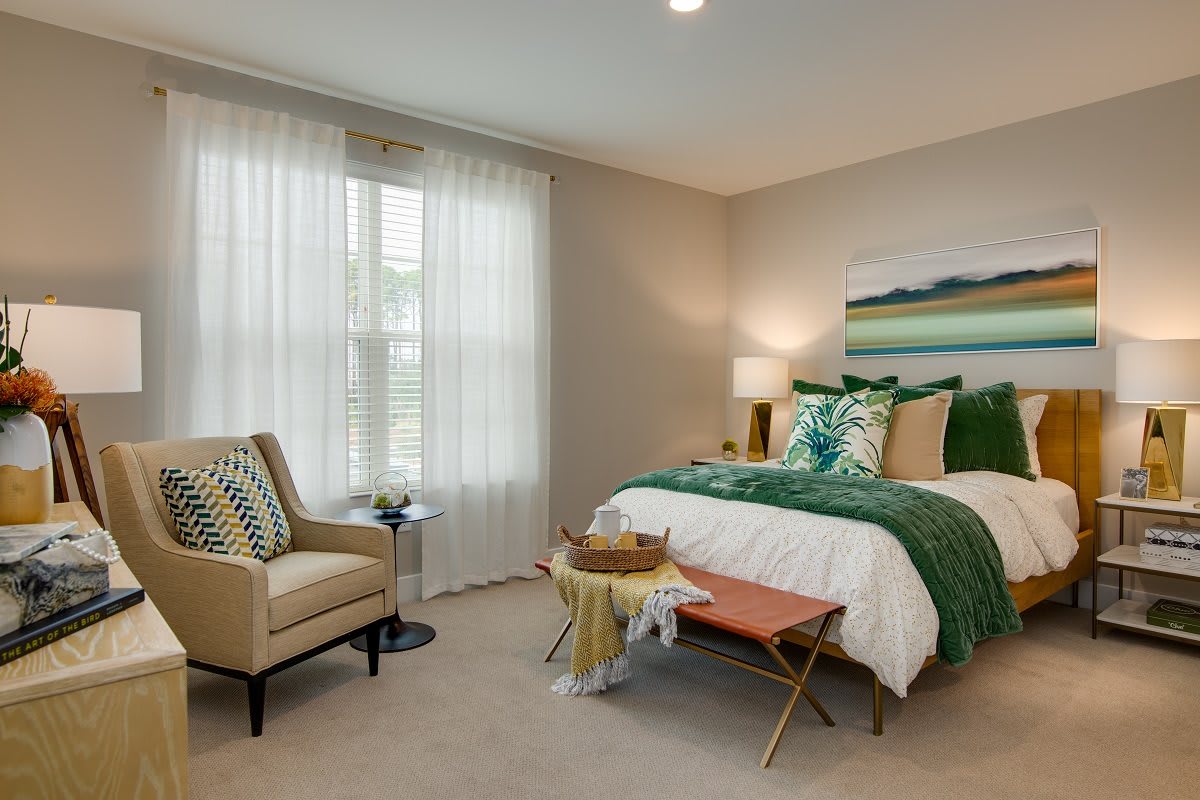
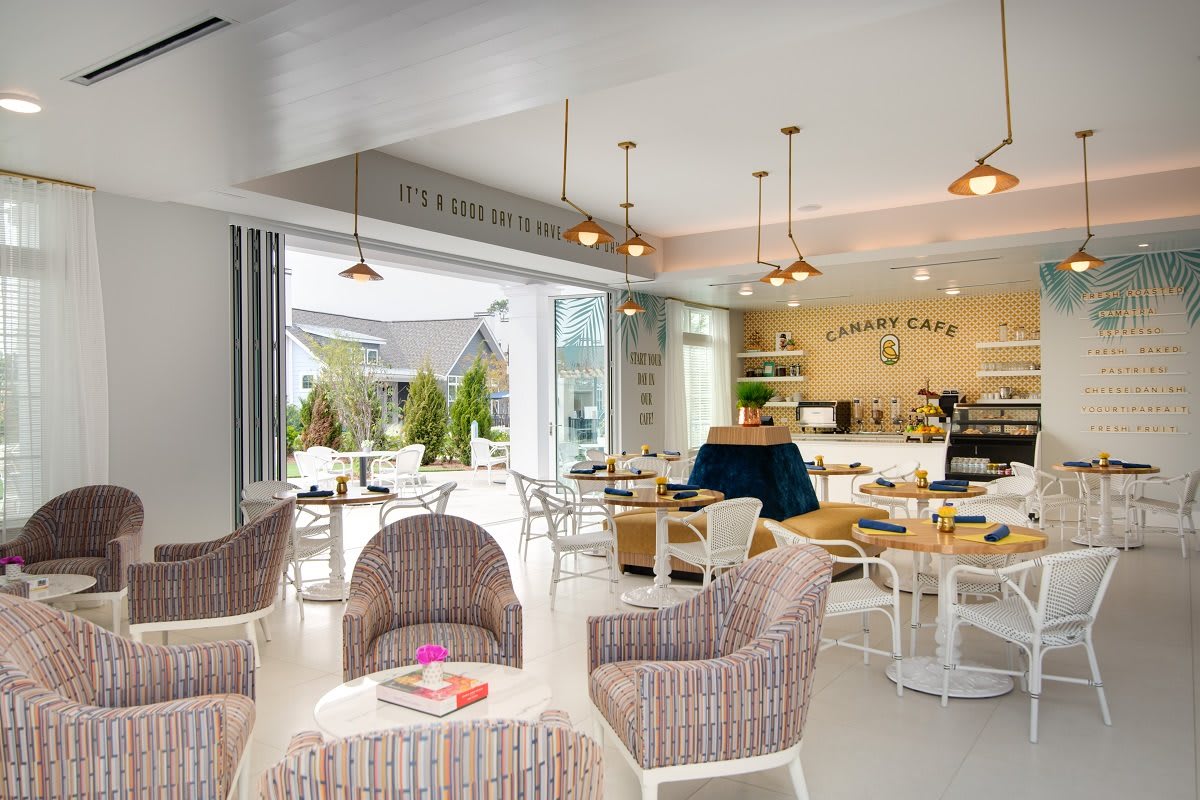
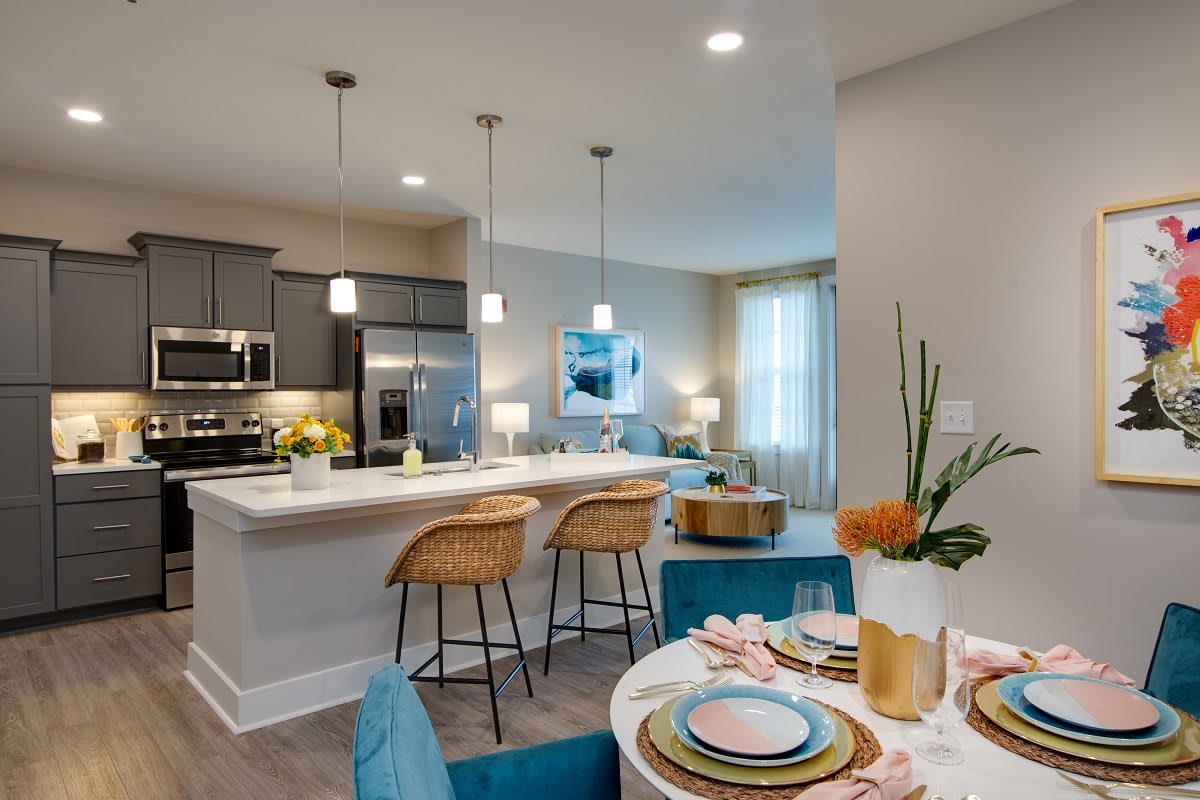
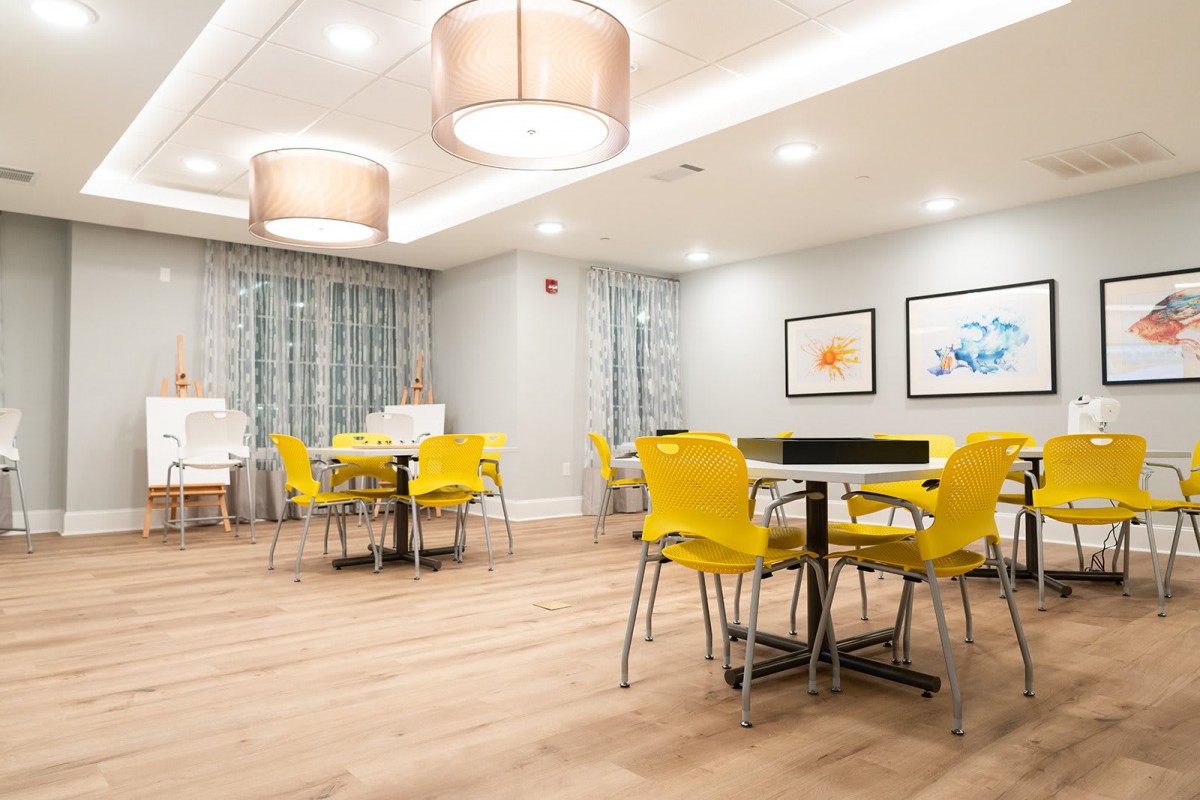
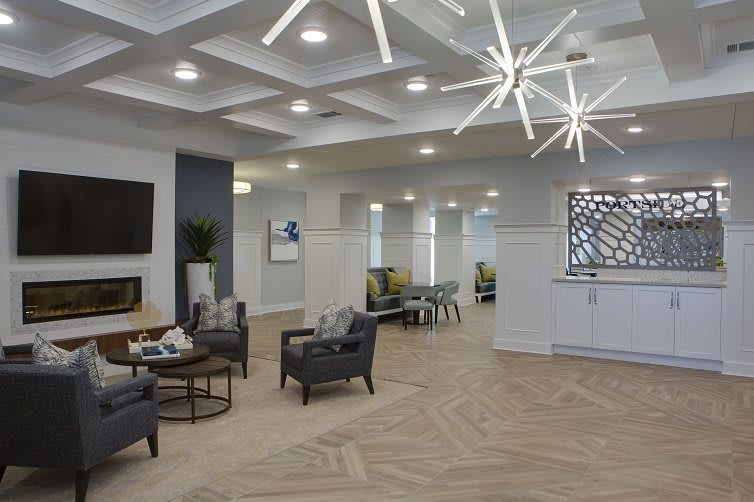
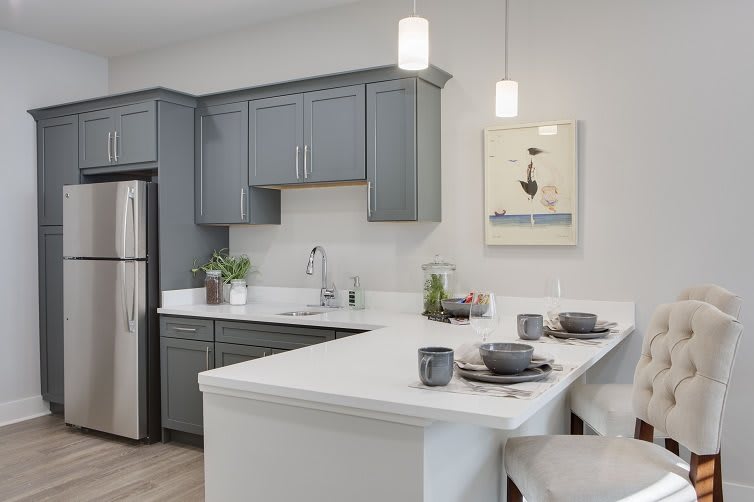
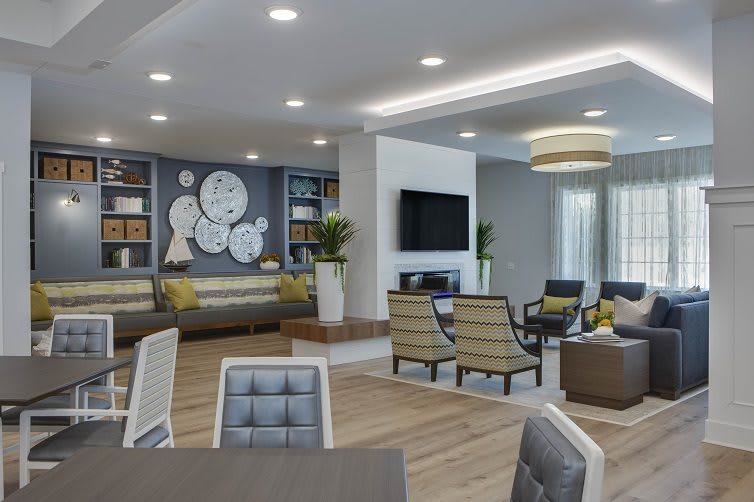
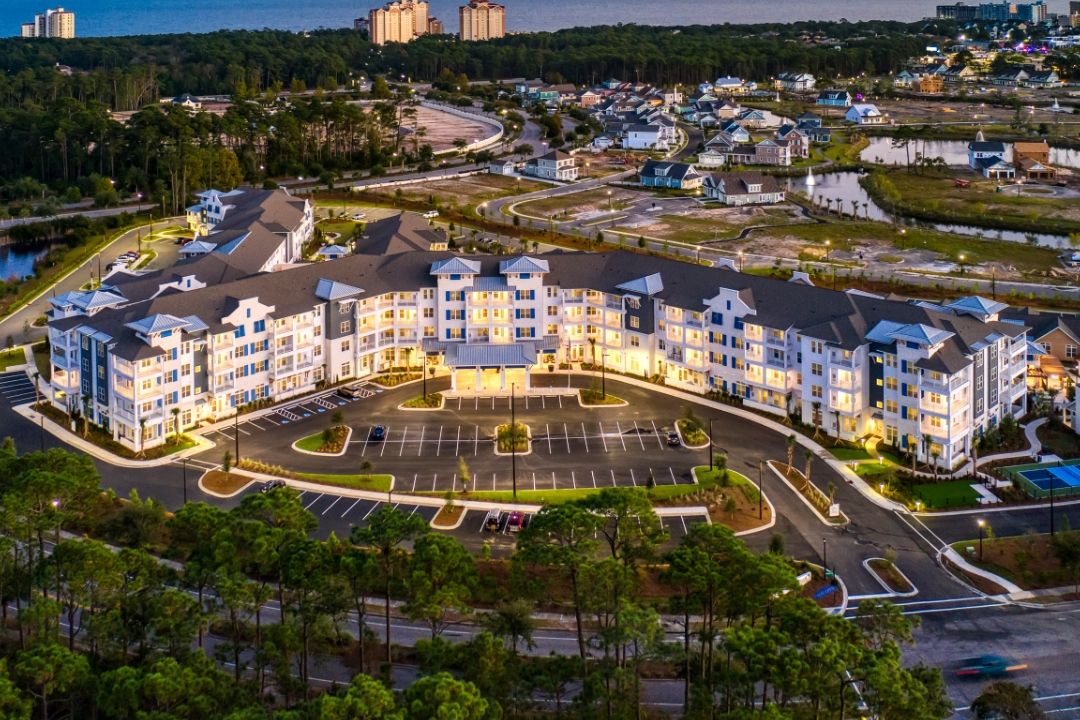
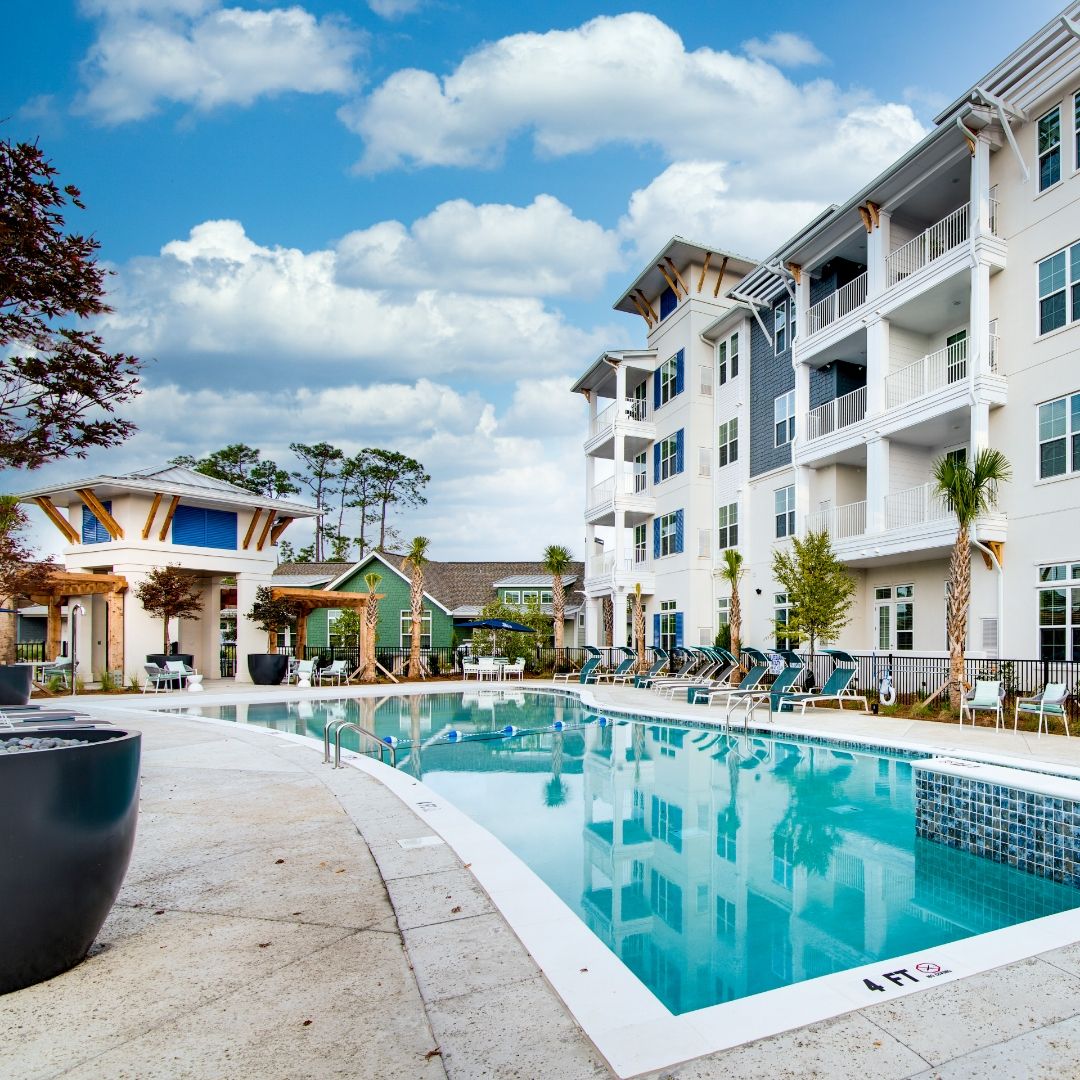
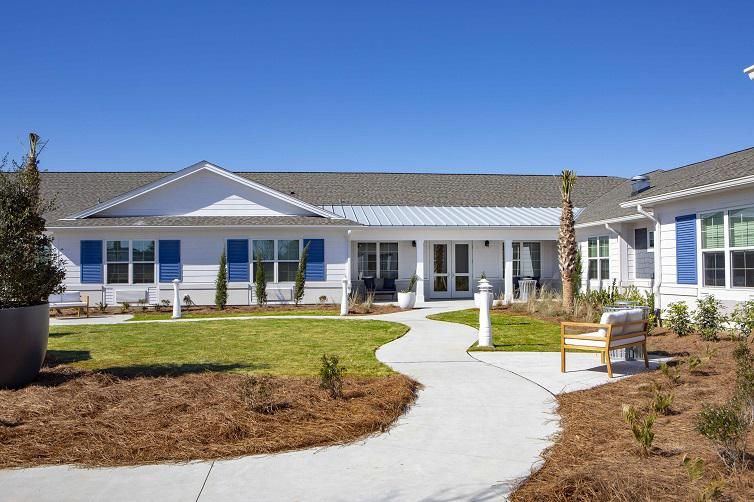
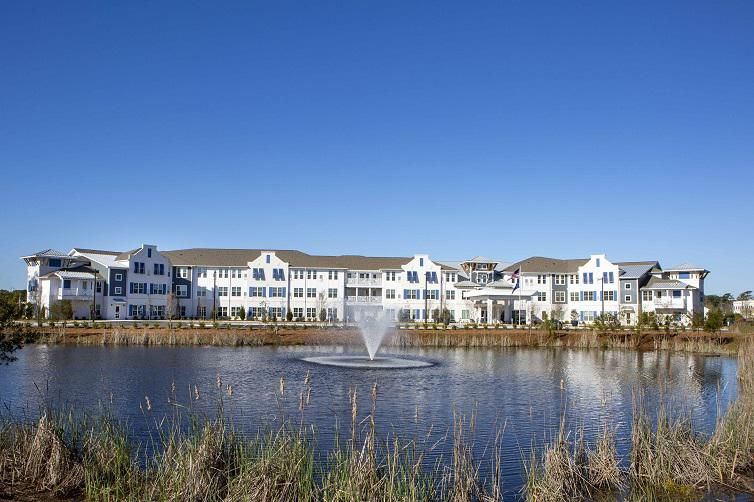
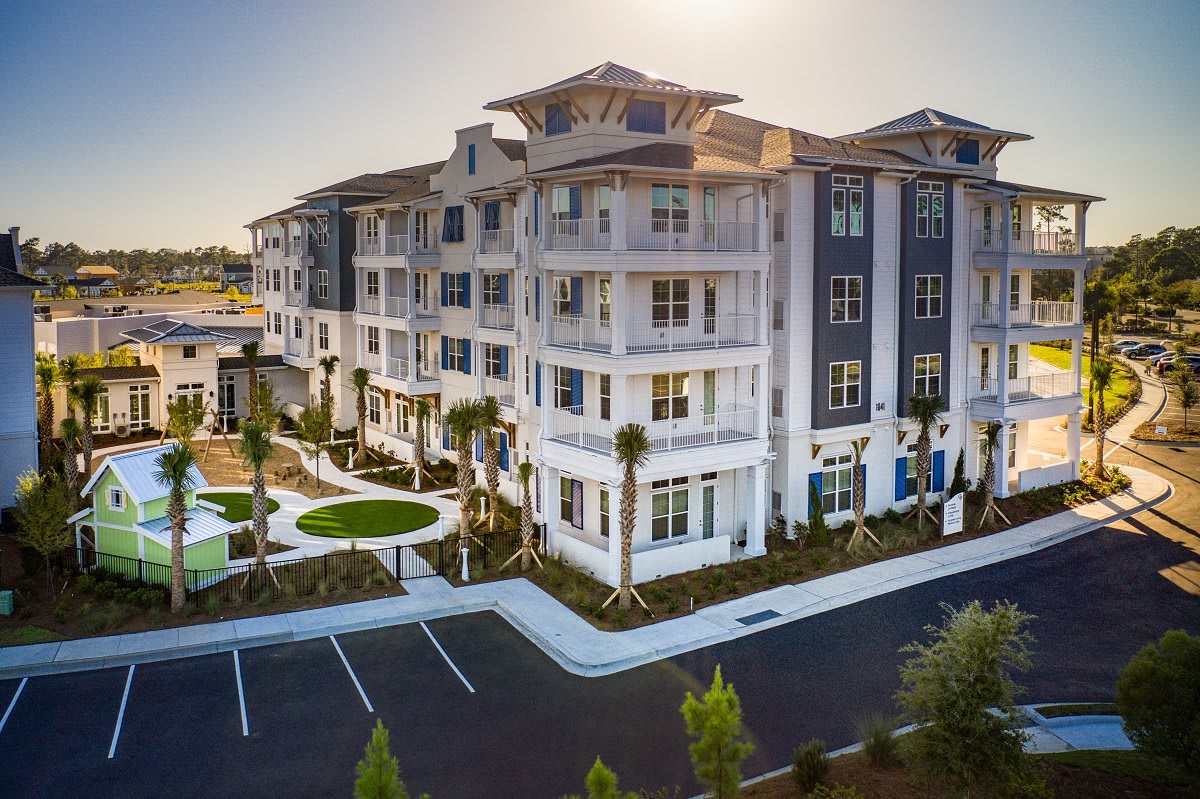
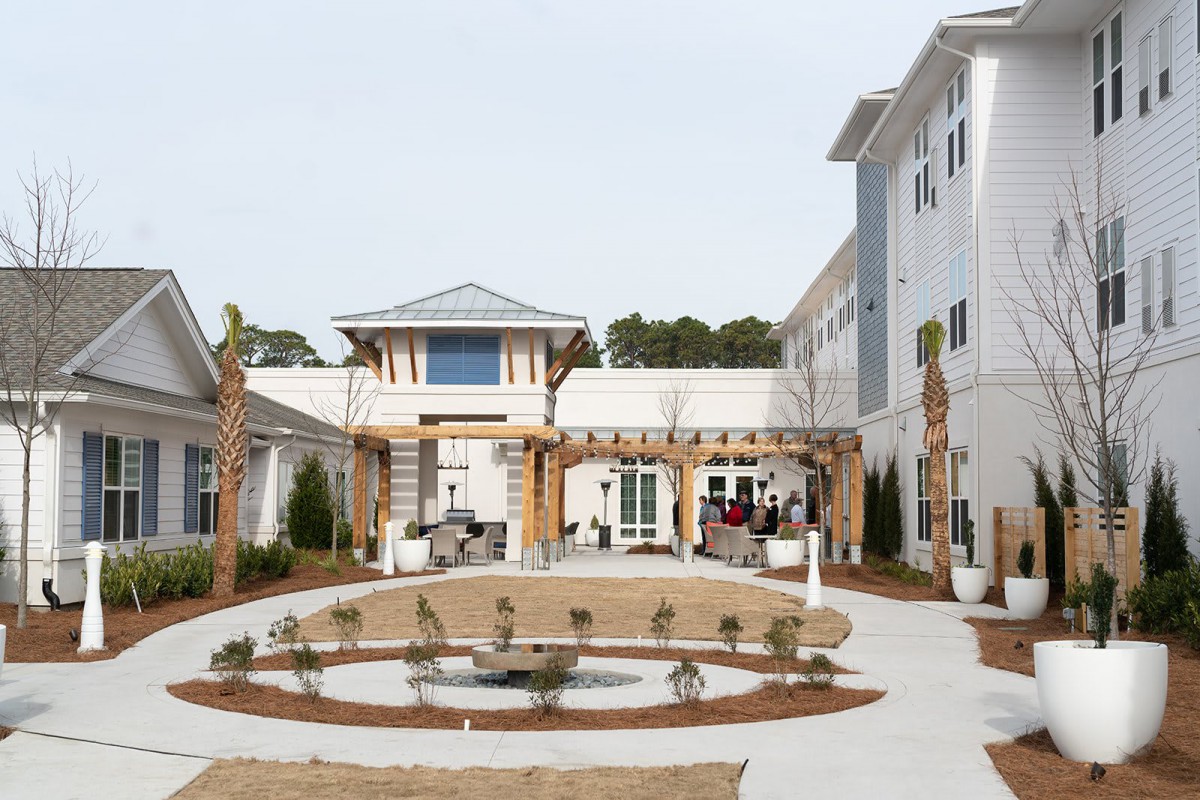
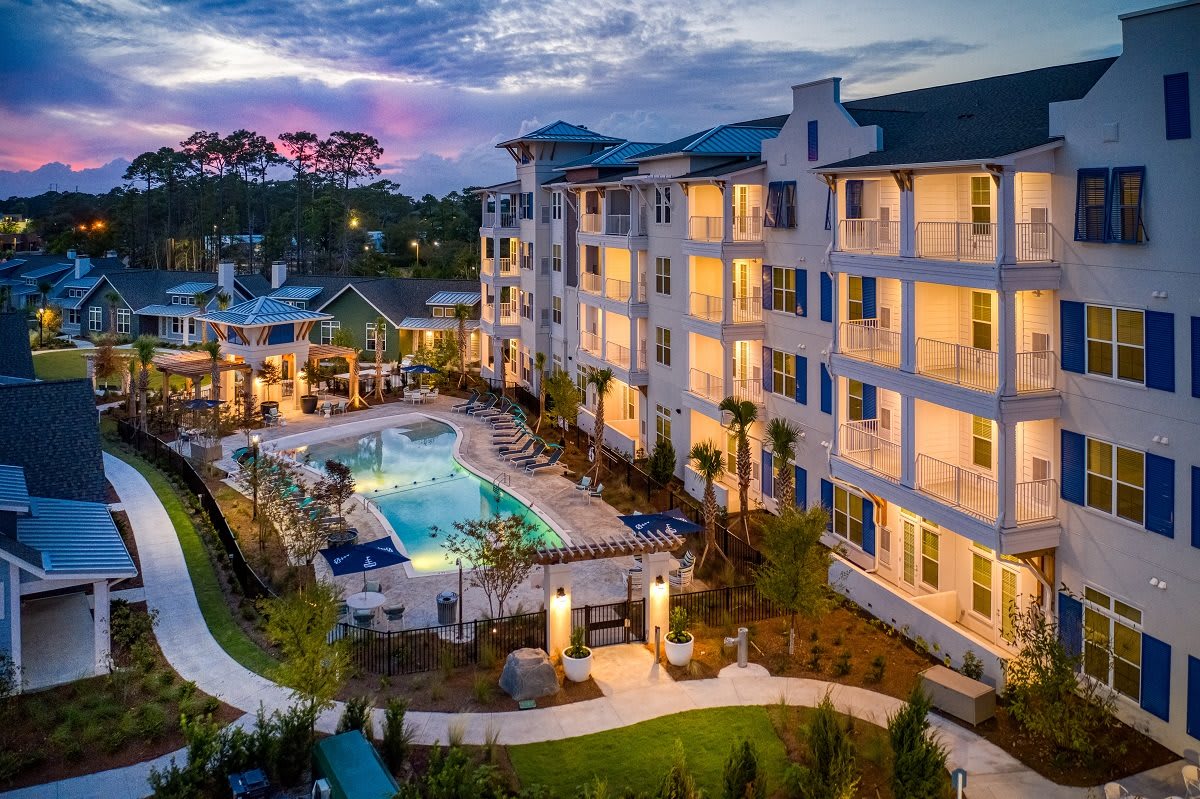
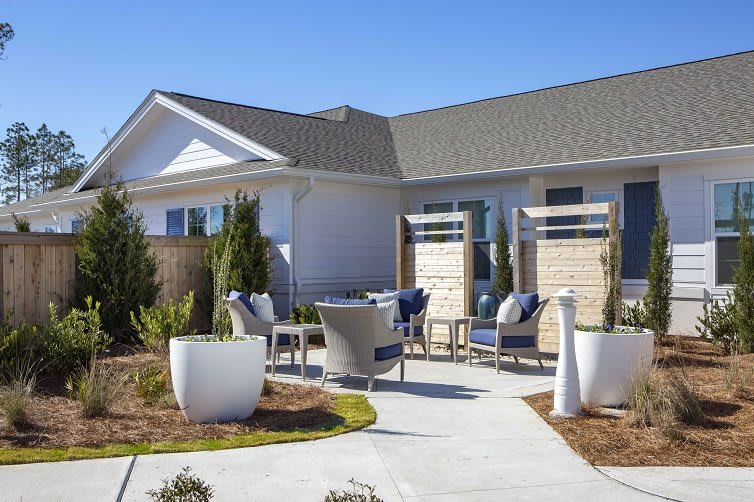
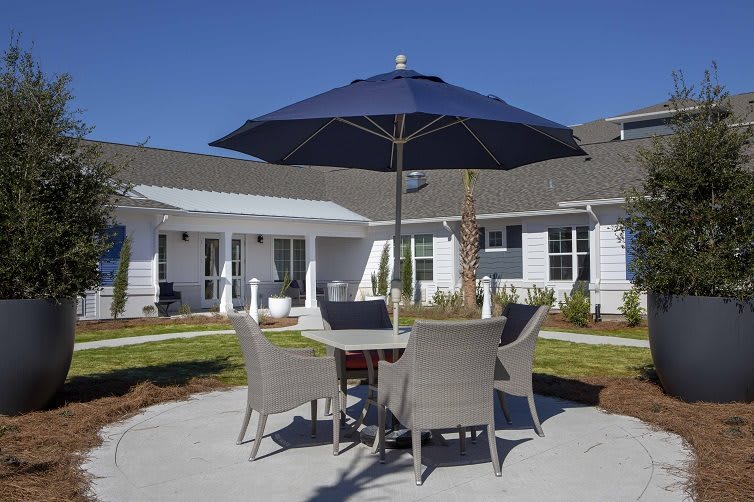
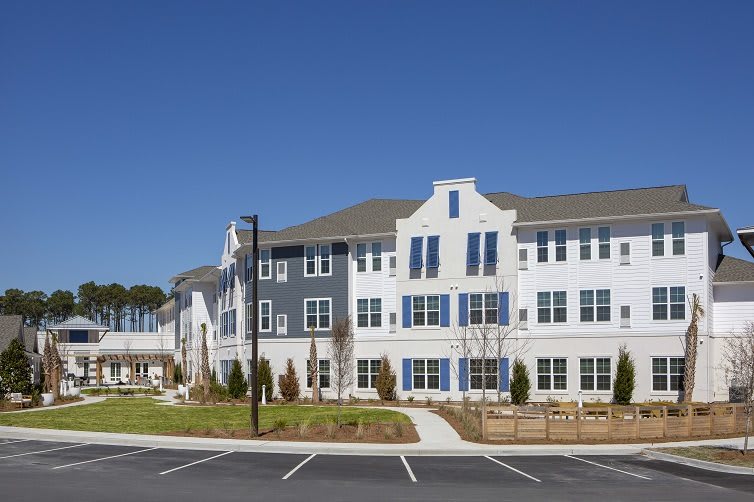
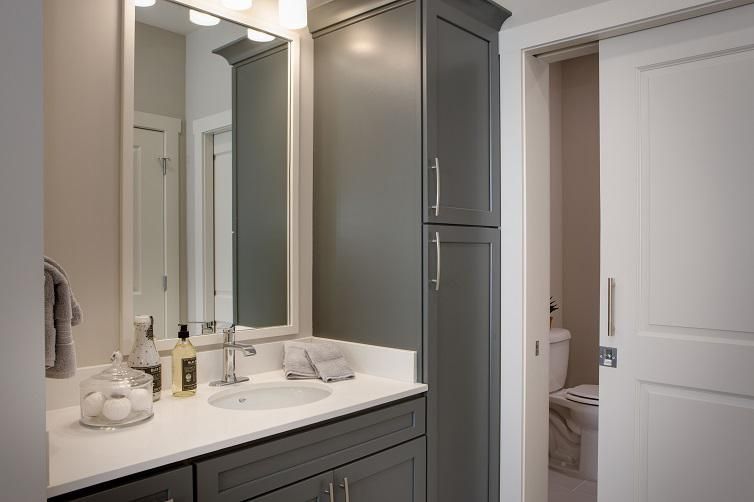
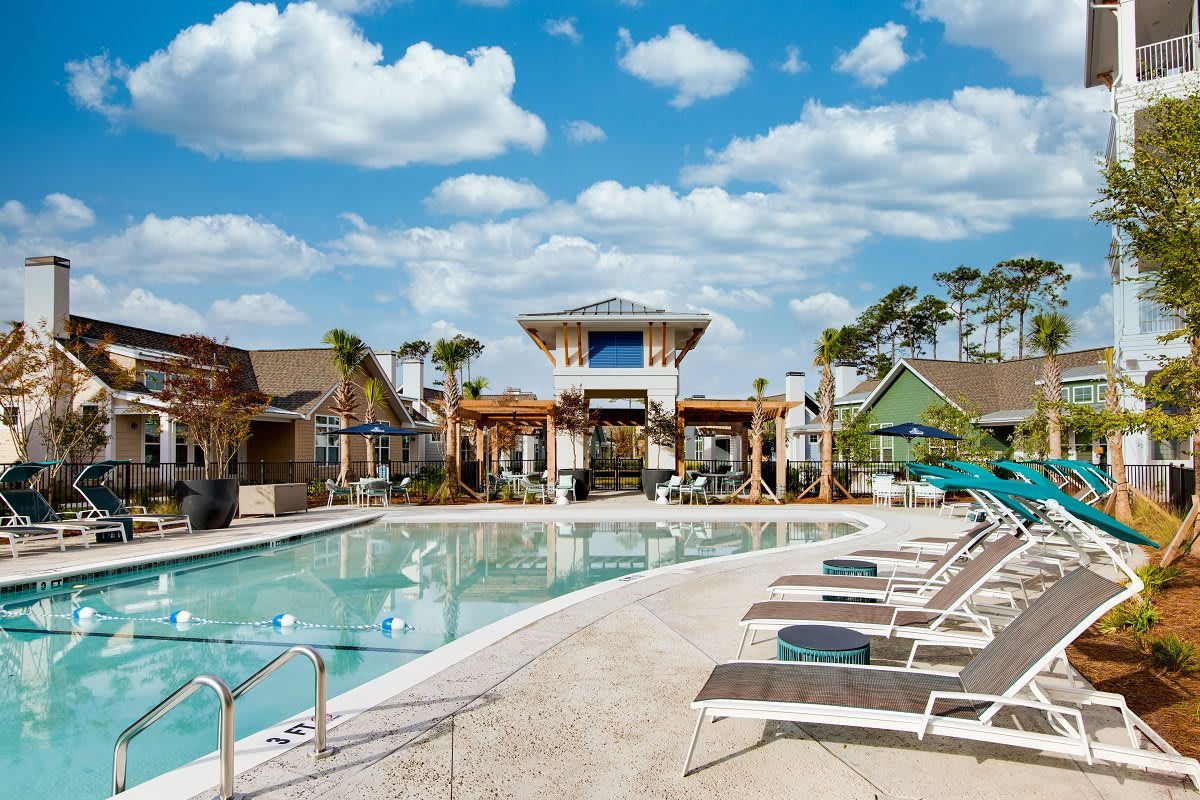
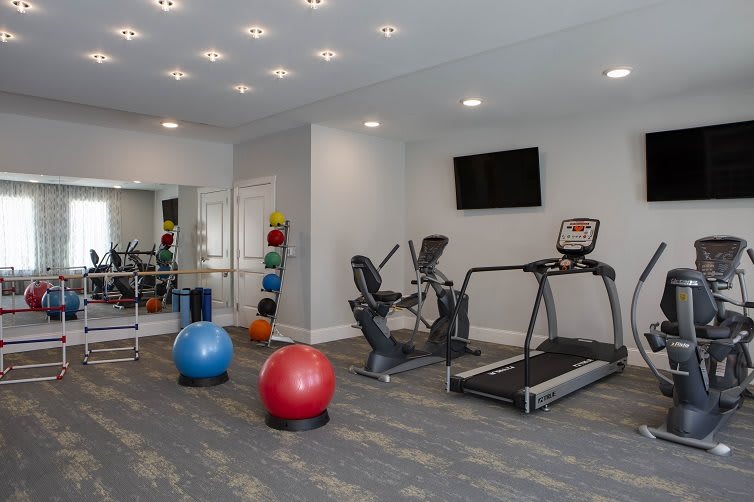
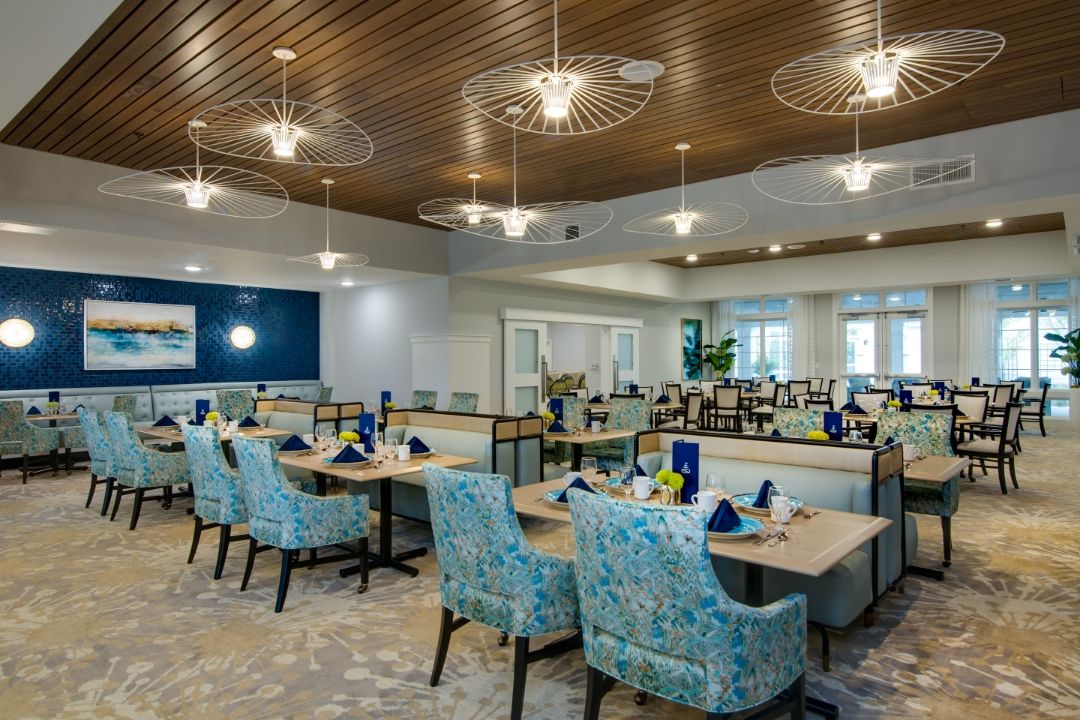
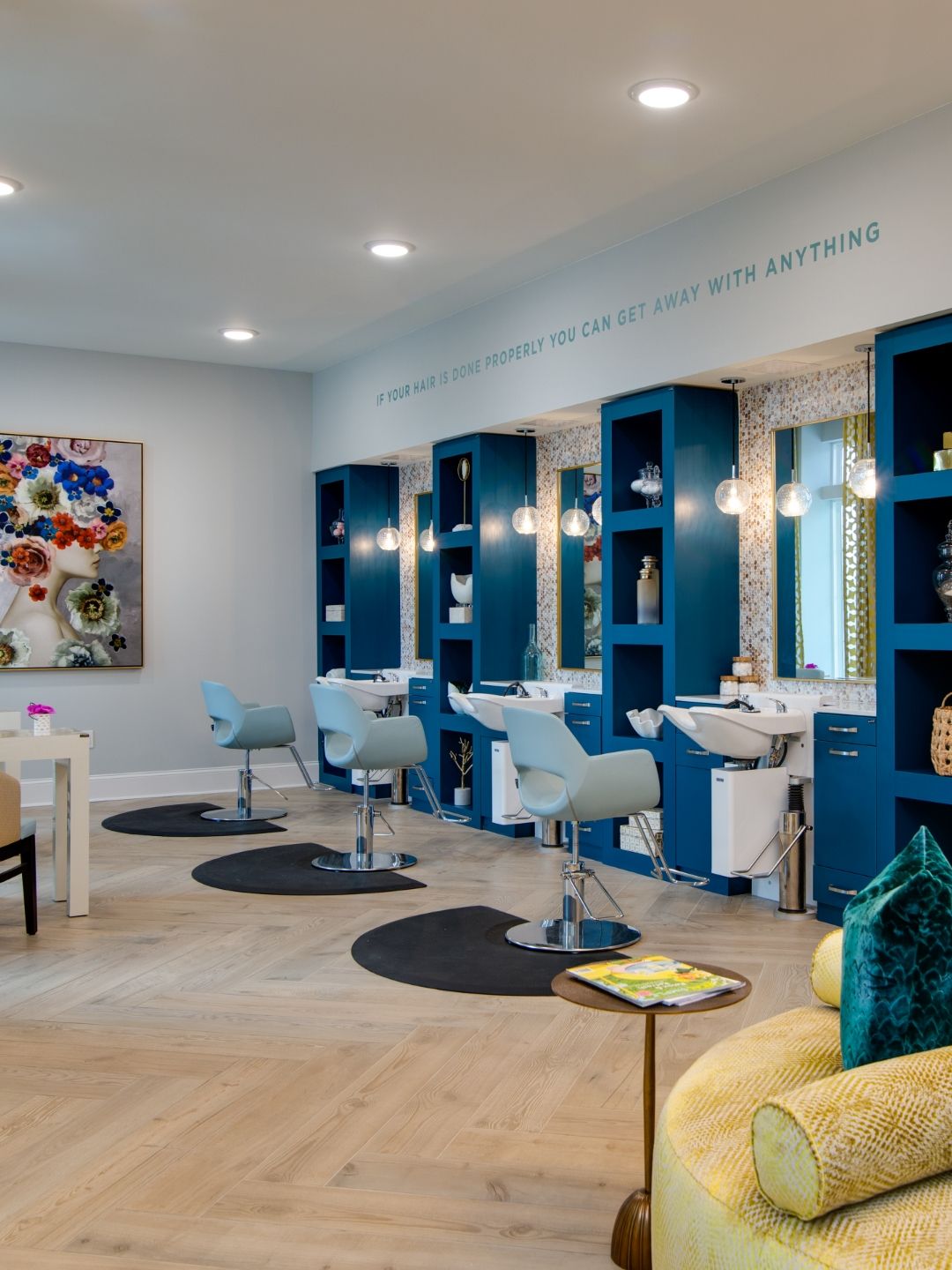
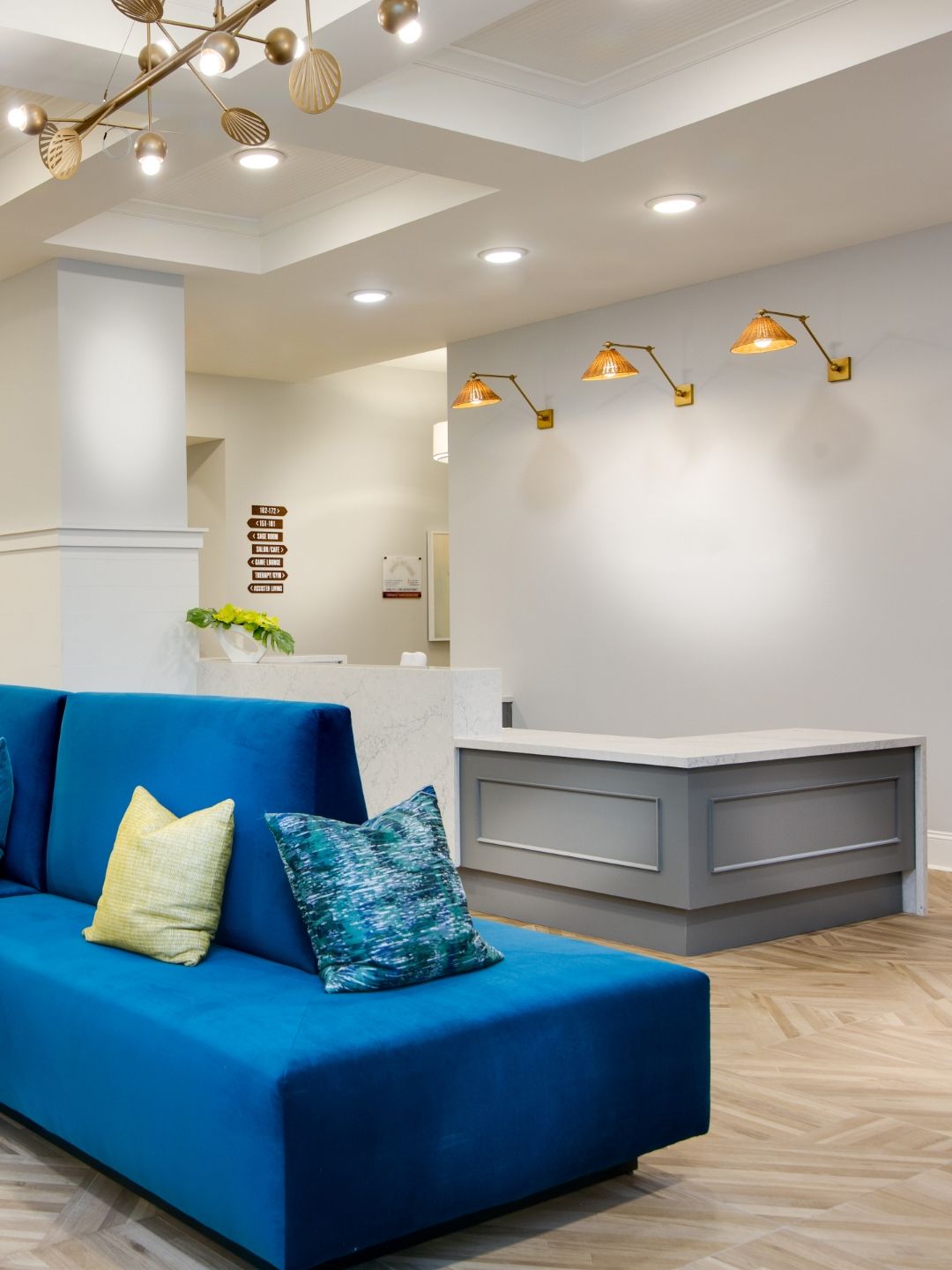
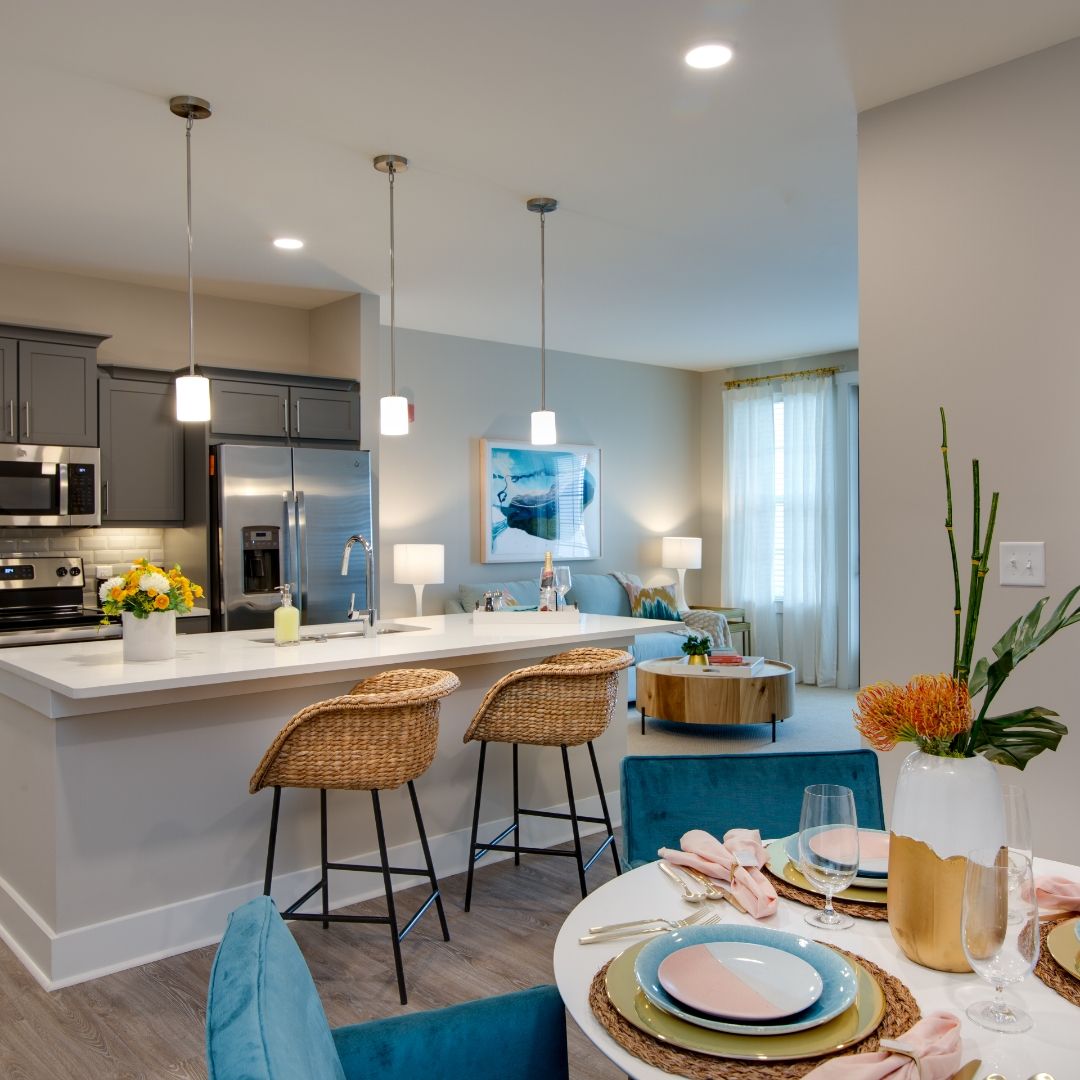
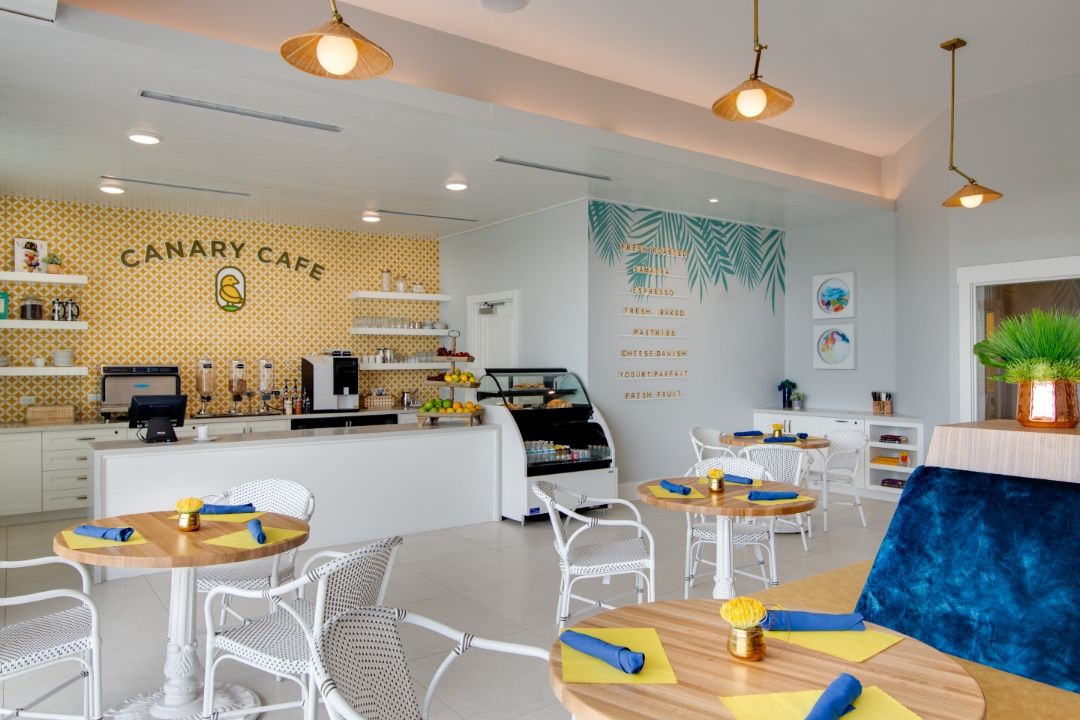
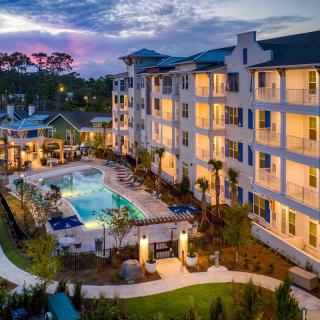
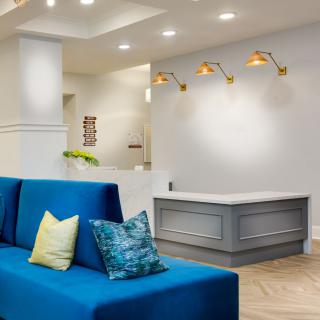
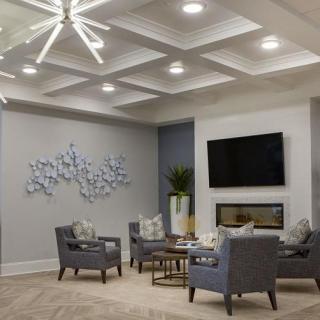
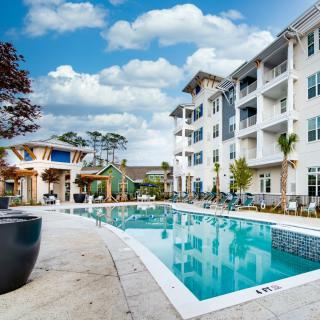
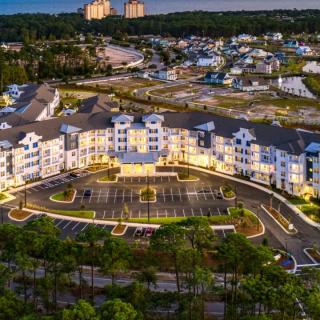
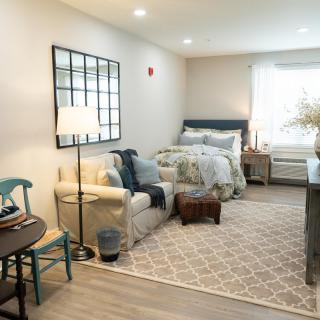
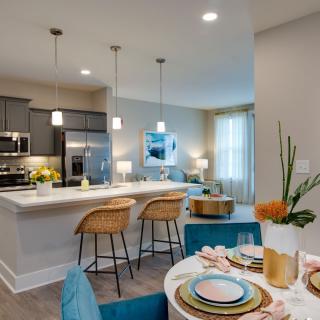
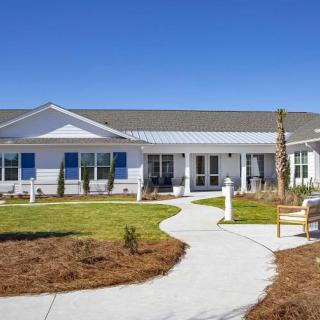
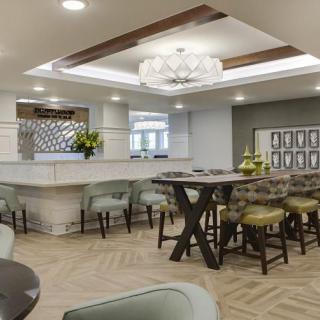
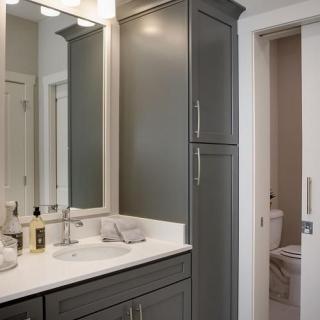
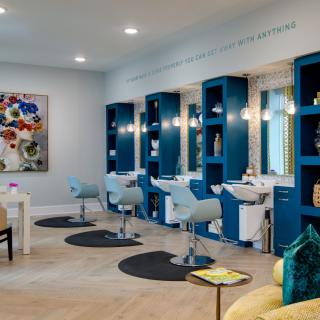
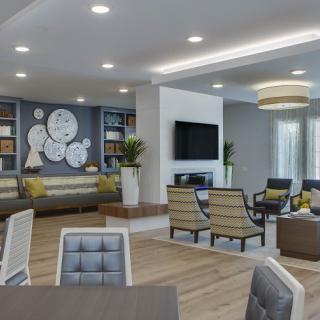
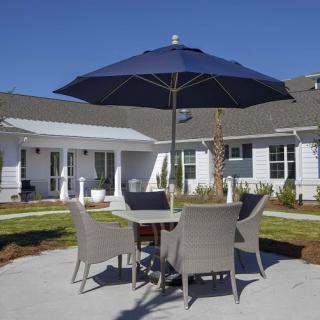
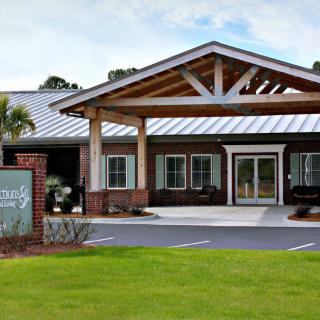
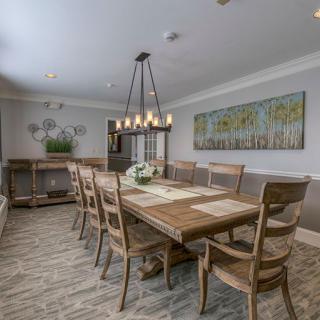
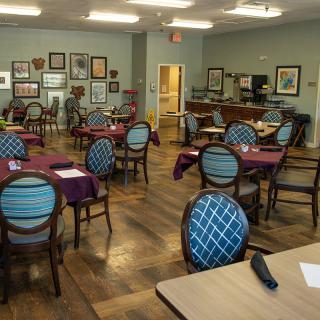
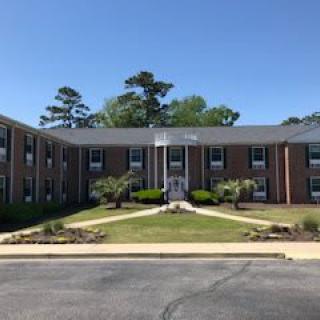
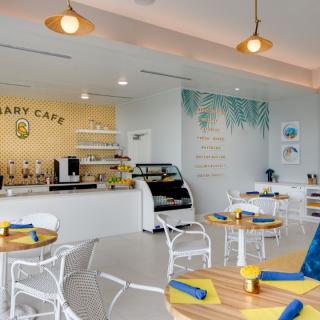
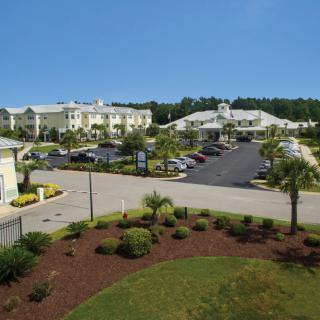
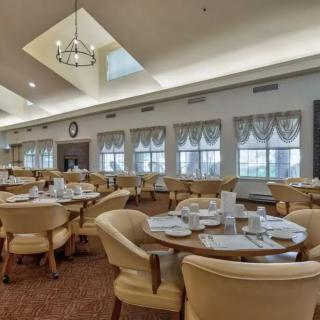
Portside at Grande Dunes on seniors.fyi includes 40 photos including images showing interior, dining, decor, landscaping, lighting, seating area, building, architecture, and more.
Nearby Communities
Myrtle Beach Manor
Myrtle Beach, SC
3.9 from 145 reviews
$2,975 to $4,590 / month
Renovated, clean facility with friendly staff and attractive outdoor spaces.
Magnolias of Myrtle Beach
Myrtle Beach, SC
3.9 from 127 reviews
$2,500 to $3,100 / month
Compassionate staff and help with VA benefits; pleasant environment and convenient location.
The Retreat At Brightwater
Myrtle Beach, SC
4.8 from 100 reviews
Comprehensive amenities and 24/7 care
Brightwater
Myrtle Beach, SC
4.6 from 177 reviews
Caring, respectful staff with clean facilities and engaging activities.
Brightwater Assisted Living
Myrtle Beach, SC
4.9 from 135 reviews
Compassionate staff in a welcoming, activity-filled community.
Waterside Pointe
Myrtle, SC
4.5 from 19 reviews
Intimate 6-resident community with personalized care and nearby amenities.
Covenant Towers
Myrtle Beach, SC
3.9 from 16 reviews
Friendly community with spacious, well-equipped apartments and attentive staff.
TerraBella Myrtle Beach
Myrtle Beach, SC
4.4 from 103 reviews
$2,620 to $3,510 / month
Good value for money with extensive on-site amenities.
Reflections At Carolina Forest
Myrtle Beach, SC
4.3 from 50 reviews
$2,800 to $5,000 / month
Small, well-maintained community with personalized care and friendly staff.
Dementia encompasses a range of cognitive impairments characterized by types such as Alzheimer's and vascular dementia, and follows a seven-stage progression model known as the Global Deterioration Scale (GDS), highlighting varying symptoms and decline timelines. Early detection allows for lifestyle adjustments to potentially slow progression, while caregivers need support and resources to manage the challenges involved in caring for affected individuals.
The guide on holistic dementia care outlines the complexity of dementia and stresses the need for individualized caregiver strategies that include medical treatment, psychological support, and environmental adaptations, while emphasizing early detection, various therapeutic options, and caregiver support to enhance quality of life and maintain dignity.
Activities of Daily Living (ADLs) are fundamental tasks vital for an individual's independence, particularly in older adults over 85, and include functions like bathing and dressing; assessing ADLs alongside Instrumental Activities of Daily Living (IADLs) helps determine the level of required assistance due to age-related health challenges. Tailored support plans, involving family and community resources, are essential for maintaining dignity and autonomy in assisted living environments.
Exercise Equipment, Gym, Treadmill, and Workout Room
Outdoor Seating
Exterior
Salon
Appliances
Natural Light and Cozy Atmosphere
Bookshelves, Indoor Plants, and Modern Interior
Seating
Wall Art
Parking and Apartment Building
Palm Trees and Courtyard
Swimming Pool
Clouds
Rug
Fountain and Lake
Mirrors
Lights and Apartment Complex
Aerial View and Residential Building
Bright Lighting
Open Space
Modern Architecture
Living Space
Pendant Lights
Reception Desk
Open Concept
Lighting Fixture
Modern Lighting
Massage Room
Get PricingAsk A QuestionSchedule A TourContact Senior Advisor
By clicking submit, you agree to our Partner's Terms of Use. You
also consent to receive calls and texts, which may be autodialed, from our Partner. Your consent is not a condition to
using our Partner's service. Please visit our Partner's Privacy Policy for information about their privacy practices.

 120 resident community capacity
 1-bedroom apartments
 Condos / townhomes
 Assisted Living
 Independent Living
 Memory Care
 Skilled Nursing Facility
 Cats allowed
 Dogs allowed
 Activities off-site
 Air-conditioning
 Beautician on-site
 Cable or satellite TV
 Cafe
Cafe Computer center
 Devotional services off-site
 Dining room
 Fitness room
 Fully furnished
 Gaming room
 Garden
 Ground floor units
 Guest parking
 Handicap accessible
 Housekeeping services
 Indoor common areas
 Kitchenette
 Laundry
 Move-in coordination
 Outdoor common areas
 Private bathrooms
 Respite or short term stays offered
 Restaurant-style dining
 Small library
 Swimming pool
 Telephone
 Tennis courts
 Wellness center
 Wheelchair accessible showers
 Wi-Fi/high-speed internet available
 Myrtle Beach International (9 miles away)
 Community operated transportation
 12-16 hour nursing
 24-hour call system
 Ambulatory care
 Assistance with bathing
 Assistance with dressing
 Assistance with transfers
 Diabetes diet
 Diabetic care
 Hospice waiver
 Incontinence care
 Medication management
 Mental wellness program
 Special dietary restrictions
 Transportation arrangement (medical)
 Art classes
 Catholic services
 Concierge services
 Cooking club
 Educational speakers / life long learning
 Games
Games Jewish services
 Live musical performances
 Planned day trips
 Renovated, clean facility with friendly staff and attractive outdoor spaces.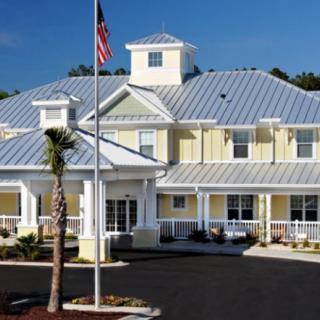

 Understanding Dementia Through Its Seven Stages: A Comprehensive Look at Progression and Expectations
 A Holistic Dementia Care Guide: Effective Strategies for Memory Support
 Comprehensive Insights into Activities of Daily Living (ADLs) and Their Assessment