Myrtle Beach Manor offers competitive pricing for its accommodations when compared to the broader market in Horry County and across South Carolina. For residents seeking a semi-private room, the cost is set at $2,975 per month, which is notably lower than both the county average of $3,512 and the state average of $3,243. Studio apartments are priced at $3,685, slightly above Horry County's average of $3,503 but comparable to the state average of $3,649. For those interested in a 1-bedroom unit, Myrtle Beach Manor's rate is $4,590; this exceeds both Horry County's average of $3,964 and South Carolina's average of $3,806. Overall, while some room types at Myrtle Beach Manor align closely with state and county averages, its semi-private option stands out as a particularly cost-effective choice for potential residents.
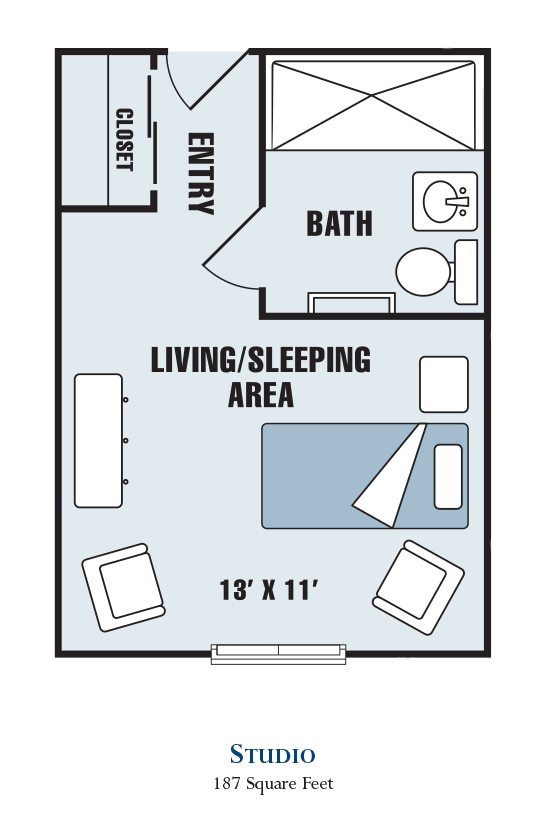
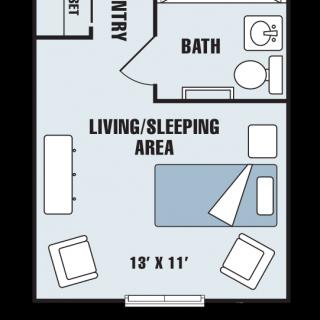
Floor plans
Myrtle Beach Manor
Horry County
South Carolina
Semi-Private
$2,975
$3,512
$3,243
Studio
$3,685
$3,503
$3,649
1 Bedroom
$4,590
$3,964
$3,806
Skilled Nursing Facilities with a similar price nearby
Residents and families repeatedly describe attentive, compassionate caregivers.
Many reviewers say staff members are friendly and supportive, and that they keep families informed. Several also mention care that feels personalized, with caregivers knowing residents’ likes and following through on needs. A few residents and families add praise for specific help with recovery and daily support, not just general friendliness.
differentiator5 reviews mention this
Rehab and therapy get praise
Rehab and therapy support are a frequent highlight in resident experiences.
Multiple reviews describe therapy departments as dedicated and focused on strengthening and recovery. Some residents and families say physical therapy support was a major reason they recommend the community for short-term rehab. Others specifically mention skilled care during transitions after hospital stays.
common3 reviews mention this
Waterway outdoor time stands out
Outdoor spaces and waterway views come up as something residents enjoy.
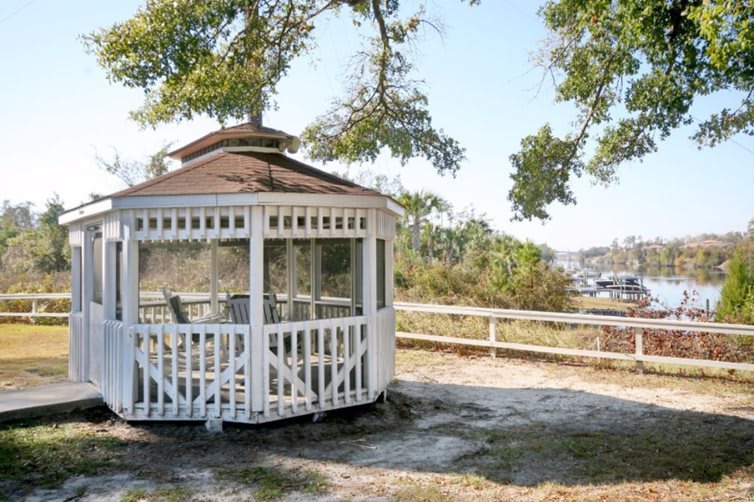
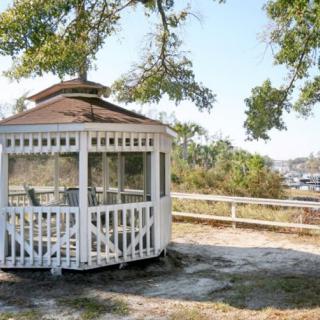
Several reviewers point to time outside as a positive part of daily life, especially watching boats and wildlife from the back area. Others mention enjoying outdoor seating and a patio along the waterway. Even when rooms or services are discussed critically, outdoor areas are still framed as a practical everyday benefit.
common6 reviews mention this
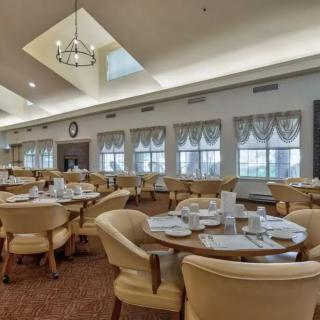
Dining is often described positively
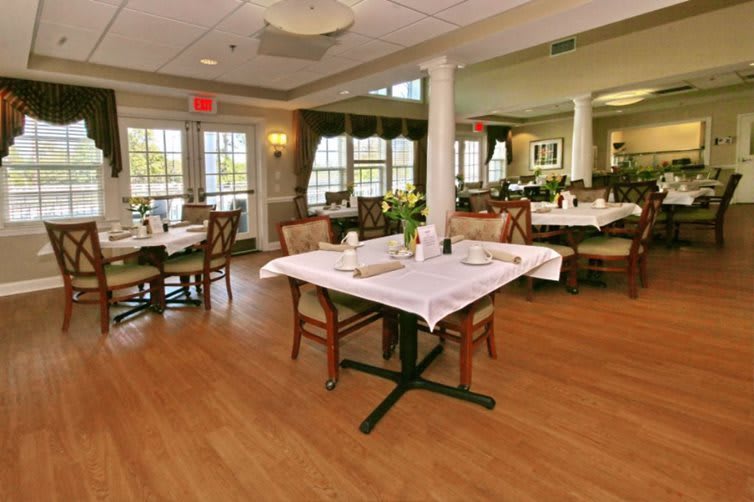
Meals are frequently described as good, with restaurant-style dining mentioned in reviews.
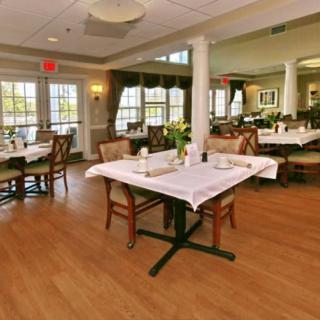
Many reviewers say the food is good or even wonderful, and several describe variety or choices that reduce boredom. A number of families also connect dining with positive resident outcomes like appetite. At the same time, a smaller set of comments describe food as only average or not to their standards.
caveat4 reviews mention this
Cost and billing confusion
Some families raise concerns about cost, hidden fees, and confusing invoices.
Several reviews flag affordability as a dealbreaker, including comments that the overall cost is too high. Others mention unexpected charges or changes tied to room type, and one reviewer describes the monthly invoices as hard to understand. A few also reference difficulties resolving credits and additional costs, adding frustration during a stressful period.
caveat4 reviews mention this
Cleanliness complaints are a recurring concern
Some residents and families report serious cleanliness problems.
While many reviews praise cleanliness, a recurring minority of comments raise concerns about pests, visible damage, or hygiene lapses. A few reviewers describe issues like roaches and bedbugs, as well as rooms that did not feel clean. Others mention problems such as leaving dirty items in shared areas or hygiene not being handled promptly.
How we summarize
Counts show how many written reviews mention each theme; a review can touch several themes, and only frequently mentioned themes are displayed.
Features
Housing
111 resident community capacity
1-bedroom apartments
Studio apartments
Types of Care
Assisted Living
Memory Care
Skilled Nursing Facility
Pets
Cats allowed
Dogs allowed
Amenities
Activities off-site
Activities on-site
Air-conditioning
Beautician on-site
Beauty salon
Cable or satellite TV
Computer center
Devotional services off-site
Devotional services on-site
Dining room
Fitness room
Fully furnished
Gaming room
Garden
Ground floor units
Handicap accessible
Housekeeping services
Indoor common areas
Kitchenette
Laundry
Move-in coordination
Outdoor common areas
Outdoor space
Private bathrooms
Respite or short term stays offered
Restaurant-style dining
Small library
Telephone
Wellness center
Wheelchair accessible showers
Wi-Fi/high-speed internet available
Transportation
Myrtle Beach International (10 miles away)
Community operated transportation
Transportation arrangement
Transportation arrangement (non-medical)
Transportation to doctors appointments
Care Services
12-16 hour nursing
24-hour call system
24-hour supervision
Activities of daily living assistance
Ambulatory care
Assistance with bathing
Assistance with dressing
Assistance with transfers
Diabetes diet
High acuity care
Incontinence care
Meal preparation and service
Medication management
Mental wellness program
Mild cognitive impairment
Special dietary restrictions
Specialized memory care programming
Dining
Diabetes diet
Guest meals
Low / no sodium
Meals provided
No Sugar
Restaurant style dining
Room service
Special dietary restrictions
Vegan
Vegetarian
Activities
Activities off-site
Art classes
Catholic services
Community-sponsored activities
Concierge services
Cooking classes
Devotional activities offsite
Devotional activities on-site
Educational speakers / life long learning
Fitness programs
Forever fit
Karaoke
Live musical performances
Live well programs
Planned day trips
Protestant services
Resident-run activities
Scheduled daily activities
Stretching classes
Yoga / chair yoga
Languages Spoken
English
Videos
Nearby Places of Interest
This part of Myrtle Beach, South Carolina offers a range of dining options, from seafood restaurants like The Original Benjamin's Calabash Seafood to Mexican cuisine at Fiesta Mexicana. There are also several medical facilities in close proximity, including urgent care centers and hospitals such as Grand Strand Medical Center and Myrtle Beach Hospital. Additionally, there are multiple pharmacies for convenient access to medications. For leisure activities, residents can enjoy cafes like Starbucks or River City Cafe, as well as nearby parks like Barc Parc North and Barefoot Landing Live Oak Playground. Overall, this area provides ample amenities and services that cater to the needs of seniors looking for a comfortable and convenient living environment.
Restaurants
The Original Benjamin's Calabash Seafood (0.6 miles)
Bennett's Calabash (0.8 miles)
Soho (1 miles)
Chesapeake House (1.4 miles)
McDonald's (1.5 miles)
River City Cafe (2.2 miles)
Fiesta Mexicana (2.3 miles)
Physicians
Beach Urgent Care (0.7 miles)
Strand Gastrointestinal Endoscopy Center (1.1 miles)
Beach Family & Urgent Care (1.2 miles)
Waccamaw Dermatology & Plastic Surgery (1.2 miles)
Grand Strand Surgical Care (1.2 miles)
Grand Strand Medical Center (1.3 miles)
Parkway Surgery Center (1.4 miles)
Pharmacies
CVS Pharmacy (1 miles)
CVS Pharmacy (1 miles)
Walgreens (1.8 miles)
CVS Pharmacy (2.6 miles)
CVS Pharmacy (4.5 miles)
Walgreens (4.5 miles)
CVS Pharmacy (4.9 miles)
Hospitals
Grand Strand Regional Labor & Delivery Ward (1.4 miles)
Myrtle Beach Manor offers competitive pricing for its accommodations when compared to the broader market in Horry County and across South Carolina. For residents seeking a semi-private room, the cost is set at $2,975 per month, which is notably lower than both the county average of $3,512 and the state average of $3,243. Studio apartments are priced at $3,685, slightly above Horry County's average of $3,503 but comparable to the state average of $3,649. For those interested in a 1-bedroom unit, Myrtle Beach Manor's rate is $4,590; this exceeds both Horry County's average of $3,964 and South Carolina's average of $3,806. Overall, while some room types at Myrtle Beach Manor align closely with state and county averages, its semi-private option stands out as a particularly cost-effective choice for potential residents.
The 24-hour supervision at Myrtle Beach Manor ensures that residents receive constant support and safety, creating a secure environment that is crucial for individuals with memory impairments. Assistance with activities of daily living, including bathing and dressing, not only promotes dignity but also helps maintain a routine essential for cognitive stability. Support with transfers aids mobility, reducing the risk of falls and encouraging independence where possible. Incontinence care addresses personal hygiene needs compassionately, minimizing discomfort and embarrassment. Meal preparation and service focus on nutritional needs while also fostering social interaction during mealtimes. Medication management ensures that residents adhere to prescribed treatments, which is vital for their overall health. The mental wellness program and specialized memory care programming are tailored to stimulate cognitive function and emotional well-being, addressing the unique challenges faced by those with mild cognitive impairment or more advanced stages of dementia. Collectively, these features create an environment conducive to enhancing quality of life for residents as they navigate their memory-related challenges.
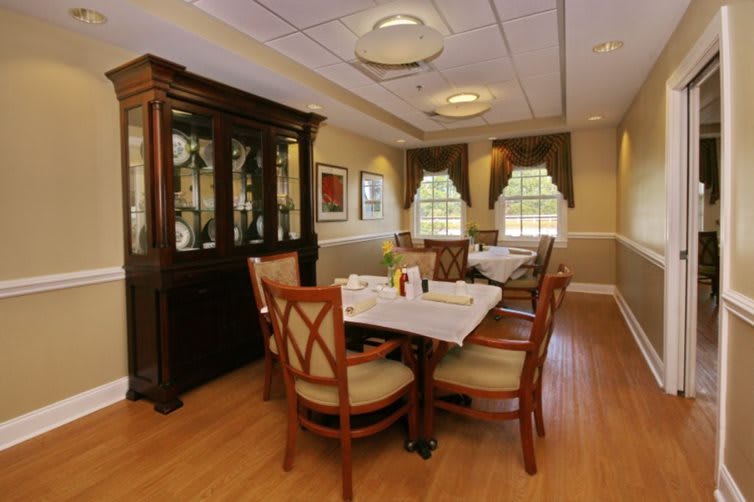
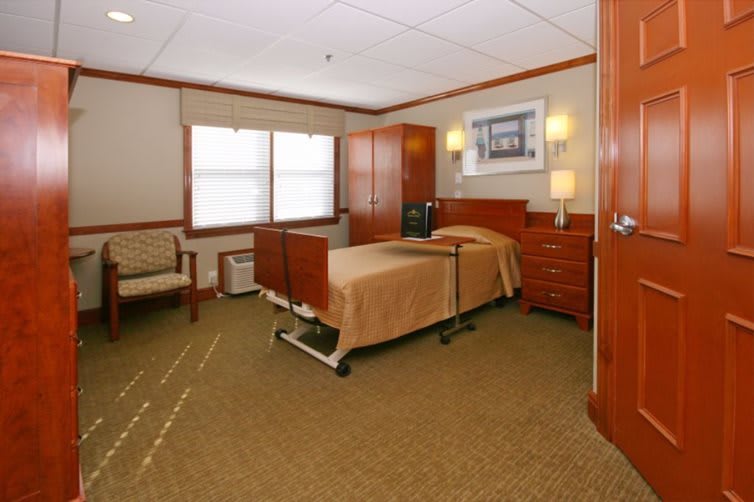
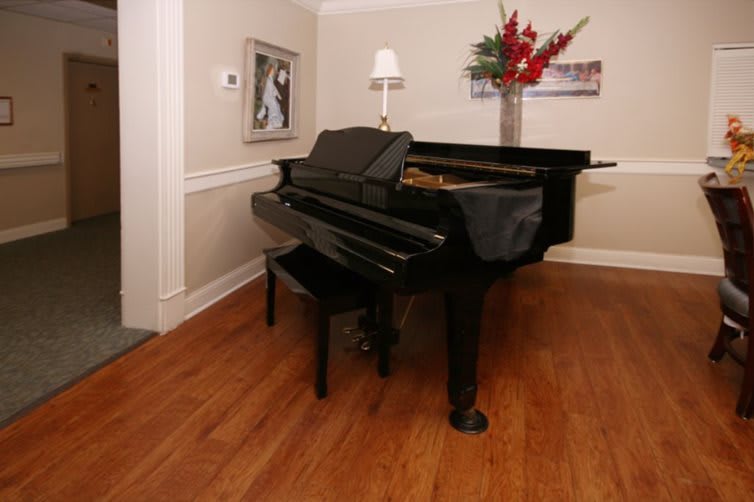
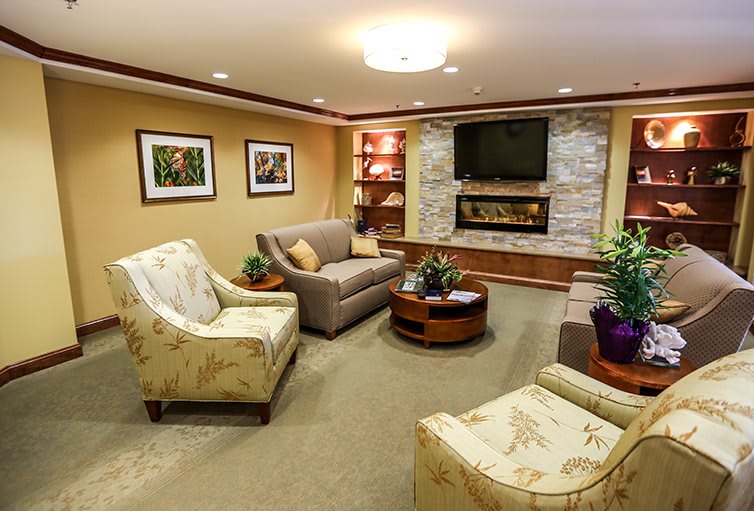
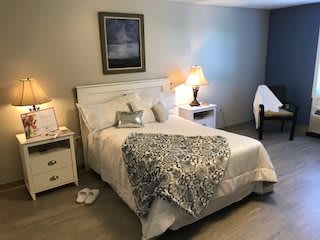
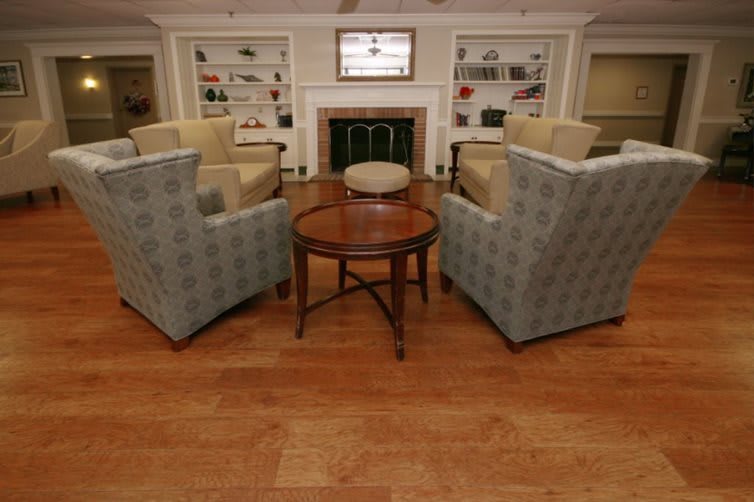
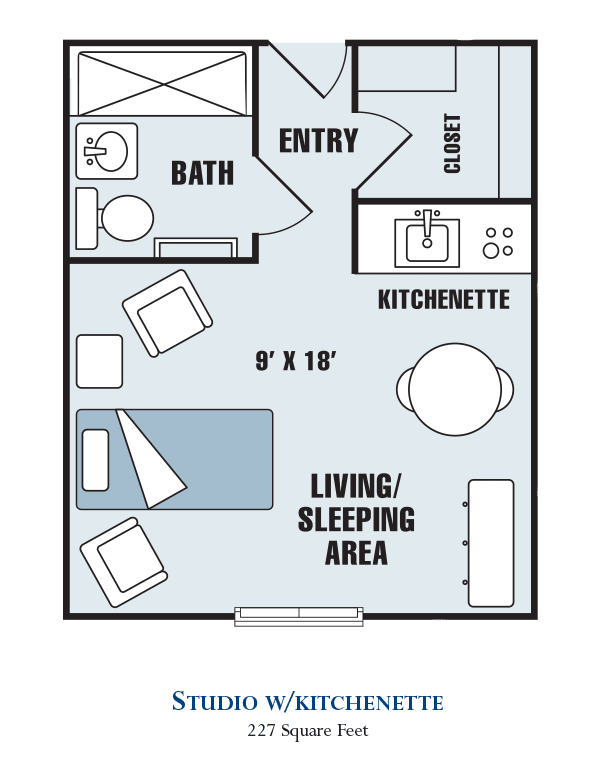
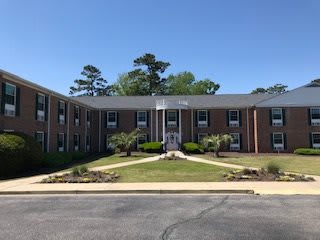
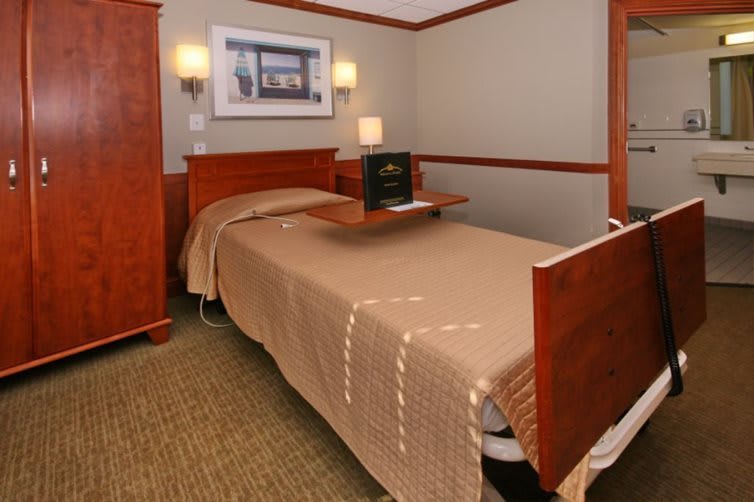
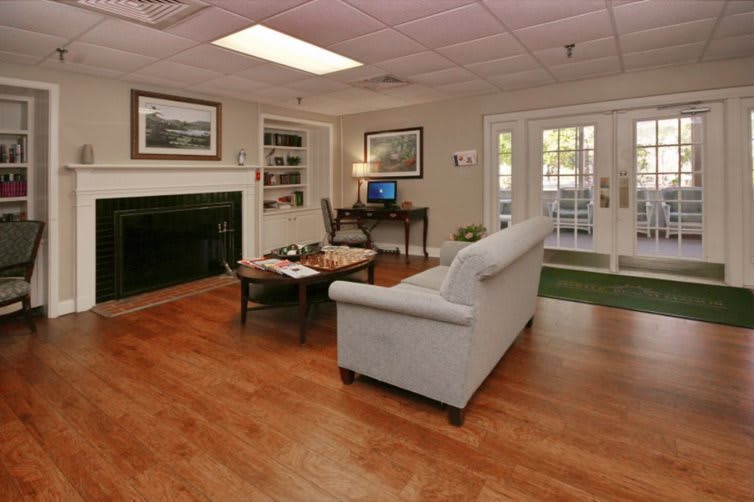
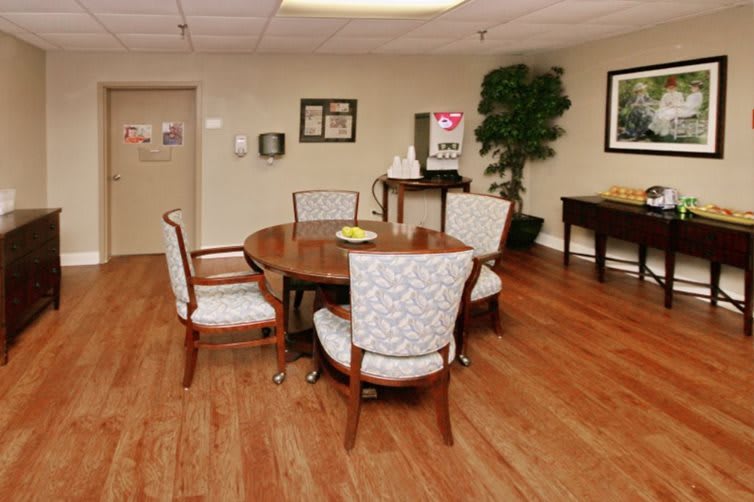
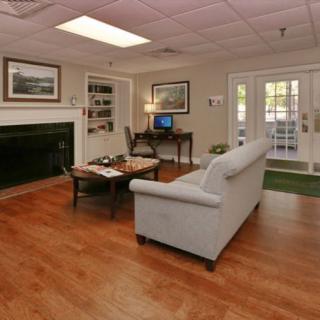
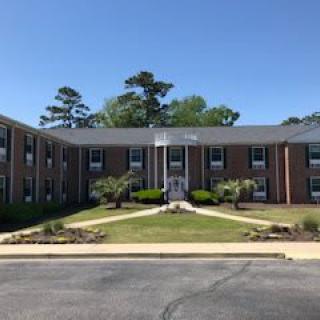
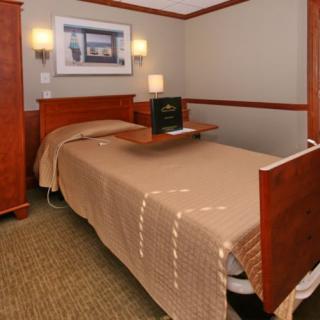
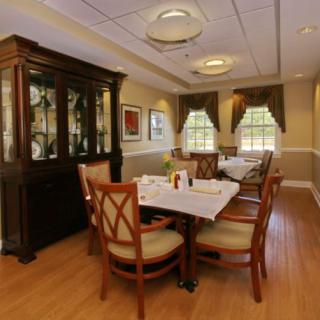
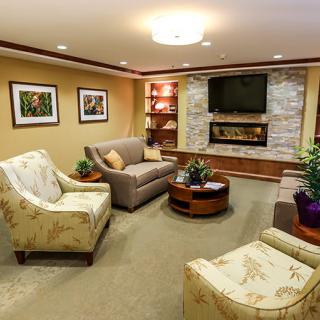
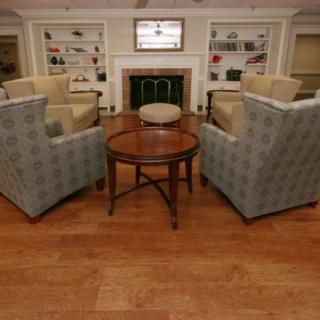
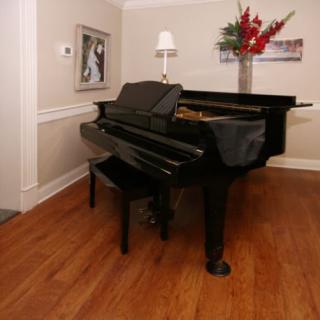
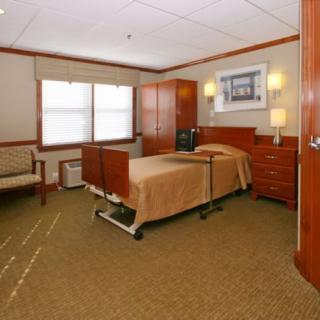
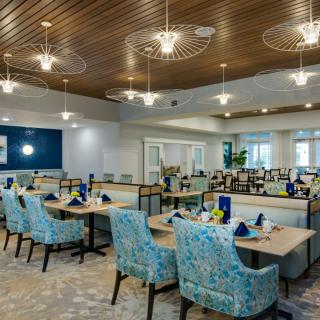
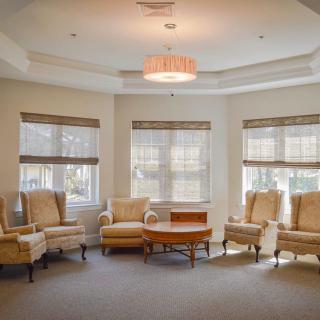
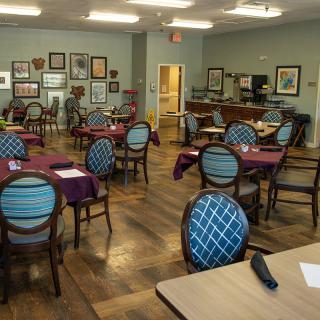
Myrtle Beach Manor on seniors.fyi includes 16 photos including images showing interior, floor plan, decor, living room, bedroom, fireplace, dining, healthcare, and more.
Nearby Communities
Home Care Helpers
Myrtle Beach, SC
Close to cafes, parks, pharmacies, physicians, restaurants, and hospitals.
Portside at Grande Dunes
Myrtle Beach, SC
4.6 from 172 reviews
$2,499 to $5,700 / month
Beautiful, well-maintained facility with friendly staff and ample amenities.
The Retreat At Brightwater
Myrtle Beach, SC
4.8 from 100 reviews
Comprehensive amenities and 24/7 care
Brightwater
Myrtle Beach, SC
4.6 from 177 reviews
Caring, respectful staff with clean facilities and engaging activities.
Brightwater Assisted Living
Myrtle Beach, SC
4.9 from 135 reviews
Compassionate staff in a welcoming, activity-filled community.
Magnolias of Myrtle Beach
Myrtle Beach, SC
3.9 from 127 reviews
$2,500 to $3,100 / month
Compassionate staff and help with VA benefits; pleasant environment and convenient location.
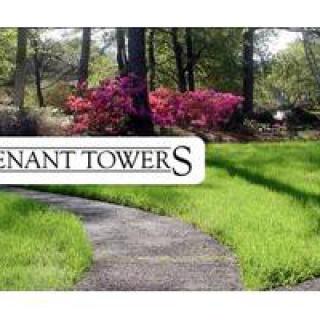
Covenant Towers
Myrtle Beach, SC
3.9 from 16 reviews
Friendly community with spacious, well-equipped apartments and attentive staff.
TerraBella Myrtle Beach
Myrtle Beach, SC
4.4 from 103 reviews
$2,620 to $3,510 / month
Good value for money with extensive on-site amenities.
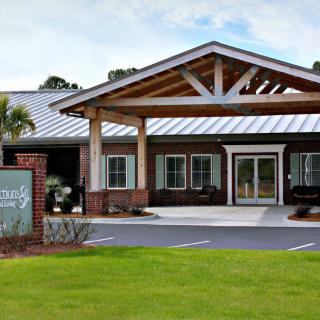
Reflections At Carolina Forest
Myrtle Beach, SC
4.3 from 50 reviews
$2,800 to $5,000 / month
Small, well-maintained community with personalized care and friendly staff.
Choosing between assisted living and nursing homes involves evaluating emotional and financial factors, with assisted living offering independence and support for daily activities at a lower cost, while nursing homes provide intensive medical care for individuals with significant health needs. The decision is influenced by personal preferences, health status, cognitive function, and varying Medicaid coverage across states.
The article presents eight strategies for preserving cognitive health and memory in older adults, emphasizing a nutrient-rich diet, regular exercise, intellectually stimulating activities, adequate sleep, social connections, stress management techniques, limiting harmful substances, and regular medical checkups to mitigate age-related memory decline.
Activities of Daily Living (ADLs) are fundamental tasks vital for an individual's independence, particularly in older adults over 85, and include functions like bathing and dressing; assessing ADLs alongside Instrumental Activities of Daily Living (IADLs) helps determine the level of required assistance due to age-related health challenges. Tailored support plans, involving family and community resources, are essential for maintaining dignity and autonomy in assisted living environments.
Get PricingAsk A QuestionSchedule A TourContact Senior Advisor
By clicking submit, you agree to our Partner's Terms of Use. You
also consent to receive calls and texts, which may be autodialed, from our Partner. Your consent is not a condition to
using our Partner's service. Please visit our Partner's Privacy Policy for information about their privacy practices.

 111 resident community capacity
 1-bedroom apartments
 Assisted Living
 Memory Care
 Skilled Nursing Facility
 Cats allowed
 Dogs allowed
 Activities off-site
 Air-conditioning
 Beautician on-site
 Cable or satellite TV
 Computer center
 Devotional services off-site
 Dining room
 Fitness room
 Fully furnished
 Gaming room
 Garden
 Ground floor units
 Handicap accessible
 Housekeeping services
 Indoor common areas
 Kitchenette
 Laundry
 Move-in coordination
 Outdoor common areas
 Private bathrooms
 Respite or short term stays offered
 Restaurant-style dining
 Small library
 Telephone
 Wellness center
 Wheelchair accessible showers
 Wi-Fi/high-speed internet available
 Myrtle Beach International (10 miles away)
 Community operated transportation
 12-16 hour nursing
 24-hour call system
 Ambulatory care
 Assistance with bathing
 Assistance with dressing
 Assistance with transfers
 Diabetes diet
 High acuity care
 Incontinence care
 Medication management
 Mental wellness program
 Special dietary restrictions
 Art classes
 Catholic services
 Concierge services
 Cooking classes
 Educational speakers / life long learning
 Karaoke
 Live musical performances
 Planned day trips
 English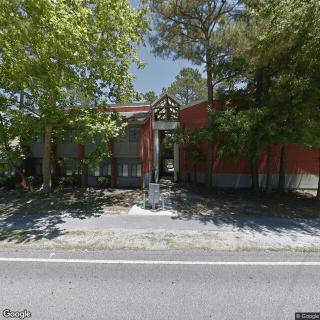
 Close to cafes, parks, pharmacies, physicians, restaurants, and hospitals.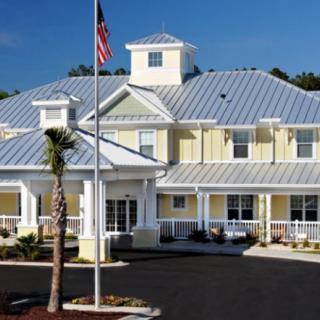
 Choosing the Right Senior Care: A Detailed Exploration of Assisted Living and Nursing Homes
 Safeguarding Your Memory Through the Golden Years: Eight Ways to Preserve Cognitive Health
 Comprehensive Insights into Activities of Daily Living (ADLs) and Their Assessment