
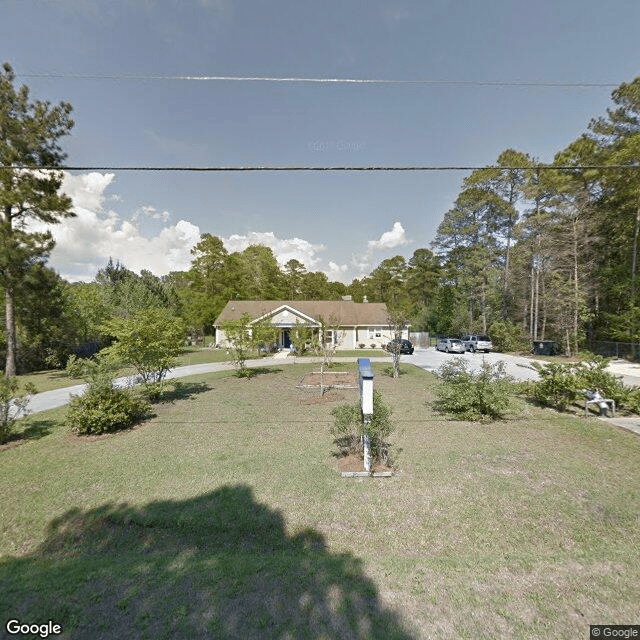
5146 Towles Road, Hollywood, SC 29449
For more information about senior living options: (866) 208-4318
Dayspring Assisted Living Costs & Pricing
Dayspring Assisted Living offers competitively priced accommodations, with monthly costs for a semi-private room at $2,300 and a studio at $3,300. These rates are significantly lower than the average costs in Charleston County, where semi-private rooms average around $3,539 and studios are approximately $4,120. Even when compared to the broader state figures for South Carolina - where semi-private rooms cost about $3,243 and studios average $3,649 - Dayspring stands out as an affordable choice for individuals seeking quality assisted living services. This pricing reflects Dayspring's commitment to providing value without compromising on care or comfort.
| Floor plans | Dayspring Assisted Living | Charleston County | South Carolina |
|---|---|---|---|
| Semi-Private | $2,300 | $3,539 | $3,243 |
| Studio | $3,300 | $4,120 | $3,649 |
Memory care communities with a similar price nearby
-
from +$199 / mo
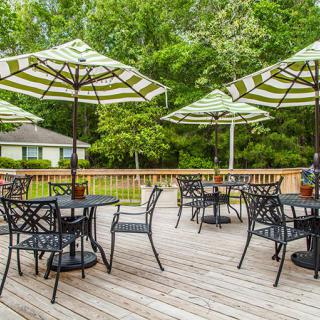
Oaks at Charleston
$2,499 to $3,900 / month11.3 miles away -
from +$355 / mo
The Palms Of Mt Pleasant
$2,655 to $4,595 / month20.8 miles away -
from +$246 / mo
Harmony at Wescott
$2,546 to $4,195 / month14.6 miles away -
About the same

Sandpiper Village
$2,295 to $2,995 / month20.6 miles away
Overall Review of Dayspring Assisted Living
Pros
 Dayspring provided excellent care for the cousin during the six months she was there.
- Conscientious on-site owners make a huge difference, with more individual attention and seamless communication.
- The staff are friendly and helpful, and the facility is always spotlessly clean.
- Dayspring is a more personal and intimate place than corporate facilities.
- The owners excel in genuine love and care for residents, often going above and beyond, and that care flows to the staff.
- In eight years, Dayspring felt like the perfect new home for Mom, with relatives always informed and involved.
- The caregivers are wonderful and very good with residents, and the smaller community has a higher caregiver-to-resident ratio.
- The owners are thoroughly involved in day-to-day operations and responsive to residents’ special needs and family input.
- The staff are friendly, professional, and keep families updated, with the facility well maintained and clean.
Cons
 They experienced problems with communication and staff turnover (including management) at corporate-owned facilities.
- Those facilities were “prettier” than Dayspring in Hollywood, but had communication problems and staff turnover.
- They encountered two local facilities with a more corporate environment, which felt less personal than Dayspring.
- They could use a few more activities for residents.
Review
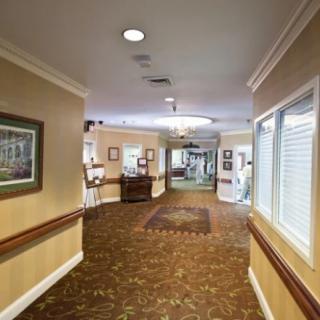
Dayspring Assisted Living in Hollywood, South Carolina, is best suited for families who prize intimate, hands-on caregiving delivered by owners who are visibly on-site. This is a small, personal community where the caregiver-to-resident ratio stays high, ensuring meaningful interaction and rapid response to questions or concerns. Communication is straightforward and consistent, with families being kept in the loop and involved without feeling like an afterthought. The environment is clean, well maintained, and quietly well run, with staff who are friendly, attentive, and stable. In short, Dayspring rewards residents and their loved ones with steady, compassionate oversight that larger, more corporate-looking facilities often struggle to reproduce.
Those who should consider alternatives are residents who need a broader calendar of activities or specialized services beyond what a small, intimate setting typically offers. A few reviews mention that while the care is superb, the activities schedule could be richer to stimulate social engagement. For families seeking a high-energy community with extensive programming, or a facility with formal memory-care or rehab tracks on site, Dayspring may feel limited. Similarly, families looking for a brand-new campus with expansive amenities may not find the same level of opulence as larger corporate neighbors, though they will gain in personalized attention and stability.
On the flip side, Dayspring’s strengths lean into what matters most in daily elder care: consistent, attentive staffing and genuine warmth from ownership. The owners’ visible involvement translates into quiet, dependable leadership that permeates the staff; care teams know residents’ histories, preferences, and needs, and they execute with intent. The result is high-quality, individualized care for residents who require assistance with mobility or routine tasks, and families appreciate stories of wheelchair-bound residents being well cared for without neglect of grooming or cleanliness. Transportation support to medical appointments and the ongoing reassurance that questions will be answered promptly are tangible, valued assets.
Maintaining a smaller community footprint can be a double-edged sword. The upside is a higher staff-to-resident ratio and a low turnover of on-site caregivers, which translates into relationships that feel personal rather than transactional. The downside, often noted in similar settings, is fewer formal programming options and social activities. Dayspring does well by keeping the environment spotless and the staff approachable, but some residents may crave a busier calendar or more elective opportunities to mingle. For families, this means a trade-off: intimate, consistent care versus a more diversified slate of recreation and stimulation.
Decision-makers should weigh these dynamics against practical needs: if continuous, hands-on oversight and rapid communication with the owners are nonnegotiables, Dayspring delivers. The care philosophy centers on genuine care and responsiveness to special requests, with family members kept in the loop and invited into the care planning. The facility’s transportation support and clean, well-managed setting are tangible assets. If, however, the resident’s routine relies on a robust slate of activities, social events, or a more expansive campus life, alternatives that emphasize programming capacity may be a better fit. Prospective families should ask about current activity offerings, any plans to expand programming, and how outside family involvement is integrated into daily life.
Overall, Dayspring Assisted Living stands out as a principled, relationship-driven choice for seniors who value personal attention, stable staff, and open lines of communication. It is particularly well-suited for residents who need reliable daily support in a small, courteous setting and for families who want to keep ownership-driven oversight intact. It may not be the first pick for those chasing a bustling activity calendar or highly specialized memory-care pathways, but for families prioritizing trust, cleanliness, and consistent, compassionate care, Dayspring is a practical, compelling option.
 16 resident community capacity
 Assisted Living
 Board and Care Home
 Memory Care
 Activities off-site
 Beautician on-site
 Cable or satellite TV
 Devotional services off-site
 Dining room
 Fully furnished
 Garden
 Housekeeping services
 Indoor common areas
 Move-in coordination
 Outdoor common areas
 Telephone
 Wheelchair accessible showers
 Wi-Fi/high-speed internet available
 Charleston AFB International (15 miles away)
 24-hour supervision
 Ambulatory care
 Assistance with bathing
 Assistance with dressing
 Assistance with transfers
 Diabetes diet
 Diabetic care
 Hospice waiver
 Incontinence care
 Meal preparation and service
 Medication management
 Mental wellness program
 Special dietary restrictions
 Transportation arrangement (medical)
 Transportation to doctors appointments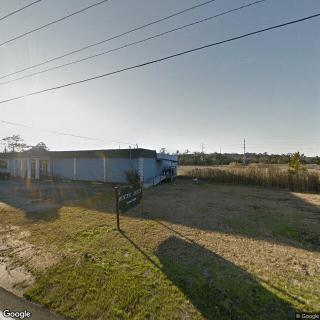



 Understanding Dementia Through Its Seven Stages: A Comprehensive Look at Progression and Expectations
 Safeguarding Your Memory Through the Golden Years: Eight Ways to Preserve Cognitive Health
 Comprehensive Insights into Activities of Daily Living (ADLs) and Their Assessment