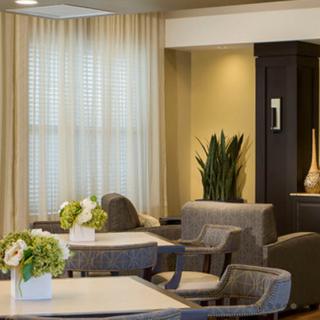
Residents and families describe staff as caring and quick to help.
Across multiple reviews, families say the staff members are kind, attentive, and willing to step in when needs come up. Several reviewers highlight specific team members they felt comfortable approaching with concerns. Even when some reviews are critical, they still reference moments of support from individual caregivers.
common16 reviews mention this
Activities and outings stay busy
The activities program emphasizes regular social events and outings.
Residents and families frequently describe ongoing activities—like live music, games, devotions, and scheduled calendars that keep days from feeling empty. Multiple reviews also mention bus trips and group outings, including Friday-style excursions to get residents out of the building. The community’s offered activities and fitness programming align with what residents say they experience day to day.
caveat4 reviews mention this
Appointment transportation is inconsistent
Some residents report trouble with guaranteed rides for set appointments.
One review describes confusion about whether rides for doctor appointments (including dialysis scheduling) were guaranteed, with an update later stating a driver hire did not materialize as expected. Other reviewers, however, say they’ve seen transportation for appointments and outings handled safely and on time. That mix suggests transportation support may vary by situation or scheduling needs.
caveat6 reviews mention this
Dining quality varies by reviewer
Reviews are mixed on meal quality and service timing.
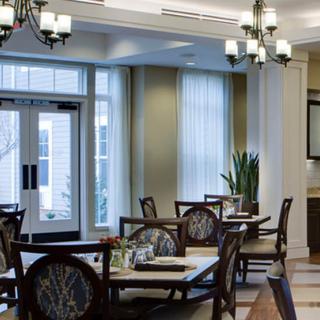
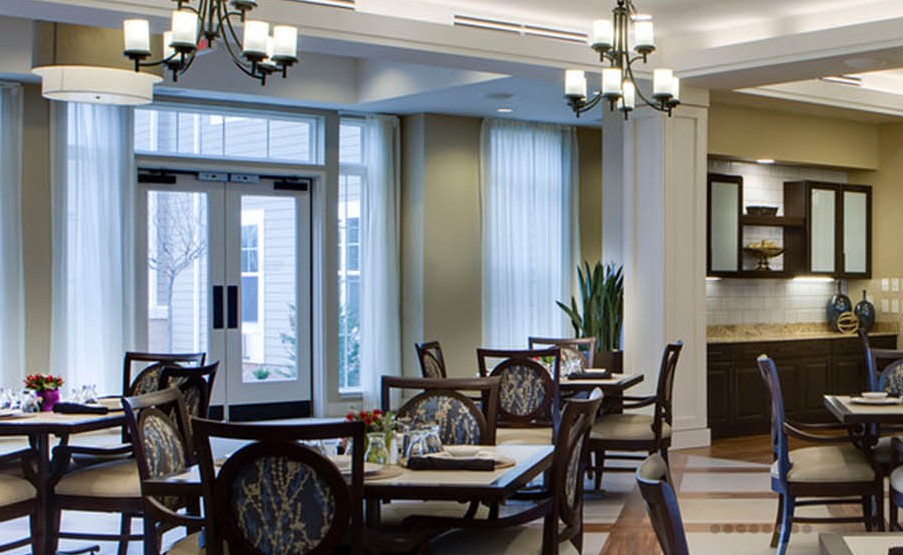
Some residents and families describe the dining room as a positive part of daily life, including that the food is good and meals are served as expected. Other reviews say meal quality has declined and describe problems like delayed meals and menus not matching what’s served. The community offers restaurant-style dining and special dietary support, but resident experiences with meals aren’t fully consistent.
caveat3 reviews mention this
Memory care feels uneven day-to-day
Memory care reviews describe a gap between expectations and everyday support.
One reviewer says the memory care unit’s day-to-day reality felt far removed from the tour, while also noting the staff were wonderful despite staffing concerns. Another review discusses initial ups and downs before describing improvements under new leadership, including bringing in clinical support. Taken together, reviews point to memory care experiences that may depend heavily on staffing and operational stability.
How we summarize
Counts show how many written reviews mention each theme; a review can touch several themes, and only frequently mentioned themes are displayed.
Features
Housing
89 resident community capacity
1-bedroom apartments
Studio apartments
Types of Care
Assisted Living
Memory Care
Respite Care
Amenities
Air-conditioning
Beauty salon
Cable or satellite TV
Computer center
Dining room
Fitness room
Fully furnished
Gaming room
Garden
Housekeeping services
Kitchenette
Move-in coordination
Outdoor space
Private bathrooms
Respite or short term stays offered
Restaurant-style dining
Small library
Telephone
Wellness center
Wi-Fi/high-speed internet available
Transportation
Greenville-Spartanburg (2 miles away)
Community operated transportation
Transportation arrangement
Transportation arrangement (non-medical)
Transportation to doctors appointments
Care Services
12-16 hour nursing
24-hour call system
24-hour supervision
Activities of daily living assistance
Assistance with bathing
Assistance with dressing
Assistance with transfers
Diabetes diet
Meal preparation and service
Medication management
Mental wellness program
Mild cognitive impairment
Special dietary restrictions
Specialized memory care programming
Dining
Diabetes diet
Special dietary restrictions
Activities
Community-sponsored activities
Concierge services
Fitness programs
Planned day trips
Resident-run activities
Scheduled daily activities
Nearby Places of Interest
Hospitals
Greer Memorial Hospital (0.4 miles)
AFC Urgent Care - Bon Secours - Greer (2 miles)
Surgery Center At Pelham (4.5 miles)
Spartanburg Regional (4.5 miles)
Village Hospital (4.5 miles)
Patewood Medical Campus (6.8 miles)
Patewood Memorial Hospital (7 miles)
Physicians
Cypress Internal Medicine (0.4 miles)
Warren Keith Stafford (1 miles)
Greer Family Medicine (1.2 miles)
Greer Pediatric Center (1.3 miles)
Pediatric Associates (1.6 miles)
Dr Degarmo (1.7 miles)
New Horizon Family Health Services (1.8 miles)
Restaurants
Dillards Farms Ice Cream (0.6 miles)
South House Restaurant (1.2 miles)
Cook Out (1.6 miles)
IHOP (2 miles)
13 Stripes Brewery (2.6 miles)
Burger King (3.4 miles)
Tadpole Fish Camp (3.6 miles)
Pharmacies
Walgreens (1.6 miles)
Professional Pharmacy of Greer (1.6 miles)
CVS Pharmacy (3.7 miles)
Upstate Pharmacy (3.8 miles)
CVS Pharmacy (4.3 miles)
Walgreens (4.6 miles)
CVS Pharmacy (4.7 miles)
Parks
East Riverside Park (1.8 miles)
Gary L. Pittman Memorial Park (5.7 miles)
Paris Mountain State Park (7 miles)
Cafes
Junto Coffee (2.6 miles)
Starbucks (4.7 miles)
Panera Bread (4.7 miles)
Starbucks (4.8 miles)
Transportation
TSA Pre (2.7 miles)
Concourse B (2.7 miles)
Escape Lounges (2.7 miles)
Greenville-Spartanburg International Airport (GSP) (2.8 miles)
The comprehensive features at Thrive At Greer are designed to create a supportive and nurturing environment specifically tailored for individuals with dementia or Alzheimer's disease. With 24-hour supervision, residents receive constant oversight that enhances safety and provides peace of mind for families. Assistance with activities of daily living, including bathing and dressing, promotes personal dignity while ensuring that residents maintain their hygiene and comfort. The help with transfers aids mobility, reducing the risk of falls and encouraging independence within a safe framework. Meal preparation and service cater to dietary needs, ensuring nutrition is prioritized, while medication management addresses crucial health requirements seamlessly. Furthermore, a mental wellness program helps stimulate cognitive functions, targeting residents with mild cognitive impairment alongside specialized memory care programming that engages them through tailored activities designed to enhance memory retention and promote social interaction. Together, these features foster an environment conducive to maintaining quality of life for those affected by memory impairment.
Dementia often results in disrupted sleep patterns, leading to excessive daytime sleeping due to factors like brain damage affecting circadian rhythms, medication side effects, and lack of structure in daily activities. Caregivers must monitor these changes closely, as oversleeping can increase risks such as malnutrition or dehydration, and provide necessary support and routines to enhance patient engagement and well-being.
The transition from assisted living to skilled nursing care is often prompted by complex medical needs that assisted living cannot meet, with key indicators including frequent health declines, increased falls, severe memory issues, and caregiver burnout. Families should recognize these signs early to discuss options with healthcare providers and prepare for the emotional and logistical aspects of moving to a facility that offers comprehensive medical support.
Dementia is characterized by cognitive decline, with nutrition playing a vital role in brain health; while no specific diet can prevent or reverse it, a nutrient-dense diet rich in antioxidants and healthy fats may support cognitive function. The MIND diet, which emphasizes beneficial foods and limits processed items, along with proper hydration and individualized meal strategies, can enhance the well-being of dementia patients.
Get PricingAsk A QuestionSchedule A TourContact Senior Advisor
By clicking submit, you agree to our Partner's Terms of Use. You
also consent to receive calls and texts, which may be autodialed, from our Partner. Your consent is not a condition to
using our Partner's service. Please visit our Partner's Privacy Policy for information about their privacy practices.



 89 resident community capacity
 1-bedroom apartments
 Assisted Living
 Memory Care
 Respite Care
 Air-conditioning
 Beauty salon
 Cable or satellite TV
 Computer center
 Dining room
 Fitness room
 Fully furnished
 Gaming room
 Garden
 Housekeeping services
 Kitchenette
 Move-in coordination
 Outdoor space
 Private bathrooms
 Restaurant-style dining
 Small library
 Telephone
 Wellness center
 Wi-Fi/high-speed internet available
 Greenville-Spartanburg (2 miles away)
 Community operated transportation
 12-16 hour nursing
 24-hour call system
 Activities of daily living assistance
 Assistance with bathing
 Assistance with dressing
 Assistance with transfers
 Diabetes diet
 Medication management
 Mental wellness program
 Special dietary restrictions
 Concierge services
 Planned day trips
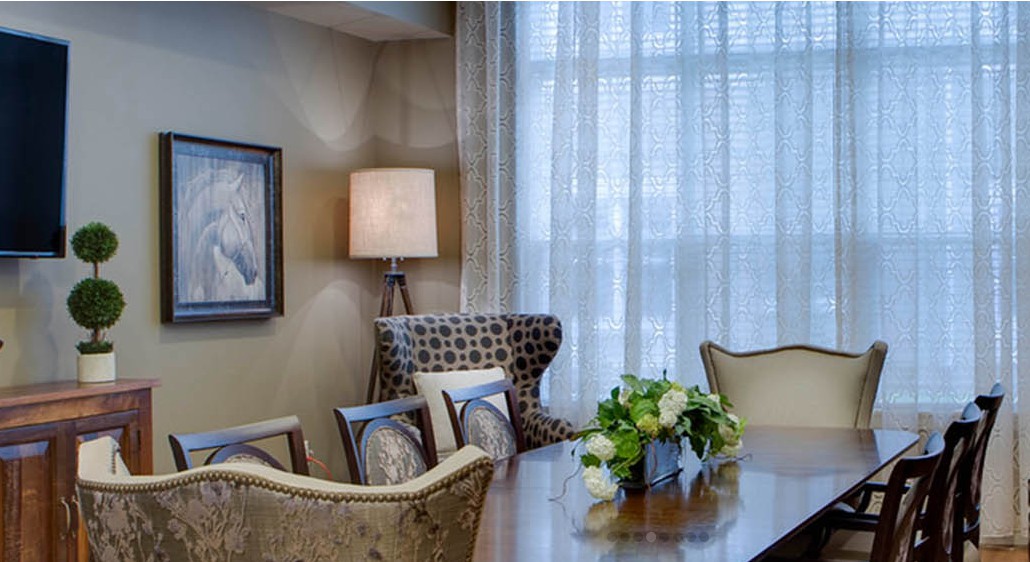
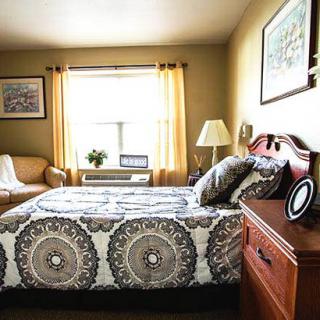
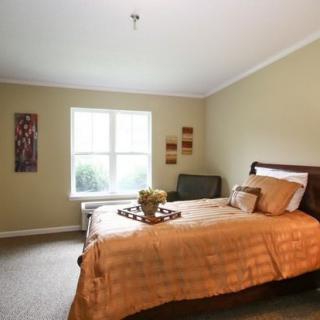
 Caring staff and a warm, engaging environment.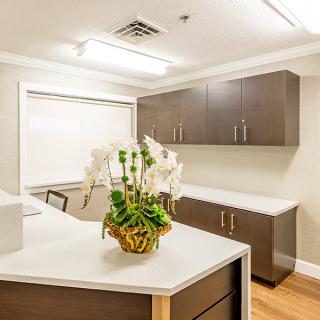



 Why Do Dementia Patients Sleep So Much? Understanding Oversleeping, Stages, and Care Approaches
 8 Key Indicators That Suggest It May Be Time to Transition from Assisted Living to Skilled Nursing Care
 Nourishing the Mind: Essential Dietary Approaches for Dementia