Victorian Home

313 Warley Street, Florence, SC 29501

For more information about senior living options: (844) 490-3973

3.2 from 24 reviews
5 stars
12
4 stars
1
3 stars
1
2 stars
0
1 stars
10

Assisted Living Board and Care Home

What level of care are you interested in?

Assisted Living

Memory Care

Independent Living

Skilled Nursing Facility

Continuing Care Retirement Community (CCRC)CCRC

Other


Request a tour at Victorian Home

    Overall Review of Victorian Home

    Pros

    • pro The staff is very attentive, friendly and supportive.
    • pro The staff there treated her and our family with dignity and compassion.
    • pro The people that work there are AMAZING!
    • pro They care for their residents extremely well.
    • pro An excellent place to be.
    • pro They treated her like family.
    • pro Money can't buy the level of care my dad receives.
    • pro The new owner Souheil he seems to be a very nice gentleman and hears what you have to say.

    Cons

    • pro The aunt reportedly fell completely out of bed during changing and was left on the floor until EMTs arrived, resulting in injuries including a knot on her head and a fractured spine.
    • pro The new facility general manager is described as unapproachable, never available, and deceptive, with no intention of returning phone calls.
    • pro Under the new management, a refrigerator was removed after management insisted it be taken out, with claims of DHEC rules that were later labeled as a lie by the reviewer.
    • pro The staff are said to have bad attitudes and fail to provide what residents need, and the food is criticized as poor.
    • pro A resident was left without a bed rail and without a call button, which was removed by night staff, contributing to dehydration and a transfer back to the hospital.
    • pro A family member reports moving a loved one from a comfortable room to a closet-like space without notice, with belongings discarded and the director not returning calls.
    • pro A grandmother reportedly died within 24 hours of being admitted, due to alleged failure to monitor blood sugar, described as neglect.
    • pro Rats on one wing are observed, with photos suggesting unsafe, unsanitary conditions.
    • pro The facility is described as having deteriorated from an excellent place under prior ownership to a near-disaster under current management.

    Review

    The accounts from families and friends of residents at Heritage Home tell a tale of stark contrasts. On one hand, there are long-standing residents and their relatives who describe a place that feels like home, with caring staff, attentive nurses, and a sense of stability. On the other hand, there are several harsh, urgent, and troubling reports of safety lapses, communication breakdowns, and management decisions that appear at odds with the expectations many families have for a senior-care facility. The common thread across these accounts is that experiences at the facility are not uniform; they depend a lot on who is working at a given time, and how the recent changes in ownership and leadership are being implemented on the floor.

    A harrowing incident stands out in one set of reviews: a family member's aunt, during a routine changing period, was left with only one staff member in the room and ended up completely falling to the floor. The fall resulted in a golf-ball?sized knot on the head and face, plus a fractured spine, injuries that prompted the involvement of emergency medical services. The reviewer questions why there was only a single person present for the procedure and laments that the staff member who was in the room did not assist immediately, leaving the aunt on the floor until EMTs arrived. The seriousness of the injury and the described lapse in supervision have left the family seeking legal counsel, underscoring a perception that patient safety protocols were not adequately followed at that moment.

    The facility's ownership landscape adds another layer to these experiences. The property reportedly changed hands last year, and a newly named owner, Souheil, is described by some as a courteous and attentive communicator who listens to concerns. However, the ongoing management landscape is more contentious. The new general manager, named Kelly, is criticized in several reviews as being unapproachable, habitually unavailable, and responsive only through brief or evasive communications. Some reviewers allege that Kelly has propagated disputes or misrepresentations about regulatory requirements - specifically denying that a refrigerator in a resident's room violated any DHEC rule, while suggesting that it was a management decision rather than a regulatory issue. At the same time, others note a broader lack of transparency: no financial statements have appeared since October 2024, and questions about the facility's financial reporting have gone unanswered. In short, there is a perception among some families that management is not fully forthcoming, which undermines trust during an already stressful time.

    Despite the negative stories, there are several testimonials from families who praise the care their relatives received, and who credit dedicated staff for making the environment feel warm and homelike. One reviewer wrote that their aunt had been a resident for just over three months and that the staff were attentive, friendly, and supportive. Another family member notes that their mother lived at Heritage Home for more than five years and describes the staff as AMAZING - caring for both the resident and the family with dignity and compassion. A different review mentions that their father, currently a resident, receives high-quality care and that the family is deeply grateful for what the staff provide - expressions that highlight a genuine sense of appreciation for the people who work there.

    Not all experiences are positive, however. A current visitor or resident describes a troubling deterioration in care: "Most of the nurses have bad attitudes," with complaints about responsiveness and a sense that basic needs are not consistently met, including subpar food and limited progress with therapy. This testimony suggests that, for some people, the day-to-day experience is frustrating and leaves them feeling unsupported. The negative sentiment is reinforced by additional anecdotes about neglect: a friend with dehydration who sought to see a social worker was repeatedly delayed for over a week, and then, in another disturbing incident, a night staff member allegedly removed a call button and phone from a patient, locking the person out of critical means of communicating needs. The bed rails, described as absent, add to concerns about patient safety and oversight.

    There are also stories of abrupt and upsetting changes in room assignments that feel disrespectful or disorienting. In one account from July 2023, a tour that led to a confident expectation of a specific room (room 202) turned into an abrupt relocation to a closet-like space without notice. Personal belongings were thrown about, the wireless box was disconnected, and a previously agreed-upon living arrangement felt suddenly void. The family attempted to contact the director, but no reply came, and the individual's mother ended up feeling unsettled, unsafe, and eager to leave the facility. This account underscores how important consistent, respectful communication about room assignments and changes is to families already navigating complex emotions and logistics around aging loved ones.

    Safety and health concerns recurred in other reviews, painting a picture of systemic gaps rather than isolated incidents. One family recounts a grandmother dying within 24 hours of admission after a diabetic-related crisis, with the implication that blood sugar monitoring and ongoing supervision were insufficient. Another observer reports finding large rats on one wing, with pictures showing bird-food activity near the facility - an assertion that points to sanitation and pest-control concerns that understandably threaten confidence in the care environment. Taken together, these experiences raise questions about how consistently safety protocols, hygiene standards, and preventive care are being implemented across shifts and units.

    Against these challenging accounts, several positive messages persist, suggesting a more nuanced reality. Some former residents and families speak highly of the facility's overall environment and the people who work there, describing Heritage Home as a pleasant place to be and the staff as compassionate, generous, and dedicated - testimonies that reflect the kind of personal warmth that families often seek when placing a loved one in long-term care. The tug-of-war between praise and criticism appears to reflect not only individual caregivers but also the broader organizational changes, communication practices, and safety practices that shape every family's experience over time.

    In the current mix of experiences, it is clear that Heritage Home evokes strong feelings - both gratitude and frustration - from those who have lived or worked there or whose loved ones reside there. The facility sits at a crossroads of ownership, management style, and frontline care practices, with some residents thriving under attentive, neighborly care, and others encountering gaps in safety, responsiveness, and transparency that can escalate into serious concerns. As families weigh whether to entrust care to the facility, they are left to navigate not only daily routines and medical needs but also the credibility and consistency of communications from leadership, the clarity of regulatory compliance, and the true availability of a safe, home-like environment for their loved ones.

    Features

    Housing

    • 5 resident community capacity 5 resident community capacity

    Types of Care

    • Assisted Living Assisted LivingAssisted living facilities provide crucial support and care for seniors who may need help with daily tasks such as medication management, bathing, and meal preparation. These communities offer a safe and comfortable environment where seniors can maintain their independence while receiving the assistance they need to thrive in their golden years.
    • Board and Care Home Board and Care HomeBoard and care homes provide a smaller, more intimate setting for seniors who require assistance with daily tasks but do not need the level of care offered by a nursing home. They offer personalized care, meals, and social activities in a homelike environment, ensuring that seniors receive individualized attention and support in their golden years.

    Amenities

    • Cable or satellite TV Cable or satellite TVCable or satellite TV is important for seniors because it provides entertainment, news, and companionship, helping to combat loneliness and boredom. It also offers a wide range of programming options tailored to different interests and preferences.
    • Dining room Dining roomDining rooms are important for seniors as they provide a space for socialization, connection, and nutritious meals. They offer opportunities for residents to bond over shared meals, foster a sense of community, and promote healthy eating habits. Dining rooms also ensure that seniors have access to well-balanced meals tailored to their dietary needs and preferences.
    • Fully furnished Fully furnishedFully furnished senior living communities are important for seniors because they provide convenience, comfort, and a hassle-free moving experience. Seniors can easily settle into their new living space without the stress of having to buy and move furniture. This allows them to focus on enjoying their new home and community.
    • Garden GardenGardens are important for seniors as they provide a peaceful and therapeutic environment for relaxation, physical activity, and socialization. Being in nature has been shown to reduce stress, improve mood, and promote overall well-being. Gardens also offer opportunities for seniors to engage in gardening activities, which can improve mobility, flexibility, and cognitive function. Additionally, gardens create a sense of community and connection with others who share a passion for plants and outdoor spaces.
    • Housekeeping services Housekeeping servicesHousekeeping services are important for seniors because they help maintain a clean and safe living environment, promote independence, and reduce the risk of accidents or illnesses. Additionally, having assistance with household chores can alleviate physical strain and allow seniors to focus on other aspects of their well-being.
    • Move-in coordination Move-in coordinationMove-in coordination is important for seniors because it helps ease the transition into their new living environment. It ensures that all logistics, such as packing, organizing movers, and setting up utilities are taken care of, allowing seniors to focus on settling in and adjusting to their new home. Having a smooth move-in process can alleviate stress and anxiety, making the transition smoother and more enjoyable for seniors.
    • Outdoor space Outdoor spaceOutdoor spaces are important for seniors as they provide opportunities for physical activity, social interaction, exposure to natural light and fresh air, and a sense of connection to nature. Having access to outdoor spaces can improve overall well-being and quality of life for older adults living in senior communities.
    • Telephone TelephoneTelephones are important for seniors as they provide a lifeline for communication with loved ones, emergency services, and healthcare providers. They offer a sense of security and independence, enabling seniors to stay connected and access assistance when needed.
    • Wi-Fi/high-speed internet available Wi-Fi/high-speed internet availableWi-Fi/high-speed internet is important for seniors to stay connected with loved ones, access online resources, and participate in virtual activities to combat feelings of loneliness and isolation. It also allows them to easily manage healthcare needs, access entertainment, and engage in lifelong learning opportunities.

    Transportation

    • Florence Regional (3 miles away) Florence Regional (3 miles away)

    Care Services

    • 24-hour supervision 24-hour supervision24-hour supervision is important for seniors to ensure their safety, well-being, and access to immediate assistance in case of emergencies or health issues. This constant support provides peace of mind for both seniors and their loved ones, allowing them to age in place with dignity and security.
    • Activities of daily living assistance Activities of daily living assistanceActivities of daily living assistance are important for seniors because they provide essential support with tasks such as eating, bathing, dressing, and mobility. This assistance helps seniors maintain their independence, dignity, and overall quality of life as they age.
    • Assistance with bathing Assistance with bathingAssistance with bathing is crucial for seniors as it helps maintain personal hygiene, prevents infections, and ensures their overall well-being and comfort. It also provides a sense of dignity and independence for seniors who may struggle with this task on their own.
    • Assistance with dressing Assistance with dressingAssistance with dressing is important for seniors because it helps maintain their independence, promotes personal hygiene, prevents accidents and injuries, and improves overall quality of life. This service ensures that seniors can continue to dress comfortably and confidently, despite any physical limitations they may have.
    • Assistance with transfers Assistance with transfersAssistance with transfers is crucial for seniors as it helps prevent falls and injuries, maintains their independence, and ensures they can safely navigate their living environment. It also provides peace of mind for both seniors and their loved ones.
    • Coordination with health care providers Coordination with health care providersCoordination with health care providers is crucial for seniors to ensure proper medical care, medication management, and overall well-being. This collaboration helps prevent overlapping treatments, track progress more effectively, and provide comprehensive support tailored to individual needs.
    • Diabetes diet Diabetes dietA diabetes diet is crucial for seniors as it helps manage blood sugar levels, reduce risks of complications, and improve overall health and well-being. By following a balanced and nutritious diet tailored to their specific needs, seniors can better control their diabetes and enhance their quality of life.
    • Meal preparation and service Meal preparation and serviceMeal preparation and service are crucial for seniors as they may have limited mobility or energy to cook nutritious meals. Having access to healthy and convenient food options can ensure they are getting the proper nutrition needed to maintain their overall health and well-being.
    • Medication management Medication managementMedication management is crucial for seniors to ensure they are taking the right medications at the correct dosages and times. This helps prevent adverse drug interactions, reduces the risk of medication errors, and promotes overall health and well-being. Proactive management also allows for adjustments as needed based on changing health conditions or new prescriptions.
    • Special dietary restrictions Special dietary restrictionsSpecial dietary restrictions are important for seniors because age-related changes in metabolism and health conditions can make it difficult for their bodies to process certain foods. By following a diet tailored to their specific needs, seniors can maintain their overall health and well-being, manage chronic conditions, and reduce the risk of complications such as malnutrition or food interactions with medications.
    • Transportation arrangement (medical) Transportation arrangement (medical)Transportation arrangements for medical purposes are essential for seniors as they may have difficulty driving themselves to appointments or accessing public transportation. Having reliable and safe transportation options ensures that seniors can receive timely medical care and maintain their health and well-being.
    • Transportation to doctors appointments Transportation to doctors appointmentsTransportation to doctors' appointments is crucial for seniors as it ensures they have access to necessary medical care and support for their health needs. Without reliable transportation, seniors may struggle to attend important appointments, leading to potential delays in treatment and health complications. Providing transportation services helps seniors maintain their overall well-being and quality of life.
    Dining

    • Diabetes diet Diabetes dietA diabetes diet is crucial for seniors as it helps manage blood sugar levels, reduce risks of complications, and improve overall health and well-being. By following a balanced and nutritious diet tailored to their specific needs, seniors can better control their diabetes and enhance their quality of life.
    • Special dietary restrictions Special dietary restrictionsSpecial dietary restrictions are important for seniors because age-related changes in metabolism and health conditions can make it difficult for their bodies to process certain foods. By following a diet tailored to their specific needs, seniors can maintain their overall health and well-being, manage chronic conditions, and reduce the risk of complications such as malnutrition or food interactions with medications.

    Activities

    • Community-sponsored activities Community-sponsored activitiesCommunity-sponsored activities are important for seniors as they provide opportunities for social interaction, mental stimulation, and physical activity. These activities can help improve overall well-being, combat loneliness and isolation, and promote a sense of belonging and purpose among older adults.
    • Scheduled daily activities Scheduled daily activitiesScheduled daily activities are important for seniors because they provide structure, socialization, mental stimulation, and physical activity. Engaging in regular activities can improve overall well-being and quality of life for seniors living in a community setting.

    Description

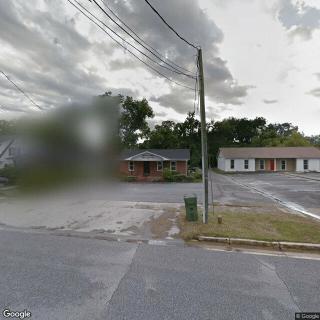
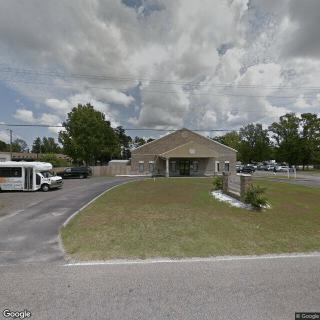
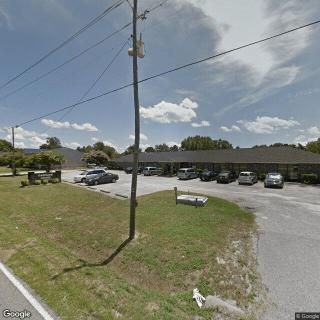
    The Victorian Home in Florence, SC is a charming and cozy board and care home that offers a variety of amenities and care services for its residents. The community features a beautiful dining room where nutritious and delicious meals are served, taking into consideration any special dietary restrictions. Each living space is fully furnished, providing comfort and convenience to the residents.

    The Victorian Home also boasts a lovely garden and outdoor space where the residents can enjoy fresh air, relax, and engage in outdoor activities. Housekeeping services are provided to ensure that the living areas are kept clean and well-maintained.

    One of the standout features of this assisted living community is its move-in coordination service, which helps new residents smoothly transition into their new home. Wi-Fi/high-speed internet and telephone services are available for residents to stay connected with their loved ones.

    In terms of care services, the Victorian Home provides assistance with activities of daily living such as bathing, dressing, and transfers. The dedicated staff also coordinates with health care providers to ensure that residents receive appropriate medical attention when needed. Medication management is offered to help residents stay on top of their medications.

    Transportation arrangements for medical appointments can be made by the community, allowing residents to easily access necessary healthcare services. Additionally, there are nearby amenities such as cafes, parks, pharmacies, physicians' offices, restaurants, places of worship, theaters, and hospitals that offer convenience and various opportunities for outings and entertainment.

    Residents at the Victorian Home can enjoy scheduled daily activities designed to promote social interaction and engagement within the community. Overall, this assisted living community provides a warm and nurturing environment where seniors can receive personalized care while enjoying a comfortable lifestyle.

    Nearby Places of Interest

    Restaurants

    • Venus Pancake House (0.1 miles)
    • Long Grain Cafe (0.3 miles)
    • Town House Drive-In Restaurant (0.4 miles)
    • El Agave Mexican Restaurant (0.6 miles)
    • Victor's Bistro (0.6 miles)
    • Wendy's (0.6 miles)
    • Papa John's Pizza (0.7 miles)

    Physicians

    • Lifetime Hearing Services, Inc (0.1 miles)
    • Regional Health & Testing Center (0.2 miles)
    • Internal Medicine Specialists of Florence (0.3 miles)
    • Dr. William N. Boulware, MD, FACP (0.3 miles)
    • Windham Gynecology (0.3 miles)
    • Florence Orthopedic Associates Pa (0.3 miles)
    • Stokes Regional Eye Center, P.A. (0.4 miles)

    Hospitals

    • McLeod Regional Medical Center (0.1 miles)
    • Palmetto Pee Dee Behavioral Health (0.2 miles)
    • Hospice Mcleod (0.2 miles)
    • Carolinas Rehabilitation Hospital (0.6 miles)
    • Regency Hospital Of Florence (0.7 miles)
    • Regency Hospital (0.7 miles)
    • Emergency Department, McLeod Children s Hospital (1.1 miles)

    Parks

    • Florence Veterans Park (0.4 miles)
    • Timrod Park (0.5 miles)
    • Lucas Park (0.8 miles)

    Pharmacies

    • CVS Pharmacy (0.7 miles)
    • Walgreens (0.7 miles)
    • Longs Drugs (0.7 miles)
    • Nobles, Meredith Hopehealth (0.7 miles)
    • Pharmacy Express (1.1 miles)
    • CVS Pharmacy (2.3 miles)
    • Walgreens (2.4 miles)

    Transportation

    • Amtrak (1.1 miles)

    Theaters

    • Julia 4 Cinema (1.2 miles)

    Places of Worship

    • Highland Park United Methodist Church (2 miles)

    Cafes

    • Starbucks (2.6 miles)

    Frequently Asked Questions

    Where is Victorian Home?

    Nearby Communities

    Assisted Living in Nearby Cities

    Related Resources

    • does medicaid pay for assisted livingHow and When Medicaid May Cover Assisted Living Costs

      Medicaid coverage for assisted living varies by state and is primarily available to low-income individuals, with eligibility dependent on strict income and asset limits. Some states offer HCBS waivers for specific services in assisted living, but families must generally cover room and board costs, and should verify facility acceptance of Medicaid while considering potential waiting lists.

    • assisted living waiver programA Detailed Exploration of Assisted Living Medicaid Waivers Across the United States
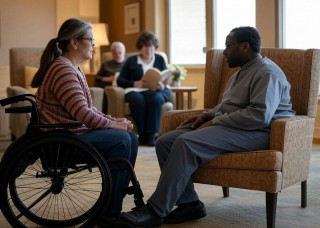
      Medicaid waivers for assisted living services provide vital support for seniors and individuals with disabilities in need of long-term care, with varying state-specific eligibility criteria and benefits. These waivers cover personal care and case management but often do not fully cover room and board, leading to waiting lists for many applicants.

    • assisted living for disabled adultsComprehensive Residential Support and Assisted Living Solutions for Individuals with Disabilities

      The article examines the complexities of assisted living for individuals with disabilities, emphasizing the need for tailored care solutions that enhance quality of life and social inclusion, while addressing financial challenges and advocating for community integration. It discusses various housing options, the importance of financial assistance through public benefits, and highlights trends towards integrated and technology-driven solutions in disability-focused housing.


    Get Pricing Ask A Question Schedule A Tour Contact Senior Advisor