Wildewood Downs offers a range of living options that reflect its premium amenities and services, with monthly costs notably higher than both Richland County and the broader state of South Carolina. For instance, a studio apartment at Wildewood Downs is priced at $4,595, significantly exceeding the county average of $3,263 and the state figure of $3,649. Similarly, private rooms at Wildewood Downs are available for $8,495, a considerable leap from Richland County's average cost of $4,978 and South Carolina's median of $4,246. These figures suggest that while Wildewood Downs may come at a higher price point, it likely provides an elevated experience that justifies the investment for those seeking premium assisted living accommodations.
Floor plans
Wildewood Downs
Richland County
South Carolina
Studio
$4,595
$3,263
$3,649
Private
$8,495
$4,978
$4,246
Memory care communities with a similar price nearby
from -$495 / mo
The Colonial at Old Camden
4.9 from 113 reviews
$4,100 to $5,600 / month
19.0 miles away
from -$195 / mo
Colonial Gardens Transitional Assisted Living and Memory Care
Residents and families repeatedly describe staff as caring and supportive.
Across many reviews, residents and families say the staff treats people with respect and kindness, and that they feel heard when needs come up. Multiple reviewers specifically call out nurses, CNAs, therapists, and social/administration staff as going above and beyond during care and recovery. A few reviews also mention that the atmosphere feels welcoming and that visitors are made comfortable when they stop by.
differentiator10 reviews mention this
Rehab and care teams help patients recover
Rehab stays are a major part of why families choose Wildewood Downs.
Several reviews focus on short-term rehab and skilled nursing, describing therapy as helpful and care teams as professional and attentive. Reviewers mention occupational and physical therapy and also describe medication timing and daily support as part of the recovery experience. Some families emphasize that the community’s multiple care levels made transitions smoother when needs changed.
common9 reviews mention this
Food quality shows up in reviews
Dining is frequently described as better than expected.
Many reviewers comment positively on meals, calling the food good or excellent and noting that it feels less institutional than other places. Some also describe staff coordinating meals and ensuring residents are fed, including during special situations. A small number of reviews mention that food preferences can be a drawback, but the overall tone remains strongly positive.
common6 reviews mention this
Activities and social events stand out
Residents are active, with events planned for a variety of interests.
Reviews describe a steady schedule of activities and community events, including social gatherings and themed celebrations. The social director is mentioned by name in multiple reviews, with examples like animal-themed programming, craft classes, and holiday events. Some reviewers also describe exercise and ongoing programming that helps residents stay engaged.
common4 reviews mention this
Maintenance support is often praised
Maintenance requests are frequently handled promptly and professionally.
A handful of reviews specifically praise maintenance staff for fixing issues and responding without hesitation. Reviewers mention improvements like installing or repairing items and helping with move-related needs, including practical support during transitions. There are also a couple of contrasting comments about maintenance not addressing concerns quickly, but the majority of maintenance mentions lean positive.
caveat2 reviews mention this
Pricing feels high to some families
Some reviewers feel the community is priced on the high side.
At least a couple of reviewers directly describe the community as expensive or note that costs can rise over time. One review pairs that concern with a perception that service quality may not always match the price. If you’re comparing options, it may help to review unit-by-unit costs and what’s included in day-to-day care.
How we summarize
Counts show how many written reviews mention each theme; a review can touch several themes, and only frequently mentioned themes are displayed.
Features
Housing
244 resident community capacity
1-bedroom apartments
2-bedroom apartments
3-bedroom apartments
Detached homes
Studio apartments
Types of Care
Assisted Living
Continuing Care Retirement Community (CCRC)
Independent Living
Memory Care
Amenities
Air-conditioning
Beauty salon
Cable or satellite TV
Computer center
Dining room
Fitness room
Fully furnished
Gaming room
Garden
Housekeeping services
Kitchenette
Move-in coordination
Outdoor space
Private bathrooms
Respite or short term stays offered
Restaurant-style dining
Small library
Telephone
Wellness center
Wi-Fi/high-speed internet available
Transportation
Columbia Metropolitan (17 miles away)
Community operated transportation
Transportation arrangement
Transportation arrangement (non-medical)
Care Services
12-16 hour nursing
24-hour call system
24-hour supervision
Activities of daily living assistance
Assistance with bathing
Assistance with dressing
Assistance with transfers
Coordination with health care providers
Dementia waiver
Diabetes diet
Hospice waiver
Meal preparation and service
Medication management
Mental wellness program
Special dietary restrictions
Specialized memory care programming
Transportation arrangement (medical)
Transportation to doctors appointments
Dining
Diabetes diet
Special dietary restrictions
Activities
Community-sponsored activities
Concierge services
Fitness programs
Planned day trips
Resident-run activities
Scheduled daily activities
Videos
Nearby Places of Interest
Places of Worship
Spring Valley Baptist Church (1.3 miles)
Grace Life Church (2.8 miles)
Sandhills Community Church (3.5 miles)
Restoration Life Ministries (3.6 miles)
Radiant Life Church (3.7 miles)
Tree of Life Congregation (4.6 miles)
Shandon Baptist Church (6.1 miles)
Physicians
Lexington Family Practice Northeast (1.4 miles)
Associates In Gastroenterology (1.7 miles)
Sophistication Me (1.7 miles)
Berkeley Endoscopy Center (1.8 miles)
Northeast Dermatology (1.9 miles)
Internal Cleansing & Healing Center (1.9 miles)
Palmetto Orthopaedic Clinic PA (2 miles)
Restaurants
Taco Bell (1.5 miles)
Cook Out (1.8 miles)
Applebee's (1.9 miles)
Wendy's (1.9 miles)
Zaxby's (2 miles)
Chick-Fil-A (2 miles)
Red Lobster (2.1 miles)
Cafes
Starbucks (1.9 miles)
Starbucks (2.2 miles)
Starbucks (3.2 miles)
Starbucks (3.5 miles)
The Human Bean Columbia, Summit Parkway (5.1 miles)
Starbucks (5.1 miles)
Starbucks (5.3 miles)
Pharmacies
CVS Pharmacy (2 miles)
Walgreens (2.2 miles)
Walgreens (3.1 miles)
Octapharma Plasma (3.9 miles)
Walgreens (4.4 miles)
Walgreens (4.6 miles)
CVS Pharmacy (4.7 miles)
Transportation
U-Haul Moving & Storage (4.1 miles)
Theaters
Spotlight Cinemas Capital 8 (4.7 miles)
Hospitals
U HS Pruitt (5.2 miles)
Moncrief Army Hospital (5.9 miles)
Parks
Lake Carolina Properties Harborside Village Green (6.3 miles)
Wildewood Downs offers a range of living options that reflect its premium amenities and services, with monthly costs notably higher than both Richland County and the broader state of South Carolina. For instance, a studio apartment at Wildewood Downs is priced at $4,595, significantly exceeding the county average of $3,263 and the state figure of $3,649. Similarly, private rooms at Wildewood Downs are available for $8,495, a considerable leap from Richland County's average cost of $4,978 and South Carolina's median of $4,246. These figures suggest that while Wildewood Downs may come at a higher price point, it likely provides an elevated experience that justifies the investment for those seeking premium assisted living accommodations.
Wildewood Downs offers a comprehensive array of features designed to enhance the quality of life for residents experiencing dementia or Alzheimer's disease. Assistance with dressing and bathing supports personal dignity and promotes a sense of normalcy, while meal preparation ensures that nutritional needs are met in an enjoyable way. Medication management plays a crucial role in adhering to treatment plans, reducing the risk of missed doses or adverse interactions. Transportation arrangements facilitate access to medical appointments, ensuring continuity of care through coordination with healthcare providers. Providing assistance with transfers enhances mobility and safety within the community, allowing residents to engage more fully in activities of daily living. With 24-hour supervision, residents benefit from constant support and immediate attention when needed. The dementia waiver enables tailored care approaches, while the mental wellness program contributes to emotional well-being. Finally, specialized memory care programming engages residents intellectually and socially, fostering an environment where they can thrive despite cognitive challenges.
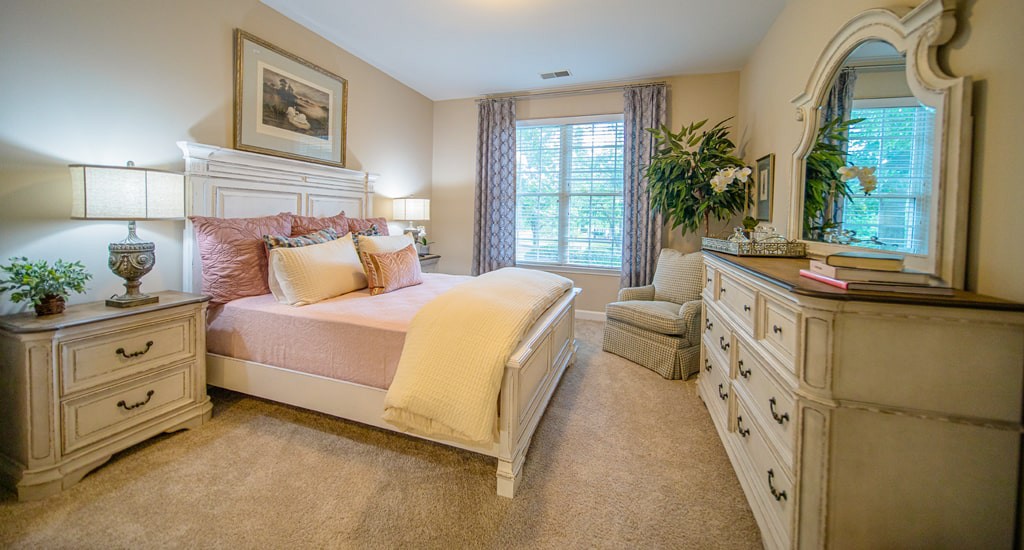
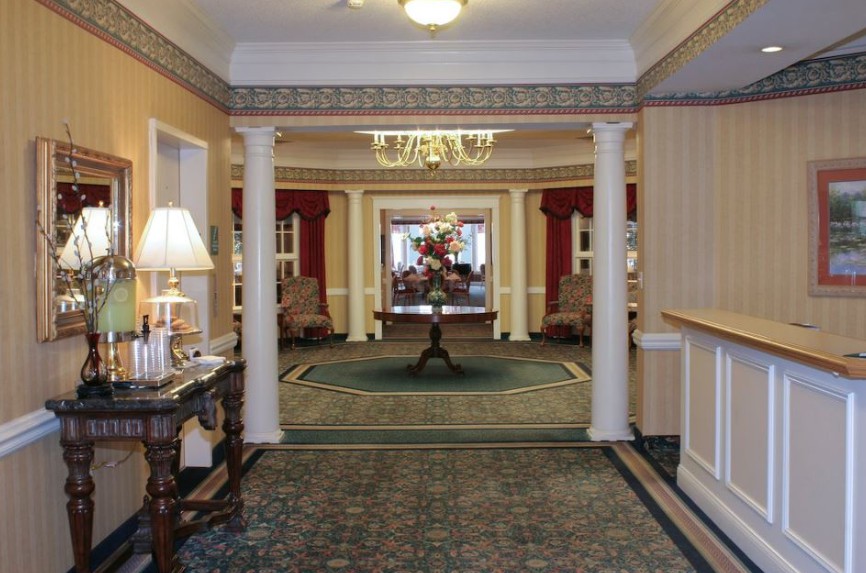
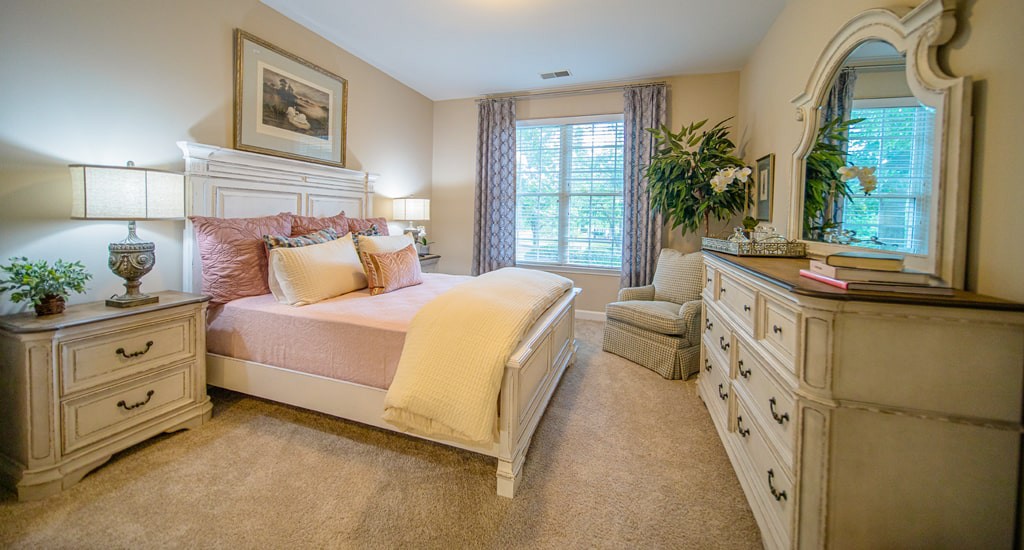
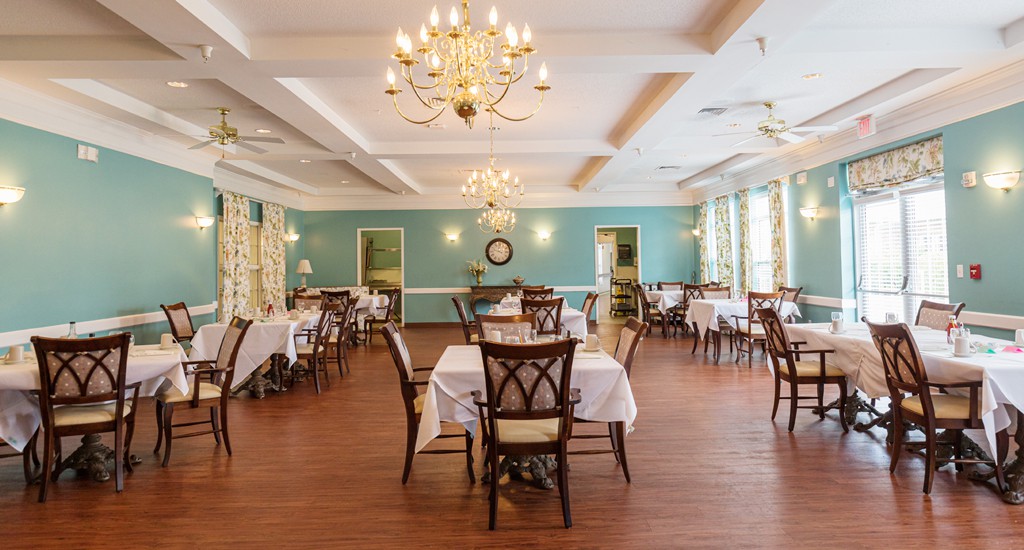
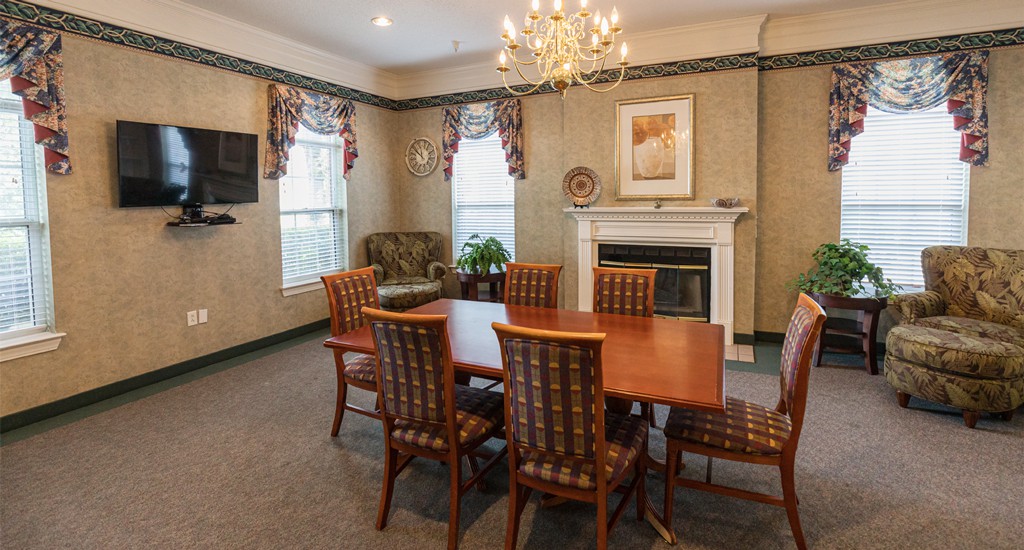
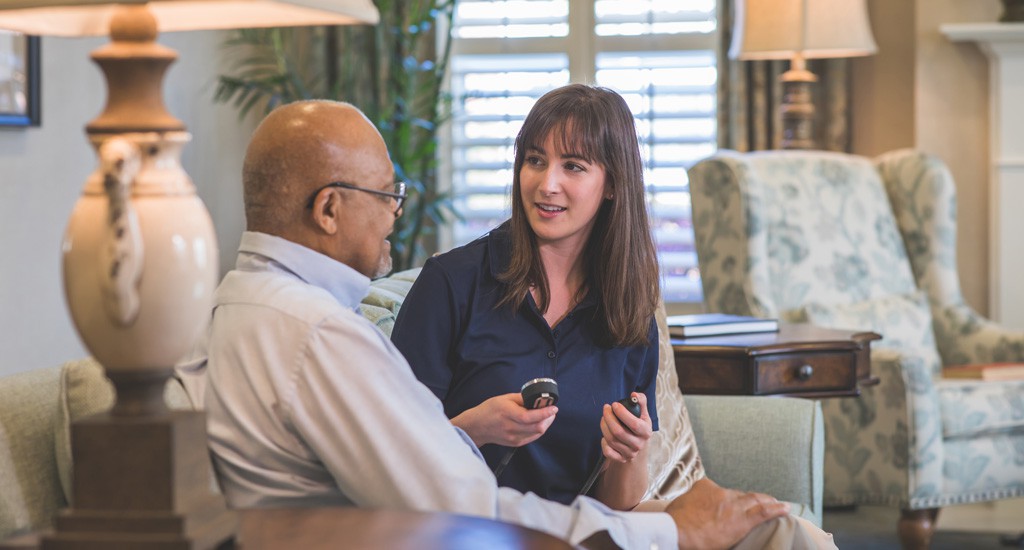
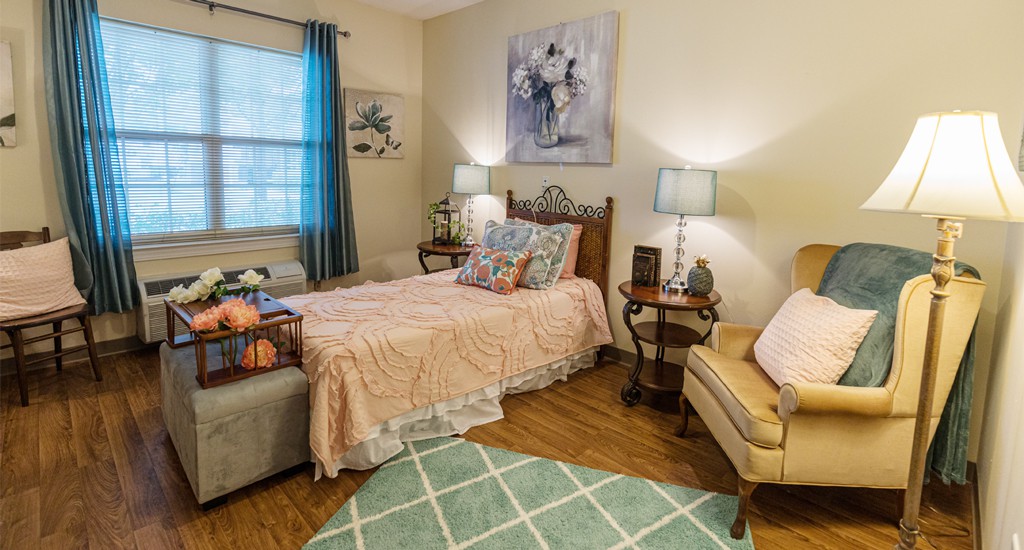
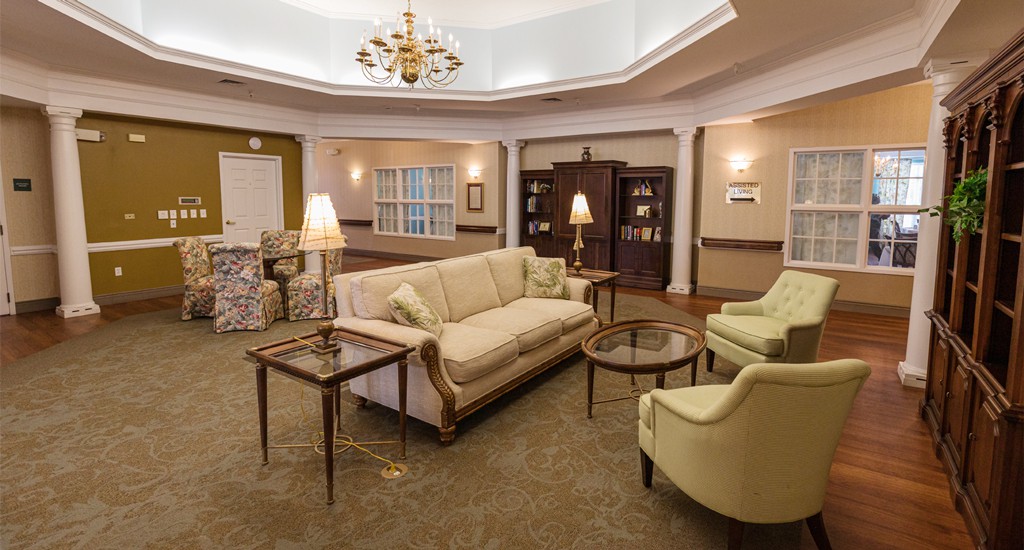
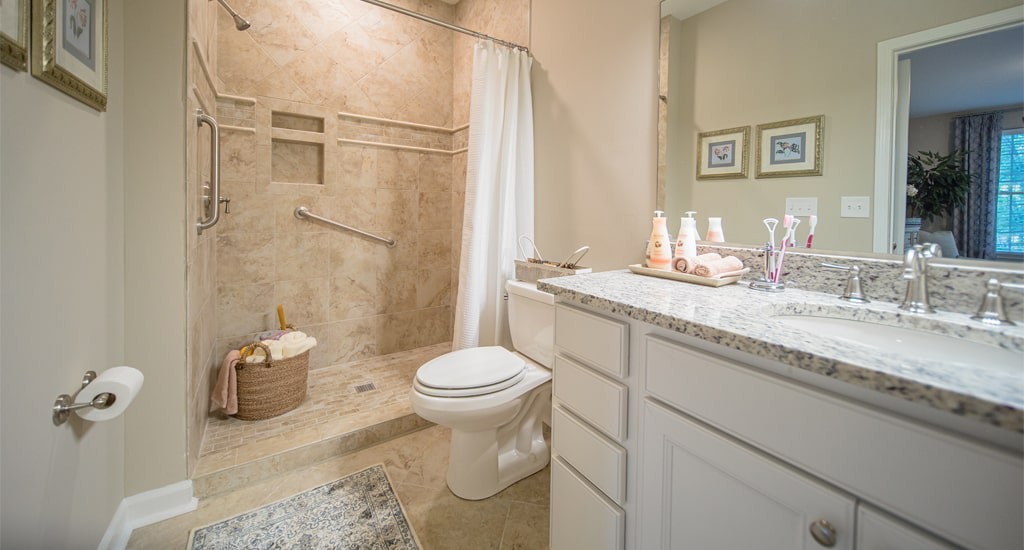
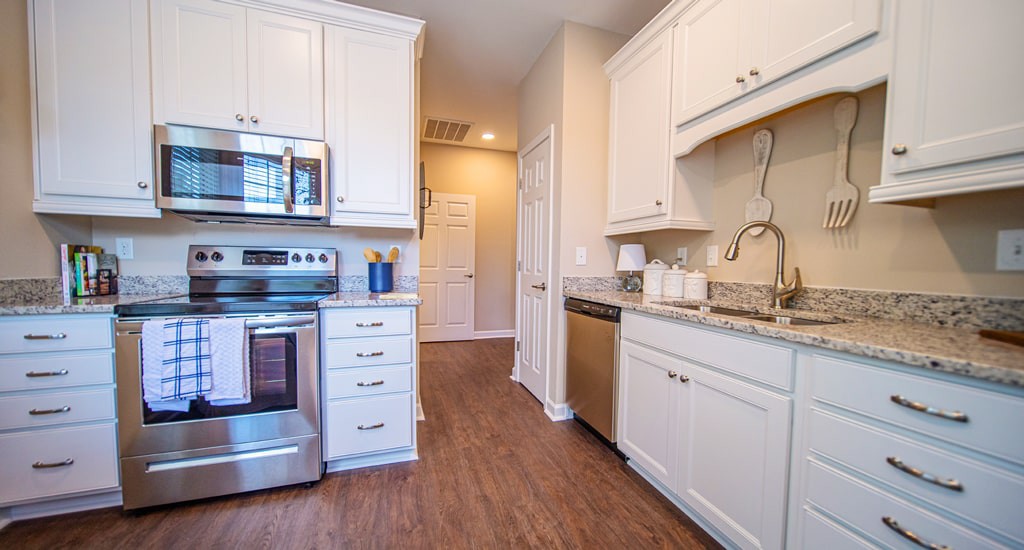
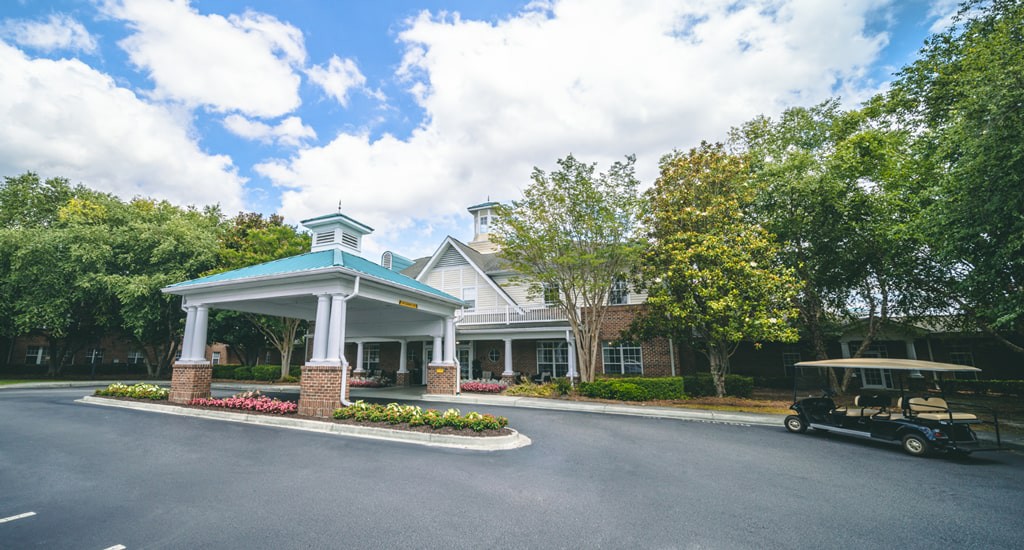
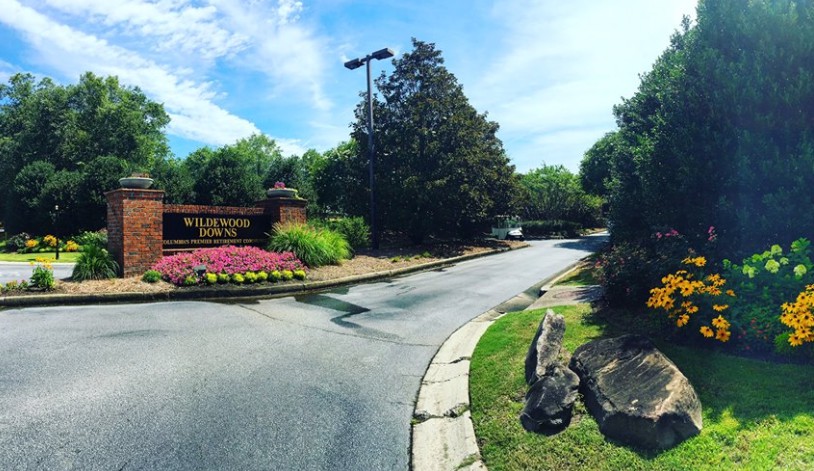
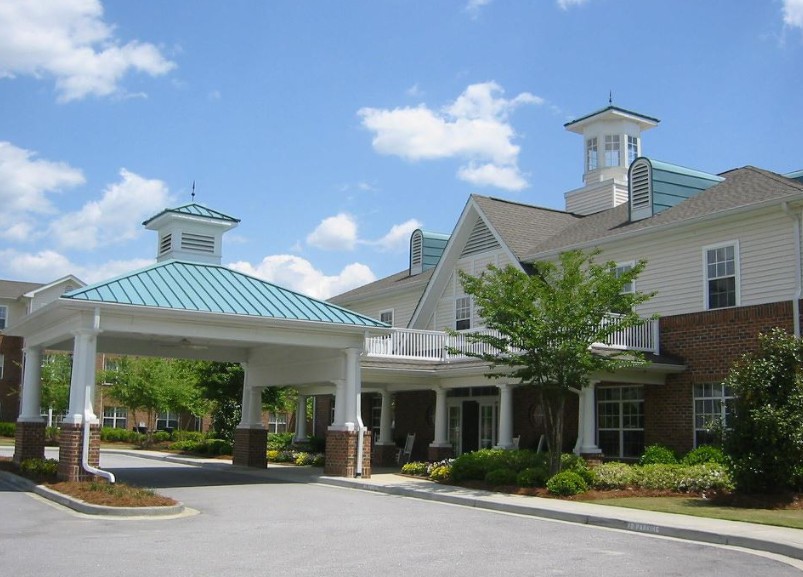
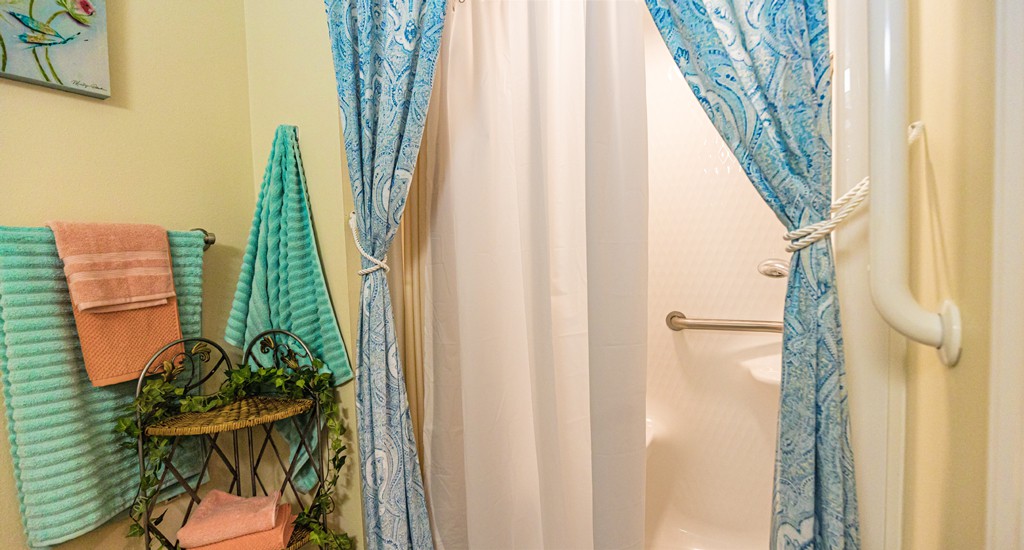
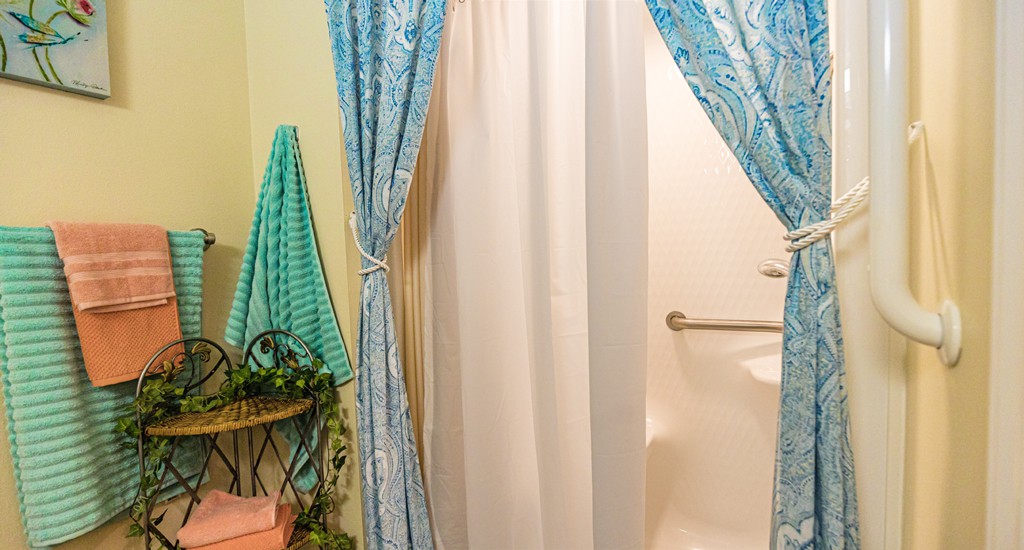
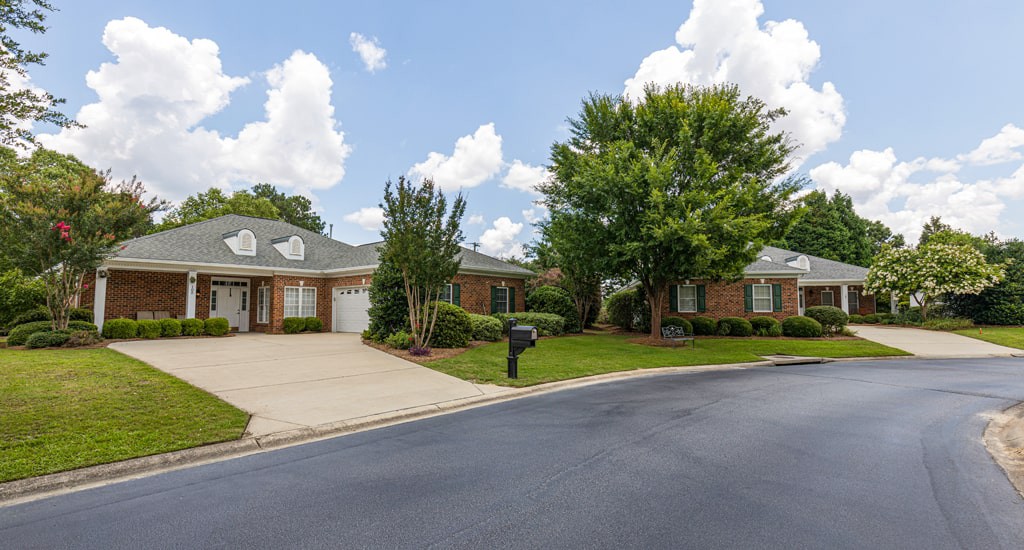
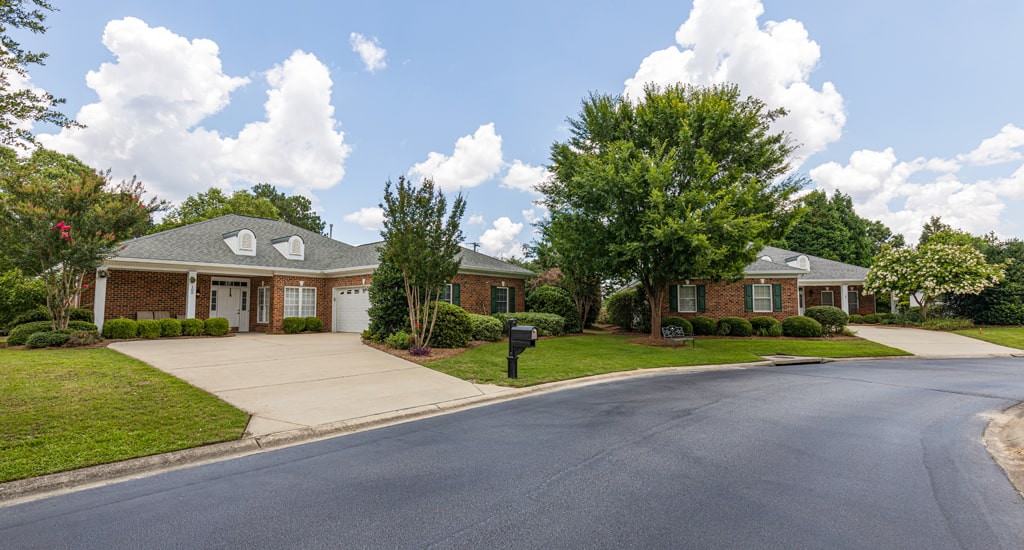
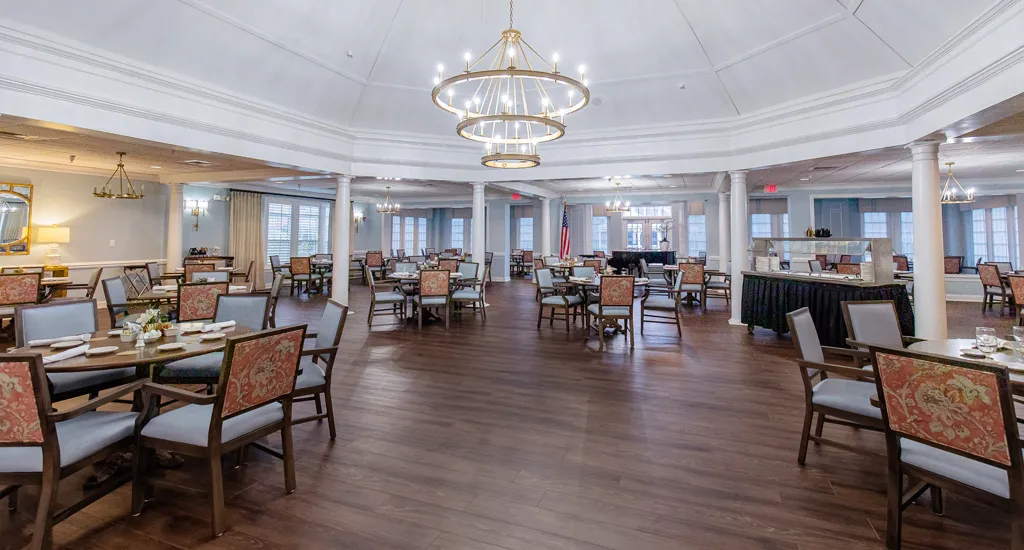
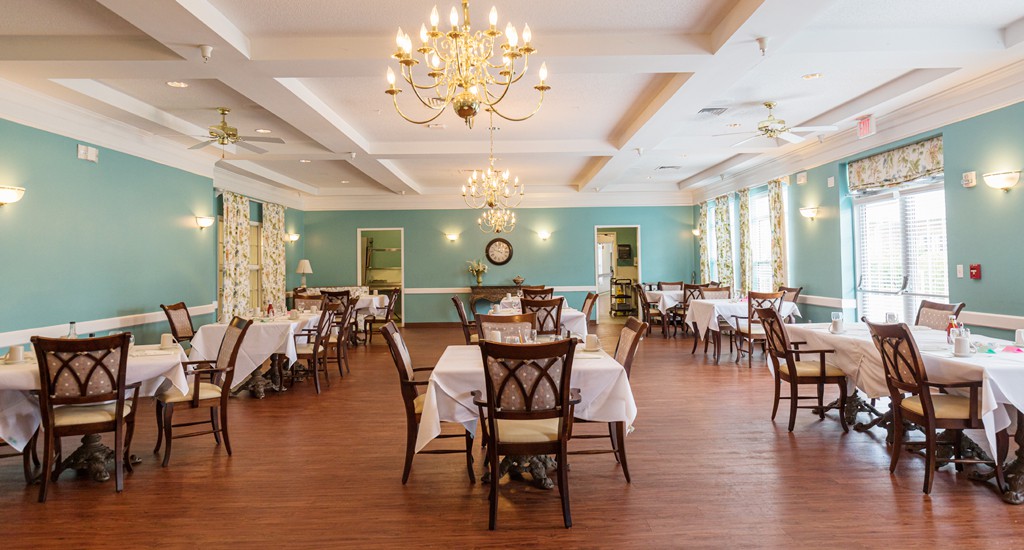
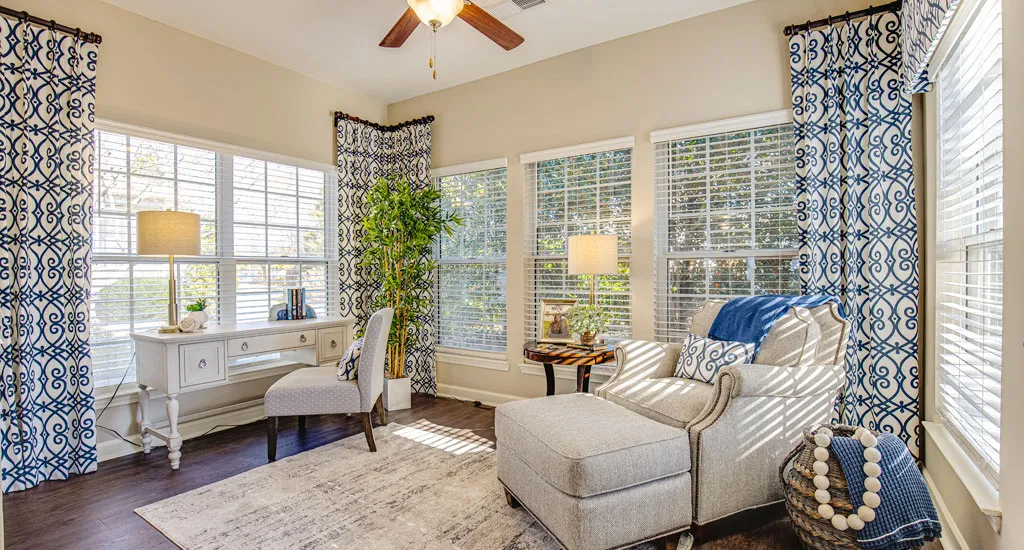
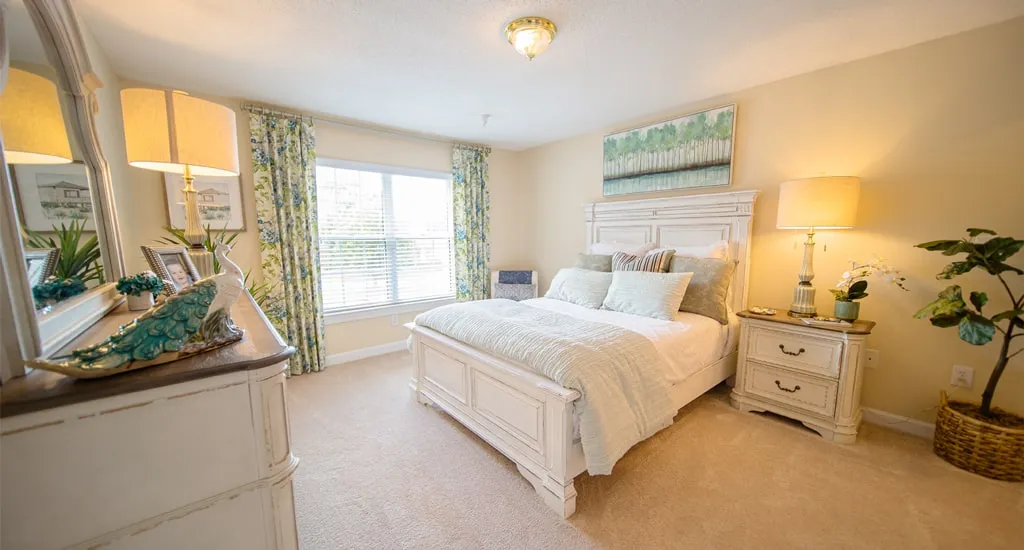
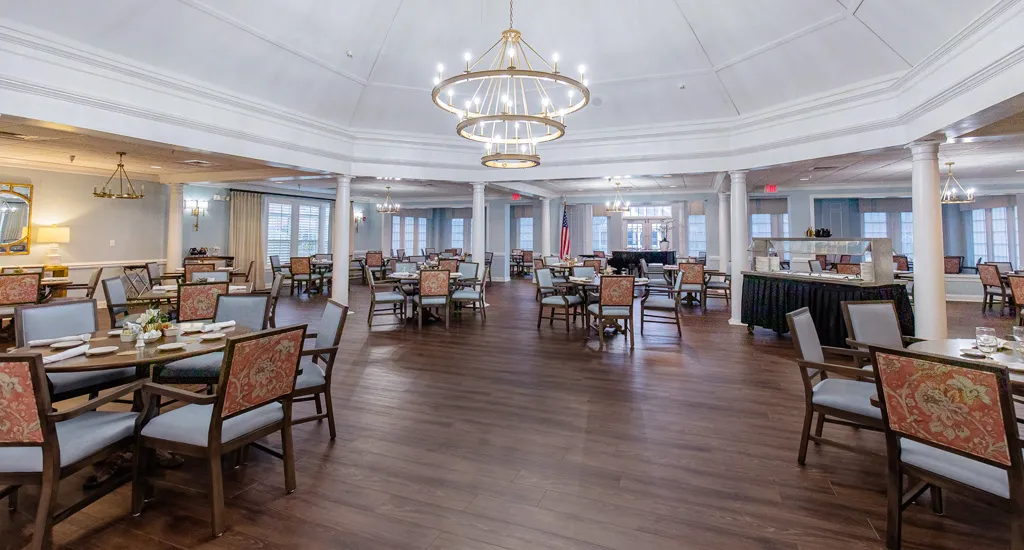
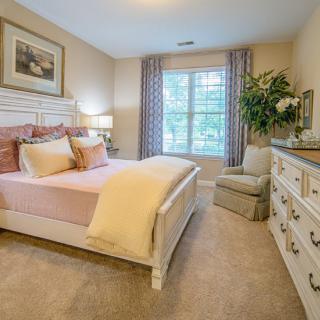
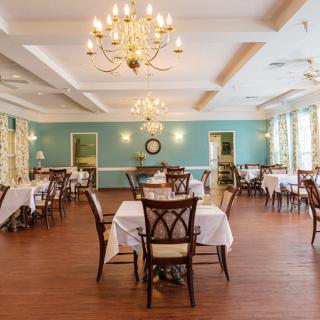
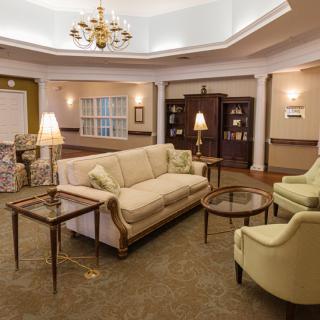
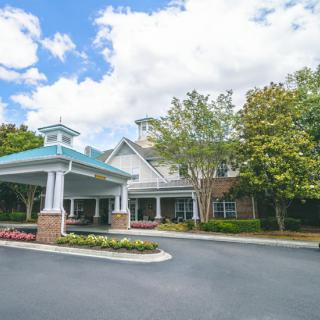
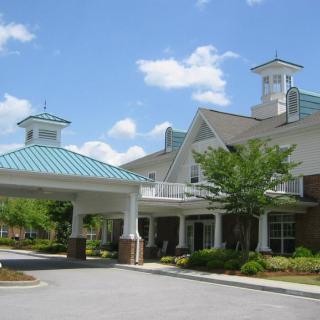
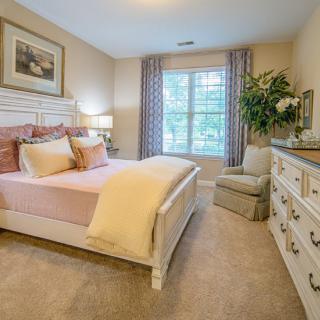
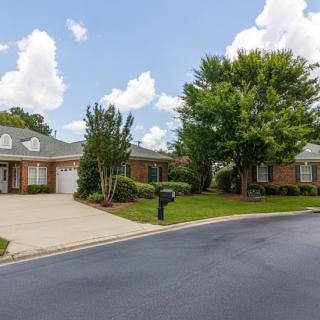
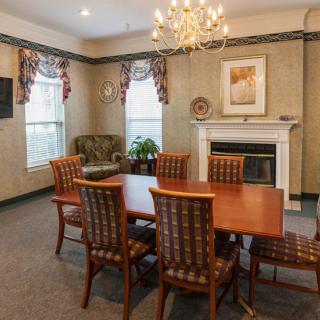
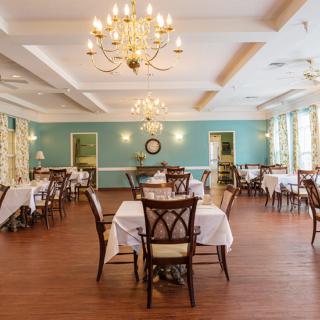
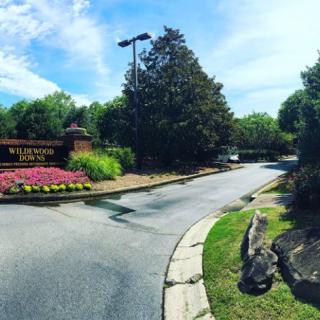
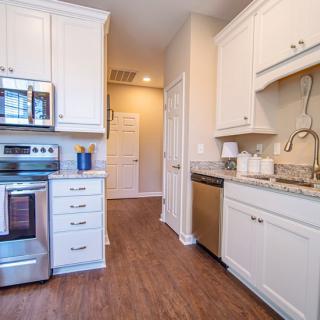
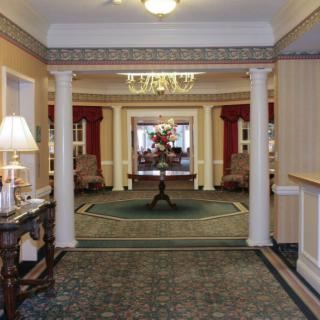
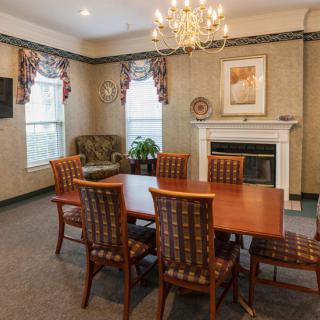
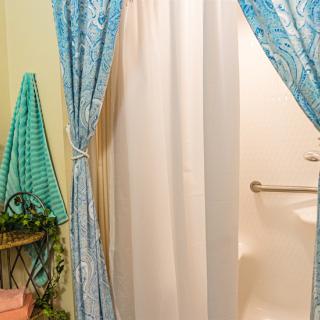
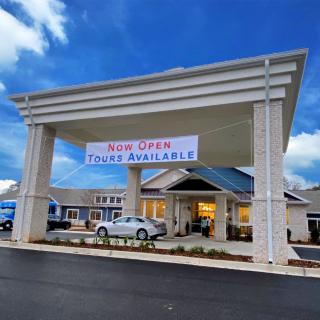
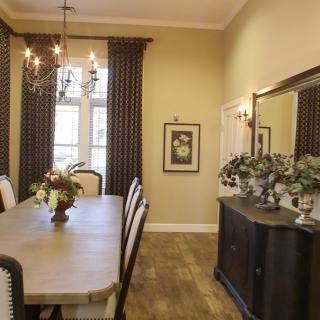
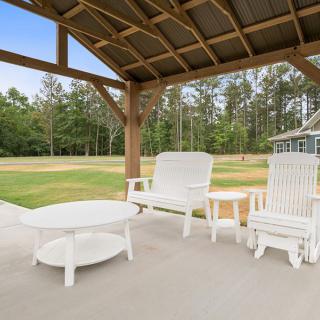
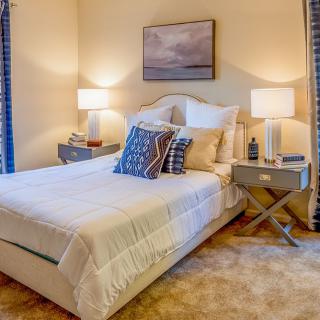
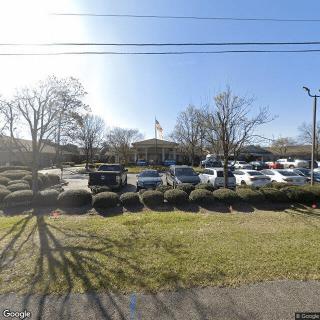
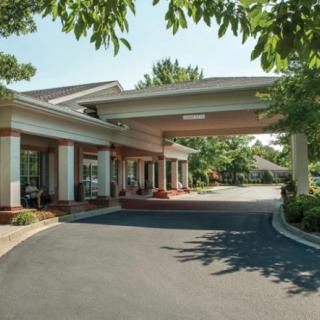
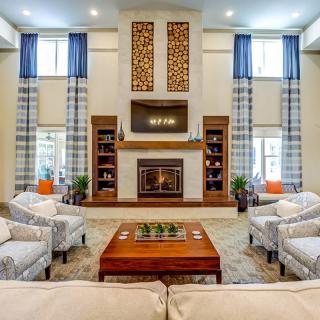
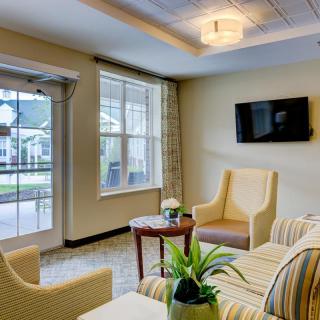
Wildewood Downs on seniors.fyi includes 45 photos including images showing interior, bathroom, bedroom, dining, chandelier, decor, trees, shower, and more.
Nearby Communities
Wildewood Downs Retirement Community
Columbia, SC
4.8 from 128 reviews
$3,085 to $5,890 / month
Vibrant community with engaging activities and attentive staff.
Wildewood Downs Nursing And Rehabilitation Center
Columbia, SC
4.8 from 100 reviews
Comprehensive care with private furnished suites and restaurant-style dining.
Mill Creek Manor
Columbia, SC
3.5 from 106 reviews
$1,700 to $2,900 / month
Compassionate staff with on-site care options and competitive pricing.
Addison's Community Care Home
Columbia, SC
Small, intimate setting (9 residents) with 24/7 supervision and ADL support.
Life Care Ctr of Columbia
Columbia, SC
4.5 from 119 reviews
$2,700 / month
Strong rehabilitation and professional medical care.
Life Care Center Of Columbia I
Columbia, SC
4.4 from 108 reviews
Clean, well-maintained facility with strong therapy services and engaging activities.
Inspire Sandhill
Columbia, SC
4.2 from 17 reviews
$1,700 to $3,420 / month
Beautiful, luxurious facility with extensive on-site amenities and friendly staff.
The Palmettos of Parklane
Columbia, SC
3.6 from 15 reviews
Friendly, knowledgeable staff with engaging memory care activities.
Rice Estate
Columbia, SC
3.7 from 80 reviews
Helpful staff with a wide range of activities in a clean, homey setting.
VA nursing homes, or Community Living Centers (CLCs), offer tailored long-term care for veterans, featuring medical attention and rehabilitation in a supportive environment. The guide covers facility types, eligibility criteria, financial assistance options, quality of care standards, and alternatives to full-time nursing home placement.
At-home dementia care expenses vary widely based on care levels, location, and caregiver expertise, with monthly costs for home health aides exceeding $4,500 and specialized care potentially surpassing $100,000 annually. While families favor in-home care for its comfort and personalized attention, they must consider financial planning and the challenges of caregiver fatigue.
The article discusses the late stages of dementia, detailing the progression from mild to severe impairment and highlighting key characteristics such as profound cognitive decline and dependency in daily activities. It emphasizes care strategies focused on comfort and dignity, the importance of advance directives, and the emotional support needed for family caregivers facing this challenging journey.
Kitchen, Appliances, Cabinets, Hardwood Floor, and Oven
Artwork
Chandelier
Fireplace
Entrance
Lobby
Clouds
Grab Bars
Road
Interior Decor
Traditional Decor
Get PricingAsk A QuestionSchedule A TourContact Senior Advisor
By clicking submit, you agree to our Partner's Terms of Use. You
also consent to receive calls and texts, which may be autodialed, from our Partner. Your consent is not a condition to
using our Partner's service. Please visit our Partner's Privacy Policy for information about their privacy practices.


 244 resident community capacity
 1-bedroom apartments
 Detached homes
 Assisted Living
 Continuing Care Retirement Community (CCRC)
 Independent Living
 Memory Care
 Air-conditioning
 Beauty salon
 Cable or satellite TV
 Computer center
 Dining room
 Fitness room
 Fully furnished
 Gaming room
 Garden
 Housekeeping services
 Kitchenette
 Move-in coordination
 Outdoor space
 Private bathrooms
 Respite or short term stays offered
 Restaurant-style dining
 Small library
 Telephone
 Wellness center
 Wi-Fi/high-speed internet available
 Columbia Metropolitan (17 miles away)
 Community operated transportation
 12-16 hour nursing
 24-hour call system
 Activities of daily living assistance
 Assistance with bathing
 Assistance with dressing
 Assistance with transfers
 Diabetes diet
 Hospice waiver
 Medication management
 Mental wellness program
 Special dietary restrictions
 Transportation arrangement (medical)
 Concierge services
 Planned day trips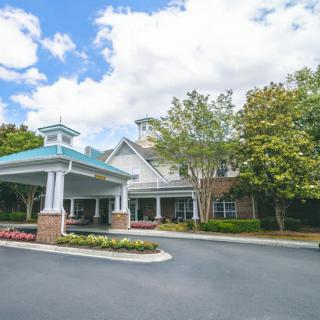
 Vibrant community with engaging activities and attentive staff.

 Comprehensive Guide to VA Nursing Homes: A Crucial Long-Term Care Resource for Veterans
 Estimating the Expenses of At-Home Dementia Care: A Detailed Exploration
 Comprehensive Insights on the Late Stages of Dementia: What to Expect and How to Provide Care