For more information about senior living options: (866) 208-4318
4.7 from 31 reviews
5 stars
27
4 stars
2
3 stars
0
2 stars
0
1 stars
2
Overall Review of We Care Home Care
common20 reviews mention this
Caregivers feel compassionate and dependable
Caregivers and staff are described as genuinely kind and dependable.
Across reviews, families repeatedly say the staff treats their loved ones with compassion and follow-through. Parents also describe the teachers as attentive and committed to children’s well-being, not just supervision. For in-home care, multiple reviewers mention caregivers who are well trained and responsive, including for scheduling changes and day-to-day support.
common6 reviews mention this
The environment feels safe and clean
Residents and families mention a clean, secure environment.
Several reviewers highlight cleanliness and a sense of safety, describing a facility that feels well kept and protective. In child care reviews, families mention a clean and organized space and children feeling secure day to day. In the elder-care reviews, the same “safe and cared for” theme shows up in how families describe care for parents and other loved ones.
common7 reviews mention this
Communication is praised as responsive
Families describe communication that is quick and easy to trust.
Reviewers often mention fast responses to calls and requests, along with regular updates when needed. Child care reviews specifically point to daily updates and progress-style reporting, while other reviews describe prompt scheduling changes and timely phone support. Overall, families seem to value being kept informed and having questions answered without delay.
common8 reviews mention this
Leadership by Mrs. Haynes stands out
Leadership is repeatedly singled out for caring, professionalism, and quick follow-up.
Many reviews tie their best experiences to the director/owner, describing Mrs. Haynes as exceptionally caring and professional. Families say she works closely with parents, addresses concerns promptly, and treats children with respect while maintaining a structured environment. In both child care and in-home care contexts, reviewers describe the director as actively involved rather than hands-off.
differentiator4 reviews mention this
Home care supports seniors’ daily needs
Reviews describe home care that includes companion and overnight support.
Some reviews shift from child care to elder-focused home support, describing caregivers who assist after hospital stays and provide overnight care. One reviewer also mentions sitter-companion support requested for residents at risk, emphasizing professionalism and responsiveness. Another describes caregivers taking excellent care during a return home, reinforcing that families associate the service with hands-on day-to-day help.
How we summarize
Counts show how many written reviews mention each theme; a review can touch several themes, and only frequently mentioned themes are displayed.
Features
Transportation
Charleston AFB International (3 miles away)
Nearby Places of Interest
This part of North Charleston, South Carolina is a vibrant and convenient area for senior living. With a variety of dining options such as Cracker Barrel, Waffle House, and Chick-Fil-A nearby, residents can enjoy delicious meals without having to travel far. There are also reputable physicians and medical facilities in close proximity, including Alpha Medical & Spinal Care and Charleston Cancer Center. Pharmacies like Walgreens and CVS make it easy to access necessary medications. In terms of recreational activities, parks such as Wescott Park offer opportunities for outdoor enjoyment. Additionally, the presence of places of worship like The Revelation of Christ Church provides spiritual support for residents. Overall, this area combines essential amenities with a sense of community that would be ideal for seniors looking for a comfortable and accessible living environment.
Restaurants
Cracker Barrel (1.3 miles)
Waffle House (1.5 miles)
Wendy's (1.5 miles)
Red Crab (1.6 miles)
Raising Cane's Chicken Fingers (1.9 miles)
Chick-Fil-A (1.9 miles)
Wild Wing Cafe (1.9 miles)
Physicians
Alpha Medical & Spinal Care (1.7 miles)
Charleston Women's Wellness Center (2.2 miles)
Palmetto Primary Care Physicians (2.7 miles)
Charleston Dermatology (3 miles)
Allied Medical Staffing (3 miles)
Charleston Cancer Center (3 miles)
Tricounty Radiology (3.1 miles)
Pharmacies
Walgreens (1.8 miles)
Target Pharmacy (2 miles)
CVS Pharmacy (2.4 miles)
Walgreens (2.5 miles)
CVS Pharmacy (3.2 miles)
Walgreens (4 miles)
CVS Pharmacy (4.2 miles)
Cafes
Starbucks (1.8 miles)
Starbucks (3.2 miles)
Sunoco APlus (5.4 miles)
Hospitals
Trident Eye Surgery Center (3.2 miles)
Lowcountry Outpatient Surgery Center (5.7 miles)
HCA Healthcare (5.7 miles)
Transportation
Charleston International Airport (CHS) (3.6 miles)
Baggage Claim (3.6 miles)
Parks
Wescott Park (3.7 miles)
Middleton Park (5.4 miles)
Places of Worship
The Revelation of Christ Church (4.5 miles)
North Charleston United Methodist Church (6.1 miles)
Living wills and advance directives are crucial legal documents that outline an individual's healthcare preferences when they cannot make decisions themselves, enhancing patient autonomy and alleviating family stress during medical crises. The article emphasizes the need for these documents to be personalized, legally valid, and regularly updated, while also encouraging communication about end-of-life wishes among family members and healthcare providers.
The article examines living wills and advance directives, highlighting their significance in expressing healthcare preferences for those unable to communicate due to illness or incapacity. It discusses their historical development, legal components, limitations, practical drafting advice, and the importance of clear communication among families and healthcare professionals regarding end-of-life decisions.
Hospice care focuses on providing comfort and support for individuals nearing the end of life, with Medicare Part A covering services like nursing care and counseling for patients with a terminal illness and a life expectancy of six months or less. While most hospice services are low-cost for eligible patients, families should be aware that certain expenses, such as room and board, may not be covered.
Get PricingAsk A QuestionSchedule A TourContact Senior Advisor
By clicking submit, you agree to our Partner's Terms of Use. You
also consent to receive calls and texts, which may be autodialed, from our Partner. Your consent is not a condition to
using our Partner's service. Please visit our Partner's Privacy Policy for information about their privacy practices.


 Charleston AFB International (3 miles away)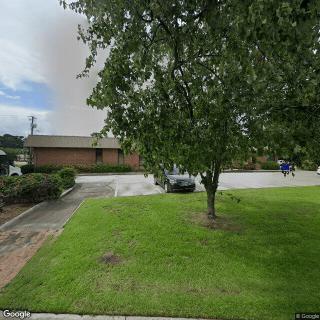
 Excellent access to healthcare and local amenities.


 Comprehensive Exploration of Living Wills and Other Advance Directives
 A Detailed Exploration of Living Wills and Advance Directives
 Comprehensive Guide to Medicare Coverage for Hospice Care