Residents and families describe caregivers who are consistently kind and attentive.
Across many reviews, families emphasize day-to-day attentiveness: caregivers notice needs, provide companionship, and help with routines and appointments. Several reviewers also mention respectful, dignified support, including during end-of-life situations. Many comments frame reliability and responsiveness as a major reason they felt confident about care.
differentiator18 reviews mention this
Dementia and complex needs handled
Residents’ families describe support that adapts to dementia-related changes.
Several reviews specifically reference dementia or Alzheimer’s and describe care that adjusts as needs change over time. Reviewers mention caregiver matching when someone does not respond to a particular caregiver, and continued support as conditions progress. This aligns with the care services listed for Oak Hill Residential Care, which includes ambulatory care and diabetic care for residents who need ongoing support.
common16 reviews mention this
Scheduling flexibility is a theme
Families often highlight flexibility with scheduling and added coverage.
Many reviews describe working around changing plans, including schedule adjustments and accommodating extra time when needed. Several reviewers also mention coverage for evenings or weekends and quick help when circumstances shift. For day-to-day life at Oak Hill Residential Care, this kind of practical support complements what the community provides for meals and on-site activities, so residents can keep routines consistent.
common6 reviews mention this
Meals and being taken out
Residents’ routines include help with meals and outings.
A recurring thread in reviews is assistance with eating and going out, described as part of daily support and companionship. This pairs with the community’s offering of meals provided, which supports mealtime structure for residents. When residents have limited mobility or need help getting to appointments, reviews also describe caregivers supporting those trips.
caveat3 reviews mention this
Some reviews are sharply negative
A small subset of reviews raise serious concerns about management.
A few reviews are critical, describing problems with communication and follow-through, plus concerns about stability and management behavior. These comments are notably different from the many reviews that focus on respectful, dependable support. Because the negative feedback is limited in number, it may reflect outlier experiences rather than the typical day-to-day interactions described elsewhere.
How we summarize
Counts show how many written reviews mention each theme; a review can touch several themes, and only frequently mentioned themes are displayed.
Features
Types of Care
Assisted Living
Amenities
Activities on-site
Devotional services off-site
Indoor common areas
Care Services
Ambulatory care
Diabetic care
Dining
Meals provided
Activities
Activities on-site
Devotional activities offsite
Nearby Places of Interest
This part of Anderson, South Carolina, offers a variety of amenities and services within close proximity. There are several restaurants nearby, ranging from casual dining options like Waffle House to more upscale choices such as Da Vinci's Ristorante Italiano. Places of worship are also easily accessible, with a diverse selection of churches within a few miles. For medical needs, there are multiple physicians' offices, hospitals, and pharmacies in the area. Additionally, there are cafes for socializing and parks for leisurely walks. Public transportation is available through a U-Haul Neighborhood Dealer for convenient travel around the area. Overall, this neighborhood provides a convenient and diverse environment that may appeal to seniors looking for a comfortable place to live in Anderson.
Restaurants
Earle Street Kitchen & Bar (0.5 miles)
Raines on Main (0.5 miles)
Da Vinci's Ristorante Italiano (0.9 miles)
Waffle House (1.3 miles)
Master's Wok Chinese Restaurant (1.5 miles)
Sweet Tooth Cafe (1.7 miles)
KFC (1.9 miles)
Places of Worship
Covenant World Outreach (0.5 miles)
St John's United Methodist Church (0.8 miles)
Southern Baptist Convention (0.9 miles)
Friendship Holiness Church Anderson (1.4 miles)
House Of Lydia Ministries (1.7 miles)
North Anderson Baptist Church (1.7 miles)
Church of Jesus Christ of Latter Day Saints (2 miles)
Physicians
Anmed Health Westside Family Medicine (0.5 miles)
Affordable Dentures (0.5 miles)
Diagnostic Radiology of Anderson PA (0.6 miles)
Carolinas Center for Advanced Managment of Pain (0.8 miles)
Anmed Child Health Center (0.8 miles)
Carolina Imaging Center (0.9 miles)
Direct Access MD (0.9 miles)
Parks
Carolina Wren Park (0.6 miles)
Anderson Sports And Entertainment Complex (3 miles)
Hospitals
AnMed Health Minor Care (0.9 miles)
Anderson Memorial Hospital (0.9 miles)
Anmed Health Cardiology Reading Room (1 miles)
Anmed Health Icu (1 miles)
Anderson Area Medical Center (1 miles)
An Medical Health Medical Center (1 miles)
Anmed (1.4 miles)
Cafes
Grace's Coffee House & Restaurant (1 miles)
Reflections Cafe (1 miles)
Starbucks (2.4 miles)
Pharmacies
Professional Pharmacy (1 miles)
Anderson Area Medical Center - Anmed Home Care Services, Private Care (1 miles)
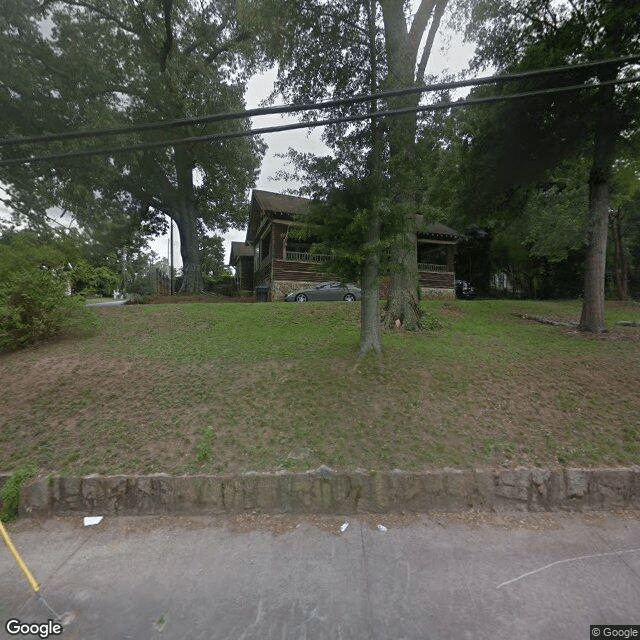
Oak Hill Residential Care is located at 703 W Whitner St, Anderson, SC 29624 in Anderson County, South Carolina
Nearby Communities
Assurance Healthcare Services LLC
Anderson, SC
Strong access to healthcare, dining, transportation, worship, and parks nearby.
Fitzgerald Residential Care
Anderson, SC
Specialized diabetic care with on-site activities.
Connie's Residential Care
Anderson, SC
3.5 from 62 reviews
Warm, supportive care with personalized diabetic care and comfortable common areas.
Senior Helpers - Anderson
Anderson, SC
4.6 from 29 reviews
Friendly staff and reliable care; standout caregiver Virginia.
Upstate Residential Care
Anderson, SC
3 from 2 reviews
Small, intimate community with personalized care and robust memory-care programming.
Starlite Residential Home
Anderson, SC
3.3 from 16 reviews
Homelike setting with on-site activities and diabetes care.
Ellenburg Nursing Center
Anderson, SC
3.3 from 4 reviews
Caring staff and engaging activities for residents.
Linley Park
Anderson, SC
4.1 from 115 reviews
Prime location with convenient access to amenities including cafes, parks, pharmacies, physicians, restaurants, transportation, places of worship, and hospitals.
Brookdale Anderson
Anderson, SC
3.8 from 48 reviews
$2,785 to $5,035 / month
Friendly, attentive staff in a pleasant, well-kept atmosphere with engaging activities.
The VA Aid and Attendance benefit provides financial support to veterans needing assistance with daily living due to medical conditions or disabilities, augmenting standard VA pensions for services like in-home care. Eligibility is based on service duration, wartime status, income, and medical needs, with a detailed application process required to access funds for caregiving and home modifications.
Senior move management services assist older adults in the relocation process by providing emotional support and organizational help, addressing unique challenges like downsizing and moving from long-term homes. These specialists collaborate with real estate agents and manage logistics, making the transition smoother for seniors and their families.
The article examines senior housing options, detailing the distinctions between independent living and assisted living, along with the emerging "independent assisted living" model that blends both approaches. It highlights the importance of assessing individual needs, preferences, and financial factors in making informed decisions about suitable living arrangements for seniors.
Get PricingAsk A QuestionSchedule A TourContact Senior Advisor
By clicking submit, you agree to our Partner's Terms of Use. You
also consent to receive calls and texts, which may be autodialed, from our Partner. Your consent is not a condition to
using our Partner's service. Please visit our Partner's Privacy Policy for information about their privacy practices.


 Assisted Living
 Activities on-site
 Devotional services off-site
 Indoor common areas
 Ambulatory care
 Diabetic care
 Meals provided
 Strong access to healthcare, dining, transportation, worship, and parks nearby.



 An Extensive Exploration of the VA Aid and Attendance Benefit
 Senior Transition Services: Understanding Their Role, Cost, and Importance
 Exploring the Path to Senior Living: A Comprehensive Look at Independent Living and Assisted Living