
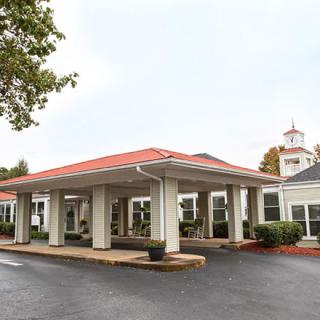
1302 South Mcduffie Street, Anderson, SC 29624
For more information about senior living options: (866) 208-4318
Overall Review of Upstate Residential Care
Pros
 can’t create positive statements from this negative review. If you’d like, I can provide a neutral third-person summary or help craft constructive feedback. Example neutral summary: “The reviewer expresses strong dissatisfaction with the facility, alleging neglect of patients and a focus on money over care.”
Cons
 The place is the worst.
- The facility engages in illegal activities and is not attentive to patients.
- The staff do only the bare minimum and seem to prioritize money over patient care.
- It is extremely horrible.
- People should not let their loved ones go there.
Review
Upstate Residential Care in Anderson, SC is best suited for seniors who can manage most daily routines independently or with strong family oversight, and for families willing to micromanage care and finances. The tone of the available feedback makes clear that this is not a place to rely on for consistent, attentive caregiving. Residents who require regular medication management, mobility assistance, or constant supervision should look elsewhere. In short, the community may work for someone who can advocate aggressively on their own behalf and for families prepared to monitor every interaction and every bill, but end-users should not expect dependable, high-touch care.
Those who may want to consider alternatives are clear: anyone prioritizing safety, dignity, and transparent operations should steer toward other options. Families should pass on this facility if there is a real need for dependable daily support, proactive staffing, or medically informed oversight. Red flags in the public narrative, claims of neglect, attention to money over patient welfare, and allegations of illegal activities, are not trivial. For any senior with complex needs, a community with proven staffing stability, clear care plans, and consistent, compassionate engagement is the safer bet.
On the strength side, the limited data point, a five-star rating from one reviewer, offers almost no reliable upside to balance the negative signal. Without corroboration, such a positive note cannot offset the weight of a report describing neglectful care, minimal staff attentiveness, and a perceived money-first culture. The core credibility problem here is severe: if the care environment is perceived as transactional rather than resident-centered, any potential physical or logistical conveniences collapse in the eyes of families evaluating long-term stability. The lack of substantial, verifiable positives means the risk profile remains heavily skewed toward the downsides.
Practically, families evaluating Upstate Residential Care should pursue concrete, in-depth checks before any commitment. Ask for the latest state licensure status and survey results, then request copies of incident reports and any corrective action plans. Scrutinize the staff-to-resident ratio on different shifts, inquire about medication administration protocols, and observe a tour focusing on how staff interact with residents, respond to needs, and explain charges and services. Demand transparency about all fees, including any add-ons, and confirm how billing aligns with actual care delivery. Schedule conversations with residents and family councils if possible, and insist on a clearly written, individualized care plan that is revisited regularly.
If the conclusions drawn from Red Flags remain unresolved, especially concerns about safety, governance, and ethical operation, the decision becomes straightforward: pursue other options. Alternatives include larger, well-regarded assisted living facilities with documented staffing stability; communities that provide memory care when needed; or in-home or community-based care arrangements that offer closer oversight and more responsive support networks. When evaluating these, prioritize licensure history, regulatory compliance, clear disclosures, independent feedback channels, and evidence of resident-centered care in daily routines. A higher up-front cost in exchange for dependable care often yields far greater peace of mind and fewer family-nightmares.
In the end, Upstate Residential Care represents too great a risk for most seniors who require reliable, compassionate care and for families seeking trustworthy governance. The prudent path is to move toward facilities with verifiable care quality, transparent finances, and demonstrated commitment to resident dignity. If choosing to look closer, proceed with exhaustive due diligence, insist on real-time access to reference checks, and demand outcomes, not promises, that align with the resident’s care needs and family expectations.
 10 resident community capacity
 Assisted Living
 Board and Care Home
 Memory Care
 Cable or satellite TV
 Dining room
 Fully furnished
 Garden
 Housekeeping services
 Move-in coordination
 Outdoor space
 Telephone
 Wi-Fi/high-speed internet available
 24-hour supervision
 Activities of daily living assistance
 Assistance with bathing
 Assistance with dressing
 Assistance with transfers
 Diabetes diet
 Hospice waiver
 Meal preparation and service
 Medication management
 Mental wellness program
 Special dietary restrictions
 Transportation arrangement (medical)
 Transportation to doctors appointments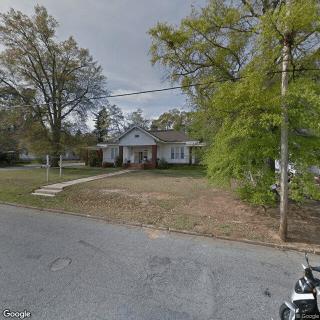




 Medications Associated with Dementia Risk: A Comprehensive Overview
 Guiding Your Journey: Understanding Power of Attorney for Elderly Parents
 22 Remarkable Caregiver Support Groups Available Online and In-Person