




Spring Villa Memory Care in West Warwick, RI

Save

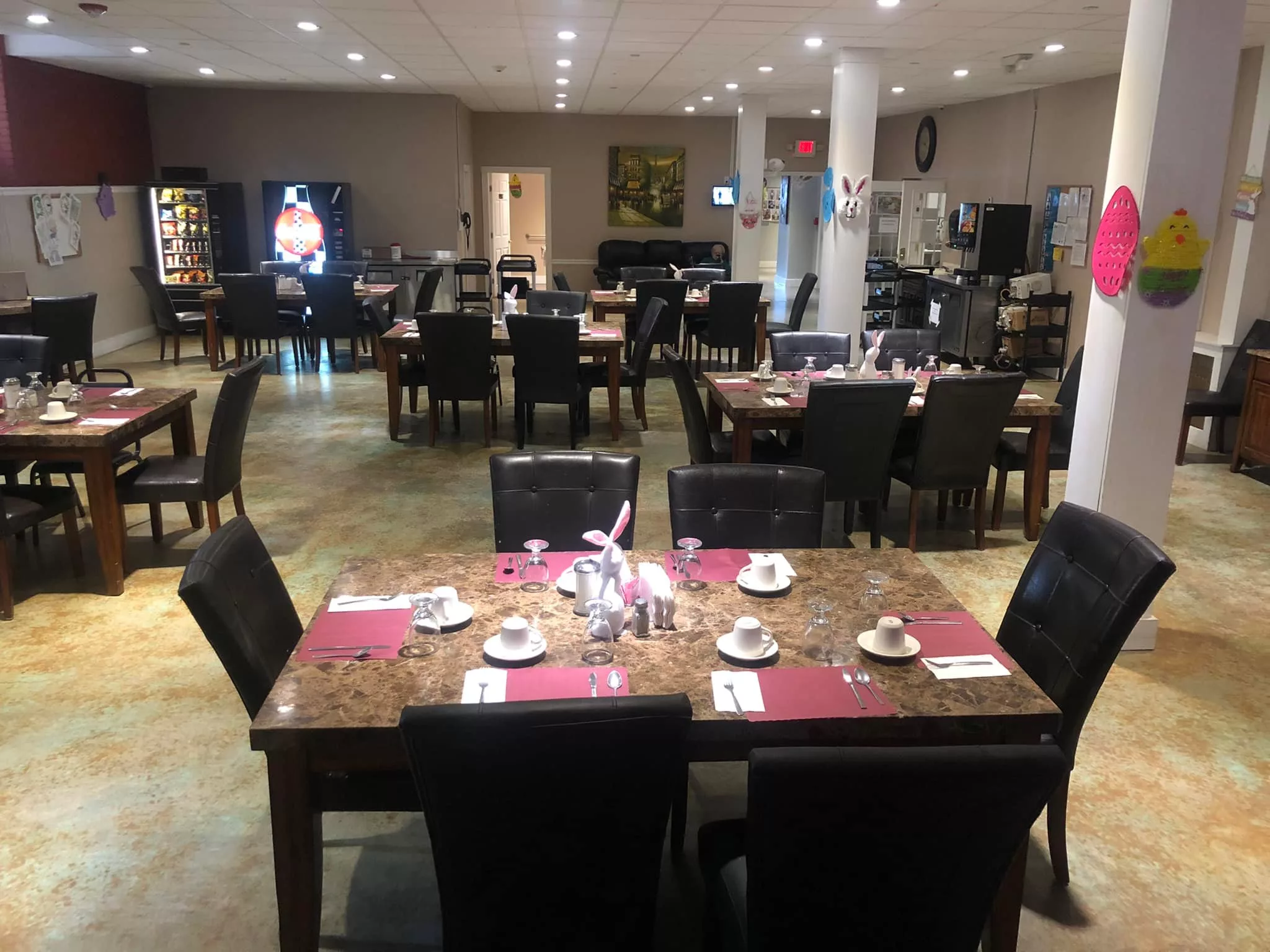
  • Interior

    An empty restaurant dining area with tables set for service.
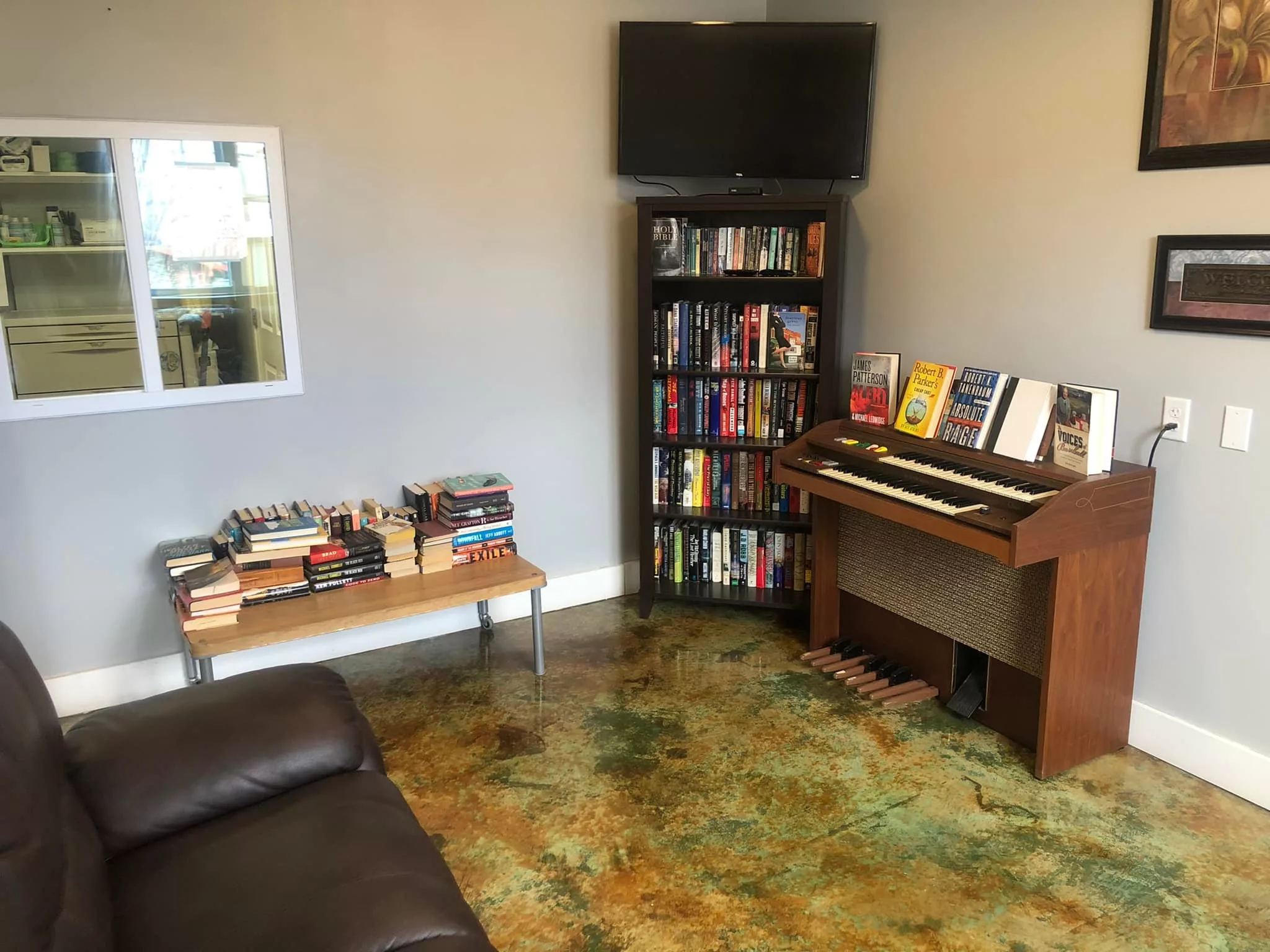
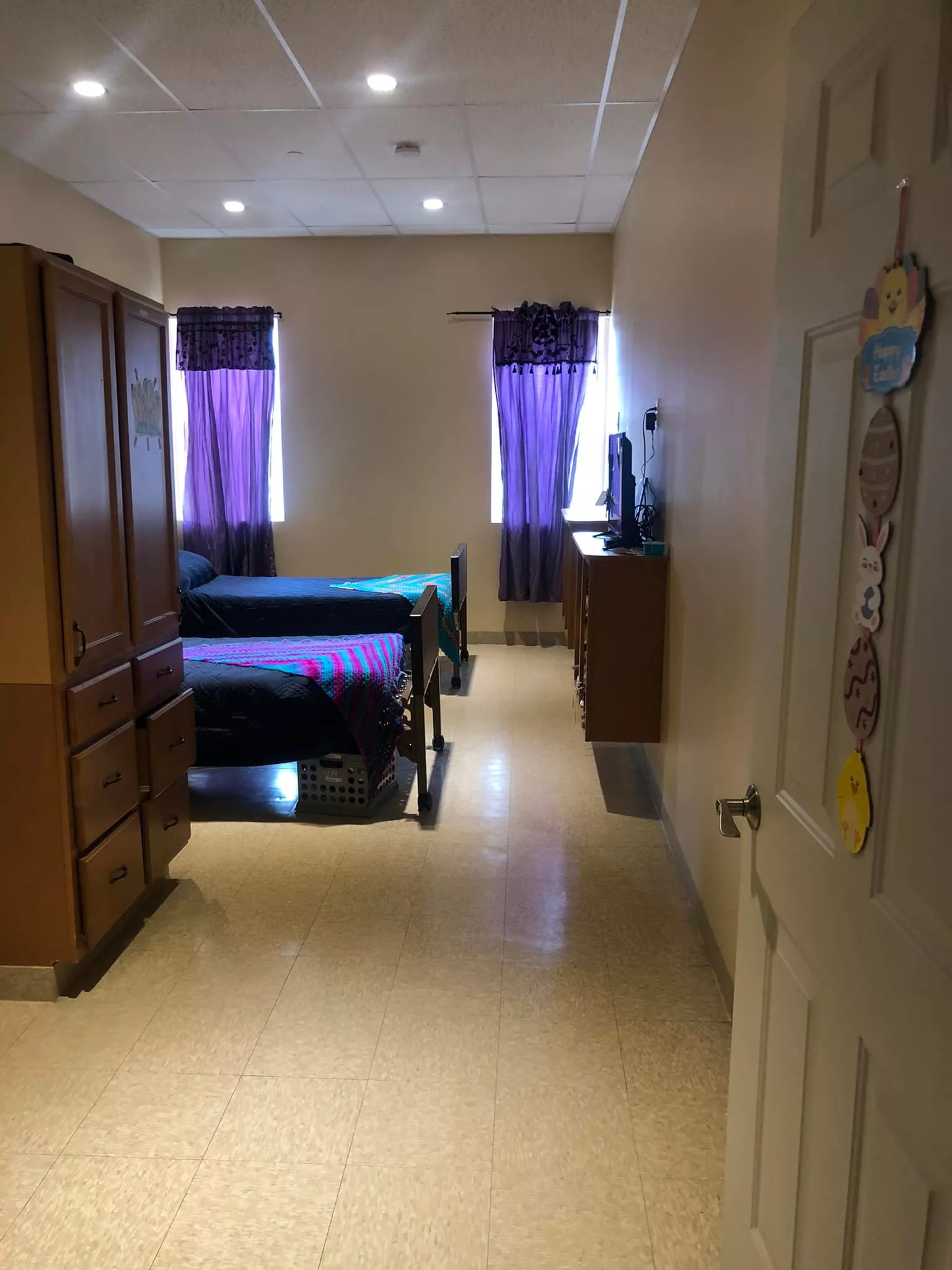
  • Living Room

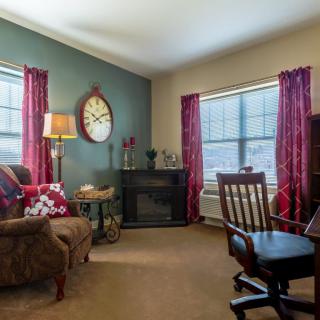
    A cozy living room with a bookshelf, piano, and television.
  • Building

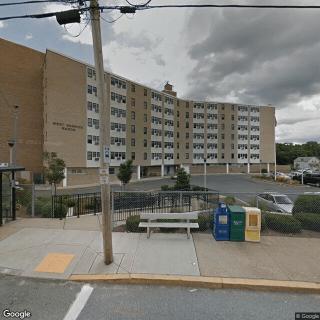
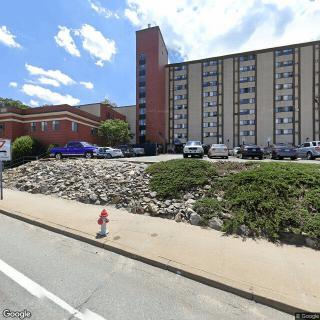
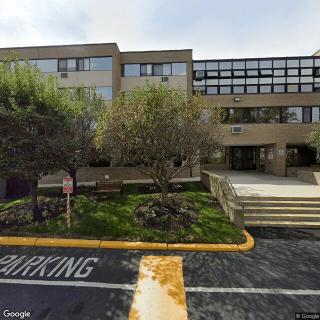
    A historic brick building with symmetrical windows and an American flag displayed at the entrance.
  • Architecture

    A historic brick school building with a flag displayed at the entrance.
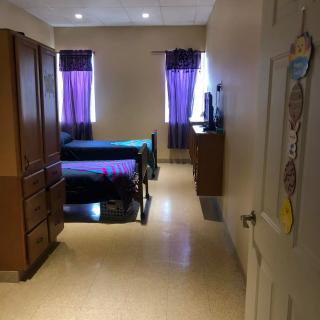
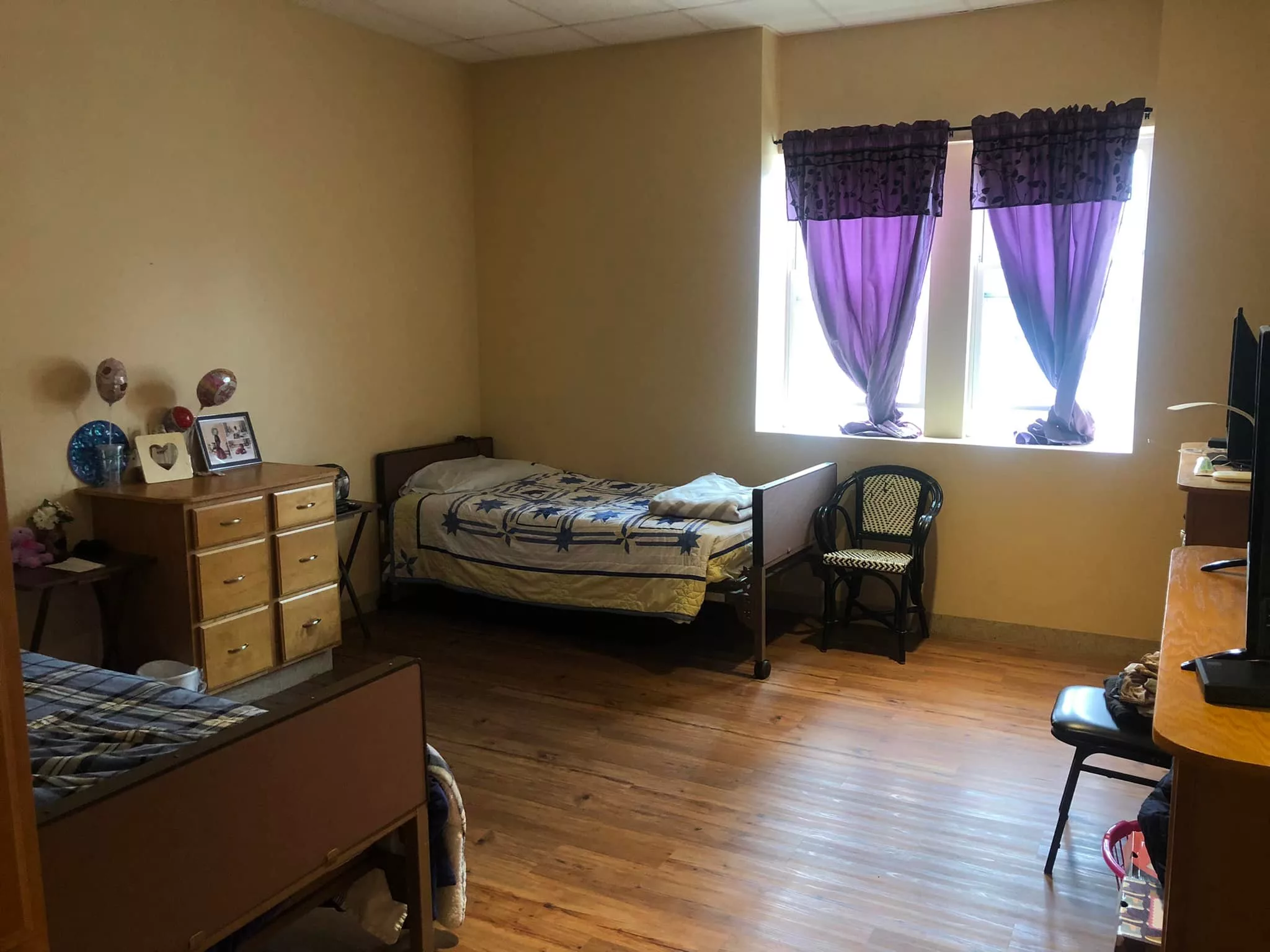
  • Bedroom

    A cozy bedroom with two beds and purple curtains, viewed from the doorway.
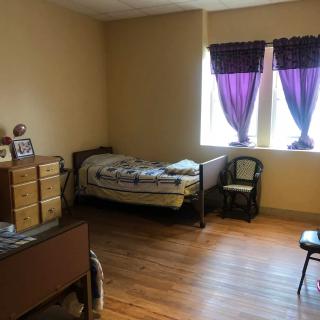
  • Windows

    A cozy bedroom with a single bed and purple curtains on the windows.
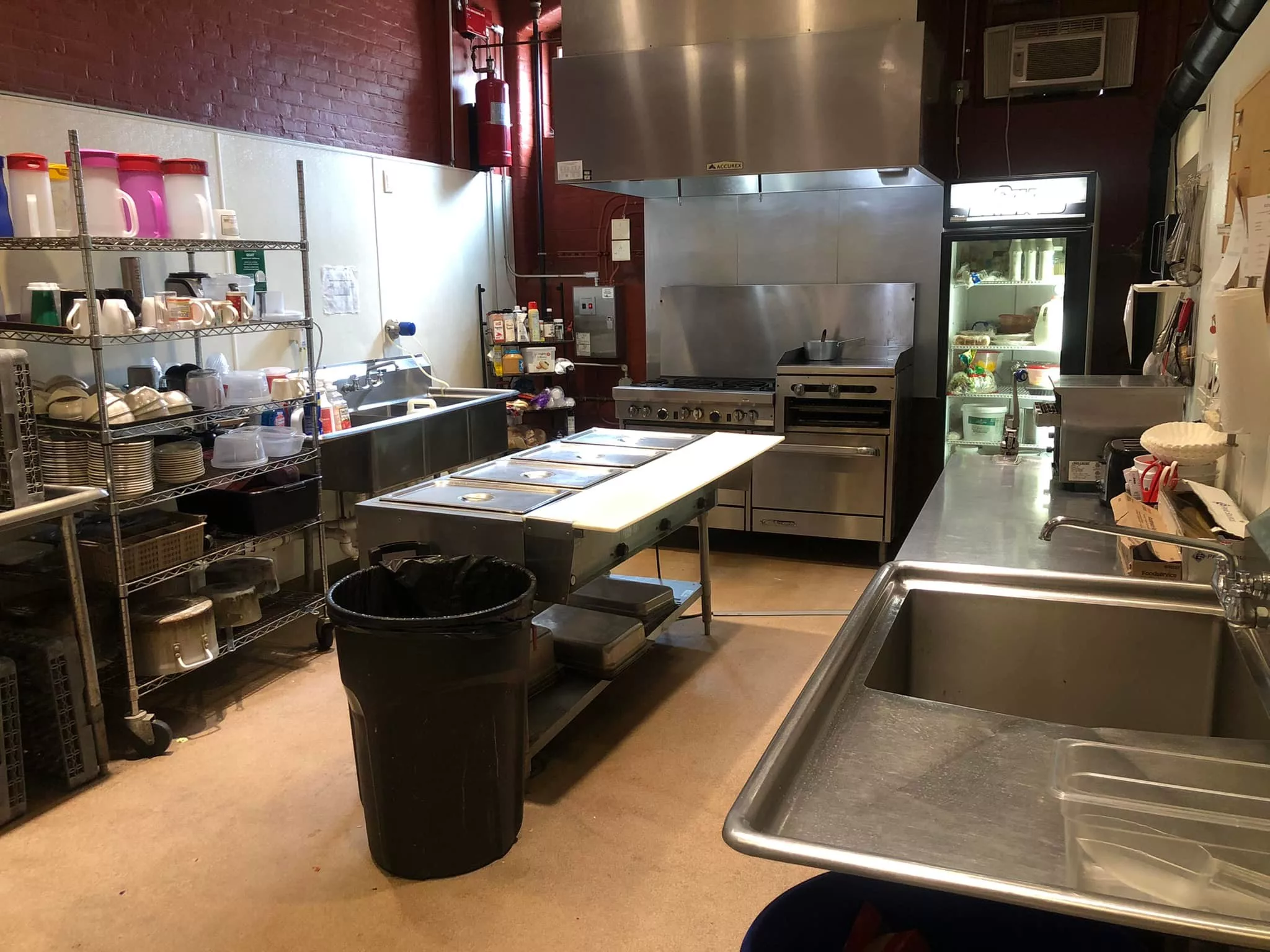
  • Dining

    A clean and organized commercial kitchen with stainless steel appliances.
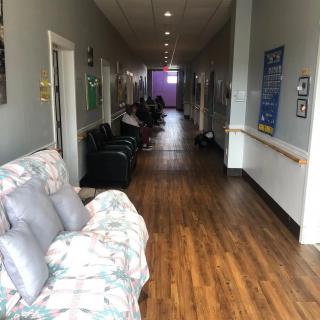
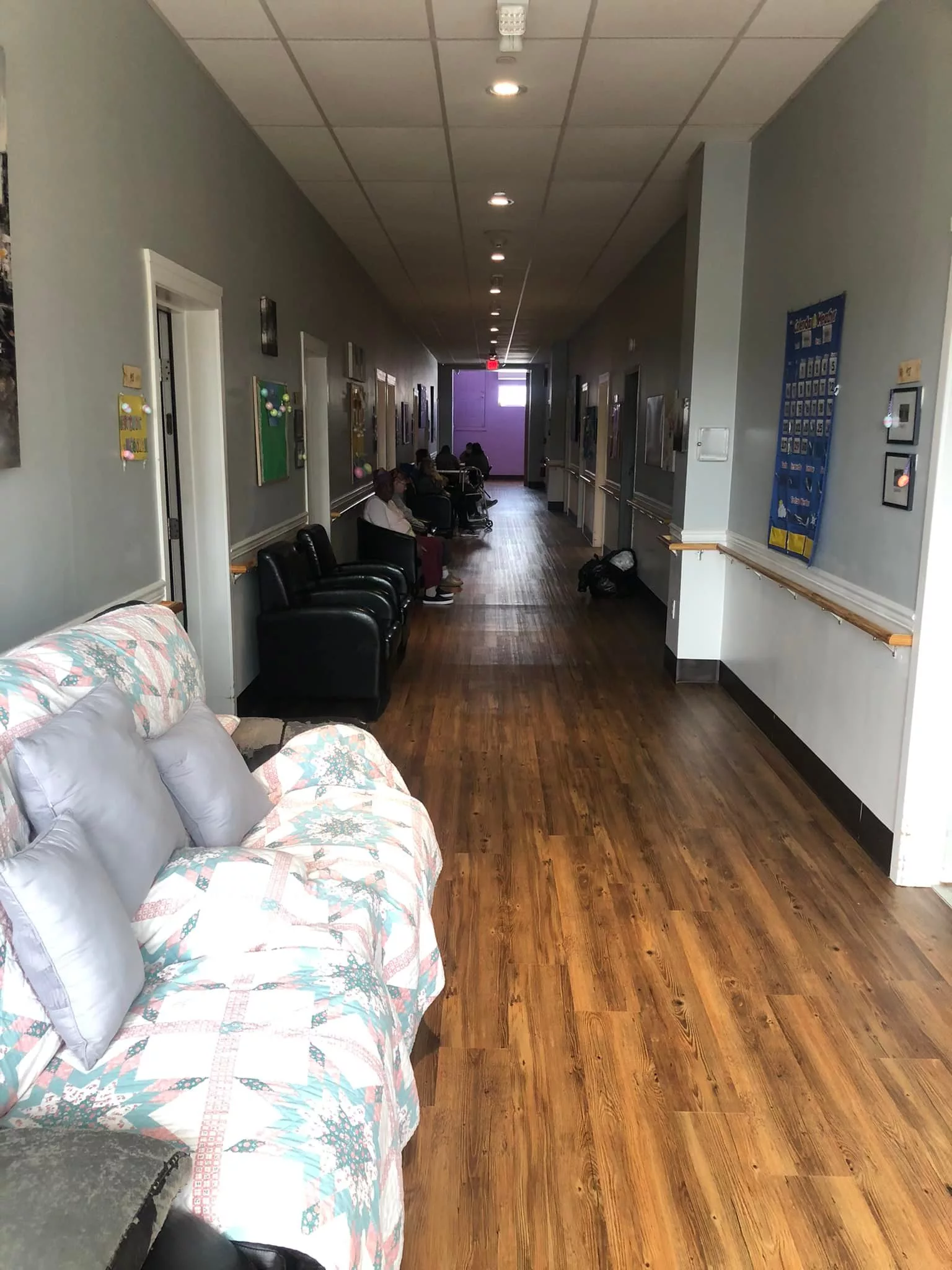
  • Hallway

    A long hallway with wooden flooring, featuring a floral sofa and chairs along the sides.

Spring Villa Memory Care in West Warwick, RI

59 Pleasant Street, West Warwick, RI 02893

For more information about senior living options: (844) 490-3973

4.3 from 12 reviews
5 stars
9
4 stars
1
3 stars
0
2 stars
0
1 stars
2

Assisted Living Memory Care

Spring Villa Memory Care Costs & Pricing

Spring Villa Memory Care offers competitive pricing for its residents, with semi-private rooms available at $3,500 per month. This rate is notably lower than the average costs in Kent County, where similar accommodations run about $3,740, and even more favorable compared to the Rhode Island state average of $4,389. For those seeking a studio option, Spring Villa's monthly fee stands at $6,000; while this is higher than the county average of $4,185 and slightly above the state average of $4,015, it reflects the premium services and personalized care that Spring Villa provides to its residents. Overall, the facility maintains a strong value proposition within the local market while ensuring a high standard of memory care support.

Floor plansSpring Villa Memory CareKent CountyRhode Island
Semi-Private$3,500$3,740$4,389
Studio$6,000$4,185$4,015

Overall Review of Spring Villa Memory Care

Pros

  • pro Spring Villa and its staff have been incredible.
  • pro Residents thrive there, enjoying friends, activities, and excellent meals.
  • pro The staff, including Craig, Jill, and Jasmine, are absolutely awesome.
  • pro The care provides families with peace of mind.
  • pro Spring Villa is a lively place with great food and staff who care about residents.
  • pro Everyone who works there is very kind.
  • pro The facility is impeccably clean and welcoming.
  • pro The environment is warm and inviting for residents and visitors alike.
  • pro The staff treats residents like family, ensuring they feel comfortable and cared for at all times.

Cons

  • pro They would have given it zero; their mother with Alzheimer's almost died there from a severe urinary infection and a high fever, leading to hospitalization, and they never returned.
  • pro They claim staff do not tell families if a resident tests positive for COVID.
  • pro They feel that at $3,500 a month the care is not adequate and the facility deserves better.
  • pro They criticize the meals as mostly frozen, with chicken tenders and hamburgers every week.
  • pro They describe Spring Villa Memory Care as more like an apartment-building setting rather than a true memory-care facility.

Review

Spring Villa Memory Care in West Warwick is best suited for families seeking a warm, home-like dementia-focused community where residents receive hands-on, attentive care from a family-run team, and where social life and daily routines are intentionally cultivated. The setting emphasizes small-community intimacy: friendly staff, a clean environment, and regularly scheduled activities paired with freshly prepared meals that residents often praise. This is the kind of place that delivers peace of mind to overwhelmed caregivers by showing steady, visible progress in daily happiness and engagement for a loved one with Alzheimer's or related memory challenges.

Those who may want alternatives are clear: families who insist on a hospital-grade, highly clinical atmosphere or on on-site medical protocols that feel more like a traditional medical campus may prefer larger, more medically staffed campuses. Likewise, households prioritizing the lowest possible price or seeking ultra-rigid dementia-care protocols may find Spring Villa's value proposition less compelling. For caregivers who require comprehensive, 24/7 medical oversight or a setting designed around aggressive behavior management, shopping other options is prudent. The focus here is more on warmth, routine, and social enrichment than on clinical intensity.

The strongest positives center on staff quality and the lived experience for residents. Reviews repeatedly highlight remarkable staff dedication, with families reporting that staff treat residents like family, greet visitors warmly, and foster a sense of belonging. The environment is described as lively, clean, and well maintained, underscoring a consistent emphasis on comfort and health. Residents often speak highly of meals and snacks, with multiple accounts of good food and even weight gain after moving in. The continuity of care - often anchored by a familiar, personable team - translates into real, practical advantages for families seeking steady daily oversight and meaningful engagement.

Yet a few concerns surface amid the overwhelmingly positive data. One family recalls a grave medical incident that raised questions about timely attention and communication, highlighting the reality that even excellent day-to-day care can be offset by moments of perceived medical oversight gaps. Another review framed the setting as more apartment-like than clinical, suggesting that some families looking for a more structured, hospital-style memory-care residence may feel the environment lacks the expected level of medical rigidity. A different voice pointed to cost relative to expectations, implying that value hinges on the weight given to the personal, community-driven care versus the desire for a more clinical or budget-conscious option.

These pros and cons collectively tilt in favor of Spring Villa for families prioritizing a compassionate, engaging, and homey atmosphere, where peace of mind comes from seeing a loved one thrive alongside peers. The offset is clear: the care quality, interpersonal warmth, and vibrant activities largely compensate for a setting that may feel less institutionally formal and for some concerns about medical oversight. For many families, the predictability of routines, the quality of meals, and the trust built with a steady staff team are decisive advantages that outweigh the occasional critiques.

For decision-making, this community makes the most sense for those who want a connected, family-like memory-care home. It works especially well for early- to mid-stage dementia patients who benefit from social programming, daily structure, and consistent caregiver attention. Prospective residents or their families should visit with specific questions about staffing ratios, daily activity calendars, meal quality, and how health changes are communicated and managed, not just on intake but over time. If the aim is to maximize a sense of belonging and reduce caregiver stress through visible, compassionate care, Spring Villa Memory Care delivers with authority. If the priority is a clinically austere, highly regulated environment or the lowest possible price, alternatives should be explored first.

Features

Housing

  • 21 resident community capacity 21 resident community capacity

Types of Care

  • Assisted Living Assisted LivingAssisted living facilities provide crucial support and care for seniors who may need help with daily tasks such as medication management, bathing, and meal preparation. These communities offer a safe and comfortable environment where seniors can maintain their independence while receiving the assistance they need to thrive in their golden years.
  • Memory Care Memory CareMemory care is crucial for seniors as it provides specialized support and services for individuals with dementia or Alzheimer's disease. These programs offer a safe and secure environment where residents receive personalized care, cognitive stimulation, and help with daily activities. Memory care helps seniors maintain their independence, quality of life, and dignity while also providing peace of mind for their families.

Amenities

  • Beauty salon Beauty salonBeauty salons are important for seniors because they provide a space for them to feel pampered, socialize, and maintain their personal grooming and hygiene. Regular visits to a beauty salon can help boost seniors' self-esteem and overall well-being.
  • Cable or satellite TV Cable or satellite TVCable or satellite TV is important for seniors because it provides entertainment, news, and companionship, helping to combat loneliness and boredom. It also offers a wide range of programming options tailored to different interests and preferences.
  • Dining room Dining roomDining rooms are important for seniors as they provide a space for socialization, connection, and nutritious meals. They offer opportunities for residents to bond over shared meals, foster a sense of community, and promote healthy eating habits. Dining rooms also ensure that seniors have access to well-balanced meals tailored to their dietary needs and preferences.
  • Fully furnished Fully furnishedFully furnished senior living communities are important for seniors because they provide convenience, comfort, and a hassle-free moving experience. Seniors can easily settle into their new living space without the stress of having to buy and move furniture. This allows them to focus on enjoying their new home and community.
  • Garden GardenGardens are important for seniors as they provide a peaceful and therapeutic environment for relaxation, physical activity, and socialization. Being in nature has been shown to reduce stress, improve mood, and promote overall well-being. Gardens also offer opportunities for seniors to engage in gardening activities, which can improve mobility, flexibility, and cognitive function. Additionally, gardens create a sense of community and connection with others who share a passion for plants and outdoor spaces.
  • Housekeeping services Housekeeping servicesHousekeeping services are important for seniors because they help maintain a clean and safe living environment, promote independence, and reduce the risk of accidents or illnesses. Additionally, having assistance with household chores can alleviate physical strain and allow seniors to focus on other aspects of their well-being.
  • Kitchenette KitchenetteKitchenettes are important for seniors living in senior living communities because they provide the convenience and independence of being able to prepare simple meals and snacks in the comfort of their own living space. This can help promote a sense of autonomy and well-being for seniors, allowing them to maintain some level of control over their dietary choices and daily routines.
  • Move-in coordination Move-in coordinationMove-in coordination is important for seniors because it helps ease the transition into their new living environment. It ensures that all logistics, such as packing, organizing movers, and setting up utilities are taken care of, allowing seniors to focus on settling in and adjusting to their new home. Having a smooth move-in process can alleviate stress and anxiety, making the transition smoother and more enjoyable for seniors.
  • Outdoor space Outdoor spaceOutdoor spaces are important for seniors as they provide opportunities for physical activity, social interaction, exposure to natural light and fresh air, and a sense of connection to nature. Having access to outdoor spaces can improve overall well-being and quality of life for older adults living in senior communities.
  • Restaurant-style dining Restaurant-style diningRestaurant-style dining is important for seniors because it allows them to enjoy delicious, nutritious meals in a social and upscale setting. This enhances their dining experience, promotes healthy eating habits, and fosters socialization with fellow residents, ultimately contributing to their overall well-being and quality of life.
  • Small library Small librarySmall libraries are important for seniors as they provide access to a variety of reading materials, including books, newspapers, and magazines. This can help stimulate their minds, keep them engaged, and provide a sense of community through book clubs and other social activities. Additionally, reading has been shown to improve cognitive function and overall mental well-being in older adults.
  • Telephone TelephoneTelephones are important for seniors as they provide a lifeline for communication with loved ones, emergency services, and healthcare providers. They offer a sense of security and independence, enabling seniors to stay connected and access assistance when needed.
  • Wi-Fi/high-speed internet available Wi-Fi/high-speed internet availableWi-Fi/high-speed internet is important for seniors to stay connected with loved ones, access online resources, and participate in virtual activities to combat feelings of loneliness and isolation. It also allows them to easily manage healthcare needs, access entertainment, and engage in lifelong learning opportunities.

Transportation

  • Theodore F Green State (5 miles away) Theodore F Green State (5 miles away)

Care Services

  • 24-hour call system 24-hour call system24-hour call systems are important for seniors because they provide peace of mind and immediate assistance in case of emergencies. This technology ensures that help is always available, promoting safety and security for elderly individuals living alone or in assisted living facilities.
  • 24-hour supervision 24-hour supervision24-hour supervision is important for seniors to ensure their safety, well-being, and access to immediate assistance in case of emergencies or health issues. This constant support provides peace of mind for both seniors and their loved ones, allowing them to age in place with dignity and security.
  • Activities of daily living assistance Activities of daily living assistanceActivities of daily living assistance are important for seniors because they provide essential support with tasks such as eating, bathing, dressing, and mobility. This assistance helps seniors maintain their independence, dignity, and overall quality of life as they age.
  • Assistance with bathing Assistance with bathingAssistance with bathing is crucial for seniors as it helps maintain personal hygiene, prevents infections, and ensures their overall well-being and comfort. It also provides a sense of dignity and independence for seniors who may struggle with this task on their own.
  • Assistance with dressing Assistance with dressingAssistance with dressing is important for seniors because it helps maintain their independence, promotes personal hygiene, prevents accidents and injuries, and improves overall quality of life. This service ensures that seniors can continue to dress comfortably and confidently, despite any physical limitations they may have.
  • Assistance with transfers Assistance with transfersAssistance with transfers is crucial for seniors as it helps prevent falls and injuries, maintains their independence, and ensures they can safely navigate their living environment. It also provides peace of mind for both seniors and their loved ones.
  • Diabetes diet Diabetes dietA diabetes diet is crucial for seniors as it helps manage blood sugar levels, reduce risks of complications, and improve overall health and well-being. By following a balanced and nutritious diet tailored to their specific needs, seniors can better control their diabetes and enhance their quality of life.
  • Meal preparation and service Meal preparation and serviceMeal preparation and service are crucial for seniors as they may have limited mobility or energy to cook nutritious meals. Having access to healthy and convenient food options can ensure they are getting the proper nutrition needed to maintain their overall health and well-being.
  • Medication management Medication managementMedication management is crucial for seniors to ensure they are taking the right medications at the correct dosages and times. This helps prevent adverse drug interactions, reduces the risk of medication errors, and promotes overall health and well-being. Proactive management also allows for adjustments as needed based on changing health conditions or new prescriptions.
  • Mental wellness program Mental wellness programMental wellness programs are essential for seniors as they promote cognitive stimulation, emotional support, and social engagement. These programs help prevent isolation, depression, and cognitive decline, ultimately enhancing the overall quality of life for older adults.
  • Special dietary restrictions Special dietary restrictionsSpecial dietary restrictions are important for seniors because age-related changes in metabolism and health conditions can make it difficult for their bodies to process certain foods. By following a diet tailored to their specific needs, seniors can maintain their overall health and well-being, manage chronic conditions, and reduce the risk of complications such as malnutrition or food interactions with medications.

Dining

  • Diabetes diet Diabetes dietA diabetes diet is crucial for seniors as it helps manage blood sugar levels, reduce risks of complications, and improve overall health and well-being. By following a balanced and nutritious diet tailored to their specific needs, seniors can better control their diabetes and enhance their quality of life.
  • Special dietary restrictions Special dietary restrictionsSpecial dietary restrictions are important for seniors because age-related changes in metabolism and health conditions can make it difficult for their bodies to process certain foods. By following a diet tailored to their specific needs, seniors can maintain their overall health and well-being, manage chronic conditions, and reduce the risk of complications such as malnutrition or food interactions with medications.

Activities

  • Community-sponsored activities Community-sponsored activitiesCommunity-sponsored activities are important for seniors as they provide opportunities for social interaction, mental stimulation, and physical activity. These activities can help improve overall well-being, combat loneliness and isolation, and promote a sense of belonging and purpose among older adults.
  • Resident-run activities Resident-run activitiesResident-run activities are important for seniors as they encourage social interaction, creativity, and a sense of autonomy. These activities empower seniors to stay engaged and active in their community while fostering meaningful connections with their peers.
  • Scheduled daily activities Scheduled daily activitiesScheduled daily activities are important for seniors because they provide structure, socialization, mental stimulation, and physical activity. Engaging in regular activities can improve overall well-being and quality of life for seniors living in a community setting.

Description

Spring Villa Memory Care in West Warwick, RI is a premier assisted living community that provides exceptional care and support for individuals with memory-related conditions. Our community offers a range of amenities and services to ensure the comfort and well-being of our residents.

At Spring Villa Memory Care, residents can enjoy their own fully furnished apartments with cable or satellite TV, Wi-Fi/high-speed internet access, and a small library for leisurely reading. Our dining room offers restaurant-style dining with special dietary options available to cater to each resident's needs. The kitchenettes in each apartment allow residents to prepare their own meals if they desire.

Our dedicated staff provides 24-hour supervision and assistance with activities of daily living such as bathing, dressing, and transfers. We also offer medication management to ensure that residents receive their prescribed medications on time. Additionally, our mental wellness program focuses on promoting cognitive stimulation and emotional well-being through engaging activities and personalized care plans.

Residents at Spring Villa Memory Care have the opportunity to participate in resident-run activities as well as scheduled daily activities designed to promote social interaction and engagement within the community. Outside our community, there are several cafes, parks, pharmacies, physicians' offices, restaurants, places of worship, theaters, and hospitals located nearby for residents' convenience.

At Spring Villa Memory Care in West Warwick, RI, we are committed to providing a supportive environment where individuals with memory-related conditions can thrive. With our top-notch amenities and compassionate care services tailored to meet individual needs, we strive to create a warm and welcoming community for our residents.

Nearby Places of Interest

Restaurants

  • Bill's Place (0.2 miles)
  • Come Along Inn (2 miles)
  • McDonald's (2.4 miles)
  • Sonic Drive-In (2.4 miles)
  • Not Your Average Joe's (2.8 miles)
  • The Olde Theater Diner (2.9 miles)
  • Black Oak Kitchen & Drinks (3.3 miles)

Physicians

  • Thundermist Medical Center (1.1 miles)
  • Anesthesia Associates of Kent County (3.1 miles)
  • Ortho Ri (3.5 miles)
  • Doctor Newstead's Office (3.5 miles)
  • Toll Gate Pediatrics (3.7 miles)
  • Tri County Urology (3.7 miles)
  • Caring For Women (3.7 miles)

Pharmacies

  • CVS Pharmacy (2.1 miles)
  • Walgreens (2.9 miles)
  • CVS Pharmacy (2.9 miles)
  • Pawtuxet Valley Prescription & Surgical Center (2.9 miles)
  • CVS Pharmacy (3.2 miles)
  • Walgreens (3.6 miles)
  • Walgreens (4.2 miles)

Cafes

  • Bean Barn RI (3 miles)
  • Starbucks (3.5 miles)
  • Cafe Tempo Coffee House (3.9 miles)
  • Starbucks (4.2 miles)
  • Panera Bread (4.4 miles)
  • Latte Love Coffee House (4.5 miles)
  • Panera Bread (4.7 miles)

Theaters

  • Apple Cinemas (3.1 miles)
  • Showcase Cinemas Warwick (4.6 miles)

Parks

  • Playground (3.1 miles)
  • Roger Williams Park (7.4 miles)

Hospitals

  • Kent County Memorial Hospital (3.1 miles)
  • Kent Hospital Laboratory Services (3.8 miles)

Places of Worship

  • St Paul Evangelical Lutheran Church (3.2 miles)
  • St John & Paul Rectory (3.8 miles)

Transportation

  • T. F. Green Airport (4.7 miles)
  • Green Airport (PVD) (5 miles)

Frequently Asked Questions

How much does it cost to live at Spring Villa Memory Care in West Warwick, RI?
Where is Spring Villa Memory Care?
Does Spring Villa Memory Care provide care for residents with dementia or Alzheimer's disease?
What photos are available for Spring Villa Memory Care in West Warwick, Rhode Island?

Nearby Communities

  • Riverview Healthcare Community

    Riverview Healthcare Community

    Coventry, RI

    4.9 from 101 reviews
     

    pro Excellent staff care with proactive, transparent communication.

  • West Warwick Manor

    West Warwick Manor

    West Warwick, RI


    pro Close to cafes, pharmacies, physicians, restaurants, theaters, and hospitals.

  • Westcott Terrace

    Westcott Terrace

    West Warwick, RI


    pro Excellent location with abundant nearby amenities and healthcare options.

  • Cra-Mar Nursing Home

    Cra-Mar Nursing Home

    Cranston, RI

    3.8 from 12 reviews
     

    pro Warm, family-owned with personalized care and a strong community feel.

  • Cra-Mar Meadows

    Cra-Mar Meadows

    Cranston, RI


    pro Fully furnished apartments with restaurant-style dining and 24-hour supervision.

  • Monsignor De Angelis Manor I

    Monsignor De Angelis Manor I

    West Warwick, RI


    pro Wide access to nearby amenities and healthcare (cafes, restaurants, park, pharmacies, physicians, theaters, hospital).

  • Summer Villa

    Summer Villa

    Coventry, RI

     
    $1,900 to $3,000 / month

    pro Competitive pricing for semi-private and studio living with 24-hour care and extensive on-site amenities

  • All American Assisted Living at Warwick

    All American Assisted Living at Warwick

    Warwick, RI

    4.6 from 88 reviews
    $4,100 to $4,650 / month

    pro Friendly staff, engaging activities, and well-kept facilities.

  • Meshanticut Vista

    Meshanticut Vista

    Cranston, RI


    pro Convenient access to healthcare and nearby amenities

Related Resources

  • dementia behaviorsUnderstanding Dementia Behaviors: Practical Insights and Strategies for Caregivers

    Dementia affects memory and cognitive function in older adults, presenting challenges for caregivers due to behavioral changes such as confusion and mood swings. Compassionate, person-centered care that considers individual history and preferences, along with effective communication and environmental modifications, is essential for supporting both patients and their caregivers.

  • dementia and angerWhen Dementia Sparks Anger and Aggression: Understanding the Connection and Ways to Cope

    Dementia leads to cognitive impairment and can cause emotional and behavioral changes, including aggression that arises from frustration, confusion, or fear. Effective coping strategies for caregivers include understanding dementia's nature, recognizing triggers, using empathetic communication, and employing non-pharmacological interventions like music and art therapy.

  • dementia behaviorsDementia Behaviors: In-Depth Understanding and Effective Coping Strategies
    Dementia causes cognitive decline and challenging behaviors that caregivers must manage, necessitating an understanding of the neurological basis of these issues. Effective strategies and self-care for caregivers can enhance support for those with dementia and improve their daily lives.