
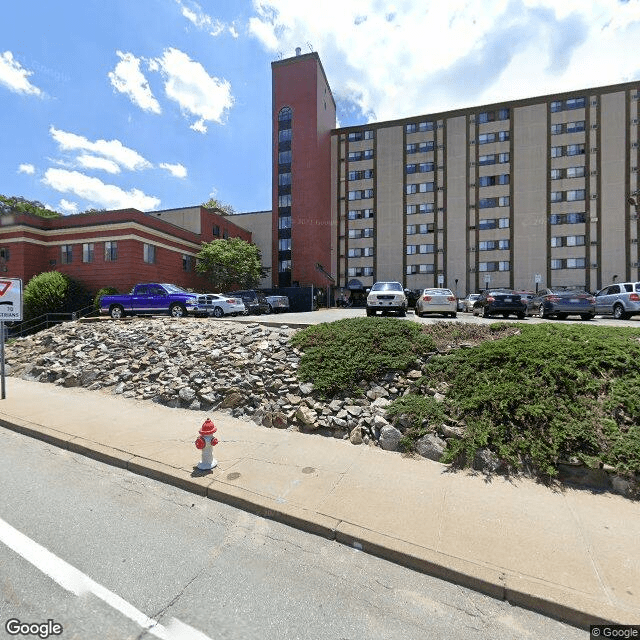
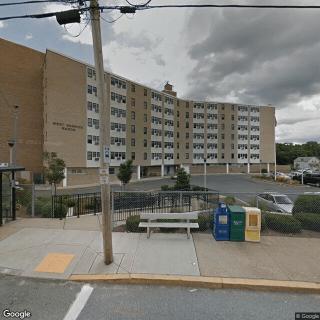
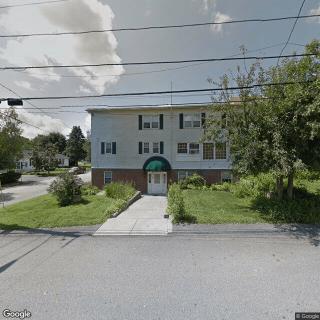
319 Providence St, West Warwick, RI 02893
To contact a resident: (401) 828-1490
For more information about senior living options: (866) 208-4318
Overall Review of Westcott Terrace
Pros
 The housing is solid.
- It is as clean as residents help keep it.
- There are very few power or hot-water outages.
- The office staff is professional and maintenance is hardworking.
- Alarms are up to code and functional.
- Fire safety features include sprinkler heads and auto-close doors synchronized with the fire alarm system.
- WWFD response is quick and organized.
- It still gets 5 stars overall.
Cons
 Cameras are placed but not effective.
- There is a general fear of harm and burglary among residents.
- There is a lack of community policing and public safety coordination from the overtaxed WWPD.
- Issues caused by wear and tear are often left unfixed.
- There is a high rate of urban diseases and illnesses (drugs, alcohol, etc.).
Review
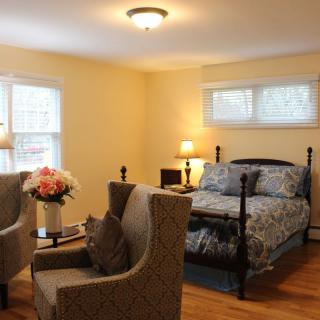
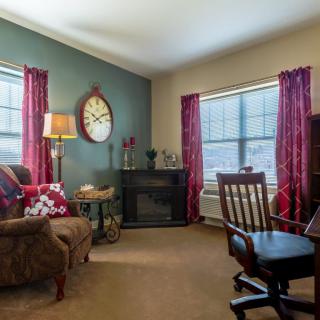
Westcott Terrace in West Warwick, RI is best suited for seniors who want solid, budget-friendly, apartment-style living with clear HUD-regulated rent assistance and dependable day-to-day upkeep. The community rewards practicality over polish: clean surroundings, predictable utilities, and a lean but capable on-site team that keeps the basics functioning. It suits independent residents who don’t demand luxury amenities but do value reliable maintenance, straightforward administrative processes, and a stable, no-fruss living environment. For families seeking a low-stress, affordable option where the emphasis is on staying in one’s own unit with decent support, Westcott Terrace fits the bill.
Those who may want to consider alternatives are those who prioritize security as a cornerstone of daily life or who want a more active security and safety ecosystem. If strong, visible policing, coordinated neighborhood safety efforts, and robust social programming are nonnegotiables, this community may feel lacking. Similarly, seniors who require higher levels of on-site care, more varied community engagement, or a more assertive approach to crime prevention could find other options more aligned with their expectations. In short, this is not a high-security, high-programming environment; it is practical, cost-conscious housing with modest safety features and limited external programming.
On the strength side, the pros are concrete and tangible. The housing itself is described as solid, with cleanliness sustained by resident cooperation and a maintenance staff that is consistently described as hardworking. Problems arising from wear and tear tend to be addressed promptly rather than left to linger, which matters for ongoing habitability. Rent assistance regulated by HUD helps keep the monthly financial burden predictable, a critical factor for budgeting. The operational backbone, professional office staff and reliable maintenance, translates into fewer routine disruptions, and the few outages noted tend to be exceptions rather than the rule, reinforcing a sense of consistency in daily life. Fire safety is another clear plus: the building has a robust set of sprinkler heads, alarms that are up to code, and auto-close doors aligned with a functional fire alarm system, with rapid, well-organized responses from the local fire department when called.
Yet, the most salient drawbacks center on security and perceived risk. Cameras exist, but they are described as not particularly effective, and there is a general sense of urban-style risk, drug and alcohol issues, illness, and burglary concerns, that weighs on peace of mind. A lack of strong community policing and perceived strain on the local police department compounds these worries, creating an atmosphere where residents feel more vigilant than protected. While most on-site issues are minor and resolved quickly, the existence of these concerns cannot be dismissed, especially for prospective residents who place a premium on a safe, predictable environment.
The overall balance hinges on what matters most to those evaluating options. The clear advantages, affordable, reliable housing; HUD-supported rent; dependable upkeep; and strong fire-safety infrastructure, offset many routine inconveniences and keep living costs predictable. However, the perceived gaps in security and external safety coordination cannot be ignored, particularly for seniors who value an environment where safety feels as reliable as the utilities. The takeaway is practical: for someone who wants to stay in a comfortable, no-nonsense apartment setting with solid maintenance and predictable costs, Westcott Terrace delivers. For those who require a higher degree of security, police-linked safety measures, or richer social programming, alternatives deserve serious consideration.
Bottom line: Westcott Terrace is a realistic fit for independent seniors who want affordable, straightforward housing with dependable maintenance and strong basic safety systems. It is less suitable for those who demand robust, proactive security, strong external safety partnerships, or extensive on-site programming. When weighing options, focus on security posture, the level of social engagement offered, and how much value is placed on cost predictability versus perceived safety risk. A visit with a clear checklist, response times for maintenance requests, visibility and effectiveness of security measures, and opportunities for social connection, will reveal how well the community aligns with personal priorities and care expectations.
 Theodore F Green State (4 miles away)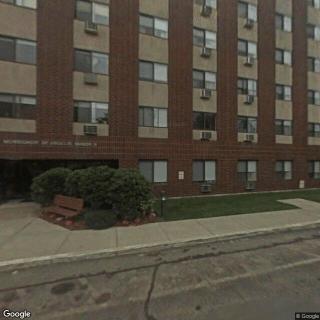


 Comprehensive Insights into Palliative Home Care: What It Is and What to Expect
 Skilled Nursing Facilities vs. Nursing Homes: Making Sense of the Differences
 A Detailed Examination of Nursing Home Costs Across the U.S.