
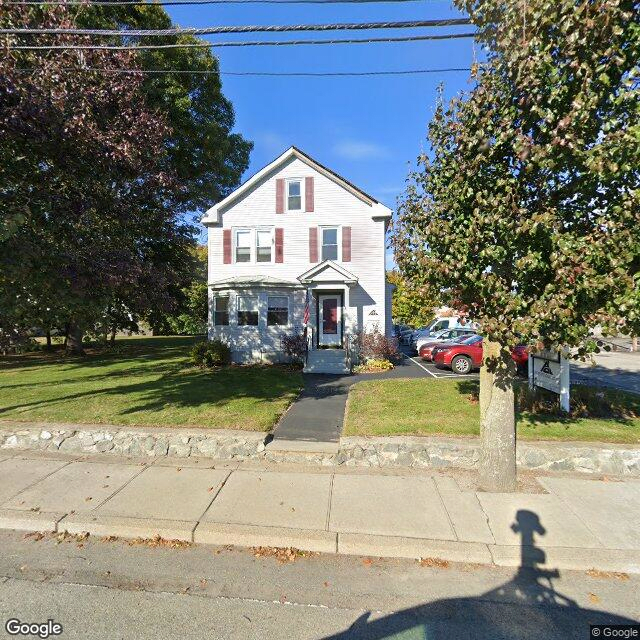
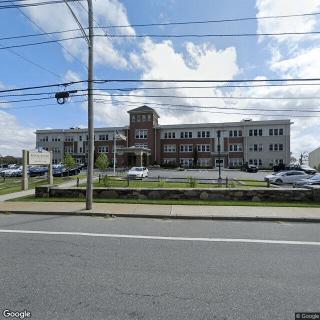
2809 Post Rd, Warwick, RI 02886
To contact a resident: (401) 738-5470
For more information about senior living options: (866) 208-4318
Overall Review of ADL Assisted Daily Living
Pros
 The clinicians are all very nice and caring.
- These nurses are the best.
- The nurses are very patient, even when the patient isn’t at their best.
- They are true professionals.
- The nurse dealing with the patient was very professional and knowledgeable.
Cons
 The organizational structure is ridiculous.
- There is little communication between service providers and the director, causing a stressful weekly scheduling situation for the patient.
- The nurse was unresponsive and repeatedly failed to visit.
- The facility is described as a "nut house" and should be avoided; they should not be hired or worked for.
- The overall experience was terrible.
Review
This Warwick, RI community is best suited for seniors who need steady, skilled nursing and daily living support and who are willing to tolerate a less organized administrative framework. The strongest asset here is the nursing staff: clinicians described as caring, patient, and highly professional, with caregivers who consistently demonstrate competence in medical tasks and rehabilitative support. For a resident whose medical needs require attentive hands-on care and who values bedside expertise, this facility delivers quality clinical interaction more reliably than many peers.
Those considering alternatives should pay attention if care coordination and predictable scheduling are non-negotiables. Families that cannot or will not devote time to managing the administrative side of care, routing communications, scheduling, and ensuring that all service providers stay aligned, should seriously weigh other options. The ongoing frustration described around weekly scheduling, poor internal communication, and the burden placed on the patient or family to function as an administrative secretary signals a structural risk for care continuity that many families may find untenable.
The positive nursing experiences effectively offset some of the main drawbacks, especially in acute or high-need scenarios. When the patient’s recovery or daily regimen hinges on professional, knowledgeable nurses who can respond with competence and empathy, the care level can exceed expectations. In those moments, the facility earns trust and can prevent avoidable complications, which matters deeply for seniors with complex medical histories or recent surgeries.
However, the downsides are not trivial. The organizational structure appears to undermine reliability, producing a stressful, sometimes inconsistent care rhythm. Reports of nurses missing visits or being hard to reach due to scheduling gaps illustrate a systemic fragility: even excellent clinical staff may be hampered by administrative bottlenecks. A resident’s safety and continuity of care can be jeopardized when communications break down between service providers and the administrator, or when a family must repeatedly intervene to coordinate care.
From a decision-making standpoint, this community will suit families who are prepared to invest time in logistics and who possess the bandwidth to navigate care coordination. Prospective residents should press for a concrete, accountable care coordination plan with a dedicated point person, clear expectations for visit frequency, and a reliable backup system when a nurse is unavailable. It is essential to request references from current families about how scheduling is managed over weeks and to confirm what escalation paths exist if communication stalls. If those assurances cannot be obtained, or if a smoother administrative flow is non-negotiable, alternatives should be explored.
In the end, this community is not a fit for families seeking seamless administrative efficiency or painless scheduling but remains a valid choice for those prioritizing high-caliber nursing care and attentive clinical support. When choosing, target facilities that can demonstrate a stable, integrated care-management process, with a predictable schedule and a single point of contact for families. If the emphasis is on the strongest possible clinical care and a willingness to tolerate some administrative friction, this option can work; if not, look for a setting with tighter operational cohesion and clearer accountability.
 Theodore F Green State (2 miles away)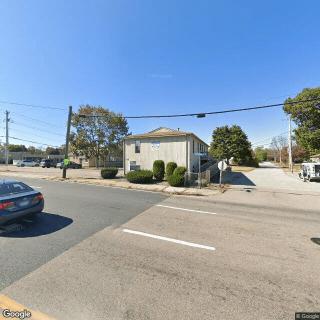




 Navigating the Financial Road to Nursing Home Care: In-Depth Guidance and Resources
 Supportive Employee Benefits That Help Caregivers Attain Better Work-Life Harmony
 Top Cars for Senior Drivers and Essential Safety Innovations